Reading
Brewing
Technique, ratios and the small number of variables that actually change the cup. How much coffee for twelve cups, what a coarse grind is for, why your espresso channels, and what a gooseneck spout buys you that a kettle spout does not. Every answer here points at the gear that makes it repeatable.
Brewing methods
Moka pot, French press, pour over, Turkish coffee and the rest: how each method works and how to get it right.
Moka pot
 How to Use a Moka Pot Without Burning the CoffeeAlmost every complaint about moka pots is the same mistake made in the same place. Start with hot water and take it off early, and the pot stops tasting scorched.
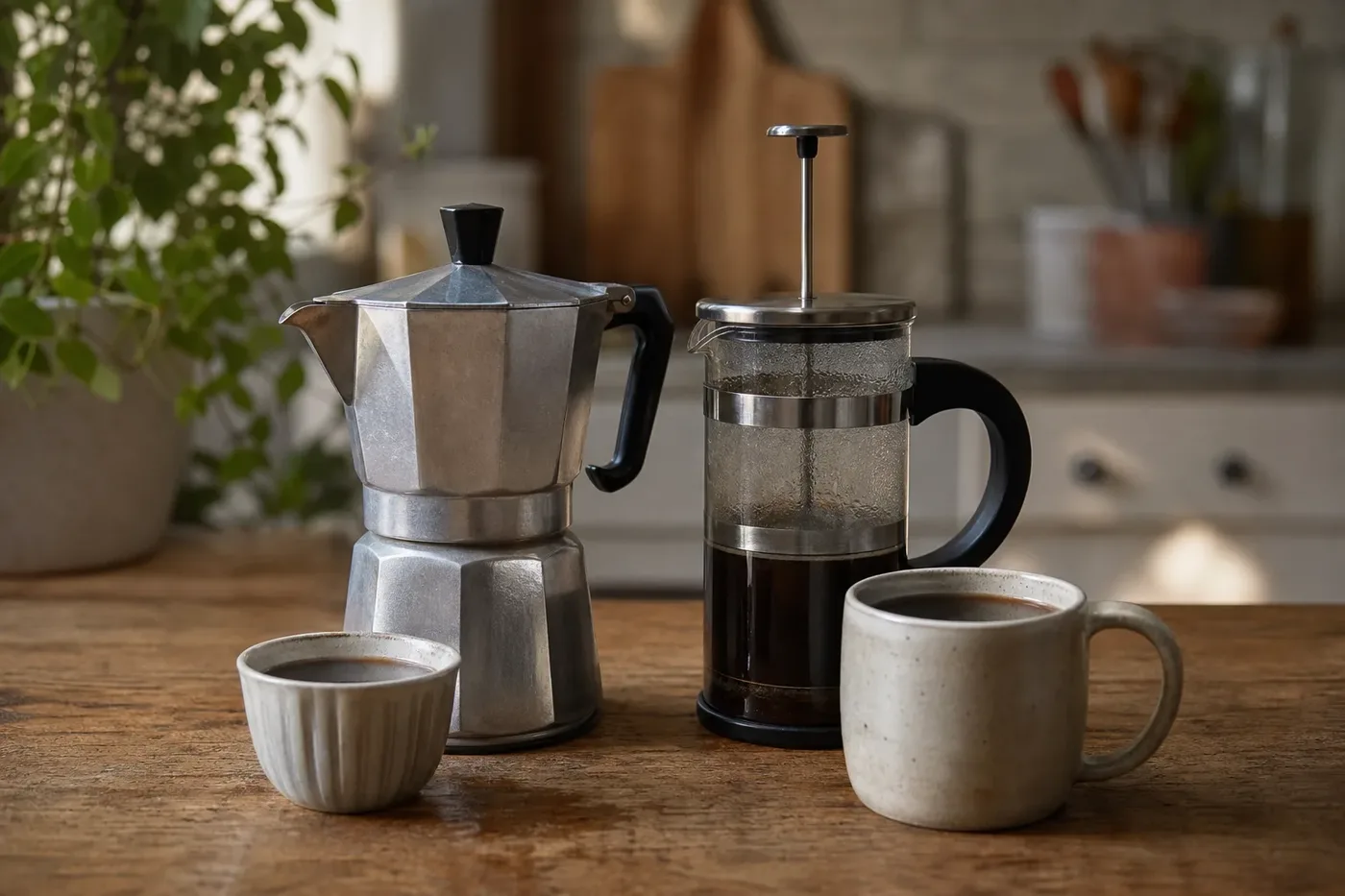 Moka Pot vs French Press: Which to ChooseBoth are cheap, simple and built to last. One makes a short, intense coffee with pressure; the other makes a full mug by steeping. The choice is about the cup.
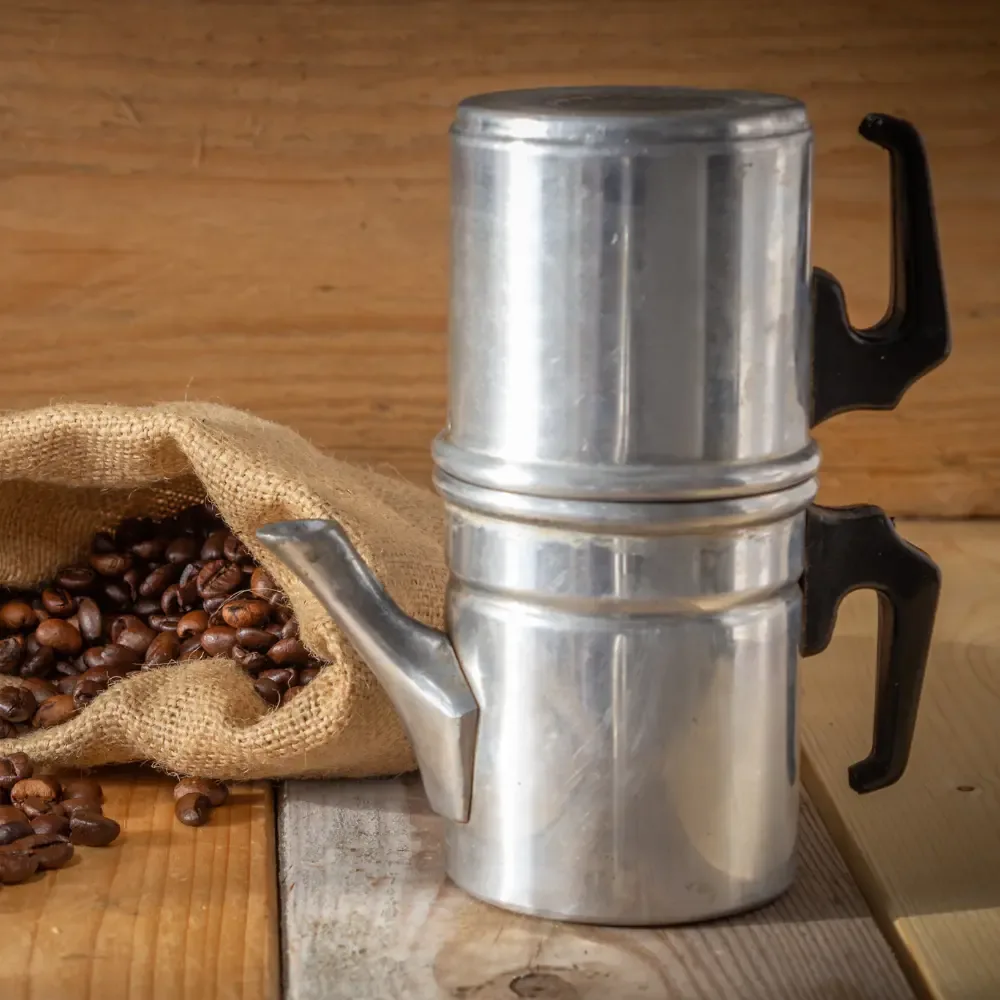 The Neapolitan Flip Coffee Maker, and Why It Is Not a Moka PotThe cuccumella brews by gravity, not pressure. You boil the water, flip the whole thing over, and wait.
French press
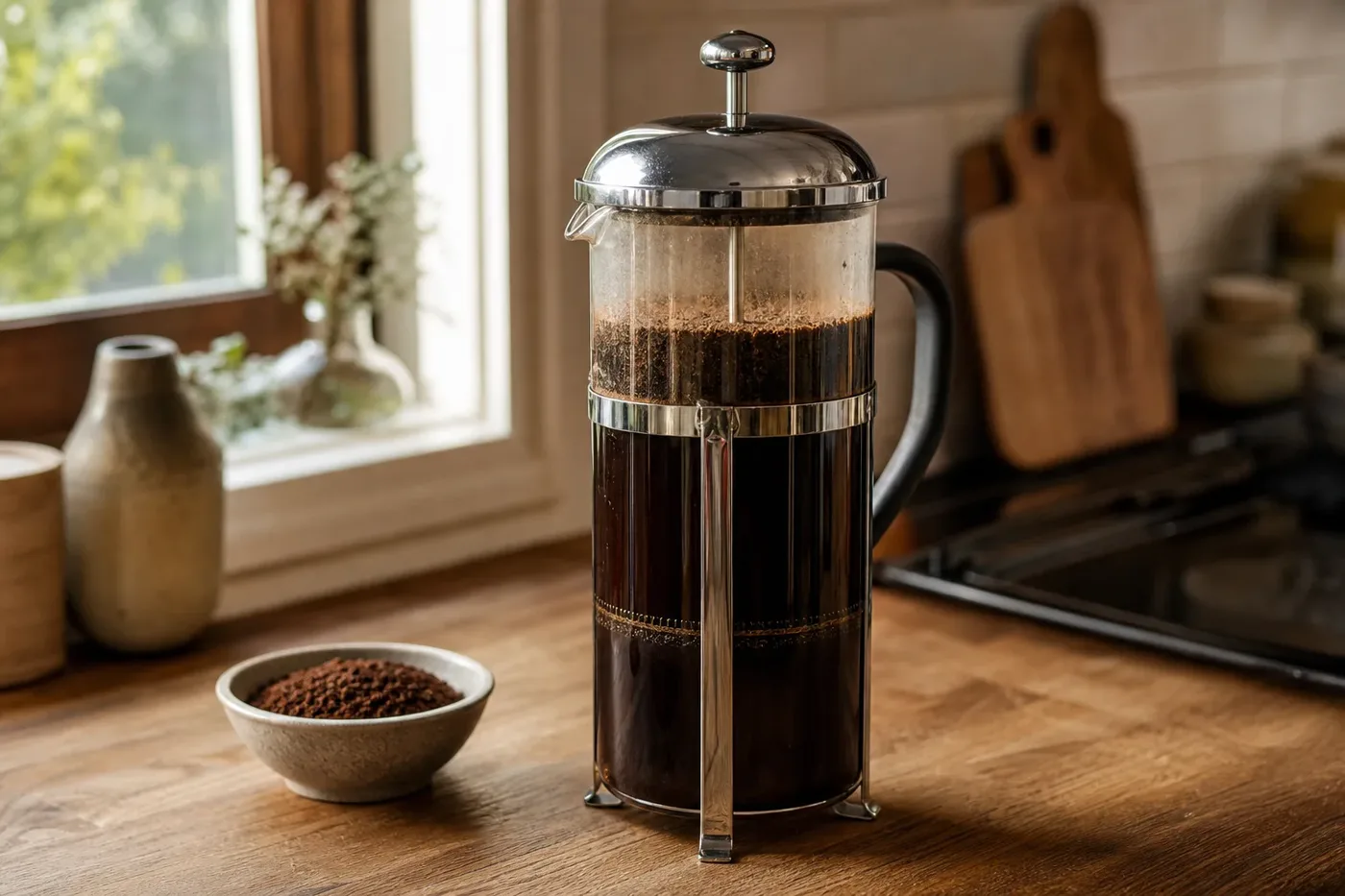 How to Use a French Press ProperlyThe press is the most forgiving brewer there is, and the two things people get wrong are the same two every time: the grind, and pressing it like a plunger rather than a lid.
- Moka Pot vs French Press: Which to ChooseBoth are cheap, simple and built to last. One makes a short, intense coffee with pressure; the other makes a full mug by steeping. The choice is about the cup.
Pour over
 How to Make Pour Over CoffeeThe method is four pours and a timer. What makes it hard is that every one of them has to land in the same place, which is the one thing a recipe cannot write down for you.
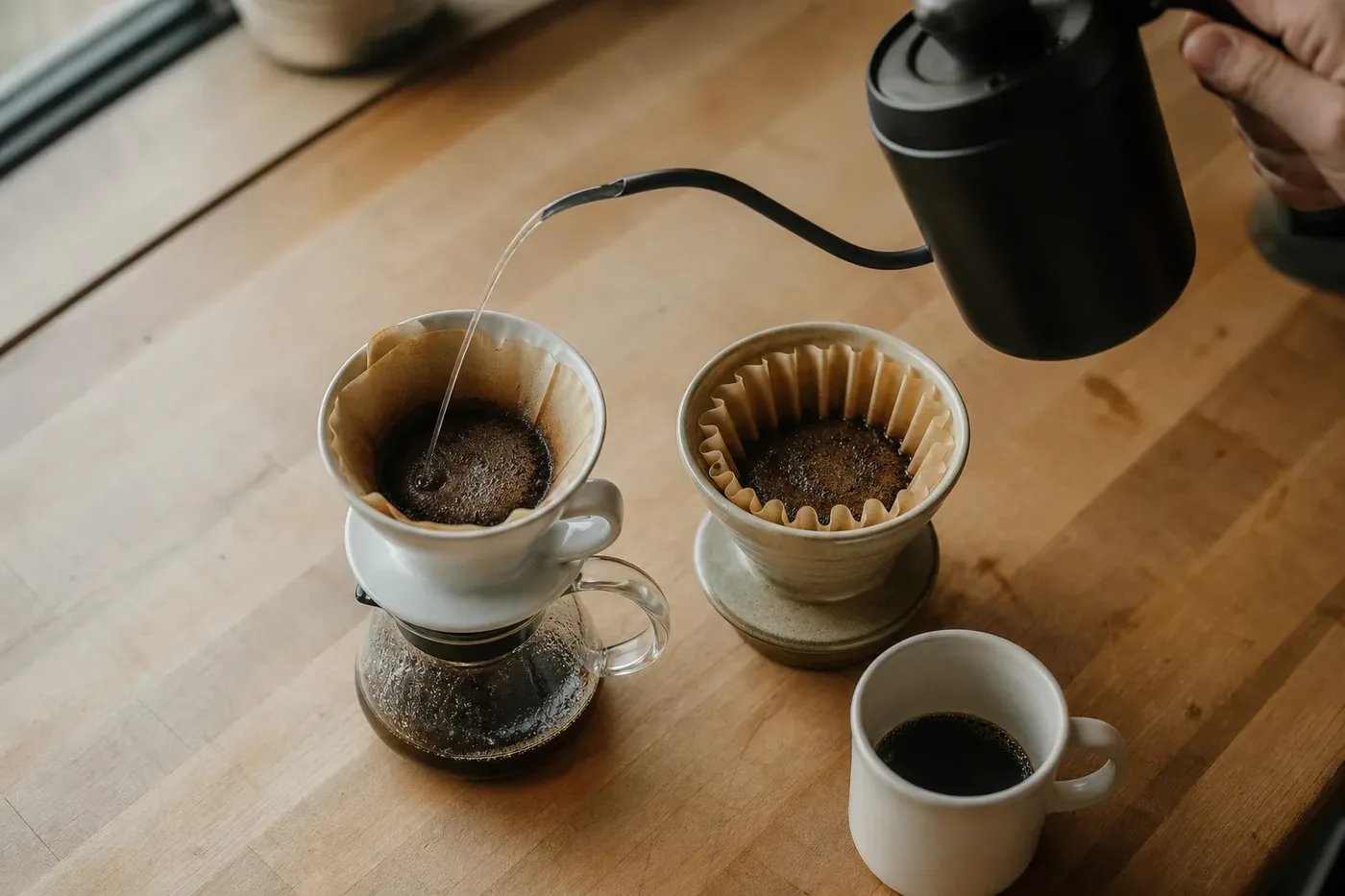 Flat Bed vs Cone: What the Shape of a Dripper ChangesA cone concentrates the coffee in the middle and drains fast. A flat bed spreads it evenly and drains slow. That one difference decides how much your pour has to be right.
Turkish coffee
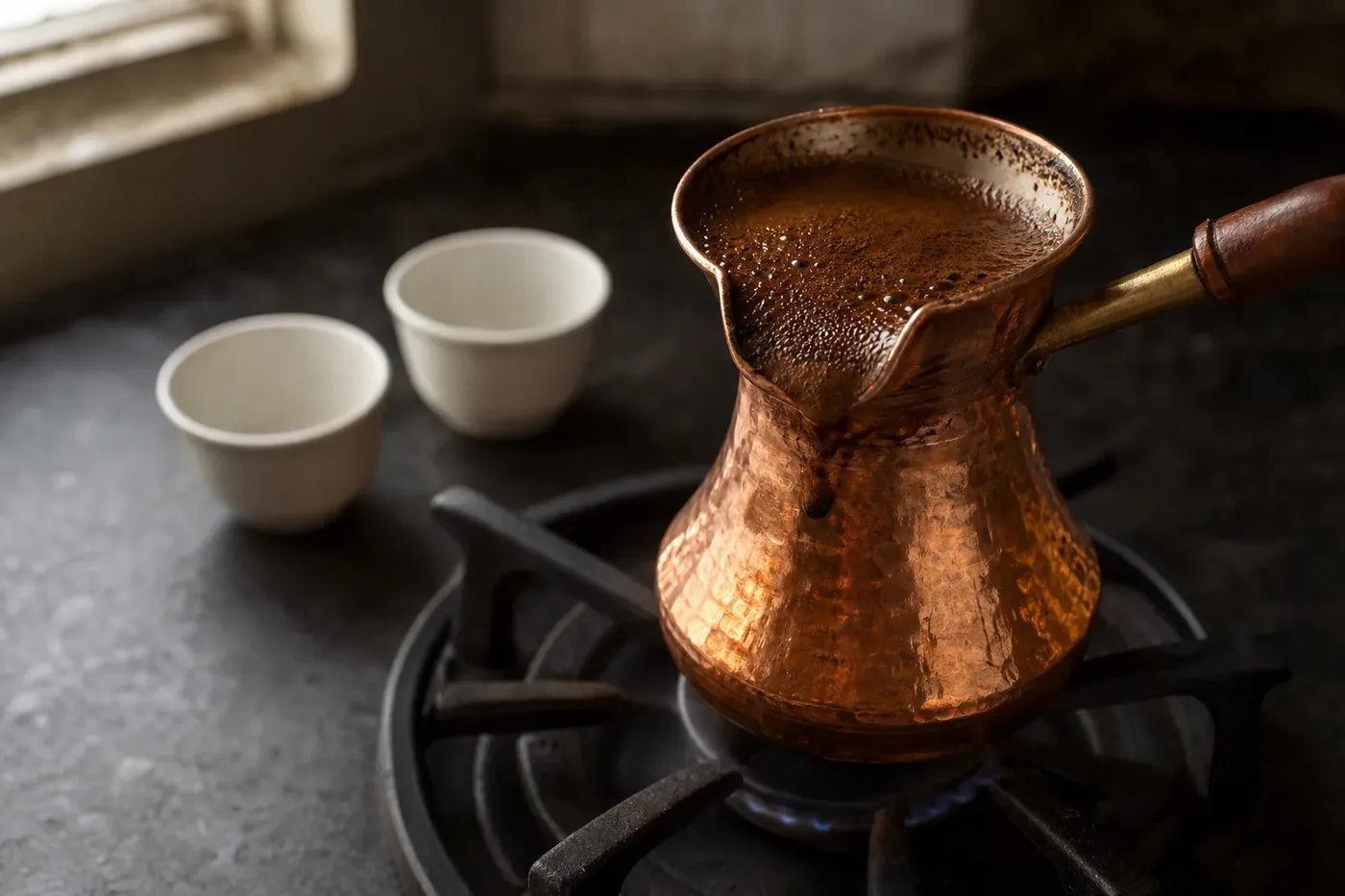 How to Make Turkish Coffee at HomeSix things to get right, and only one of them is difficult. The sugar goes in before the heat, and the coffee never boils.
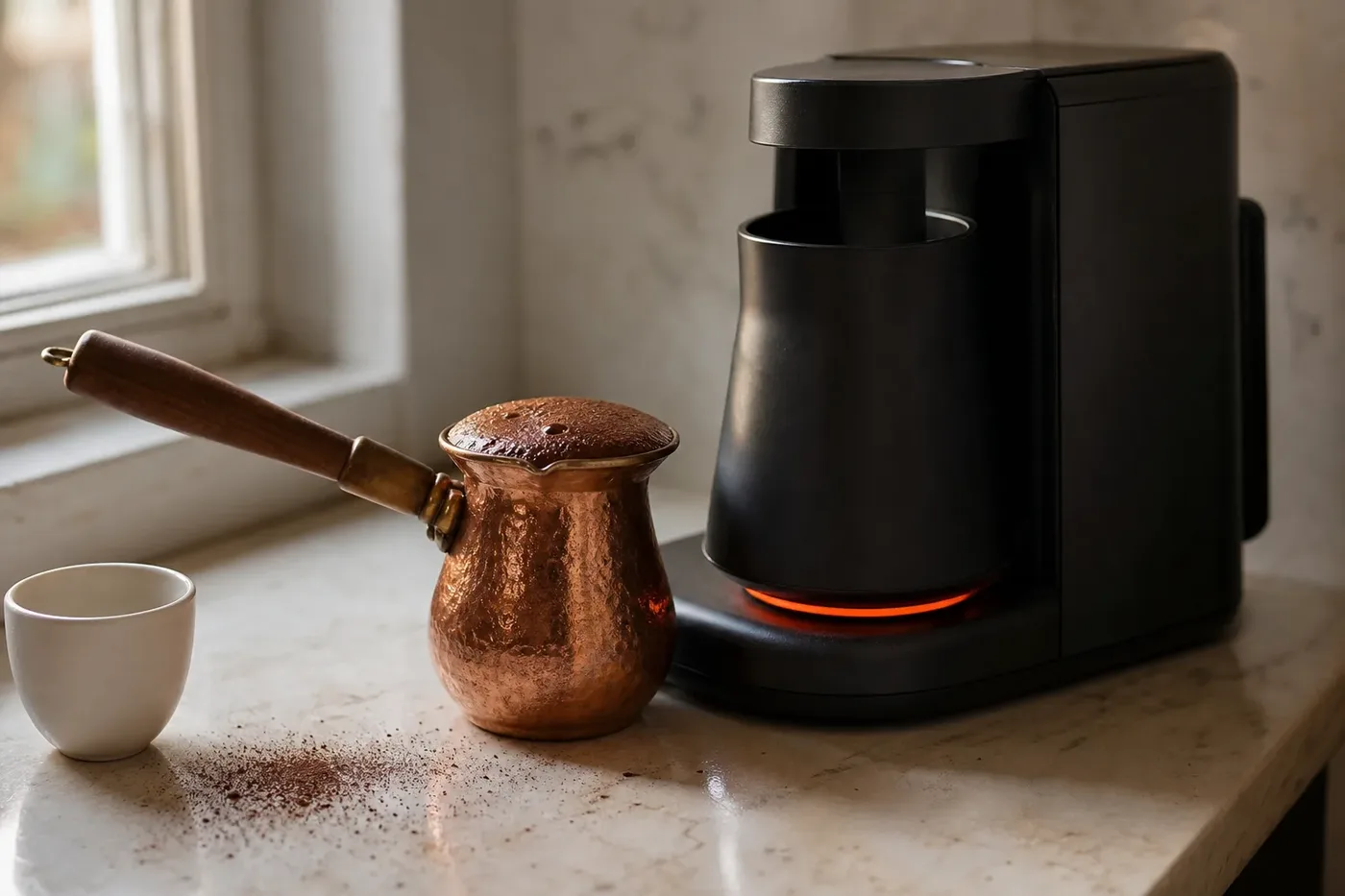 Automatic Turkish Coffee Machines: What the Machine Is Actually JudgingTurkish coffee is defined by the foam and ruined by the boil. An automatic machine exists to watch for the moment between them, which is the one part of the method people get wrong.
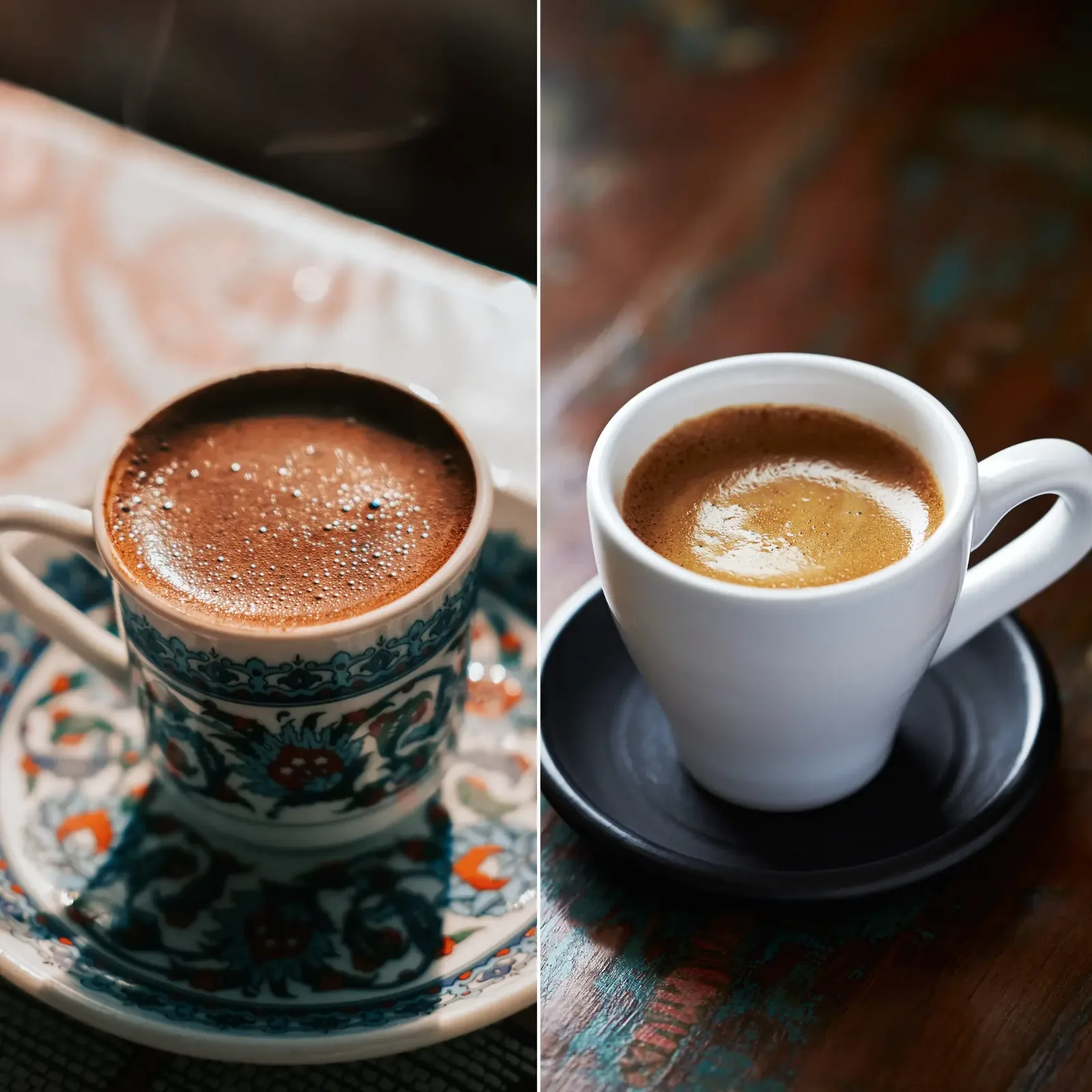 Turkish Coffee vs EspressoBoth are small, dark and strong, and almost nothing else about them is the same. One is filtered by pressure, the other is not filtered at all.
Technique
Ratio, grind size, water temperature and weighing: the variables behind every brewer.
All 6 on technique →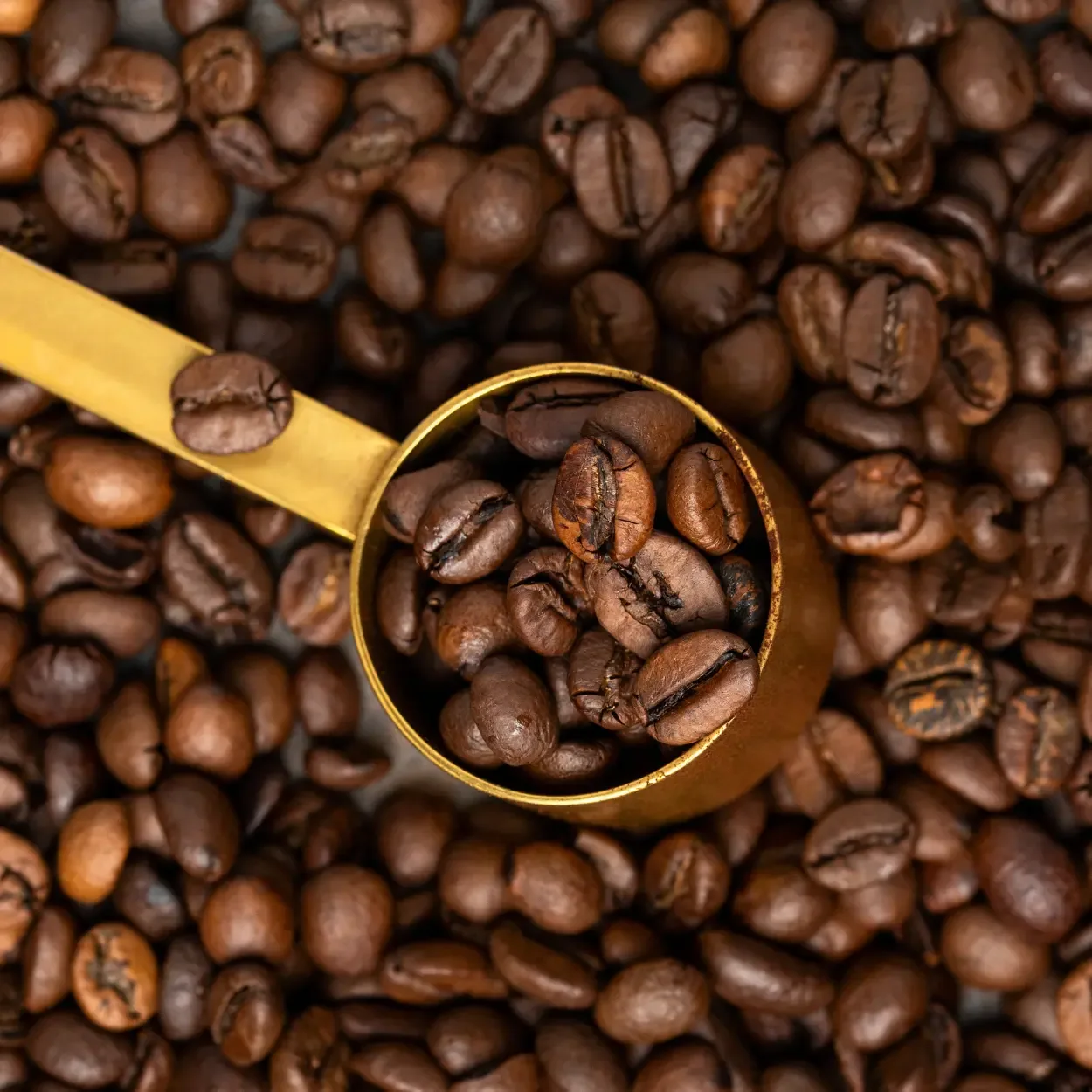 How Much Coffee for 12 Cups? The Ratio, and the Cup-Size TrapA 12-cup coffee maker does not make 12 cups. Get that straight and the ratio becomes simple arithmetic.
 What Grind Size for Each BrewerBrew time and grind size are the same dial turned from different ends. A four-minute press wants coarse, a thirty-second espresso wants fine, and everything else sits between.
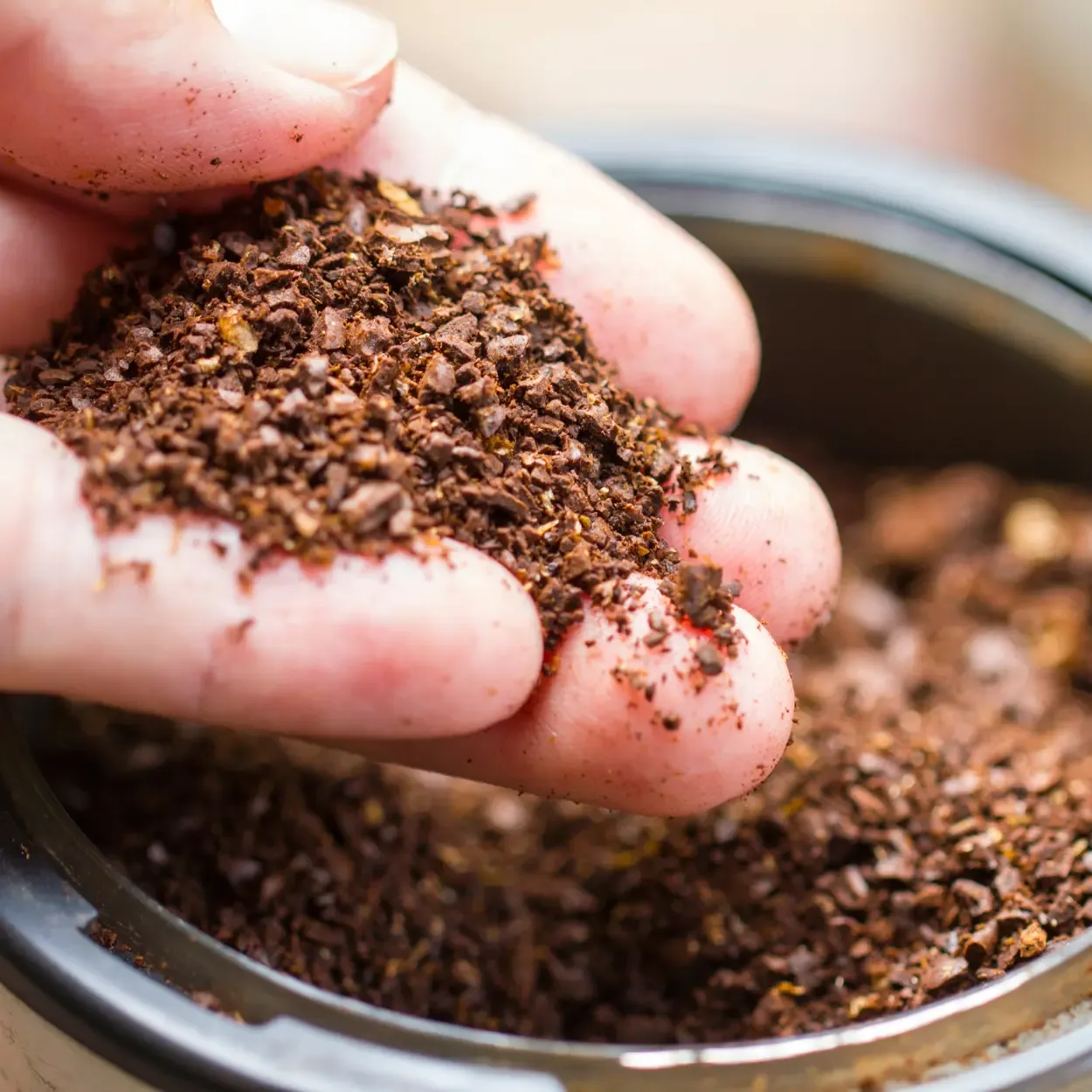 What Coarse Ground Coffee Is ForThree brew methods need it, everything else is ruined by it, and the bag in the supermarket marked coarse is usually medium.
 What Temperature Should Coffee Water Be?Boiling water is not the right answer and it is not far wrong either. The useful range is narrower than people think, and how much it matters depends entirely on how you brew.
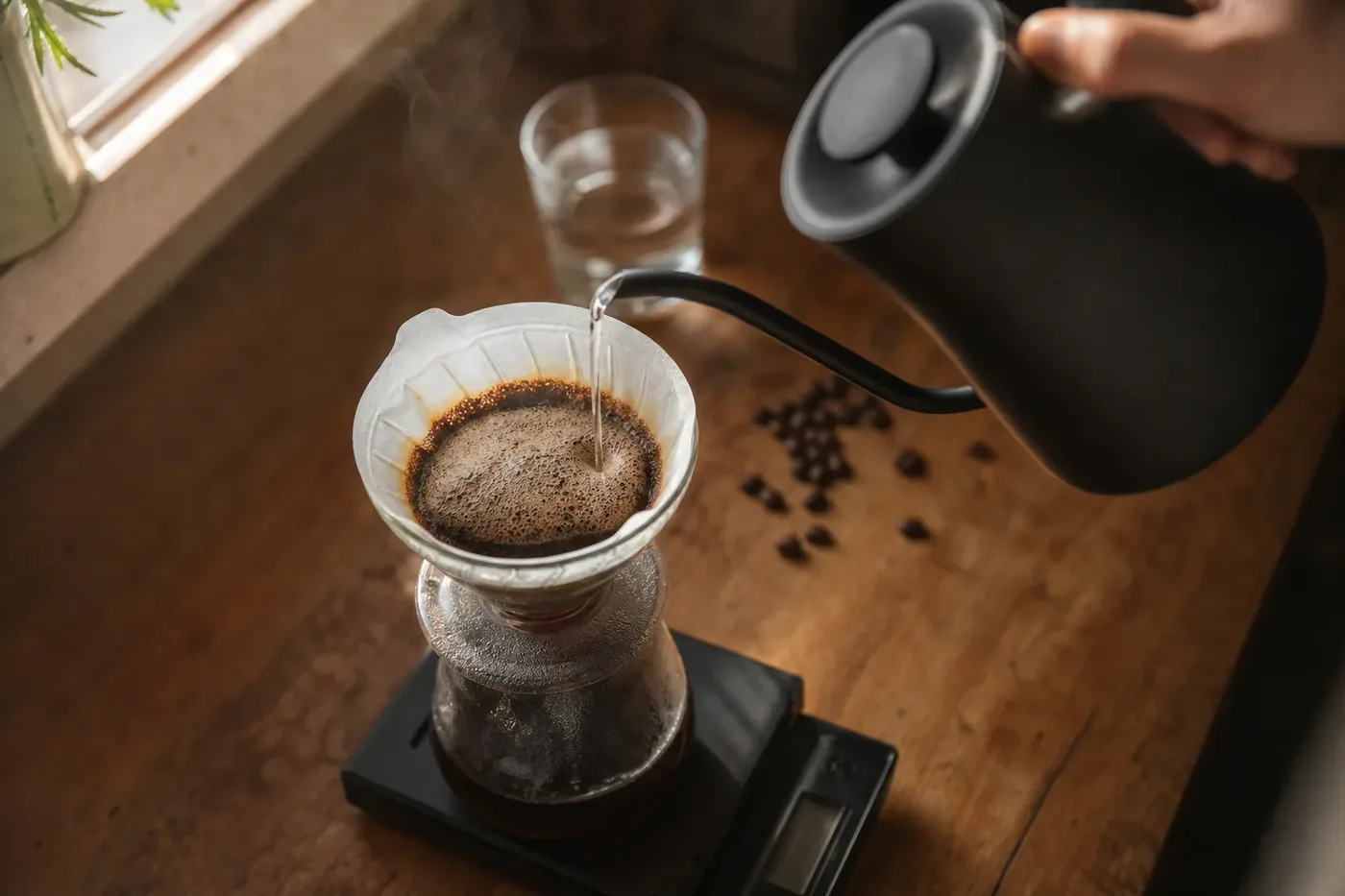 How to Brew Coffee by WeightScoops measure volume and coffee is sold by mass, which is why the same scoop gives you a different dose every time you change beans. Weighing fixes it in about ten seconds.
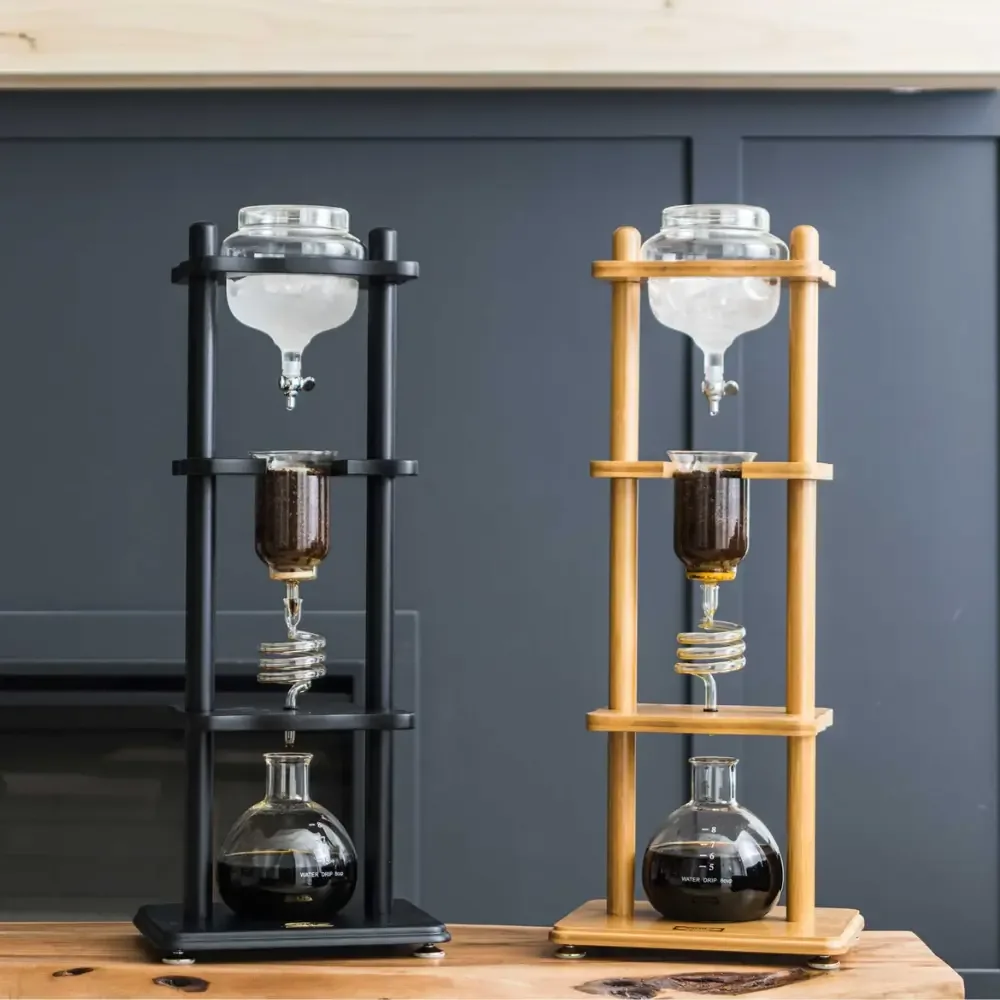
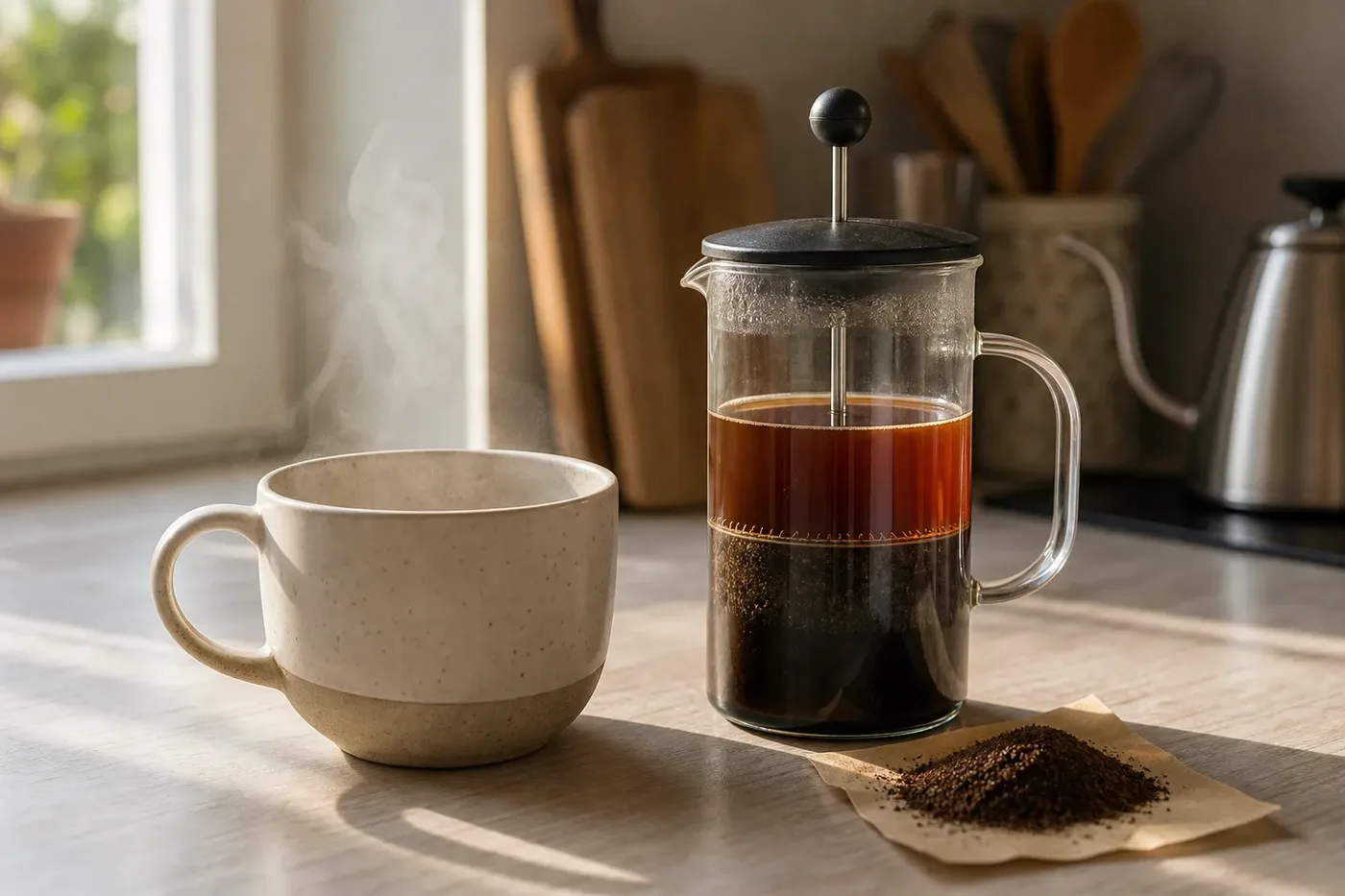 Immersion vs Percolation: The Two Ways to Brew CoffeeEvery brewer either soaks the coffee or runs water through it. Knowing which one you own explains why some methods are forgiving and others punish a careless pour.
Espresso at home
Pulling a good shot and steaming milk properly on a home machine.
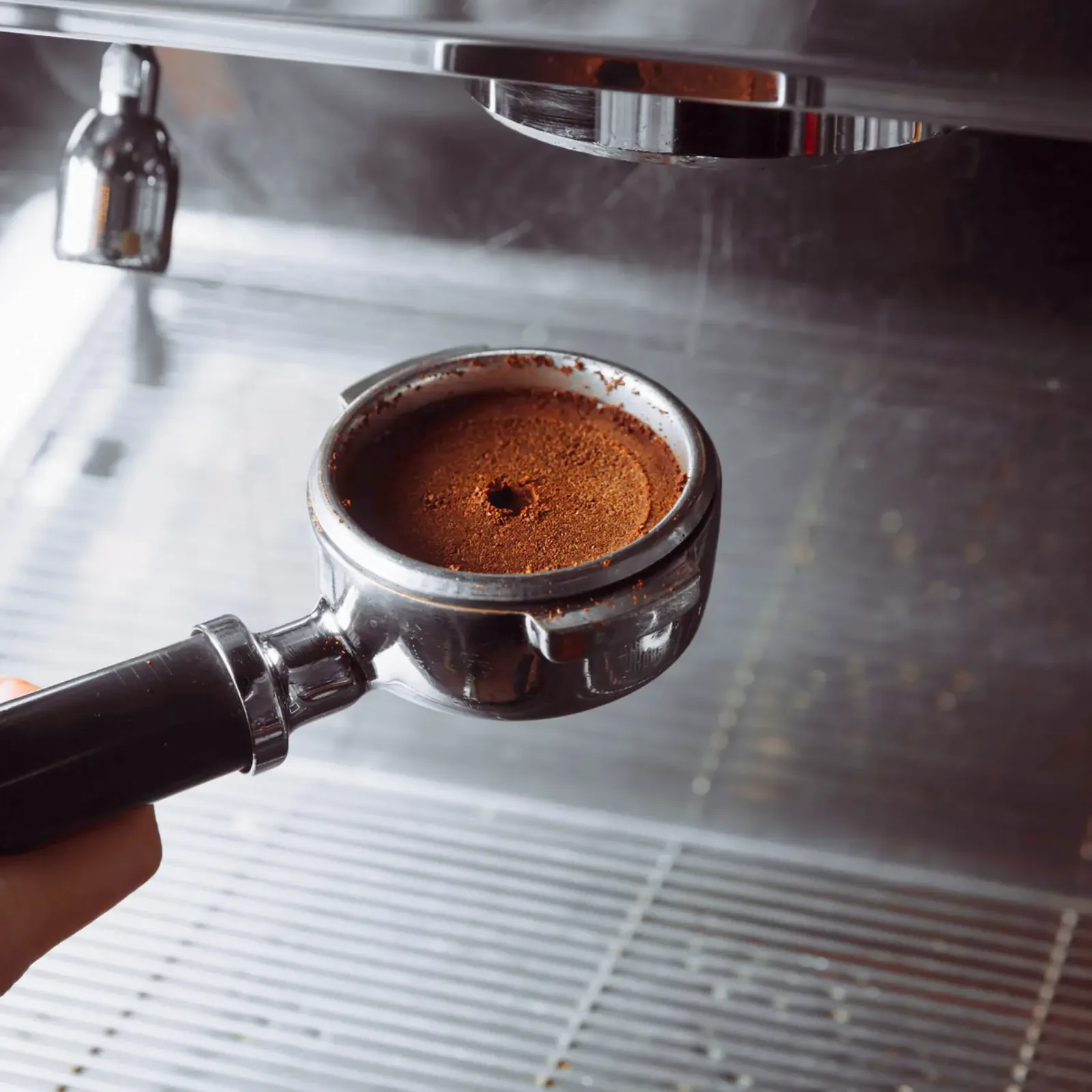 Espresso Channeling: What It Is and How to Stop ItWater is lazy. If there is an easy path through the coffee it will take it, and the shot will taste sour and bitter at the same time.
 Under-Extracted Espresso: Why It Tastes Sour and How to Fix ItA sour, thin, salty shot has not had enough dissolved out of the coffee. The signs, the usual causes, and the order to fix them in.
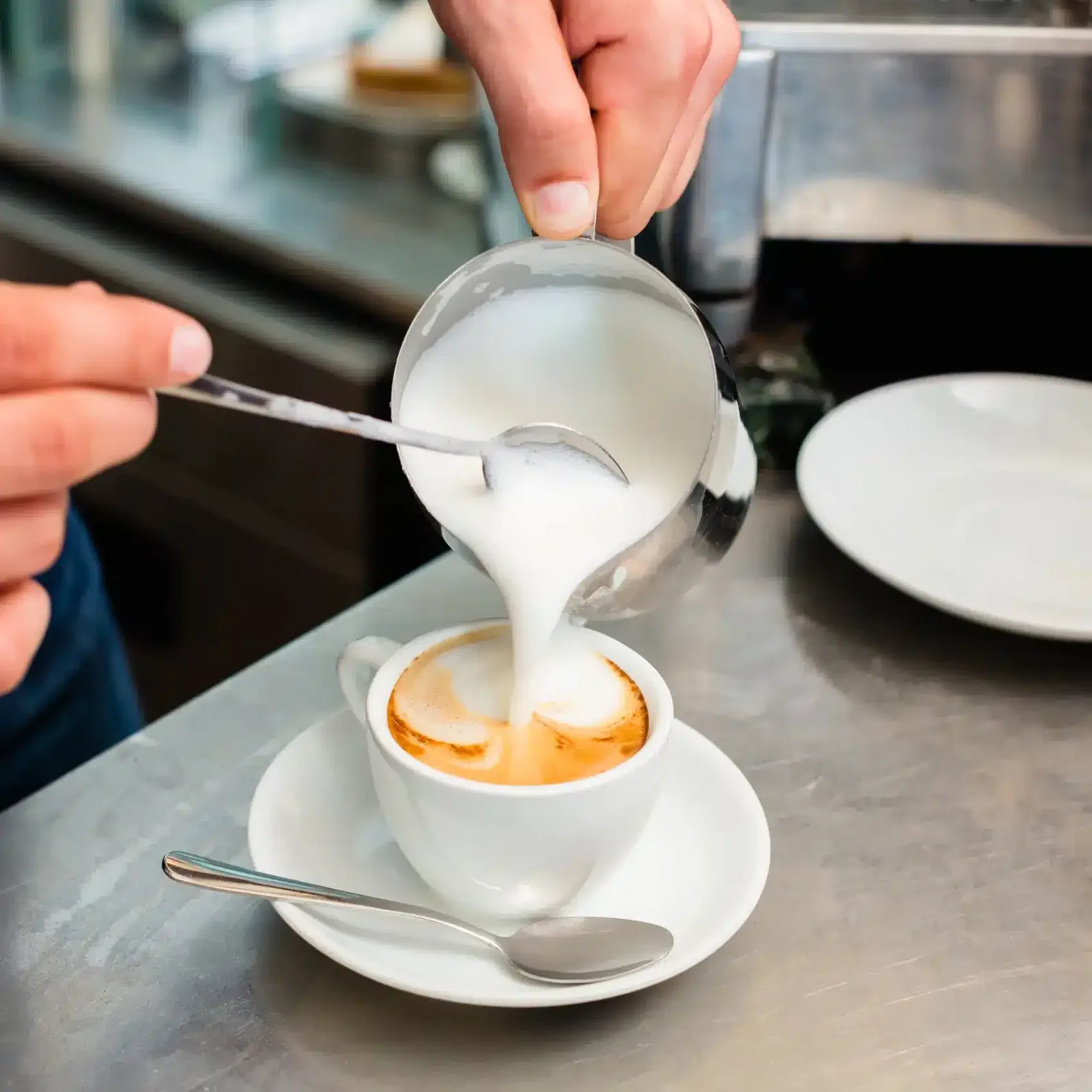 Microfoam: What Good Steamed Milk Actually IsNot froth, and not hot milk. A single mass of milk and air with bubbles too small to see, which is why it pours instead of sitting on top.
Gear know-how
What a piece of brewing gear actually does, so you know which features matter.
 Gooseneck Kettles: What the Spout Actually Buys YouA narrow, curved spout is the difference between pouring water and placing it. What that control changes in the cup, what it does not change, and the brewing methods where it buys you nothing.
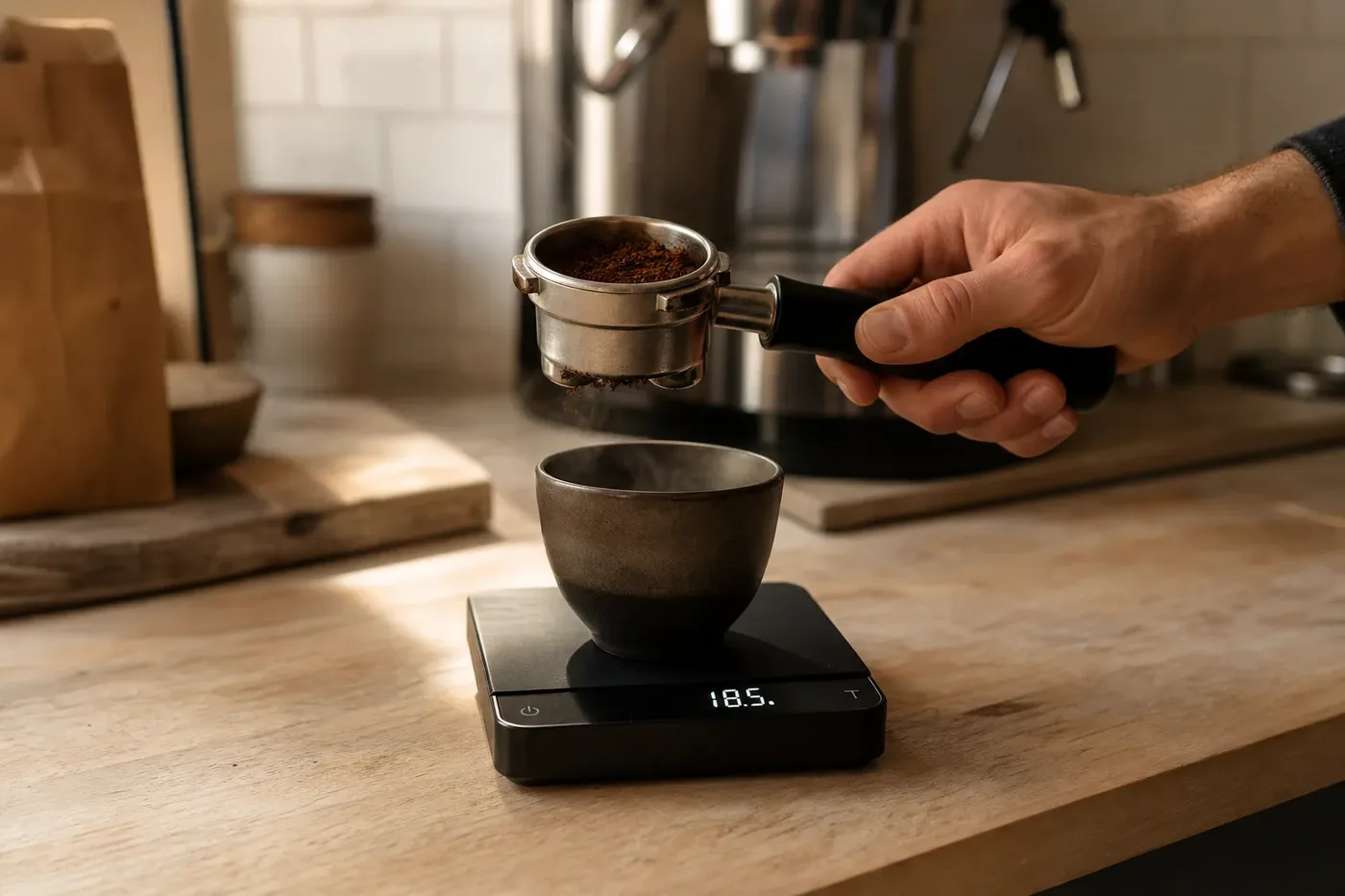 Why a Coffee Scale Needs to Read to 0.1gA kitchen scale rounds to the nearest gram and starts weighing late. Both of those quietly move your recipe, and neither shows up as an obvious mistake.