What Is a Cappuccino?
Espresso, steamed milk and a thick layer of foam. The classic proportions, why the foam is the whole point, and how a cappuccino differs from everything around it.
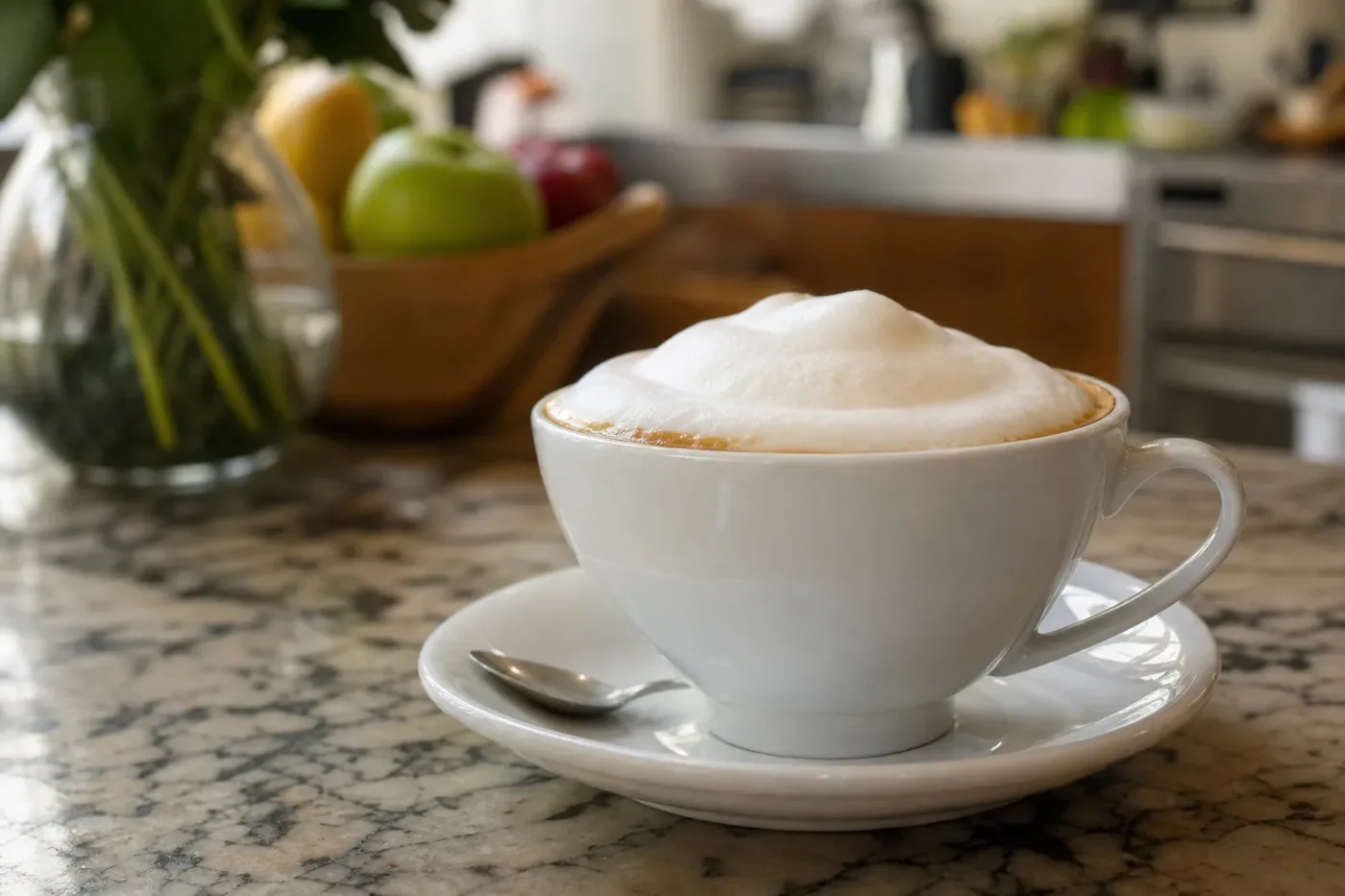
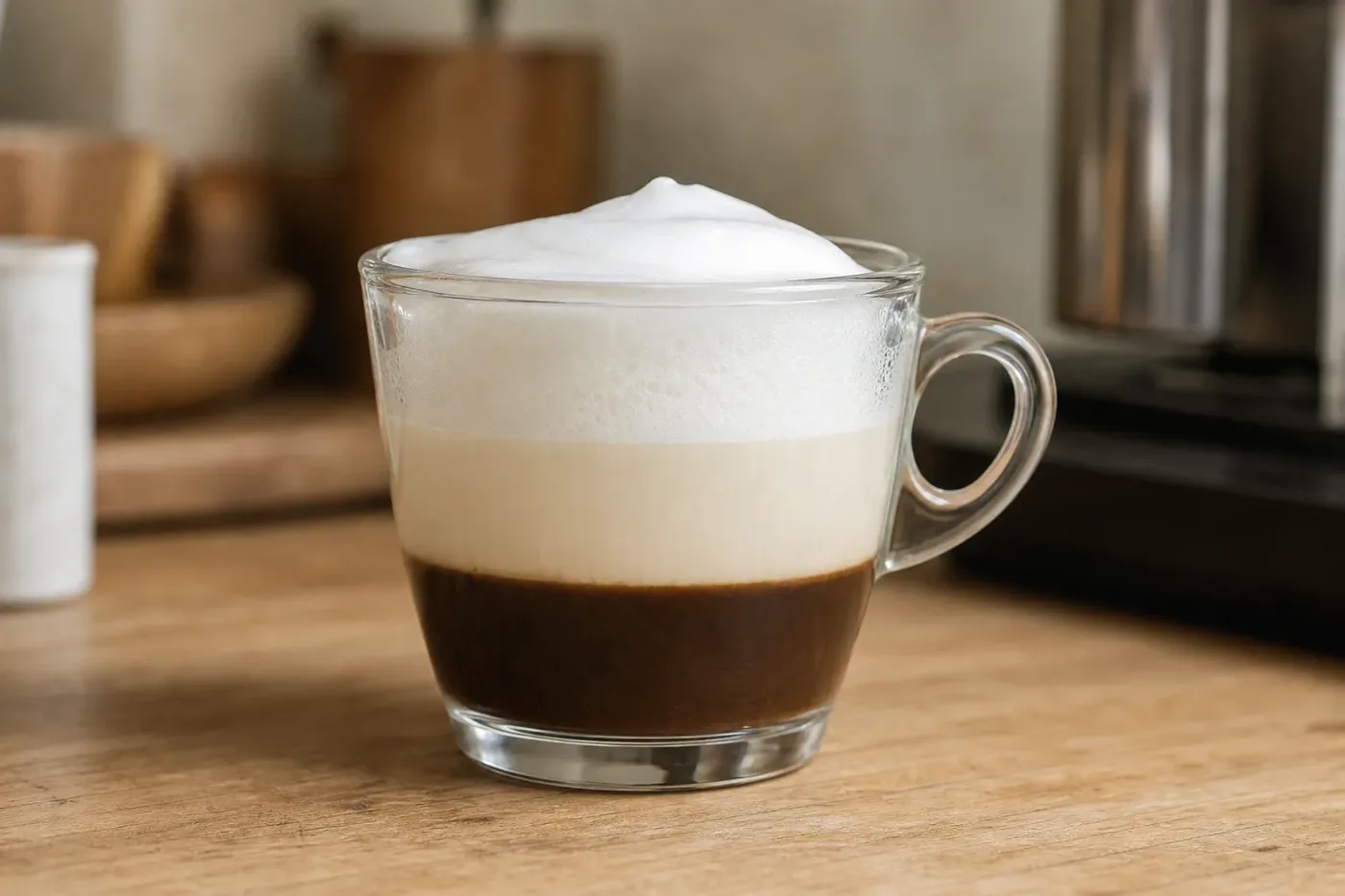
A cappuccino is espresso topped with steamed milk and a thick layer of milk foam. The traditional version comes in a cup of around 150 to 180ml, in roughly equal parts espresso, milk and foam, and it is lighter and more coffee-forward than a latte of the same coffee.
The classic build
- Espresso: a single or double shot, depending on the cafe and the size.
- Steamed milk: enough to soften the shot, not drown it.
- Foam: a deep, airy cap that sits on top and gives the drink its texture.
The equal-thirds rule is a guide rather than a law. What matters is that the foam is generous and clearly separate from the milk below it, because that cap is what makes a cappuccino a cappuccino.
Where the name comes from
The name is usually traced to the Capuchin friars, whose brown habits were close to the colour of coffee lightened with milk. Coffee houses in Vienna served a Kapuziner, coffee with cream, long before the espresso machine existed, and the Italian cappuccino as we know it took shape once machines with steam wands made foamed milk easy to produce in the twentieth century.
The foam is the point
A cappuccino's foam is thicker and airier than the silky milk poured into a latte or flat white. It changes the drink in three ways: it makes it feel light, it keeps it hot for longer, and because foam holds less liquid milk than the same volume of steamed milk, it lets the espresso taste stronger.
How much foam is a matter of preference, and cafes will adjust it on request. Asking for a wet cappuccino gets you more milk and less foam; asking for a dry one gets you the reverse. The difference is explained in wet vs dry cappuccino.
Espresso against a cappuccino
A cappuccino is an espresso with milk and foam added, so the caffeine is the same as the shot underneath it. What changes is how strong it tastes: the milk softens the espresso's bitterness and acidity, and its natural sweetness rounds the drink out. If a straight espresso is too intense for you, a cappuccino is the smallest step that keeps the coffee in charge. The shot itself is explained in what espresso is.
Cappuccino and its neighbours
- Latte. More milk, less foam, a bigger cup. Milder and creamier. See what a latte is.
- Flat white. Smaller, with thin silky milk rather than a cap of foam, and usually more coffee-forward. Compared in flat white vs cappuccino.
- Mocha. Espresso with chocolate and steamed milk, sweeter and larger. See cappuccino vs mocha.
- Cortado. Equal espresso and warm milk, with almost no foam.
- Frappuccino. A blended iced drink that shares the name and little else, covered in cappuccino vs frappuccino.
An Italian cappuccino and a chain cappuccino
In Italy a cappuccino is a small cup, often drunk with a pastry in the morning, and there is a long-standing custom of not ordering one after lunch, when a milky coffee is thought to sit heavily. Large coffee chains serve cappuccinos in cups two or three times that size, which means more milk and often less foam, so the result drifts toward a latte. Neither is wrong, but they are not quite the same drink, and a cafe's cup size tells you which one you are getting.
Toppings
A dusting of cocoa powder or cinnamon on the foam is common and entirely optional. Cocoa is more usual in Britain and Australia, cinnamon in parts of the United States, and many Italian bars add nothing at all.
Calories
A standard cappuccino made with whole milk comes to roughly 100 calories, and noticeably fewer with skimmed milk, because so much of the cup is air. It is one of the lighter milk drinks on a menu. How the common additions change that number is set out in calories in coffee.
Making one at home
- Pull a double espresso into a warmed cup of about 150 to 180ml.
- Steam around 120ml of cold milk, letting the wand draw in air for longer than you would for a latte, until the milk has grown by about a third.
- Pour the milk, holding the foam back with a spoon, then spoon the foam on top.
The difference between foam and silky milk comes down to how long you stretch the milk, which is explained in what good steamed milk is. Whole milk foams most easily; among plant milks, barista versions of oat milk come closest.
Common questions
What is a cappuccino?
Espresso topped with steamed milk and a thick layer of milk foam, traditionally in roughly equal parts, in a cup of around 150 to 180ml.
What is the difference between a cappuccino and a latte?
A cappuccino has less milk and a thick layer of foam, so it is lighter and tastes more of coffee. A latte has more steamed milk, a thin layer of foam and a bigger cup.
Does a cappuccino have more caffeine than an espresso?
No. It has the same caffeine as the espresso shot it is made with. The milk and foam change the taste, not the caffeine.
Why is it called a cappuccino?
The name is usually traced to the Capuchin friars, whose brown habits matched the colour of coffee lightened with milk.
How many calories are in a cappuccino?
Roughly 100 calories for a standard cup made with whole milk, and fewer with skimmed milk, because much of the cup is foam.