Canned Coffee Drinks, Explained by Type
Canned coffee started in Japan in 1969 and now covers milky coffee, black coffee, cold brew, nitro and energy drinks. The type on the can tells you most of what you need to know.
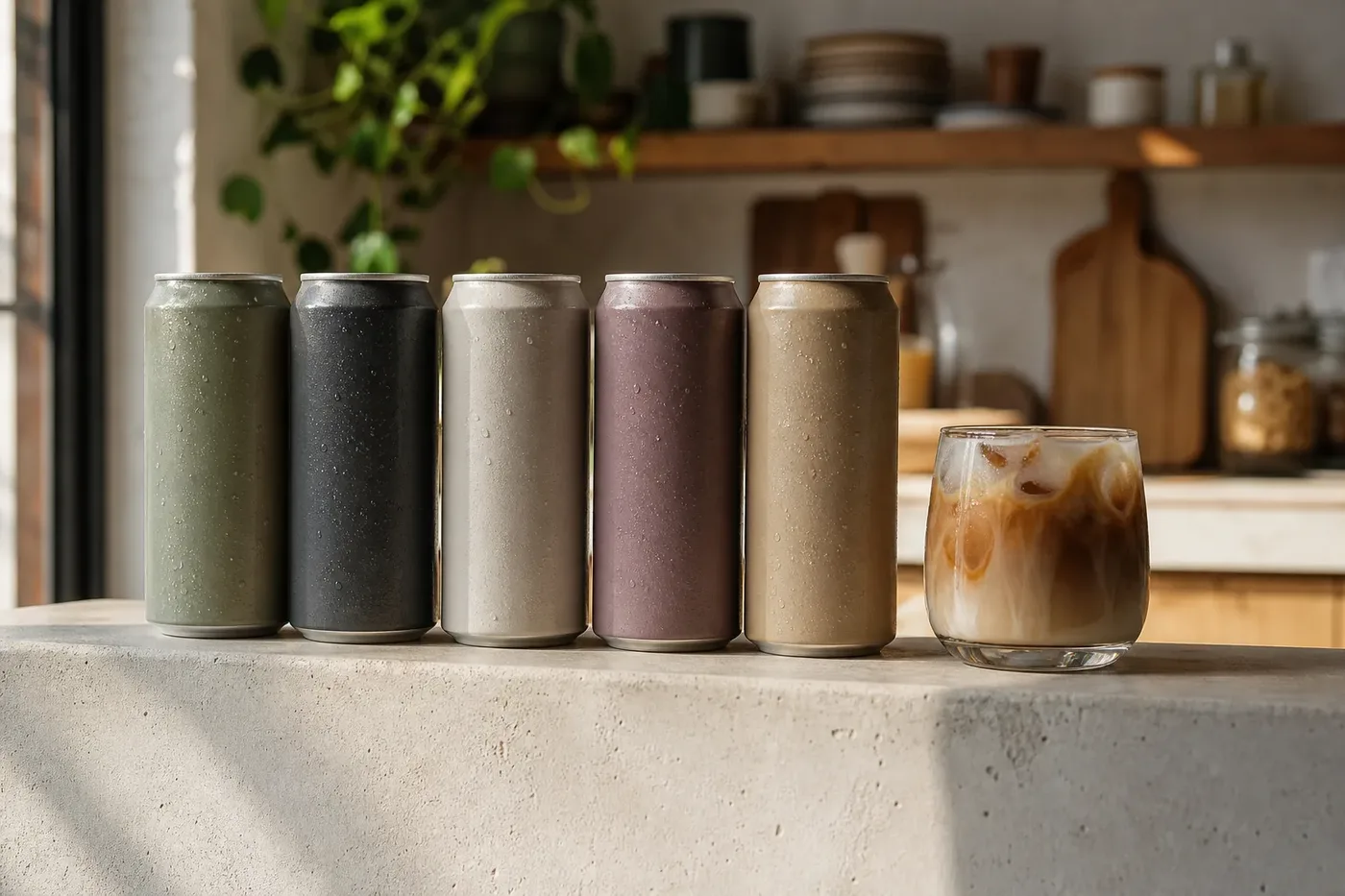
Canned coffee is ready-to-drink coffee sealed in a can, sold chilled or shelf-stable and drunk straight away. It began in Japan, where UCC launched the first canned coffee drink in 1969, and it now comes in several distinct types: sweet milk coffee, black coffee, cold brew, nitro cold brew, canned lattes and high-caffeine energy coffees. Caffeine varies widely between them, so the label matters.
Where canned coffee began
In April 1969 UCC Ueshima Coffee in Japan released what it calls the world's first canned coffee drink, a sweet coffee with milk. Coca-Cola followed in Japan with Georgia in 1975, named after the company's home state, and helped build ready-to-drink coffee into a category of its own, later adding resealable cans and bottles.
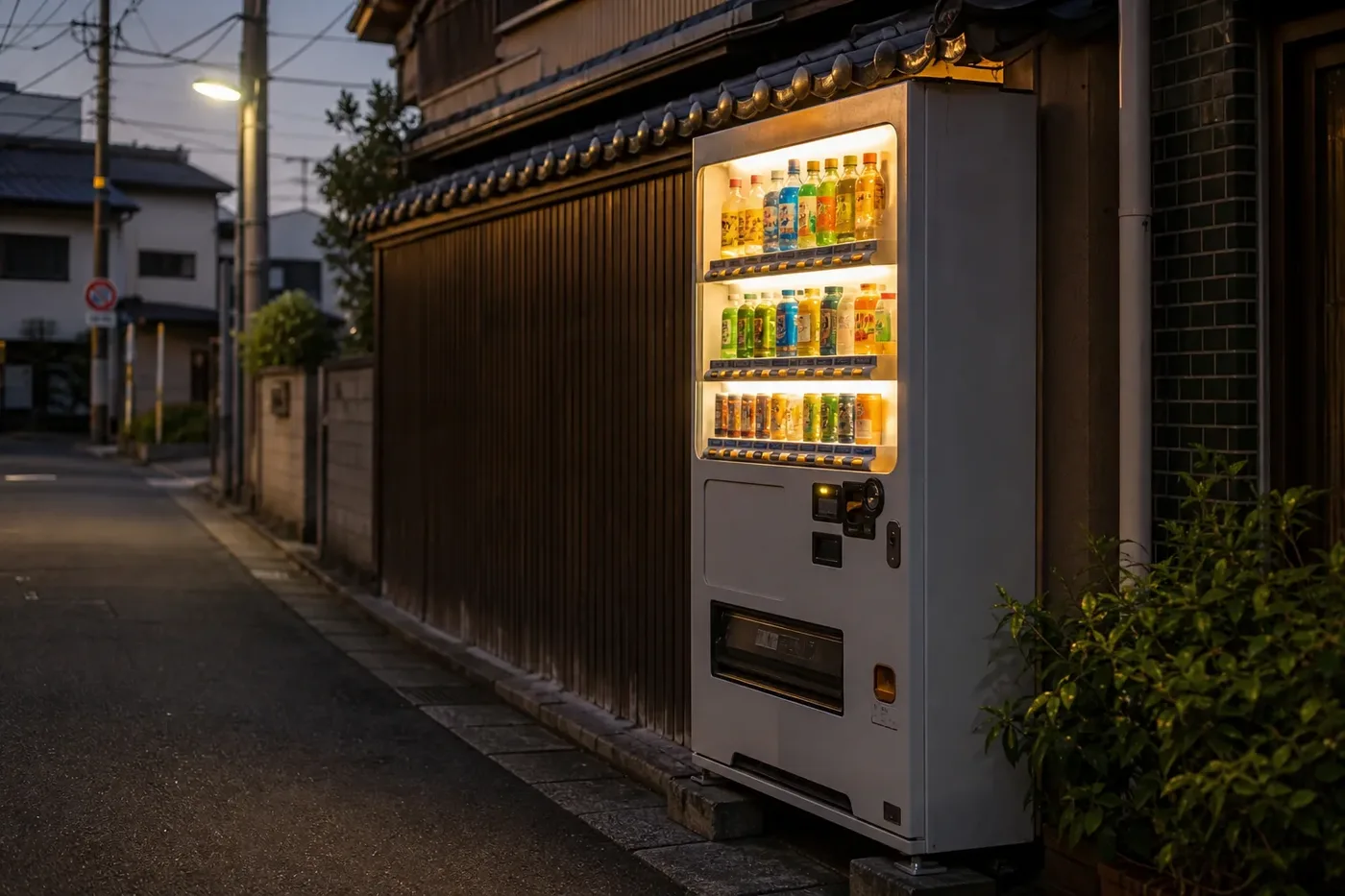
Japan remains the place where canned coffee is most at home. It is sold everywhere, including from vending machines that serve cans hot in winter as well as cold, and brands such as Georgia and Suntory's Boss are part of daily life.
The main types
- Milk coffee. The original Japanese style: coffee, milk and sugar, sweet and mild.
- Black coffee. Unsweetened brewed coffee in a can, lighter in body than cold brew.
- Cold brew. Coffee steeped in cold water for many hours, which tastes smoother and less acidic than hot coffee chilled down. The difference is explained in cold brew vs iced coffee.
- Nitro cold brew. Cold brew infused with nitrogen, which gives a creamy texture and a foamy head when poured into a glass.
- Canned lattes. Espresso or coffee with a larger share of milk, closer in taste to a cafe latte.
- Energy coffee. Coffee drinks built for caffeine, often with added ingredients and larger cans.
Caffeine in some popular cans
Figures from the makers' own pages at the time of writing. Formulas change, so check the can.
- Starbucks Doubleshot Energy Coffee: 135 mg in a 15 fl oz can, according to PepsiCo's product facts page.
- La Colombe Draft Latte: 155 mg in a 9 fl oz can.
- Chameleon Cold-Brew: about 130 mg in an 8 oz can, including its Nitro Black.
For comparison, and for how caffeine changes with brewing, see how much caffeine is in coffee. Several canned cold brews and energy coffees carry far more than these, so if caffeine is a concern, read the label before the second can.
Shelf-stable or chilled
Some canned coffees are shelf-stable and can be stored at room temperature until opened. Chameleon describes its cold brew cans that way, and so does La Colombe for its Draft Latte. Others, especially those sold from a refrigerated shelf, need to stay cold. The can says which. Once opened, treat any canned coffee like fresh milk or coffee: refrigerate it and drink it soon.
How to get the most from a can
- Chill it well. Most canned coffee is made to be drunk cold.
- Pour nitro into a glass. The foamy head only forms when the coffee is poured hard into a glass, not when drunk from the can.
- Shake milky types if the can suggests it, because milk can settle.
- Serve over ice with care. Ice dilutes the coffee; frozen coffee ice cubes avoid that.
Canned or homemade
A can is about convenience. Cold brew made at home in a jar or a dedicated brewer costs far less per cup and lets you choose the beans, and it keeps in the fridge for days. If you drink cold coffee most days, a bag of good coffee beans and an overnight steep will usually beat the can on both price and taste.
Reading the label
The words on a can tell you more than the picture. A can that says coffee drink or coffee beverage is usually coffee with milk, sugar and stabilisers, and the coffee may be a small part of it. Check three lines: the sugar per can, which in a sweetened latte-style can is often as much as a soft drink; the caffeine, which not every brand prints; and whether it says cold brew, which tells you how the coffee was made but nothing about how strong it is. Black, unsweetened cans are the closest to brewed coffee, and their ingredient list is usually just coffee and water.
What a can costs against brewing
A can is convenient and expensive. Coffee brewed at home from whole beans typically costs well under a dollar a cup, and instant less again, while a single can usually costs several times that. If you drink cold coffee every day, making a batch at home and keeping it in the fridge is the cheaper habit; our iced latte guide shows the simplest version with milk. Keep cans for the times when there is no fridge, no kettle and no time.
Common questions
Who invented canned coffee?
UCC Ueshima Coffee in Japan released what it calls the world's first canned coffee drink in April 1969, a sweet coffee with milk.
How much caffeine is in canned coffee?
It varies a lot. La Colombe lists 155 mg in its 9 fl oz Draft Latte, and PepsiCo lists 135 mg for a 15 fl oz Starbucks Doubleshot Energy Coffee, while some energy coffees carry much more.
Does canned coffee need to be refrigerated?
Only if the can says so. Shelf-stable cans keep at room temperature until opened; all canned coffee should be refrigerated once open.
What is nitro cold brew in a can?
Cold brew infused with nitrogen, which gives a creamy texture and a foamy head when poured into a glass.