Cappuccino vs Frappuccino: Not the Same Family
One is a hot Italian espresso drink with a definition. The other is a blended trademark. The similar names are a coincidence of marketing.
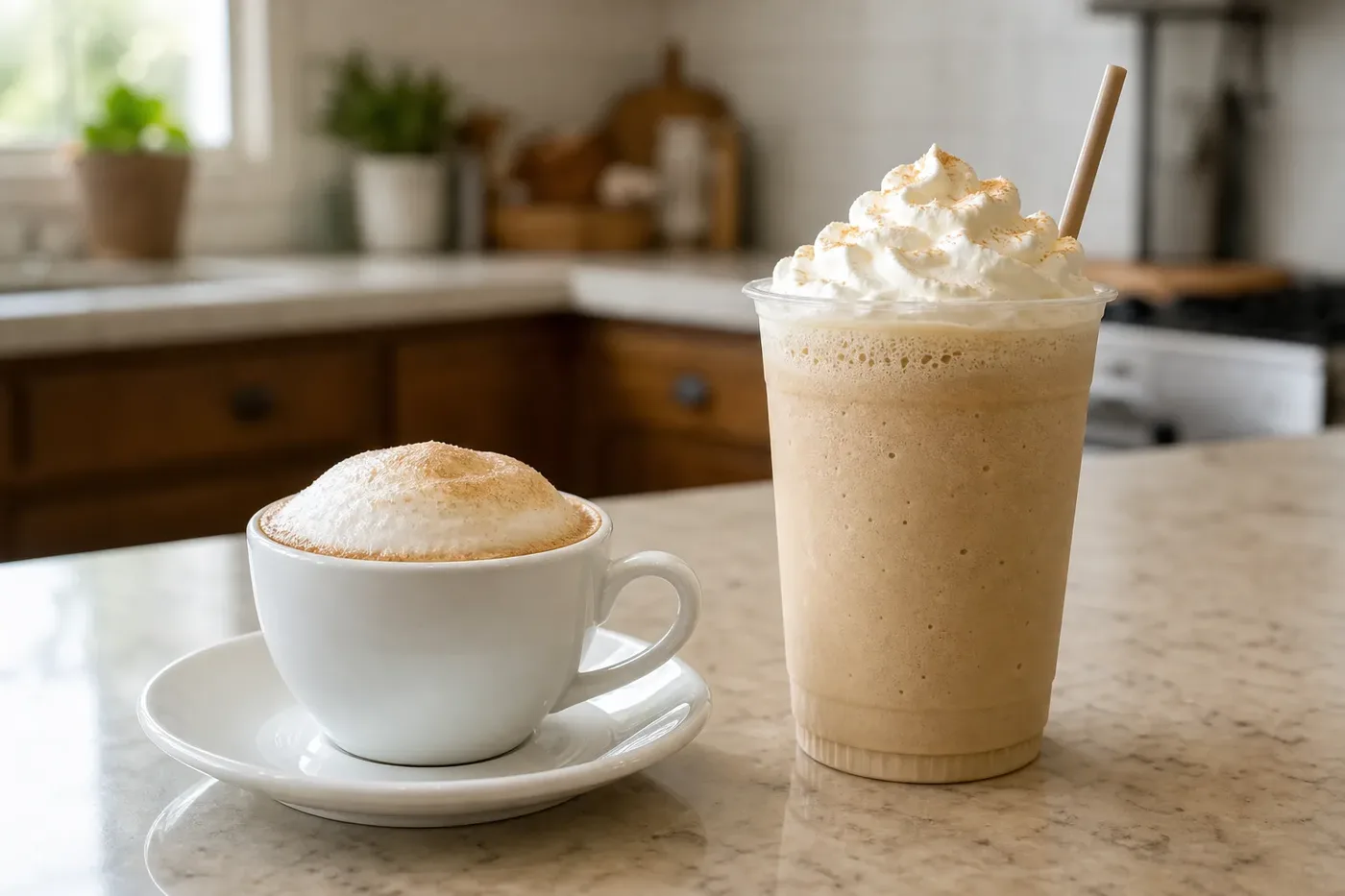
These two get compared constantly because the names rhyme. They are not variations on a theme: one is a defined espresso drink with a fixed structure, and the other is a brand name for a blended dessert.
What is a cappuccino?
Espresso, steamed milk and milk foam, traditionally in equal thirds, in a cup of about 150 to 180 ml. Served hot. That is the whole thing, and the definition has been stable for a long time.
What varies is the foam. A traditional Italian cappuccino has a distinct, dry cap of foam sitting on the milk. A modern speciality cappuccino is usually poured wetter, with the foam folded through so the texture is uniform, which makes it closer to a small latte. Both are called cappuccinos and the difference in the cup is real.
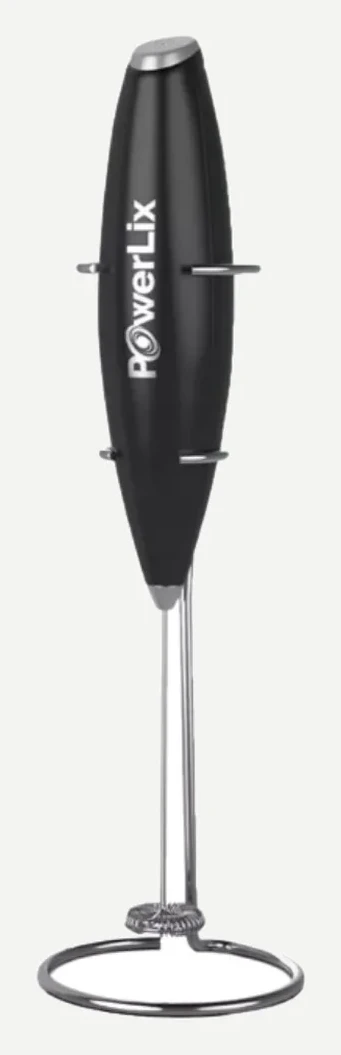
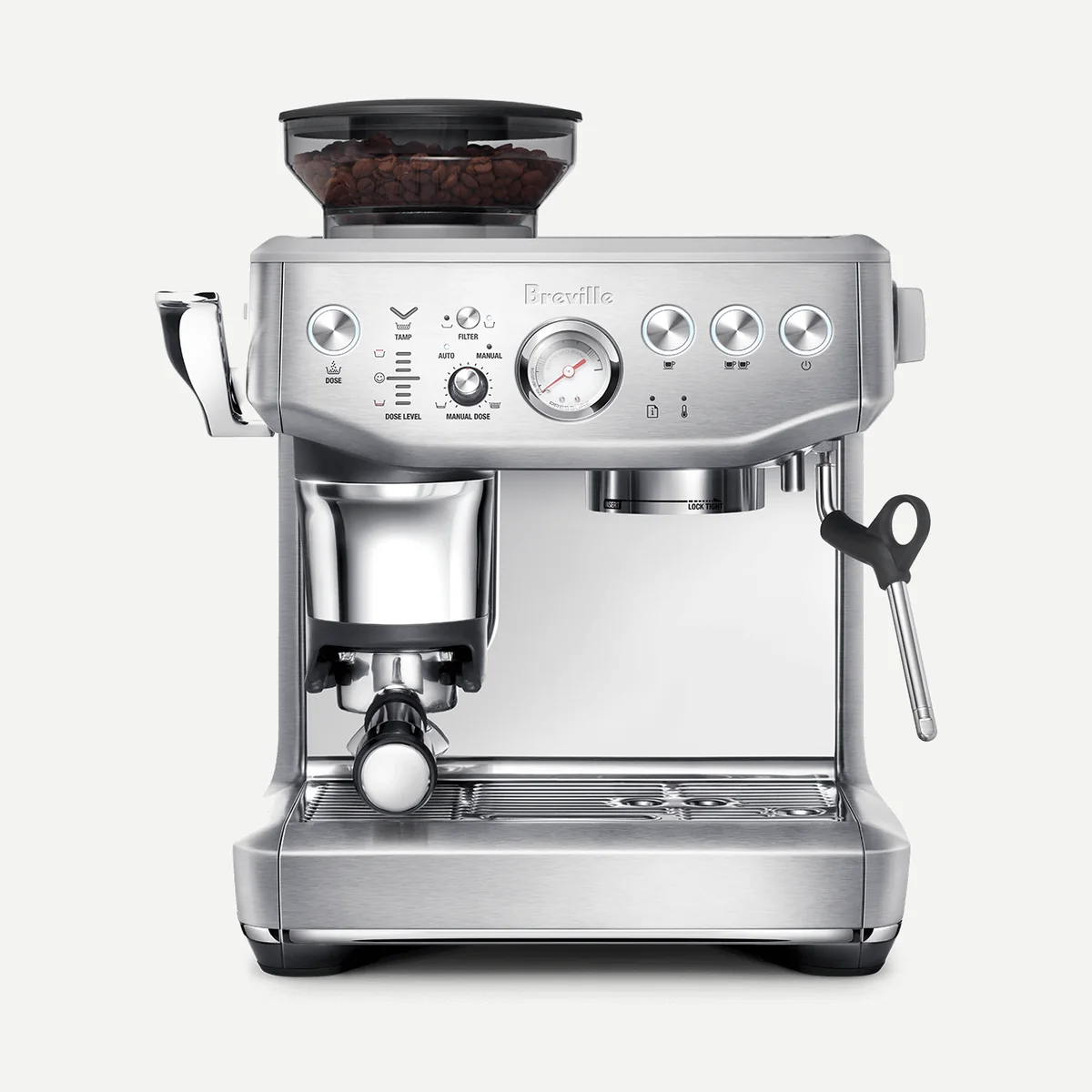
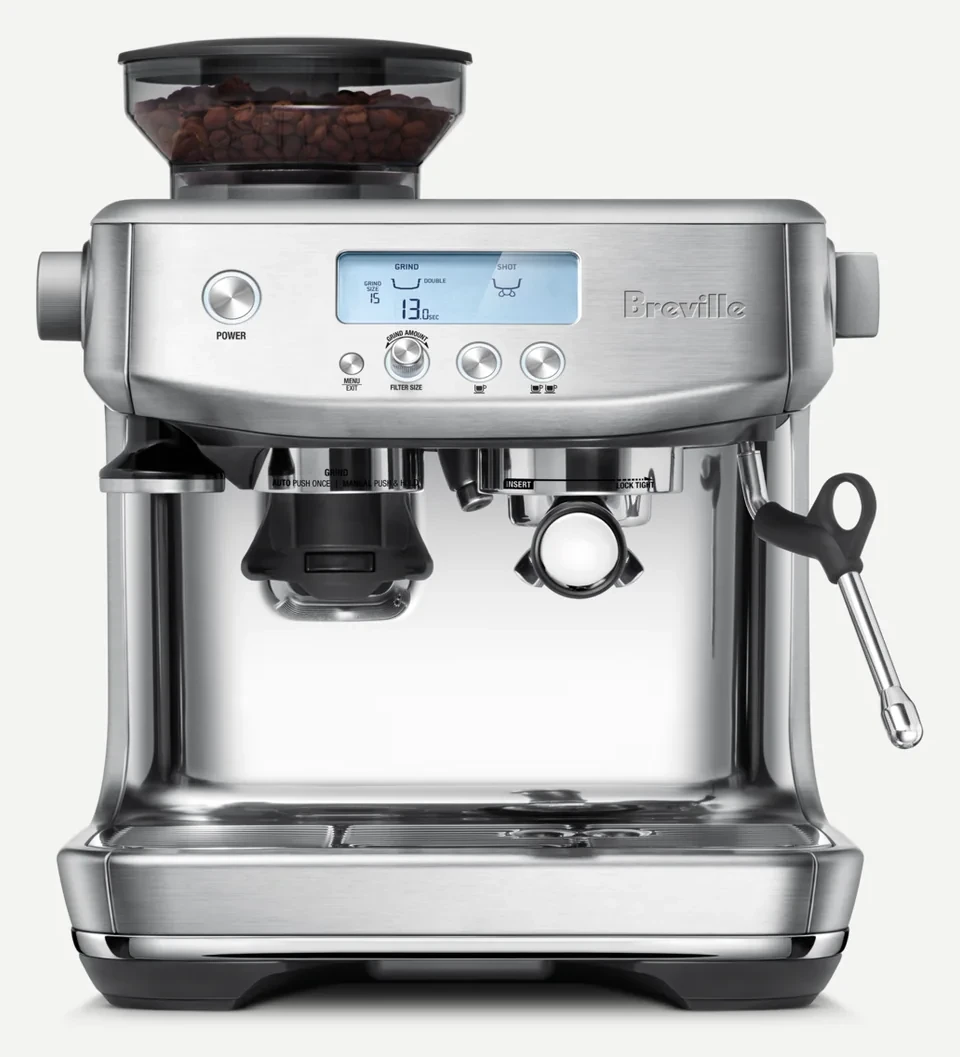
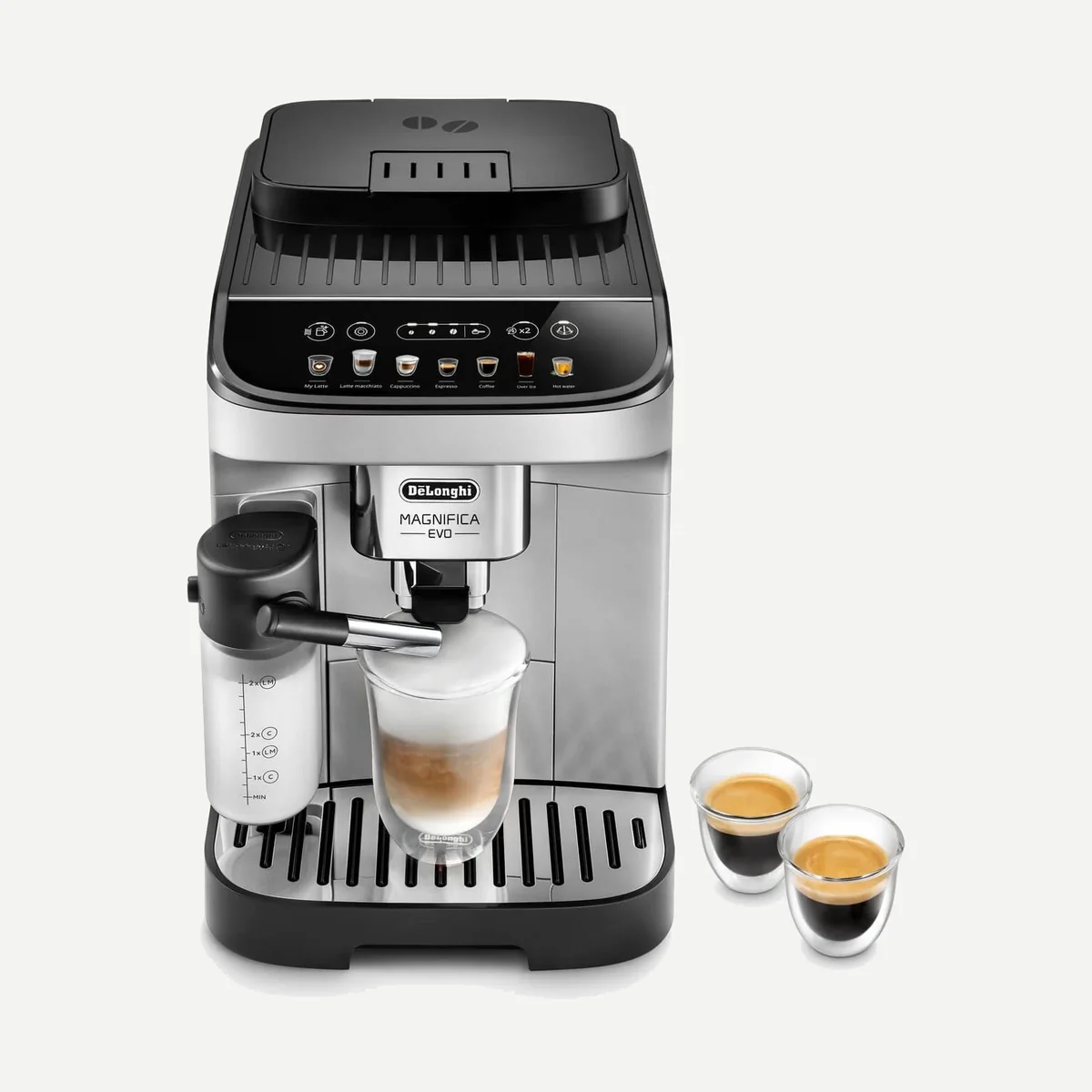
It needs an espresso machine with a steam wand, or an espresso substitute plus a milk frother, which gets you most of the way at home.
What is a Frappuccino?
A Starbucks trademark for a blended iced drink. The construction is a sweetened base, milk, ice and flavouring, blended to a smooth slush and usually topped with cream.
Coffee is optional. Several of the range contain none at all, which is the clearest signal that this is not a coffee drink with a temperature variation. It is a milkshake format that sometimes has coffee in it.
Because the name is a trademark, no other chain sells one. What they sell instead is a blended iced coffee under a different name, which is the same drink category.

Cappuccino vs Frappuccino side by side
- Temperature. Cappuccino hot. Frappuccino blended with ice.
- Coffee content. Cappuccino always. Frappuccino sometimes.
- Sugar. Cappuccino has none unless you add it. A Frappuccino is built on a sweetened base and cannot be made without it.
- Size. Around 150 to 180 ml against 350 ml and up.
- Definition. One is a recipe anybody can make. The other is a product one company sells.
Iced coffee drinks between a cappuccino and Frappuccino
If what you want is a cold coffee drink that still tastes of coffee, the Frappuccino is not the only option and it is the sweetest one.
- Iced latte. Espresso, cold milk, ice. The direct cold equivalent of a cappuccino in spirit, though the foam is gone.
- Freddo cappuccino. Greek. Espresso whipped cold, topped with cold-foamed milk. Closer to an actual cold cappuccino than anything else on this list.
- Greek frappe. Instant coffee, water and sugar shaken to a dense foam, poured over ice. Older than the Frappuccino and unrelated to it.
- Caffe shakerato. Espresso shaken with ice and sugar and strained. No milk, no ice in the glass.
Where the names cappuccino and Frappuccino come from
Cappuccino is named after the Capuchin friars, Catholic monks whose brown robes are the colour of the drink. Frappuccino is a portmanteau coined in the 1990s by a Boston coffee chain, blending "frappe" and "cappuccino", and acquired by Starbucks along with that company.
So the resemblance in the names is deliberate and roughly thirty years old, which explains why two unrelated drinks are compared as often as they are.
Cappuccino vs Frappuccino sugar
A cappuccino made with whole milk and no additions contains only the sugars naturally present in the milk, which is a modest amount. Nothing is added unless you add it.
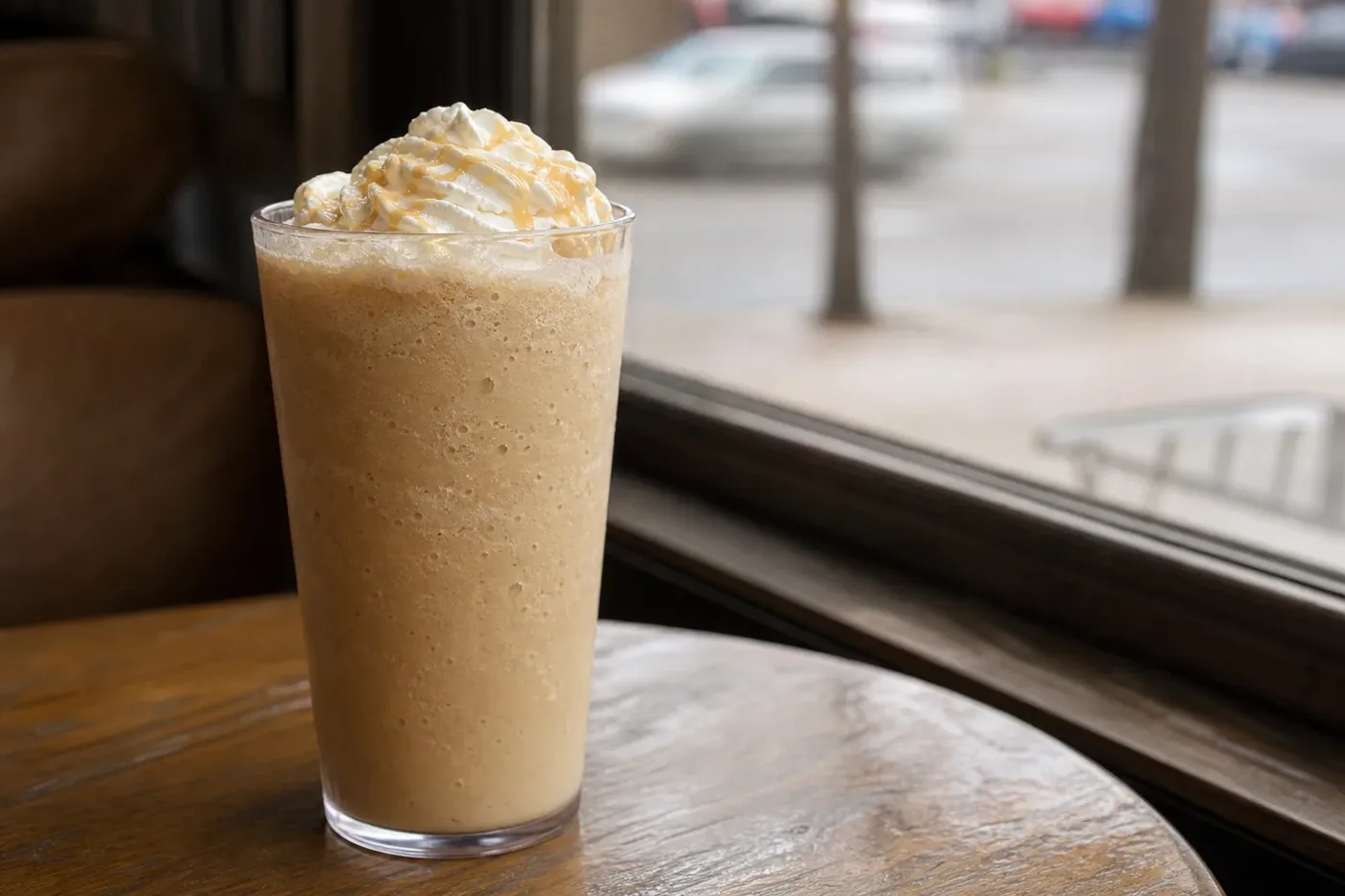
A blended iced coffee is built on a sweetened base and finished with syrup and often cream. Sugar content in the larger sizes routinely runs to several times what is in a cappuccino, and in some flavours it is comparable to a dessert.
This is not a criticism of the drink so much as a description of what it is. It is sold and priced as a treat, and treating it as a coffee that happens to be cold is the mistake. If you want a cold coffee daily, the iced latte and the freddo are the everyday drinks and the blended one is not.
How to order a less sweet Frappuccino
Most chains will make the drink less sweet if you ask, and the levers are predictable.
- Ask for fewer pumps of syrup. Halving it is usually still sweet.
- Ask for an extra shot, which pushes it back toward tasting of coffee.
- Skip the cream, which is a large part of both the texture and the total.
- Order the smallest size. Sugar scales with volume and these drinks scale a long way.
How to make a blended iced coffee at home
Easier than it looks and much easier to control.
Blend two shots of espresso or a strong moka pot brew with about 120 ml of milk, a cup of ice and sweetener to taste. A frozen coffee ice cube instead of a plain one keeps it from watering down as it sits.
The texture problem people hit is that domestic blenders leave it slushy rather than smooth. Blending longer than feels necessary fixes it, and a spoonful of condensed milk or a small amount of xanthan gum will hold it together the way a commercial base does.
Cappuccino vs Frappuccino FAQ
Is a Frappuccino just a cold cappuccino?
No. A cappuccino is espresso with steamed milk and foam. A Frappuccino is a blended iced drink built on a sweetened base, and several varieties contain no coffee at all. They share four letters and very little else.
Is Frappuccino a trademark?
Yes. It is a Starbucks trademark, which is why no other chain sells one. Competitors sell blended iced coffees under their own names, which is the same category of drink without the name.
What is the correct cappuccino ratio?
Traditionally equal thirds: espresso, steamed milk and milk foam, in a cup around 150 to 180 ml. Modern speciality cafes often use more milk and less foam, which is closer to a small latte and is a real difference between a traditional Italian cappuccino and a contemporary one.
What is a Greek frappe then?
A different drink again, made with instant coffee, water and sugar shaken to a thick foam and poured over ice. It predates the Frappuccino by decades and is one of the few places instant coffee is the correct ingredient rather than a compromise.