What Is Espresso?
A short, concentrated coffee made by forcing hot water through a tight bed of finely ground coffee. The numbers that define it, what crema tells you, and the drinks built on it.
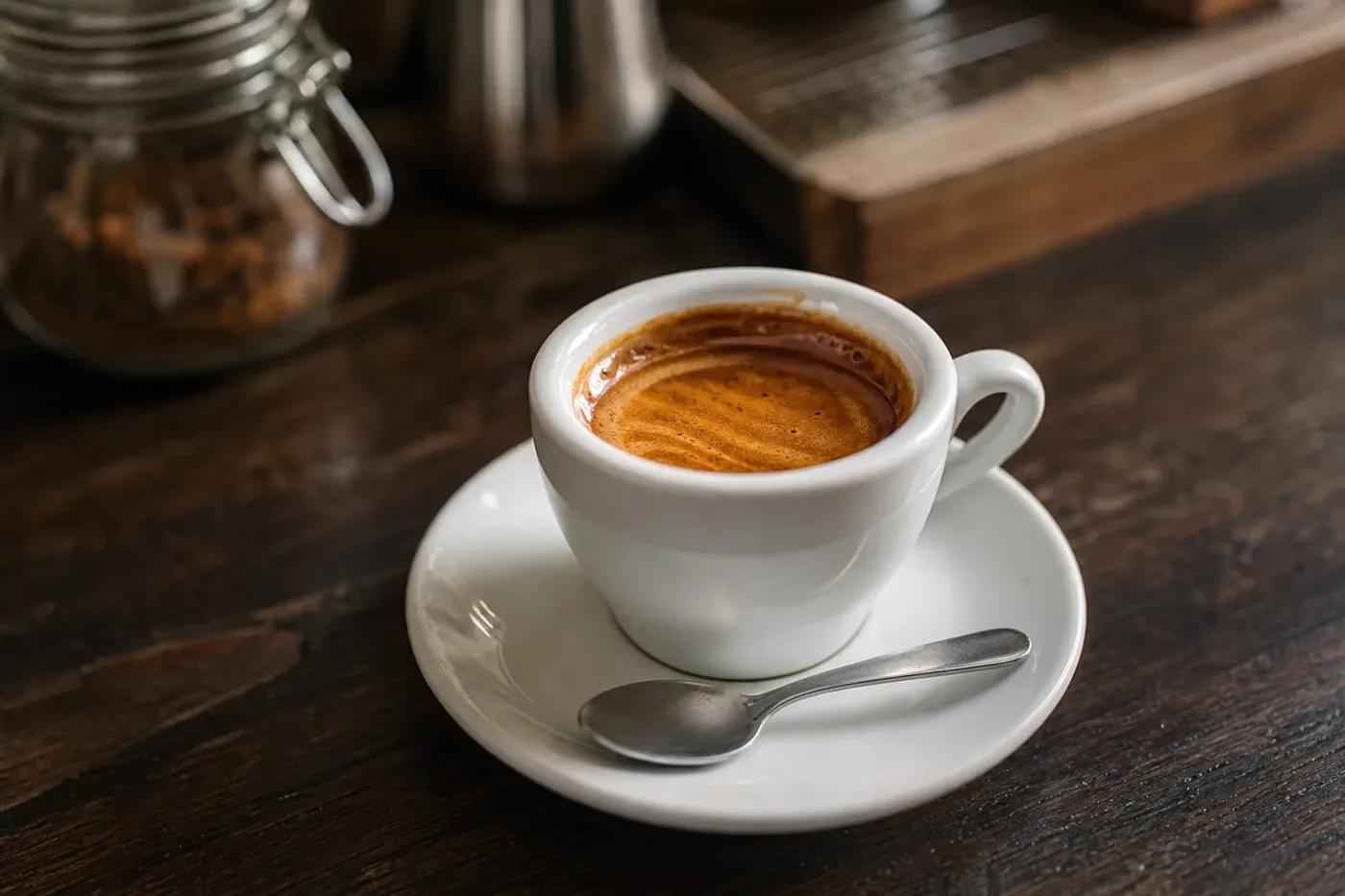
Espresso is coffee brewed by forcing hot water under pressure through finely ground coffee packed tightly into a small basket. It takes around half a minute, produces a small, concentrated drink with a layer of foam called crema on top, and is the base for most of the drinks on a cafe menu.
What makes it espresso
Espresso is a brewing method, not a type of bean or a roast. Any coffee can be made into espresso, and a bag labelled espresso roast is simply a roaster's suggestion that it tastes good that way. Three things define the method:
- Pressure. Machines push water through the coffee at around nine bars, roughly nine times the air pressure around us. That force is what makes such a short brew possible.
- A fine grind. The coffee is ground far finer than for filter, so the water meets a lot of surface area and slows down on its way through.
- A compacted bed. The grounds are tamped into a basket so the water has to work through them evenly rather than finding a quick path around.
Espresso ratio and the numbers baristas work to
There is no single legal definition, but most cafes and home brewers work within a familiar range:
- Dose: about 7 grams of coffee for a single shot, 14 to 18 grams for a double.
- Ratio: roughly twice the coffee's weight in the cup, so 18 grams in gives about 36 grams out.
- Time: around 25 to 30 seconds from starting the pump.
- Water temperature: a little below boiling, typically 90 to 96 °C. Why that range matters is covered in water temperature for coffee.
Most cafes now pull a double as their standard shot, for reasons set out in what a doppio is.
Crema, and what it does and does not tell you
Crema is the reddish-brown foam on top of a fresh shot. It forms when pressure dissolves carbon dioxide from the roasted coffee into the water, and that gas comes back out of solution as tiny bubbles held together by the coffee's oils once the shot leaves the machine.
It is a useful sign rather than a verdict. Plenty of crema usually means fresh beans and a reasonable extraction. But very fresh coffee, darker roasts and blends containing robusta all produce more crema regardless of how good the shot tastes, and stale coffee produces little even when everything else is right. Taste decides; crema only hints.
Ristretto vs lungo: how shot length changes espresso
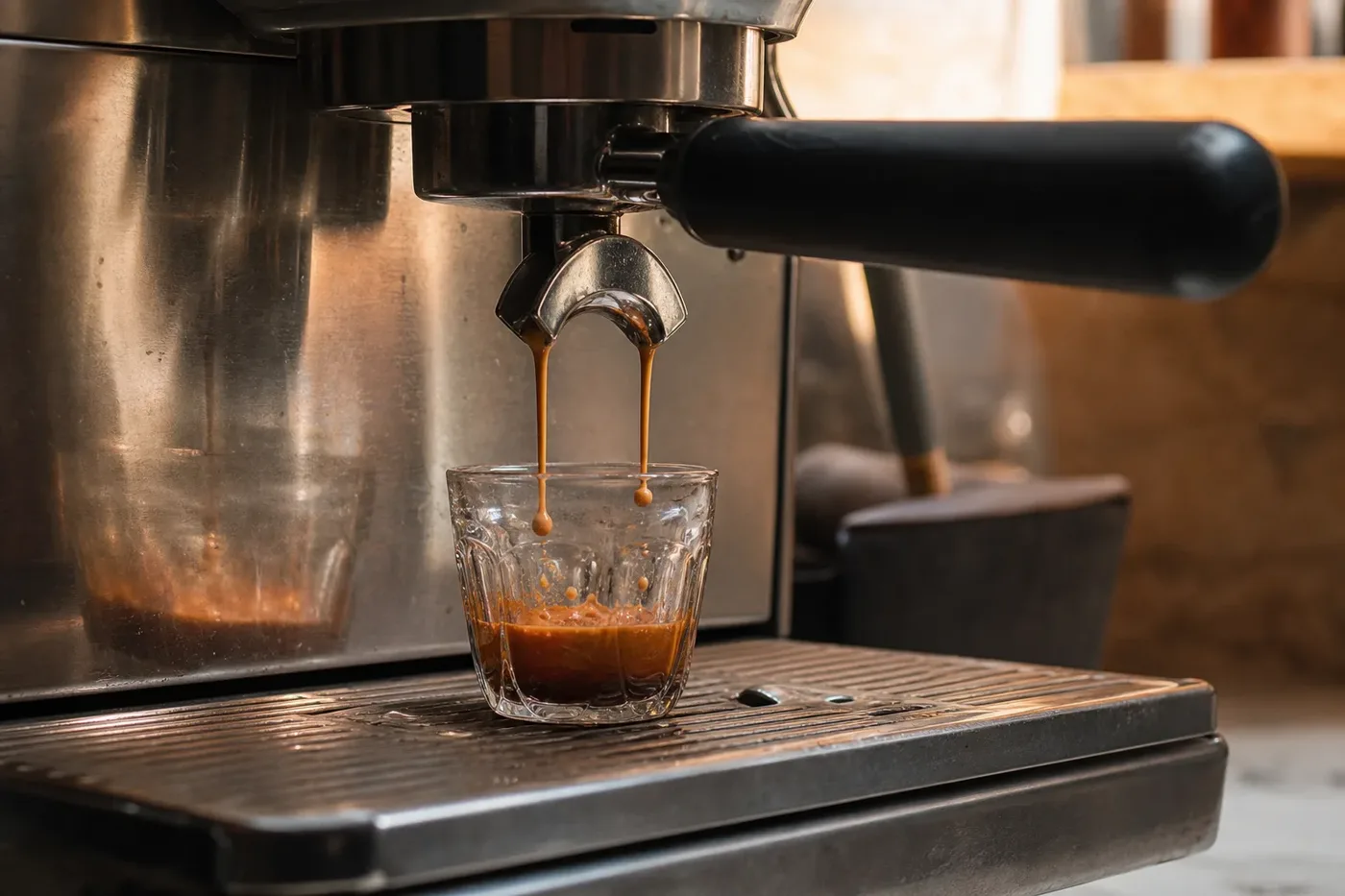
The same dose can be pulled shorter or longer. A ristretto stops early, at around one to one and a half times the coffee's weight, and tastes sweeter, thicker and more intense. A lungo runs longer, to three times or more, and tastes thinner and more bitter. Both are still espresso: the method is the same, only the amount of water that passes through changes.
How much caffeine is in espresso?
A single espresso carries roughly 60 to 75 mg of caffeine, depending on the dose and the beans. Per millilitre it is the strongest common coffee. Per serving it is often less than a large mug of filter coffee, because the mug is so much bigger. The fuller comparison is in how much caffeine is in coffee.
How to drink a shot of espresso
- Drink it soon. Within a couple of minutes, while the crema is still there. Left standing, espresso cools fast and turns bitter.
- Stir it first. The crema on its own is sharp and bitter; a quick stir blends it into the body underneath.
- Take water first, if it is served with a glass, to clear your palate.
- Sugar is fine. Much of southern Europe sweetens espresso as a matter of course, especially darker roasts.
It is served in a small, thick-walled cup for good reasons, explained in demitasse cups.
Drinks made with espresso
Almost everything on an espresso menu is a shot plus water, milk or foam in different proportions:
- Americano: espresso lengthened with hot water.
- Macchiato: espresso marked with a spoonful of foam.
- Cortado: espresso cut with an equal amount of warm milk.
- Flat white: a double shot under thin, silky milk.
- Cappuccino: espresso, milk and a deep layer of foam.
- Latte: espresso with a large amount of steamed milk.
How to make espresso at home
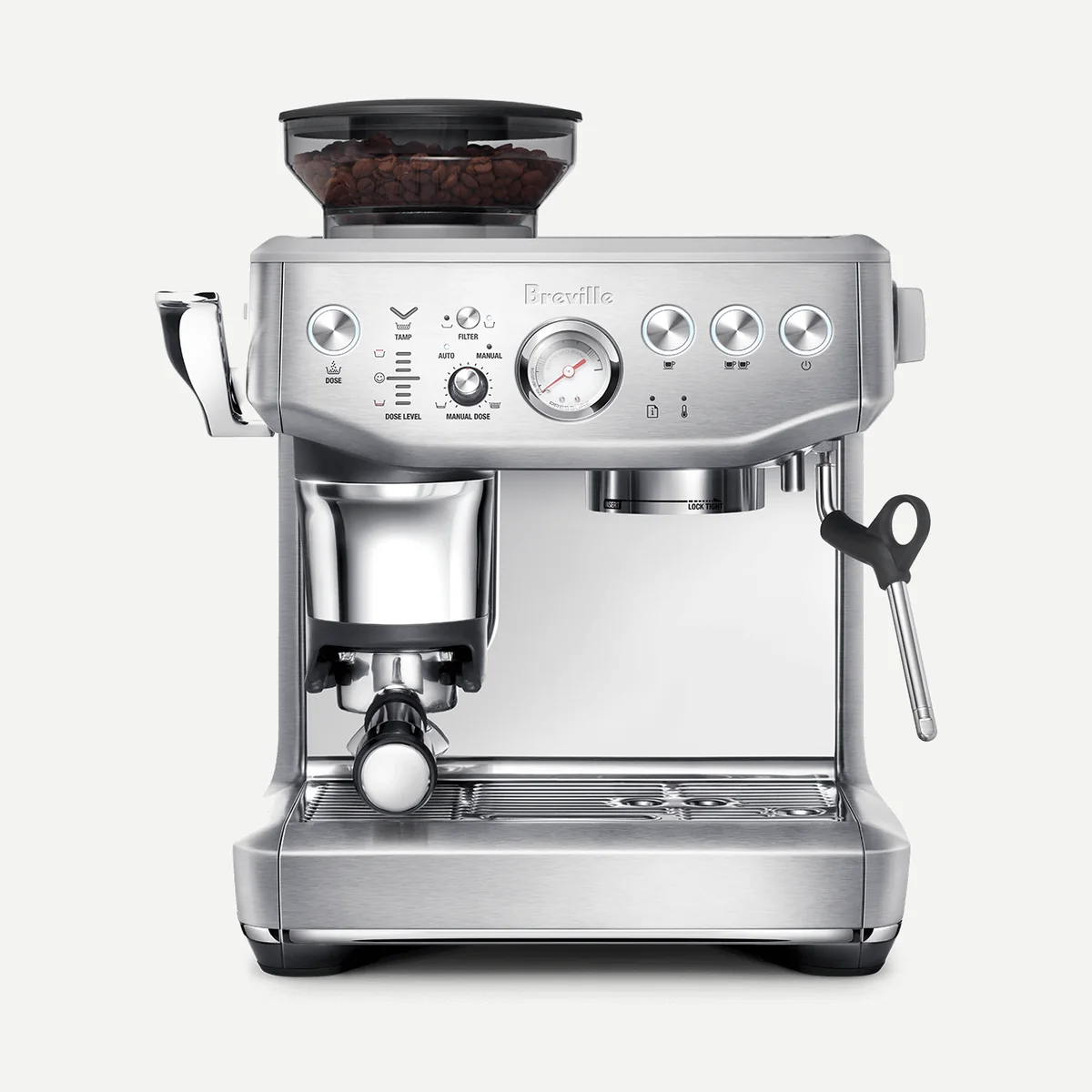
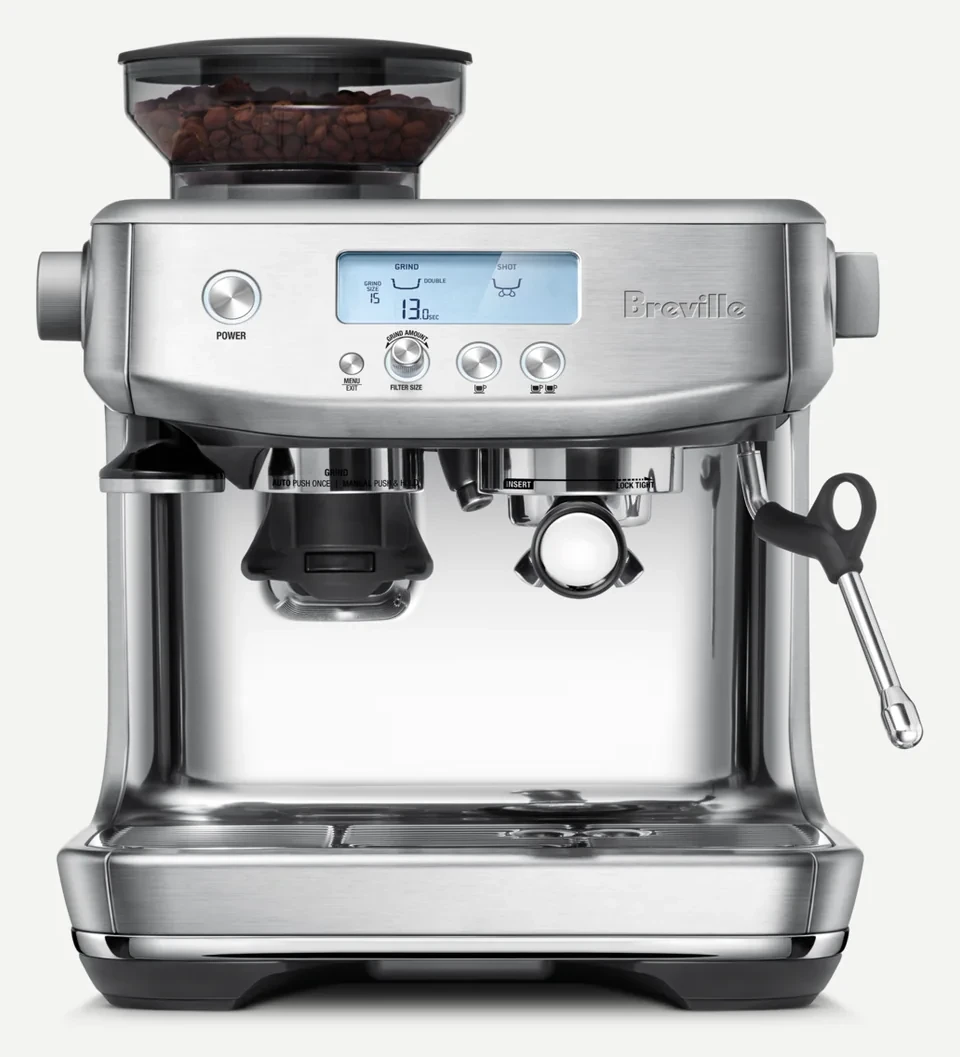
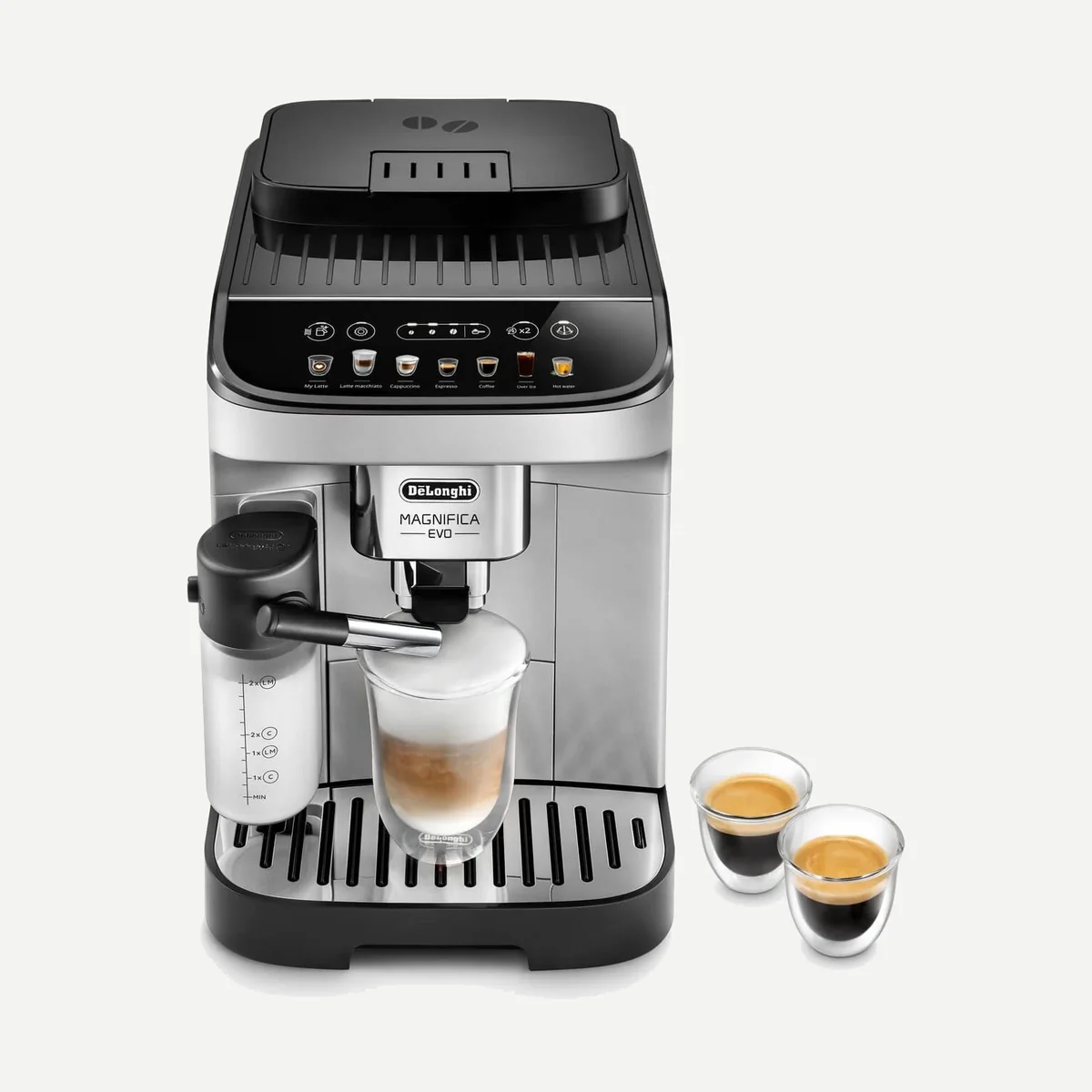
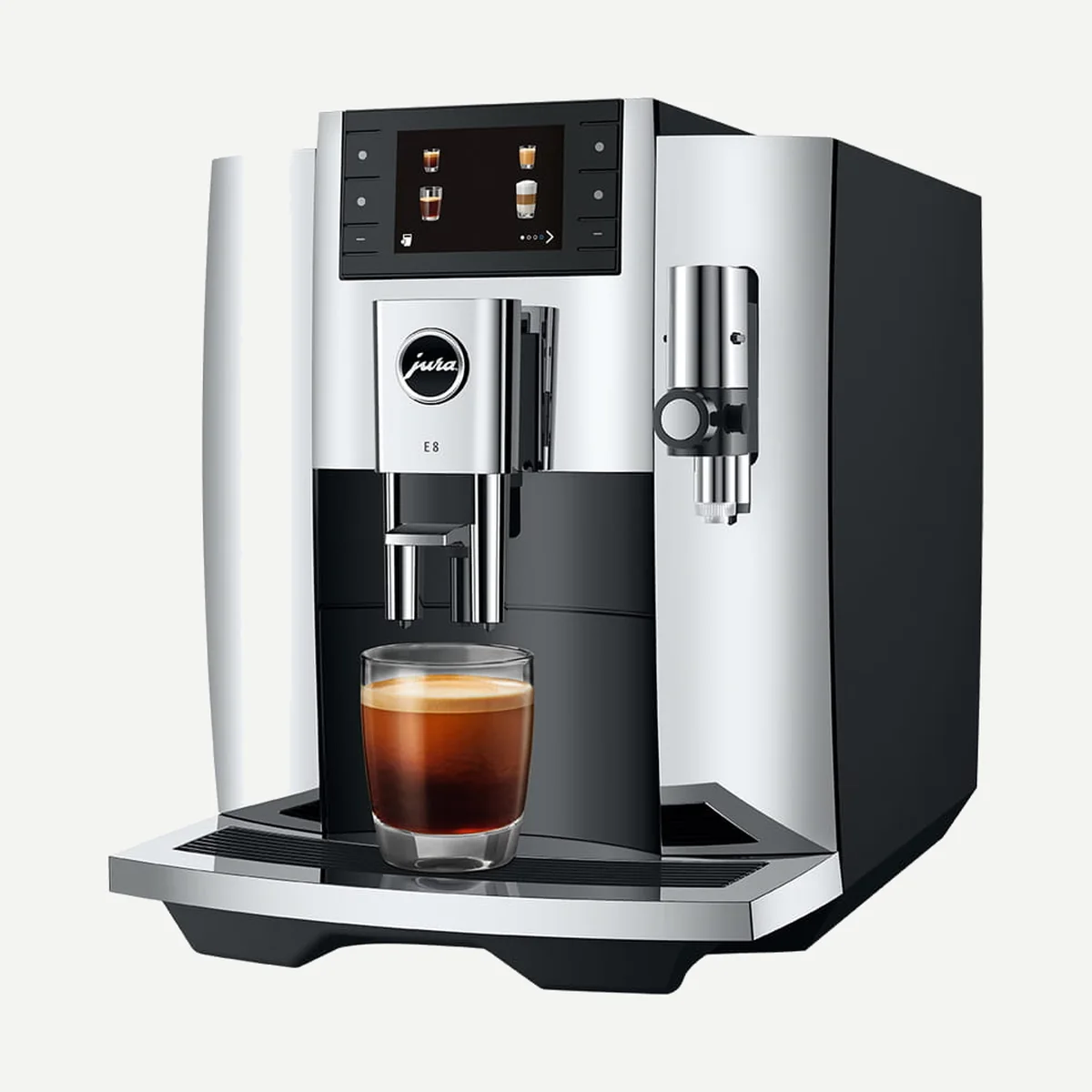
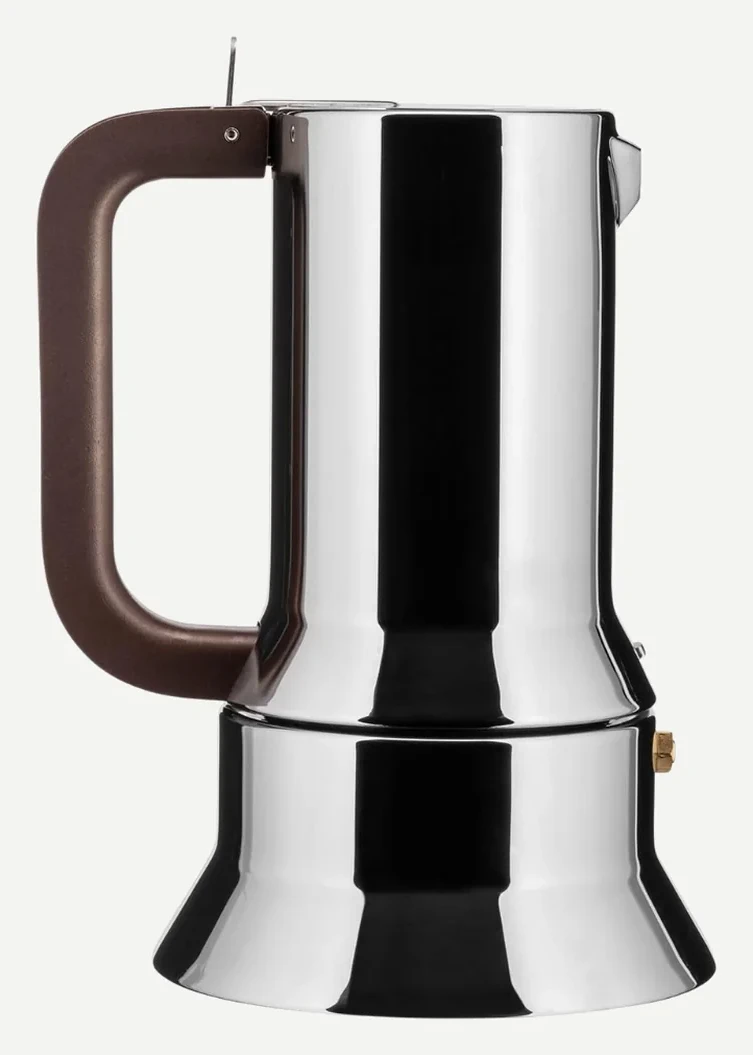
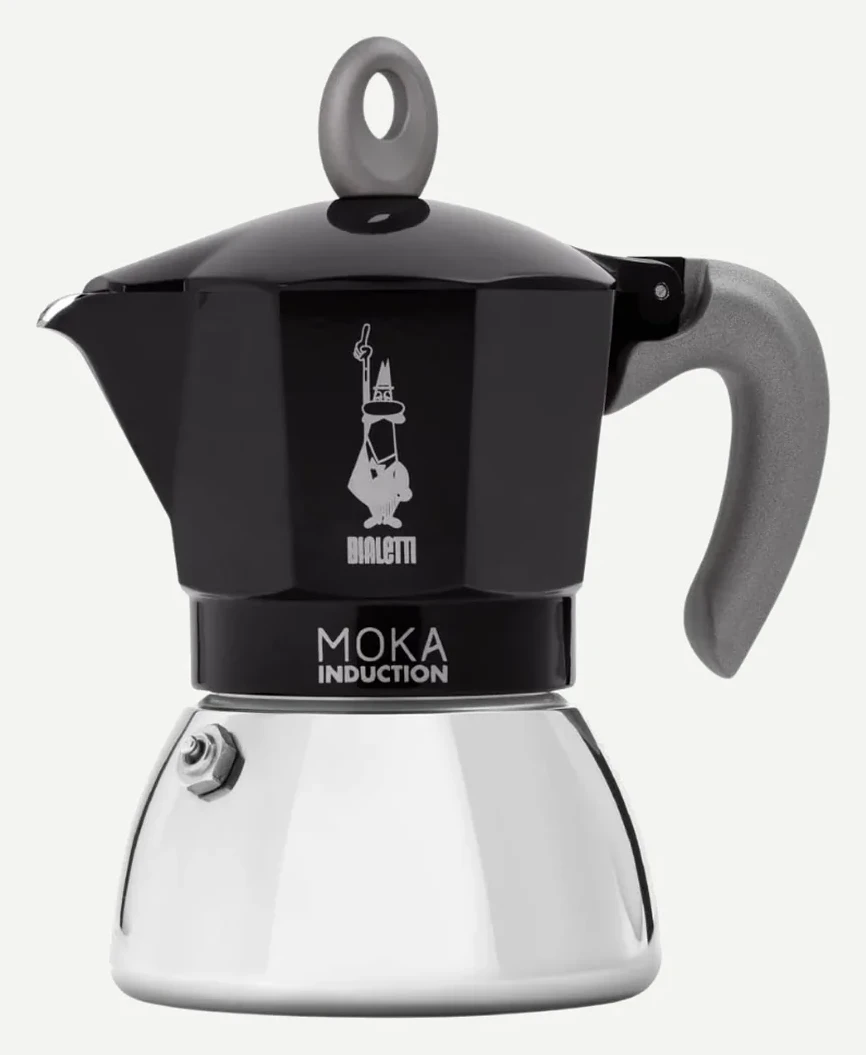
True espresso needs pressure, which means an espresso machine of some kind. Manual and semi-automatic machines give the most control and reward practice. Bean-to-cup machines grind, tamp and brew at a button. Capsule machines make a convincing short shot with no skill at all and less control over the result. A moka pot makes strong, espresso-like coffee on the hob, but at far lower pressure, so it is a close cousin rather than the same drink.
Whatever the machine, the grinder matters as much as the machine does, and a shot that tastes sour and thin is almost always fixed by grinding finer. See under-extracted espresso for the order to work through it, and the espresso machines we have reviewed for what to buy.
Espresso FAQ
What is espresso?
Coffee brewed by forcing hot water under high pressure, about nine times the pressure of the air around us, through tightly packed, finely ground coffee, producing a small, concentrated drink with crema on top.
Is espresso a type of coffee bean?
No. Espresso is a brewing method. Any coffee can be brewed as espresso; espresso roast on a bag is only a suggestion of what the roaster thinks tastes good that way.
How much caffeine is in a shot of espresso?
Roughly 60 to 75 mg in a single shot, depending on the dose and the beans. A double has about twice that.
How long should an espresso shot take?
Most shots run for around 25 to 30 seconds and yield about twice the weight of the dry coffee.
Should you stir espresso?
Yes, usually. The crema on top tastes sharp on its own, and a quick stir blends it into the rest of the shot.