What Is a Latte?
Espresso with a generous amount of steamed milk and a thin layer of foam. The mildest of the classic espresso drinks, and the one with the most variations.
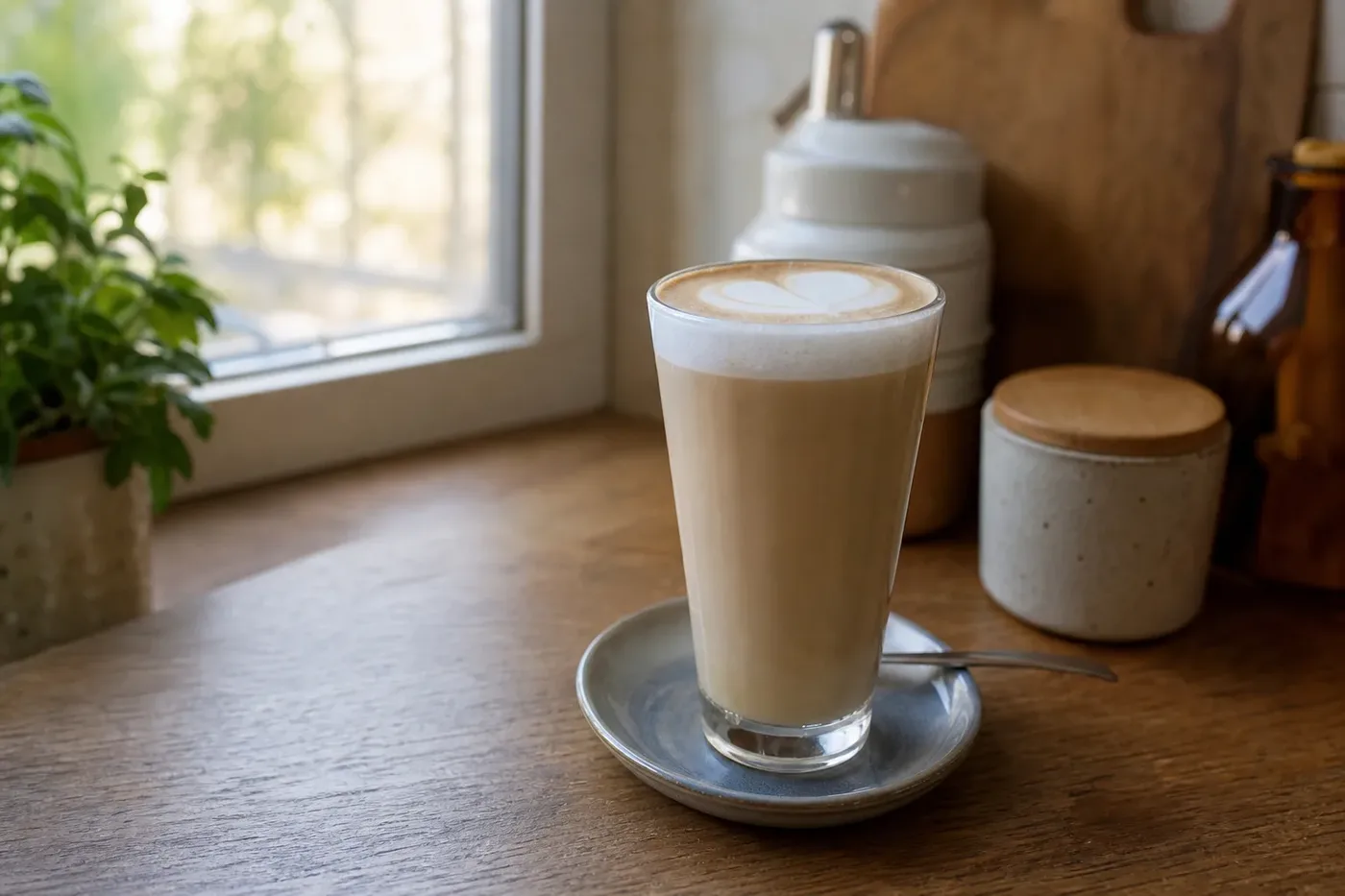
A latte is espresso combined with a generous amount of steamed milk and finished with a thin layer of foam. It is the mildest and creamiest of the classic espresso drinks, usually served in a larger cup or glass, and the one most often flavoured, iced or made with plant milk.
What is in a latte: espresso, milk and foam
- Espresso: one or two shots.
- Steamed milk: plenty of it, often two thirds or more of the cup.
- Foam: a thin layer, around a centimetre, silky enough to pour a pattern into.
Cup sizes range widely, from around 240ml in many independent cafes to well over 400ml at large chains. The bigger the cup, the milder the drink, since the extra volume is almost always milk rather than coffee.
Caffe latte vs latte
They are the same drink. Caffe latte is Italian for coffee with milk, and latte on its own simply means milk. That matters if you order in Italy: ask for a latte there and you are likely to be handed a glass of milk. Outside Italy the short form is universal, and a cafe listing both is using two names for one thing.
Hot latte vs iced latte
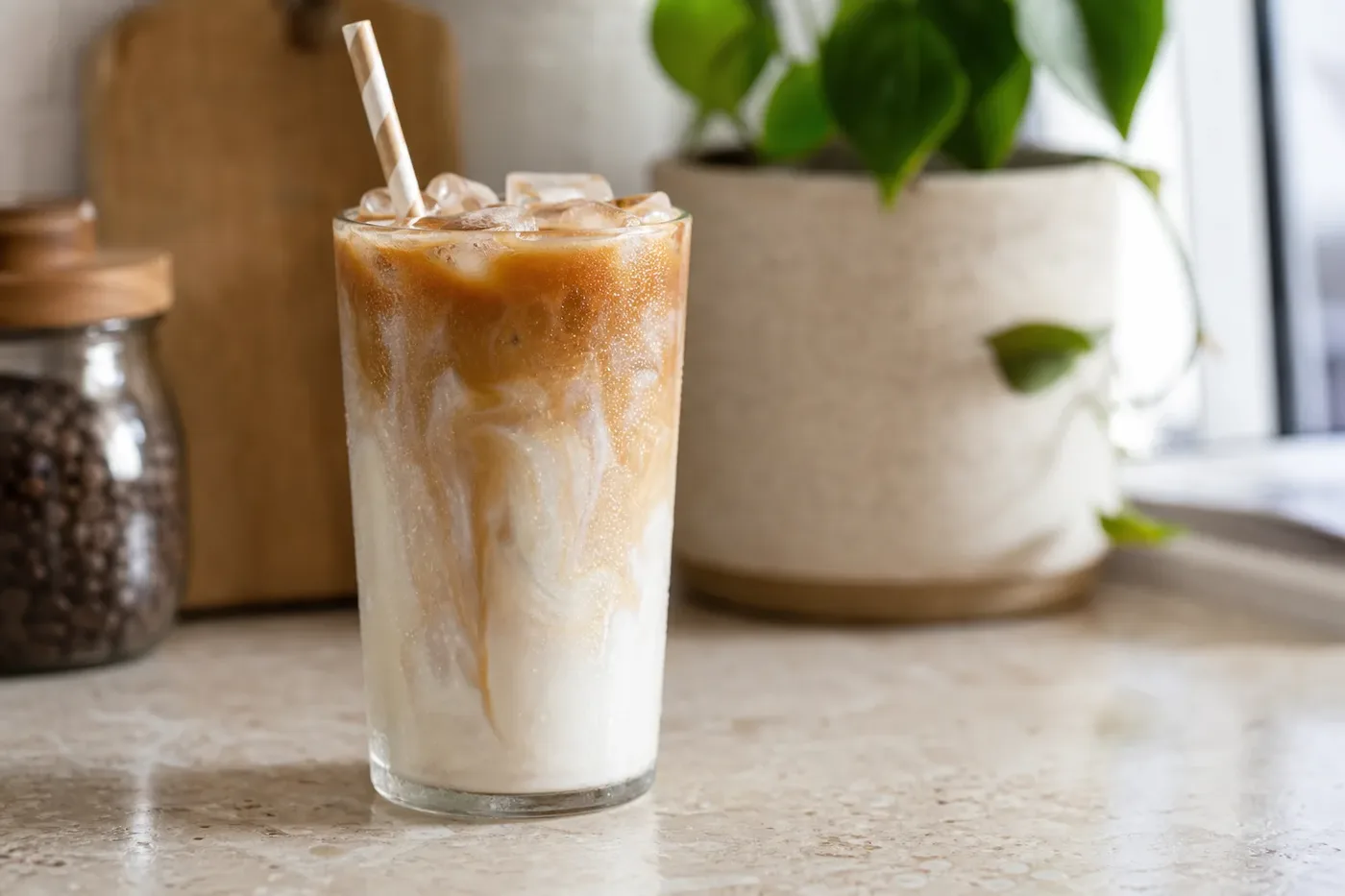
A latte is traditionally hot, but an iced latte is now just as common. It skips the steaming altogether: espresso is poured over ice and cold milk, which keeps the flavour clean and avoids melting the ice with hot foam. How that differs from other cold coffee is covered in cold brew vs iced coffee.
Latte vs cappuccino, flat white and americano
- Cappuccino. Less milk and a thick cap of foam, so lighter and stronger tasting. See what a cappuccino is.
- Flat white. The same silky milk in a smaller cup, so more coffee per sip. See what a flat white is.
- Americano. The same espresso lengthened with water instead of milk, compared in americano vs latte.
- Breve. A latte made with half-and-half instead of milk, richer and heavier. See what a breve is.
- Latte macchiato. Milk first, espresso poured in on top so it forms layers, covered in what a macchiato is.
Flavored lattes, and lattes with no coffee
Because a latte is mostly milk, it carries flavour well, which is why vanilla, caramel, hazelnut and seasonal syrups are nearly always offered as lattes. Each pump of syrup adds sugar and calories quickly, and a large flavoured latte can end up closer to a dessert than a coffee.
The word has also spread beyond coffee altogether. A matcha latte, a chai latte or a turmeric latte borrows the steamed-milk format but contains no espresso, and usually far less caffeine, or none. If caffeine matters to you, check what the base actually is.
Latte art: how the pattern is poured
The hearts, tulips and rosettas on top of a latte are poured, not drawn. They need milk steamed into fine, glossy microfoam that flows like wet paint, poured into the espresso at the right height and speed. Foamy milk will not do it. The technique behind the milk is explained in what good steamed milk is.
Latte calories and caffeine
Caffeine depends only on the espresso: roughly 60 to 75 mg per shot, so a two-shot latte carries about as much as a double espresso. Calories depend almost entirely on the milk. A medium latte with whole milk is usually somewhere around 150 to 200 calories, fewer with skimmed milk, and considerably more once syrup and cream are added. The full comparison is in calories in coffee.
Best milk for a latte
Whole milk gives the sweetest, silkiest latte and is the easiest to steam. Oat milk is the most popular alternative and foams well in its barista versions. Almond and coconut are thinner and harder to texture, and some plant milks split in hot coffee. Each is compared in milk alternatives in coffee.
How to make a latte at home
- Pull one or two shots of espresso into a large, warmed cup.
- Steam around 200ml of cold milk, letting in air for only a couple of seconds before submerging the wand to heat it.
- Tap and swirl the jug, then pour steadily into the coffee, finishing with a thin layer of foam on top.
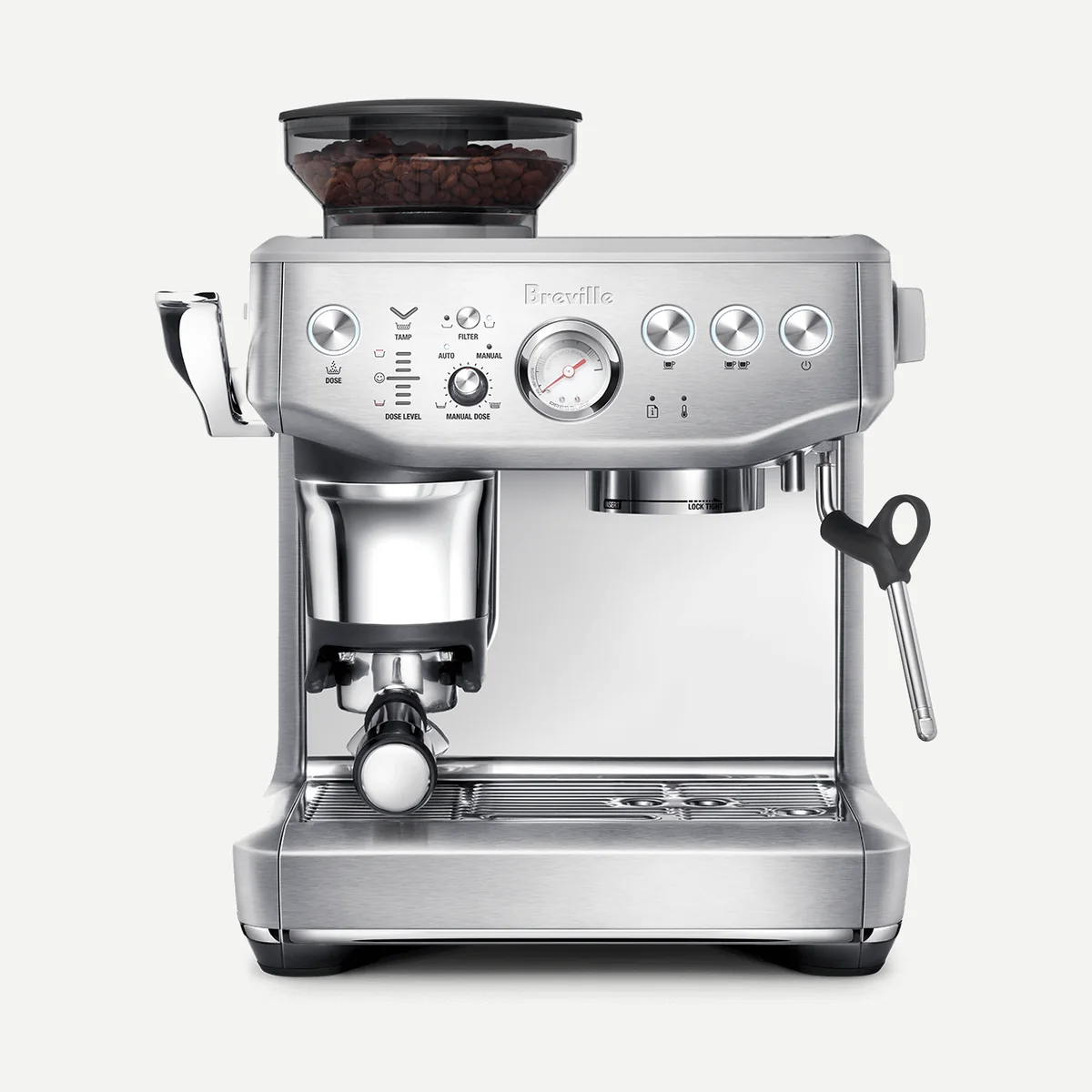
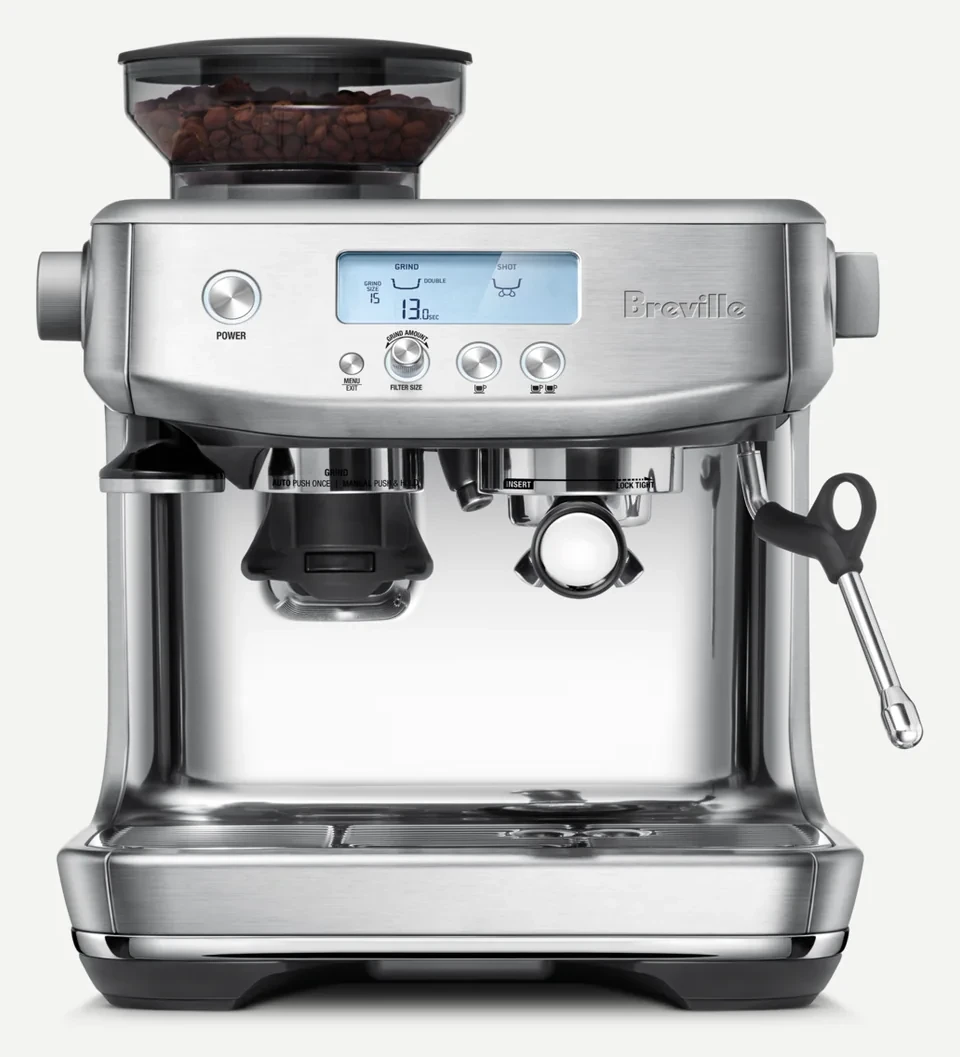
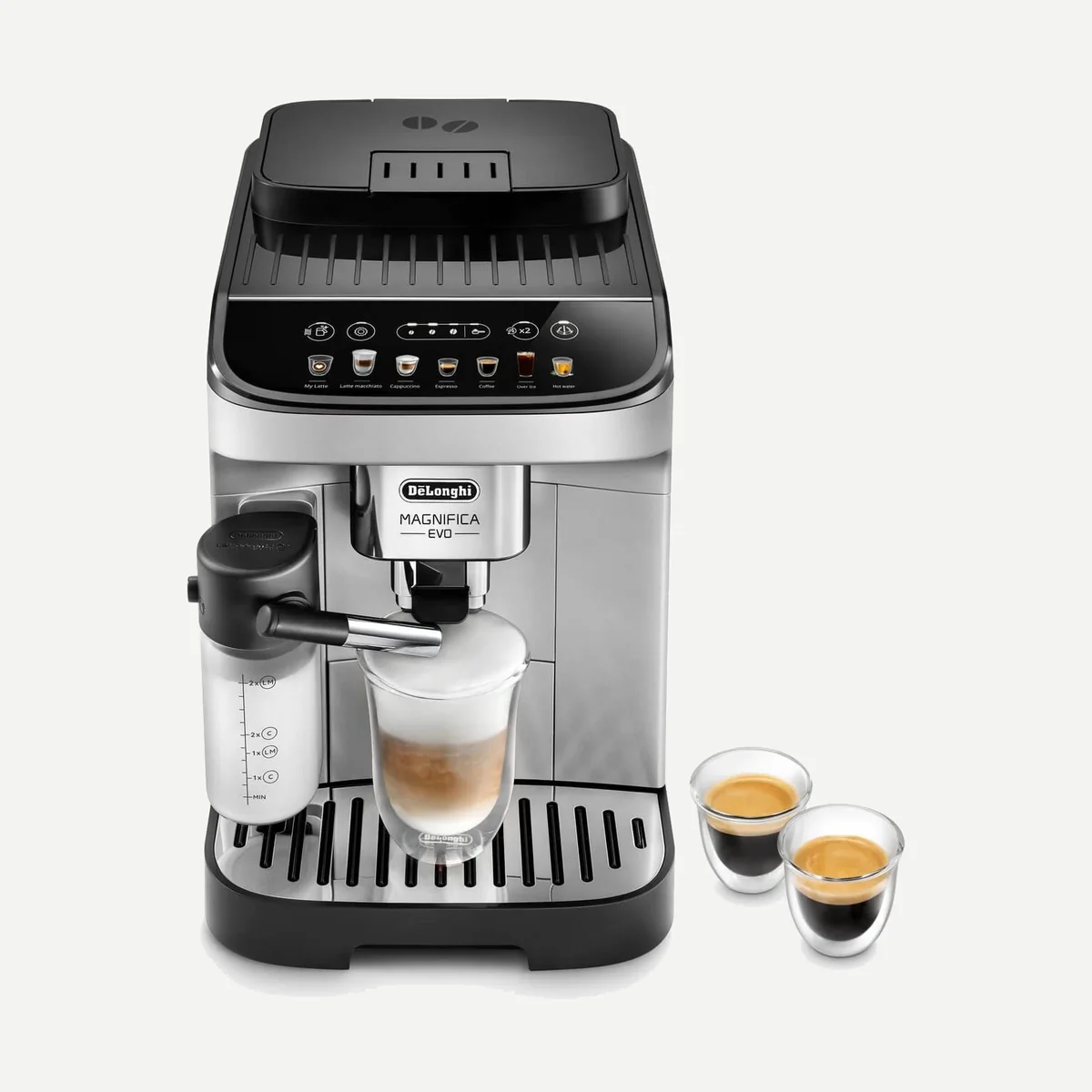
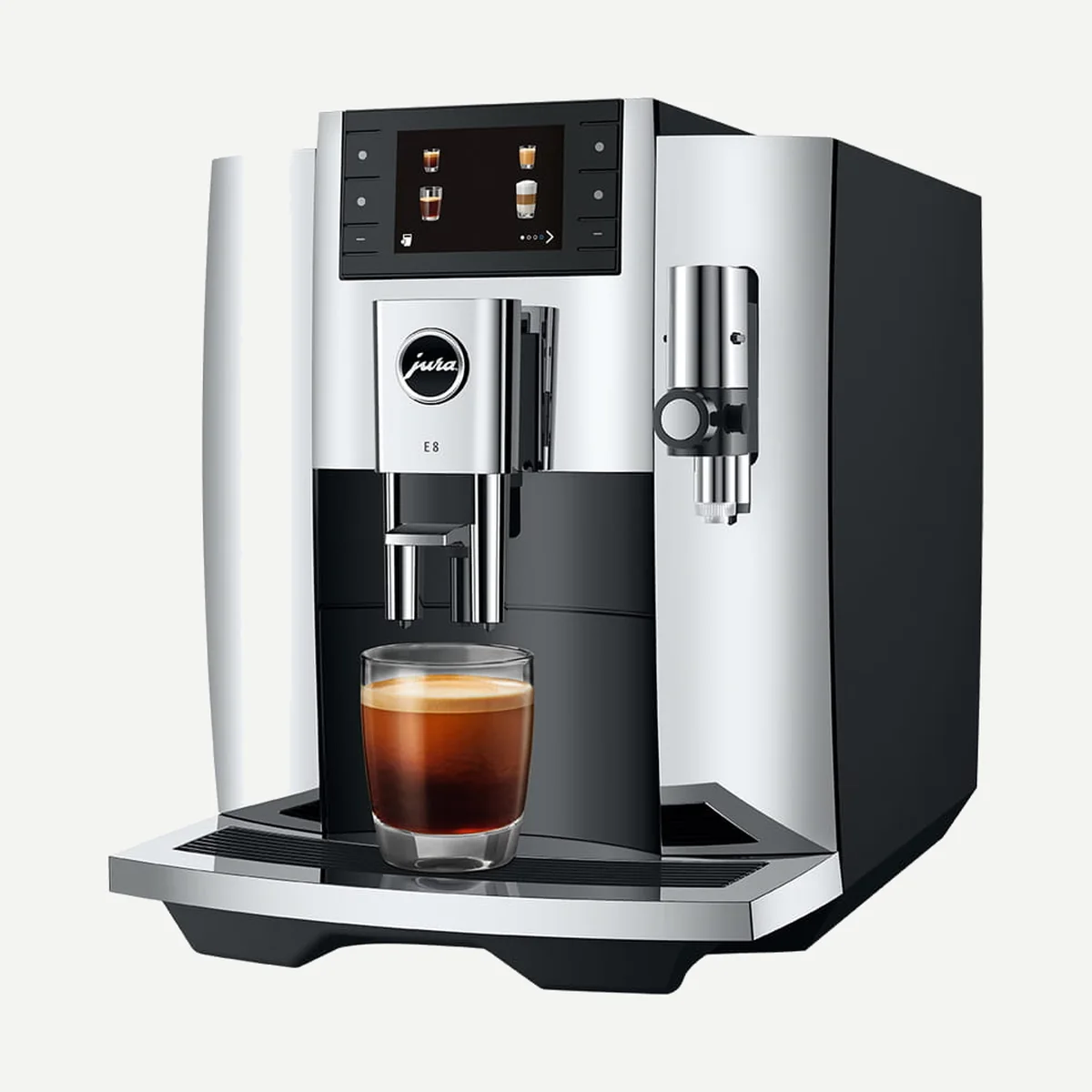
Without an espresso machine you can make something close with strong coffee from a moka pot and milk frothed with a handheld frother, though strictly it is a milky coffee rather than a latte. For the machines that do it properly, see the espresso machines we have reviewed.
Latte FAQ
What is a latte?
Espresso combined with a generous amount of steamed milk and a thin layer of foam, usually in a larger cup than a cappuccino or flat white.
Is a caffe latte the same as a latte?
Yes. Caffe latte is the full Italian name, meaning coffee with milk. In Italy, ordering just a latte may get you a glass of milk.
Are lattes hot or cold?
Traditionally hot, but iced lattes are common: espresso poured over ice and cold milk, with no steaming.
How much caffeine is in a latte?
It depends on the shots: roughly 60 to 75 mg per shot of espresso. The milk adds none.
Does a chai or matcha latte contain coffee?
No. They borrow the steamed-milk format but contain no espresso. Chai and matcha have some caffeine of their own, usually less than coffee.