What is Cooper's Cask Espresso Box Set?
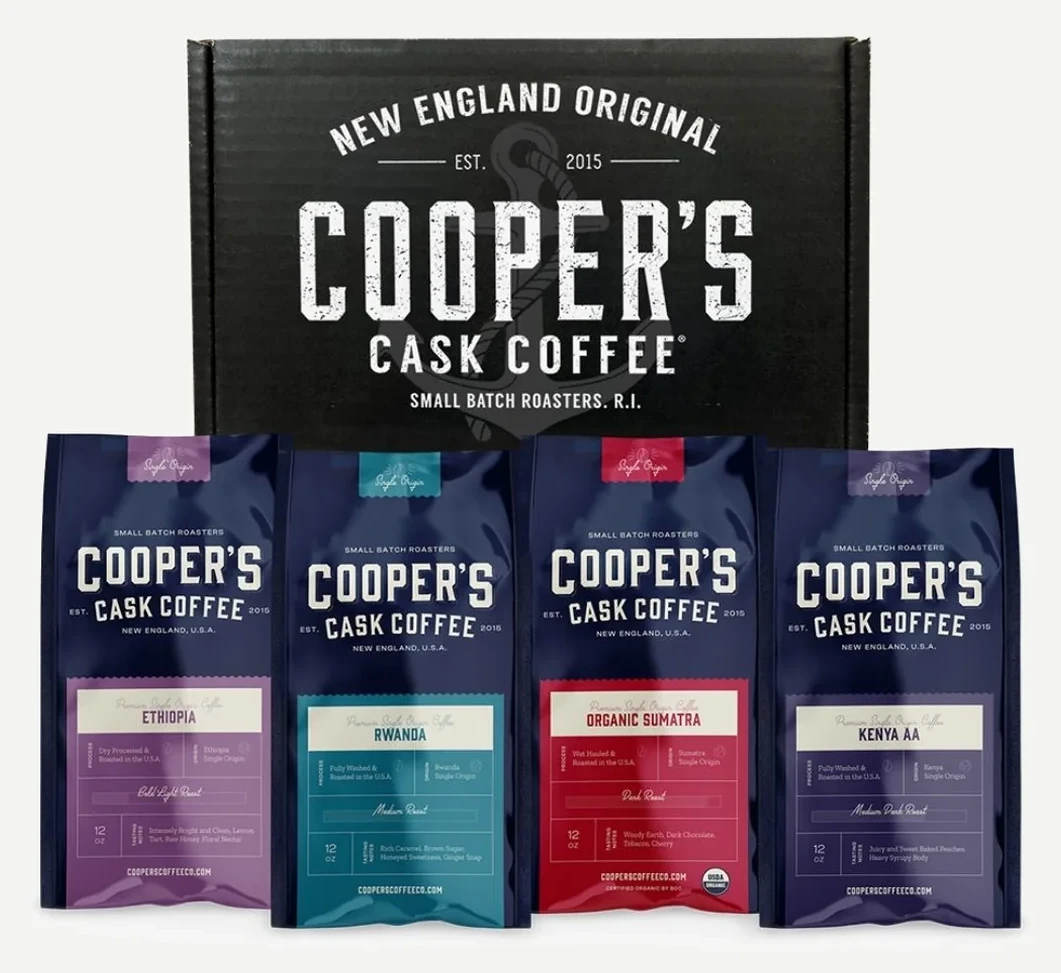
Three single-origin coffees, each selected and profiled for espresso, arrive together in one box from Cooper's Cask Coffee for $39.95.
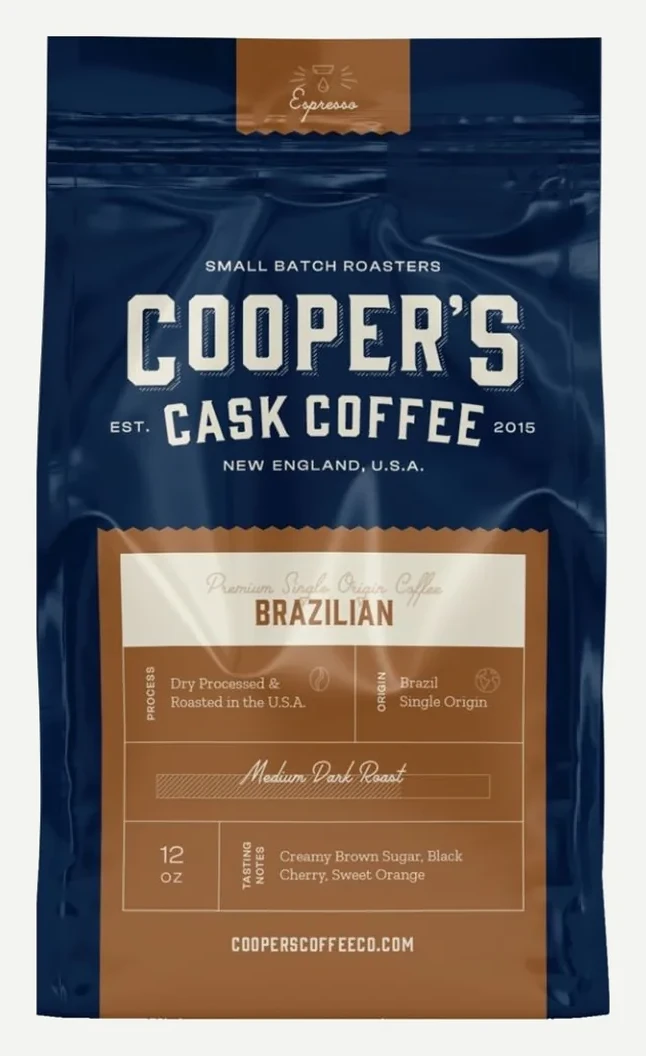
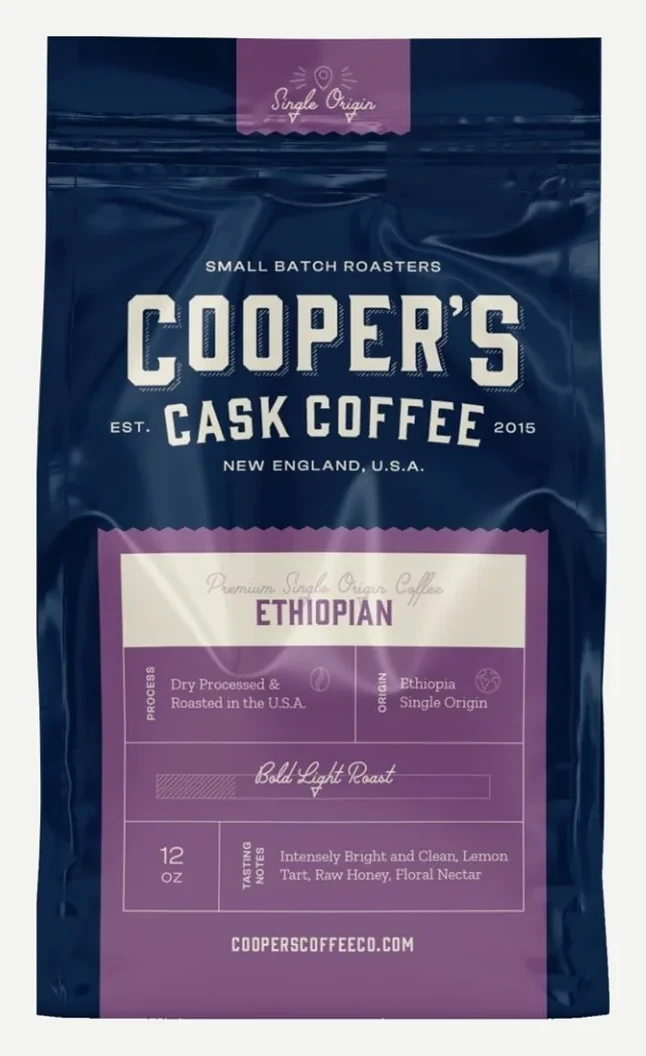
Cooper's Cask Coffee packages three espresso-profiled coffees into one set: Kenya, Ethiopia and Brazil. Total net weight is 680 g across the three bags, which works out to roughly 227 g each. The price is $39.95, placing it toward the accessible end of specialty gift sets.
The set is available year round rather than as a seasonal release. At checkout, a buyer chooses ground or whole bean. The roast level varies by coffee, so the three bags are not identical in character.
What's in the Cooper's Cask Espresso Box Set box
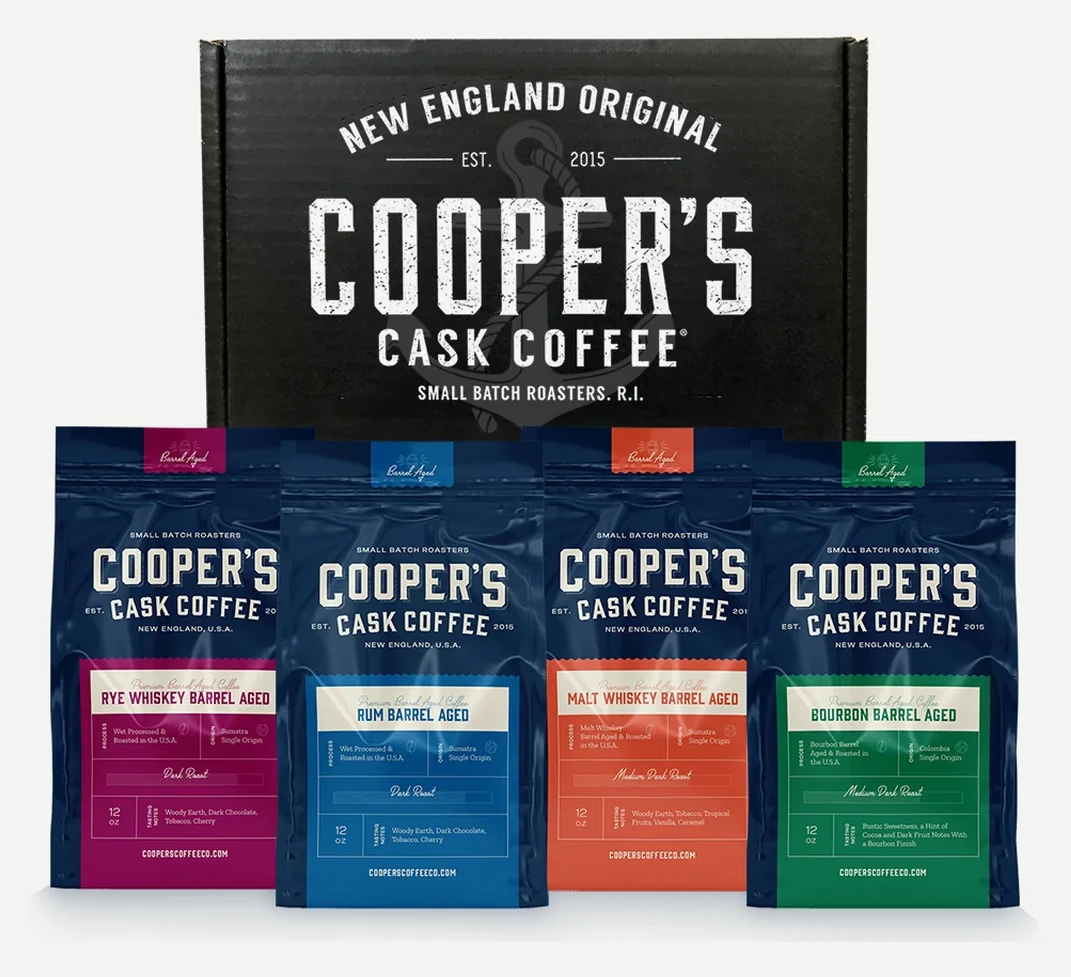
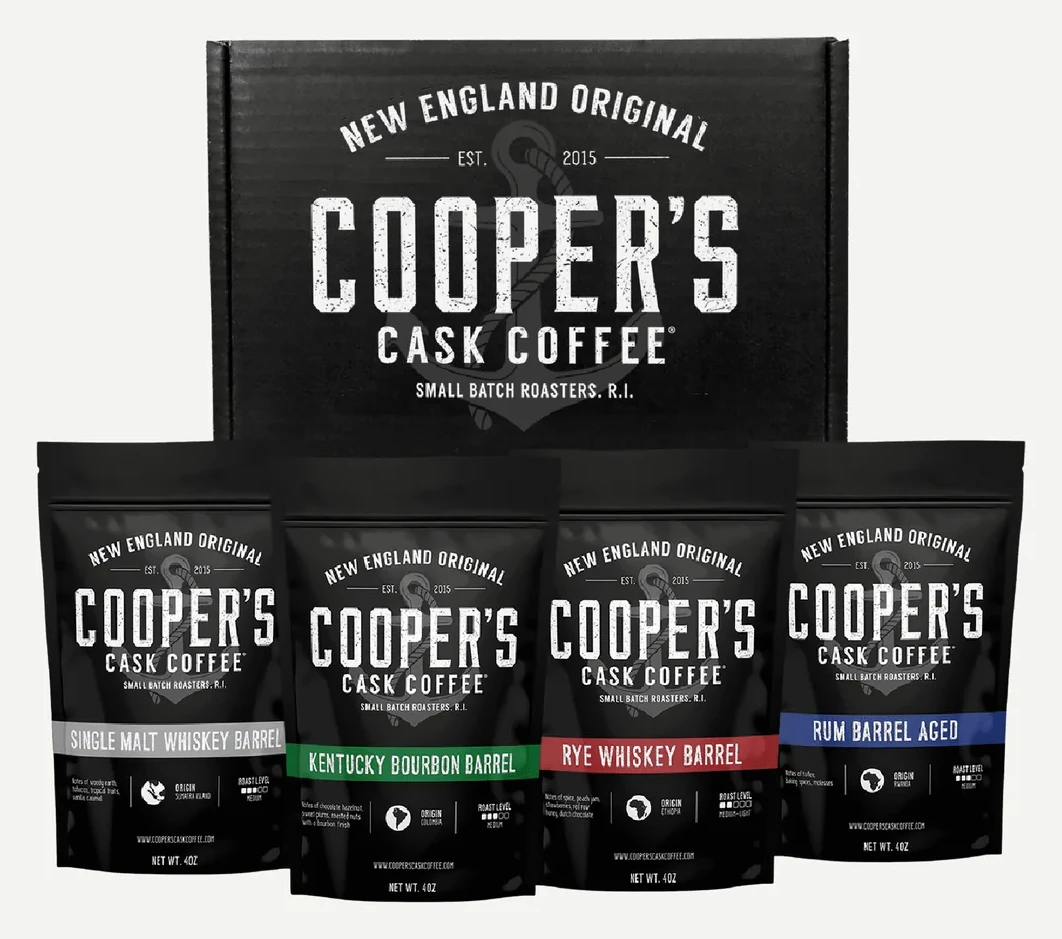
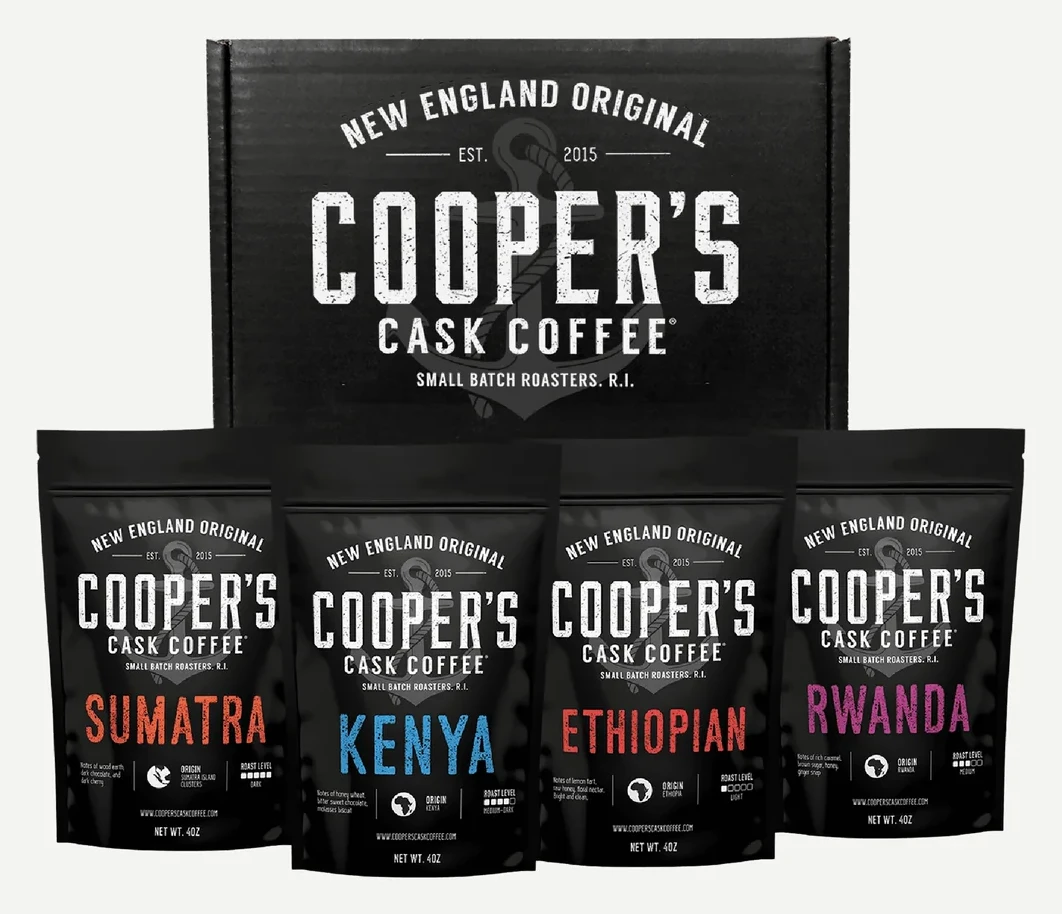
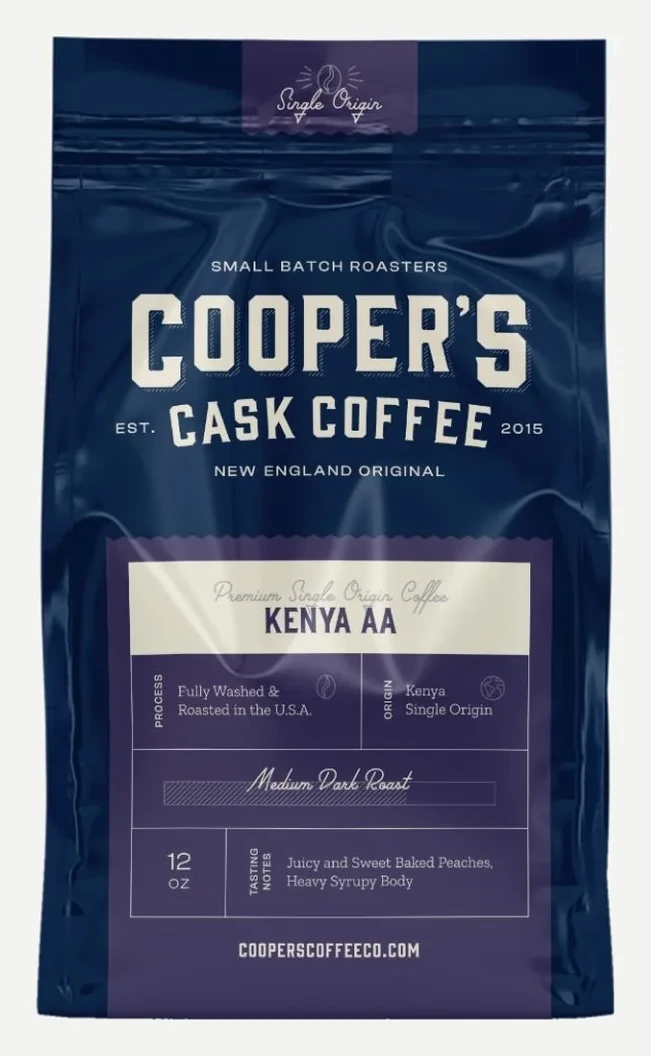
The box holds one bag each of Kenya, Ethiopia and Brazil coffee, all selected and roasted with espresso extraction in mind.
Three origins in one espresso-focused set is a reasonable spread. Kenya, Ethiopia and Brazil represent meaningfully different growing regions and processing traditions, which should translate to contrast in the cup rather than three coffees that taste like variations on a theme.
Because the roast level varies by coffee, the set spans more than one point on the roast spectrum. A recipient who pulls espresso daily will encounter different extraction behavior from each bag, which makes this more of a tasting exercise than a convenience purchase.
- Kenya, profiled for espresso: Kenyan coffees typically run bright and fruit-forward, with blackcurrant and citrus notes common from this origin.
- Ethiopia, profiled for espresso: Ethiopian beans often carry floral and stone-fruit character, particularly from washed lots, making for a distinctive shot.
- Brazil, profiled for espresso: Brazil is a staple espresso origin, commonly delivering chocolate, nut and low-acid body that anchors a blend or works well as a single-origin base.
Is it better value than buying the bags?
Buying the set costs more per kilo than the bags would suggest is a deal, because no bundle discount appears to apply here.
At $39.95 for 680 g, the price per kilo is $58.72. That figure is arithmetic on the bag weight alone. For context, a buyer who wants those three origins separately would need to check individual bag prices, but the set does not advertise a saving over buying them apart.
There is no subscription option attached to this set, so a repeat buyer returns to the full price each time. The $39.95 is best understood as the cost of the curation and the gift packaging together, not a route to cheaper coffee.
How it arrives, and what you choose
Three bags arrive inside a gift box, and the buyer chooses at checkout whether each bag is ground or whole bean.
The outer packaging is described as a box, and gift packaging is included. That means the set arrives ready to give without the buyer sourcing additional wrapping. Three bags at roughly 227 g each make up the 680 g total.
The format choice sits with the buyer at checkout, which is a practical detail worth confirming before ordering as a gift. Whole bean keeps longer and gives the recipient more flexibility, while ground is ready to use immediately.
- Three bags totaling 680 g arrive in a single gift box, ready to hand over without additional wrapping.
- Ground or whole bean is selected at checkout, so the giver should know the recipient's setup before ordering.
- The set is not flavoured and contains no added ingredients, only single-origin coffees profiled for espresso.
Cooper's Cask Espresso Box Set vs Cooper's Cask Cold Brew Box Set
The Espresso Box and the Cold Brew Box share the same price and format but are built for entirely different brewing methods and serve different recipients.
Both sets cost $39.95, weigh 680 g across three bags, ship in a gift box and offer ground or whole bean at checkout. The split is in the coffee selection and intended use: one is profiled for espresso, the other for cold brew, with coarser ground coffee and six cold brew filters included.
The Cold Brew Box adds a physical accessory in those six filters, which gives the gift more immediate utility for someone without cold brew equipment. The Espresso Box carries no extras, so the recipient needs an espresso machine to get anything from it.
- The Espresso Box wins for a recipient who already owns an espresso machine and wants to explore three distinct origins.
- The Cold Brew Box wins on immediate usability, because the included filters mean the recipient can brew straight away without extra equipment.
- Both sets match on price, weight and packaging, so the decision comes down entirely to how the recipient brews.
- The Cold Brew Box covers Guatemala, Colombia and Peru; the Espresso Box covers Kenya, Ethiopia and Brazil, so origin preference can also drive the choice.
Who should buy it (and who should not)
This set suits a giver who knows the recipient pulls espresso at home and wants to send three origins worth exploring rather than a single bag.
A recipient with an espresso machine and some curiosity about origin differences will get genuine use from three distinct coffees profiled for that method. The gift box means the presentation is handled.
It is the wrong choice for someone who brews by pour-over, French press or cold brew. It is also a difficult gift if the giver does not know whether the recipient owns an espresso machine, because the coffee is specifically profiled for that extraction style.
Buy it if
- You know the recipient has an espresso machine and enjoys exploring different origins.
- You want a gift that arrives presentation-ready without sourcing separate wrapping.
- You are giving to someone who would rather receive three small bags than one large one.
Skip it if
- The recipient brews by pour-over, cold brew or any method other than espresso.
- You want a set that comes with a discount over buying the bags individually, because this one does not offer that.
- Freshness is important to the recipient, because roast dates are not printed on the bags.
Frequently Asked Questions
Is the Cooper's Cask Espresso Box Set good for beginners?
It depends on the equipment. The three coffees are profiled for espresso, which means a recipient who already owns an espresso machine can brew them immediately. Someone new to espresso who does not yet own a machine will have nothing to brew them on. For a beginner who does have the equipment, three single-origin bags is a reasonable way to start exploring how origin affects the shot.
Cooper's Cask Espresso Box Set vs Cooper's Cask Cold Brew Box Set: which should I buy?
Both cost $39.95 and arrive in a gift box with 680 g of coffee across three bags. The difference is the brewing method and what comes inside. The Cold Brew Box includes six cold brew filters and covers Guatemala, Colombia and Peru. The Espresso Box covers Kenya, Ethiopia and Brazil with no accessories. Buy the Espresso Box if the recipient has a machine. Buy the Cold Brew Box if they do not, or if you are not sure.
How many cups does the set make?
Total coffee in the box is 680 g across three bags. At 15 g per espresso shot, that works out to roughly 45 shots across the three bags. At a lighter 8 g dose the count rises, but 15 g is a standard reference point for espresso. The three bags let a recipient work through each origin separately before moving to the next.
Can you get this as a subscription?
Cooper's Cask does not offer a subscription version of this set. It is a one-time purchase at $39.95. A buyer who wants to send it regularly returns to the full price each time. If recurring delivery matters, checking whether the individual Kenya, Ethiopia or Brazil bags are available on subscription would be the practical alternative.
What grind should I choose for espresso at checkout?
If the recipient owns an espresso grinder, whole bean is the better choice because they can dial in the grind to suit their specific machine. If they use a machine with a built-in grinder or no grinder at all, the pre-ground option makes sense. Cooper's Cask grinds the coffee for espresso when the ground option is selected, so it arrives ready for a standard machine without adjustment.
Does the set include coffees from different roast levels?
The roast level varies by coffee across the three bags. Kenya, Ethiopia and Brazil each carry a different roast profile, so the set spans more than one point on the roast spectrum. A recipient who normally drinks a single roast level will encounter some contrast between the bags, which is one of the practical reasons to buy a sampler set rather than three bags of the same coffee.