Herbal coffee notes
Tea, mint, sage, lemongrass and fresh-cut grass. It turns up at two ends of coffee: in light washed coffees, often Ethiopian, where a tea-like finish belongs to the bean itself, and in earthy Sumatrans, where it sits beside cedar and spice. Grass and hay can also mean a roast stopped too early or a bean past its best, so a roaster who prints them on purpose is worth reading closely.
3 products
The best herbal coffee notes, ranked
scored on what the maker publishesOpen a row for the score working1
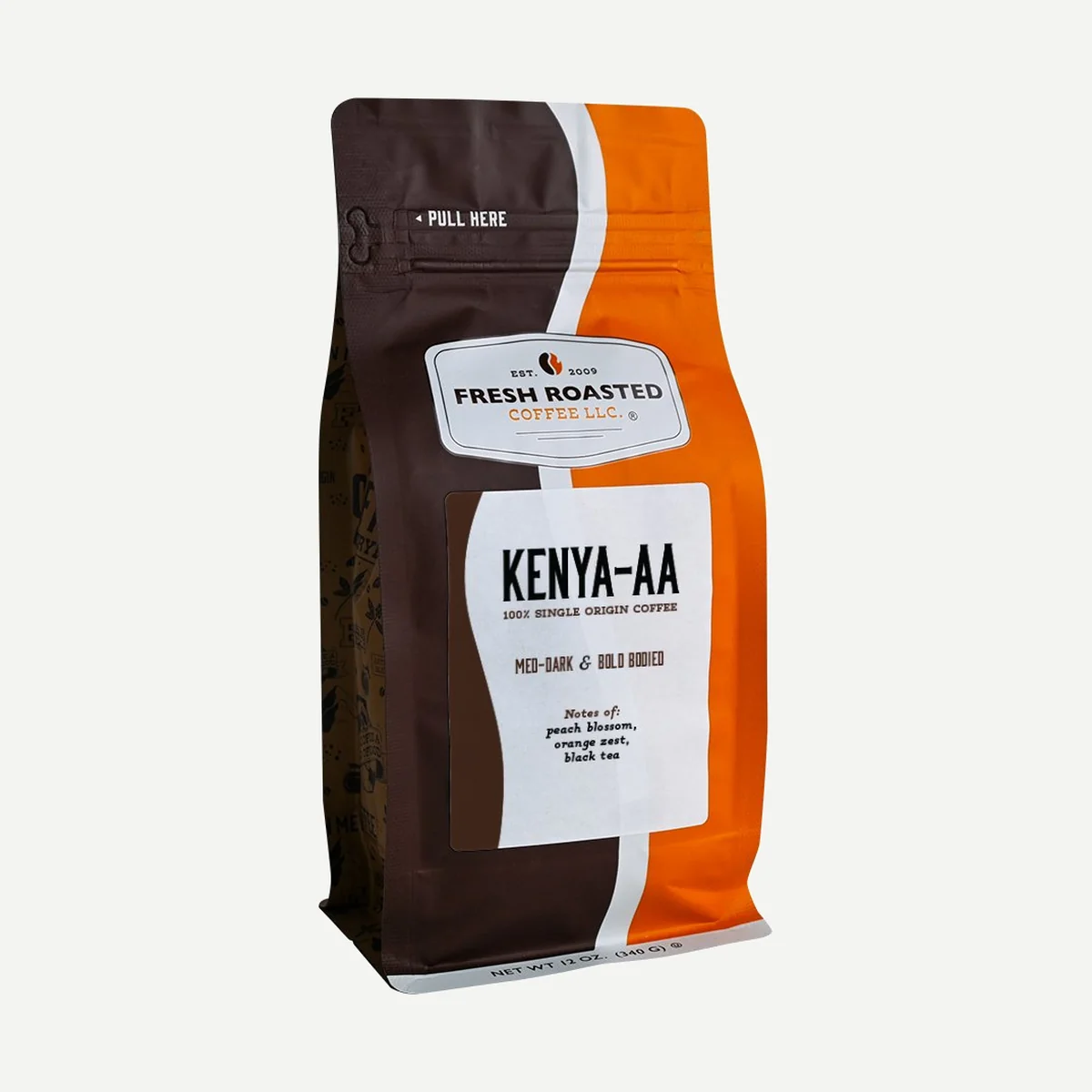 Fresh Roasted CoffeeKenya AA$35.27/kg8.7
How it scored
Freshness & Roast Date Transparency10.0Sourcing Transparency & Ethicsweakest link5.4altitude and varietals not publishedcarries 16 of the 45.8 points scoredValue Per Kilo10.0Packaging & Freshness Retention8.0packaging not scoredPrice per kg$35.27Score8.7Box priceFrom $17.99Tasting NotesFloral to HerbalRoast LevelMedium-darkSingle Origin or BlendSingle originOriginKenyaRead the Fresh Roasted Coffee Kenya AA review →2
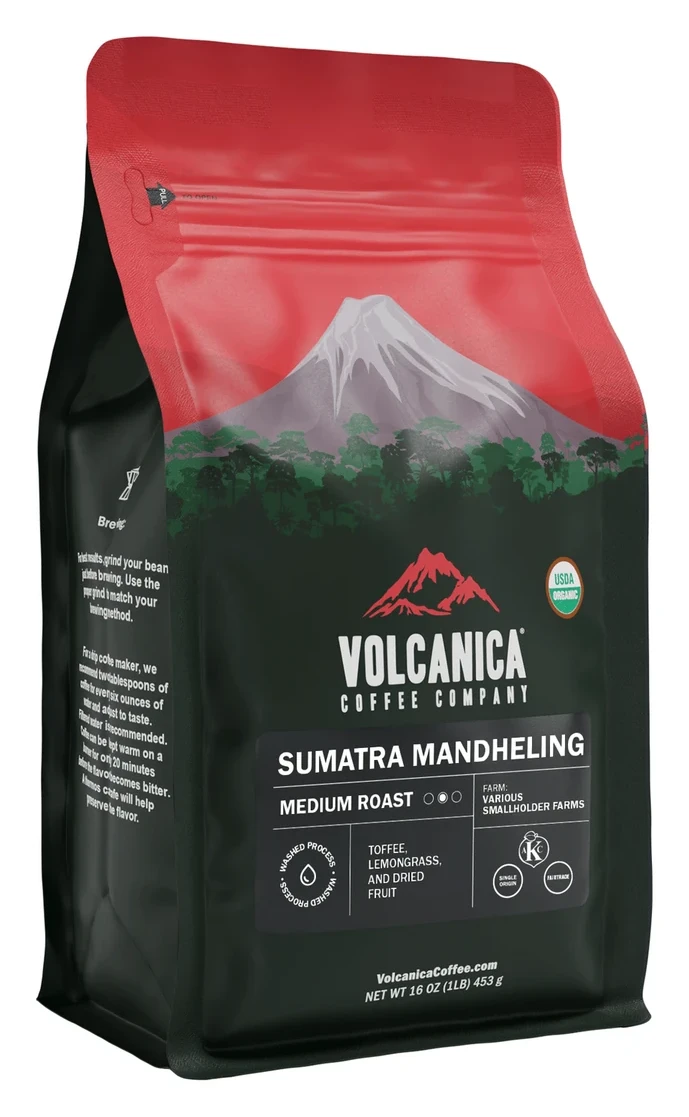 VolcanicaSumatra Mandheling Organic5.9
How it scored
Freshness & Roast Date Transparencyweakest link5.0carries 20 of the 45.8 points scoredSourcing Transparency & Ethics7.5altitude and varietals not publishedValue Per Kilo5.0no price publishedPackaging & Freshness Retention8.0packaging not publishedPricePricing N/AScore5.9Tasting NotesCaramel & toffee to BerryRoast LevelMediumSingle Origin or BlendSingle originOriginIndonesiaRead the Volcanica Sumatra Mandheling Organic review →3
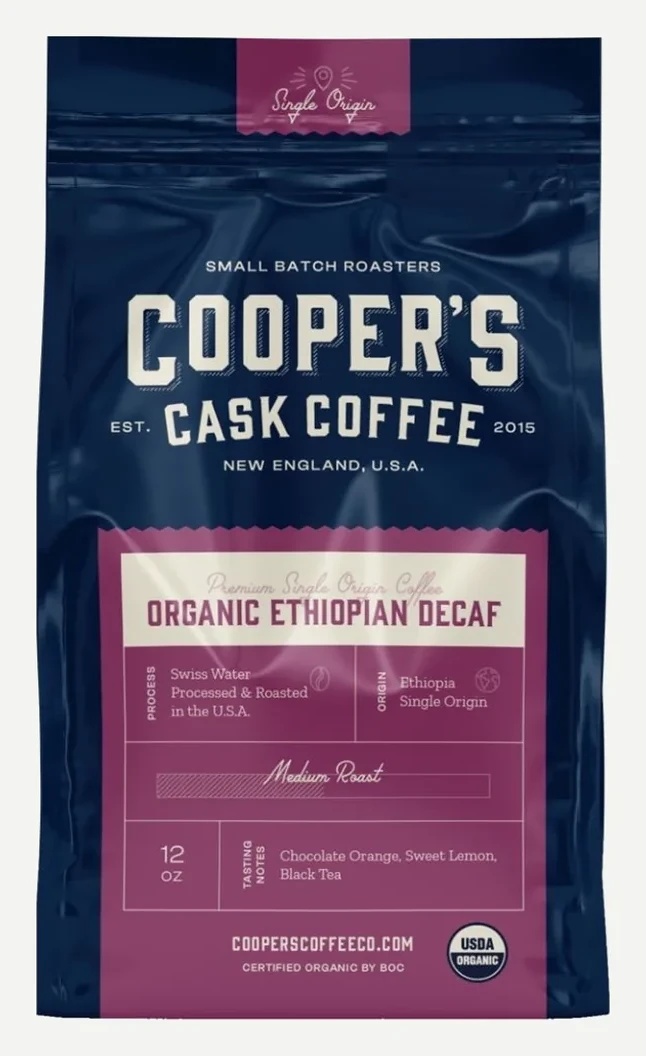 Cooper's CaskEthiopia Decaf$35.25/kg4.6
How it scored
Freshness & Roast Date Transparencyweakest link2.1carries 20 of the 45.8 points scoredSourcing Transparency & Ethics5.4altitude and varietals not publishedValue Per Kilo5.5Packaging & Freshness Retention8.0packaging not publishedPrice per kg$35.25Score4.6Box priceFrom $24.95Tasting NotesChocolate to HerbalRoast LevelMediumSingle Origin or BlendSingle originOriginEthiopiaRead the Cooper's Cask Ethiopia Decaf review →
About herbal coffee notes
Herbal covers more ground than any other note on this site: black and green tea, mint, sage, lemongrass and fresh-cut grass. In some coffees it is the most interesting thing in the cup. In others it is a warning. Most of what is worth knowing about herbal coffee is how to tell those two apart.
Why tea-like coffee is a compliment
When a roaster calls a coffee tea-like they usually mean more than a flavour. They mean a light body, a clean finish and a slight dryness at the end, the way a good cup of tea feels rather than only how it tastes. It is most common in washed coffees at a light or medium-light roast, and above all in Ethiopian coffee, where tea and lemongrass often sit beside the floral and citrus notes the region is known for.
Herbal notes in Sumatran coffee
The other place herbal turns up is at the opposite end of coffee. Wet-hulled Indonesian coffees are heavy, low in acidity and taste of cedar and spice, and sage or a general herbal quality is often part of that picture. Here it is not delicate at all. It holds up to a darker roast and to milk, and it belongs with the earthy coffees more than with the light ones. If a bag says herbal, the roast level and the origin tell you which of these two coffees you are buying.
When grassy coffee is a fault, and how to tell
Coffee beans are seeds, and a raw seed tastes green. A roast stopped before the bean has properly developed keeps some of that: grassy, vegetal and sour together, with no sweetness underneath. Green coffee kept too long before roasting goes a different way, towards hay, straw and cardboard. A deliberate herbal note always has something else with it, sweetness or fruit or a clean finish. A fault tastes thin and green and nothing more. If you are getting the second, it is a roasting or sourcing problem rather than a character. What a roaster actually does covers where development goes right and wrong.
Is herbal coffee natural or flavored?
Tea, sage, lemongrass and grass come from the bean and the roast. Nobody flavours coffee to taste of grass. Mint is the exception: a coffee can have a cool, minty finish on its own, and a seasonal flavoured coffee can have peppermint added after roasting. Those are different products, and the flavoured one tastes sweeter and far more obvious. A roaster who adds a flavouring should say so on the bag, and where they do, we record it.
How to brew herbal coffee gently
A light, tea-like coffee is at its best through a paper filter. Pour over suits it, with water a little off the boil, because the bitterness that hot water and a long brew pull out sits right next to the herbal notes and turns them harsh. Water temperature and grind size are the two things to adjust, and a kettle you can set the temperature on makes that repeatable. The heavier, earthy kind is far more forgiving and does well in a French press. Either way, freshness matters: the delicate end of this family fades quickly, so buy coffee with a printed roast date.
Who herbal coffee is for
Tea drinkers who want coffee that feels familiar, and anyone who finds chocolate-heavy coffee too much. It is not for somebody who wants coffee to taste sweet. If that is you, caramel and chocolate are the notes to follow instead.
Frequently asked questions about herbal coffee notes
What does herbal mean in coffee?
A family of notes covering black and green tea, mint, sage, lemongrass and fresh grass. In a light washed coffee, often Ethiopian, it usually means a clean, tea-like finish. In a wet-hulled Sumatran it sits inside a heavier, earthy cup alongside cedar and spice.
Why does my coffee taste grassy?
Usually the roast. A bean taken off the heat before it has properly developed keeps some of the raw, green taste of the seed, and it comes with sourness and no sweetness. Green coffee stored too long before roasting tastes of hay and straw instead. A deliberate herbal note always has sweetness or fruit with it.
Which coffees taste like tea?
Washed coffees at a light or medium-light roast, and Ethiopian coffee above all, where tea and lemongrass often appear with floral and citrus notes. Brew them through a paper filter with water a little off the boil to keep that character clear.
Is this the same as herbal coffee alternatives?
No. Products sold as herbal coffee are usually made from roasted chicory, dandelion root or grains and often contain no coffee at all. The coffees on this page are real coffee whose roasters describe herbal notes in the cup.