Best Espresso Machines Under $250
The best espresso machines under $250 depend on how you drink espresso, because pump machines and a manual lever suit different people. This page ranks each machine on the same criteria and compares them by milk drinks, size and heat-up, with a guide to baskets and to the grinder you will also need.
How this list is ordered
Ranked by arithmetic, not opinion. Every score is worked out from the specifications each maker publishes, so you can open the working on any product page. Anything commercial is labelled and sits outside that order, and how we score explains what each criterion measures.
Espresso Machines Under $250, ranked by score
scored on what the maker publishesOpen a row for the score working1
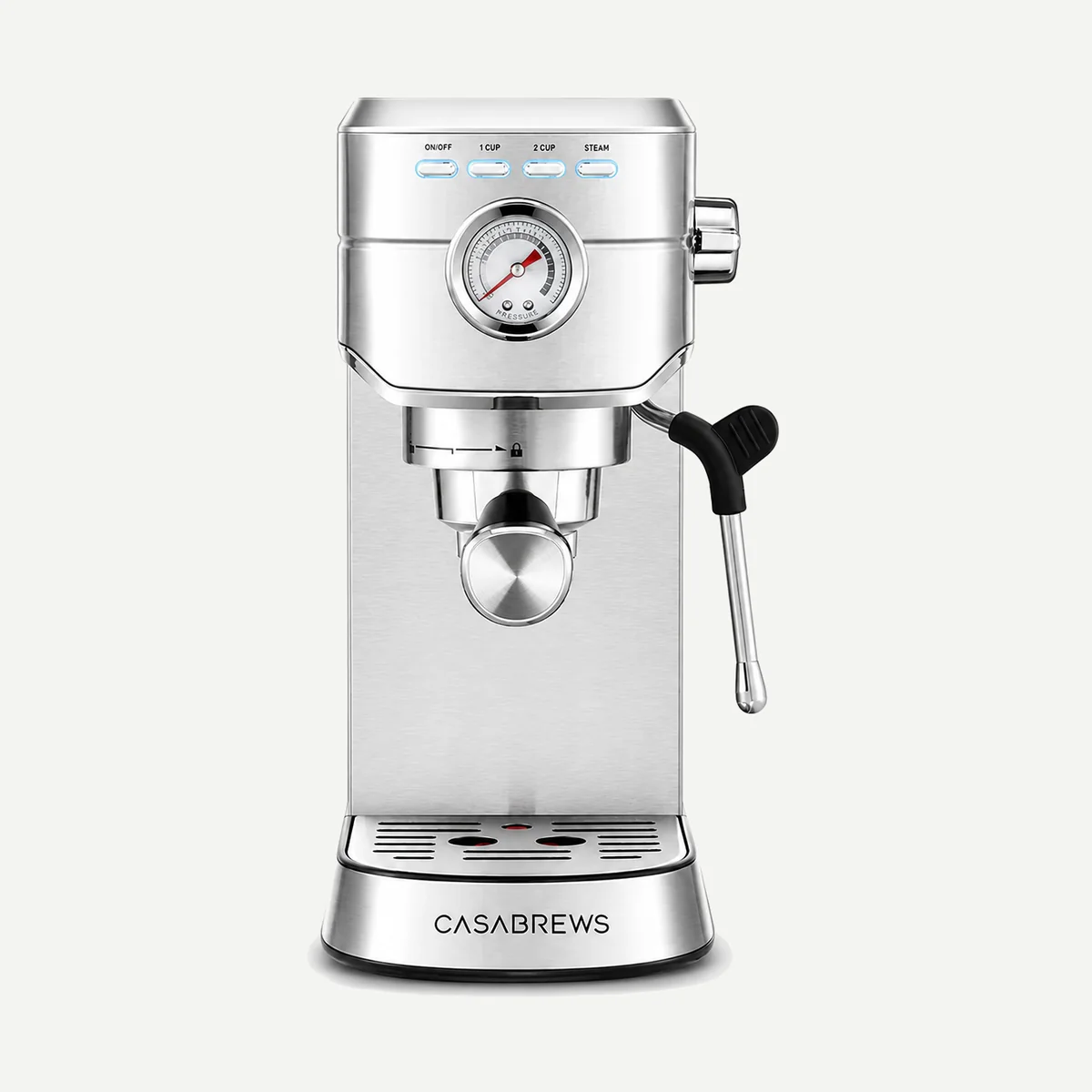 CASABREWSCM5418From $139.996.6
How it scored
Shot Quality & Extraction7.8Steam Power & Milk Texturing5.0Build Quality & Durability7.0Ease of Use & Learning Curveweakest link3.5carries 12 of the 81.8 points scoredMaintenance & Cleaning5.8bottomless not published; plumbable not scoredWorkflow & Ergonomics6.2Value for Money10.0Price from$139.99Score6.6Machine TypeSemi-automaticBuilt-in GrinderNoAutomatic MilkNoBody MaterialStainless steelRead the CASABREWS CM5418 review →2
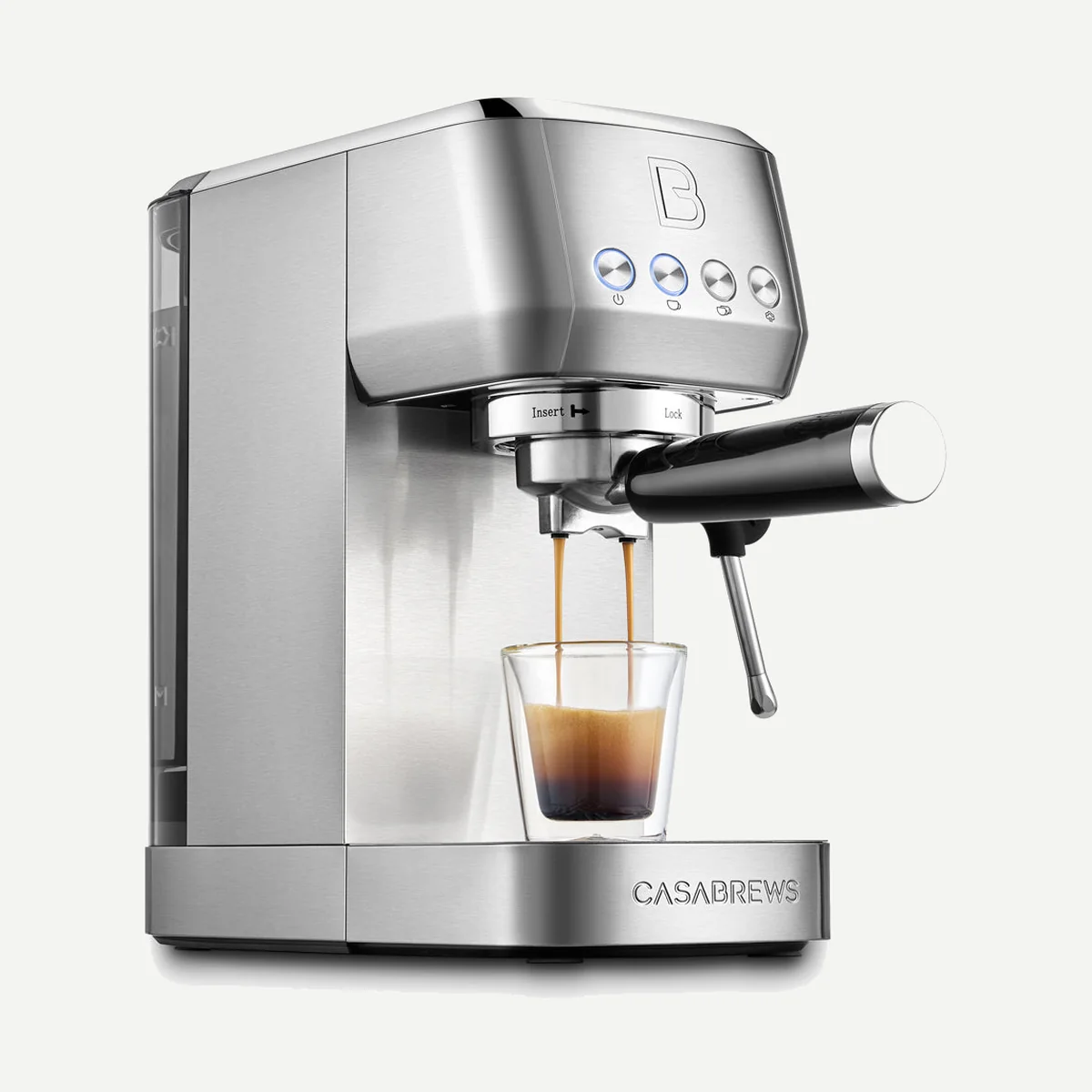 CASABREWS3700 Essential Espresso MachineFrom $93.996.4
How it scored
Shot Quality & Extraction6.6Steam Power & Milk Texturing5.0Build Quality & Durability6.4Ease of Use & Learning Curveweakest link2.9carries 12 of the 81.8 points scoredMaintenance & Cleaning8.3plumbable and bottomless not publishedWorkflow & Ergonomics6.2Value for Money10.0Price from$93.99Score6.4Machine TypeSemi-automaticBuilt-in GrinderNoAutomatic MilkNoBody MaterialStainless steelRead the CASABREWS 3700 Essential Espresso Machine review →3
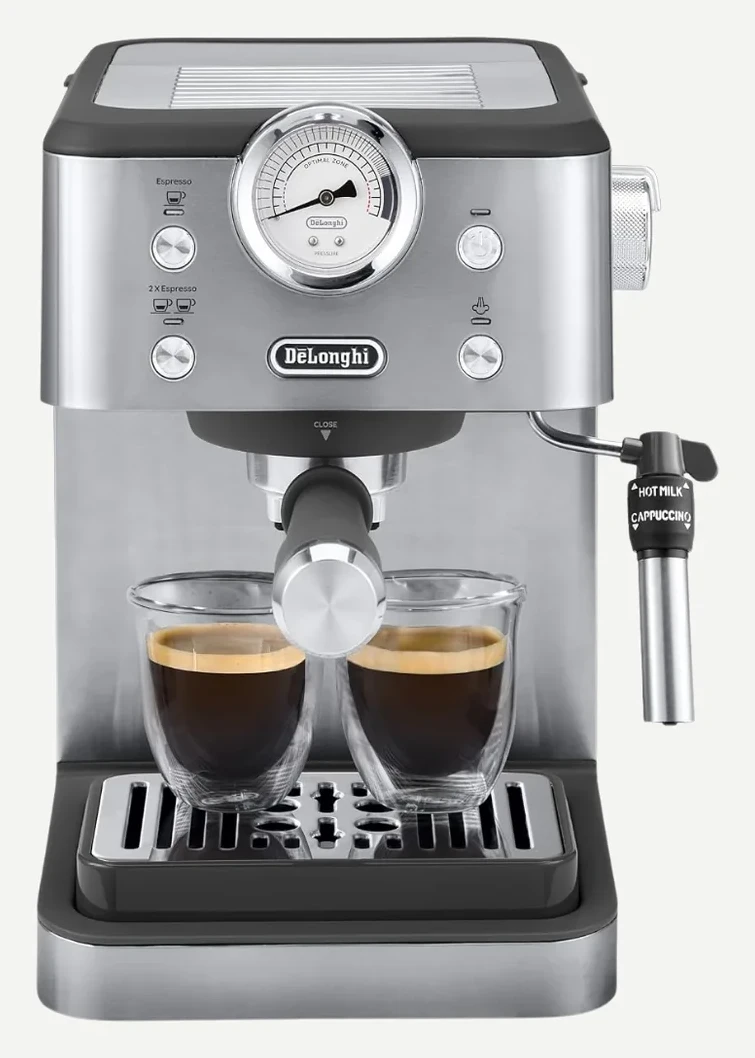 De'LonghiClassic Signature Espresso MachineFrom $224.996.3
How it scored
Shot Quality & Extraction5.0Steam Power & Milk Texturing5.0Build Quality & Durability7.2Ease of Use & Learning Curveweakest link3.5carries 12 of the 81.8 points scoredMaintenance & Cleaning7.5plumbable and bottomless not publishedWorkflow & Ergonomics6.9Value for Money10.0Price from$224.99Score6.3Machine TypeSemi-automaticBuilt-in GrinderNoAutomatic MilkNoBody MaterialStainless steelRead the De'Longhi Classic Signature Espresso Machine review →4
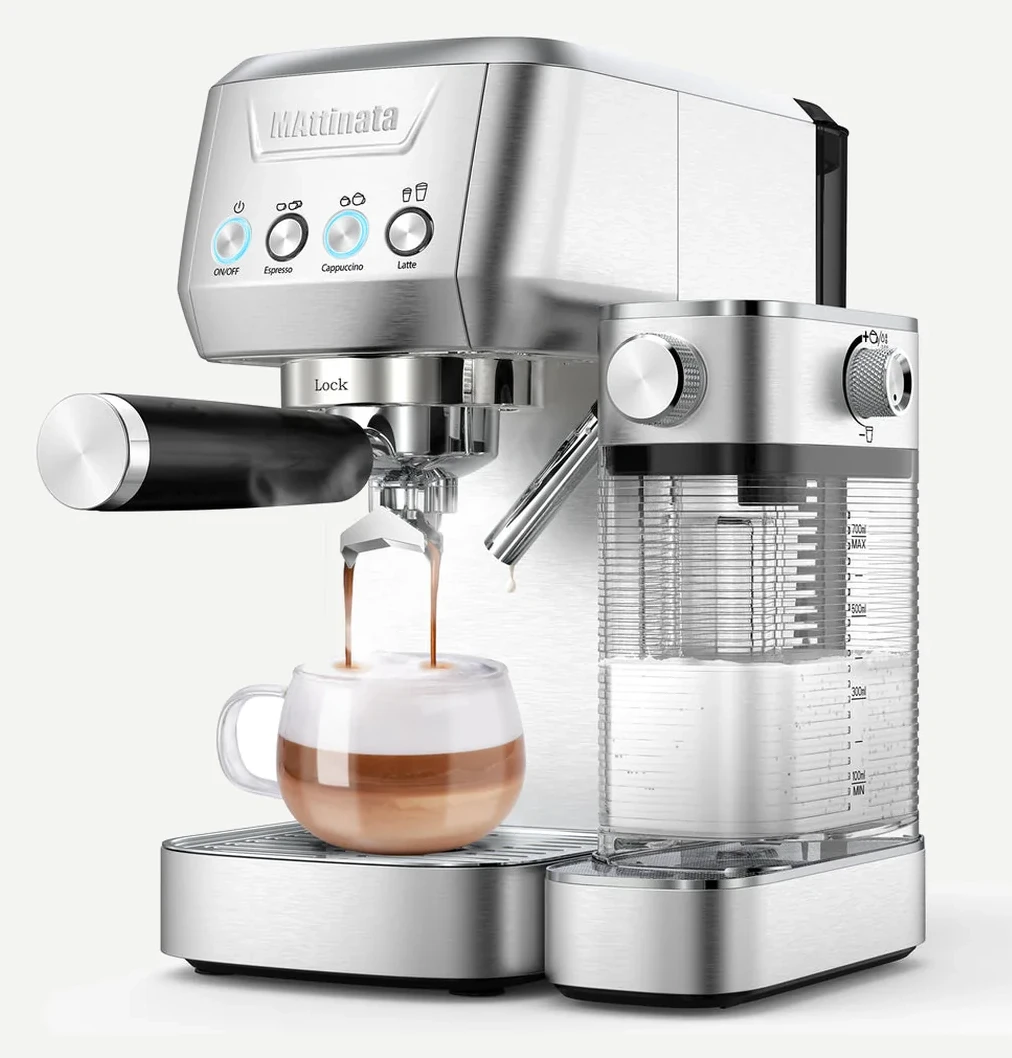 Mattino ProMattinata Espresso MachineFrom $159.996.3
How it scored
Shot Quality & Extraction5.0Steam Power & Milk Texturing5.6Build Quality & Durabilityweakest link4.8carries 16 of the 81.8 points scoredEase of Use & Learning Curve6.2Maintenance & Cleaning8.3plumbable not published; bottomless not scoredWorkflow & Ergonomics6.9Value for Money10.0Price from$159.99Score6.3Machine TypeSemi-automaticAutomatic MilkYesRead the Mattino Pro Mattinata Espresso Machine review →5
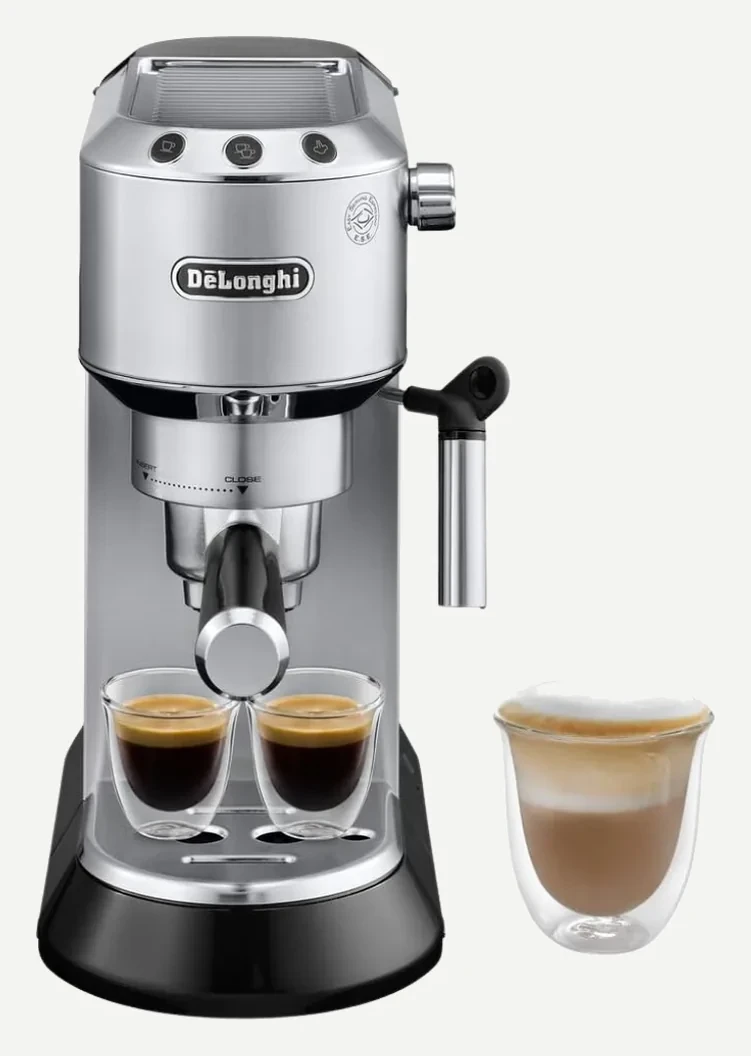 De'LonghiDedica EC680MFrom $149.956.0
How it scored
Shot Quality & Extraction5.0Steam Power & Milk Texturing6.2Build Quality & Durability6.7Ease of Use & Learning Curveweakest link2.9carries 12 of the 81.8 points scoredMaintenance & Cleaning6.7plumbable and bottomless not publishedWorkflow & Ergonomics5.0Value for Money10.0Price from$149.95Score6.0Machine TypeSemi-automaticBuilt-in GrinderNoAutomatic MilkNoBody MaterialStainless steelRead the De'Longhi Dedica EC680M review →6
 De'LonghiDedica DuoFrom $249.955.9
How it scored
Shot Quality & Extraction5.0Steam Power & Milk Texturing6.9Build Quality & Durability6.7Ease of Use & Learning Curveweakest link2.9carries 12 of the 81.8 points scoredMaintenance & Cleaning4.2plumbable and bottomless not publishedWorkflow & Ergonomics5.6Value for Money10.0Price from$249.95Score5.9Machine TypeSemi-automaticBuilt-in GrinderNoAutomatic MilkNoBody MaterialStainless steelRead the De'Longhi Dedica Duo review →7
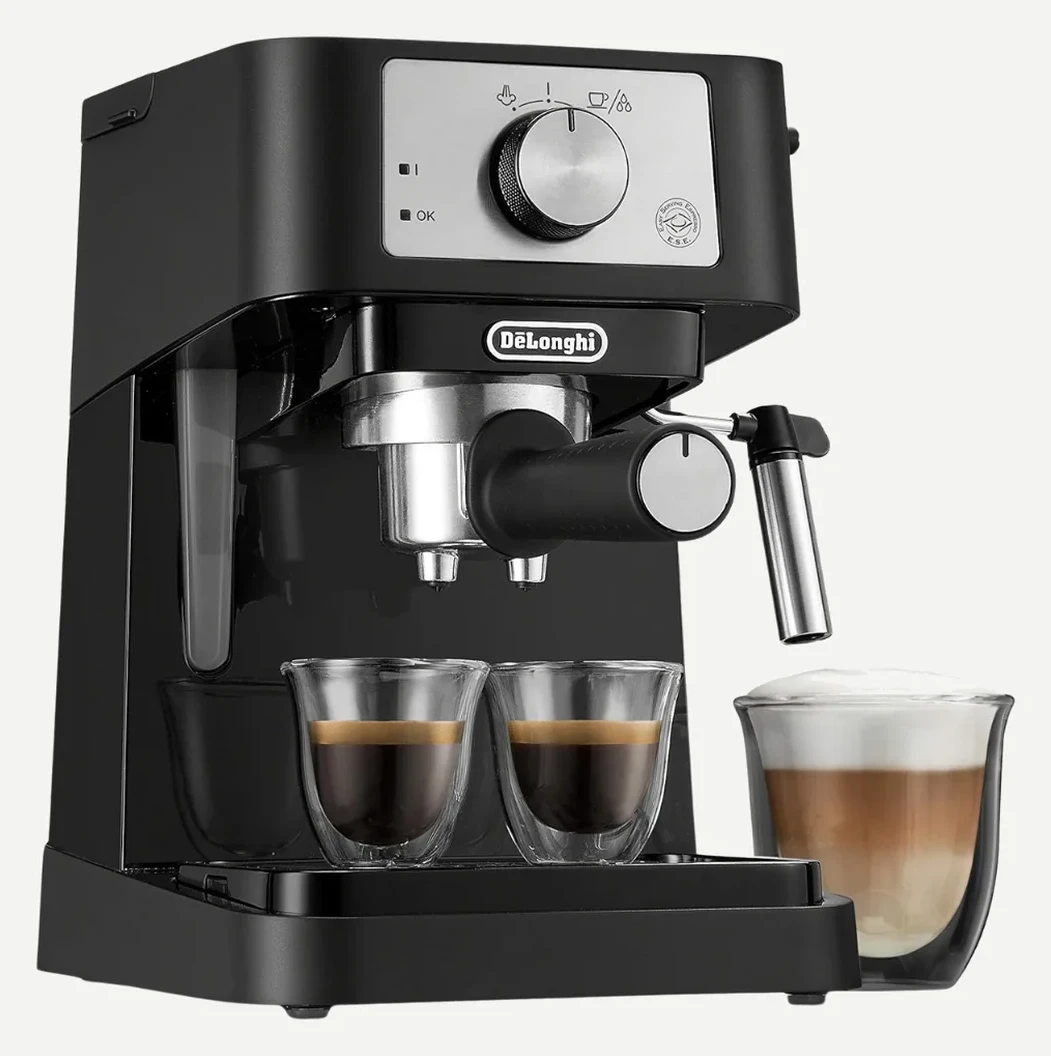 De'LonghiStilosa EC260BKFrom $104.995.7
How it scored
Shot Quality & Extraction5.0Steam Power & Milk Texturing5.0Build Quality & Durability6.4Ease of Use & Learning Curveweakest link2.9carries 12 of the 81.8 points scoredMaintenance & Cleaning5.8plumbable and bottomless not publishedWorkflow & Ergonomics5.0Value for Money10.0Price from$104.99Score5.7Machine TypeSemi-automaticBuilt-in GrinderNoAutomatic MilkNoBody MaterialStainless steel, PlasticRead the De'Longhi Stilosa EC260BK review →8
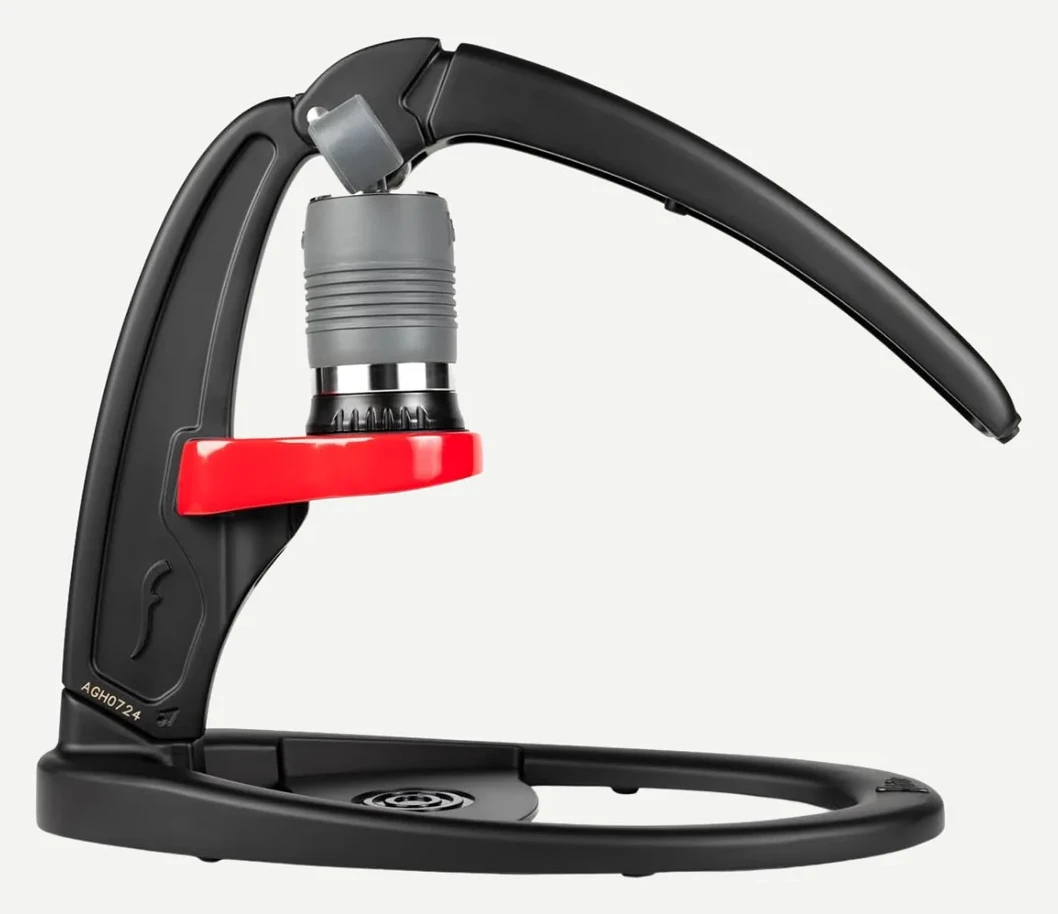 FlairClassic Manual Lever Espresso MakerFrom $1595.2
How it scored
Shot Quality & Extraction5.0Steam Power & Milk Texturing3.1Build Quality & Durability5.0Ease of Use & Learning Curveweakest link2.4carries 12 of the 81.8 points scoredMaintenance & Cleaning5.0plumbable and bottomless not publishedWorkflow & Ergonomics6.9Value for Money10.0Price from$159Score5.2Machine TypeManual leverBuilt-in GrinderNoAutomatic MilkNoRead the Flair Classic Manual Lever Espresso Maker review →
What to know about Espresso Machines Under $250
Under $250 you are not choosing between small differences in quality. You are choosing between two different ways of making espresso, and the machine type decides almost everything else. Four of the five machines here are electric pumps with a steam wand or frother. The fifth, the Flair Classic, has no motor, no boiler and no plug, and you power it with your arm. Both routes make real espresso. They ask for different things from you, and neither includes a grinder.
The entry pumps
The De'Longhi Stilosa and the De'Longhi Dedica. Both are semi-automatic, with a 15 bar pump, a manual frother and a 1 litre tank. The Dedica adds a thermoblock and a stainless steel body.
Automated milk or no electricity
The Mattino Pro Mattinata froths milk by itself. The Flair Classic goes the other way: no power, no steam, a pressure gauge in the box.
The learning machine
The De'Longhi Classic Signature has a front pressure gauge and an adjustable two-setting wand, the most hands-on pump machine on this page.
What an espresso machine under $250 can and cannot do
It can pull a real shot and steam milk well enough for a latte. It cannot give you the temperature stability, the steam power or the build of machines at twice the money, and it will not grind for you.
Real espresso needs about nine bars of pressure at the coffee, hot water near the top of the brewing range, and a fine, even grind. A machine at this price can supply the first two. The third is the part buyers forget. None of the five machines here has a built-in grinder, so the grinder is the second purchase, not an optional extra. Our guide to the best grinders for espresso covers what is worth pairing with a machine like these.
What the money does not buy is a second boiler or a big steam reservoir. The pump machines here heat water with a thermoblock or a small boiler, so they heat quickly but hold temperature less steadily than a larger machine. When you outgrow that, the next step is our espresso machines under $500 page.
Pump machine vs manual lever: which espresso machine type fits you?
Buy a pump machine if you drink milk drinks or want a button to press. Buy the lever if you drink straight espresso, can live with a kettle on the counter and want the fewest parts that can fail.
Where the pump machines win
A pump machine heats its own water, so a shot is a button press once it is warm. All four have a steam wand or frother, which is what turns espresso into a latte or cappuccino. The Mattino Pro Mattinata goes furthest, with a fully automated milk frothing system, so milk is hands-off as well.
Where the Flair Classic wins
The Flair has no electronics of any kind, so there is nothing to descale or plug in and nothing to break. It ships with a pressure gauge, a bottomless 2-in-1 portafilter and a flow control portafilter. You pour in about 60ml of separately boiled water, load up to 18g of coffee and press the lever to get about 40ml, a full double.
The trade is plain. The Flair does not steam milk at all, so cappuccino is off the table, and every shot is pulled by arm. The pump machines are quicker on a weekday morning, and the lever is the better teacher for someone who wants to understand what pressure and flow do to a shot. For what a shot should be, from dose to crema, see our guide to what espresso is.
Cheap espresso machine under $250: pressurized vs unpressurized baskets
The basket is the part of a budget machine that most affects the cup. A pressurized basket forgives a sloppy grind. An unpressurized one rewards a good grind and punishes a bad one.
A pressurized basket has a restrictor at the bottom that holds back the flow and builds pressure whatever the grind. That makes it easy to get something that looks like espresso with pre-ground coffee, and it also caps how good the shot can get. An unpressurized basket relies on the coffee itself to resist the water, so the grind has to be right. If the grind is too coarse the shot runs fast and sour, a fault we cover in under-extracted espresso.
None of the four pump machines states its basket type, so check the box contents before you assume either way. The Mattino Pro Mattinata is the one where the maker also leaves out the portafilter size and material. The Flair is different by design. It uses a bottomless portafilter and a flow control portafilter, so the pressure comes from your lever, not a restrictor in the basket, and the included gauge shows you what you are pulling.
Best espresso machines under $250 for milk drinks
For latte and cappuccino, the choice is between a machine that froths for you and one with a wand you control. Automatic is easier on day one. A wand gives better milk once you have practiced.
Mattino Pro Mattinata
This semi-automatic machine has a 20 bar pump, a dual thermal block heating system and a fully automated frothing system. Its 1.3 litre tank is the largest stated here, and it carries a one-year warranty. The maker gives about 120 seconds to warm up, and 20 bar is a pump maximum, not the pressure at the coffee. It suits someone who wants a cappuccino with little skill involved.
De'Longhi Classic Signature
The wand is adjustable with two settings, one for steamed milk and one for microfoam. That gives you control over texture, which the manual frothers on the cheaper De'Longhis do not match. It has a 15 bar Italian pump and a thermoblock. A cappuccino or flat white is realistic once you have practiced.
De'Longhi Dedica and Stilosa
Both use a manual frother. It steams milk, but with less control than a proper wand. For one latte a day it is enough. They suit people who mostly drink straight shots and Americanos and only occasionally want foam.
If milk is the point, learn what each drink actually is before you buy. Our guides to the cappuccino and the latte show how much milk and foam each one needs, which tells you how much steam power you are asking from an entry-level machine.
Espresso machines under $250 for small kitchens
Footprint is a real spec at this price. The Dedica, the Stilosa and the Flair are the compact options, and the Dedica is the narrowest.
The De'Longhi Dedica EC680M is six inches wide and weighs 4.2kg, the smallest mains machine on this page. The Stilosa weighs 4.3kg and draws 1100 watts, the lowest wattage here. The Classic Signature measures 226 x 283 x 305 mm. The Mattino Pro is 330 x 215 x 308 mm, wider than the others. The Flair measures 152 x 305 x 254 mm but needs a kettle and a grinder beside it, so count that when you plan the counter.
Espresso machine under $250: how to choose between the five
Decide on milk first
If you want milk drinks made with minimal effort, the Mattino Pro Mattinata is the only one that automates it. If you want to learn to steam, choose the Classic Signature. If you drink black espresso, milk is not a factor and the lever becomes a serious option.
Check heat-up and power
Only one maker here states a heat-up time, so wattage is the closest guide. The Stilosa draws 1100 watts, the Mattino Pro 1350 and the Dedica 1450. The Mattino Pro states about 120 seconds to warm up. The Classic Signature gives neither a heat-up time nor a wattage, only that its thermoblock is built for fast, stable temperature.
Look at the tank and the warranty
The Mattino Pro has a 1.3 litre tank, and the Dedica and Stilosa have 1 litre. The Mattino Pro and the Stilosa carry a one-year warranty. The Dedica and the Classic Signature do not state a warranty term, which is worth weighing against a machine you will use daily.
Budget for the grinder
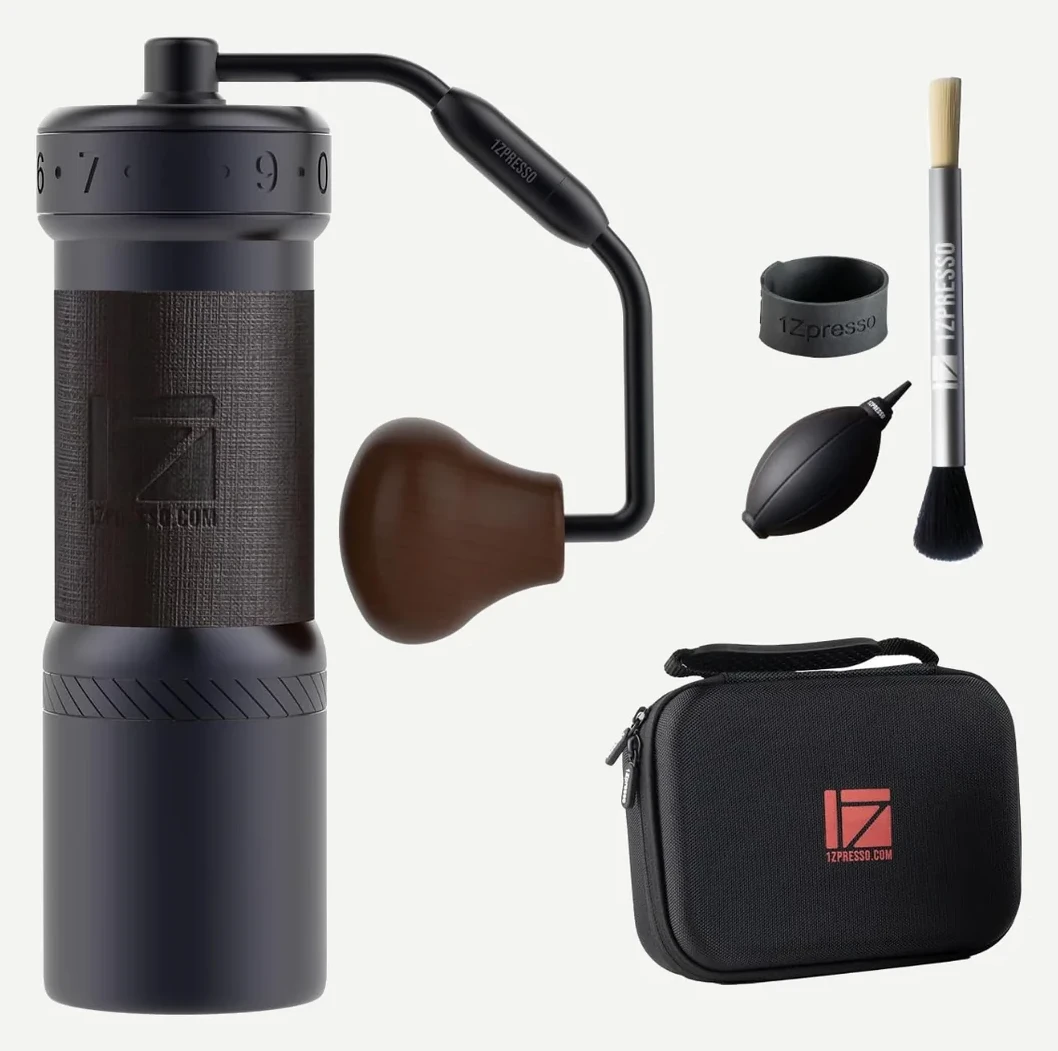
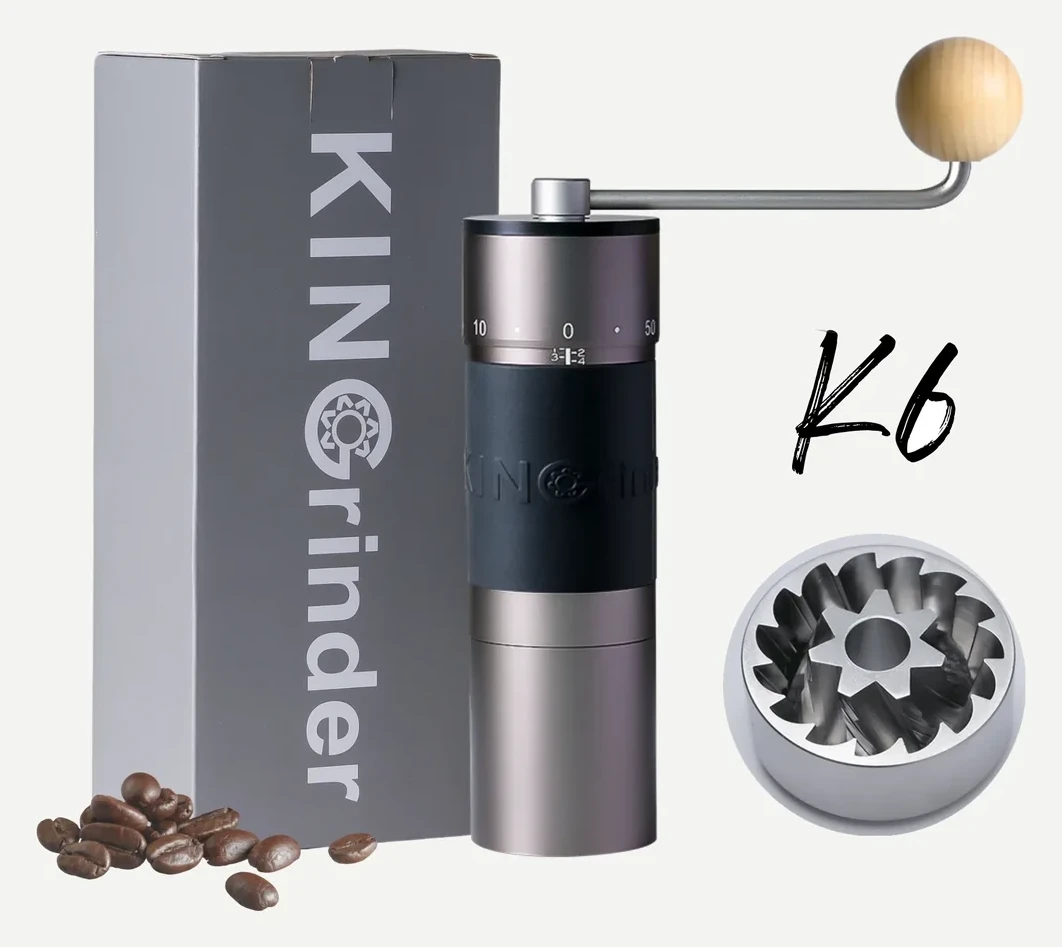
The cheapest machine is not the cheapest setup. A hand grinder is the least expensive route to a grind fine enough for espresso, and our list of manual coffee grinders is a sensible place to start. Without one, even the best machine here makes poor espresso.
Is an espresso machine under $250 worth it, or should you save for more?
For a first machine, yes, as long as the grinder is in the budget. A machine at this price shows you whether you enjoy the routine of espresso before you spend properly. If you would rather skip the routine, a different kind of machine fits better, and our comparison of a bean-to-cup machine and an espresso machine explains where each earns its price.
If you are already sure, look at the wider range. The De'Longhi espresso machines page and the full espresso machines category show what the next tier adds: steadier temperature, stronger steam and better baskets.
Espresso machines under $250 by budget band
Prices as checked when this page was written. The ranked list at the top of the page shows each one's current price.
| Machine | Type | Milk | Budget band |
|---|---|---|---|
| De'Longhi Stilosa EC260BK | Pump, stainless steel boiler | Manual frother | $100 to $150 |
| De'Longhi Dedica EC680M | Pump, thermoblock | Manual frother | $100 to $150 |
| Mattino Pro Mattinata | Pump, dual thermal block | Automated frothing | $150 to $200 |
| Flair Classic | Manual lever | None | $150 to $200 |
| De'Longhi Classic Signature | Pump, thermoblock | Adjustable wand | $200 to $250 |
Espresso Machines Under $250 FAQ
What is the best espresso machine under $250?
It depends on how you drink espresso. For milk drinks made easily, a machine with automated frothing suits. For learning to dial in a shot, one with a pressure gauge and a real wand suits better. For straight espresso with no electricity, a manual lever works. All of them still need a separate grinder.
Can you make good espresso with a machine under $250?
Yes, if the grinder is good. Machines at this price can reach proper pressure and brewing temperature. What they lack is temperature stability and steam power. The cup depends more on the fineness and consistency of the grind than on the machine, so spend on the grinder as well.
Do espresso machines under $250 come with a grinder?
None of the machines on this page has a built-in grinder. You need a separate espresso grinder, and a hand grinder is the cheapest route to a fine, even grind. Pre-ground coffee often runs too coarse and makes weak, sour shots on an unpressurized basket.
What is a pressurized basket and do I need one?
A pressurized basket has a restrictor that builds pressure whatever the grind. It makes espresso more forgiving with pre-ground coffee, but it limits how good the shot can get. An unpressurized basket needs a fine, consistent grind. Beginners without a grinder often start with pressurized, then move on.
Is a manual lever espresso maker better than a cheap pump machine?
Neither is better in general. A lever has no electronics, so nothing to descale or break, and a gauge lets you pull to a number. It cannot steam milk, and you need a kettle. A pump machine is quicker and froths milk. Pick by whether you drink milk drinks.
What does 15 bar or 20 bar mean on an espresso machine?
It is the maximum the pump can produce, not the pressure at the coffee. Espresso is pulled at about nine bars. A higher number on the box is marketing more than quality, so do not pay extra for it. Look at the heating system, steam wand and basket instead.
Can an espresso machine under $250 make lattes and cappuccinos?
Yes, with a steam wand or frother. Entry machines steam less powerfully than larger ones, so milk takes longer and the foam is less fine, but a single latte at home is realistic. A machine with an adjustable wand gives better texture than a basic frother.
Should I buy a cheap espresso machine or save for one under $500?
If you are not sure you will keep making espresso, start cheap and put money into the grinder. If you already know you will, saving for the next band up gets steadier temperature, better steam and a longer-lived machine, and you lose less when you upgrade.