

Reading
Coffee Culture
Coffee is older than the machines that make it and most of what is interesting about it happened before electricity. The Ethiopian ceremony, the Turkish sand tray, the Arabic dallah, the goat herder who probably never existed. These are the practices that survived, and what they tell you about how the drink is supposed to taste.
Coffee around the world
How coffee is brewed, served and shared from the Middle East to Mexico.
Middle East and the MediterraneanAll 6 →
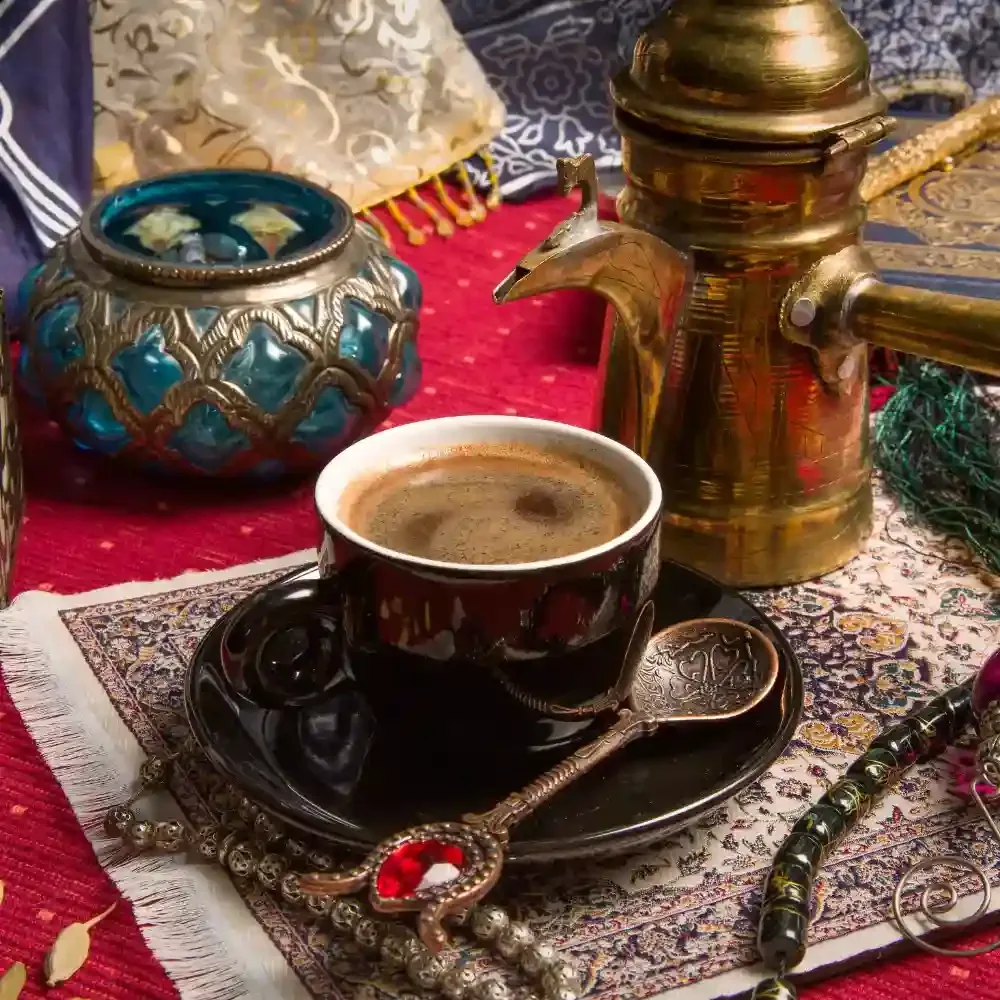 Arabic Coffee: Qahwa, Cardamom and the Rules of the CupPale, barely roasted, heavily spiced and served in a way that carries instructions. Almost nothing about it matches what the word coffee suggests.
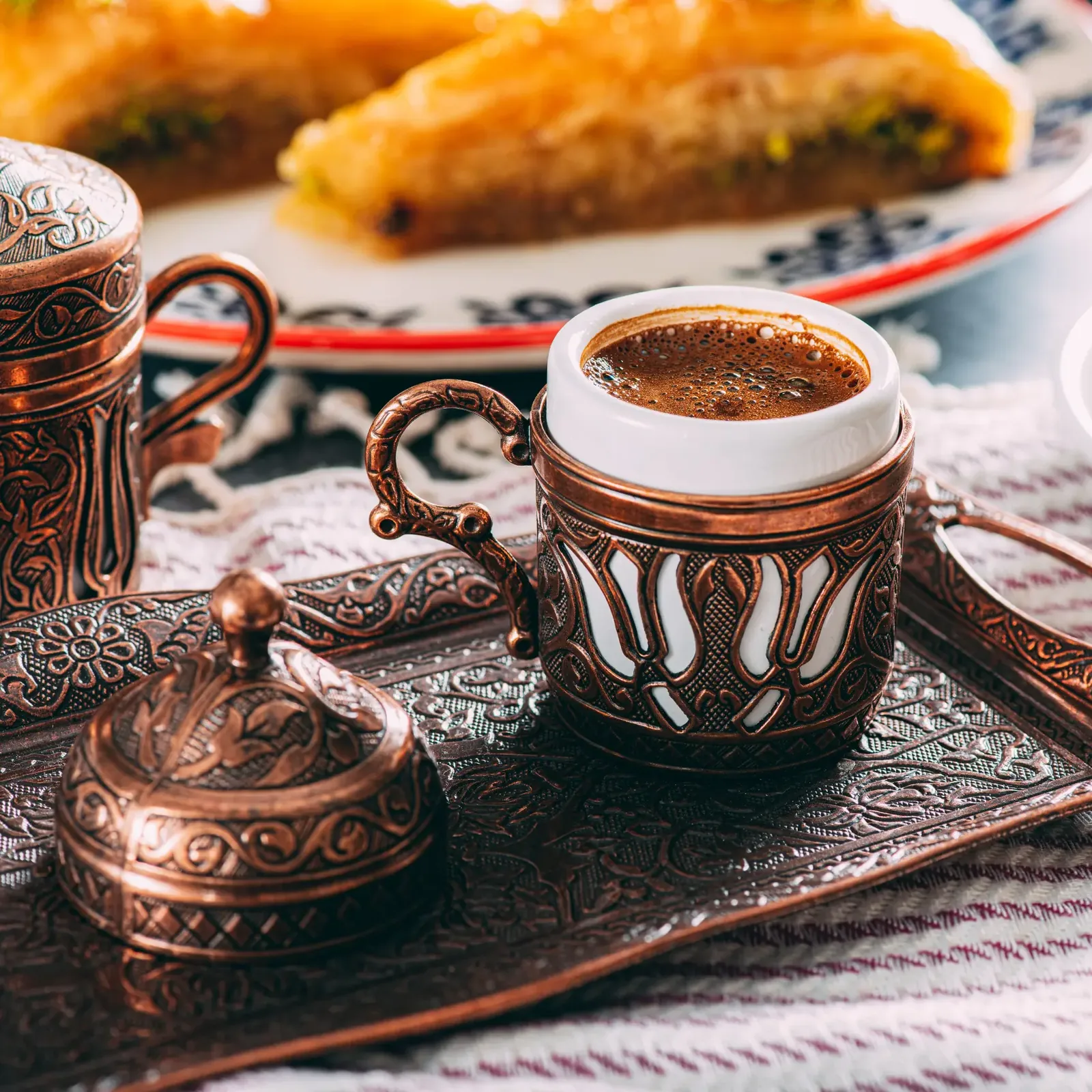 Armenian Coffee: Soorj, and the Cup Read AfterwardsThe same regional method under another name, with one tradition attached to it more tenaciously than anywhere else: what the grounds say when the cup is turned over.
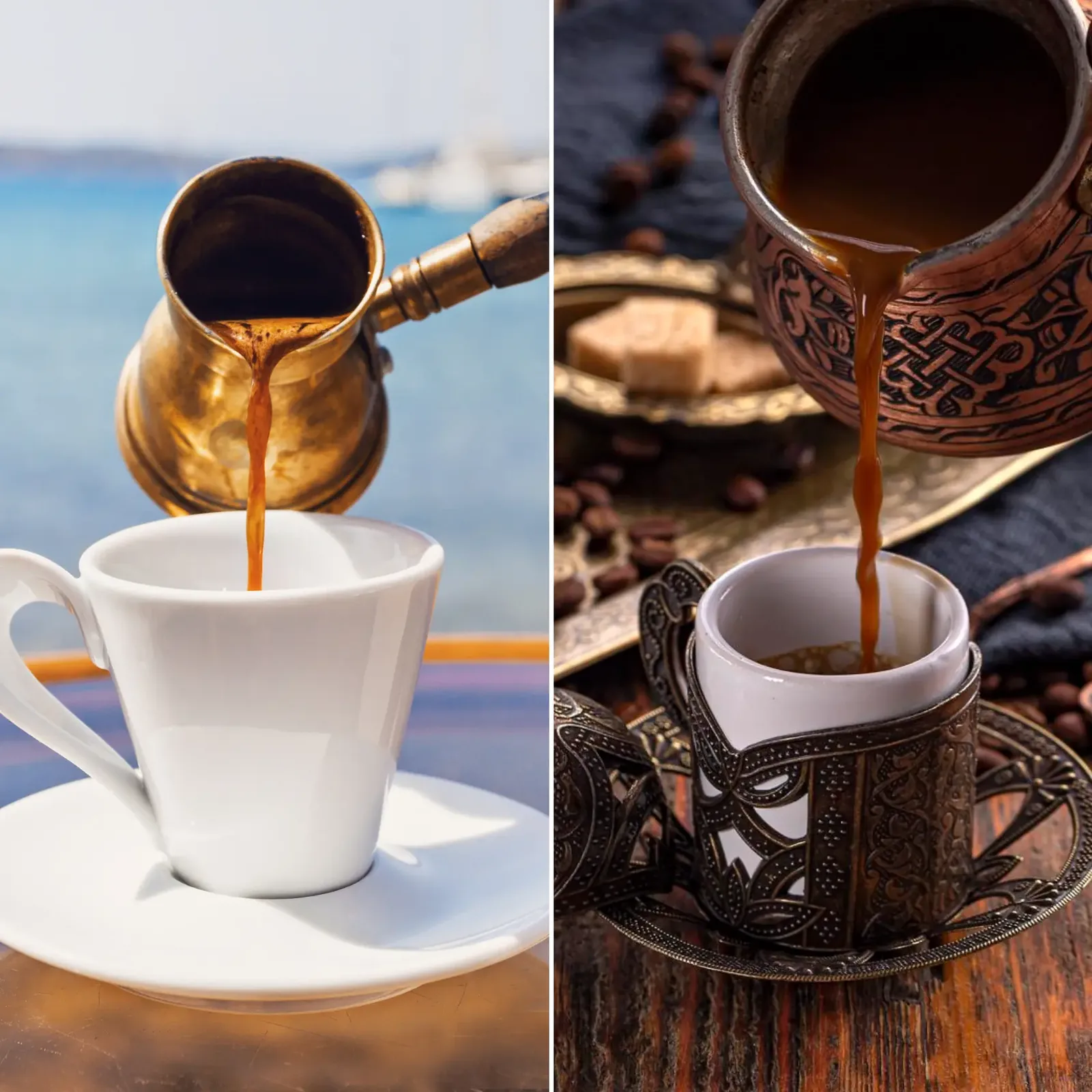 Greek Coffee vs Turkish CoffeeThe same method, the same pot, and a naming dispute with real history behind it. The differences in the cup are small and not zero.
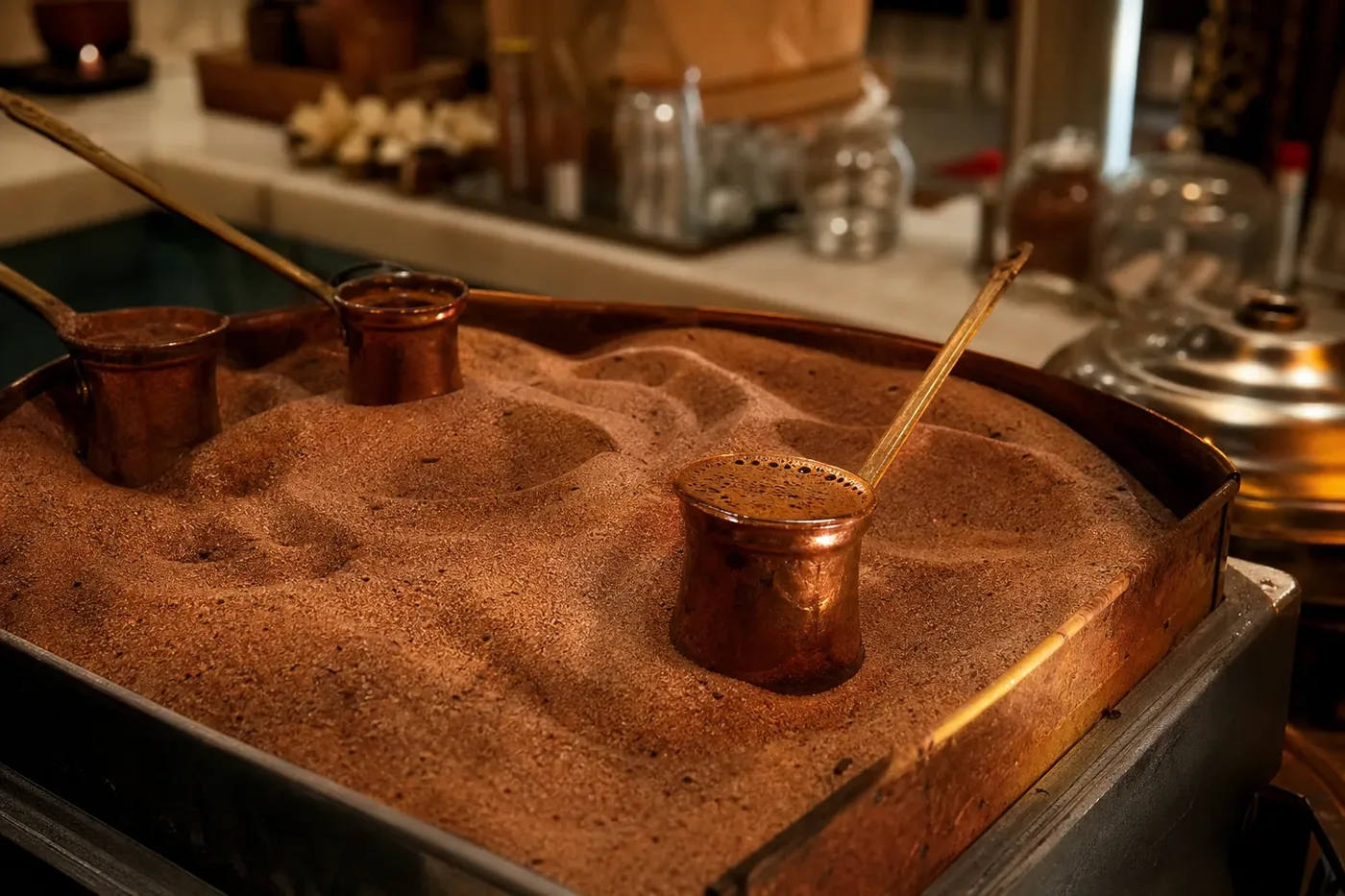 Turkish Sand Coffee: Why the Sand Is Not a GimmickBrewing a cezve buried in hot sand is theatre in a tourist cafe and genuine technique everywhere else. The sand does something no burner can.
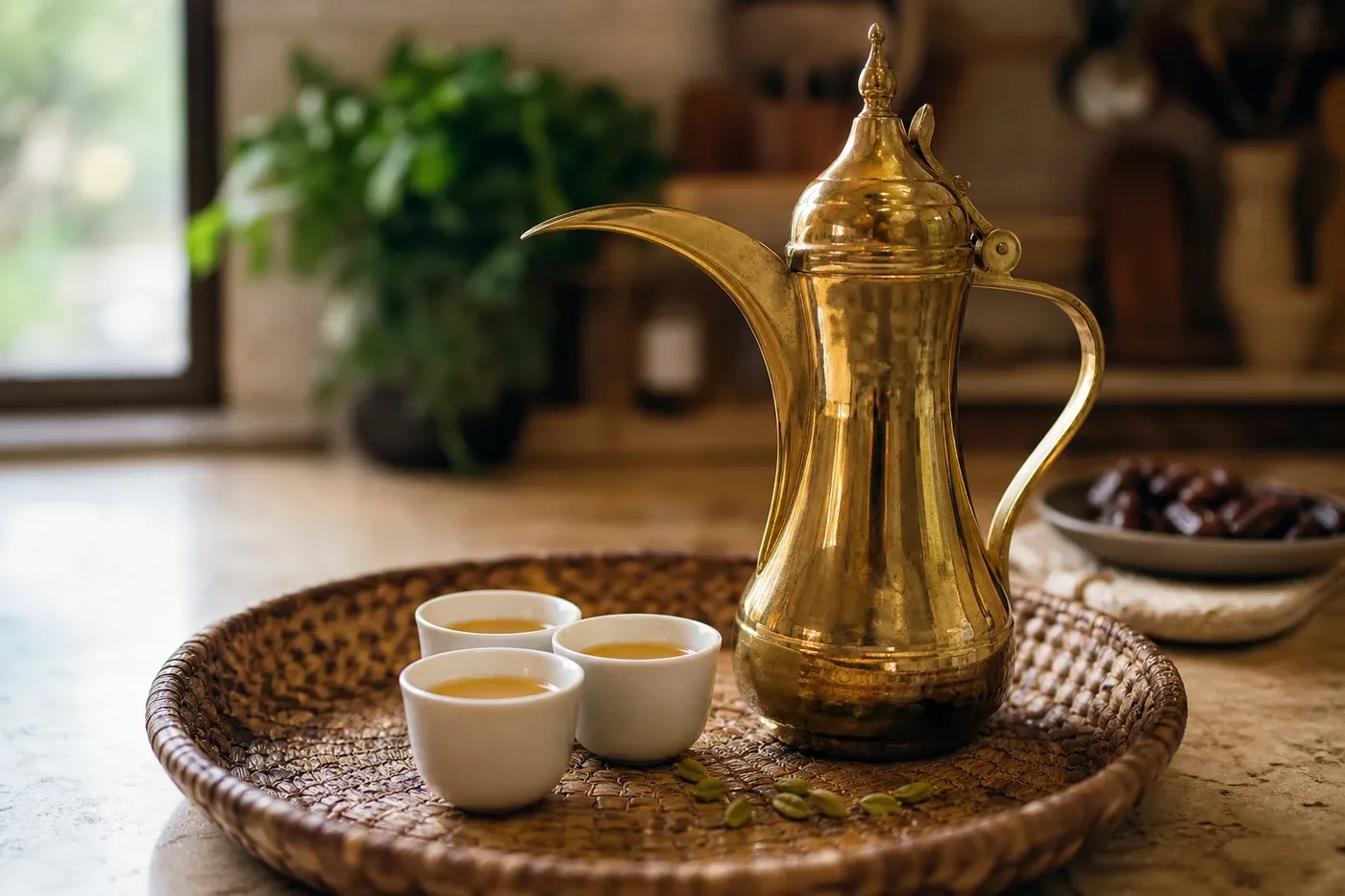 Arabic Coffee vs Turkish Coffee: Two Different DrinksBoth are old, both come from the same part of the world, and they taste almost nothing alike. Roast, grind, spice, pot and serving, side by side.
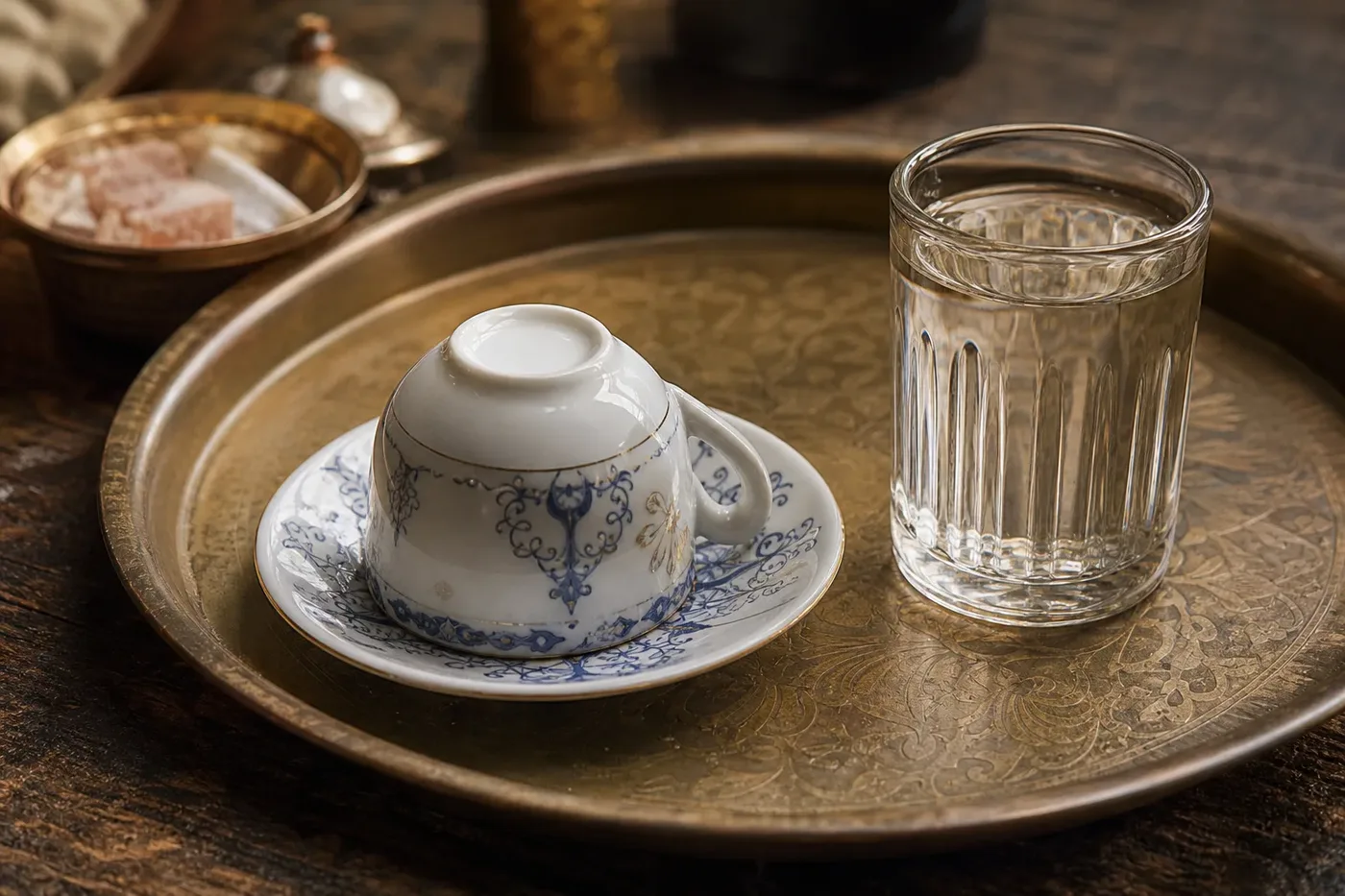 Turkish Coffee Fortune Reading: How Reading the Cup WorksWhen the coffee is finished, the cup is turned upside down and the grounds are read. How the ritual goes, what the common shapes are said to mean, and how much of its history is known.
EuropeAll 4 →
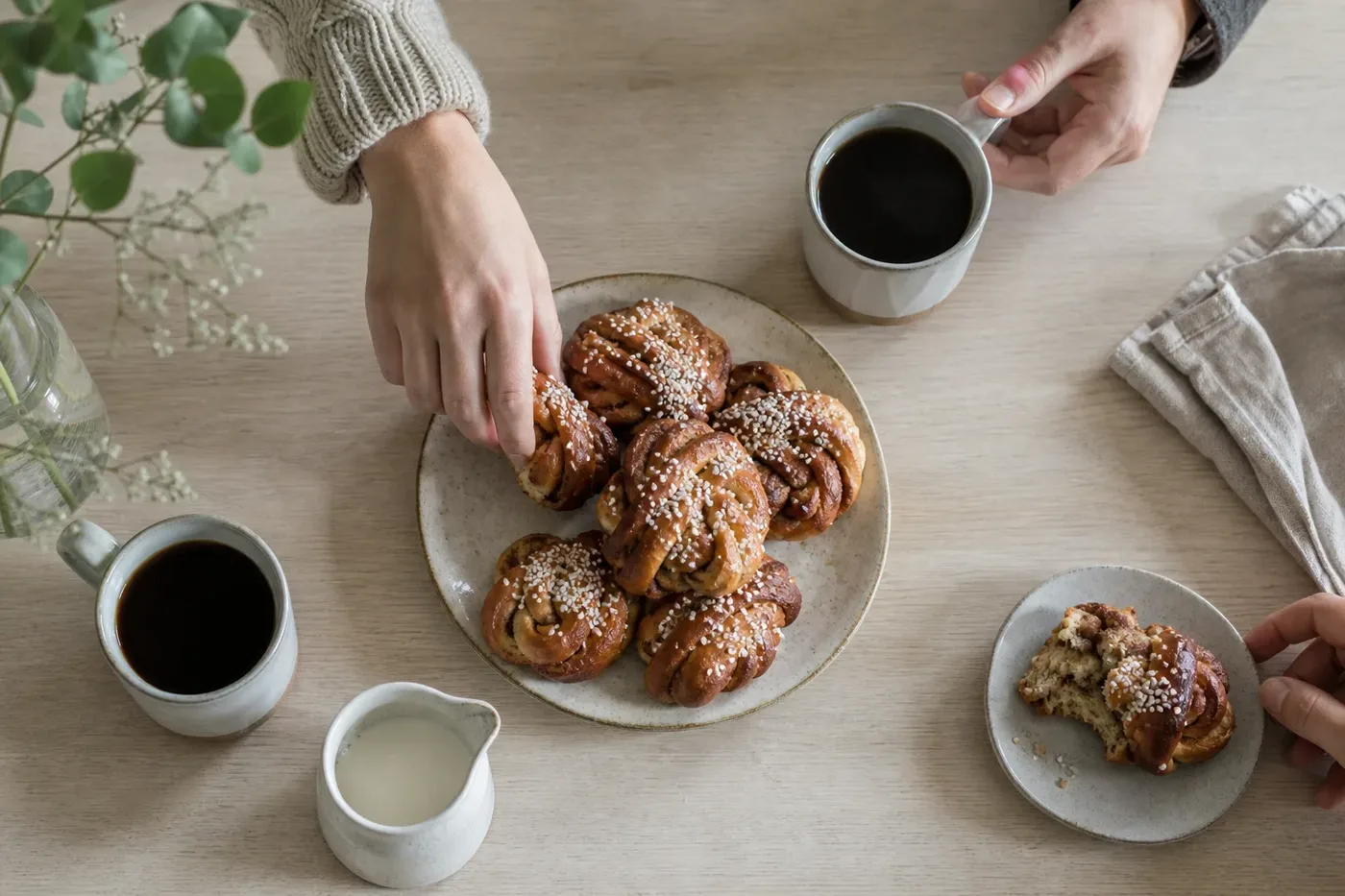 Fika: What Sweden Actually Means By ItNot a coffee break. A scheduled pause, usually twice a day, that the working day is built around rather than interrupted by.
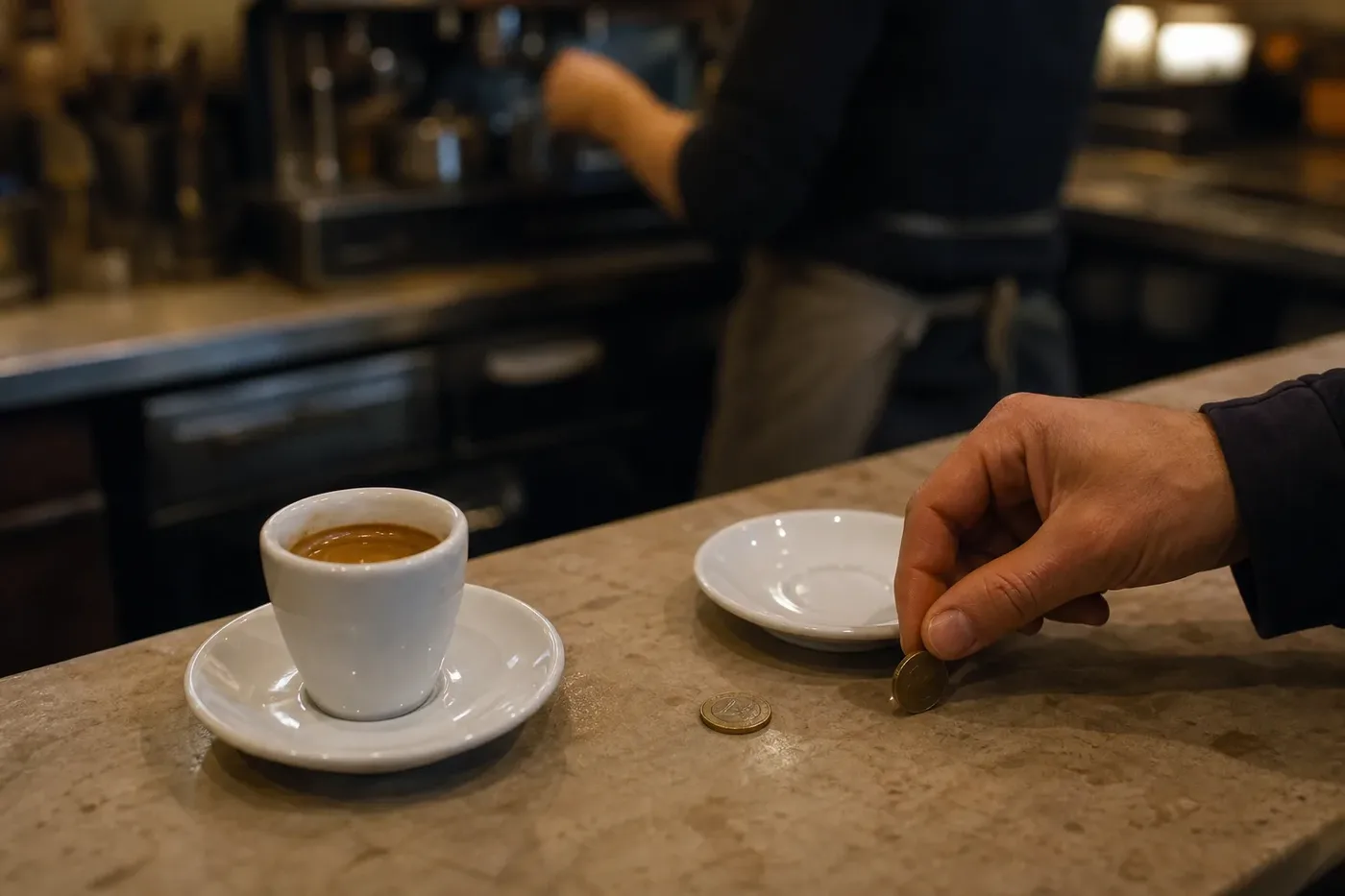 Caffè Sospeso: The Suspended CoffeePay for two, drink one, leave one waiting for whoever needs it. A Neapolitan habit that turns out to be harder to export than it looks.
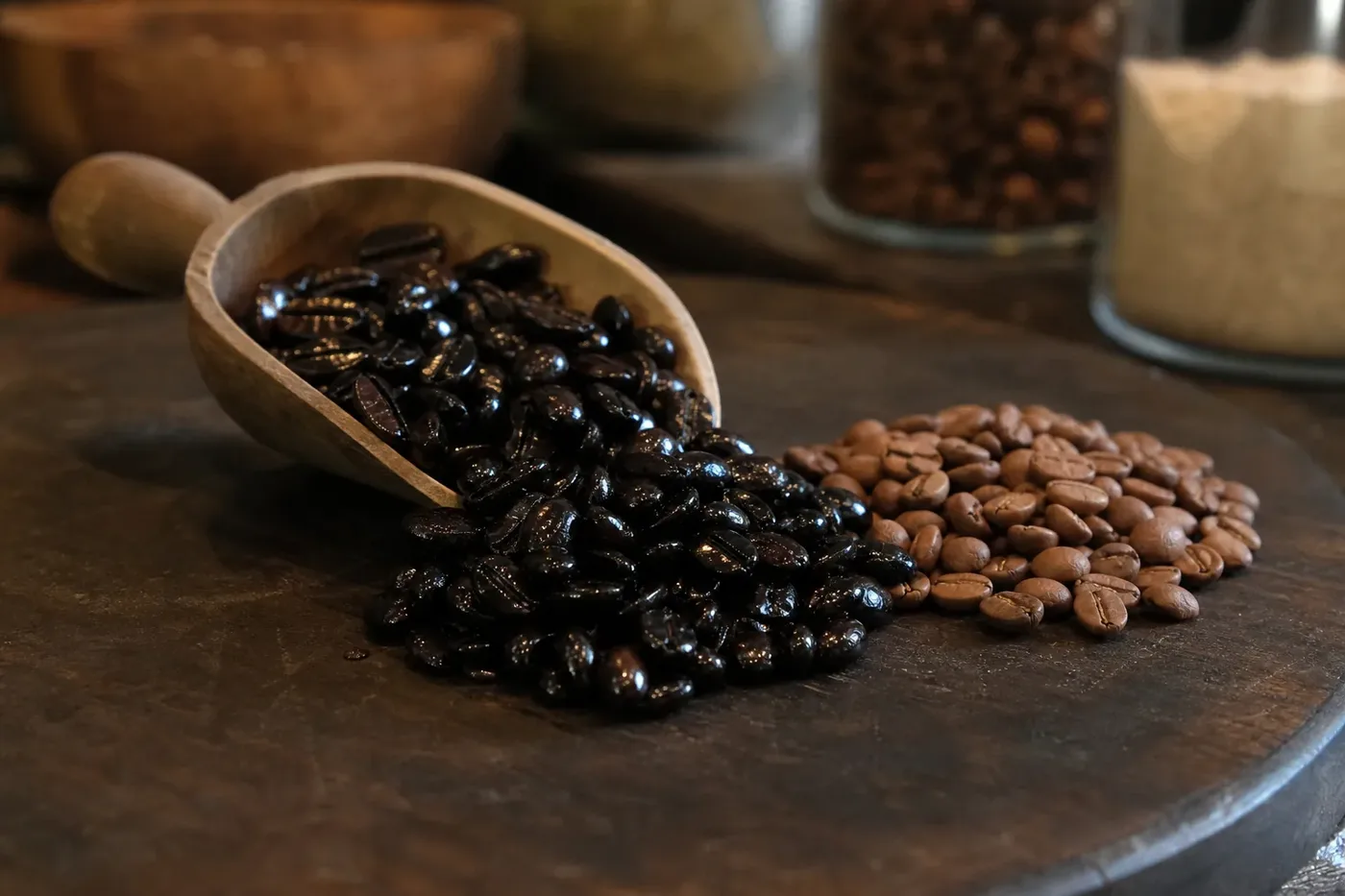 Torrefacto Coffee Beans: What Sugar Roasting Does to TasteSugar added to the beans during roasting, where it caramelises and then burns. A Spanish tradition born of scarcity that never went away.
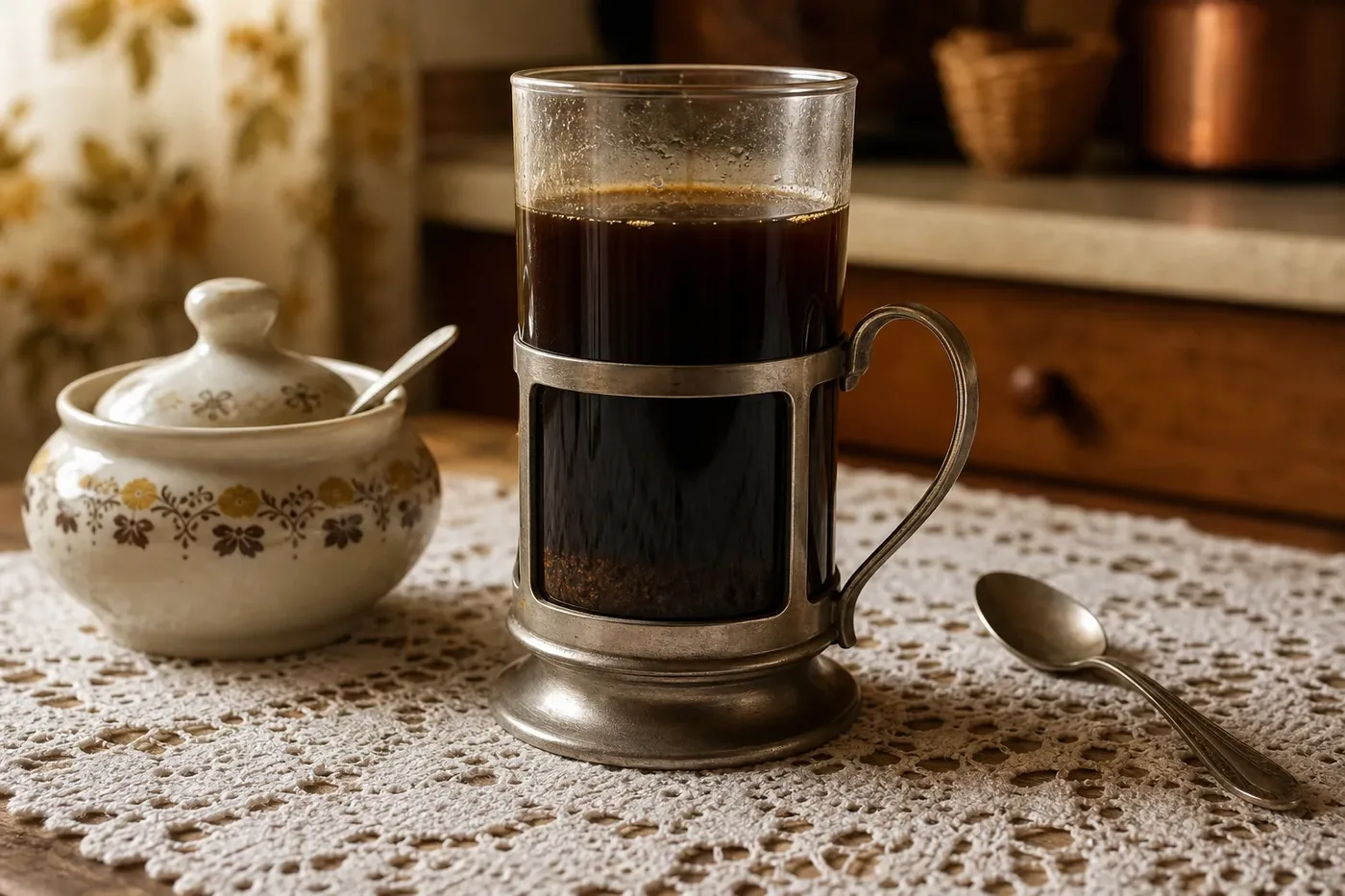 Polish Coffee: Glass, Grounds and a Long WaitThe coffee most of Poland grew up on was made without any equipment at all: grounds in a glass, boiling water on top, and patience. Where it came from and what replaced it.
Africa, Asia and the AmericasAll 4 →
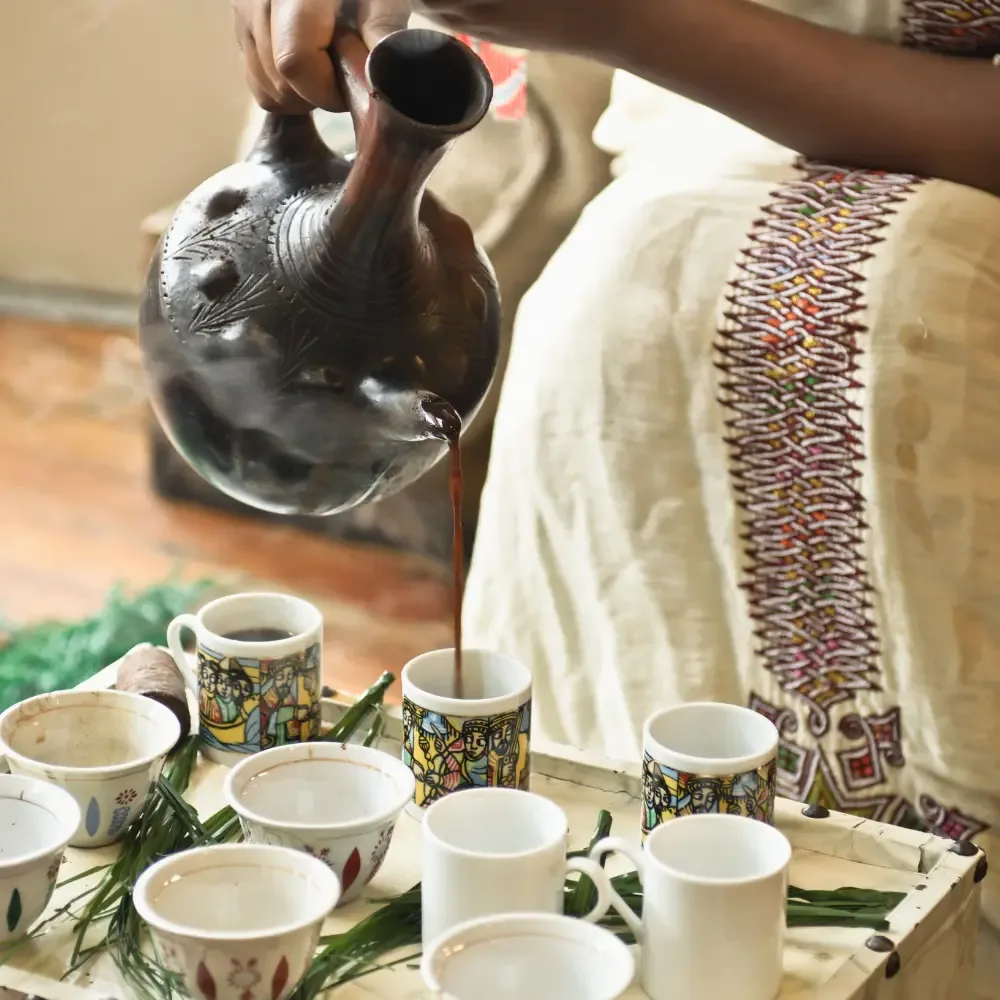 The Ethiopian Coffee Ceremony: Buna, and Why It Takes an HourGreen beans roasted in front of you, ground by hand, brewed in a clay jebena and served three times. The length is the point, not a side effect.
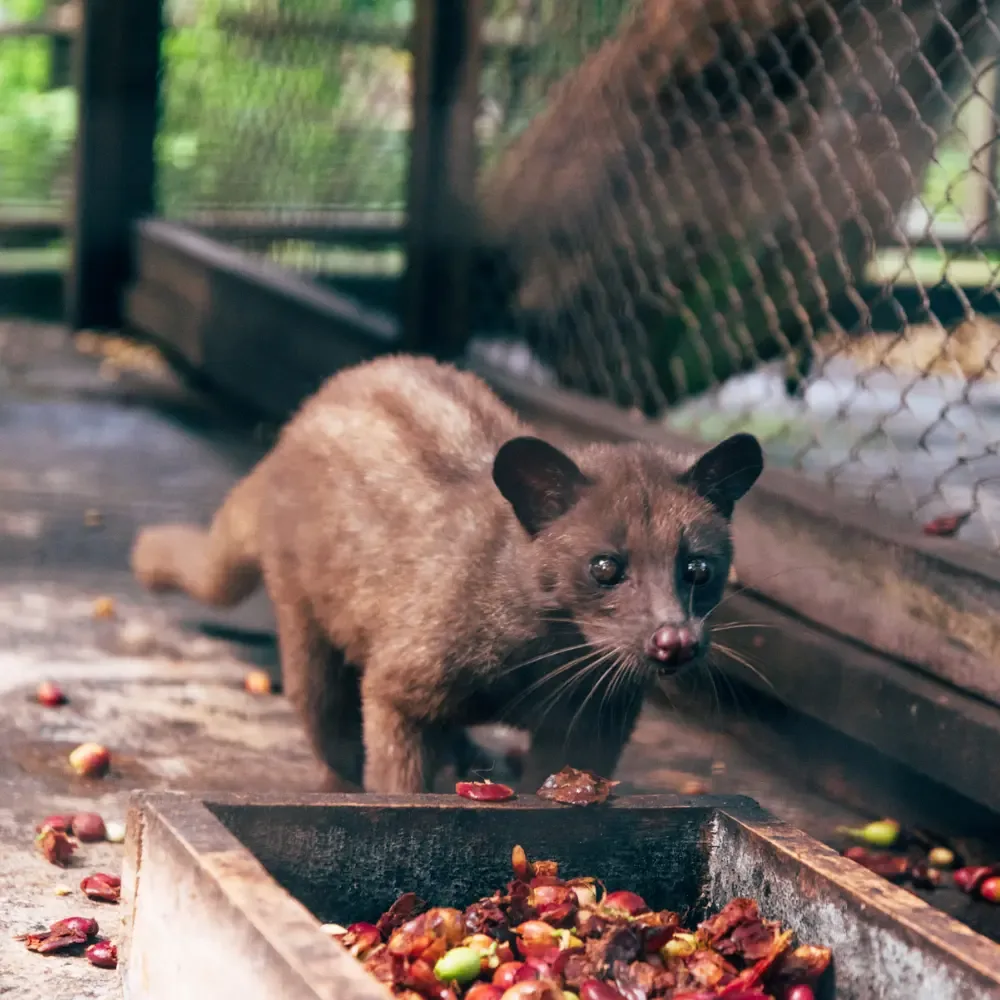 Kopi Luwak: What It Is, and Why We Do Not Recommend Buying ItThe most expensive coffee in the world is produced by an animal, graded by novelty, and almost impossible to verify. All three are problems.
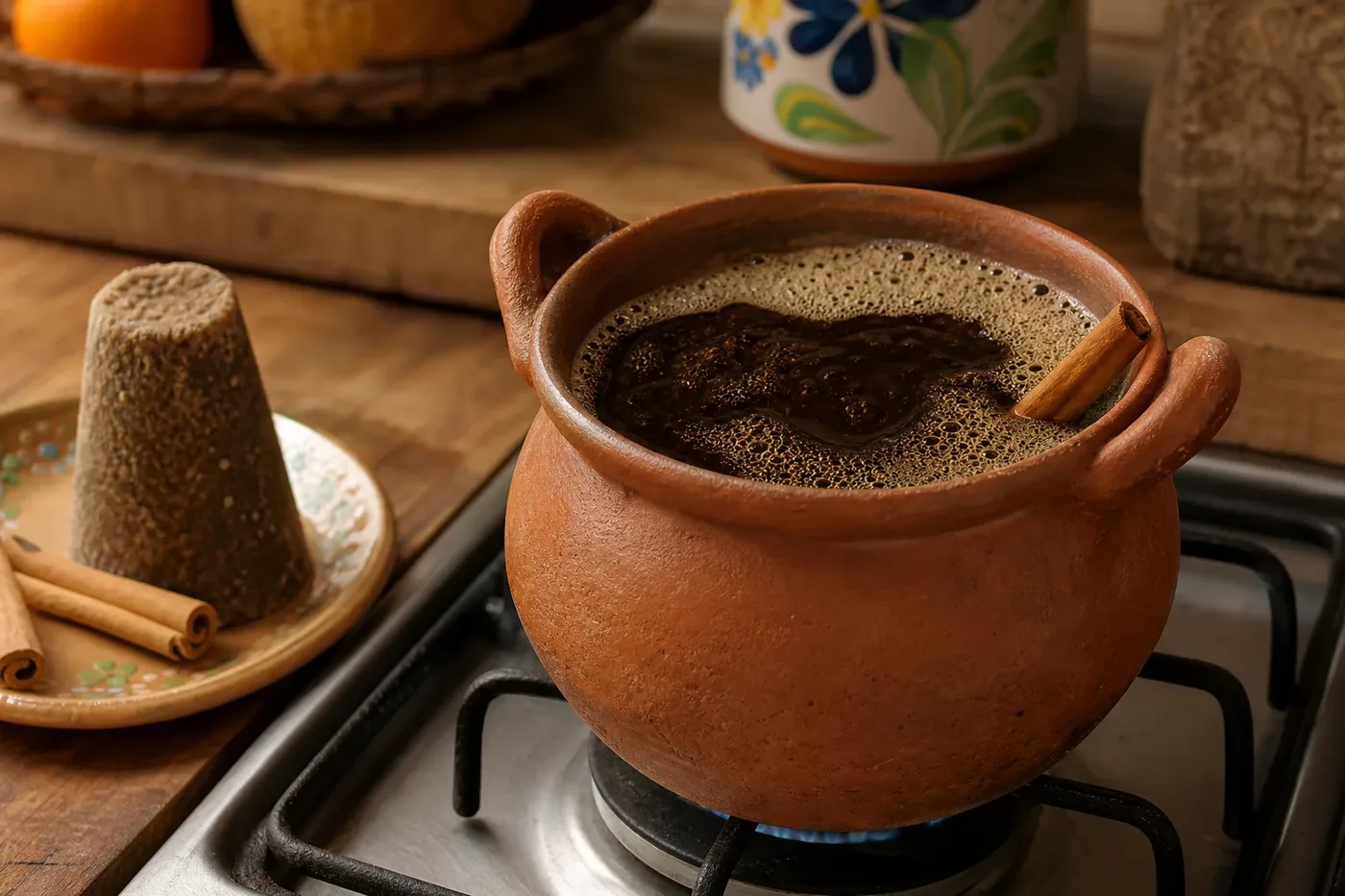 Café de Olla: Mexico's Clay Pot CoffeeCoffee simmered with unrefined cane sugar and cinnamon in an earthenware pot. The clay is not decoration, and the sugar goes in before brewing.
 Black Ivory Coffee: Elephant Coffee, Price and EthicsBlack Ivory is a Thai coffee made from cherries that elephants eat, sold for hundreds of dollars a pound amid unresolved questions about the animals.
History and legends
Where coffee drinking began, and the stories told about it.
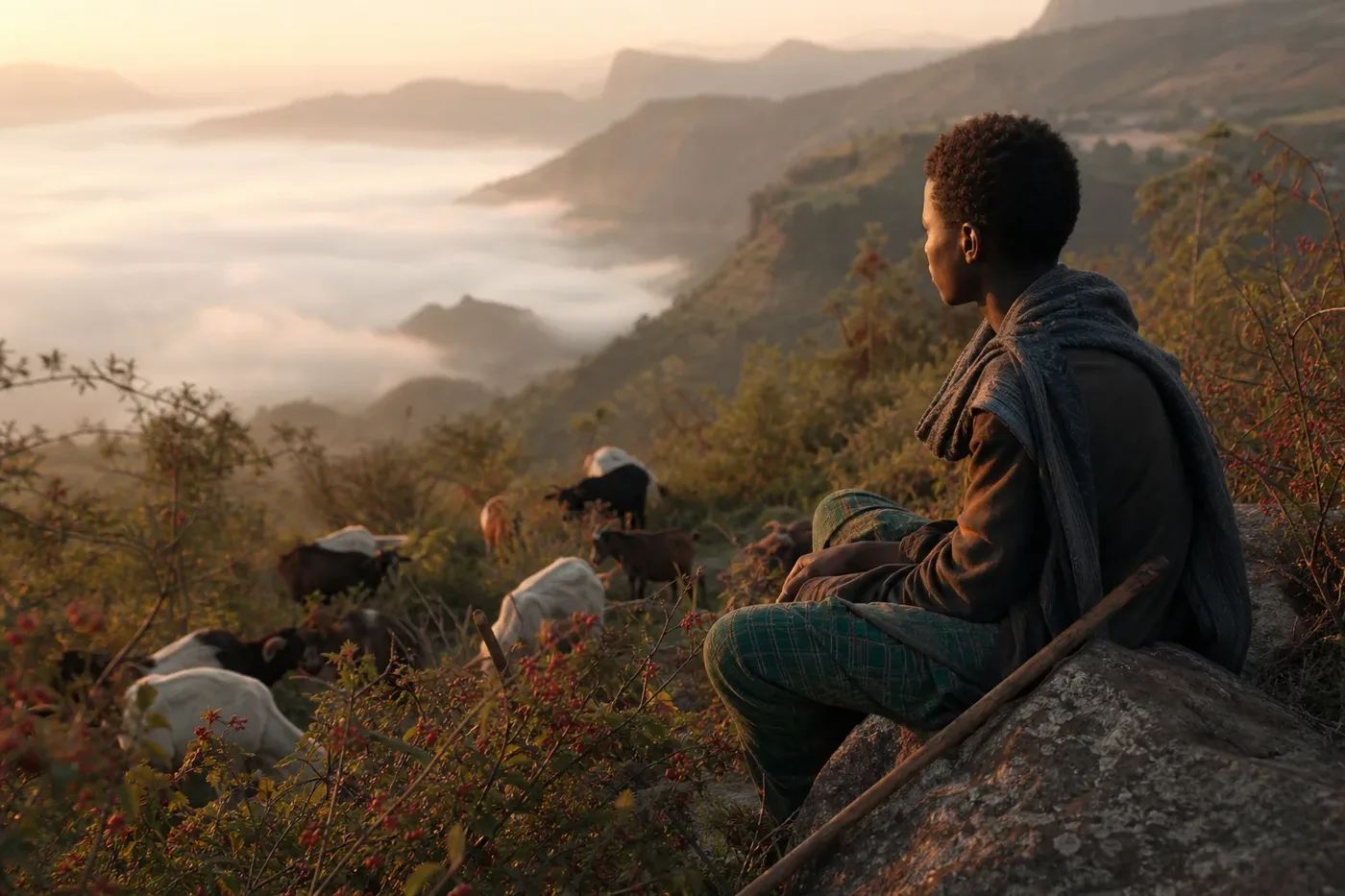 The Story of Kaldi and the Dancing GoatsCoffee's origin myth is charming, universally repeated, and first written down about nine hundred years after it supposedly happened.
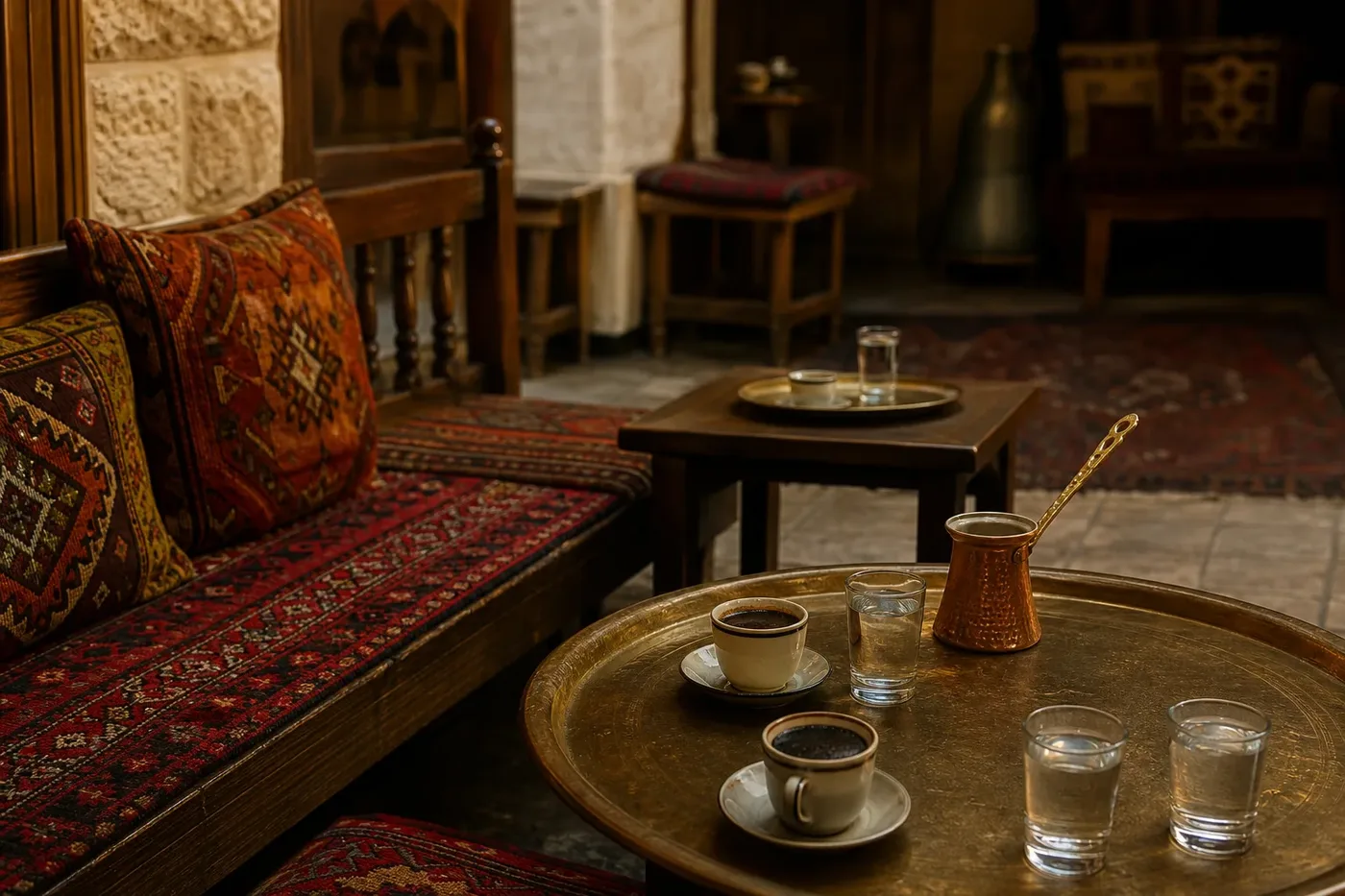 Kiva Han and the First Coffee HouseConstantinople, 1475. What opened there was not a shop that sold coffee but a new kind of public room, and the authorities noticed.
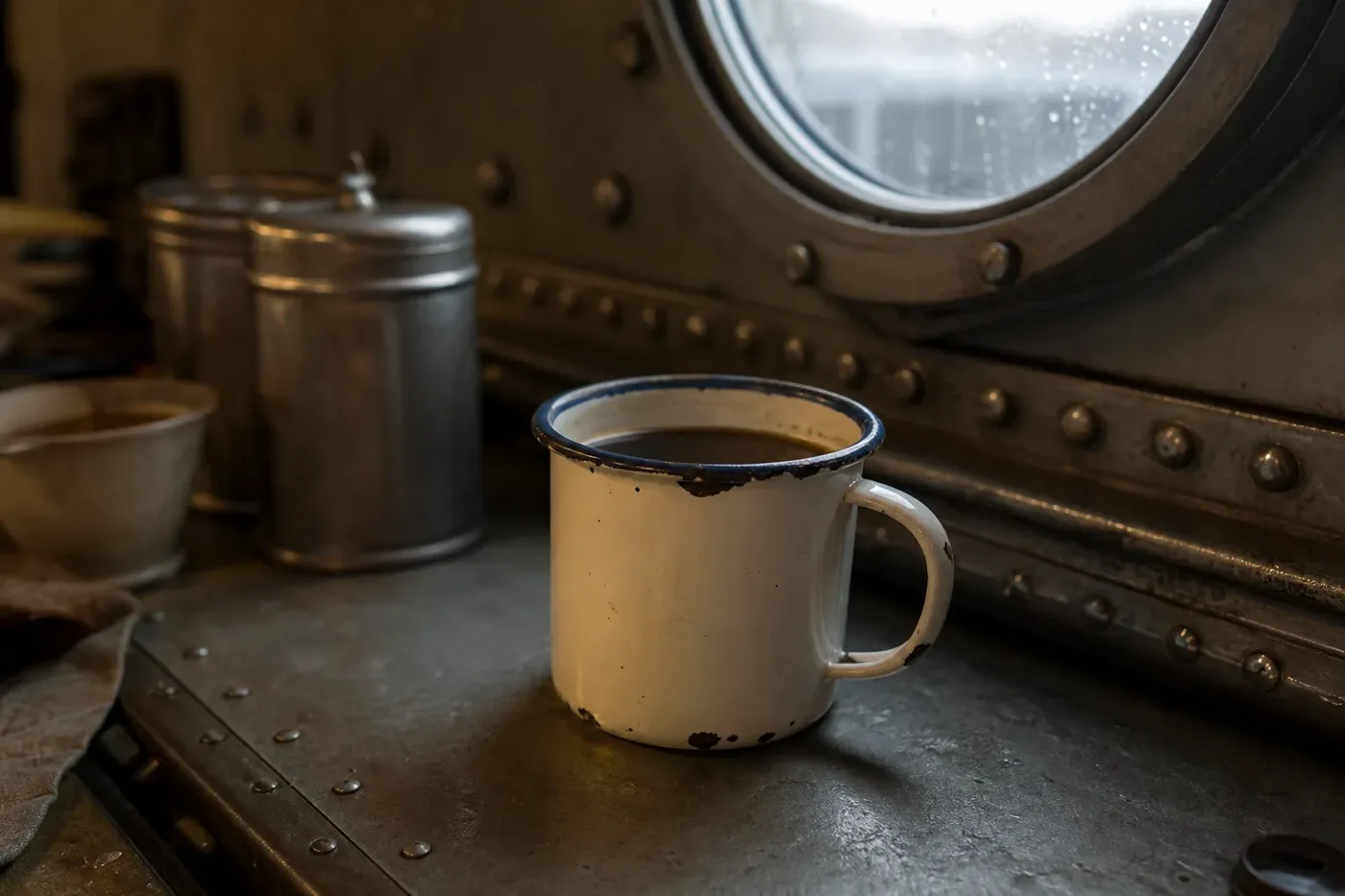 Why Is Coffee Called a Cup of Joe?The Navy story everybody repeats does not survive the dates. Here is what the evidence actually supports.
Serving and language
The pots, the cups and the words that come with coffee.
All 4 on serving and language →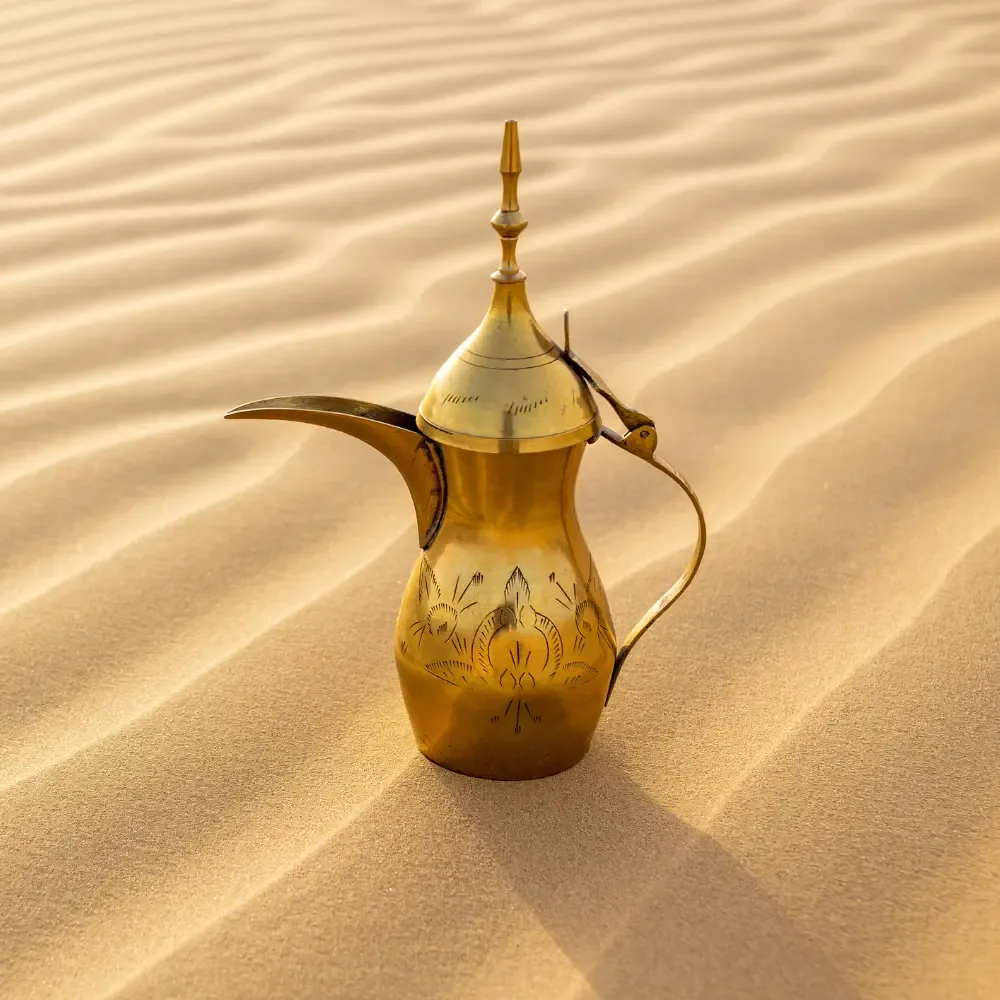 Dallah Coffee Pot: The Arabic Coffee Pot and How It Is UsedA long curved spout, a hinged lid and a shape recognisable across the Arab world. It is a brewing vessel and a symbol of hospitality, in that order of importance to nobody.
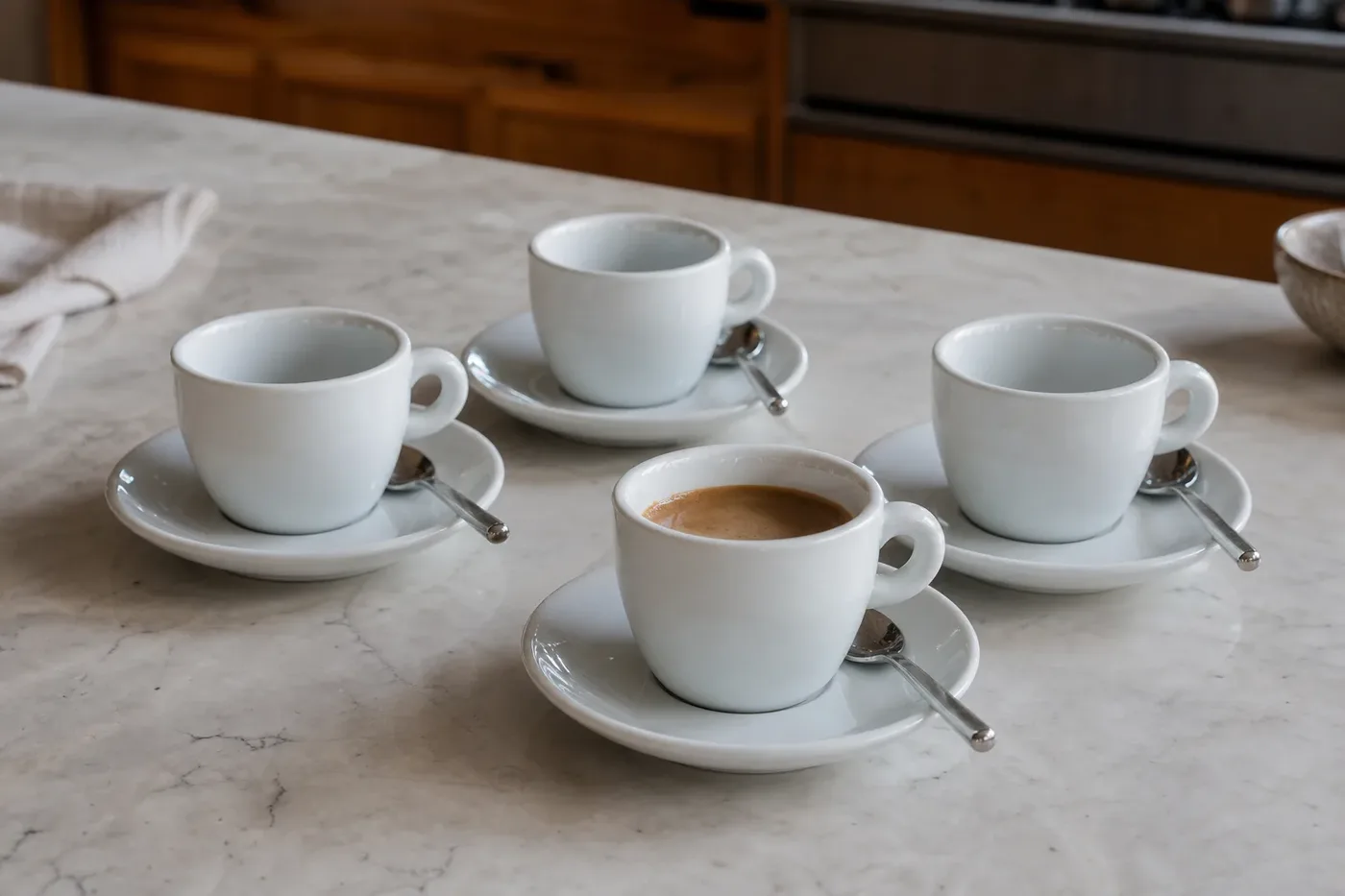 Demitasse Cups: Size, Shape and What to BuyThe small cup espresso is served in. Why it is that size, why the walls are so thick, and what to check before you buy a set.
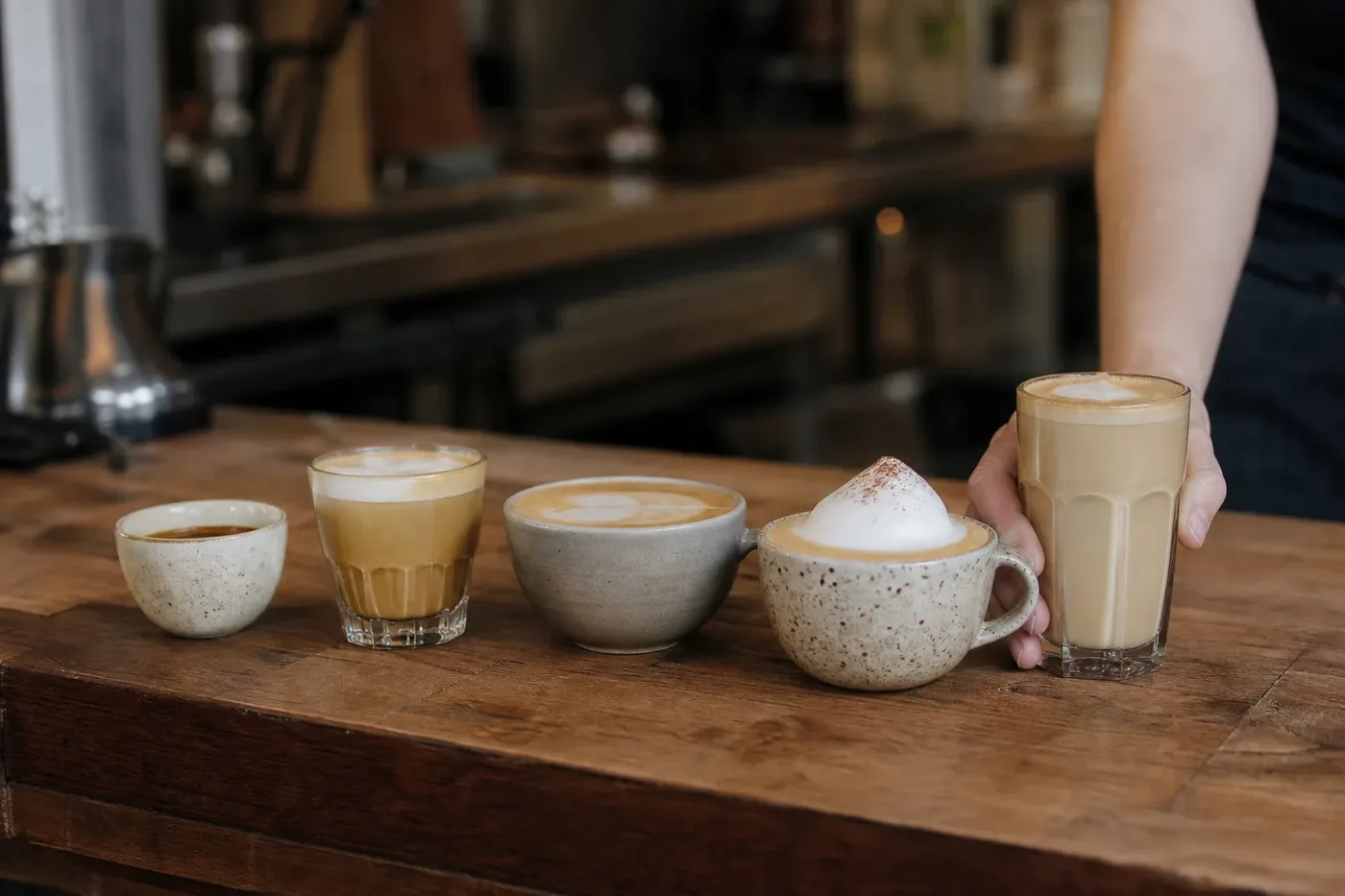 Coffee Slang: A Glossary of Cafe and Barista TermsThe words on a cafe menu and the words baristas use behind it are two different vocabularies. Here is what both of them mean.
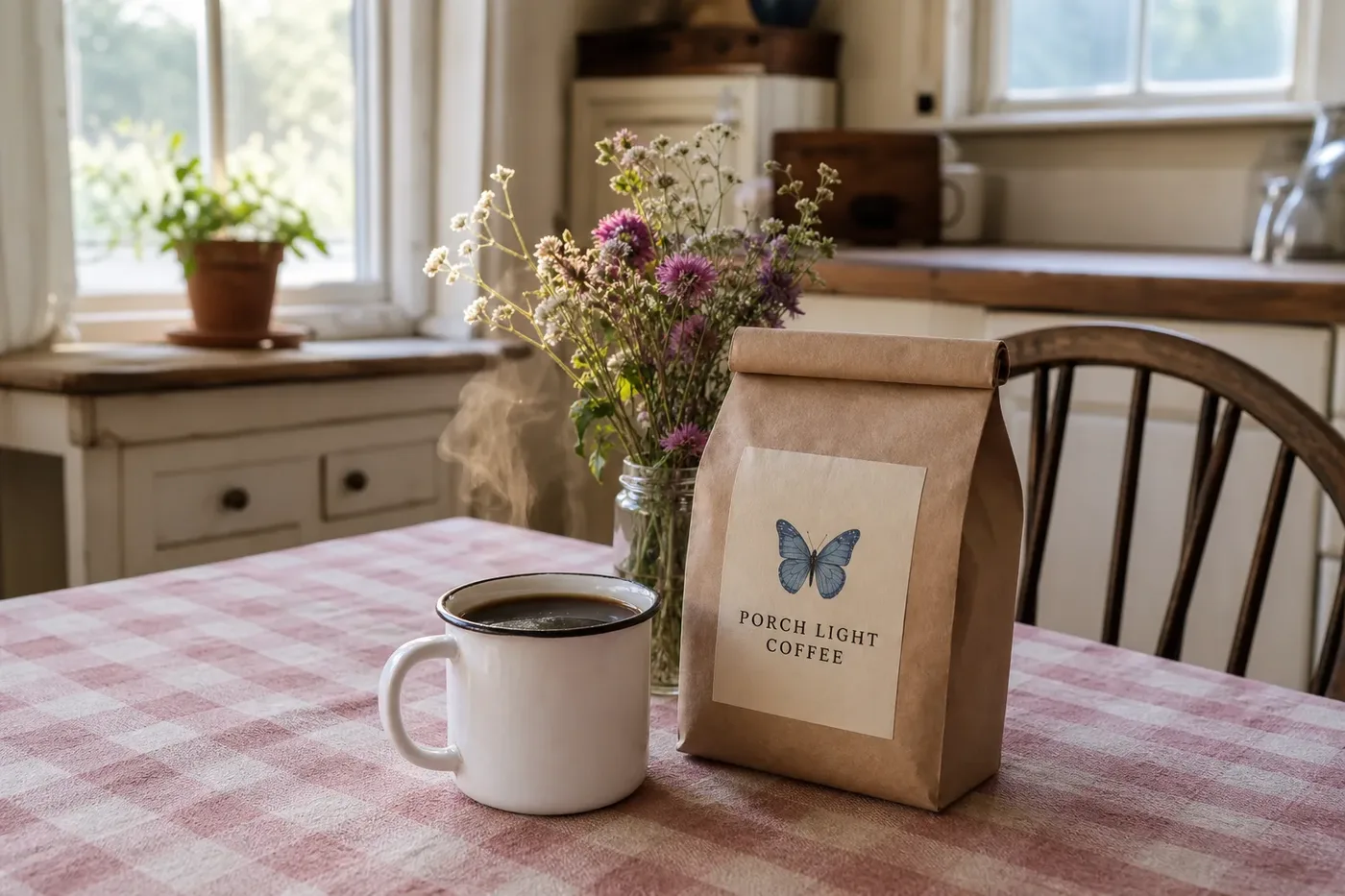 Dolly Parton's Cup of Ambition Coffee: The Three Roasts, Price and Where to BuyDolly Parton's own coffee, made with Louisiana's Community Coffee, went on sale online on National Coffee Day 2026. Three roasts, $12.99 a bag, and a children's reading charity behind every cup.