
Coffee Ratio Calculator
How much coffee and water to use depends on how you brew and how strong you like it. Pick your method and how much you want, and the calculator gives you the grams, the grind, the water temperature and every step, with a timer to brew along with.
- In the cup:
- about 355 ml
- Grind:
- Medium-fine, like table salt
- Water:
- 92 to 96°C (198 to 205°F)
- Time:
- 3 to 3½ minutes
- 1.Heat the water to 92 to 96°C. Rinse the paper filter with hot water and pour that water away.
- 2.Grind 25 g of coffee medium-fine, add it to the filter and level the bed.
- 0:00Bloom: pour 51 g of water, enough to wet every ground, and wait.
- 0:45Pour slowly in circles up to 243 g on the scale.
- 1:15Keep pouring to the full 406 g.
- 2:00Stop pouring and let it drain. It should finish at around 3 to 3½ minutes.
Coffee to water ratio chart by brewing method
These are the starting ratios the calculator uses, written as water to coffee by weight: 1:16 means 16 grams of water for every gram of coffee. They come from published brewing guidance, not from our own tests, so treat them as the place to start and adjust to taste.
| Method | Mild | Regular | Strong | Grind | Water |
|---|---|---|---|---|---|
| Pour over | 1:17 | 1:16 | 1:15 | Medium-fine | 92 to 96°C (198 to 205°F) |
| Chemex | 1:17 | 1:16 | 1:15 | Medium-coarse | 93 to 96°C (199 to 205°F) |
| Drip coffee maker | 1:17 | 1:16 | 1:15 | Medium | 92 to 96°C (198 to 205°F) |
| French press | 1:16 | 1:15 | 1:12 | Coarse | 93 to 96°C (199 to 205°F) |
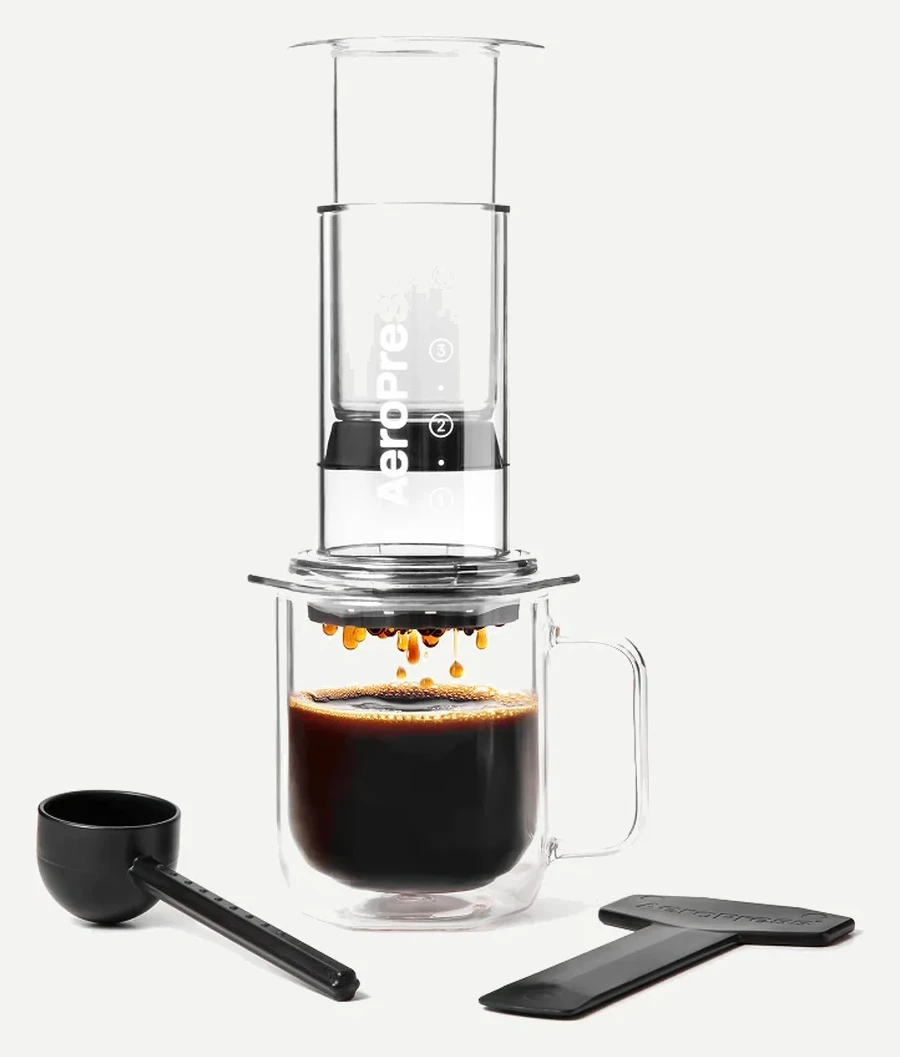
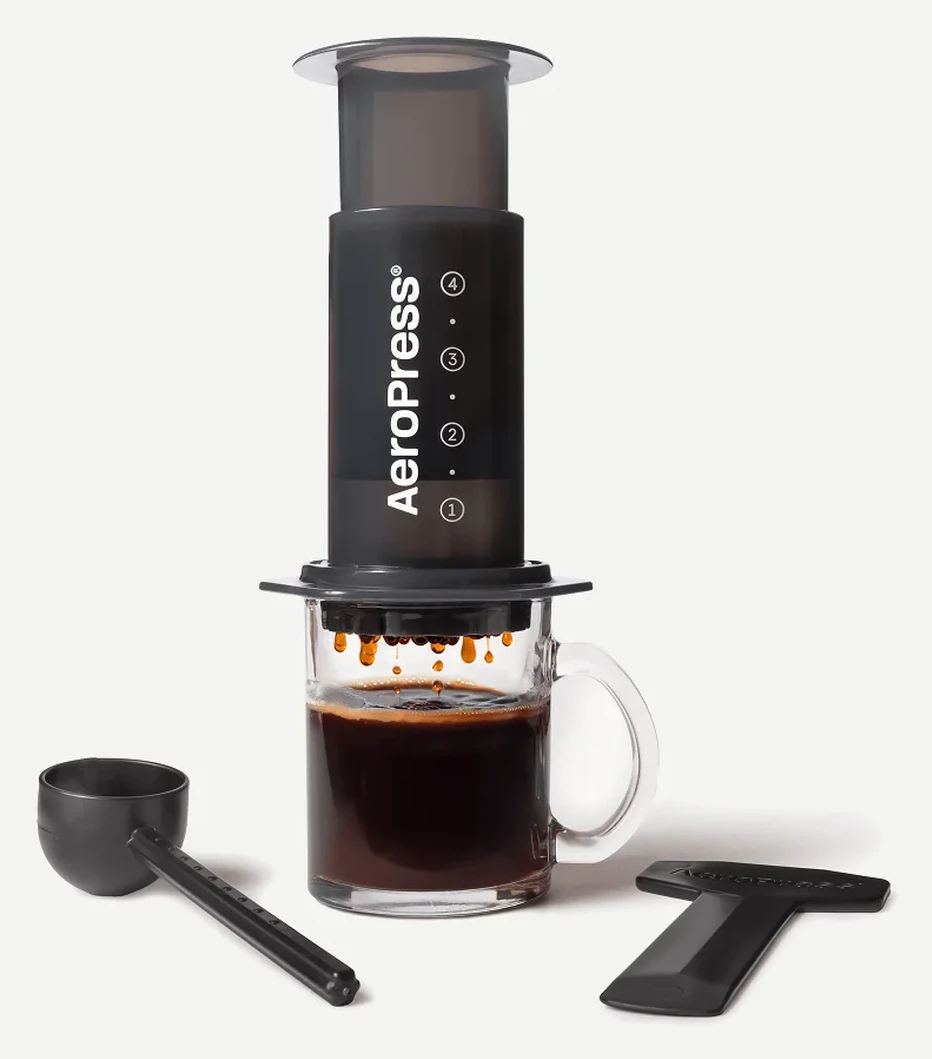
| AeroPress | 1:16 | 1:15 | 1:13 | Medium-fine | 85 to 92°C (185 to 198°F) |
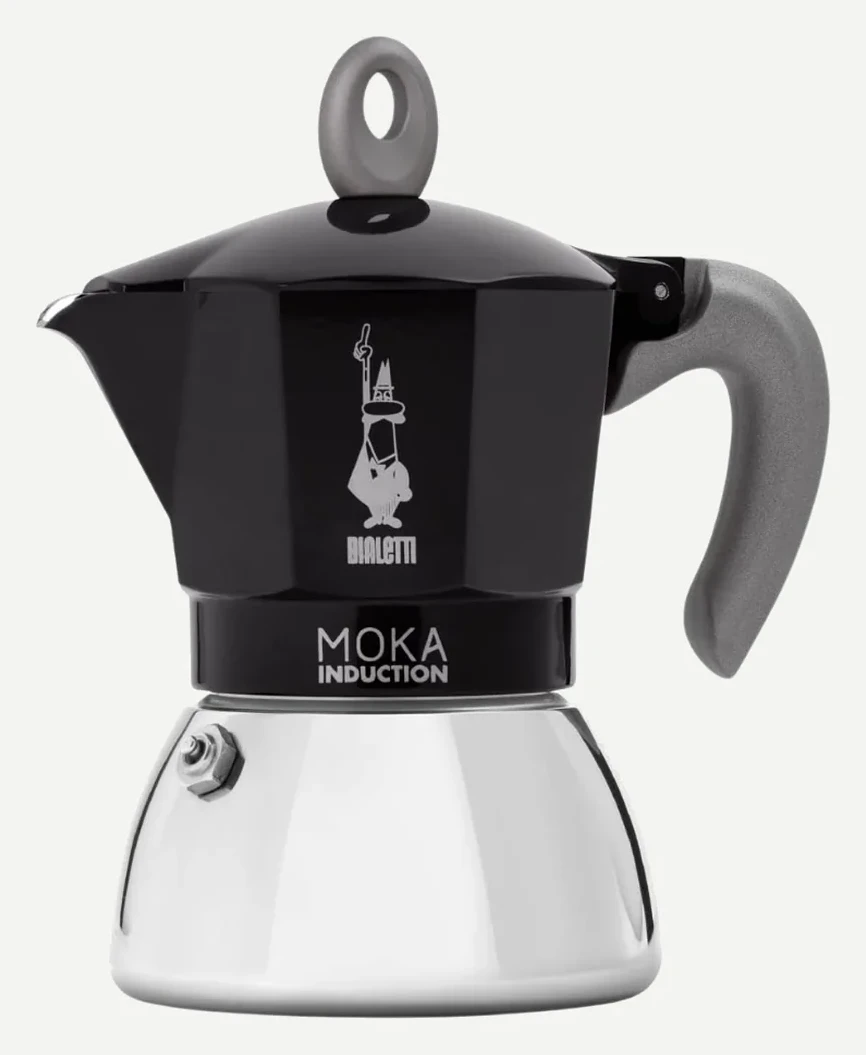
| Moka pot | 1:11 | 1:10 | 1:8 | Fine | Hot water in the base, just off the boil |
| Espresso | 1:3 | 1:2 | 1:1.5 | Fine | 90 to 96°C (194 to 205°F) |
| Cold brew | 1:6 | 1:5 | 1:4 | Extra coarse | Cold or room-temperature water |
| Turkish coffee | 1:12 | 1:10 | 1:9 | Extra fine | Start with cold water |
Espresso is the exception in the chart: its ratio is espresso out to coffee in, so 1:2 means 18 grams of coffee gives 36 grams in the cup. Cold brew is brewed as a concentrate and diluted, which is why its ratio looks so strong.
How much coffee per cup: grams and tablespoons
For a 12 oz mug of pour over at 1:16, use about 25 grams of coffee, roughly 5 level tablespoons. For the same mug from a French press at 1:15, about 27 grams.
The "cup" is where most recipes go wrong. A drip machine counts a cup as 5 or 6 ounces, a French press often as 4, and a mug holds 12 or more. The calculator works from the size you actually drink, and it adds back the water the spent grounds keep, about twice the coffee's weight, so the cup comes out full. Our guide to how much coffee for 12 cups goes through the cup-size trap in detail.
Why weigh coffee instead of using a scoop
A level tablespoon of ground coffee weighs about 5 grams, but that changes with the grind, the roast and how you scoop. A dark roast is lighter per spoonful than a light one, and a fine grind packs tighter than a coarse one. Weighing takes the guesswork out: the same grams give the same cup every morning. A coffee scale that reads to 0.1 g and has a timer covers both the dose and the brew.
How to adjust the coffee ratio to taste
Use more coffee
Move a step stronger, from 1:16 to 1:15. The coffee tastes fuller without changing how it extracts.
Use more water
Move a step milder, from 1:16 to 1:17. You keep the same flavour with less weight in the cup.
Grind finer
Sourness usually means the water did not pull enough from the coffee. A finer grind or hotter water extracts more.
Grind coarser
Bitterness usually means too much was pulled out. A coarser grind or a shorter brew extracts less.
Change one thing at a time, ratio or grind, so you know which one fixed it. Our grind size guide shows the right grind for each brewer.
Espresso and cold brew coffee ratios
Espresso and cold brew do not follow the filter-coffee range. Espresso is measured as a yield: the weight of espresso in the cup against the dry coffee in the basket, usually 1:2 in 25 to 30 seconds. Cold brew steeps for 12 to 18 hours at around 1:5 to make a concentrate, which you then mix about 1:1 with water or milk. In the calculator, cold brew drinks are worked out after that dilution, so four mugs means two mugs of concentrate.
Brewing guides for each method
For the technique behind the numbers, follow the guide for your brewer: pour over, French press, AeroPress, moka pot and Turkish coffee.
Coffee ratio calculator FAQ
What is the best coffee to water ratio?
For filter coffee, 1:16 is the usual starting point: 1 gram of coffee for every 16 grams of water. Most people settle between 1:15 for stronger coffee and 1:17 for milder. Immersion brewers like the French press often go a little stronger, and espresso and cold brew use their own ratios.
How many grams of coffee per cup?
For a 12 oz mug of pour over at 1:16, about 25 grams of coffee. For an 8 oz cup, about 17 grams. The calculator above works it out for any size and method, including the water the grounds soak up.
How many tablespoons of coffee per cup?
About 5 level tablespoons of ground coffee for a 12 oz mug at 1:16, taking a level tablespoon as roughly 5 grams. Tablespoons vary with grind and roast, so a scale gives you the same cup every time.
What is the golden ratio for coffee?
The Specialty Coffee Association brewing guidance sits around 55 grams of coffee per litre of water, about 1:18, and coffee shops commonly brew between 1:15 and 1:18. It is a range for filter coffee, not a single number, and the calculator's mild, regular and strong settings sit inside it.
What ratio is used for French press?
Around 1:15 is a common starting point, with 1:12 for a strong cup. For a 34 oz press, that is roughly 60 to 70 grams of coarse coffee. Steep for 4 minutes, then press and pour it all out.
What is the ratio for espresso?
Espresso is written as coffee out to coffee in. A normale shot is 1:2, so 18 grams of ground coffee gives about 36 grams of espresso in 25 to 30 seconds. A ristretto is shorter, about 1:1.5, and a lungo longer, about 1:3.
Can I embed this calculator on my site?
Yes. Press "Embed this calculator" under it and copy the code. It is free to use, and it keeps a link back to this page.