Medium-light roast coffee
Past first crack but well short of second, holding some origin character while losing the sharpest acidity. The band most single origins land in when a roaster wants them to work in more than one brewer.
8 products
The best medium-light roast coffee, ranked
scored on what the maker publishesOpen a row for the score working1
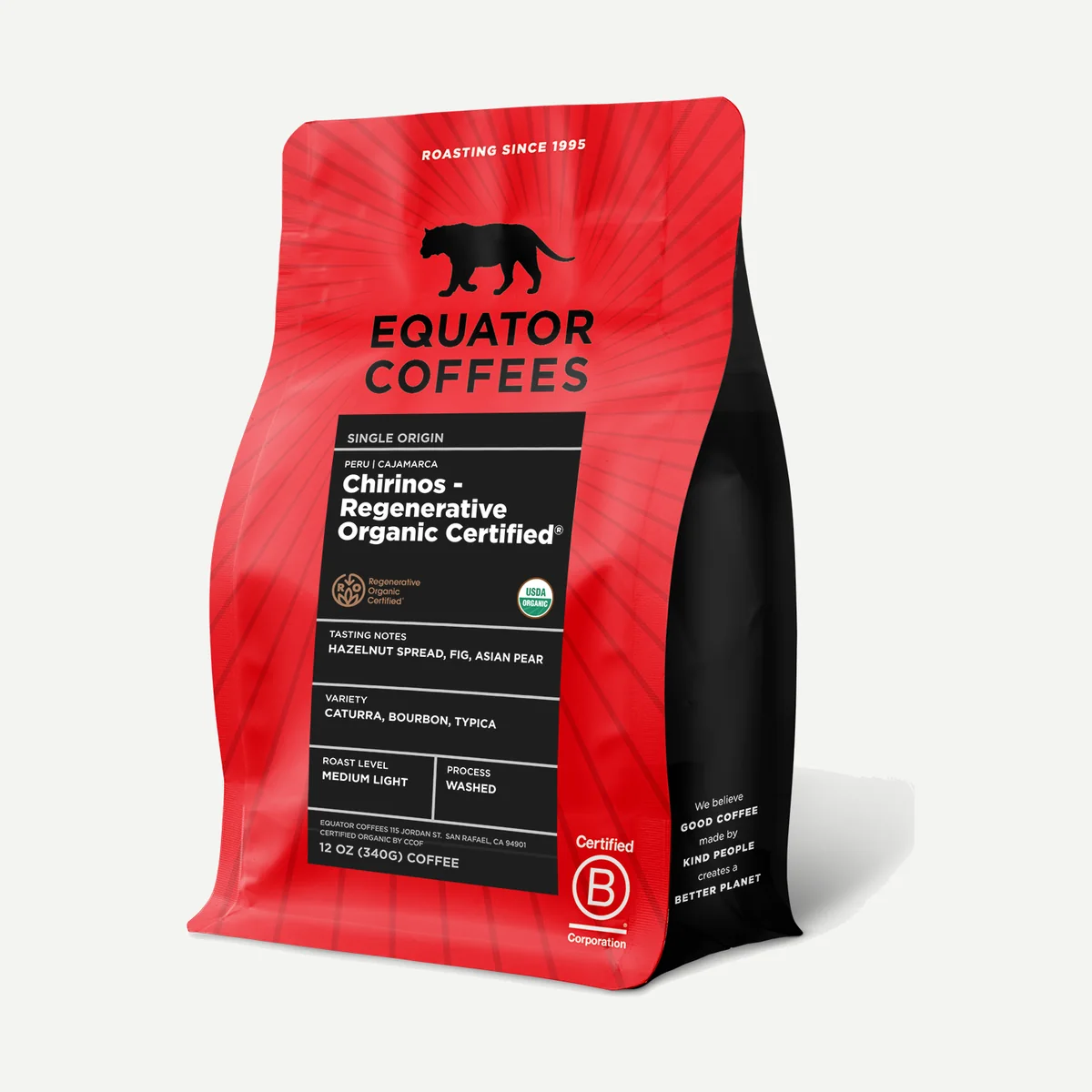 EquatorPeru Chirinos$49.38/kg8.7
How it scored
Freshness & Roast Date Transparency10.0Sourcing Transparency & Ethicsweakest link7.9altitude and varietals not scoredcarries 16 of the 45.8 points scoredValue Per Kilo8.3Packaging & Freshness Retention8.0packaging not publishedPrice per kg$49.38Score8.7Box priceFrom $21Tasting NotesNutty to Stone fruitRoast LevelMedium-lightSingle Origin or BlendSingle originOriginPeruRead the Equator Peru Chirinos review →2
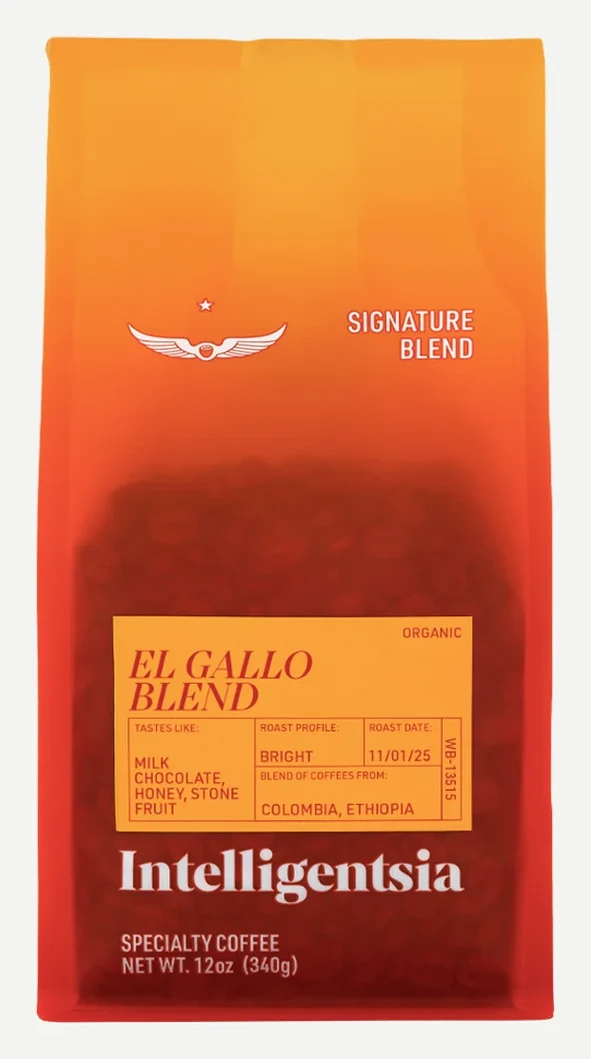 IntelligentsiaEl Gallo Blend$44.75/kg8.6
How it scored
Freshness & Roast Date Transparency10.0Sourcing Transparency & Ethicsweakest link6.8altitude and varietals not publishedcarries 16 of the 45.8 points scoredValue Per Kilo8.8Packaging & Freshness Retention8.0packaging not publishedPrice per kg$44.75Score8.6Box priceFrom $18.50Tasting NotesChocolate to Stone fruitRoast LevelMedium-lightSingle Origin or BlendBlendOriginMexicoRead the Intelligentsia El Gallo Blend review →3
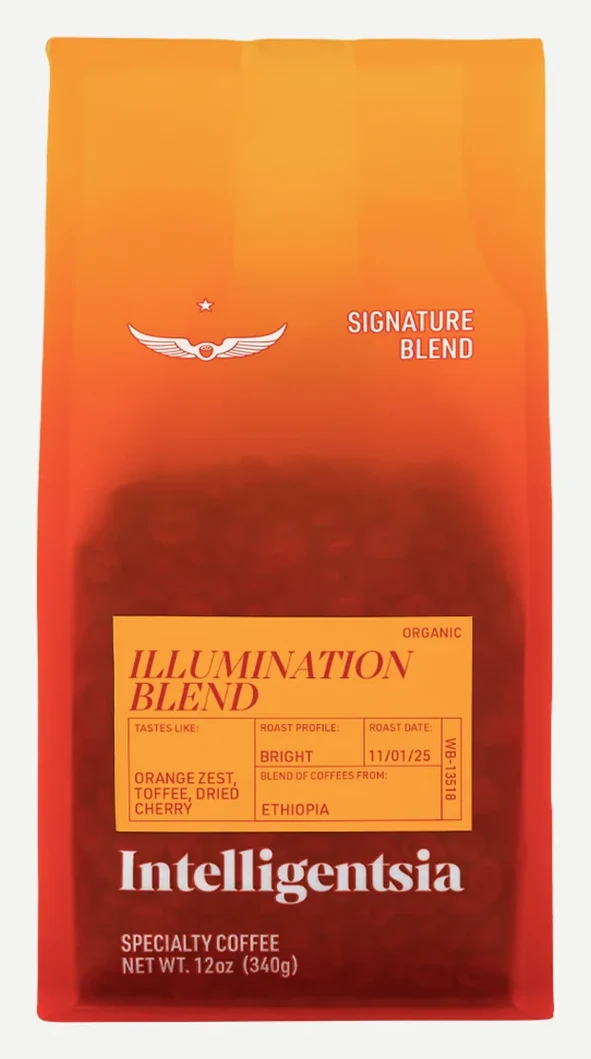 IntelligentsiaIllumination Blend$49.38/kg8.4
How it scored
Freshness & Roast Date Transparency10.0Sourcing Transparency & Ethicsweakest link6.8altitude and varietals not publishedcarries 16 of the 45.8 points scoredValue Per Kilo7.9Packaging & Freshness Retention8.0packaging not publishedPrice per kg$49.38Score8.4Box priceFrom $20Tasting NotesCitrus to BerryRoast LevelMedium-lightSingle Origin or BlendBlendOriginEthiopia, MexicoRead the Intelligentsia Illumination Blend review →4
 EquatorEye of the Tiger Espresso$45.86/kg8.3
How it scored
Freshness & Roast Date Transparency10.0Sourcing Transparency & Ethicsweakest link6.1altitude and varietals not scoredcarries 16 of the 45.8 points scoredValue Per Kilo8.3Packaging & Freshness Retention8.0packaging not publishedPrice per kg$45.86Score8.3Box priceFrom $19.50Tasting NotesBerry to ChocolateRoast LevelMedium-lightSingle Origin or BlendBlendOriginCosta Rica, RwandaRead the Equator Eye of the Tiger Espresso review →5
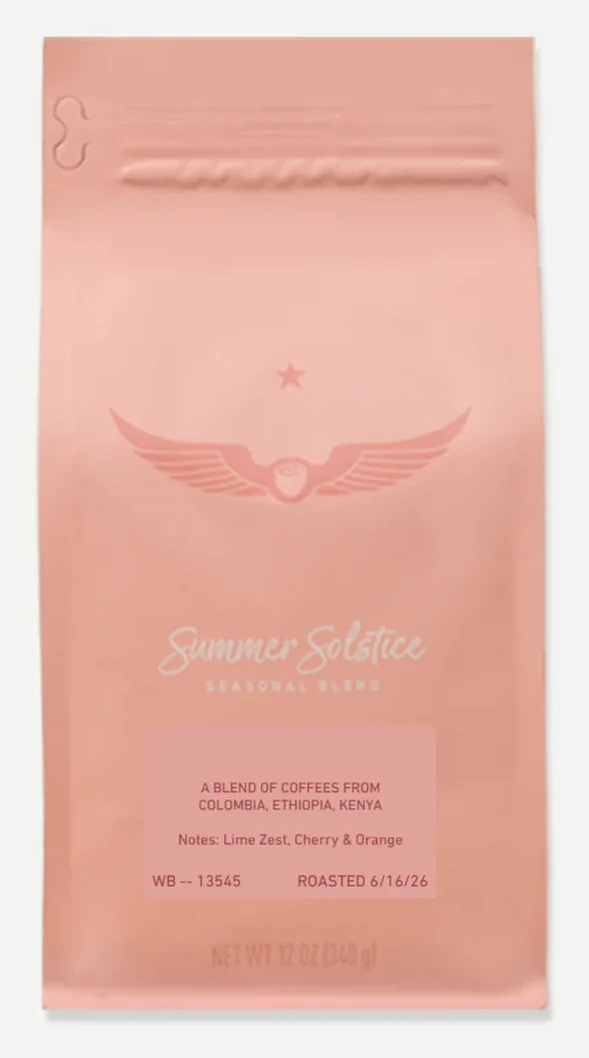 IntelligentsiaSummer Solstice Blend$77.60/kg7.1
How it scored
Freshness & Roast Date Transparency10.0Sourcing Transparency & Ethics5.7altitude and varietals not publishedValue Per Kiloweakest link4.8carries 14 of the 45.8 points scoredPackaging & Freshness Retention8.0packaging not publishedPrice per kg$77.60Score7.1Box priceFrom $30Tasting NotesCitrus, BerryRoast LevelMedium-lightSingle Origin or BlendBlendOriginColombia to KenyaRead the Intelligentsia Summer Solstice Blend review →6
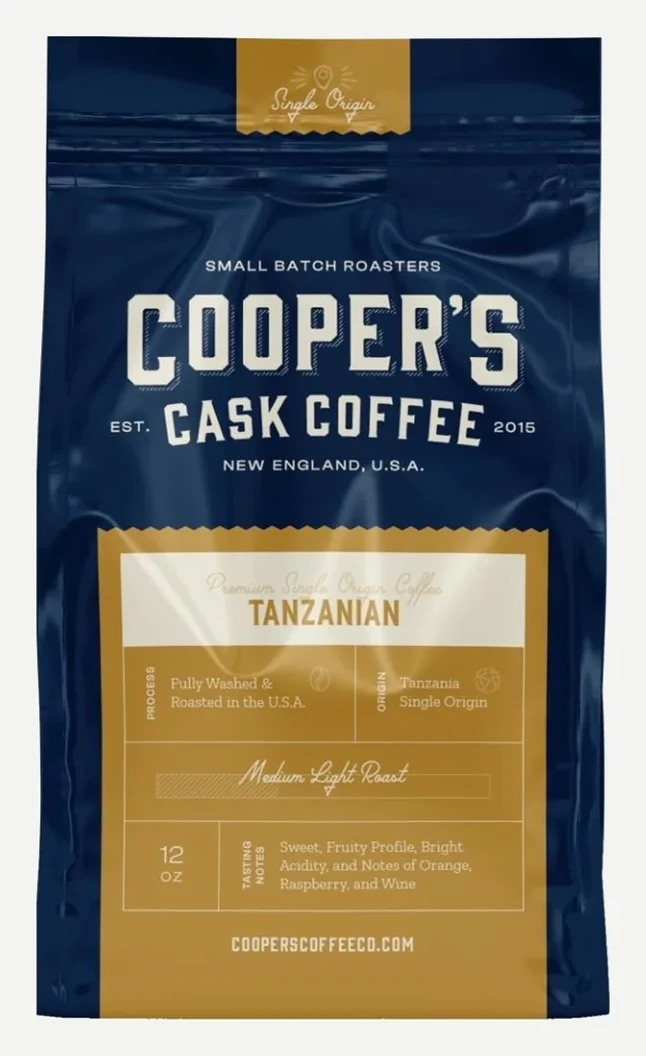 Cooper's CaskTanzania Peaberry Medium Light Roast$35.25/kg4.1
How it scored
Freshness & Roast Date Transparencyweakest link2.1carries 20 of the 45.8 points scoredSourcing Transparency & Ethics4.3altitude and varietals not publishedValue Per Kilo4.9Packaging & Freshness Retention8.0packaging not publishedPrice per kg$35.25Score4.1Box priceFrom $18.95Tasting NotesCitrus to Winey & barrel-agedRoast LevelMedium-lightSingle Origin or BlendSingle originOriginTanzaniaRead the Cooper's Cask Tanzania Peaberry Medium Light Roast review →7
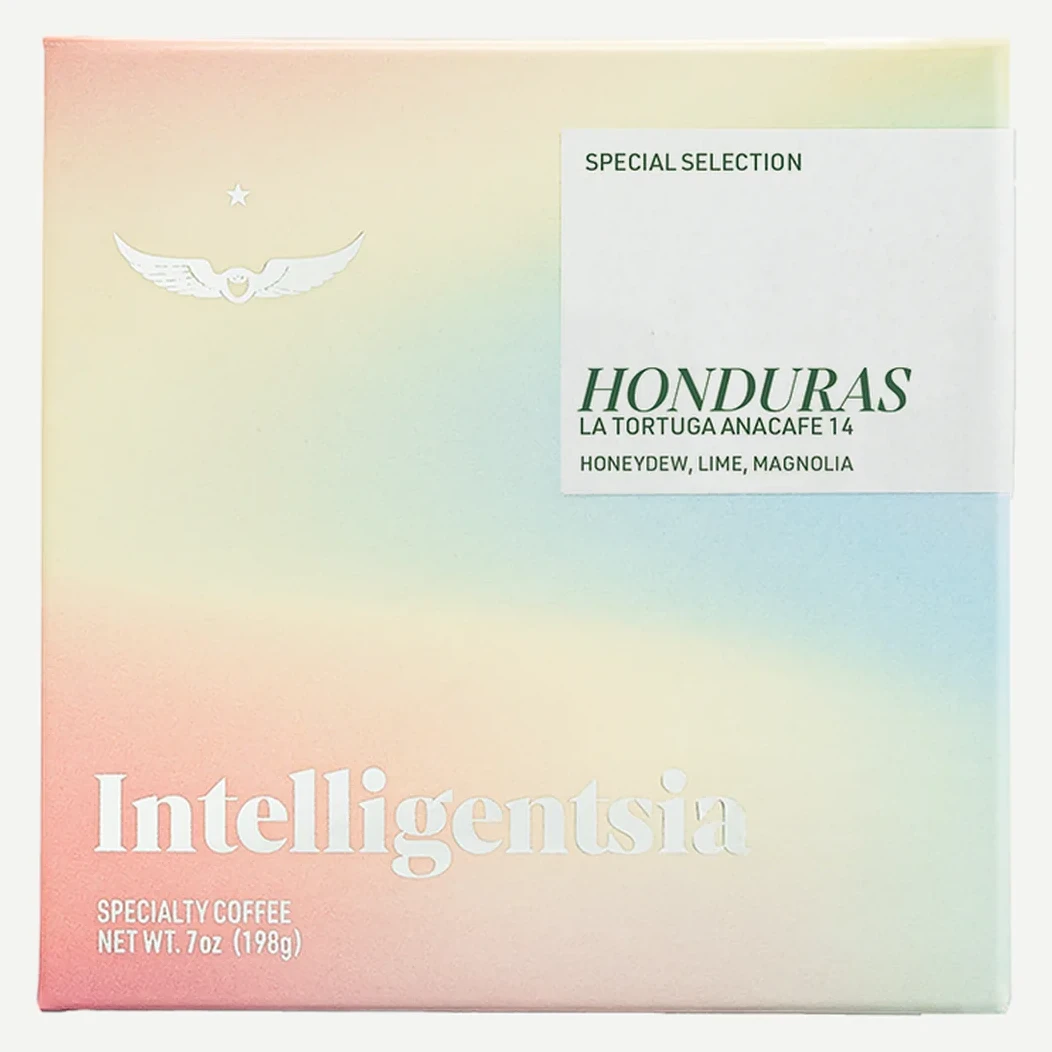 IntelligentsiaHonduras La Tortuga Anacafe 14$126.26/kg3.9
How it scored
Freshness & Roast Date Transparency4.3Sourcing Transparency & Ethics5.0altitude not published; varietals not scoredValue Per Kiloweakest link1.7carries 14 of the 45.8 points scoredPackaging & Freshness Retention6.0packaging not publishedPrice per kg$126.26Score3.9Box priceFrom $25Tasting NotesTropical fruit to FloralRoast LevelMedium-lightSingle Origin or BlendSingle originOriginHondurasRead the Intelligentsia Honduras La Tortuga Anacafe 14 review →8
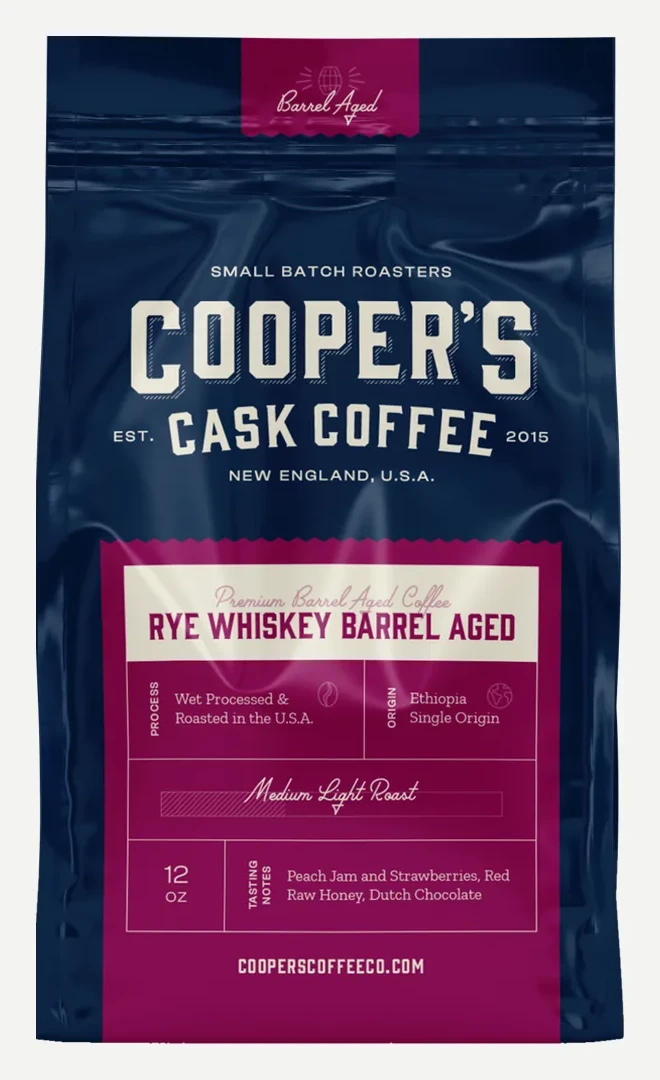 Cooper's CaskRye Whiskey Barrel Aged$61.71/kg3.5
How it scored
Freshness & Roast Date Transparencyweakest link2.1carries 20 of the 45.8 points scoredSourcing Transparency & Ethics4.3altitude and varietals not publishedValue Per Kilo2.8Packaging & Freshness Retention8.0packaging not publishedPrice per kg$61.71Score3.5Box priceFrom $29.95Tasting NotesStone fruit to ChocolateRoast LevelMedium-lightSingle Origin or BlendSingle originOriginEthiopiaRead the Cooper's Cask Rye Whiskey Barrel Aged review →
About medium-light roast coffee
Medium-light is the band a roaster reaches for when a coffee is good enough to be worth tasting and still has to work on a Tuesday morning. It keeps most of the origin character of a lightly roasted coffee and loses the sharpest edge of its acidity, which makes it the most broadly useful roast on the scale and the least represented on a supermarket shelf.
Why medium-light roast is the specialty coffee default
Roasters who publish the farm, the altitude and the process tend to land here, because this is where those details are still audible in the cup. Roast further and the roast itself starts doing the talking; roast less and the coffee becomes a technical brew that a domestic kitchen may not get the best out of. Medium-light is the compromise that keeps a coffee legible in a pour over, an immersion brewer and, at a push, an espresso machine.
Medium-light roast is mostly sold as whole bean
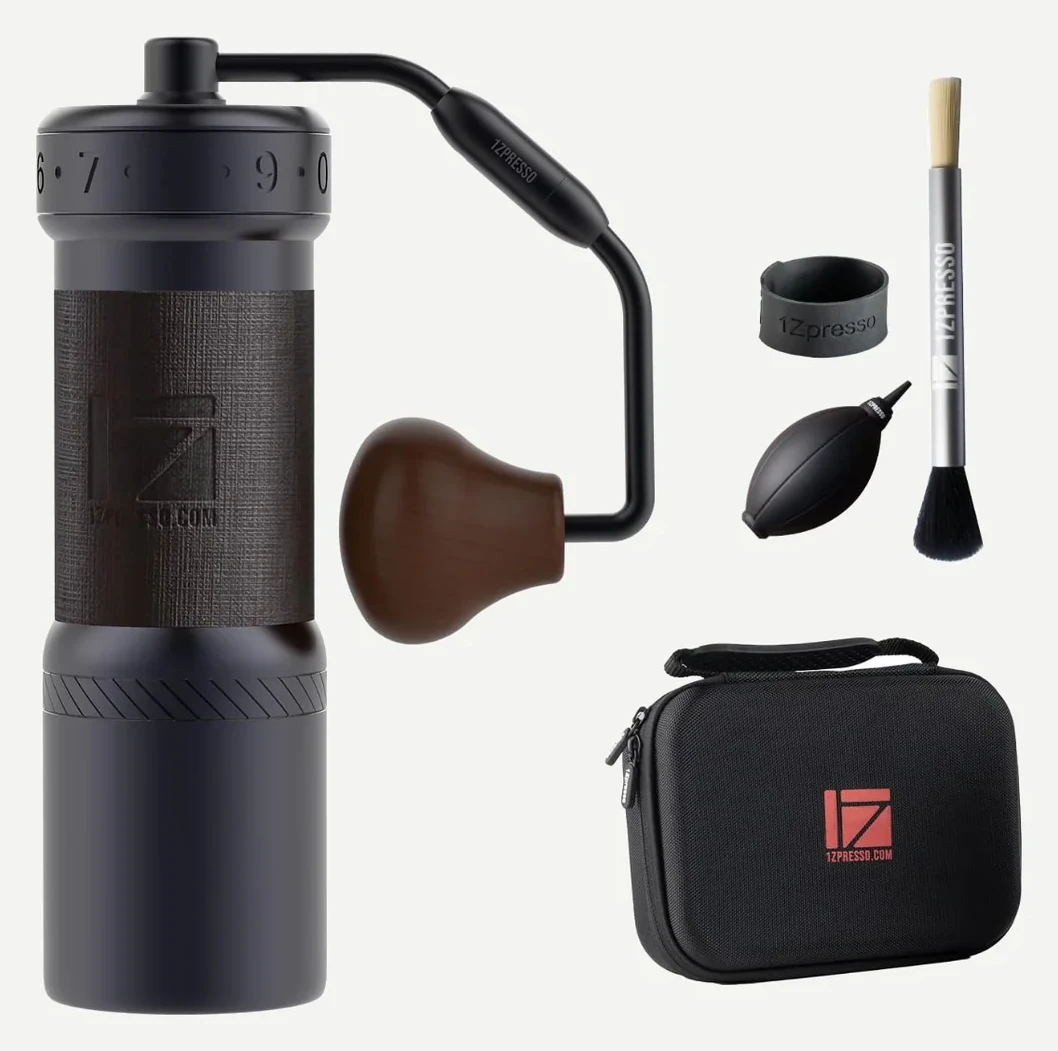
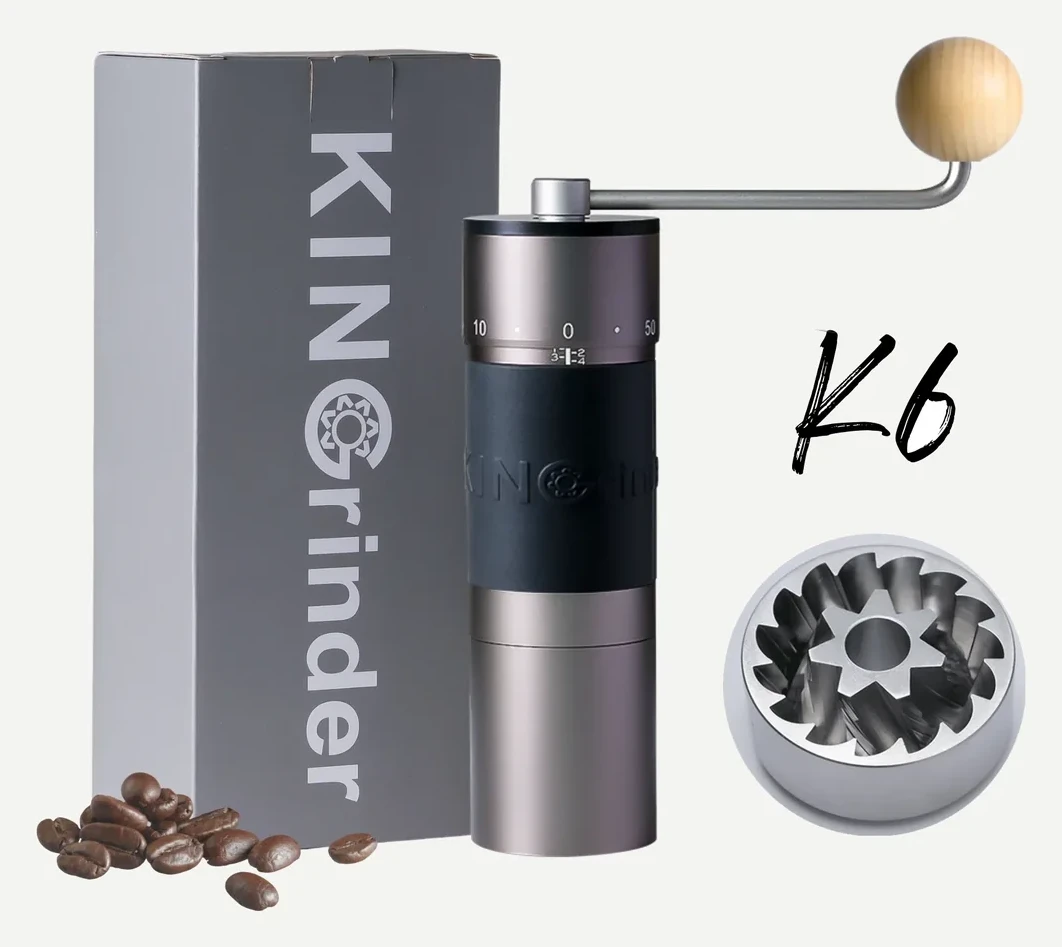
This band is almost entirely whole bean and rarely appears in capsules or instant, for a simple commercial reason: the qualities it preserves are the ones that die fastest once the coffee is ground and sealed. If you are buying at this level and grinding in a blade grinder, the grinder is now the weakest thing in the chain. Burr against blade explains why grind consistency is most of the cup, and it matters more here than at either end of the scale.
What medium-light roast tastes like
Sweetness has arrived and the acidity has softened from sharp to juicy. The common register is stone fruit and citrus over caramel notes, rather than the lemon-and-jasmine brightness a lighter roast can carry or the chocolate notes a medium settles into. Body is moderate. Nothing is hidden, which cuts both ways: a mediocre bean has nowhere to go at this roast level, and roasters know it, which is part of why the coffees here tend to be the ones a roaster is proud of.
Why medium-light roast costs more
Coffees in this band cost more than a supermarket bag and the money is mostly going somewhere identifiable: a named farm or cooperative, a smaller lot, a roaster buying at a price that lets them go back next year. What each certification label actually guarantees is worth reading before paying a premium for a logo, and direct trade coffees are listed separately because the term means something different from the certifications.
Who a medium-light roast is for
The filter drinker who wants a coffee to taste of somewhere without turning breakfast into a lab session. It is also the safest band to buy blind as a gift for someone whose taste you do not know: it is far enough from both extremes that almost nobody actively dislikes it. Buying coffee as a gift goes into that properly.
Who should not buy medium-light roast
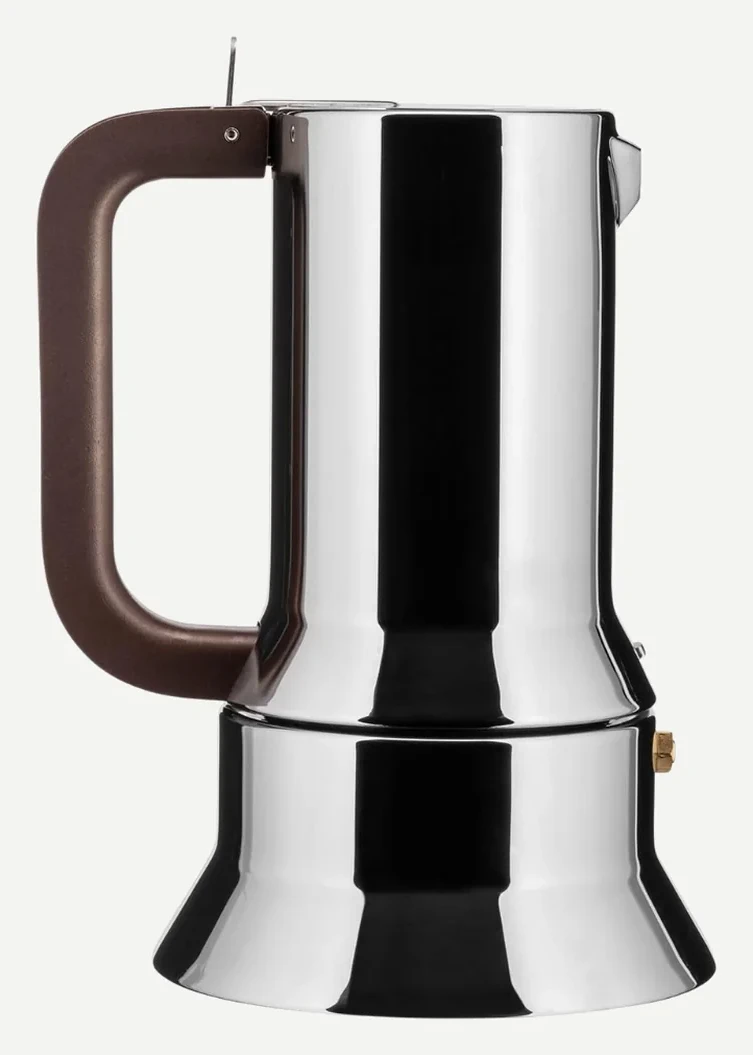
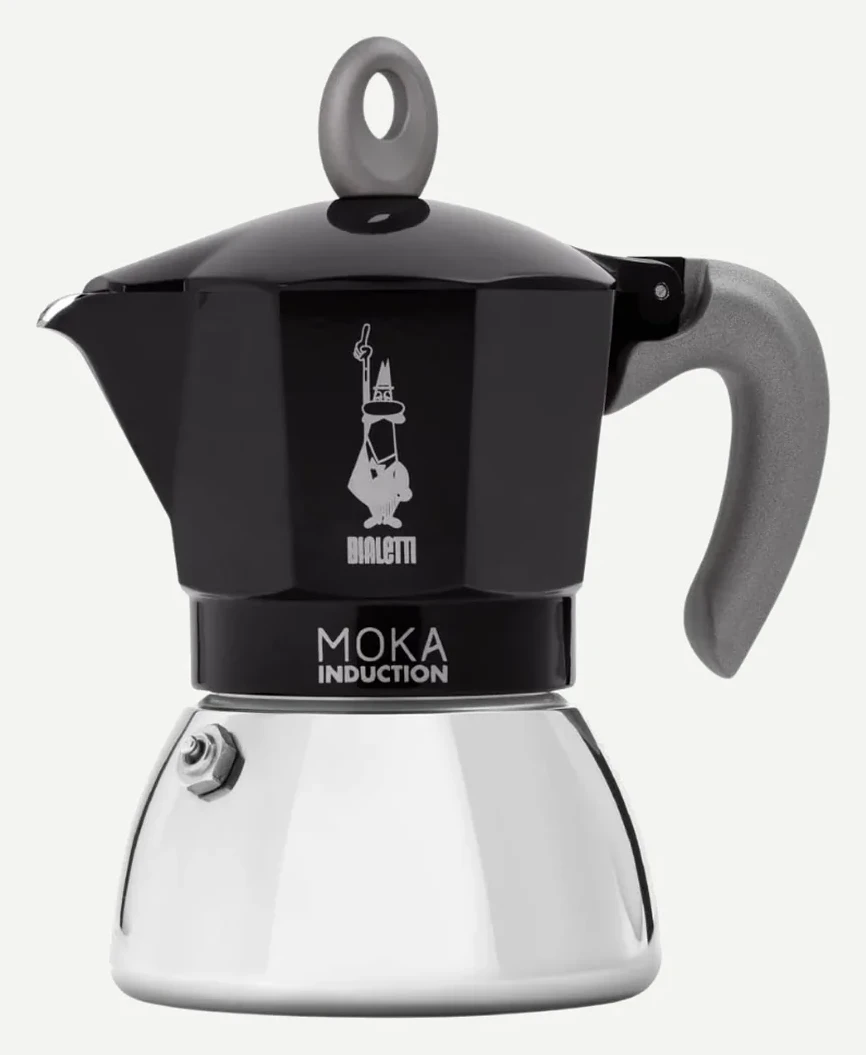
Anyone brewing in a moka pot or drinking a flat white every morning. Both want more roast behind them: milk flattens this band's acidity into something vague, and a moka pot's brewing style suits a medium-dark roasted coffee. If your coffee always goes into milk, the money spent on the details this band preserves is money you will not taste.
Frequently asked questions about medium-light roast coffee
What is the difference between light and medium-light roast?
Both are stopped before second crack. A light roast comes off at or just after first crack and keeps the sharpest acidity; medium-light runs a little longer, which softens that acidity into sweetness and adds body. In practice medium-light is more forgiving in a drip machine and less demanding of your water temperature.
Is medium-light roast good for espresso?
It can be, and it is a discipline. Lighter roasts need finer grinds, higher temperatures and longer ratios than a machine's defaults, and they expose a grinder that cannot hold a setting. On a machine with no adjustment, a medium or medium-dark roast will give you a better shot with less work.
Why is medium-light roast hard to find in supermarkets?
It is a specialty roast level, and what it preserves is exactly what dies fastest on a shelf. Supermarket coffee is bought on price and shelf life, both of which favour a darker roast in a bag with a best-before date rather than a roast date.
Does medium-light roast need a burr grinder?
It benefits from one more than any other band except light. Grind consistency decides how evenly the water pulls flavour out, and the acidity and sweetness this roast preserves are the first things an uneven grind muddles. A blade grinder will not ruin it, but it will make it taste like a cheaper coffee.