Coffee with tropical fruit notes
Mango, pineapple and passionfruit. Rare, almost always a natural or experimental process, and priced accordingly.
11 products
The best coffee with tropical fruit notes, ranked
ranked by the average score of each roaster's coffeesOpen a row for details1
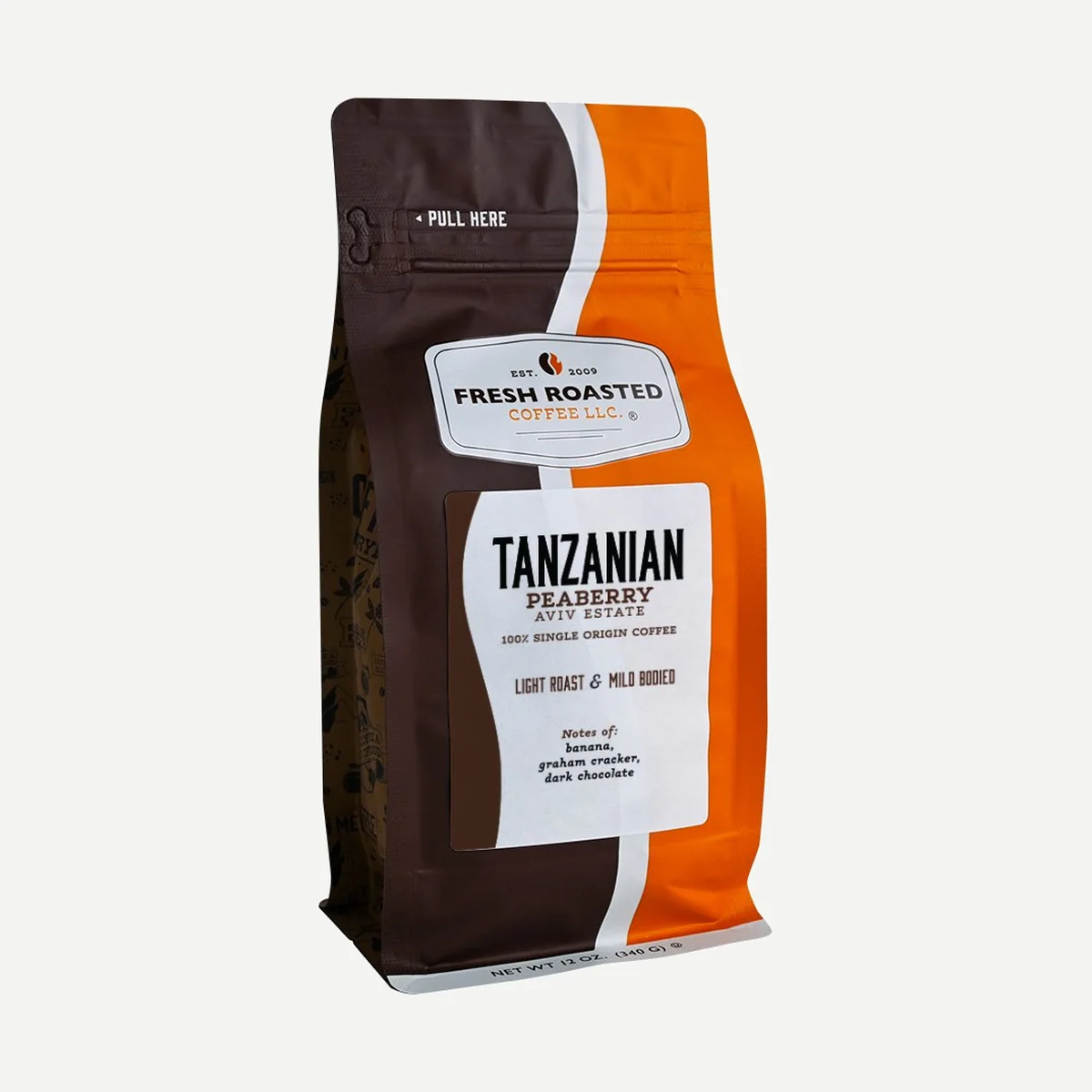 Fresh Roasted CoffeeTanzanian Peaberry Aviv Estate$28.66/kg9.0
How it scored
Freshness & Roast Date Transparency10.0Sourcing Transparency & Ethicsweakest link6.8altitude and varietals not publishedcarries 16 of the 45.8 points scoredValue Per Kilo10.0Packaging & Freshness Retention8.0packaging not scoredPrice per kg$28.66Score9.0Box priceFrom $14.99Tasting NotesTropical fruit to ChocolateRoast LevelLightSingle Origin or BlendSingle originOriginTanzaniaRead the Fresh Roasted Coffee Tanzanian Peaberry Aviv Estate review →2
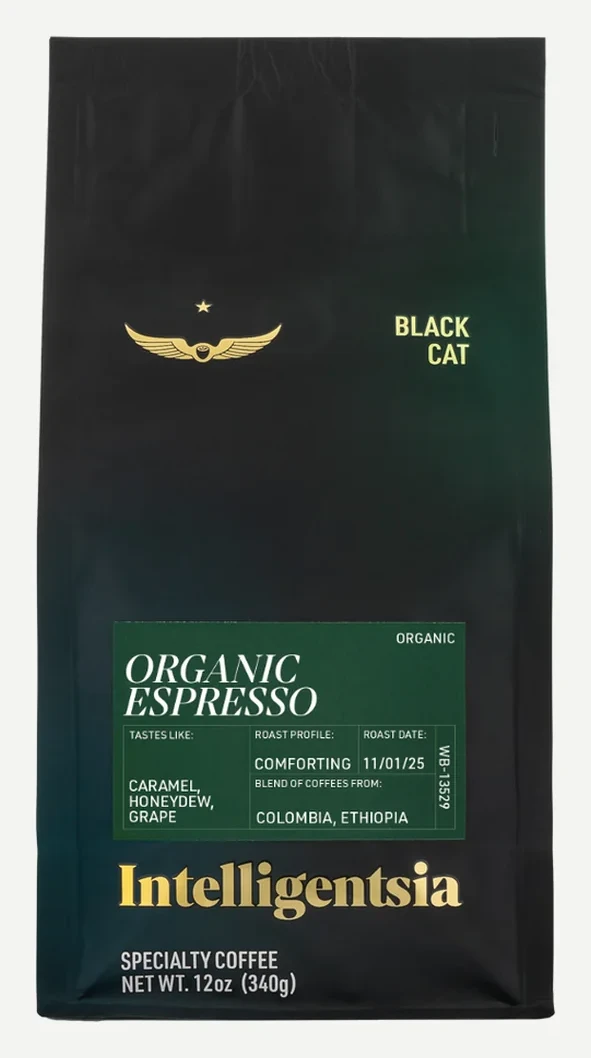 IntelligentsiaOrganic Black Cat Espresso$44.75/kg8.6
How it scored
Freshness & Roast Date Transparency10.0Sourcing Transparency & Ethicsweakest link6.8altitude and varietals not publishedcarries 16 of the 45.8 points scoredValue Per Kilo8.8Packaging & Freshness Retention8.0packaging not publishedPrice per kg$44.75Score8.6Box priceFrom $18.50Tasting NotesCaramel & toffee to BerryRoast LevelMediumSingle Origin or BlendBlendOriginEthiopia, MexicoRead the Intelligentsia Organic Black Cat Espresso review →3
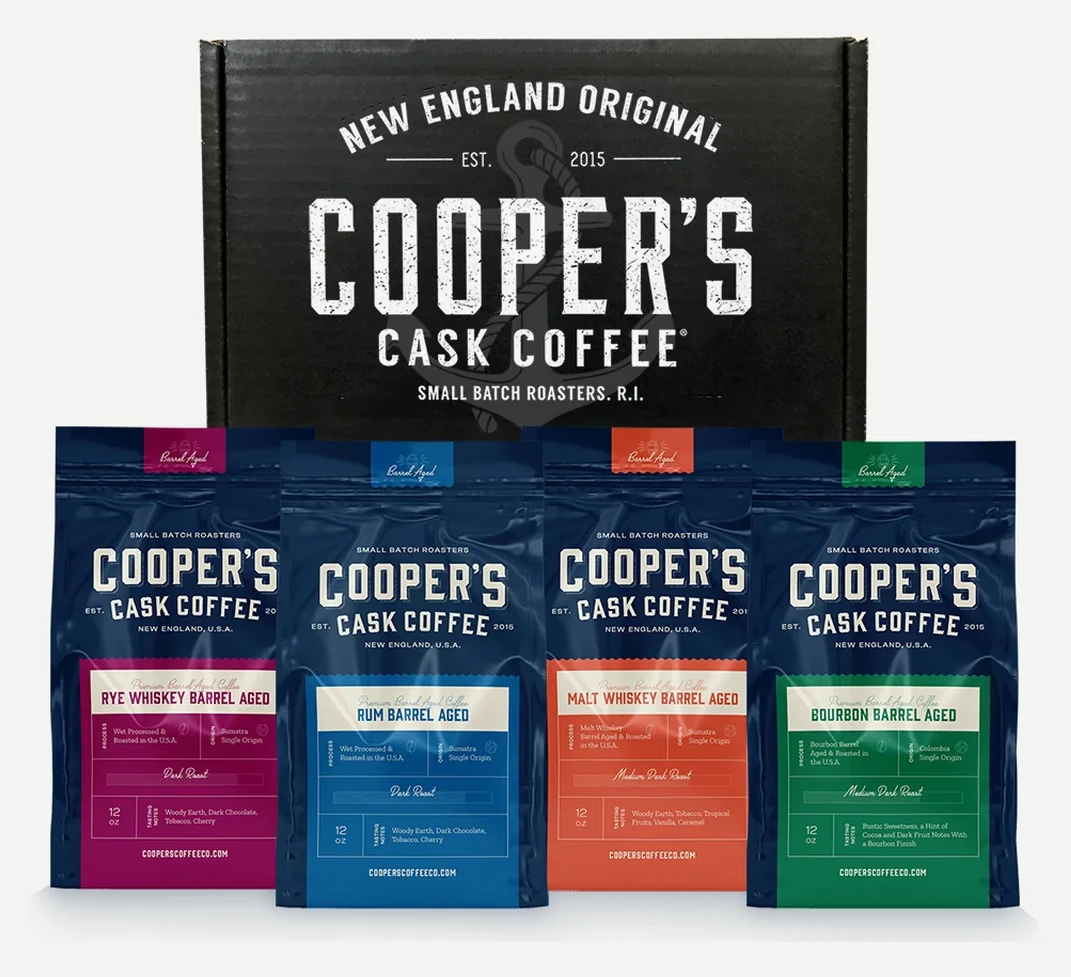 Cooper's CaskBarrel Aged Box Set 48oz$73.45/kg7.1
How it scored
Variety & How Well It Introduces the Range8.7Value Against Buying the Bags Separately6.0Presentation & Gift Readiness10.0Freshness & Roast Date Transparencyweakest link0.0ships after roast not publishedcarries 14 of the 71.2 points scoredPrice per kg$73.45Score7.1Box priceFrom $99.95Tasting NotesEarthy & woody to Winey & barrel-agedRoast LevelVaries by coffeeOriginColombia to RwandaPrice per Kilo73.45USD/kgRead the Cooper's Cask Barrel Aged Box Set 48oz review →4
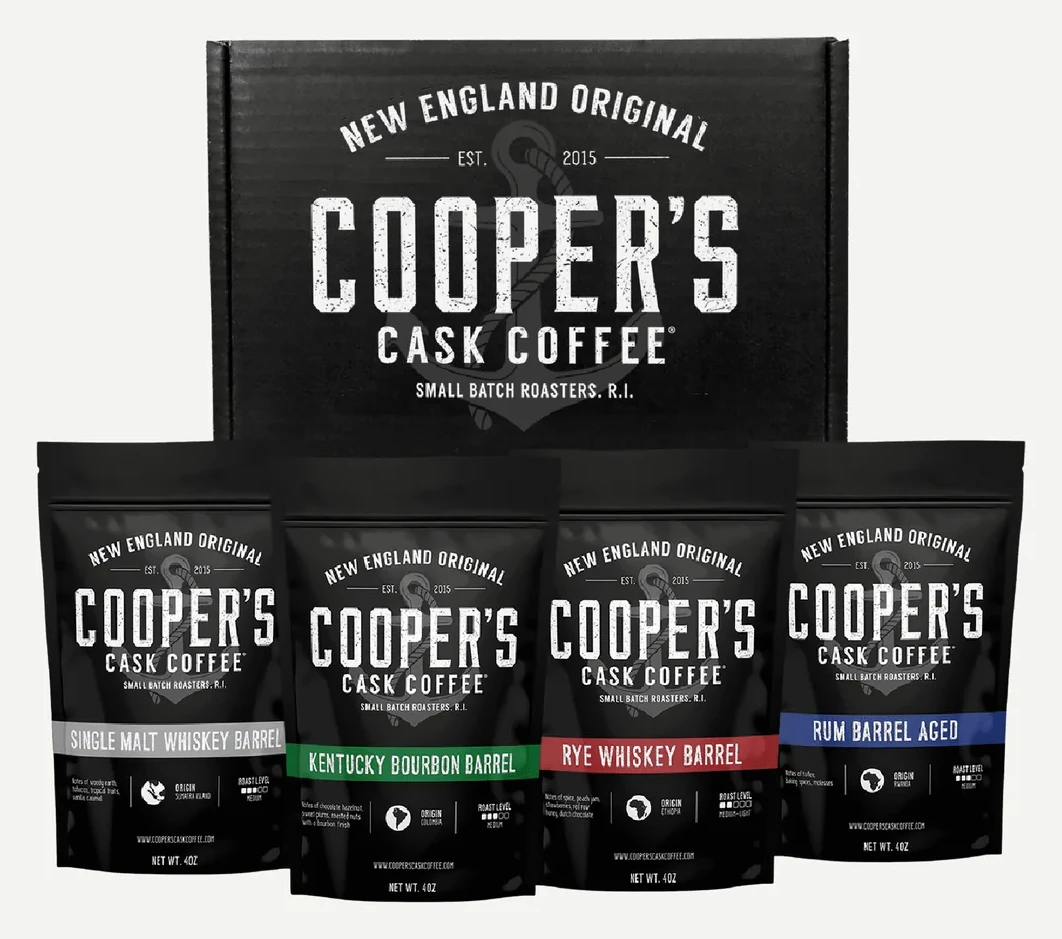 Cooper's CaskBarrel Aged Box Set$88.07/kg6.5
How it scored
Variety & How Well It Introduces the Range9.0Value Against Buying the Bags Separately4.0Presentation & Gift Readiness10.0Freshness & Roast Date Transparencyweakest link0.0ships after roast not publishedcarries 14 of the 71.2 points scoredPrice per kg$88.07Score6.5Box priceFrom $39.95Tasting NotesEarthy & woody to BerryRoast LevelVaries by coffeeOriginColombia to RwandaPrice per Kilo88.07USD/kgRead the Cooper's Cask Barrel Aged Box Set review →5
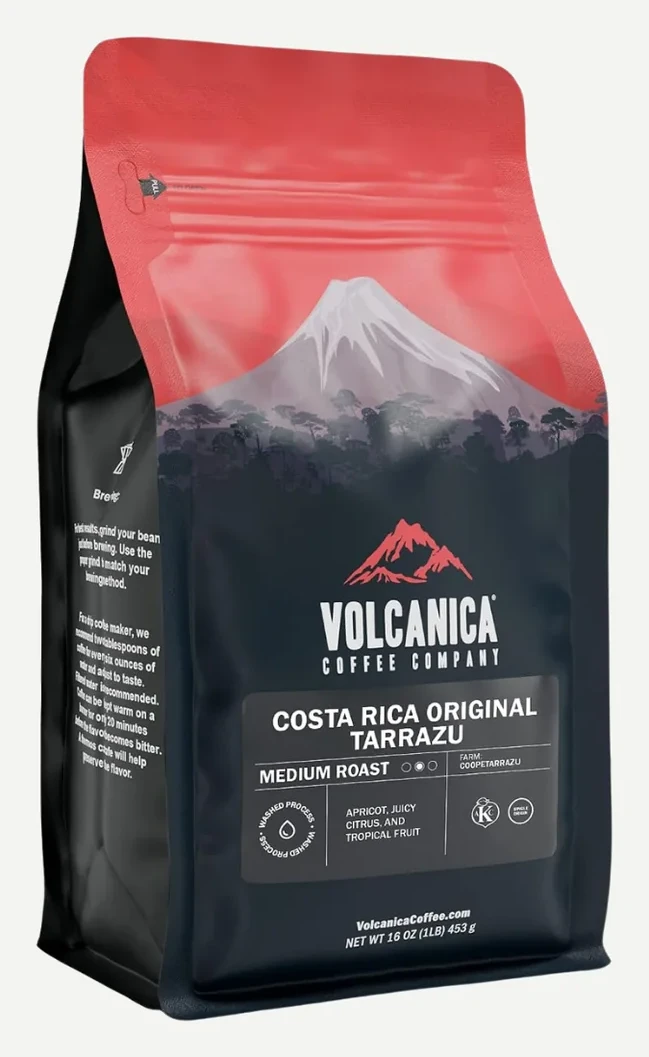 VolcanicaCosta Rica Tarrazu Original6.1
How it scored
Freshness & Roast Date Transparencyweakest link5.0carries 20 of the 45.8 points scoredSourcing Transparency & Ethics8.2altitude and varietals not publishedValue Per Kilo5.0no price publishedPackaging & Freshness Retention8.0packaging not publishedPricePricing N/AScore6.1Tasting NotesStone to Tropical fruitRoast LevelMediumSingle Origin or BlendSingle originOriginCosta RicaRead the Volcanica Costa Rica Tarrazu Original review →6
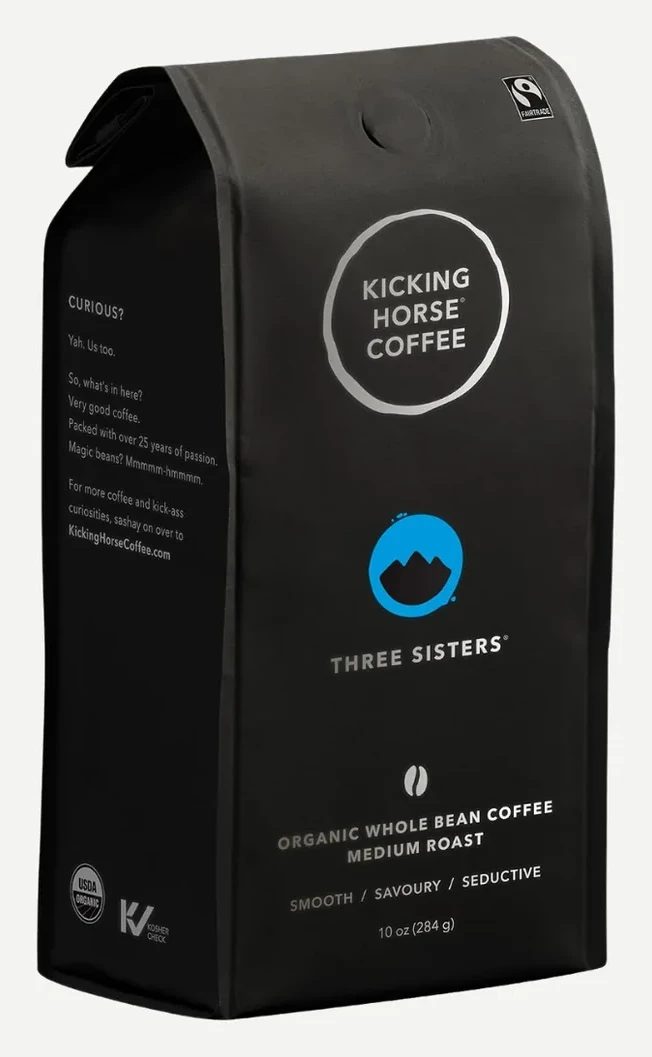 Kicking HorseThree Sisters Medium Roast5.7
How it scored
Freshness & Roast Date Transparencyweakest link5.0carries 20 of the 45.8 points scoredSourcing Transparency & Ethics6.4altitude and varietals not publishedValue Per Kilo5.0no price publishedPackaging & Freshness Retention8.0packaging not scoredPricePricing N/AScore5.7Tasting NotesBerry to Stone fruitRoast LevelMediumSingle Origin or BlendBlendRead the Kicking Horse Three Sisters Medium Roast review →7
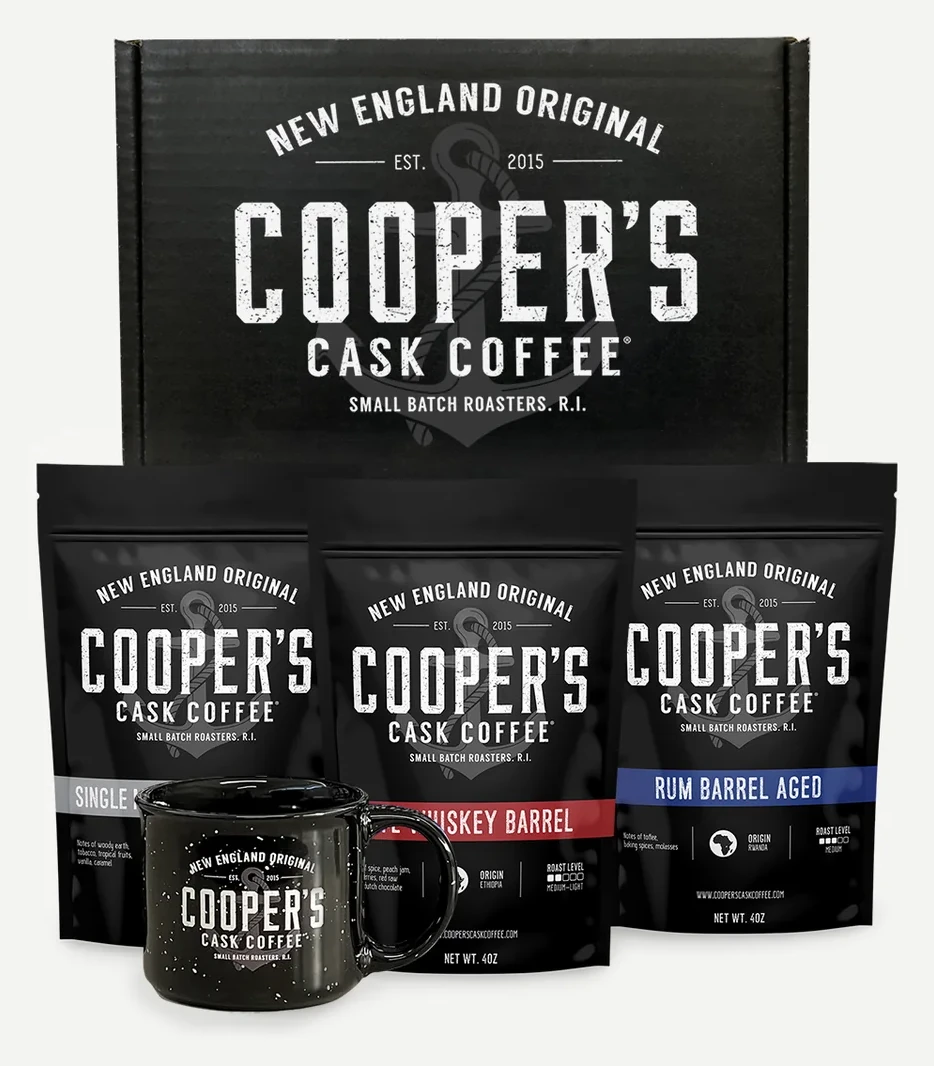 Cooper's CaskBarrel Aged Box Set with Mug$138.01/kg5.5
How it scored
Variety & How Well It Introduces the Range7.0Value Against Buying the Bags Separately3.0Presentation & Gift Readiness10.0Freshness & Roast Date Transparencyweakest link0.0ships after roast not publishedcarries 14 of the 71.2 points scoredPrice per kg$138.01Score5.5Box priceFrom $46.95Tasting NotesEarthy & woody to ChocolateRoast LevelVaries by coffeeOriginSumatra to RwandaPrice per Kilo138.01USD/kgRead the Cooper's Cask Barrel Aged Box Set with Mug review →8
 Coffee RoastersSpirit Origin Coffee5.4Coffees reviewed3Average score5.4Price per kilofrom $56.47Tasting NotesCitrus to Tropical fruitOriginHondurasPrice per Kilo56.47USD/kgRead the Spirit Origin Coffee review →
9
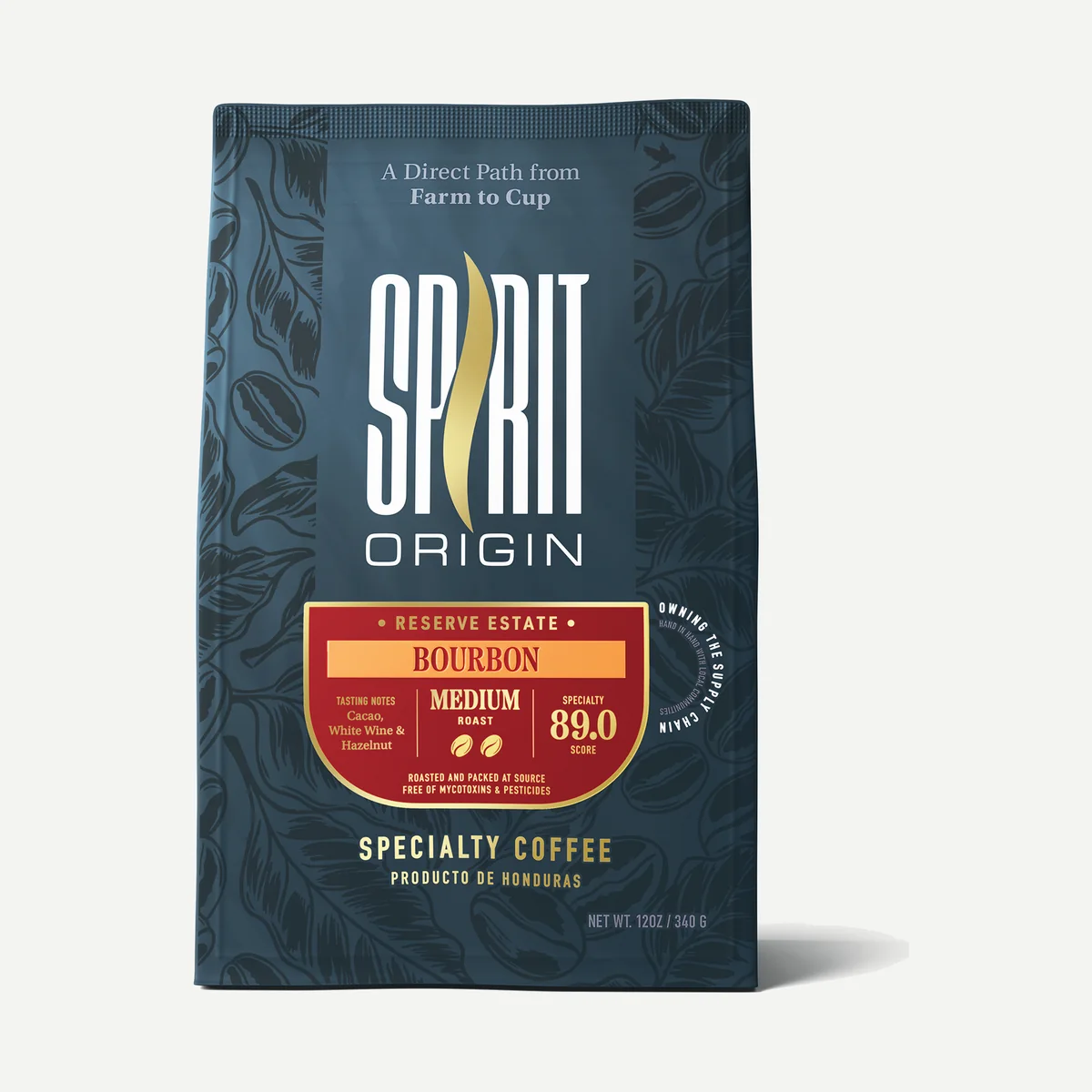 Coffee BeansSpirit Origin Montecillos Bourbon Natural$84.71/kg5.2
How it scored
Freshness & Roast Date Transparency5.0Sourcing Transparency & Ethics6.8altitude and varietals not scoredValue Per Kiloweakest link3.3carries 14 of the 45.8 points scoredPackaging & Freshness Retention8.0packaging not scoredPrice per kg$84.71Score5.2Box priceFrom $36Tasting NotesChocolate to NuttyRoast LevelMediumSingle Origin or BlendSingle originOriginHondurasRead the Spirit Origin Montecillos Bourbon Natural review →10
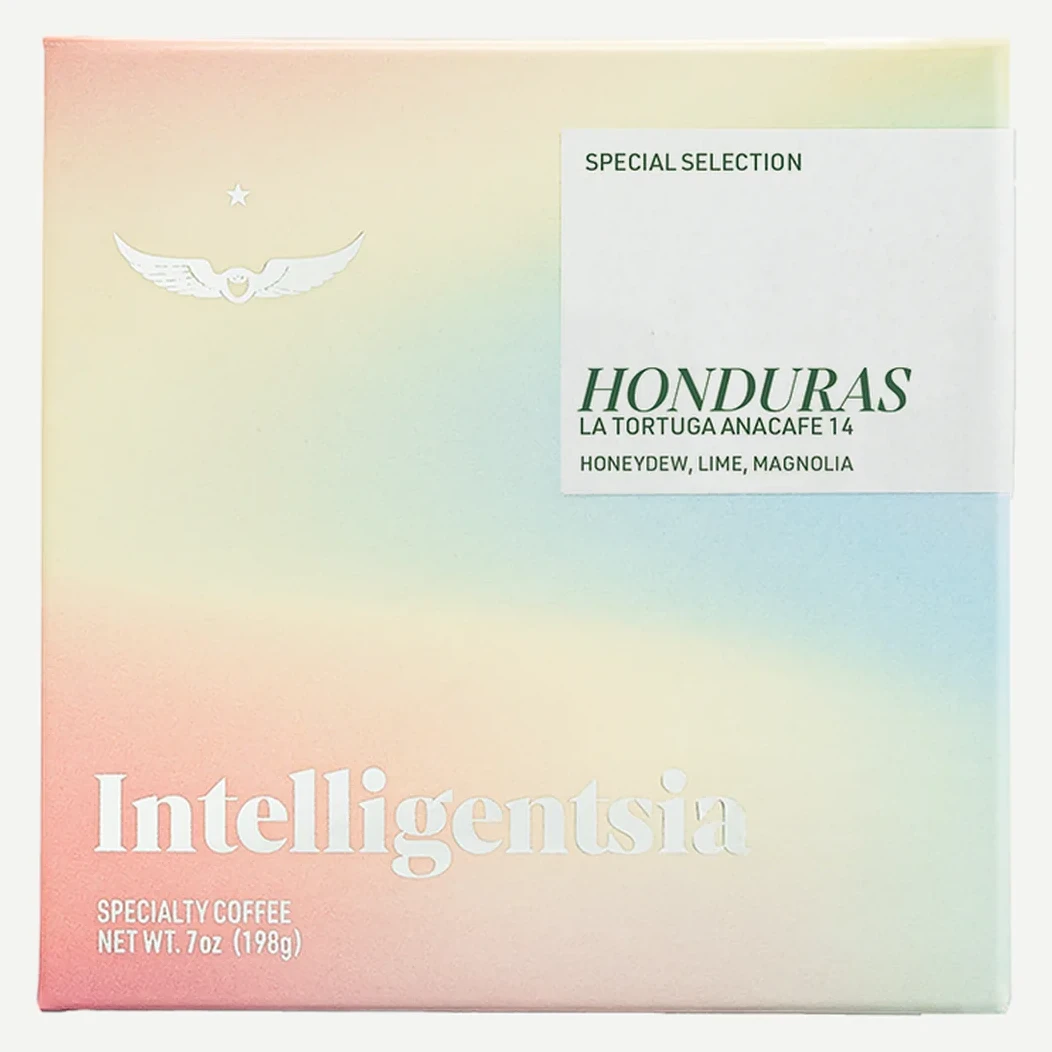 IntelligentsiaHonduras La Tortuga Anacafe 14$126.26/kg3.9
How it scored
Freshness & Roast Date Transparency4.3Sourcing Transparency & Ethics5.0altitude not published; varietals not scoredValue Per Kiloweakest link1.7carries 14 of the 45.8 points scoredPackaging & Freshness Retention6.0packaging not publishedPrice per kg$126.26Score3.9Box priceFrom $25Tasting NotesTropical fruit to FloralRoast LevelMedium-lightSingle Origin or BlendSingle originOriginHondurasRead the Intelligentsia Honduras La Tortuga Anacafe 14 review →11
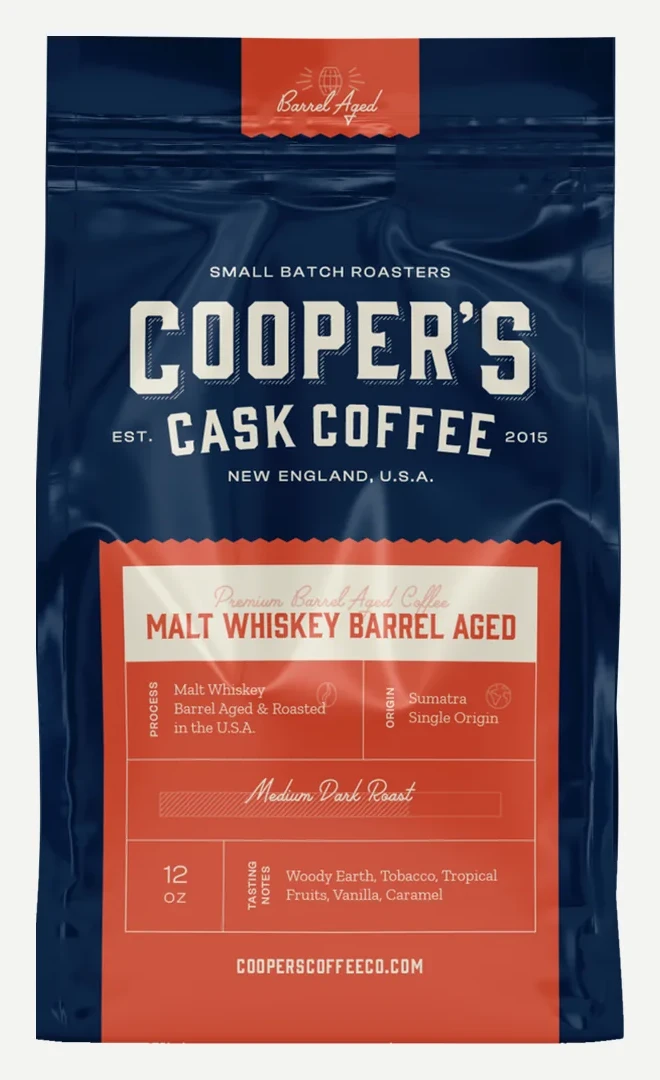 Cooper's CaskMalt Whiskey Barrel Aged$61.71/kg3.5
How it scored
Freshness & Roast Date Transparencyweakest link2.1carries 20 of the 45.8 points scoredSourcing Transparency & Ethics4.3altitude and varietals not publishedValue Per Kilo2.8Packaging & Freshness Retention8.0packaging not publishedPrice per kg$61.71Score3.5Box priceFrom $29.95Tasting NotesEarthy & woody to Caramel & toffeeRoast LevelMedium-darkSingle Origin or BlendSingle originOriginSumatraRead the Cooper's Cask Malt Whiskey Barrel Aged review →
About coffee with tropical fruit notes
Tropical fruit is the rarest note in coffee and usually the most expensive. Mango, pineapple, passionfruit, papaya and lychee are not what a coffee plant gives you by default, and when they appear it is almost always because somebody intervened in how the cherry was fermented.
How fermentation creates tropical fruit coffee
Beyond the traditional washed and natural methods sit anaerobic, carbonic maceration and extended fermentation processes, borrowed largely from winemaking. Cherries are sealed in tanks, sometimes with the gas controlled and the temperature managed, and the fermentation is pushed much further than convention allows. That is what produces flavours nobody associates with coffee at all.
When tropical fruit coffee goes from remarkable to wrong
Pushed carefully, the result is a cup that genuinely tastes of pineapple. Pushed too far, it tastes of vinegar, solvent or overripe fruit going off. There is no industry standard for any of these processes, so the variation between roasters is enormous and the price is not a guarantee.
Why tropical fruit coffee costs so much
These are small lots, they need equipment and monitoring most farms do not have, and the failure rate is high. That is a real cost rather than a marketing one. It also means availability is unpredictable: a coffee you liked is often simply gone next season, which is the nature of the thing rather than a supply problem.
Brewing tropical fruit coffee: light roast and filter
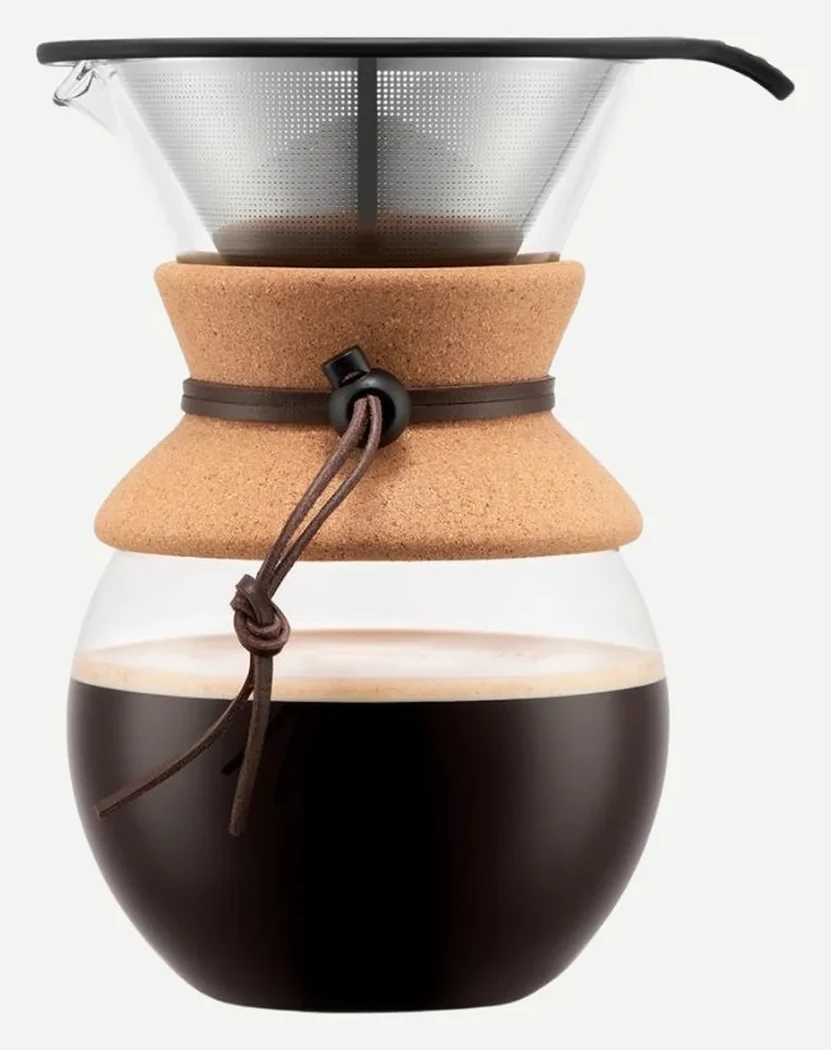
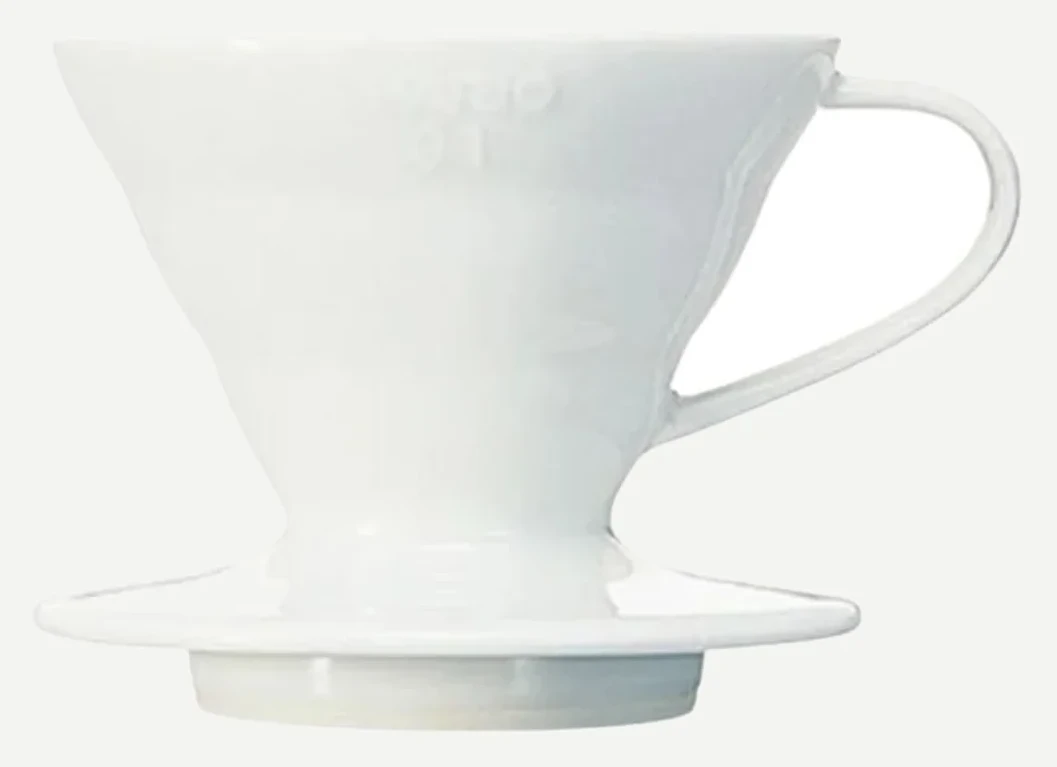
Everything you are paying for lives in aromatics that heat destroys. These are light-roast coffees, they want pour over and a paper filter, and they want water a little off the boil. Putting one through a moka pot or into milk wastes the entire premium.
Who tropical fruit coffee is for
Somebody who already knows they like fruity coffee and wants to go further, and who is comfortable buying something that may not be repeatable. If you are not there yet, stone fruit and berry are the same direction at a fraction of the price and with far less variance.
Frequently asked questions about coffee with tropical fruit notes
What makes coffee taste like tropical fruit?
Experimental fermentation, almost always. Anaerobic, carbonic maceration and extended fermentation methods borrowed from winemaking push the cherry much further than washed or natural processing does, producing flavours nobody associates with coffee.
Why is tropical fruit coffee so expensive?
Small lots, equipment and monitoring most farms do not have, and a high failure rate. The cost is real rather than positioning. It also means availability is unpredictable and a coffee you liked may simply not exist next season.
Is tropical fruit coffee flavoured?
No, though it tastes strong enough that people assume so. The flavour comes from how the cherry was fermented before the bean was ever roasted. A flavoured coffee would say so and would taste sweeter and more uniform.