Barrel-aged and winey coffee
Beans rested in emptied whiskey, rum or wine barrels before roasting, taking on the spirit without the alcohol. A deliberate process rather than a growing character, and one of the few notes on this site that a roaster chooses outright.
6 products
The best barrel-aged and winey coffee, ranked
ranked by the average score of each roaster's coffeesOpen a row for details1
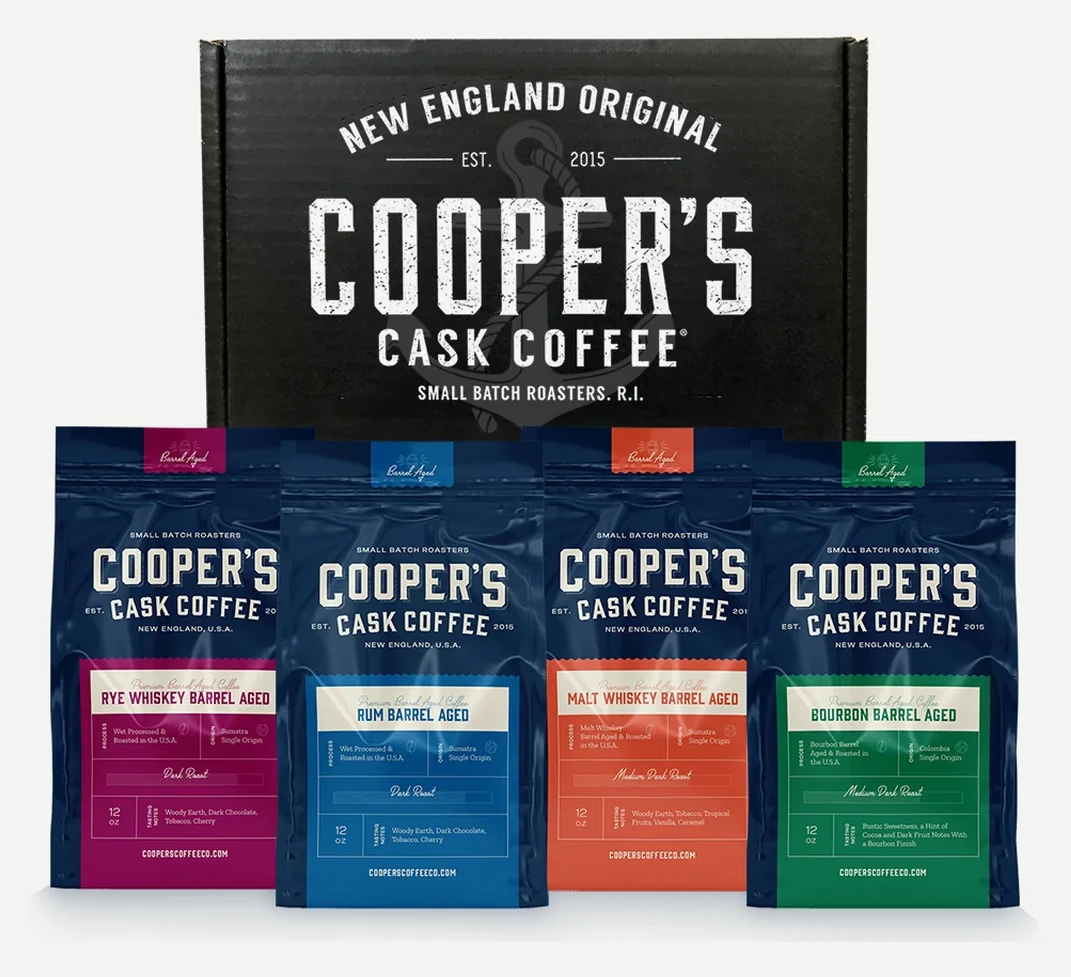 Cooper's CaskBarrel Aged Box Set 48oz$73.45/kg7.1
How it scored
Variety & How Well It Introduces the Range8.7Value Against Buying the Bags Separately6.0Presentation & Gift Readiness10.0Freshness & Roast Date Transparencyweakest link0.0ships after roast not publishedcarries 14 of the 71.2 points scoredPrice per kg$73.45Score7.1Box priceFrom $99.95Read the Cooper's Cask Barrel Aged Box Set 48oz review →2
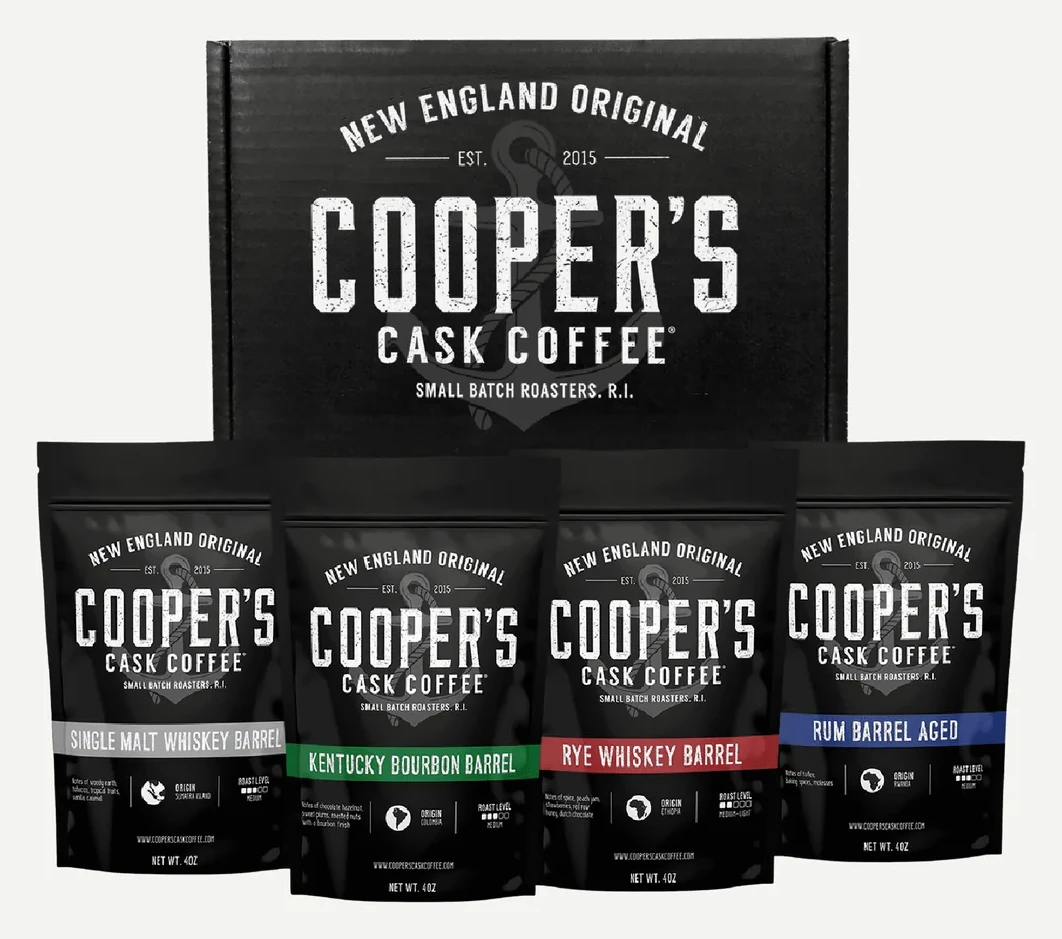 Cooper's CaskBarrel Aged Box Set$88.07/kg6.5
How it scored
Variety & How Well It Introduces the Range9.0Value Against Buying the Bags Separately4.0Presentation & Gift Readiness10.0Freshness & Roast Date Transparencyweakest link0.0ships after roast not publishedcarries 14 of the 71.2 points scored3
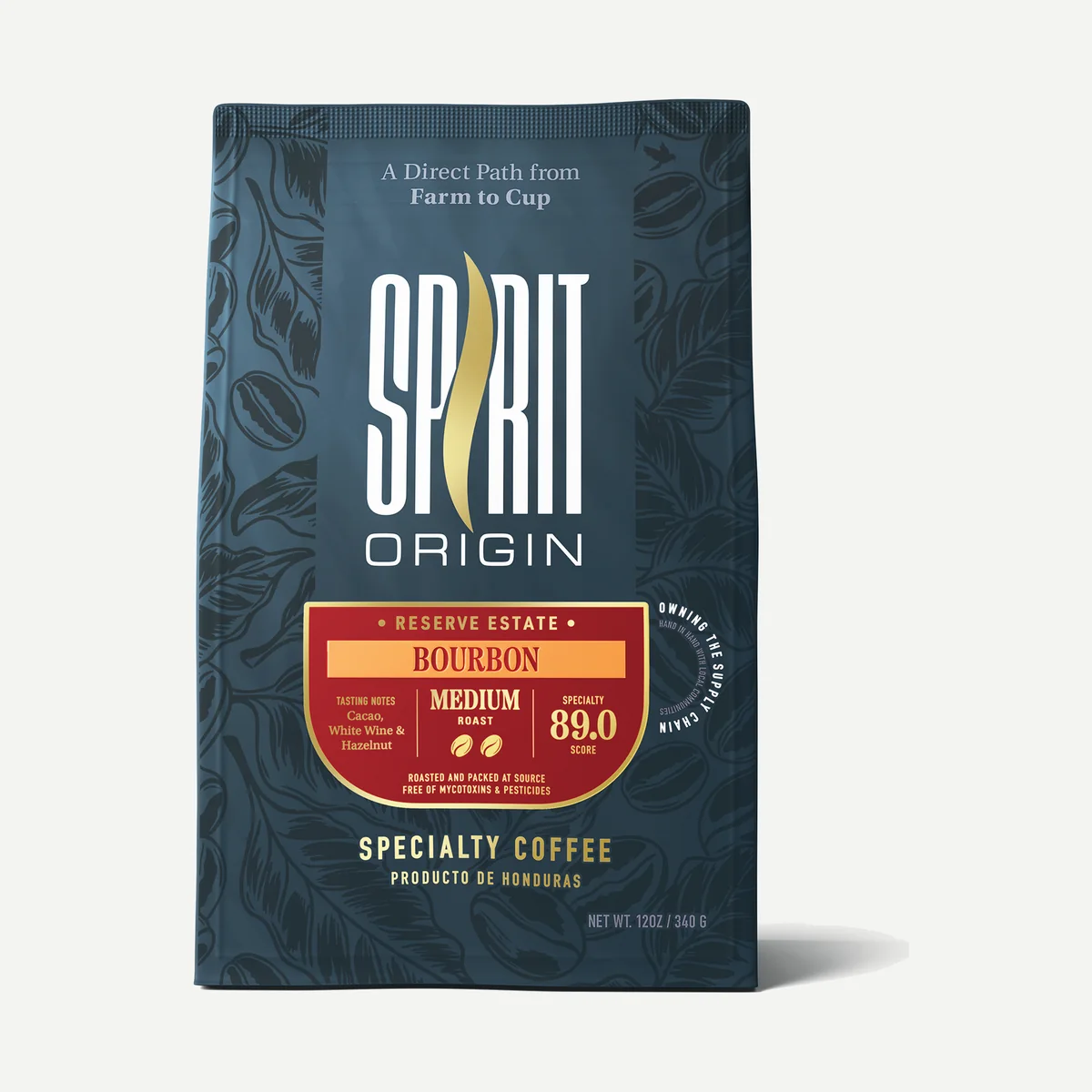 Coffee BeansSpirit Origin Montecillos Bourbon Natural$84.71/kg5.2
How it scored
Freshness & Roast Date Transparency5.0Sourcing Transparency & Ethics6.8altitude and varietals not scoredValue Per Kiloweakest link3.3carries 14 of the 45.8 points scoredPackaging & Freshness Retention8.0packaging not scoredPrice per kg$84.71Score5.2Box priceFrom $36Read the Spirit Origin Montecillos Bourbon Natural review →4
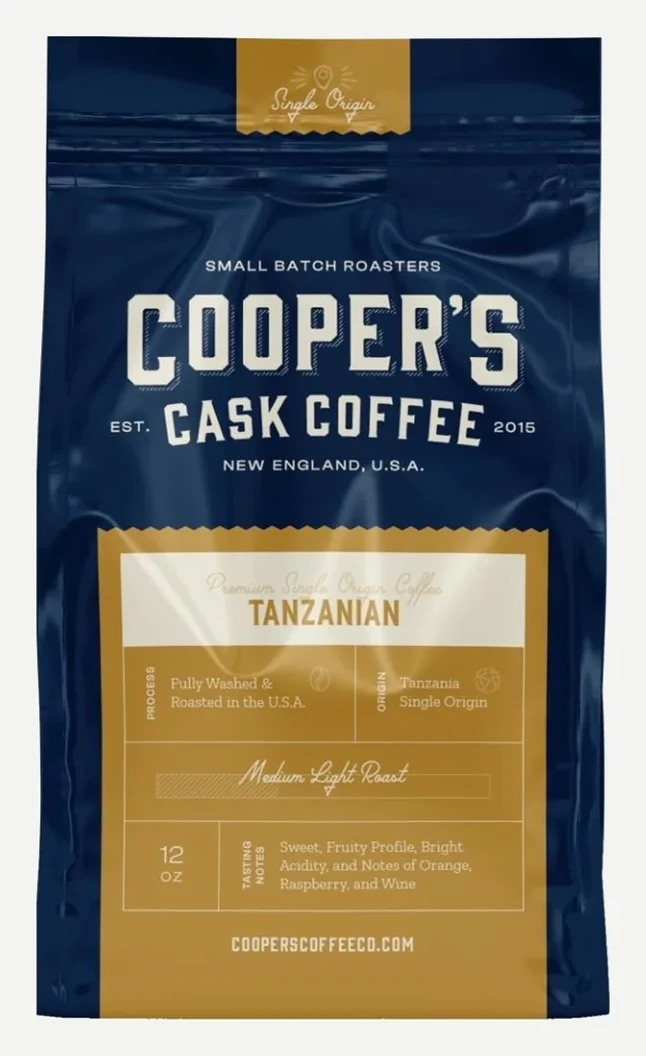 Cooper's CaskTanzania Peaberry Medium Light Roast$35.25/kg4.1
How it scored
Freshness & Roast Date Transparencyweakest link2.1carries 20 of the 45.8 points scoredSourcing Transparency & Ethics4.3altitude and varietals not publishedValue Per Kilo4.9Packaging & Freshness Retention8.0packaging not publishedPrice per kg$35.25Score4.1Box priceFrom $18.95Read the Cooper's Cask Tanzania Peaberry Medium Light Roast review →5
 Coffee RoastersCooper’s Cask Coffee3.9
6
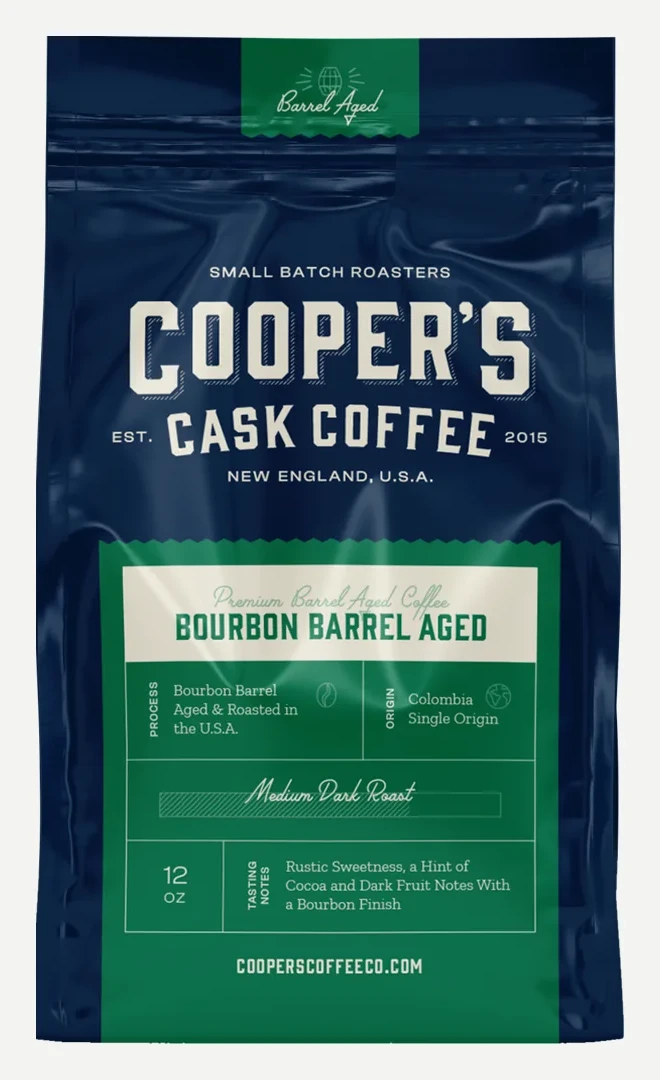 Cooper's CaskBourbon Barrel Aged$61.71/kg3.5
How it scored
Freshness & Roast Date Transparencyweakest link2.1carries 20 of the 45.8 points scoredSourcing Transparency & Ethics4.3altitude and varietals not publishedValue Per Kilo2.8Packaging & Freshness Retention8.0packaging not published
About barrel-aged and winey coffee
Barrel-aged coffee is green coffee rested inside a barrel that recently held whiskey, rum, bourbon or wine, absorbing the spirit's aroma from the wood before it is roasted. It is one of the few flavours on this site that a roaster chooses outright rather than finds in a lot, and it is deliberate rather than accidental.
How barrel-aged coffee is made
The barrel is emptied but not dried, so the staves still hold spirit. Green beans go in, are turned regularly over days or weeks so the exposure is even, and take on aroma from the wood. Then they are roasted as normal. The roasting is what makes the difference between a coffee that tastes of oak and vanilla and one that just smells like a distillery: heat drives off the volatile part and leaves the structure behind.
Is there alcohol in barrel-aged coffee?
The quantity absorbed is tiny to begin with, and roasting at well over 200C removes what there was. A barrel-aged coffee is not an alcoholic drink and does not need to be treated as one. What survives is aroma: oak, vanilla, caramel and a winey edge.
What whiskey, rum and wine barrels give barrel-aged coffee
Bourbon and rye lean toward vanilla, oak and caramel. Rum brings a heavier molasses sweetness. Wine barrels, particularly red, push toward berry flavours and a tannic dryness that some people read as the coffee being sour. None of this is standardised, so the barrel named on the bag is a better guide than the tasting note beside it.
Is barrel-aged coffee higher quality?
Worth saying plainly, because the price often implies otherwise. Ageing a mediocre coffee in an expensive barrel produces a mediocre coffee that smells of whiskey. The good ones start from a lot worth drinking on its own, and a roaster who names the origin as well as the barrel is telling you they did. Single origin coffees are where that information usually appears.
How to brew barrel-aged coffee
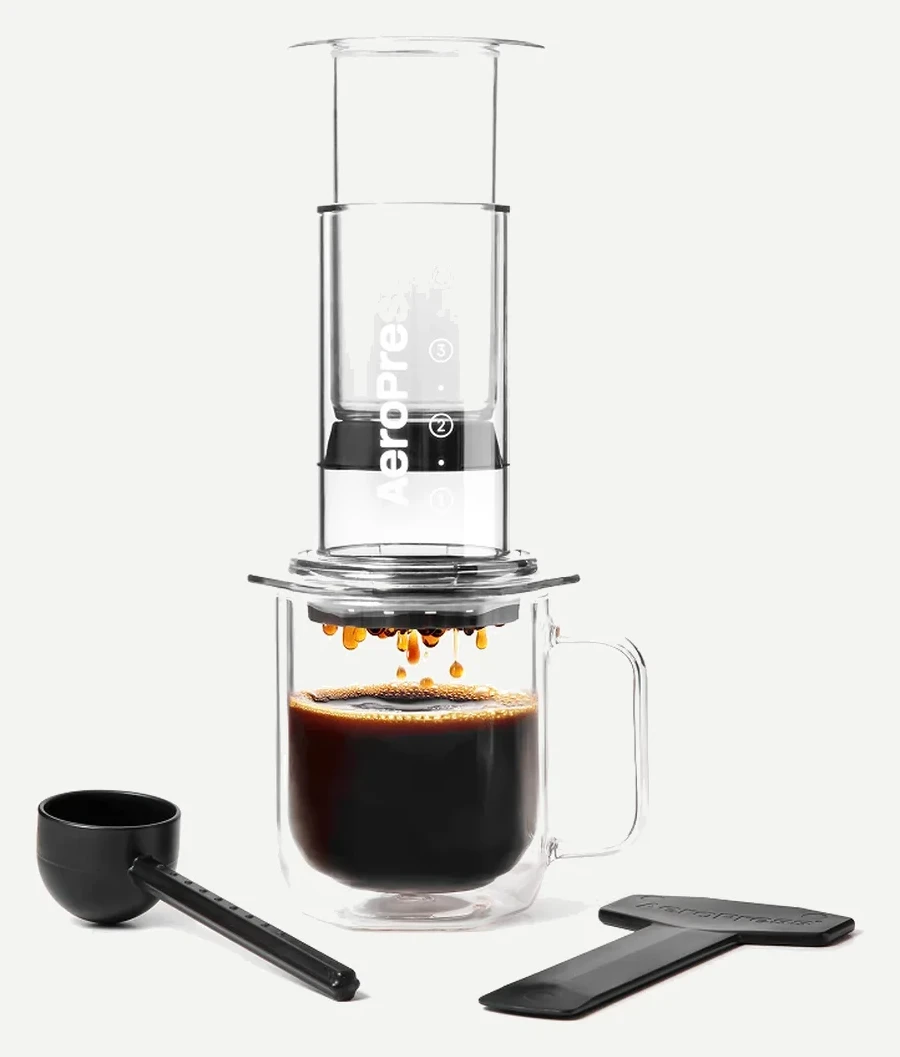
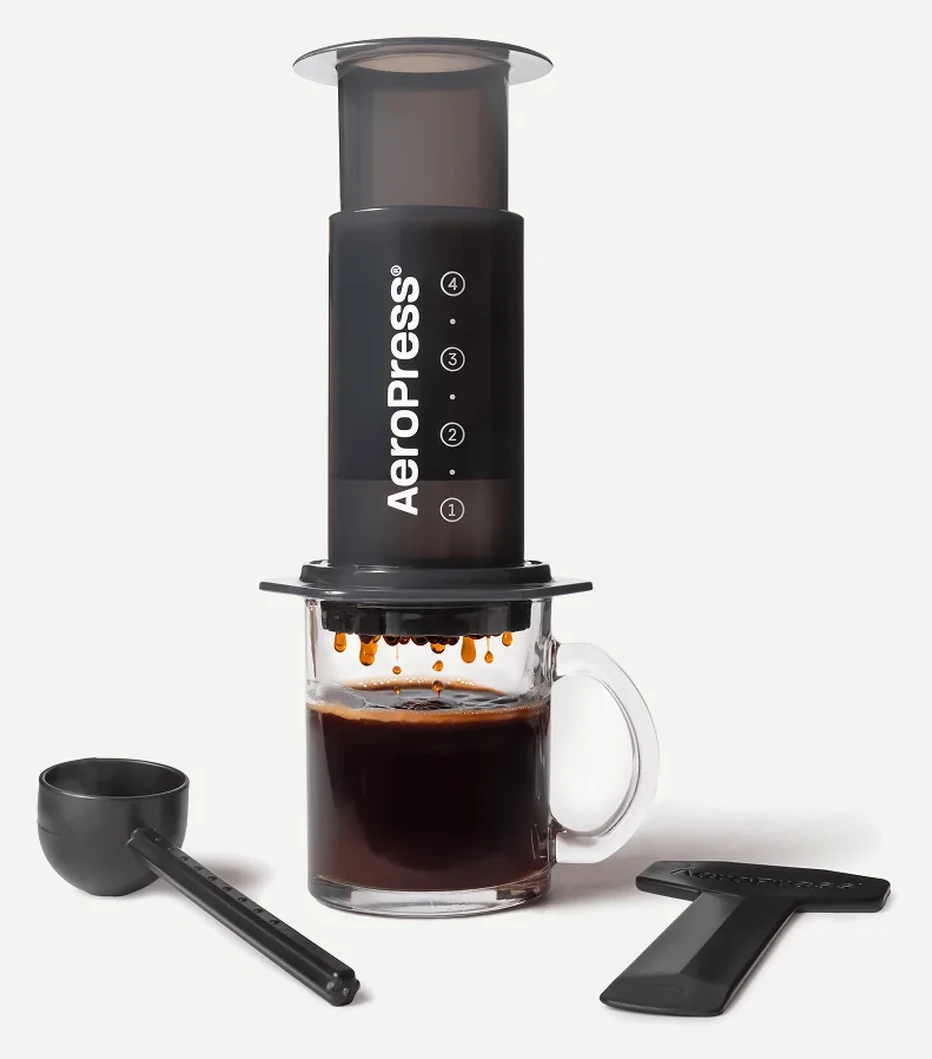
Medium roasts and immersion suit these best: a press pot or a longer steep gives the aroma room to come through. They also make an unusually good gift, because the barrel is a story that survives being explained.
Frequently asked questions about barrel-aged and winey coffee
Does barrel-aged coffee contain alcohol?
No. The amount absorbed from the wood is tiny to begin with, and roasting at well over 200C removes it. What remains is aroma: oak, vanilla, caramel and a winey edge.
How is barrel-aged coffee made?
Green, unroasted beans are rested inside a recently emptied spirit or wine barrel whose staves still hold liquid, turned regularly over days or weeks so the exposure is even, then roasted as normal. The roasting is what turns a distillery smell into a flavour.
Is barrel-aged coffee worth the price?
It depends entirely on the coffee underneath. Ageing a mediocre lot in an expensive barrel produces a mediocre coffee that smells of whiskey. A roaster who names the origin as well as the barrel is telling you they started with something worth drinking.