Best Espresso Machines Under $500
The best espresso machine under $500 depends on how much of the work you want to do yourself, because the cheapest machines and the ones that pull a proper shot are not the same thing. The choice comes down to basket type, how the water is heated, and how you want to steam milk. This page ranks every espresso machine under $500 on the same criteria, with a comparison of what each budget band buys.
How this list is ordered
Ranked by arithmetic, not opinion. Every score is worked out from the specifications each maker publishes, so you can open the working on any product page. Anything commercial is labelled and sits outside that order, and how we score explains what each criterion measures.
Espresso Machines Under $500, ranked by score
scored on what the maker publishesOpen a row for the score working1
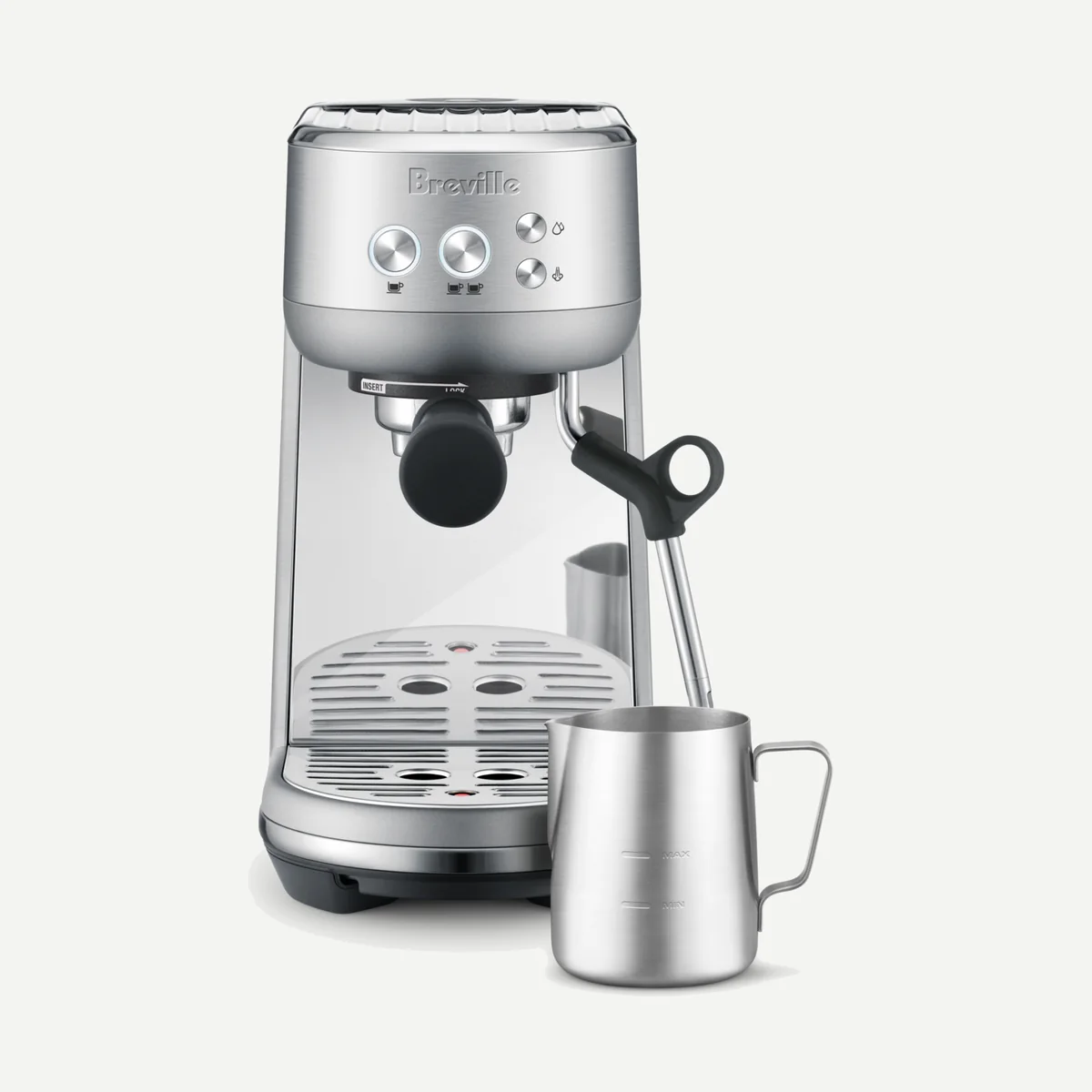 BrevilleBambino BES450From $299.957.6
How it scored
Shot Quality & Extraction9.4Steam Power & Milk Texturing6.9Build Quality & Durability6.4Ease of Use & Learning Curveweakest link3.5carries 12 of the 81.8 points scoredMaintenance & Cleaning8.3plumbable and bottomless not publishedWorkflow & Ergonomics8.1Value for Money10.0Price from$299.95Score7.6Machine TypeSemi-automaticBuilt-in GrinderNoAutomatic MilkNoBody MaterialStainless steelRead the Breville Bambino BES450 review →2
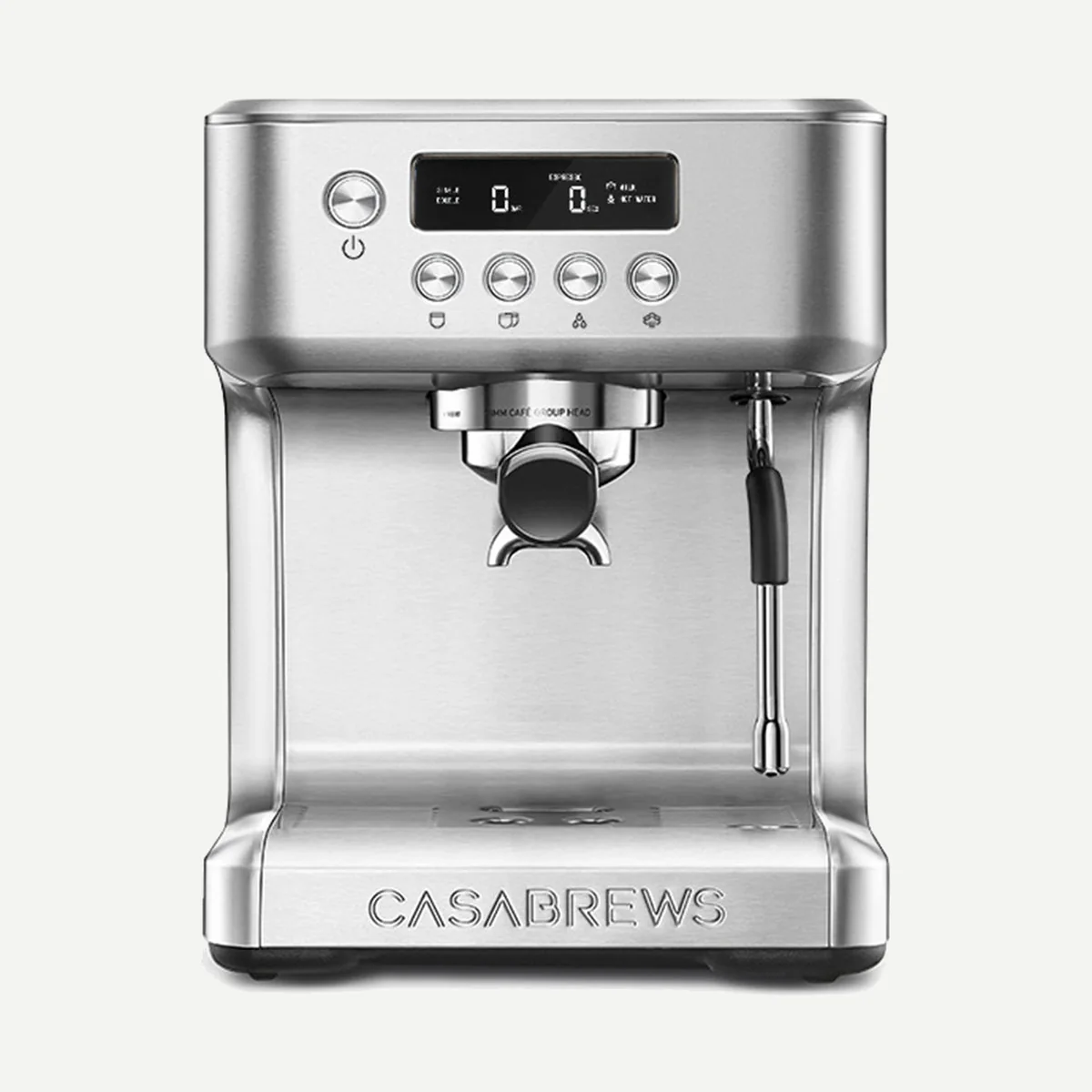 CASABREWSULTRA PROFrom $299.997.3
How it scored
Shot Quality & Extraction8.4Steam Power & Milk Texturing6.2Build Quality & Durability5.3Ease of Use & Learning Curveweakest link4.1carries 12 of the 81.8 points scoredMaintenance & Cleaning7.5bottomless not published; plumbable not scoredWorkflow & Ergonomics10.0Value for Money10.0Price from$299.99Score7.3Machine TypeSemi-automaticBuilt-in GrinderNoAutomatic MilkNoRead the CASABREWS ULTRA PRO review →3
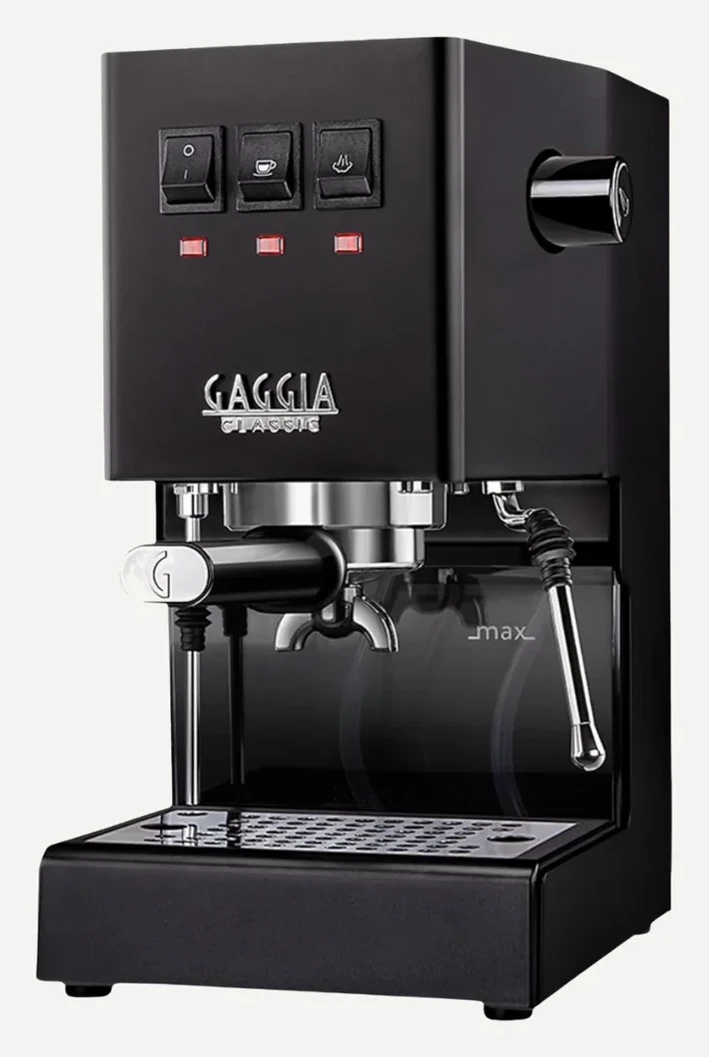 GaggiaClassic Evo Pro RI9380/49From $4996.9
How it scored
Shot Quality & Extraction6.2Steam Power & Milk Texturing6.2Build Quality & Durability7.8Ease of Use & Learning Curveweakest link4.1carries 12 of the 81.8 points scoredMaintenance & Cleaning9.2plumbable and bottomless not publishedWorkflow & Ergonomics6.2Value for Money9.2Price from$499Score6.9Machine TypeSemi-automaticBuilt-in GrinderNoAutomatic MilkNoBody MaterialSolid steel housing with brass, Stainless steelRead the Gaggia Classic Evo Pro RI9380/49 review →4
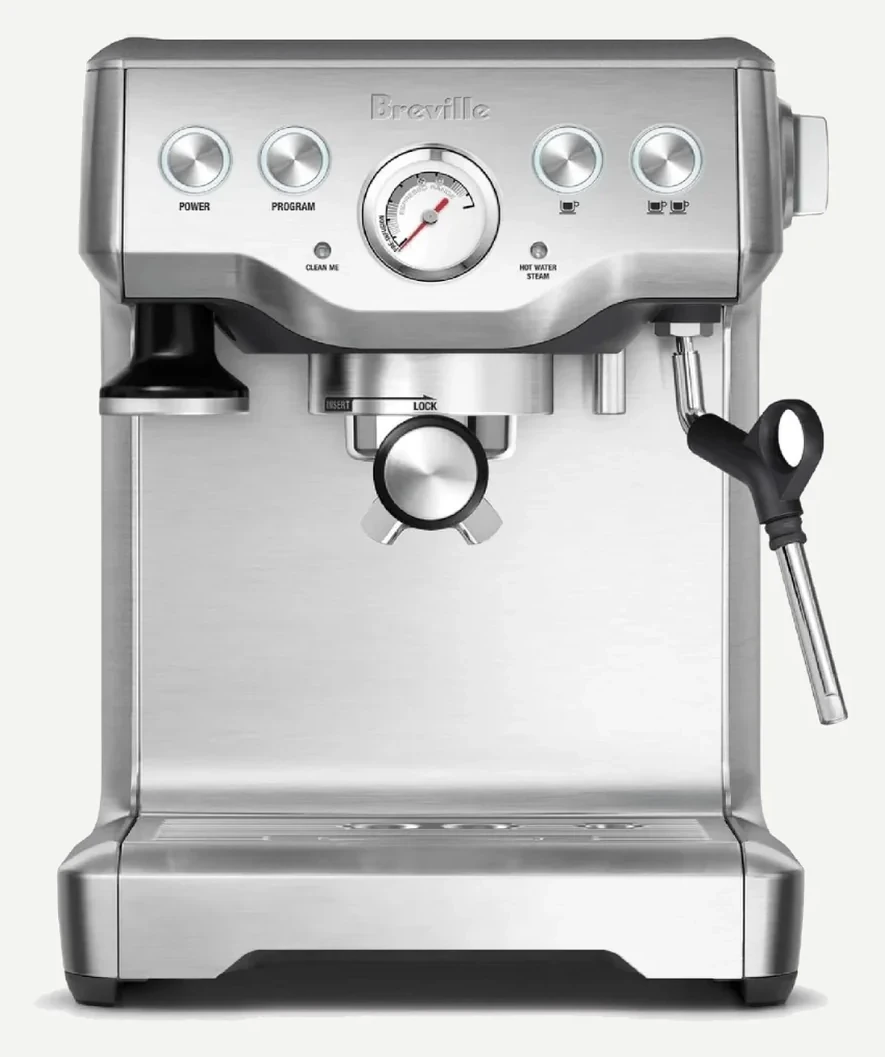 BrevilleInfuser BES840XLFrom $336.506.7
How it scored
Shot Quality & Extraction7.8Steam Power & Milk Texturing6.2Build Quality & Durability7.6Ease of Use & Learning Curveweakest link2.9carries 12 of the 81.8 points scoredMaintenance & Cleaning5.8plumbable and bottomless not publishedWorkflow & Ergonomics5.6Value for Money10.0Price from$336.50Score6.7Machine TypeSemi-automaticBuilt-in GrinderNoAutomatic MilkNoBody MaterialStainless steelRead the Breville Infuser BES840XL review →5
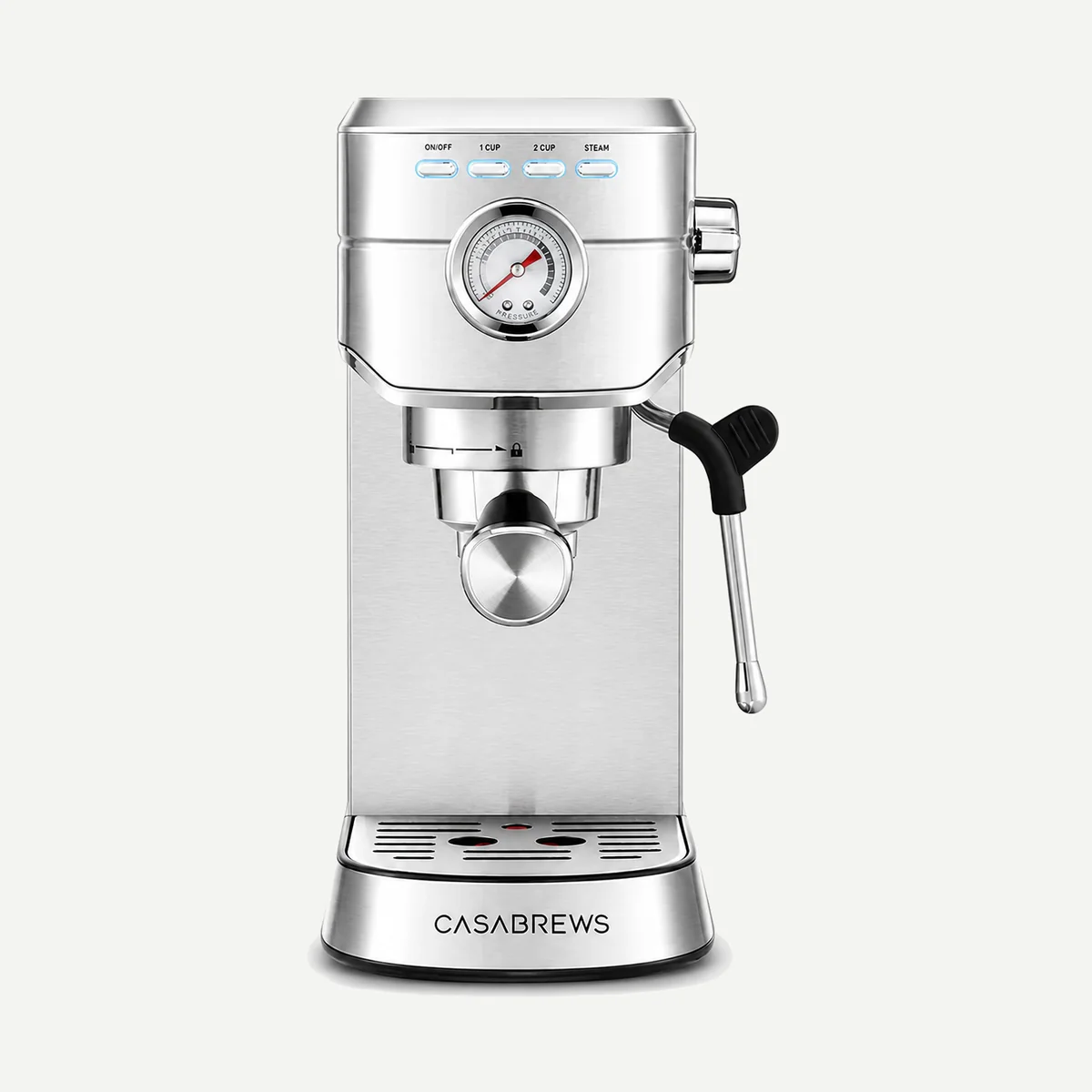 CASABREWSCM5418From $139.996.6
How it scored
Shot Quality & Extraction7.8Steam Power & Milk Texturing5.0Build Quality & Durability7.0Ease of Use & Learning Curveweakest link3.5carries 12 of the 81.8 points scoredMaintenance & Cleaning5.8bottomless not published; plumbable not scoredWorkflow & Ergonomics6.2Value for Money10.0Price from$139.99Score6.6Machine TypeSemi-automaticBuilt-in GrinderNoAutomatic MilkNoBody MaterialStainless steelRead the CASABREWS CM5418 review →6
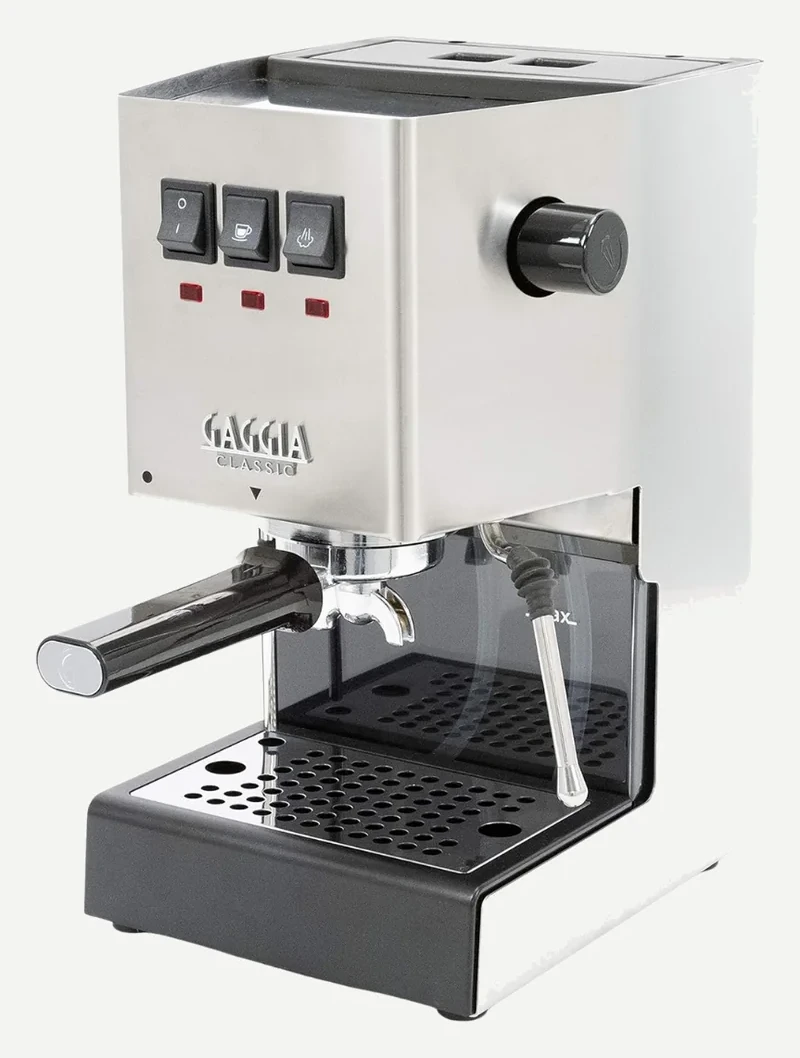 GaggiaE24 RI9380/46 Espresso MachineFrom $4496.5
How it scored
Shot Quality & Extraction6.2Steam Power & Milk Texturing5.6Build Quality & Durability7.2Ease of Use & Learning Curveweakest link2.9carries 12 of the 81.8 points scoredMaintenance & Cleaning7.5plumbable and bottomless not publishedWorkflow & Ergonomics6.9Value for Money9.4Price from$449Score6.5Machine TypeSemi-automaticBuilt-in GrinderNoAutomatic MilkNoBody MaterialSolid steel housingRead the Gaggia E24 RI9380/46 Espresso Machine review →7
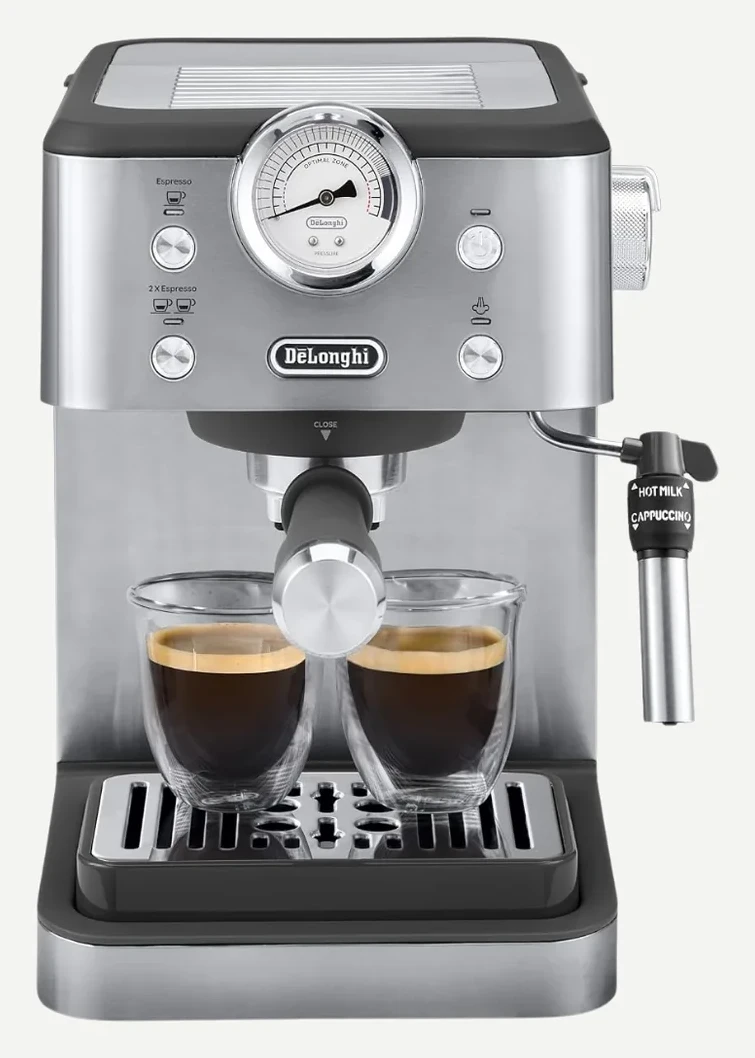 De'LonghiClassic Signature Espresso MachineFrom $224.996.3
How it scored
Shot Quality & Extraction5.0Steam Power & Milk Texturing5.0Build Quality & Durability7.2Ease of Use & Learning Curveweakest link3.5carries 12 of the 81.8 points scoredMaintenance & Cleaning7.5plumbable and bottomless not publishedWorkflow & Ergonomics6.9Value for Money10.0Price from$224.99Score6.3Machine TypeSemi-automaticBuilt-in GrinderNoAutomatic MilkNoBody MaterialStainless steelRead the De'Longhi Classic Signature Espresso Machine review →8
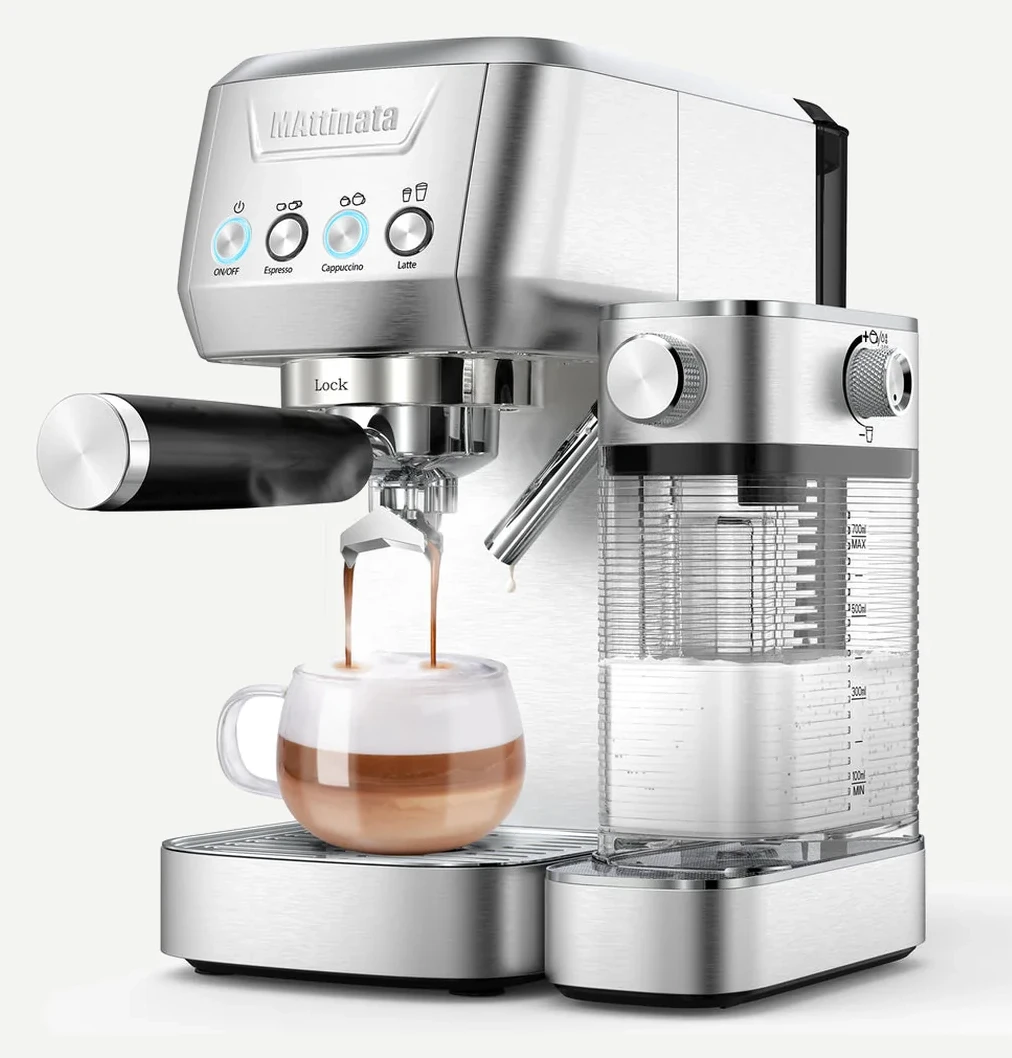 Mattino ProMattinata Espresso MachineFrom $159.996.3
How it scored
Shot Quality & Extraction5.0Steam Power & Milk Texturing5.6Build Quality & Durabilityweakest link4.8carries 16 of the 81.8 points scoredEase of Use & Learning Curve6.2Maintenance & Cleaning8.3plumbable not published; bottomless not scoredWorkflow & Ergonomics6.9Value for Money10.0Price from$159.99Score6.3Machine TypeSemi-automaticAutomatic MilkYesRead the Mattino Pro Mattinata Espresso Machine review →9
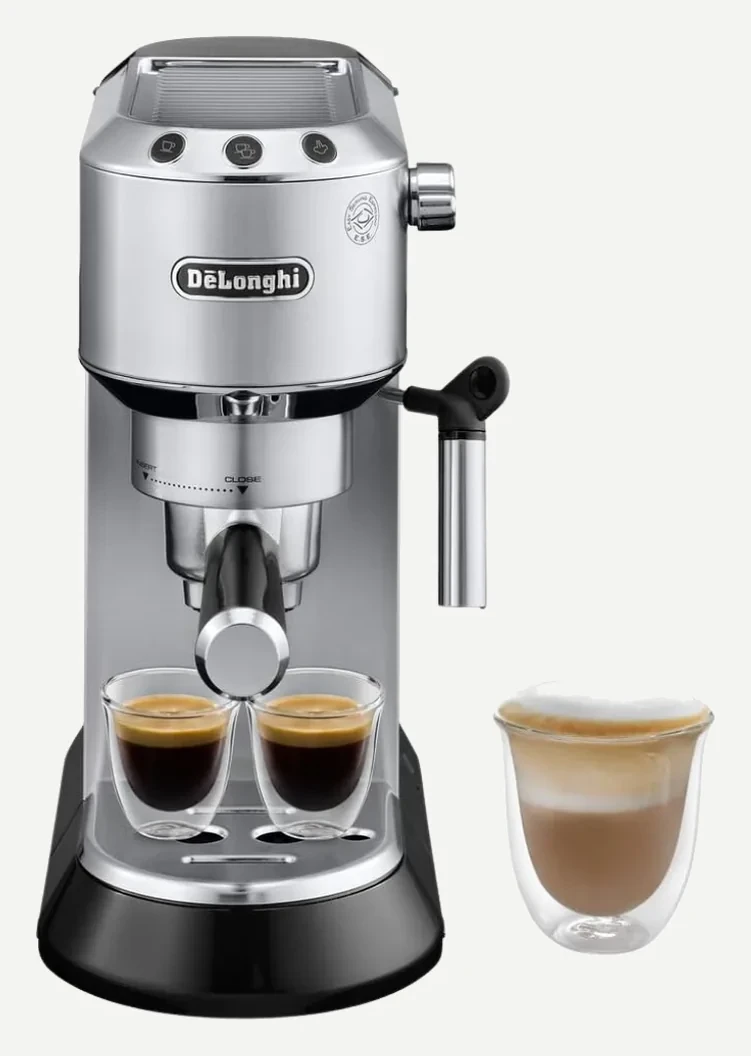 De'LonghiDedica EC680MFrom $149.956.0
How it scored
Shot Quality & Extraction5.0Steam Power & Milk Texturing6.2Build Quality & Durability6.7Ease of Use & Learning Curveweakest link2.9carries 12 of the 81.8 points scoredMaintenance & Cleaning6.7plumbable and bottomless not publishedWorkflow & Ergonomics5.0Value for Money10.0Price from$149.95Score6.0Machine TypeSemi-automaticBuilt-in GrinderNoAutomatic MilkNoBody MaterialStainless steelRead the De'Longhi Dedica EC680M review →10
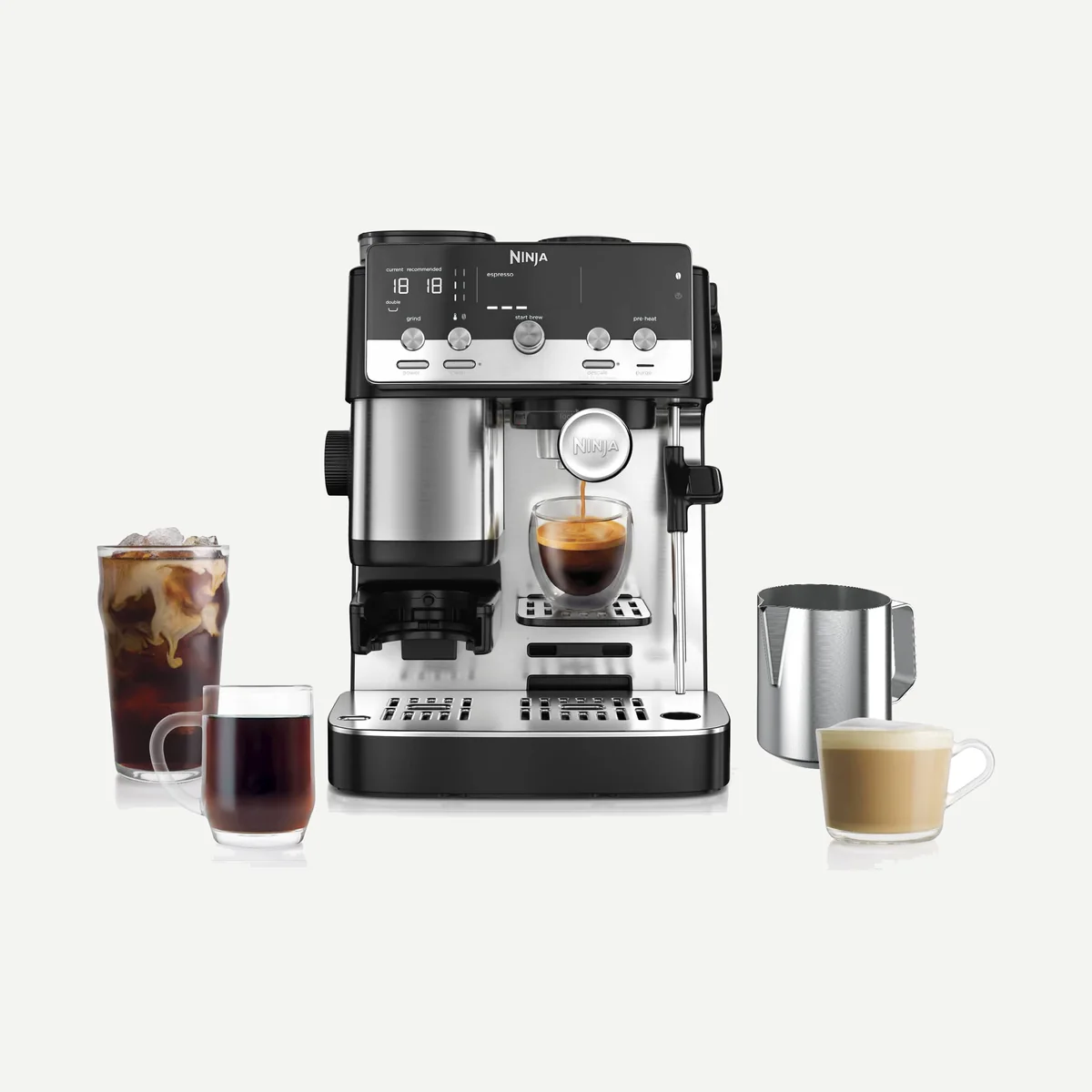 NinjaLuxe Café Mini ES301From $449.995.8
How it scored
Shot Quality & Extraction5.0Steam Power & Milk Texturing6.2Build Quality & Durability5.3Ease of Use & Learning Curveweakest link4.7carries 12 of the 81.8 points scoredMaintenance & Cleaning5.8plumbable and bottomless not publishedWorkflow & Ergonomics6.2Value for Money8.5Price from$449.99Score5.8Machine TypeSemi-automatic with built-in grinderBuilt-in GrinderYesAutomatic MilkNoRead the Ninja Luxe Café Mini ES301 review →11
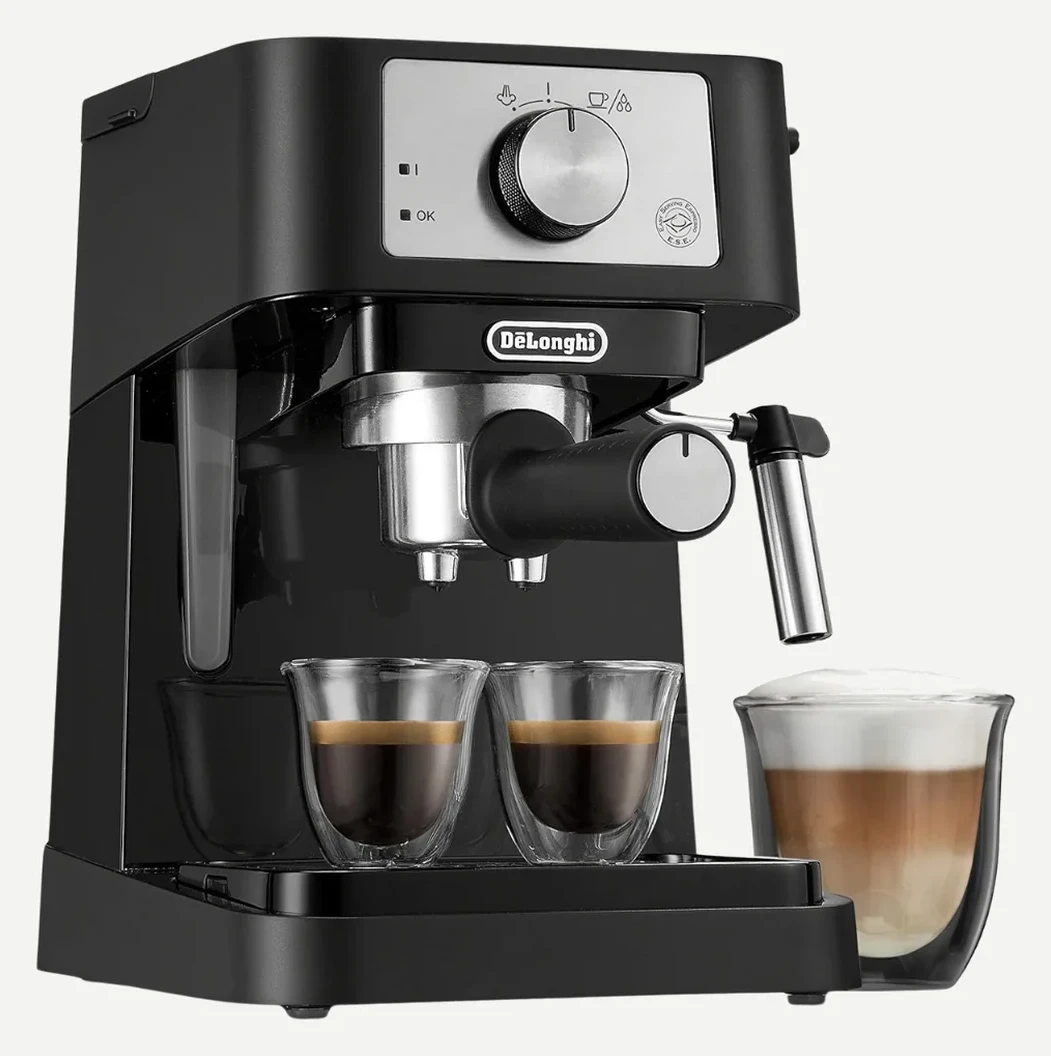 De'LonghiStilosa EC260BKFrom $104.995.7
How it scored
Shot Quality & Extraction5.0Steam Power & Milk Texturing5.0Build Quality & Durability6.4Ease of Use & Learning Curveweakest link2.9carries 12 of the 81.8 points scoredMaintenance & Cleaning5.8plumbable and bottomless not publishedWorkflow & Ergonomics5.0Value for Money10.0Price from$104.99Score5.7Machine TypeSemi-automaticBuilt-in GrinderNoAutomatic MilkNoBody MaterialStainless steel, PlasticRead the De'Longhi Stilosa EC260BK review →12
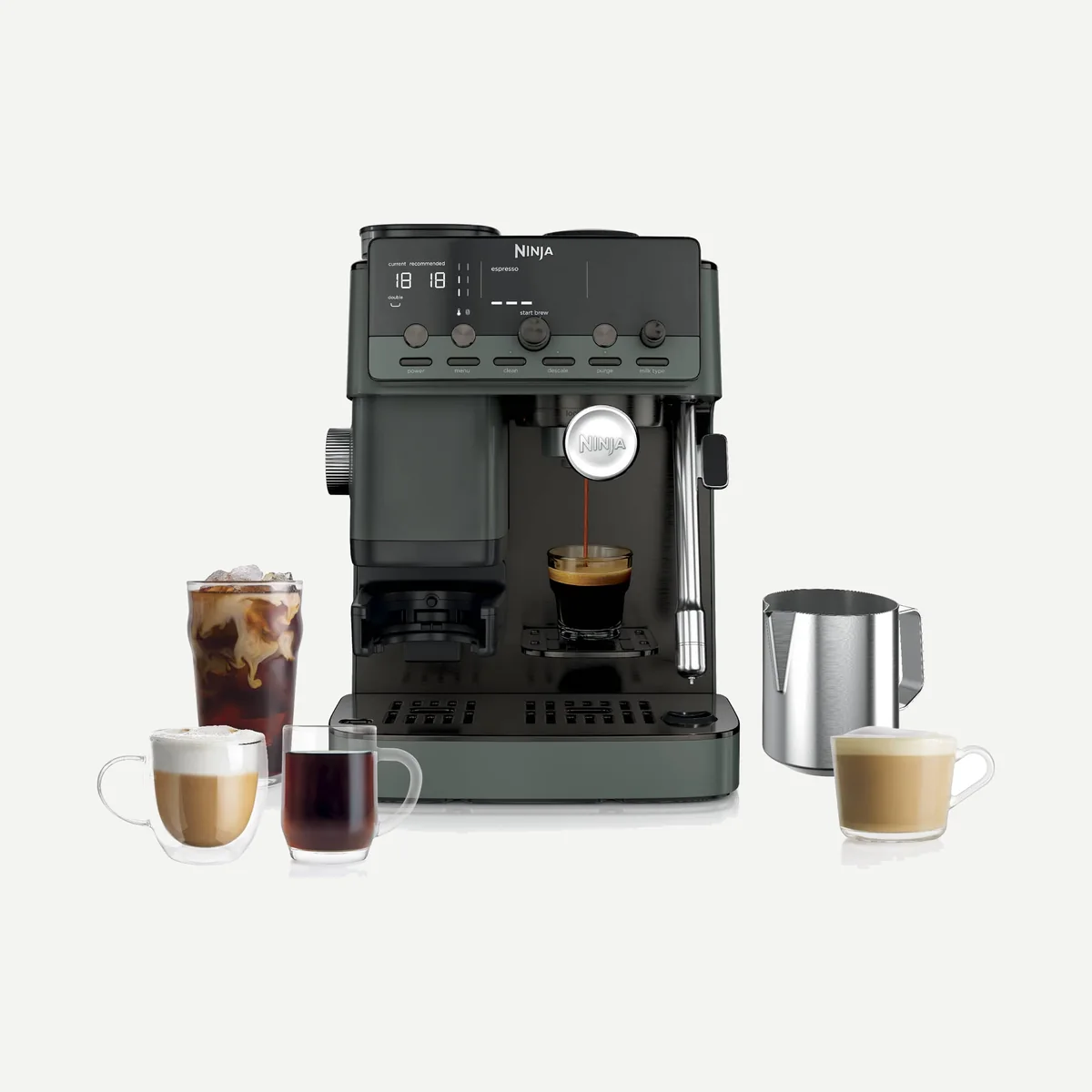 NinjaLuxe Café Mini Plus AutoFroth ES351From $499.995.7
How it scored
Shot Quality & Extraction5.0Steam Power & Milk Texturing6.2Build Quality & Durabilityweakest link4.8carries 16 of the 81.8 points scoredEase of Use & Learning Curve7.1Maintenance & Cleaning5.0plumbable and bottomless not publishedWorkflow & Ergonomics5.0Value for Money7.7Price from$499.99Score5.7Machine TypeSemi-automatic with built-in grinderBuilt-in GrinderYesAutomatic MilkYesRead the Ninja Luxe Café Mini Plus AutoFroth ES351 review →13
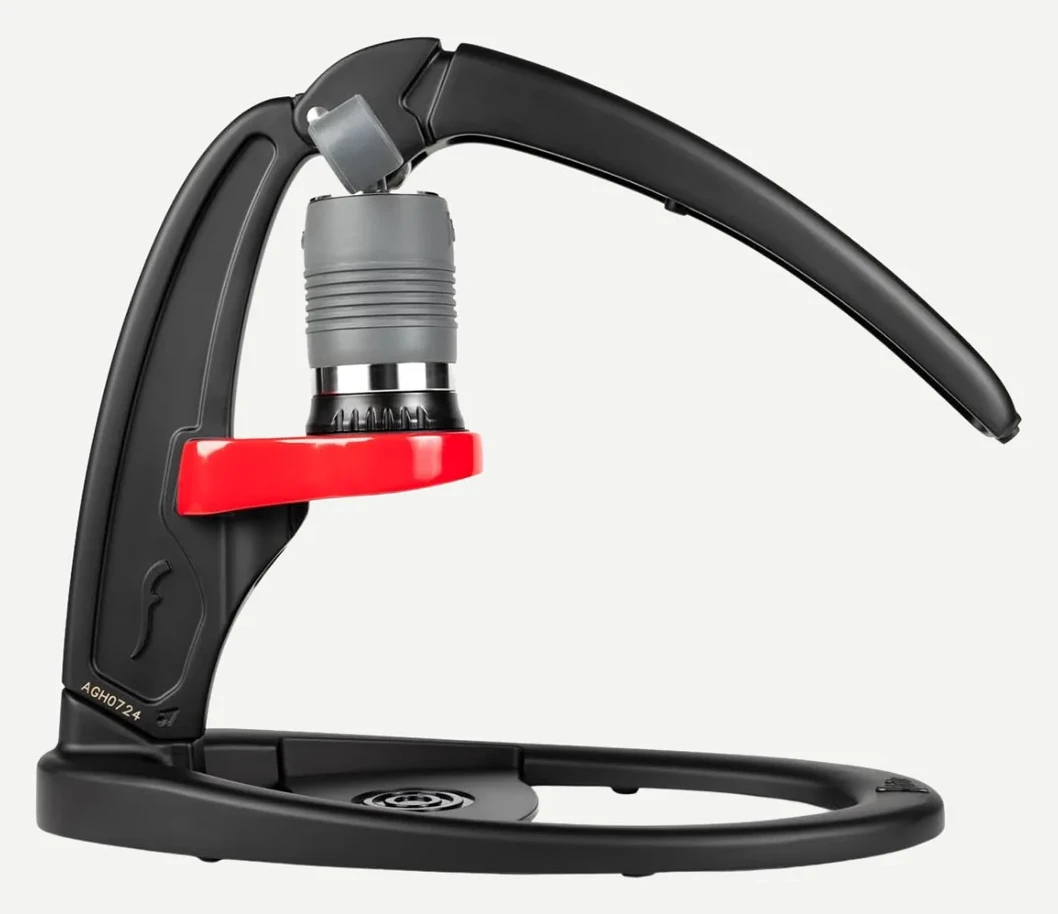 FlairClassic Manual Lever Espresso MakerFrom $1595.2
How it scored
Shot Quality & Extraction5.0Steam Power & Milk Texturing3.1Build Quality & Durability5.0Ease of Use & Learning Curveweakest link2.4carries 12 of the 81.8 points scoredMaintenance & Cleaning5.0plumbable and bottomless not publishedWorkflow & Ergonomics6.9Value for Money10.0Price from$159Score5.2Machine TypeManual leverBuilt-in GrinderNoAutomatic MilkNoRead the Flair Classic Manual Lever Espresso Maker review →
What to know about Espresso Machines Under $500
Under $500 you can buy a machine that makes real espresso, but not one that does everything for you. Every machine on this page is semi-automatic or manual: you dose the coffee, tamp it and start the shot yourself. None has a grinder built in, so a separate grinder is part of the price. Our espresso machine category lists every machine we have reviewed, including those above this budget.
Pressurized vs non-pressurized baskets on an espresso machine under $500
A pressurized (dual wall) basket is forgiving and works with pre-ground coffee. A non-pressurized (single wall) basket gives better espresso but needs a fine, even grind and a consistent tamp. Many cheap machines lean on the first kind.
A pressurized basket has a small exit hole that builds back-pressure for you, so even stale or coarse grounds produce a thick, foamy shot. It is easy, and it hides the grind. A single wall basket leaves the pressure to the coffee puck itself. Get the grind right and the cup is sweeter and more detailed. Get it wrong and the shot runs sour and fast or bitter and slow. The Breville Bambino ships with both single wall and dual wall baskets in the box, which makes it a good machine to learn on. Gaggia and De'Longhi do not state which baskets come with the other models here, so check before you buy if you plan to grind your own.
Thermoblock vs ThermoJet vs boiler: espresso machine heat-up time
How a machine heats water decides how long you wait in the morning and how steady the shot temperature is. A single boiler heats slowly but holds heat. A thermoblock heats on demand in seconds.
ThermoJet
The Breville Bambino uses Breville's ThermoJet system, which Breville rates at three seconds to extraction temperature. There is no boiler to wait for, so it suits a quick weekday shot.
Thermoblock
The De'Longhi Classic Signature and Dedica use a thermoblock, and the Mattino Pro has dual thermal blocks. The Mattino takes about 120 seconds to warm up, so it is not instant. De'Longhi does not give a heat-up time for the others.
Boiler
The Gaggia Classic Evo Pro has a single uncoated aluminium boiler, the part that most needs descaling. The De'Longhi Stilosa has a stainless steel boiler and only 1100W, the lowest here, which shows in heat-up time.
The Flair Classic sits outside this contest. It has no boiler, no pump and no plug. You boil about 60ml of water in a kettle, pour it in and press the lever, so heating is whatever your kettle does.
Espresso machine pump bars: why 15 or 20 bar is not 9
Espresso is extracted at about 9 bar. The 15 and 20 bar figures on the box are the most the pump can generate, not the pressure at the coffee.
The De'Longhi Stilosa, Dedica and Classic Signature all advertise 15 bar, and the Mattino Pro advertises 20. Neither is the pressure in the puck. Espresso machines use a valve to keep extraction near 9 bar, and the Breville Bambino and both Gaggia models state 9 bar. A higher pump number is not a better machine, so compare baskets, heating and steam instead. The Classic Signature adds a pressure gauge on the front, which is the cheapest way to see what the shot is doing, and the Flair has a gauge too.
PID and portafilter size: what to look for in an espresso machine under $500
A PID keeps brew temperature steady, and a 58mm portafilter opens up the biggest range of baskets and accessories. Few machines at this price offer both, so decide which matters more.
PID temperature control
A PID is a small controller that holds water temperature to a set value instead of letting it drift. The Breville Bambino and the Breville Infuser both have one, and the Infuser lets you adjust it in two-degree steps, which is finer than most machines offer at any price. Read more in our PID temperature control guide.
Portafilter size
The Gaggia Classic Evo Pro and the Gaggia E24 both use a 58mm stainless commercial portafilter, the size professional machines use, so baskets, tampers and accessories are easy to find. The Bambino uses a 54mm portafilter. Breville does not state the Infuser's portafilter size.
Pre-infusion
Low pressure pre-infusion wets the puck gently before the full 9 bar, which reduces channelling. The Breville Bambino and the Infuser both have it, and it is a useful safeguard if your tamp is not yet consistent.
Steam wand for milk
Most pump machines here steam milk by hand, which takes practice. The Gaggia E24 has a commercial steam wand, and the Classic Signature has an adjustable wand with two settings for steamed milk or microfoam. The Dedica and the Stilosa have a manual frother rather than a proper wand, and the Mattino Pro is the only machine with fully automatic milk frothing. The Flair does not steam at all.
The grinder you still need with an espresso machine under $500
None of these machines has a grinder, and the grinder matters as much as the machine. A cheap machine with a good grinder makes better espresso than the reverse.
Espresso needs a fine, even grind that can be adjusted in small steps. That is why pre-ground supermarket coffee tastes flat in a single wall basket, and why a blade grinder fails here. Plan on a proper burr grinder as well. Our coffee grinders under $100 page lists electric and hand models that reach espresso range, and the grinders for espresso page covers the next tier up.
If you would rather have the machine and the grinder in one body, see the espresso machines with grinders list, which sits above this budget.
Espresso machines under $250 vs under $500
Under $250 you get a machine that makes espresso and, mostly, a manual frother. Between $250 and $500 you get temperature control, better portafilters and parts built to be serviced.
| Budget | Machines | What you get |
|---|---|---|
| Under $250 | De'Longhi Stilosa EC260BK, De'Longhi Dedica EC680M, Flair Classic, Mattino Pro Mattinata, De'Longhi Classic Signature | Compact pump machines, mostly with a manual frother or wand and one with automatic milk, plus a manual lever that needs no electricity. |
| $250 to $500 | Breville Bambino BES450, Breville Infuser BES840XL, Gaggia E24, Gaggia Classic Evo Pro | PID control and pre-infusion from Breville, 58mm commercial portafilters and three-way solenoid valves from Gaggia. |
Which espresso machine under $500 should you buy?
Pick by how you want to work. Fast and simple points to the Breville Bambino. A machine you keep for years points to a Gaggia. The cheapest way in points to the De'Longhi Stilosa.
For a first espresso machine
The Breville Bambino BES450 is compact, heats in about three seconds by Breville's figure, controls temperature with a PID and has pre-infusion. It uses four buttons and nothing to program. Milk is steamed by hand, and the grinder is yours to buy.
For more control over the shot
The Breville Infuser BES840XL has a digital PID adjustable in two-degree steps, pre-infusion, volumetric shot control and a 1.7 litre tank. It is the one to pick if you already own a grinder and want shot control. Compare it with the Breville espresso machines if you want to step up.
For a machine to keep for a decade
The Gaggia Classic Evo Pro has a 58mm commercial portafilter and a three-way solenoid valve in a solid steel Italian housing. The Gaggia E24 is built on the same commercial parts and is listed by Gaggia as self serviceable. Neither automates anything, so every part of the shot is manual.
For the lowest cost or smallest footprint
The De'Longhi Stilosa is the cheapest mains machine here. The Dedica is six inches wide and 4.2kg, the smallest on the page, with a thermoblock heater. The Classic Signature adds a pressure gauge and a proper two-setting wand for a little more.
For cappuccino with no effort, or no electricity
The Mattino Pro Mattinata is the only machine with fully automatic milk frothing, at a low price, and takes about 120 seconds to warm up. The Flair Classic needs no power and no pump, but it cannot steam milk, so cappuccino is off the table.
Cheap espresso machine problems to know before you buy
The recurring faults are missing grinders, manual milk and pump figures that overstate what the machine does.
What you can count on
Most machines on the page pull a real shot with a pump, and the Breville and Gaggia models give you the controls to improve it. A decent grinder, a scale and fresh beans close most of the gap to dearer machines.
Where cheap machines fall short
Nothing under $500 here includes a grinder, and many models keep the frother manual. Warranties are short: Breville gives one year on the Bambino and Infuser, Mattino Pro and Stilosa also give one, and Gaggia and De'Longhi do not state a term for several models. The 15 and 20 bar claims are pump maximums, and the Mattino Pro does not publish a portafilter size.
If a machine under $500 feels like a stretch, the espresso machines under $1000 page shows what the next budget step adds.
Espresso Machines Under $500 FAQ
What is the best espresso machine under $500?
It depends on how you want to work. The Breville Bambino suits a first machine, with a 3 second heat-up and PID control. The Breville Infuser offers finer temperature adjustment. The Gaggia Classic Evo Pro and Gaggia E24 have 58mm commercial portafilters and parts meant to be serviced. For the lowest cost, the De'Longhi Stilosa is the entry point.
Do I need a grinder with an espresso machine under $500?
Yes. None of the machines on this page has a built-in grinder, and espresso needs a fine, even grind that supermarket pre-ground coffee rarely gives. A burr grinder with plenty of settings is part of the cost. Plan on an espresso-capable burr grinder, with more settings if you want finer control.
What is the difference between pressurized and non-pressurized baskets?
A pressurized (dual wall) basket has a small exit hole that builds back-pressure for you, so it works with pre-ground or coarse coffee. A non-pressurized (single wall) basket relies on the coffee puck, so it needs a fine, even grind and good tamping, but gives better flavor. The Breville Bambino ships with both types.
Is a 15 or 20 bar pump better than 9 bar?
No. Espresso is extracted at about 9 bar, and the 15 and 20 bar figures on many budget machines are the highest pressure the pump can reach. They do not describe the pressure at the coffee. The Breville Bambino and both Gaggia models state 9 bar, so look at baskets, heating and steam instead.
What does a PID do on an espresso machine?
A PID is a temperature controller that keeps the brew water at a set temperature instead of letting it swing. A steady temperature gives repeatable shots. The Breville Bambino and Infuser both have one, and the Infuser can be adjusted in two-degree steps. Few machines under $500 offer it.
Can I make cappuccino on an espresso machine under $500?
Yes, on every pump machine here. Most have a manual steam wand or frother, which takes practice. The Gaggia E24 has a commercial steam wand and the De'Longhi Classic Signature an adjustable two-setting wand. The Mattino Pro Mattinata froths milk automatically. The Flair Classic does not steam milk at all.
How long does an espresso machine under $500 take to heat up?
It varies by heating system. The Breville Bambino uses ThermoJet heating, rated by Breville at three seconds. The Mattino Pro Mattinata takes about 120 seconds. Thermoblock machines like the De'Longhi Dedica heat on demand, while boilers such as the Gaggia Classic need longer to reach temperature.
Is a manual lever espresso maker like the Flair Classic worth it?
It is worth it if you want espresso with no electricity and are happy to work for it. The Flair Classic has no motor, no boiler and no plug, and includes a pressure gauge. You boil water separately, press by hand, and it cannot steam milk, so it suits black espresso and americanos.