Best Espresso Machines Under $1,000
The best espresso machine under $1,000 depends on whether you want a built-in grinder, how you take your milk and how much hands-on work you enjoy. This page compares every machine in the range on the same criteria, with a breakdown of boiler types, budget bands, portafilter sizes and the grinder you will need beside it.
How this list is ordered
Ranked by arithmetic, not opinion. Every score is worked out from the specifications each maker publishes, so you can open the working on any product page. Anything commercial is labelled and sits outside that order, and how we score explains what each criterion measures.
Espresso Machines Under $1,000, ranked by score
scored on what the maker publishesOpen a row for the score working1
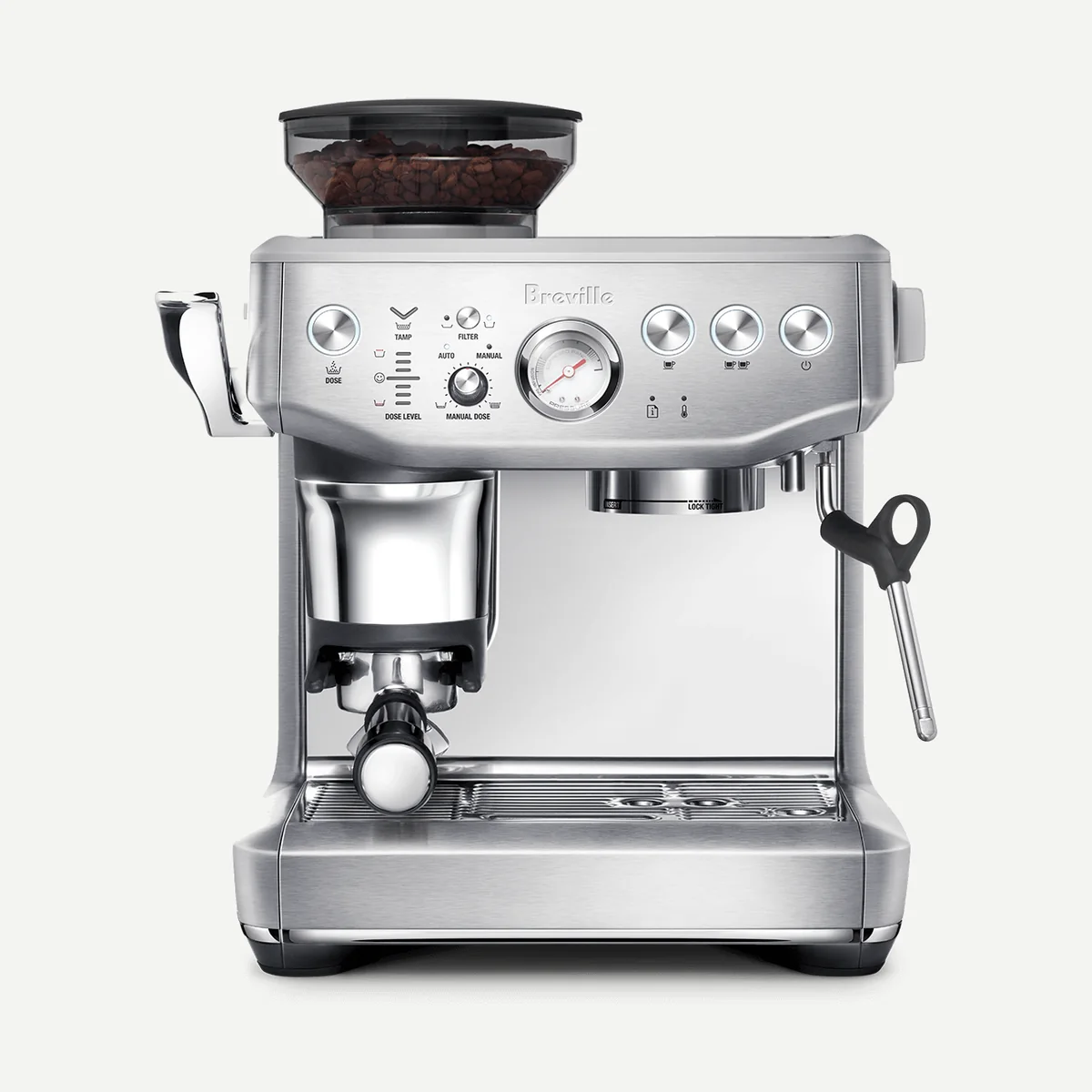 BrevilleBarista Express Impress BES876From $799.957.7
How it scored
Shot Quality & Extraction8.9Steam Power & Milk Texturing6.5Build Quality & Durability7.2Ease of Use & Learning Curveweakest link5.9carries 12 of the 87.2 points scoredMaintenance & Cleaning10.0plumbable and bottomless not publishedWorkflow & Ergonomics9.4Value for Money6.9Price from$799.95Score7.7Machine TypeSemi-automatic with built-in grinderBuilt-in GrinderYesAutomatic MilkNoBody MaterialStainless steelRead the Breville Barista Express Impress BES876 review →2
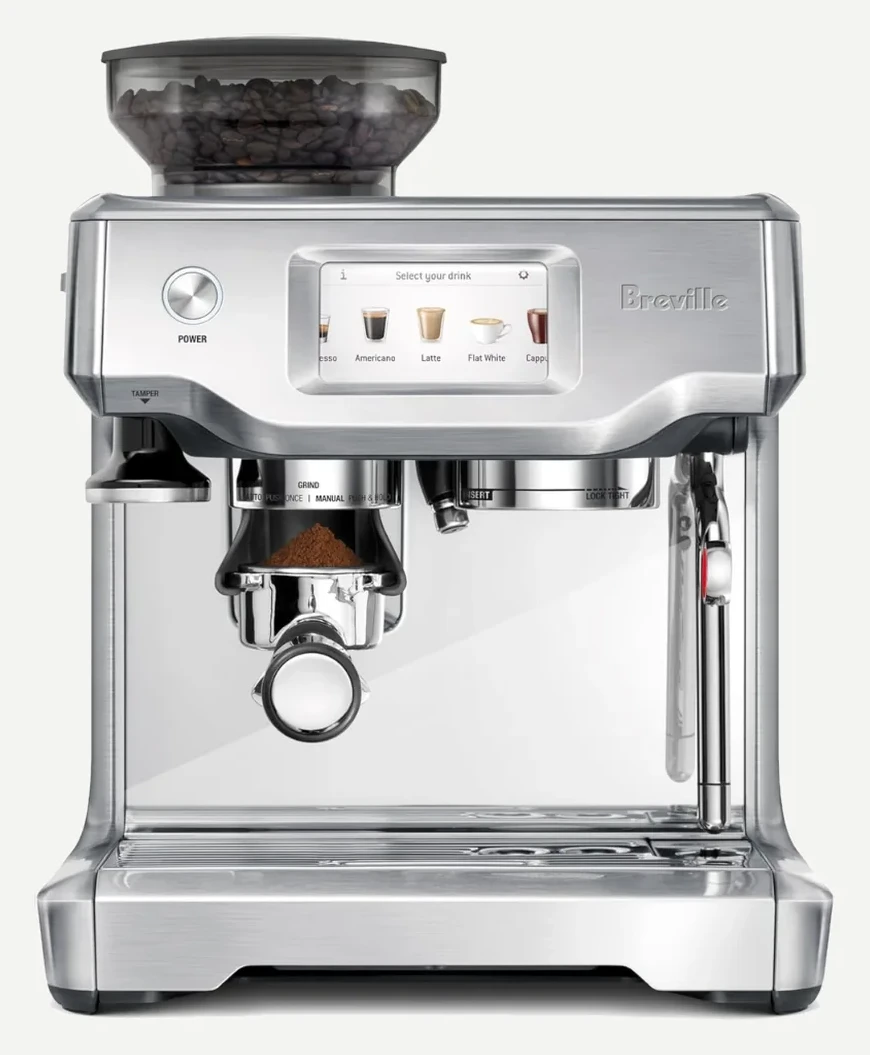 BrevilleBarista Touch BES880BSSFrom $987.997.7
How it scored
Shot Quality & Extraction7.5Steam Power & Milk Texturing7.5Build Quality & Durability8.2Ease of Use & Learning Curve7.1Maintenance & Cleaning10.0plumbable and bottomless not publishedWorkflow & Ergonomics8.8Value for Moneyweakest link5.6carries 10 of the 87.2 points scoredPrice from$987.99Score7.7Machine TypeSemi-automatic with built-in grinderBuilt-in GrinderYesAutomatic MilkYesBody MaterialStainless steelRead the Breville Barista Touch BES880BSS review →3
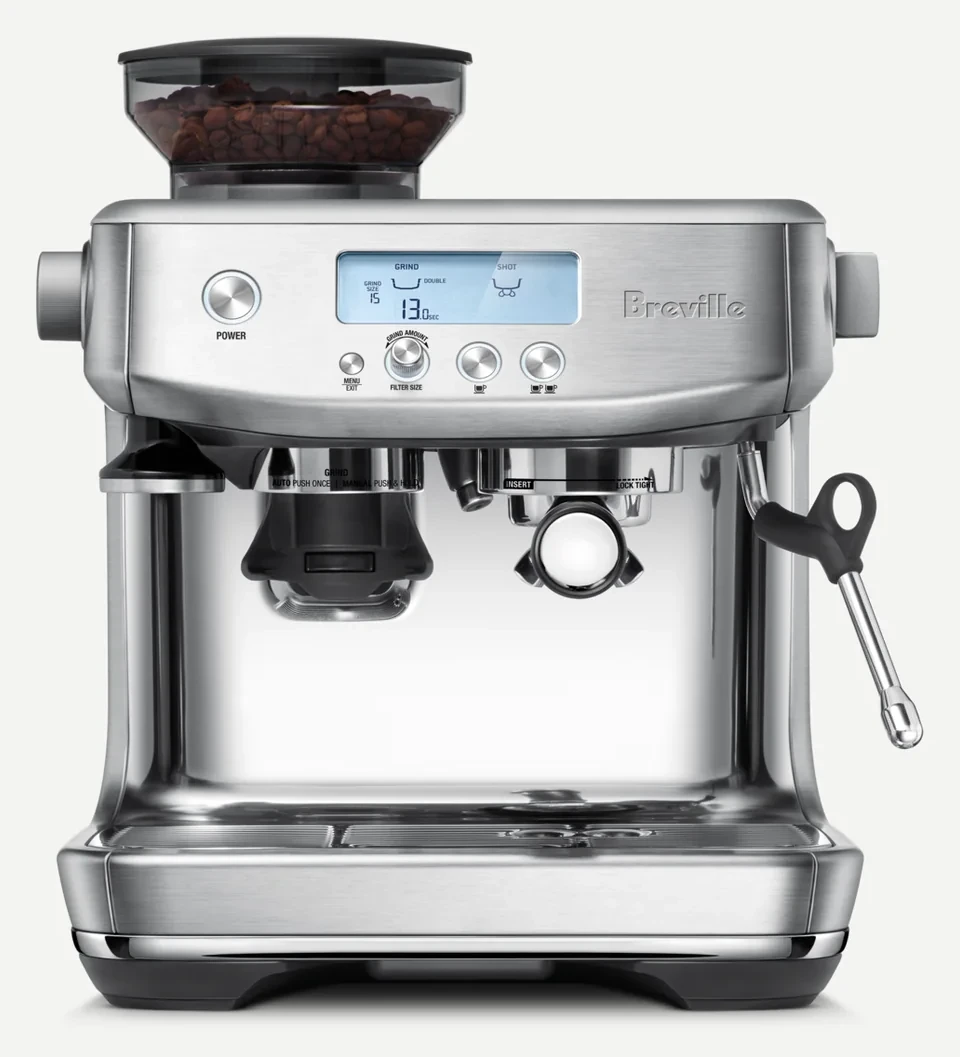 BrevilleBarista ProFrom $849.957.6
How it scored
Shot Quality & Extraction8.9Steam Power & Milk Texturing6.5Build Quality & Durability8.2Ease of Use & Learning Curveweakest link5.3carries 12 of the 87.2 points scoredMaintenance & Cleaning10.0plumbable and bottomless not scoredWorkflow & Ergonomics8.1Value for Money6.4Price from$849.95Score7.6Machine TypeSemi-automaticBuilt-in GrinderYesAutomatic MilkNoBody MaterialBrushed stainless steelRead the Breville Barista Pro review →4
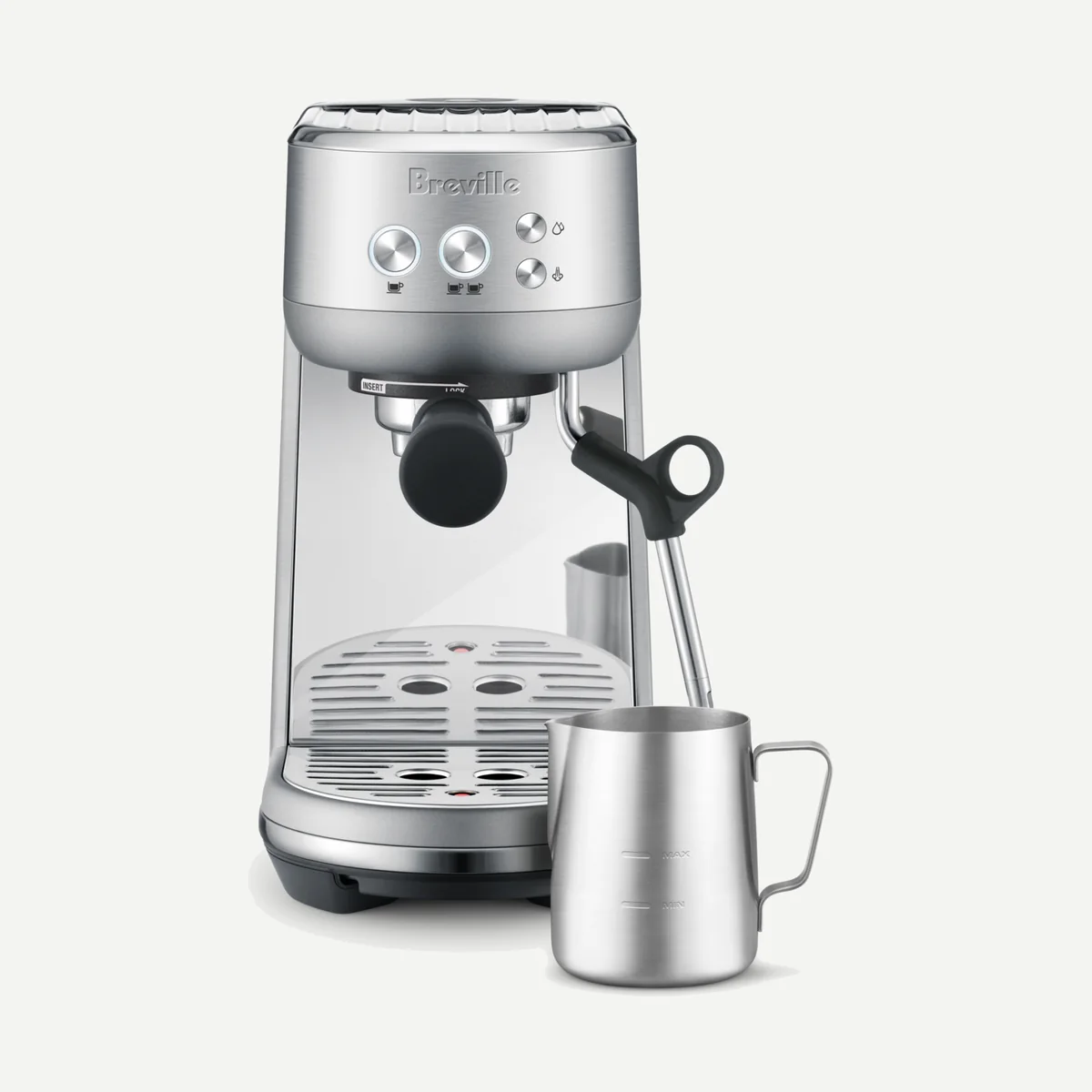 BrevilleBambino BES450From $299.957.4
How it scored
Shot Quality & Extraction8.9Steam Power & Milk Texturing6.5Build Quality & Durability6.4Ease of Use & Learning Curveweakest link3.5carries 12 of the 87.2 points scoredMaintenance & Cleaning8.3plumbable and bottomless not publishedWorkflow & Ergonomics8.1Value for Money10.0Price from$299.95Score7.4Machine TypeSemi-automaticBuilt-in GrinderNoAutomatic MilkNoBody MaterialStainless steelRead the Breville Bambino BES450 review →5
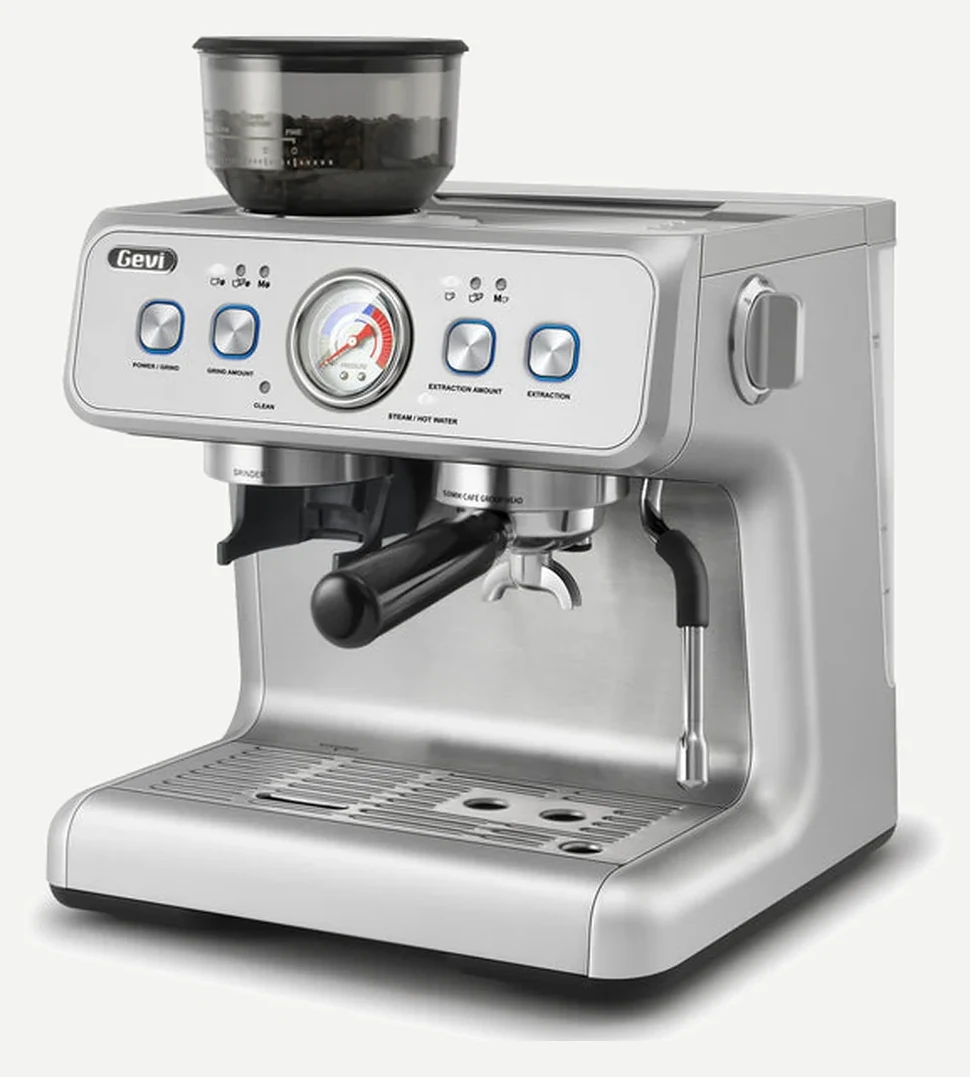 Gevi20Bar Super Automatic Espresso MachineFrom $699.997.2
How it scored
Shot Quality & Extraction9.4Steam Power & Milk Texturing6.0Build Quality & Durability7.2Ease of Use & Learning Curveweakest link5.9carries 12 of the 87.2 points scoredMaintenance & Cleaning6.7bottomless not published; plumbable not scoredWorkflow & Ergonomics6.2Value for Money7.2Price from$699.99Score7.2Machine TypeSemi-automaticBuilt-in GrinderYesAutomatic MilkNoBody MaterialStainless steelRead the Gevi 20Bar Super Automatic Espresso Machine review →6
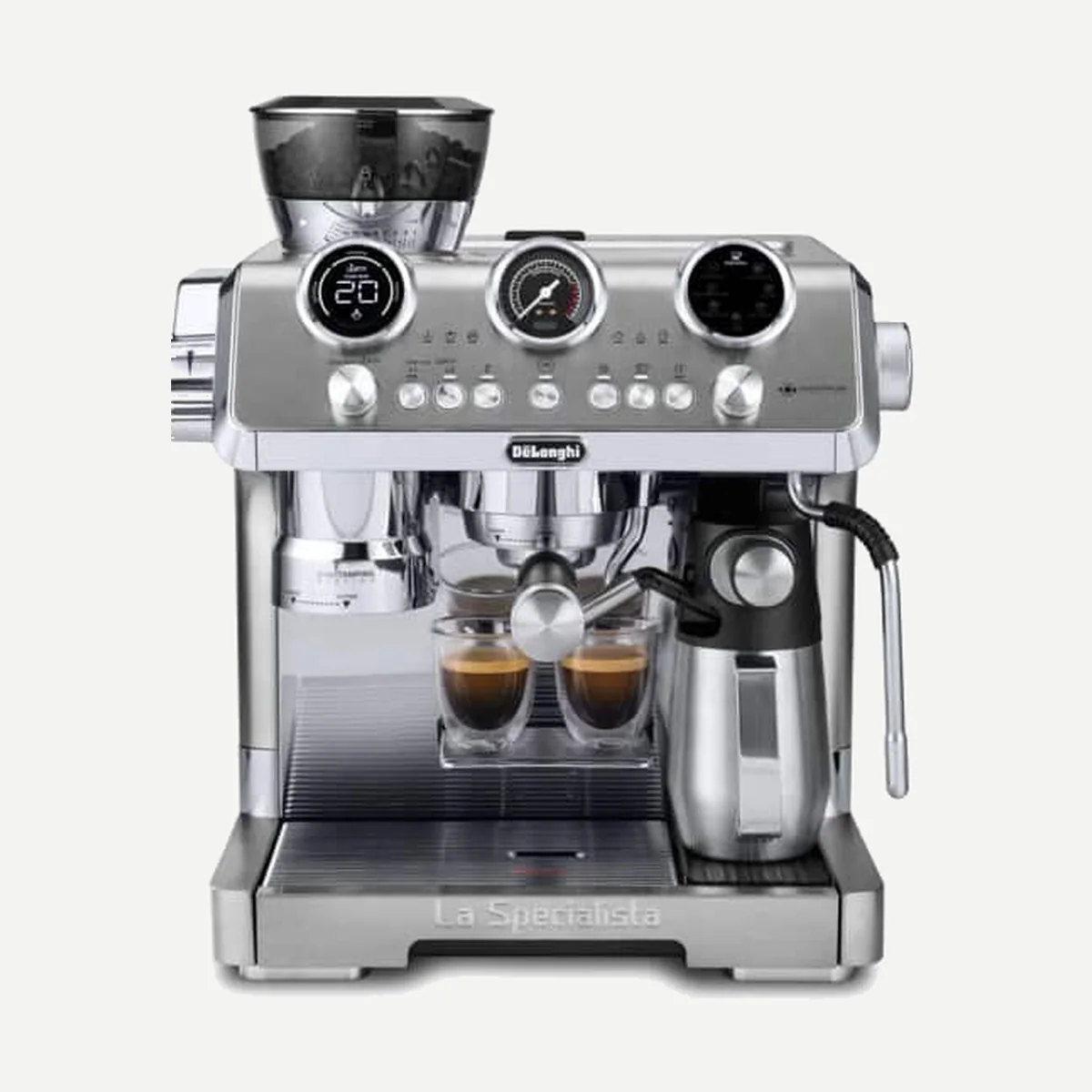 De'LonghiLa Specialista Maestro EC9885MFrom $999.957.0
How it scored
Shot Quality & Extraction6.1Steam Power & Milk Texturing7.0Build Quality & Durability8.2Ease of Use & Learning Curve7.1Maintenance & Cleaning10.0plumbable and bottomless not publishedWorkflow & Ergonomics6.9Value for Moneyweakest link5.1carries 10 of the 87.2 points scoredPrice from$999.95Score7.0Machine TypeSemi-automaticBuilt-in GrinderYesAutomatic MilkYesBody MaterialMetalRead the De'Longhi La Specialista Maestro EC9885M review →7
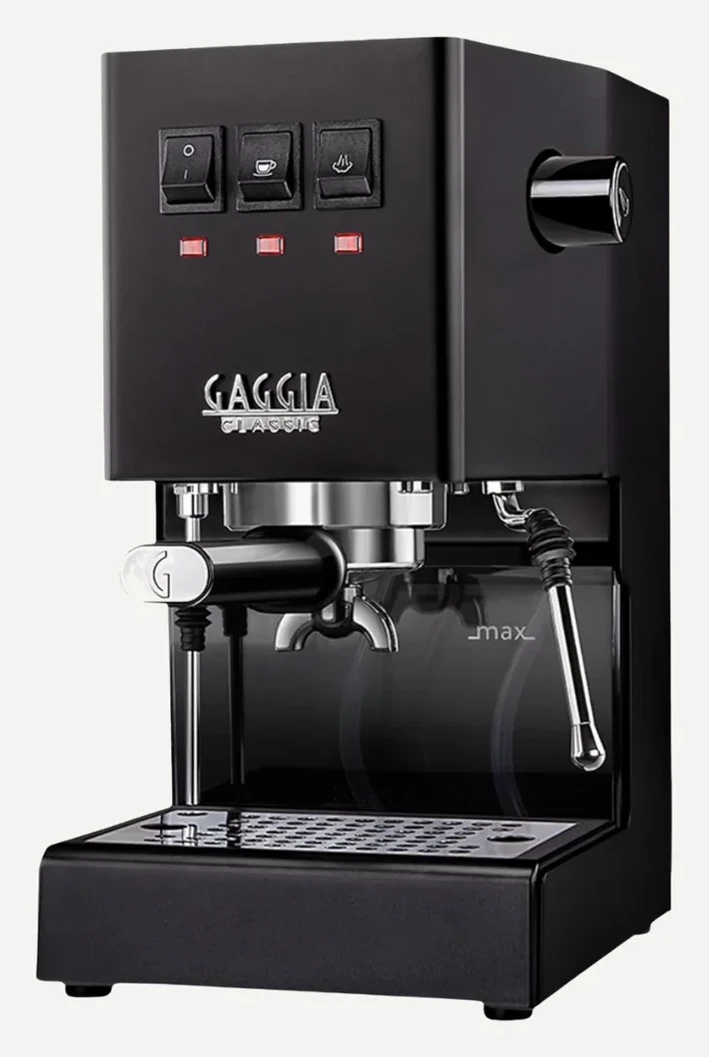 GaggiaClassic Evo Pro RI9380/49From $4996.7
How it scored
Shot Quality & Extraction6.1Steam Power & Milk Texturing6.0Build Quality & Durability7.8Ease of Use & Learning Curveweakest link4.1carries 12 of the 87.2 points scoredMaintenance & Cleaning9.2plumbable and bottomless not publishedWorkflow & Ergonomics6.2Value for Money9.0Price from$499Score6.7Machine TypeSemi-automaticBuilt-in GrinderNoAutomatic MilkNoBody MaterialSolid steel housing with brass, Stainless steelRead the Gaggia Classic Evo Pro RI9380/49 review →8
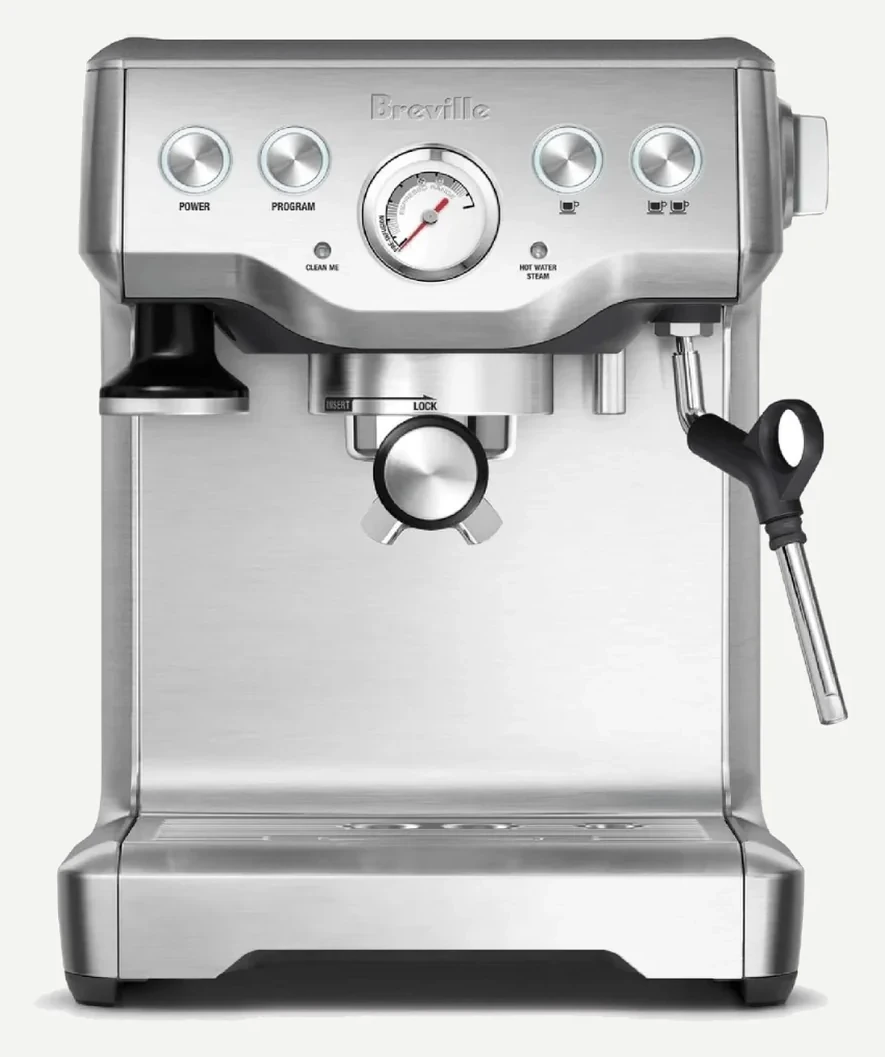 BrevilleInfuser BES840XLFrom $336.506.6
How it scored
Shot Quality & Extraction7.5Steam Power & Milk Texturing6.0Build Quality & Durability7.6Ease of Use & Learning Curveweakest link2.9carries 12 of the 87.2 points scoredMaintenance & Cleaning5.8plumbable and bottomless not publishedWorkflow & Ergonomics5.6Value for Money10.0Price from$336.50Score6.6Machine TypeSemi-automaticBuilt-in GrinderNoAutomatic MilkNoBody MaterialStainless steelRead the Breville Infuser BES840XL review →9
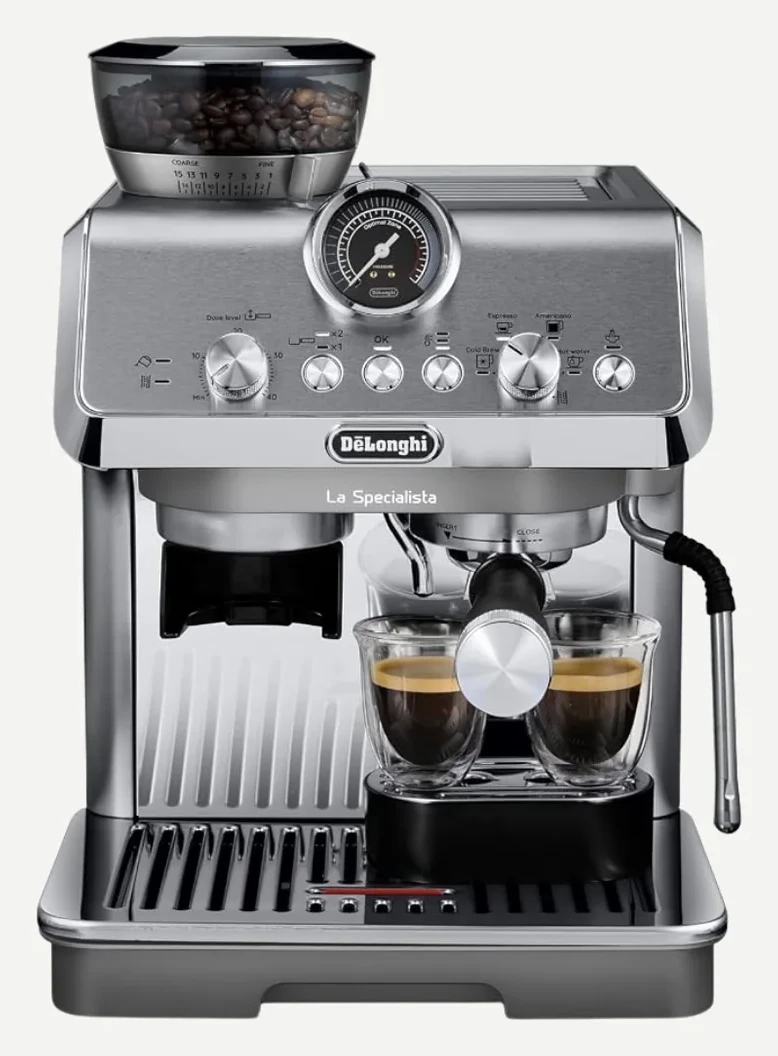 De'LonghiLa Specialista Arte EvoFrom $699.956.4
How it scored
Shot Quality & Extraction5.0Steam Power & Milk Texturing6.5Build Quality & Durability8.8Ease of Use & Learning Curveweakest link4.7carries 12 of the 87.2 points scoredMaintenance & Cleaning8.3plumbable and bottomless not publishedWorkflow & Ergonomics6.2Value for Money6.4Price from$699.95Score6.4Machine TypeSemi-automaticBuilt-in GrinderYesAutomatic MilkNoBody MaterialStainless steelRead the De'Longhi La Specialista Arte Evo review →10
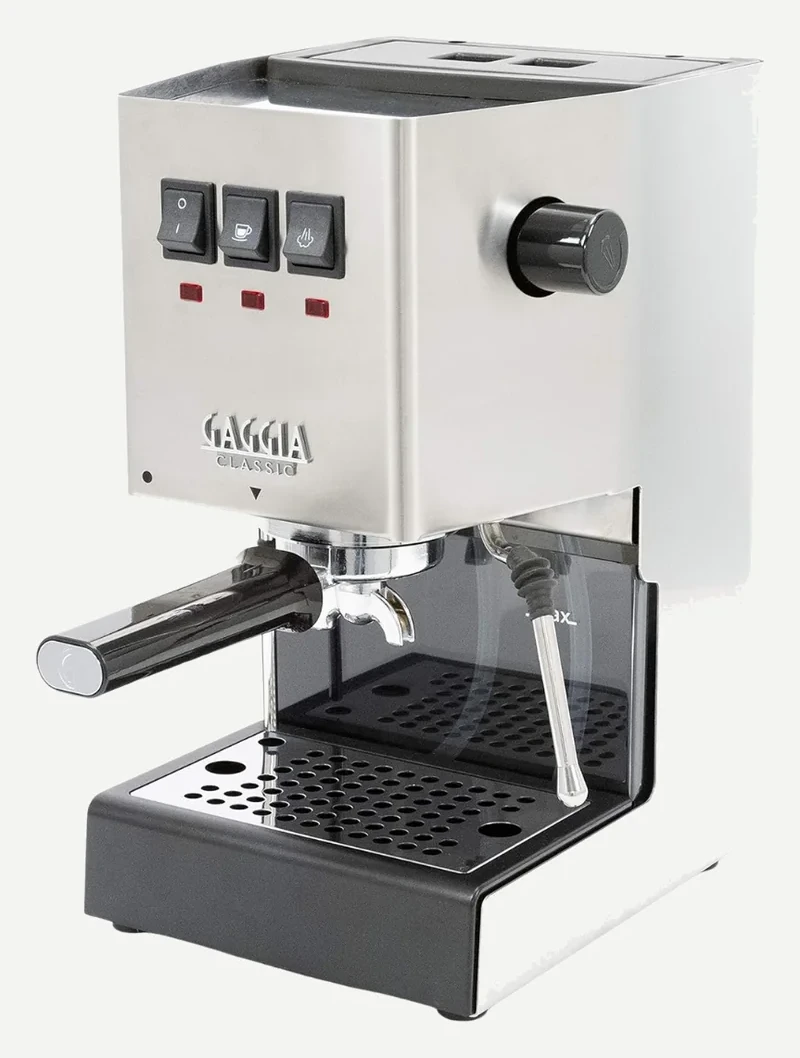 GaggiaE24 RI9380/46 Espresso MachineFrom $4496.4
How it scored
Shot Quality & Extraction6.1Steam Power & Milk Texturing5.5Build Quality & Durability7.2Ease of Use & Learning Curveweakest link2.9carries 12 of the 87.2 points scoredMaintenance & Cleaning7.5plumbable and bottomless not publishedWorkflow & Ergonomics6.9Value for Money9.3Price from$449Score6.4Machine TypeSemi-automaticBuilt-in GrinderNoAutomatic MilkNoBody MaterialSolid steel housingRead the Gaggia E24 RI9380/46 Espresso Machine review →11
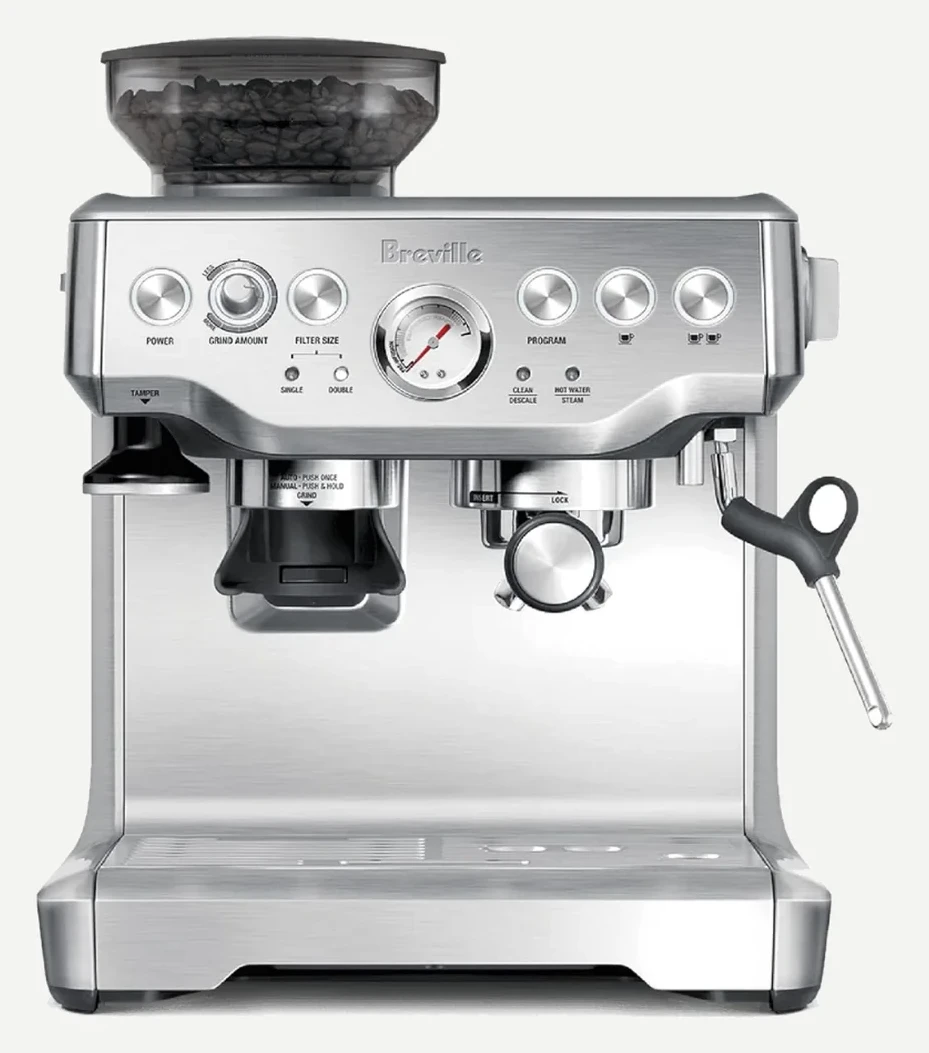 BrevilleBarista Express BES870XLFrom $692.996.3
How it scored
Shot Quality & Extraction7.5Steam Power & Milk Texturing6.0Build Quality & Durability7.6Ease of Use & Learning Curveweakest link4.7carries 12 of the 87.2 points scoredMaintenance & Cleaning5.0plumbable and bottomless not publishedWorkflow & Ergonomics5.0Value for Money6.4Price from$692.99Score6.3Machine TypeSemi-automatic with built-in grinderBuilt-in GrinderYesAutomatic MilkNoBody MaterialStainless steelRead the Breville Barista Express BES870XL review →12
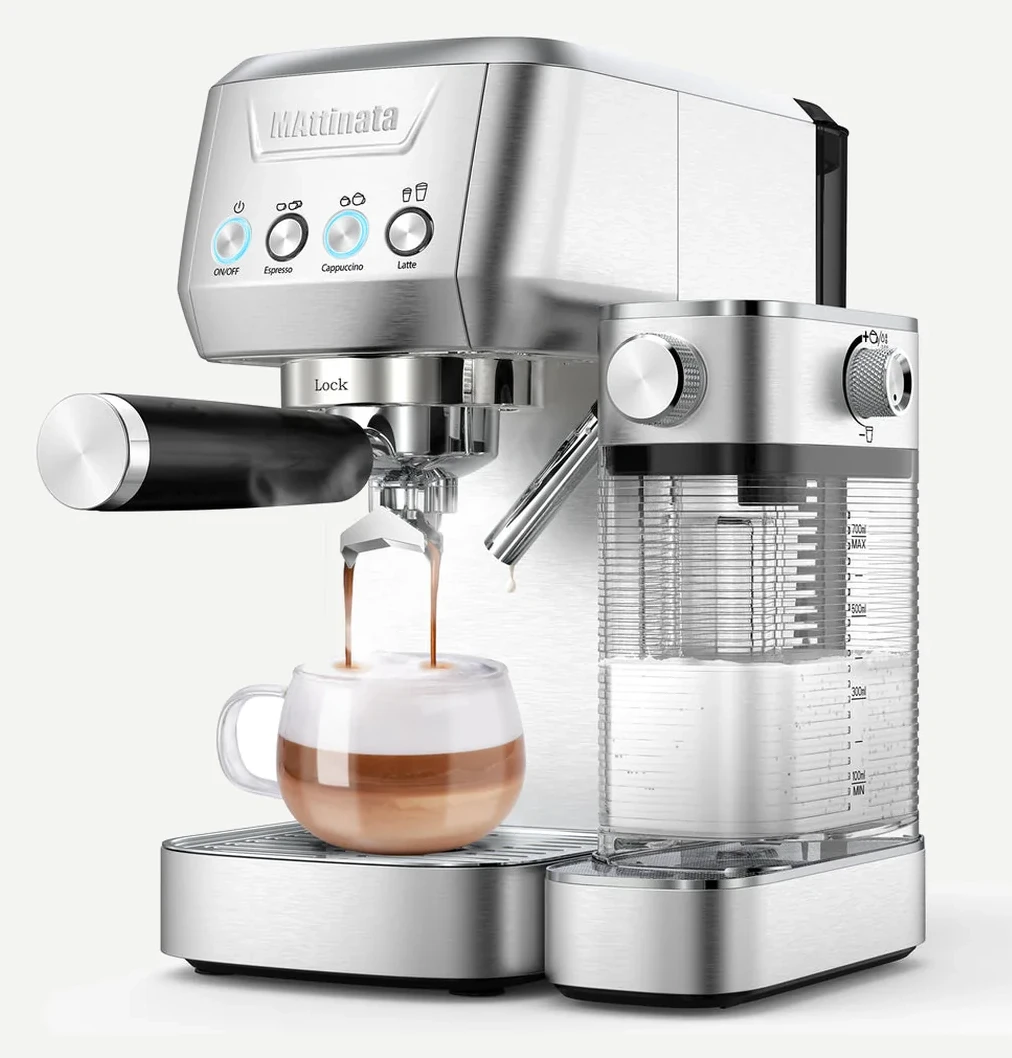 Mattino ProMattinata Espresso MachineFrom $159.996.3
How it scored
Shot Quality & Extraction5.0Steam Power & Milk Texturing5.5Build Quality & Durabilityweakest link4.8carries 16 of the 87.2 points scoredEase of Use & Learning Curve6.2Maintenance & Cleaning8.3plumbable not published; bottomless not scoredWorkflow & Ergonomics6.9Value for Money10.0Price from$159.99Score6.3Machine TypeSemi-automaticAutomatic MilkYesRead the Mattino Pro Mattinata Espresso Machine review →13
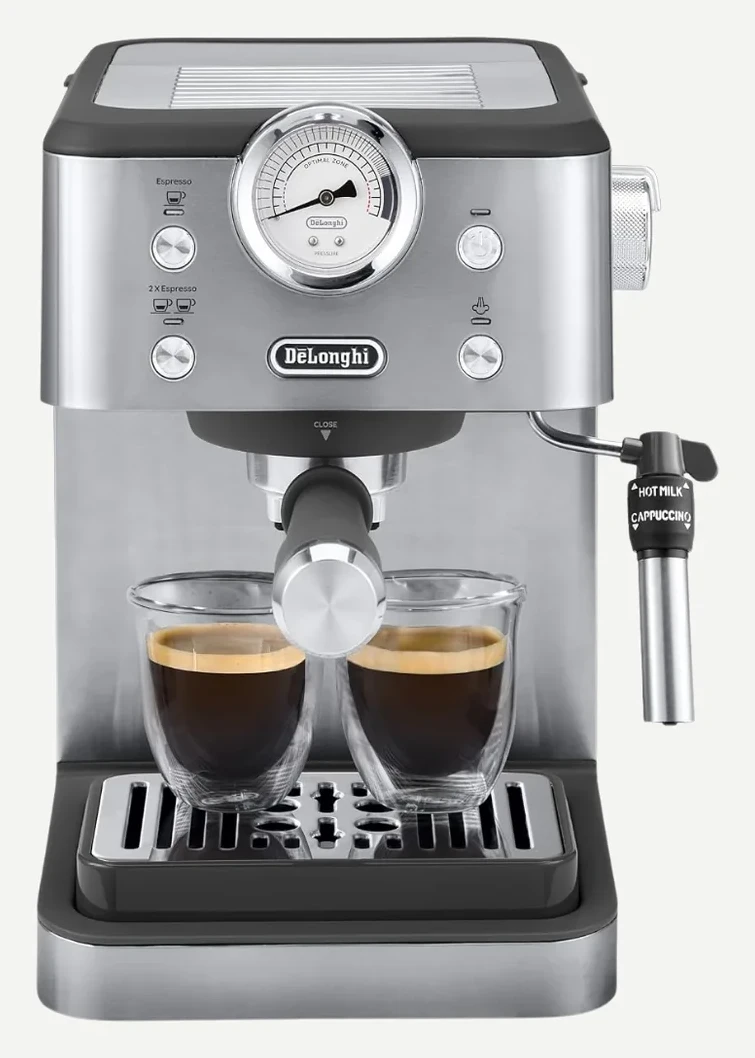 De'LonghiClassic Signature Espresso MachineFrom $224.996.2
How it scored
Shot Quality & Extraction5.0Steam Power & Milk Texturing5.0Build Quality & Durability7.2Ease of Use & Learning Curveweakest link3.5carries 12 of the 87.2 points scoredMaintenance & Cleaning7.5plumbable and bottomless not publishedWorkflow & Ergonomics6.9Value for Money10.0Price from$224.99Score6.2Machine TypeSemi-automaticBuilt-in GrinderNoAutomatic MilkNoBody MaterialStainless steelRead the De'Longhi Classic Signature Espresso Machine review →14
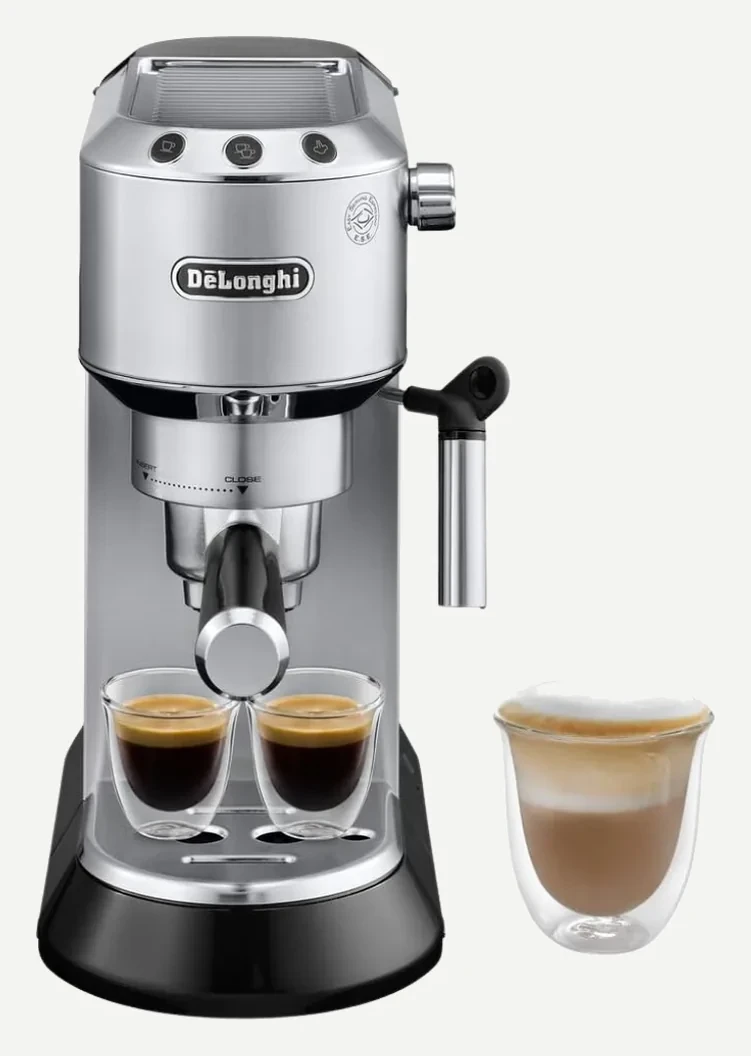 De'LonghiDedica EC680MFrom $149.955.9
How it scored
Shot Quality & Extraction5.0Steam Power & Milk Texturing6.0Build Quality & Durability6.7Ease of Use & Learning Curveweakest link2.9carries 12 of the 87.2 points scoredMaintenance & Cleaning6.7plumbable and bottomless not publishedWorkflow & Ergonomics5.0Value for Money10.0Price from$149.95Score5.9Machine TypeSemi-automaticBuilt-in GrinderNoAutomatic MilkNoBody MaterialStainless steelRead the De'Longhi Dedica EC680M review →15
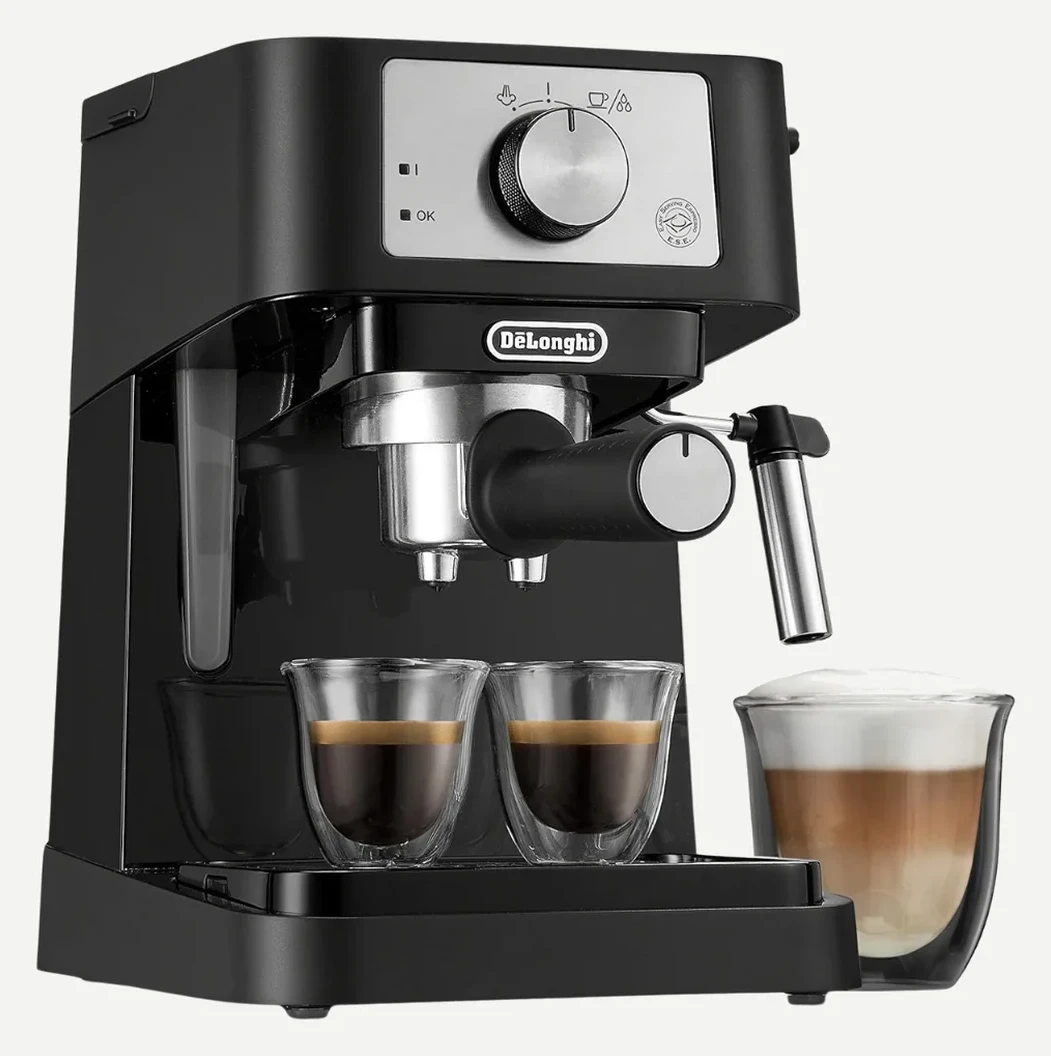 De'LonghiStilosa EC260BKFrom $104.995.6
How it scored
Shot Quality & Extraction5.0Steam Power & Milk Texturing5.0Build Quality & Durability6.4Ease of Use & Learning Curveweakest link2.9carries 12 of the 87.2 points scoredMaintenance & Cleaning5.8plumbable and bottomless not publishedWorkflow & Ergonomics5.0Value for Money10.0Price from$104.99Score5.6Machine TypeSemi-automaticBuilt-in GrinderNoAutomatic MilkNoBody MaterialStainless steel, PlasticRead the De'Longhi Stilosa EC260BK review →16
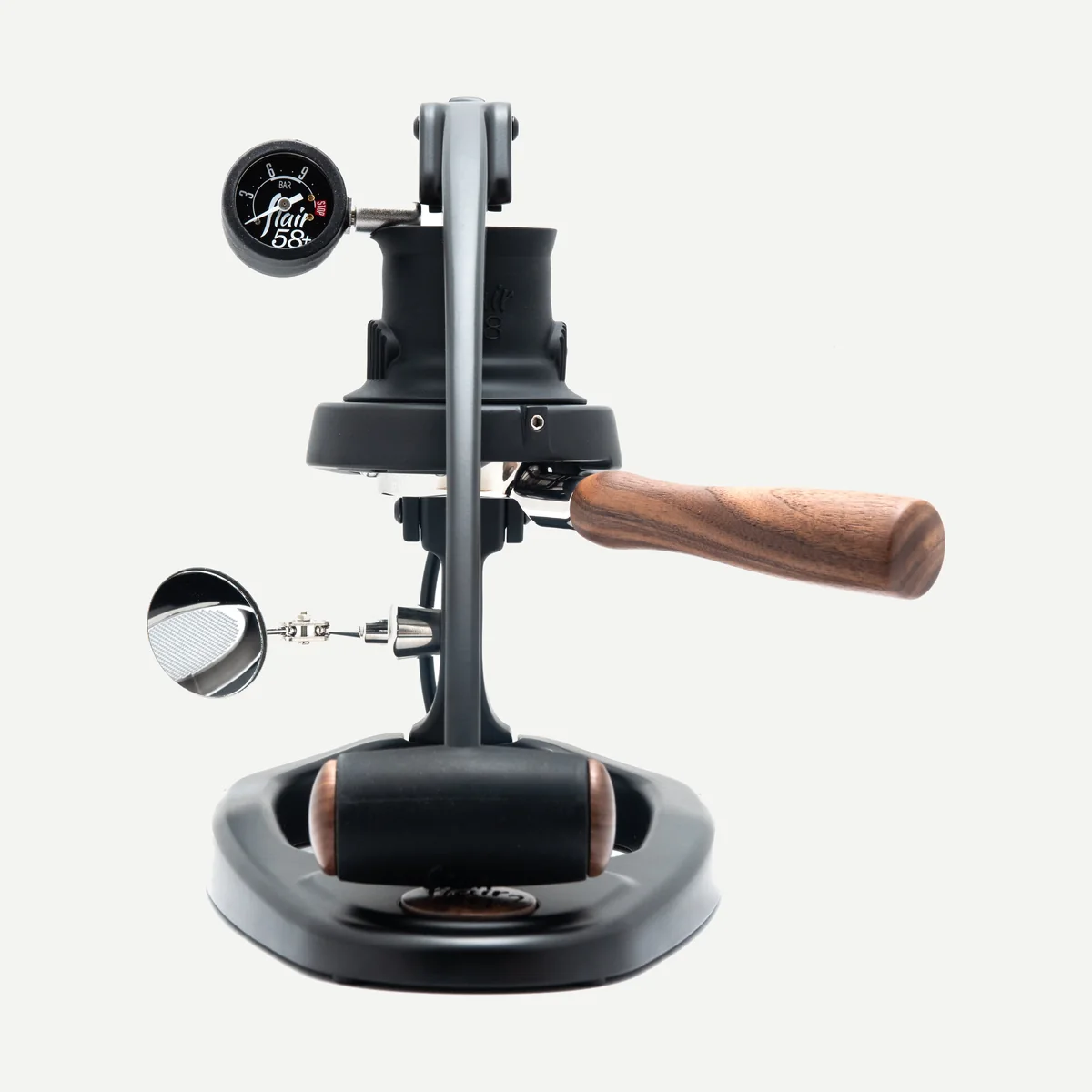 Flair58 Plus 2From $6995.3
How it scored
Shot Quality & Extraction5.3Steam Power & Milk Texturingweakest link2.0carries 16 of the 87.2 points scoredBuild Quality & Durability8.9Ease of Use & Learning Curve2.9Maintenance & Cleaning6.7plumbable and bottomless not publishedWorkflow & Ergonomics6.9Value for Money5.3Price from$699Score5.3Machine TypeManual leverBuilt-in GrinderNoAutomatic MilkNoBody MaterialStainless steelRead the Flair 58 Plus 2 review →17
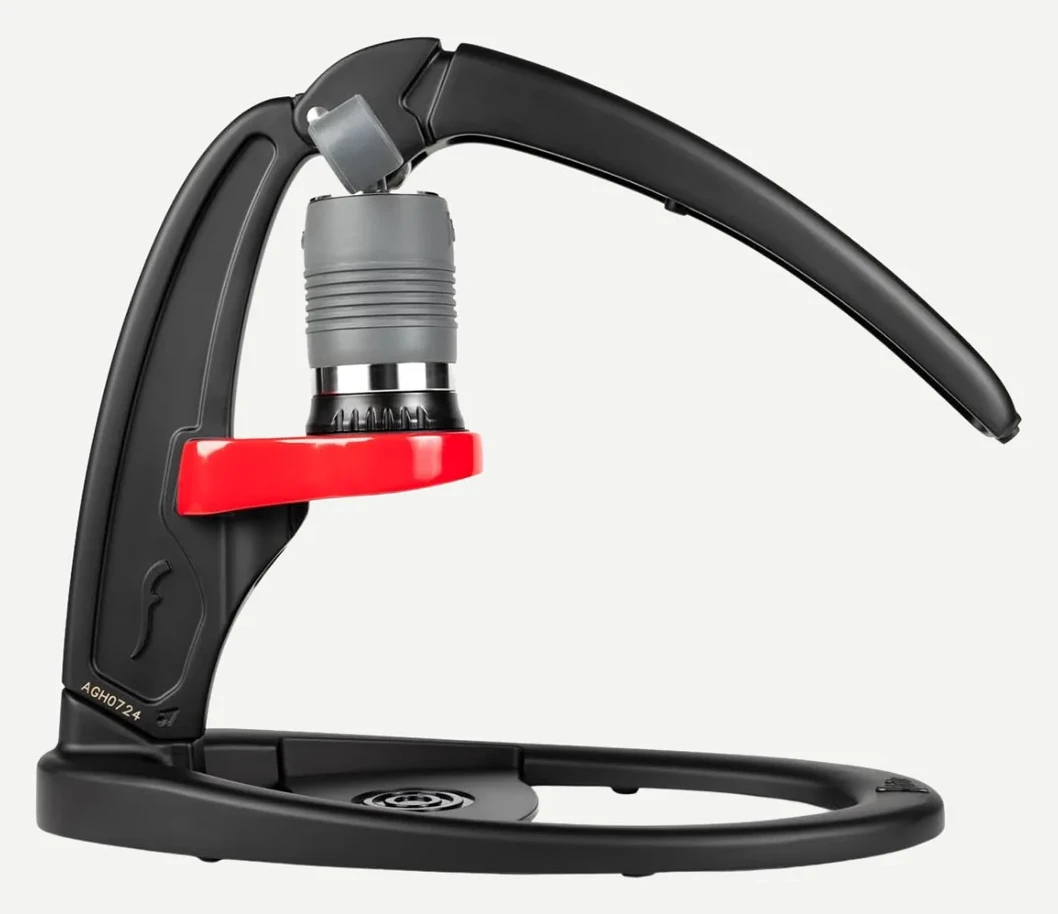 FlairClassic Manual Lever Espresso MakerFrom $1595.2
How it scored
Shot Quality & Extraction5.0Steam Power & Milk Texturing3.5Build Quality & Durability5.0Ease of Use & Learning Curveweakest link2.4carries 12 of the 87.2 points scoredMaintenance & Cleaning5.0plumbable and bottomless not publishedWorkflow & Ergonomics6.9Value for Money10.0Price from$159Score5.2Machine TypeManual leverBuilt-in GrinderNoAutomatic MilkNoRead the Flair Classic Manual Lever Espresso Maker review →
What to know about Espresso Machines Under $1,000
A thousand dollars is the point where home espresso stops being a gamble and starts being a set of choices. Below it you are mostly paying for a pump, a heater and a steam wand. Up to it you can add a grinder, a pressure gauge, temperature control or automatic milk, and what decides the cup is which of those you pick and what you pair with the machine.
What does an espresso machine under $1,000 get you?
A semi-automatic pump machine with real temperature control, a proper steam wand and, at the top of the range, a grinder and automatic milk in the same box. It does not get you a heat exchanger or a plumbed-in commercial build.
Almost everything here is semi-automatic: you grind, dose, tamp and start the shot yourself, and the machine controls pressure and temperature. That is the right trade at this price, because the hands-on steps are where espresso is learned. The extra money mostly buys speed, consistency and convenience, which is worth knowing before you spend it. The espresso machines category lists every model we cover, and how we review espresso machines explains the criteria.
Single boiler, heat exchanger or dual boiler espresso machine under $1,000?
Under $1,000 you meet single boilers, thermoblock and ThermoJet heaters, and the odd dual boiler. A true heat exchanger machine usually costs more than this budget allows.
Single boiler
One boiler serves both the shot and the steam wand, so you wait between brewing and steaming. The Gaggia Classic Evo Pro uses a single uncoated aluminium boiler, which is also the part that needs descaling most. Fine for one or two drinks at a time.
Thermoblock and ThermoJet
These heat water as it passes through instead of keeping a tank hot. Breville rates its ThermoJet at three seconds to extraction temperature on machines including the Bambino and the Barista Pro. De'Longhi's Classic Signature and Dedica use thermoblocks. Quick to start, with little waiting in the morning.
Dual boiler
Separate boilers mean steaming does not interrupt the shot. The Gevi 20Bar is the one machine here described as having two boilers, with PID control and a 58 mm portafilter. Gevi does not publish a warranty term, so weigh that.
A heat exchanger sits between the two: one boiler runs hot enough to steam while a pipe through it heats the brew water. That design is common above this budget, and none of the machines here is described as one. If you are weighing a Breville espresso machine, the heater type is the first thing on the spec sheet to read.
Espresso machine with a built-in grinder or a separate grinder?
A built-in grinder saves money and counter space and makes the first week easier. A separate grinder gives you better control and lets you upgrade either half later.
Where the built-in grinder wins
The Barista Express, Barista Express Impress, Barista Pro, Barista Touch, La Specialista Arte Evo, La Specialista Maestro and the Gevi 20Bar all grind in the machine. Beans go from hopper to basket in one move, there is nothing else to buy and nothing extra to clean. For a first machine that is the lower-risk path, and our list of espresso machines with grinders covers more.
Where it falls short
If the grinder fails or disappoints, the whole machine goes with it. A built-in grinder also tends to offer fewer, coarser steps than a stand-alone one, and De'Longhi's own page gives two different setting counts for the Arte Evo. Machines with no grinder, such as the Bambino, Infuser and both Gaggias, let you spend the saving on a better burr grinder instead.
Espresso machines under $1,000 by budget
Under $200 gets you a way to start. Up to $500 gets you control. Up to $800 gets you the grinder. The last band buys speed, assistance and milk.
Learn whether you like it
The De'Longhi Stilosa, Dedica and the Mattino Pro Mattinata are all pump machines with manual or automated milk, and none has a grinder. The Dedica is six inches wide, the narrowest. The Mattino adds automated frothing but takes about 120 seconds to warm up. The Flair Classic is a plugless lever maker with a pressure gauge, and it cannot steam milk.
Control without a grinder
The De'Longhi Classic Signature adds a pressure gauge, the Bambino heats in about three seconds with PID, and the Infuser lets you set temperature in two degree steps. The Gaggia E24 and Classic Evo Pro bring 58 mm commercial portafilters and a three-way solenoid valve. You supply the grinder.
The grinder arrives
The Barista Express, La Specialista Arte Evo, Gevi 20Bar and Barista Express Impress all grind in the box. The Impress adds assisted tamping, the Arte Evo adds cold brew and a steam wand, and the Gevi adds a second boiler. The Flair 58 Plus 2 sits here too, a lever machine with a 58 mm basket and a five year warranty.
Speed, assistance and milk
The Barista Pro pairs a grinder with ThermoJet heating, PID and an LCD shot clock. The Barista Touch adds a hands-free milk wand. The La Specialista Maestro offers assisted tamping plus both automatic and manual milk. Each takes work off you rather than improving the espresso itself.
Do you need a grinder with an espresso machine under $1,000?
Espresso punishes a poor grind more than any other method. If the machine has no grinder, a good burr grinder is not optional, and it often matters more than the machine.
An espresso grinder
The Bambino, Infuser, Gaggias, De'Longhi Signature, Dedica, Stilosa, Mattino and both Flairs have no grinder. Pre-ground coffee from a bag cannot be adjusted to the shot, so the machine never gets a fair chance. See the best grinders for espresso and grinders under $250.
A hand grinder
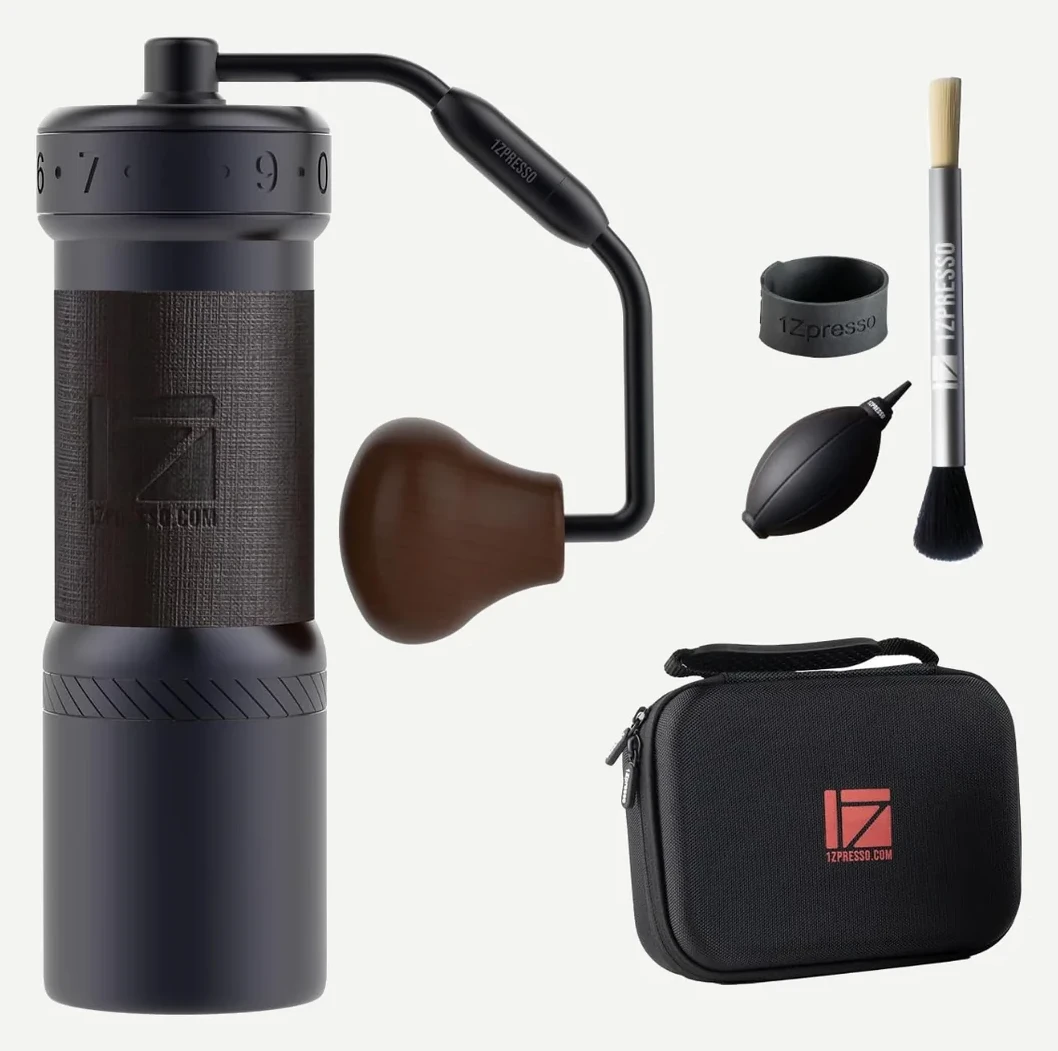
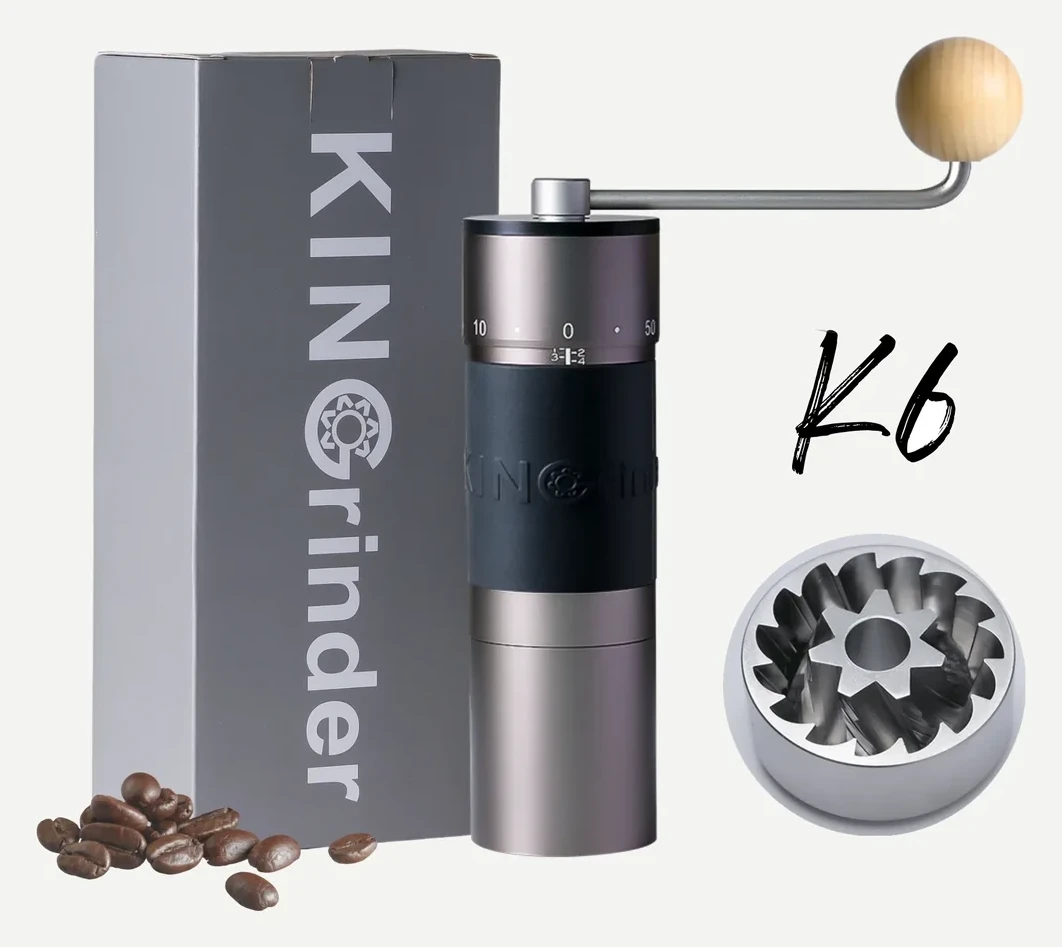
For a lever machine or a small budget, a manual burr grinder is a realistic pairing, because the Flair makers already assume you do the work by hand. Browse manual coffee grinders.
A scale and the right tamper
Weighing dose and yield is how you repeat a good shot. Tamper size follows the basket: the Bambino, Barista Express Impress and Barista Touch take 54 mm, while the Gaggias, Gevi and Flair 58 Plus 2 take 58 mm.
54 mm vs 58 mm portafilter on espresso machines under $1,000
58 mm is the café standard, so tampers, baskets and accessories are easy to find and swap. Breville's 54 mm machines work well but narrow your choices.
The Gaggia Classic Evo Pro, Gaggia E24, Gevi 20Bar and Flair 58 Plus 2 all use a 58 mm basket. The Bambino, Barista Express Impress and Barista Touch use 54 mm. De'Longhi does not publish the portafilter size for the La Specialista machines, so you cannot check accessory fit before you buy. If you plan to change baskets or upgrade a tamper, that detail will matter more than it sounds.
Best espresso machine under $1,000 for milk drinks
Pick a manual wand if you want to learn microfoam and an automatic system if you want the same latte every time without practice.
Barista Touch and La Specialista Maestro
The Touch textures milk hands-free to eight levels, at any temperature from 104F to 167F. The Maestro has a one-touch LatteCrema Hot system and a manual wand beside it. Either suits a household where several people drink lattes and nobody wants to learn steaming. For that choice, see Breville Barista Touch vs De'Longhi La Specialista Maestro.
Wand machines
Most of the Breville and De'Longhi machines, plus both Gaggias, steam by hand. It takes weeks to get right but makes real microfoam and latte art possible. The Mattino is the budget exception with automated frothing, at the cost of a slow warm-up. The Flair makers have no steam wand at all, so milk needs a separate frother.
Do bar ratings matter on cheap espresso machines?
Not much. Espresso is pulled at about 9 bar, and a 15 or 20 bar figure is the pump's maximum, not what reaches the coffee.
The Stilosa, Dedica and Classic Signature advertise 15 bar. The Gevi 20Bar and Mattino advertise 20. The Maestro lists 19. Those are pump ceilings, and a machine with a lower number can pull a better shot if its temperature control and puck prep are better. The Gaggias and most of the Breville machines publish 9 bar as the extraction pressure, which is the number that counts. A pressure gauge, found on the Classic Signature, the Barista Express Impress and the Flair Classic among others, shows you what the shot is actually doing.
Which espresso machine under $1,000 should you buy?
You want one box and the least to learn
Choose a Breville with a grinder. The Barista Express is the entry point. The Barista Express Impress takes over the tamp for repeatable shots, and the Barista Pro heats in about three seconds. Compare the first with the Pro in Barista Express vs Barista Pro.
You want to spend on the grinder, not the machine
Buy a Gaggia Classic Evo Pro or E24, or a Breville Infuser, and put the savings into a good espresso grinder. You get a 58 mm commercial portafilter, and Gaggia lists the E24 as self serviceable.
You make a lot of lattes
The Barista Touch and La Specialista Maestro are built around milk. If you want to learn steaming yourself, the Arte Evo has a manual wand and a grinder for less.
You have little space or money
The Dedica is the narrowest, the Stilosa the cheapest, and the Flair Classic needs no outlet. All three are a sensible way to find out whether you will keep making espresso at home. The guide to espresso at home covers the basics.
Espresso Machines Under $1,000 FAQ
What is the best espresso machine under $1,000?
It depends on what you want to spare yourself. A Breville with a built-in grinder suits a first machine, a Gaggia or Breville Infuser suits someone who will buy a separate grinder, and the Barista Touch or La Specialista Maestro suit people who drink a lot of milk drinks.
Can you get a dual boiler espresso machine under $1,000?
Rarely. Among the 17 machines compared here, only the Gevi 20Bar is described as having two boilers, and Gevi publishes no warranty term. Most machines in this range use a single boiler, a thermoblock or Breville's ThermoJet heater instead, and all of them can still pull good shots.
Is a single boiler espresso machine good enough?
For one or two drinks at a time, yes. A single boiler makes you wait when you switch between brewing and steaming, and the part most in need of descaling is the boiler itself. Heating speed and PID control matter as much as boiler count at this price.
Do I need a separate grinder for an espresso machine?
Only if the machine does not have one. Seven of the 17 machines grind in the box. For the rest, a burr grinder is the first purchase, because pre-ground coffee cannot be adjusted to dial in a shot, and a good grinder often improves the cup more than a better machine.
What does PID mean on an espresso machine?
PID is a controller that holds brew temperature steady instead of letting it swing. Breville fits it to machines including the Bambino, Barista Pro and Infuser, which adjusts in two degree steps. Steadier temperature makes shots easier to repeat, which is why it matters more than pump bar numbers.
Are 15 bar and 20 bar espresso machines better than 9 bar?
No. Espresso is extracted at about 9 bar, and a 15 or 20 bar rating is the pump's maximum. Machines that publish 9 bar as the extraction pressure, including the Gaggia models here, are describing what actually reaches the coffee, which is why that number is the one to trust.
Is the Gaggia Classic worth it over a Breville?
If you will buy a grinder separately and want a 58 mm commercial portafilter, yes. A Breville with a grinder is the easier start. The Classic Evo Pro uses a single uncoated aluminium boiler, the part that most needs descaling, so plan on regular descaling.
Can a lever espresso maker replace an espresso machine?
It can make real espresso with no electricity, but it does more by hand. The Flair makers need boiled water from a kettle, have no steam wand, and pull one shot at a time, so milk drinkers will want a separate frother.