Coffee Basics
The bean as a subject in its own right: the four species anyone actually drinks, what a coffee cherry is before it becomes a bean, what roast names mean and how little they are standardised, and which of the things you have been told about oily beans are true. Start here, then go and buy something.
Beans and species
Arabica and Robusta are not the only coffees. The rarer species, and the fruit every bean grows in.
All 7 on beans and species →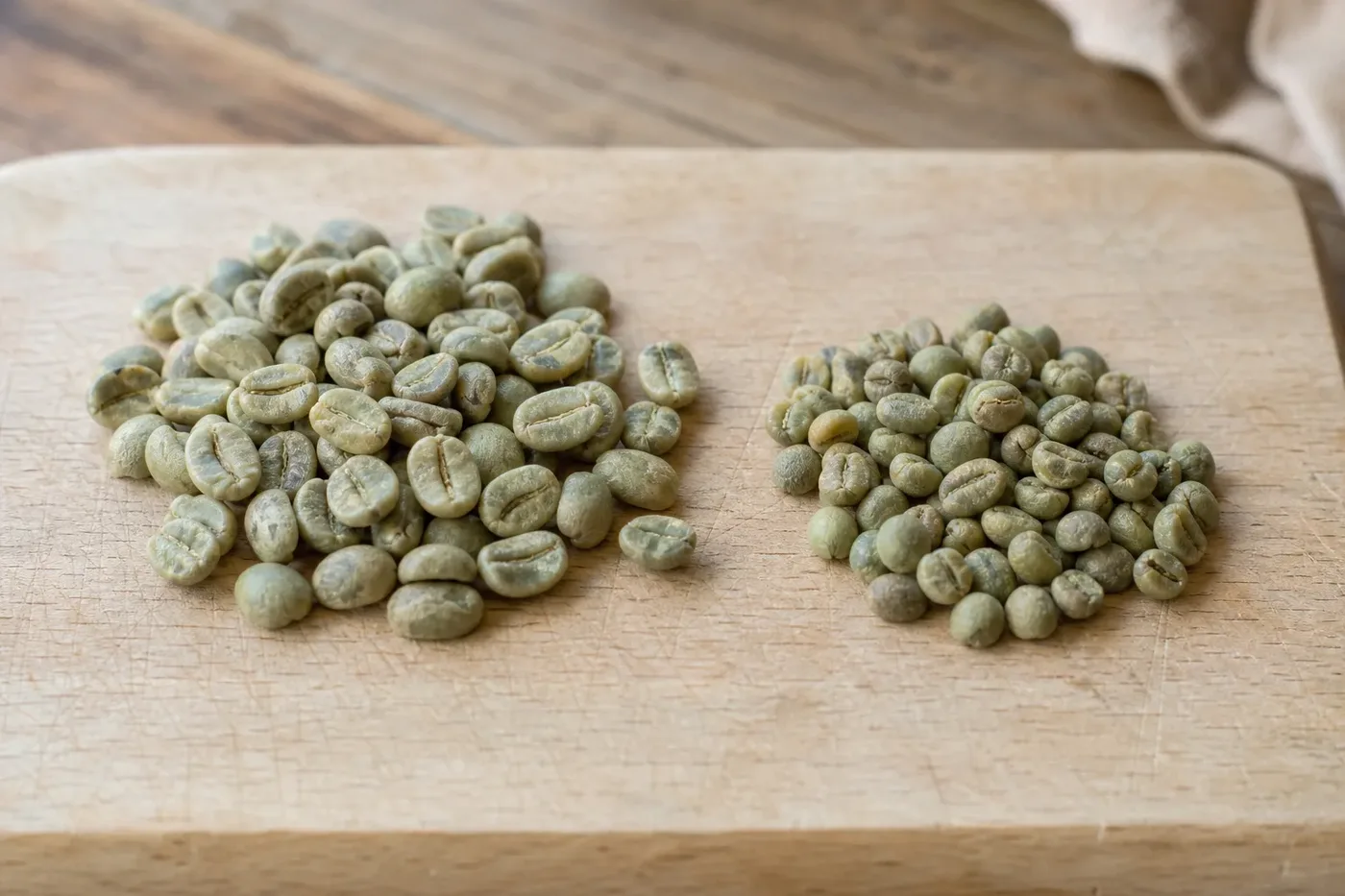 Arabica vs Robusta: The Two Coffees Almost Everyone DrinksTwo species grow nearly all the coffee in the world. They differ in the plant, the climate they need, the caffeine they carry and the cup they make, and most bags only tell you about one of them.
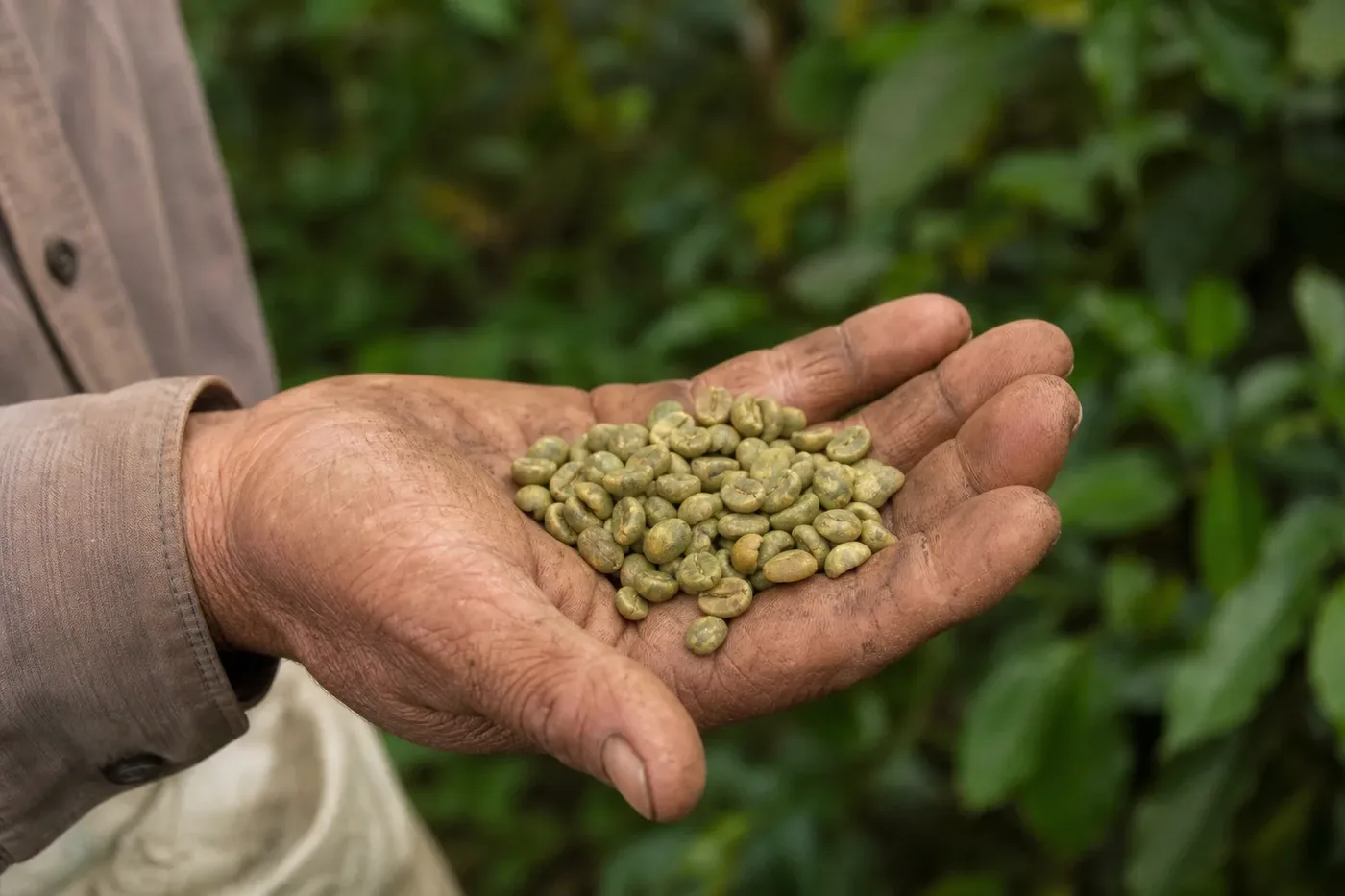 What Is Excelsa Coffee?The fourth commercial coffee, grown in tiny quantities, tasting like neither arabica nor robusta and reclassified out of its own species.
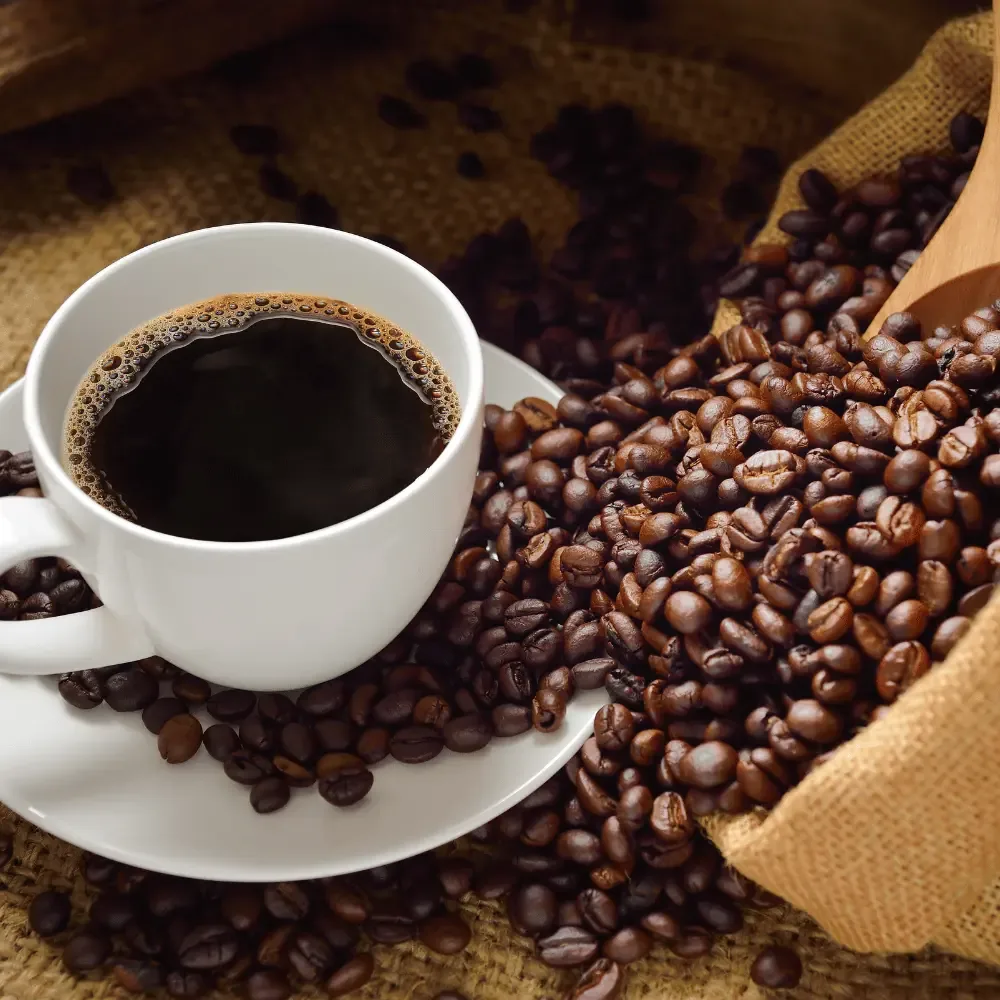 Barako Coffee: The Philippine Liberica That Nearly DisappearedBig beans, a smell you can identify across a room, and a crop that went from a national export to an endangered heritage product in one century.
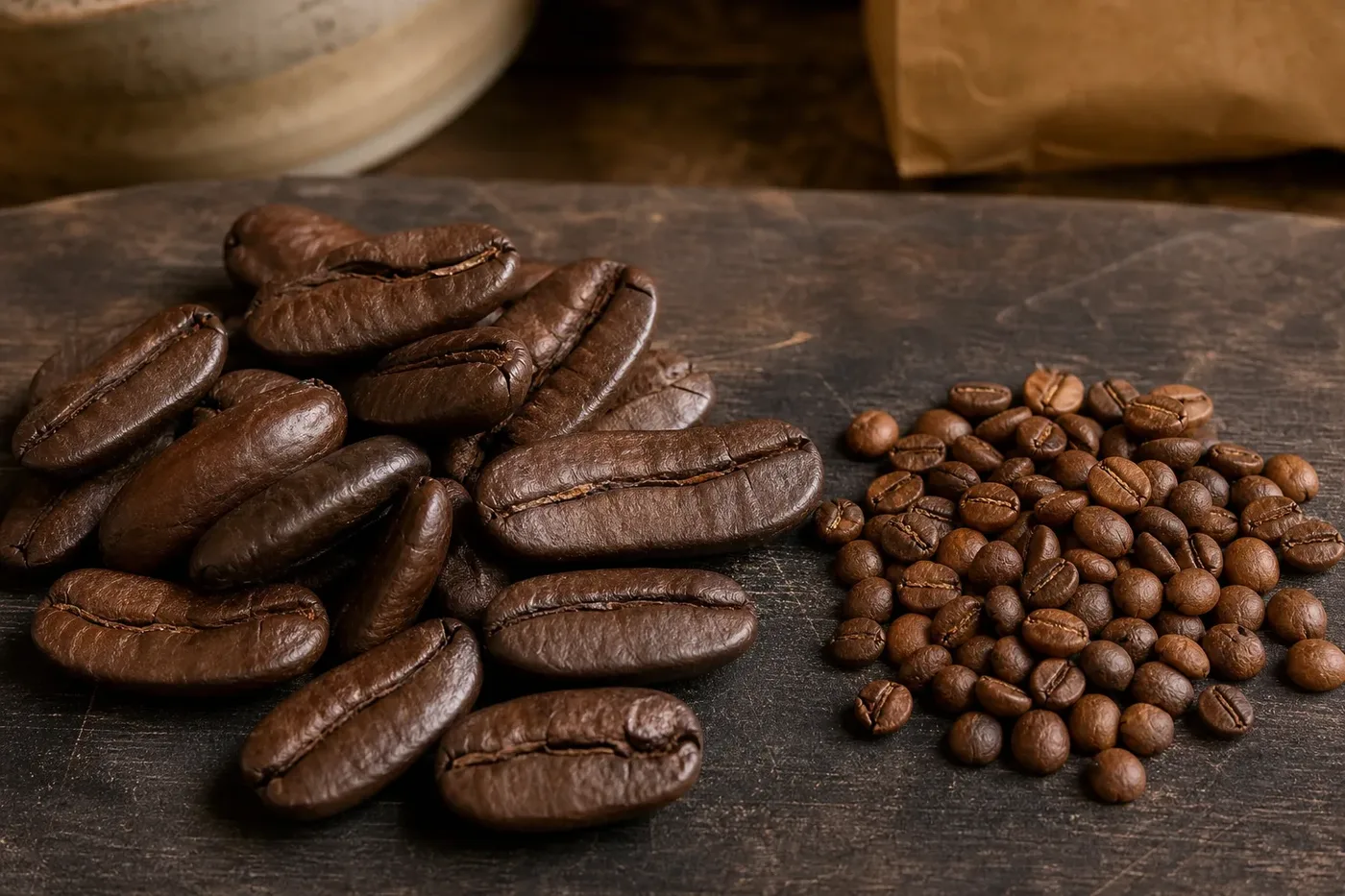 What Is Liberica Coffee?The third commercial coffee species: huge trees, big lopsided beans, a smoky and divisive cup, and a history that runs through a plant disease.
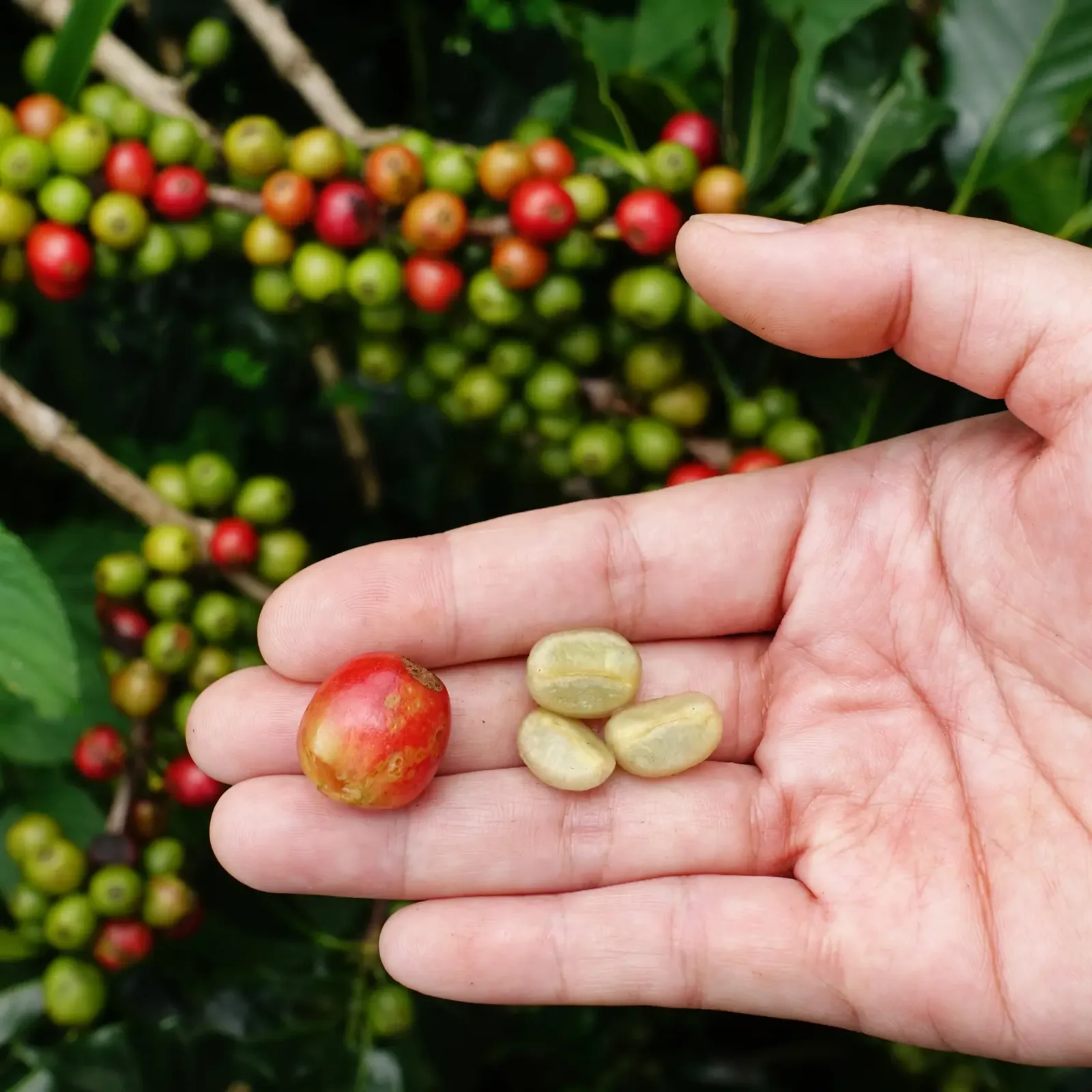 What Is a Coffee Cherry?Coffee is a seed inside a fruit, and almost everything that decides how it tastes happens before it stops being one.
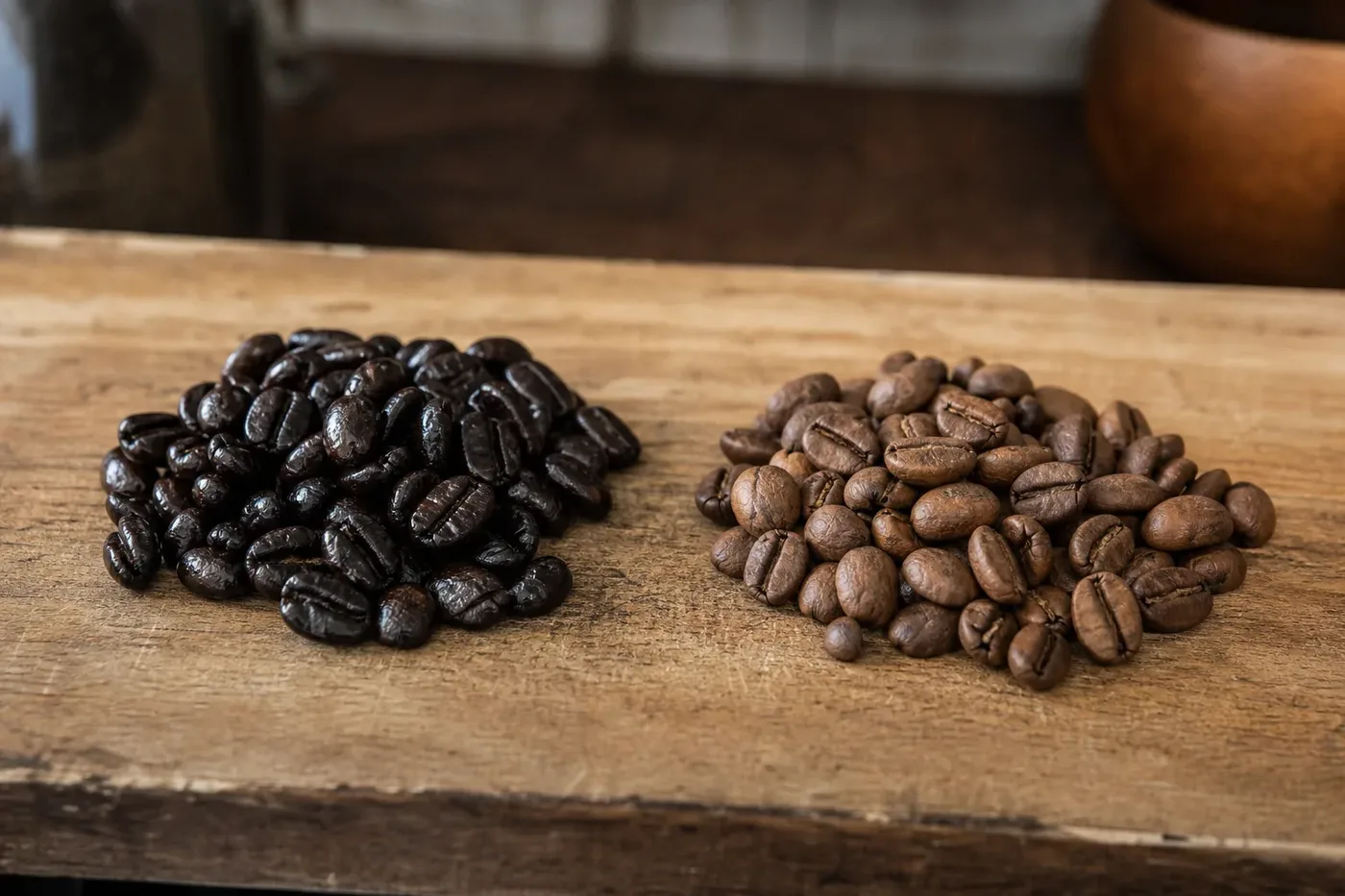 Espresso Beans vs Coffee Beans: Is There a Difference?Espresso beans are coffee beans. The label describes how they were roasted and blended, not a different plant, and it matters less than the packet suggests.
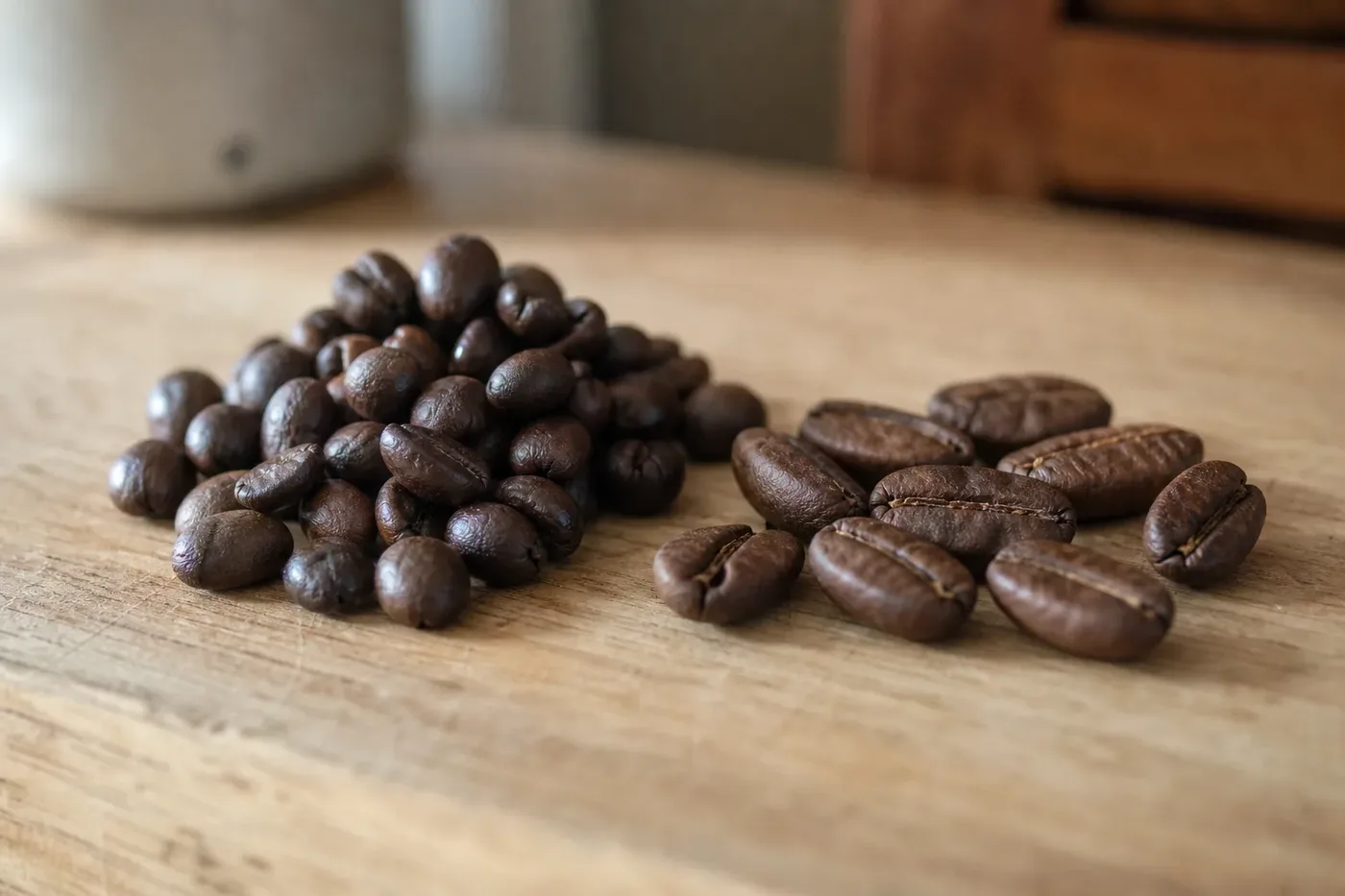 Peaberry Coffee: What It Is and Why It Costs MoreA peaberry is a single round bean from a cherry that formed one seed instead of two, and it is rarer, but not automatically better, than a regular bean.
Origins
Where coffee grows, why only there, and what each place does to the cup.
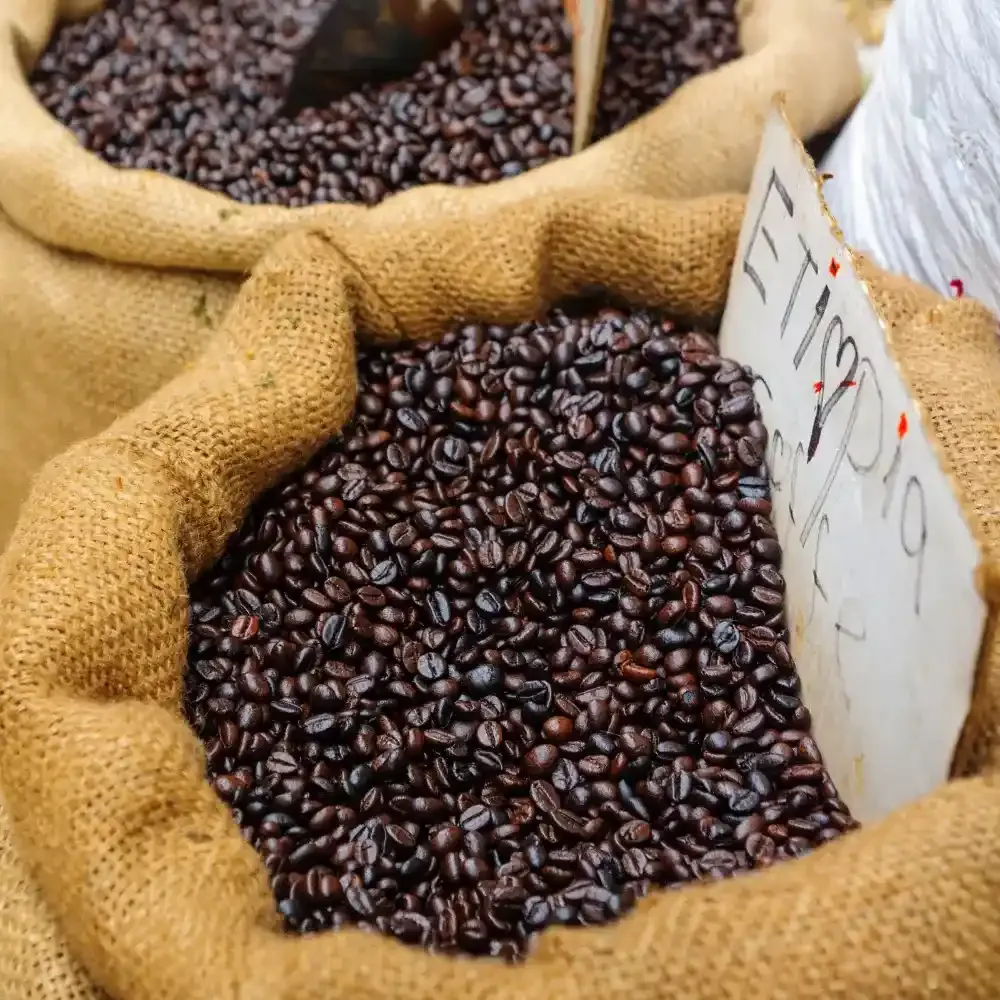 Ethiopian Coffee: The Regions and What They Taste LikeThe birthplace of arabica, and still the most distinctive coffee anywhere. Four regions, thousands of varieties nobody has catalogued.
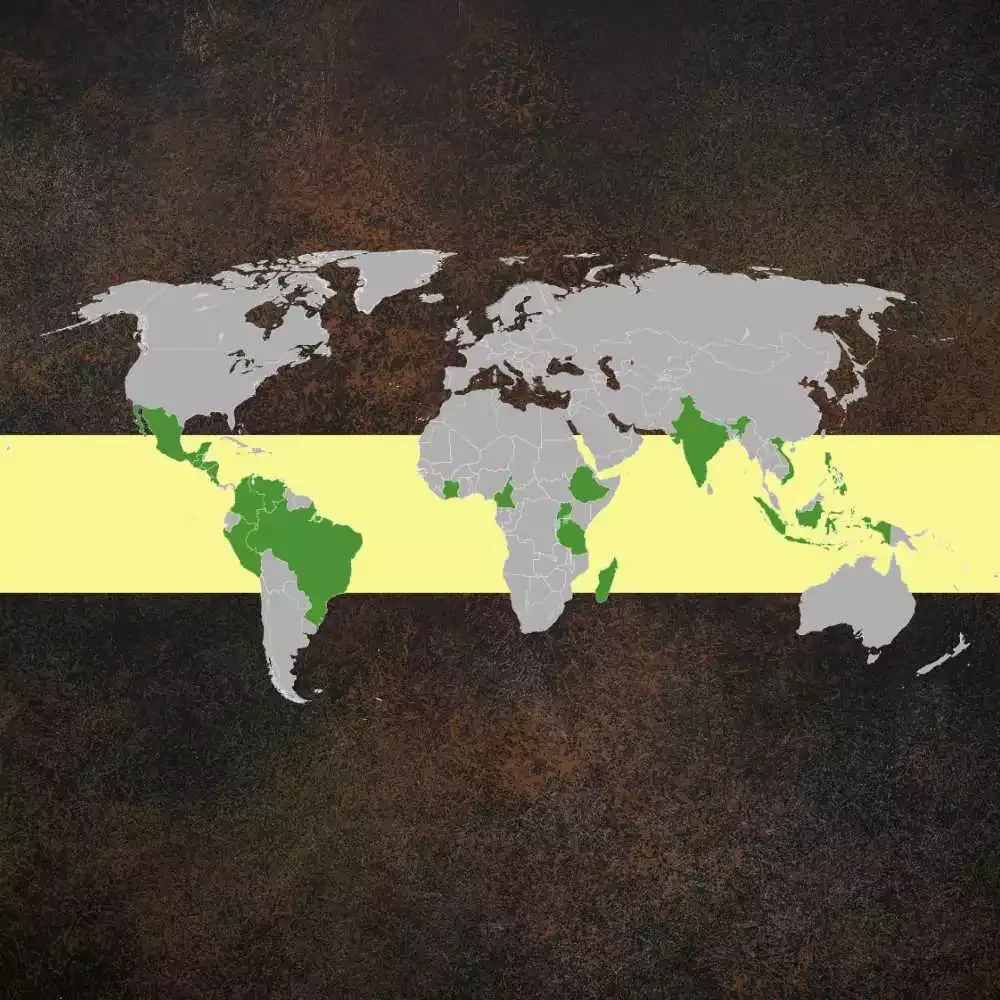 The Coffee Belt: Why Coffee Only Grows Where It DoesA band around the equator between the tropics, and a set of conditions narrow enough that climate change is redrawing it.
Roasting
What a roaster does, what the roast names mean, and whether oily beans are a warning.
All 6 on roasting →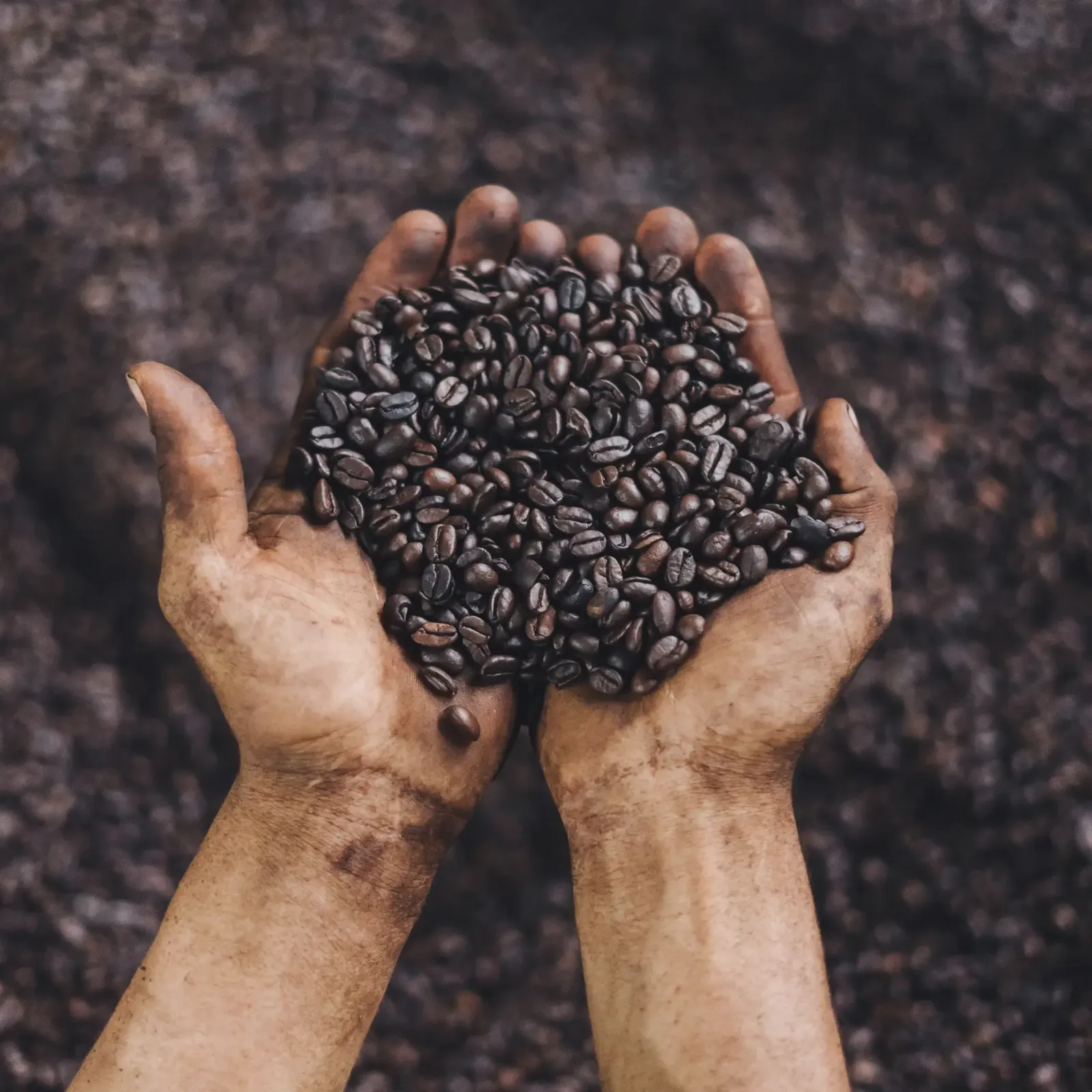 What Is Vienna Roast Coffee?A dark roast taken to the very start of second crack, where the surface just begins to shine. One step past full city, one step short of French.
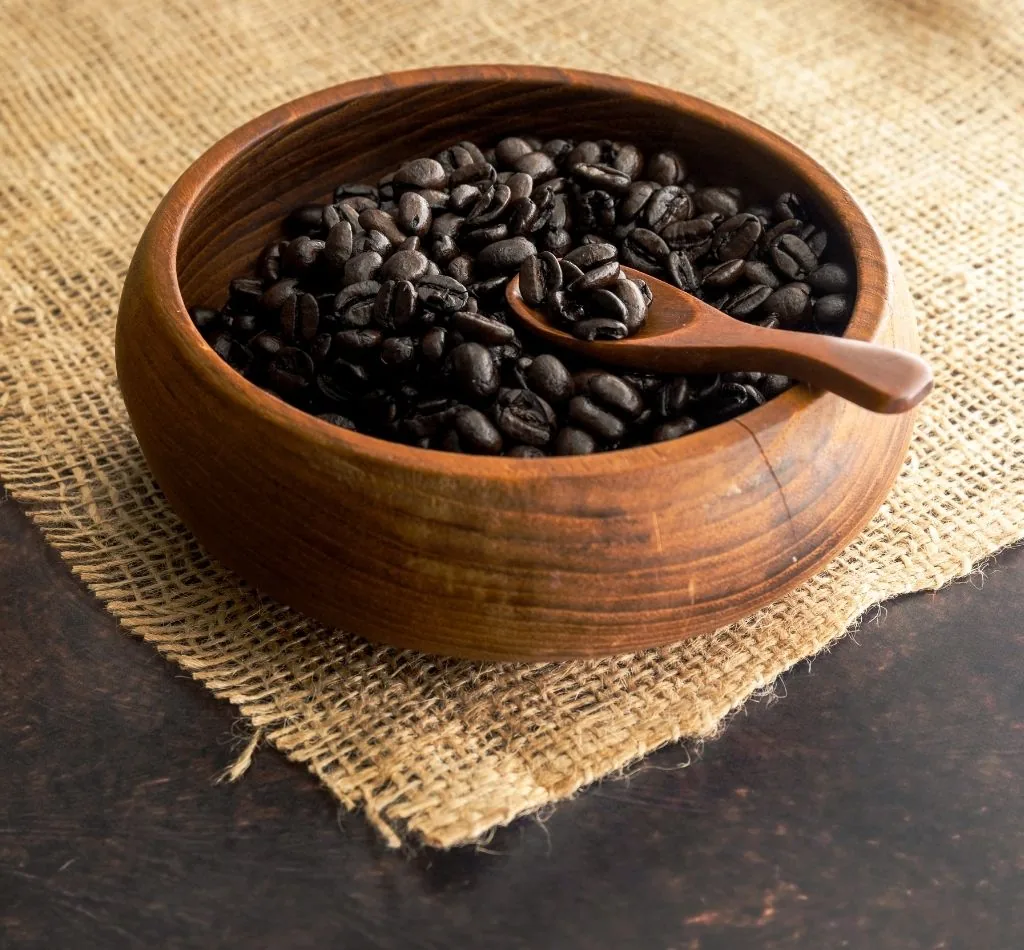 Are Oily Coffee Beans Bad?It depends entirely on why they are oily, and there are only two reasons. One is a roast decision and the other is age.
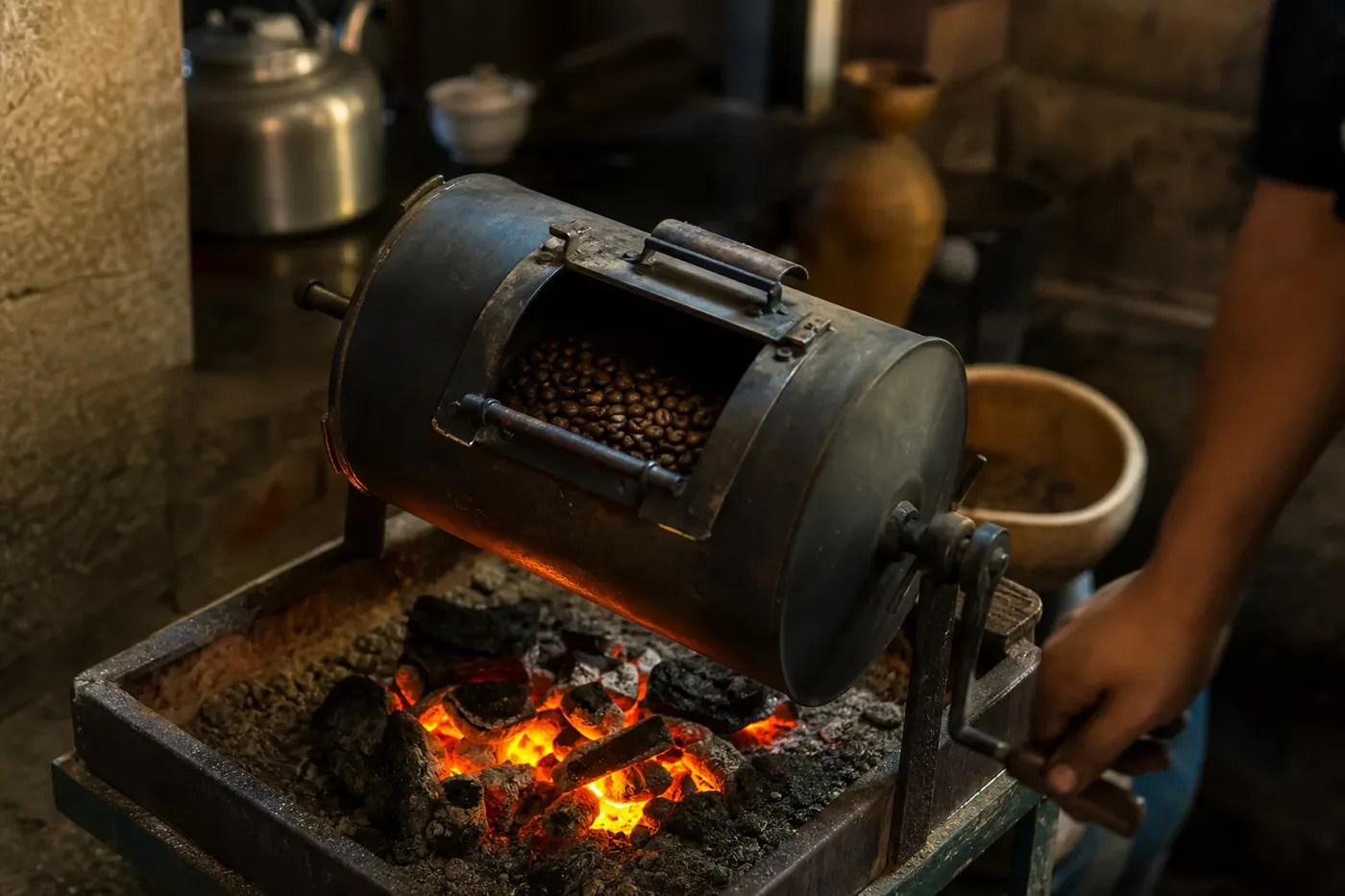 Sumiyaki Coffee and Kopi Joss: The Two Charcoal CoffeesOne is coffee roasted over charcoal in Japan. The other is a glass of coffee with a burning coal dropped into it in Indonesia. They share a word and nothing else.
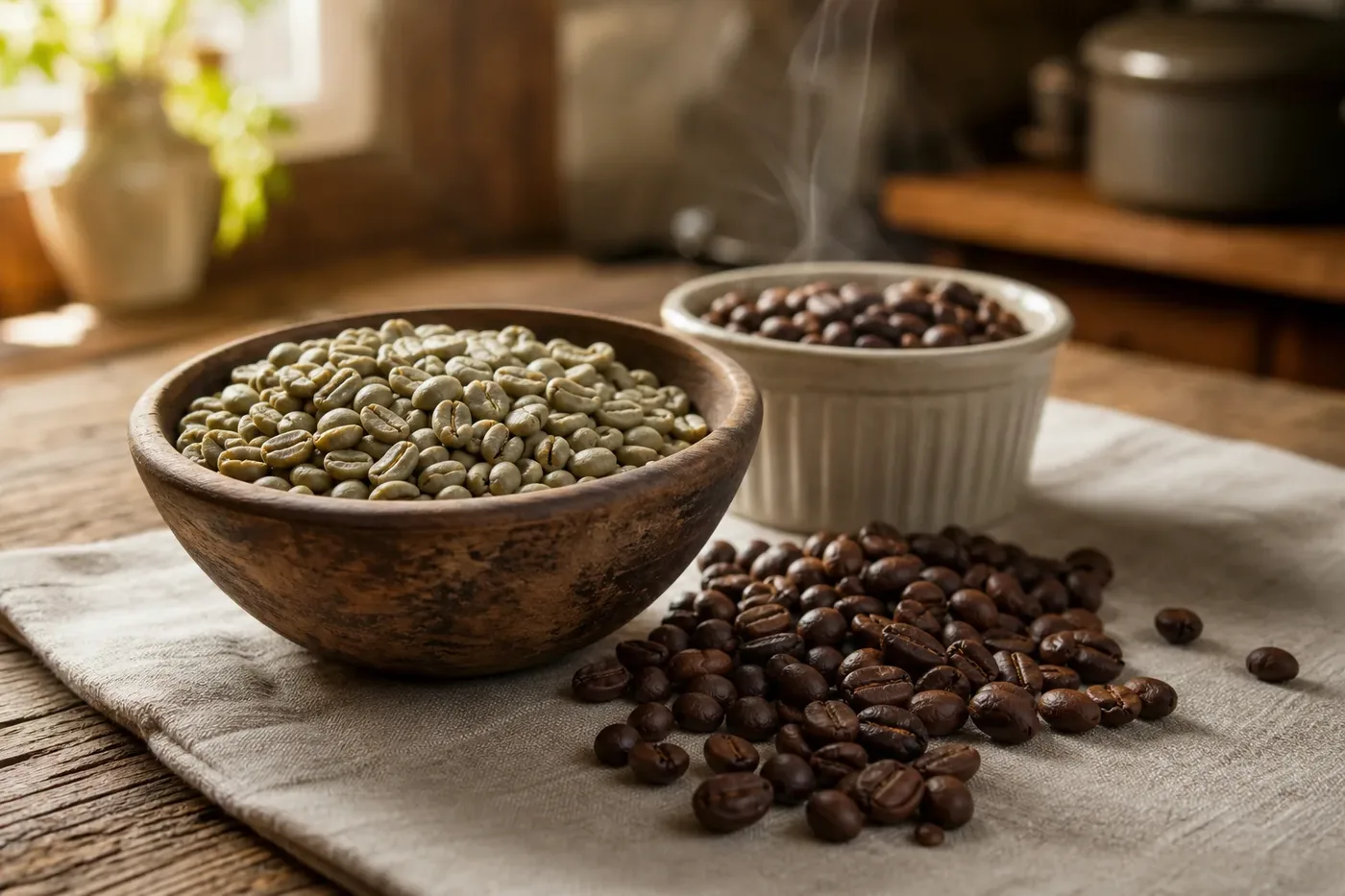 What a Coffee Roaster Actually Does, and Why It Shows in the CupGreen coffee tastes of almost nothing. Everything you recognise as coffee flavour was created in about twelve minutes of carefully controlled heat.
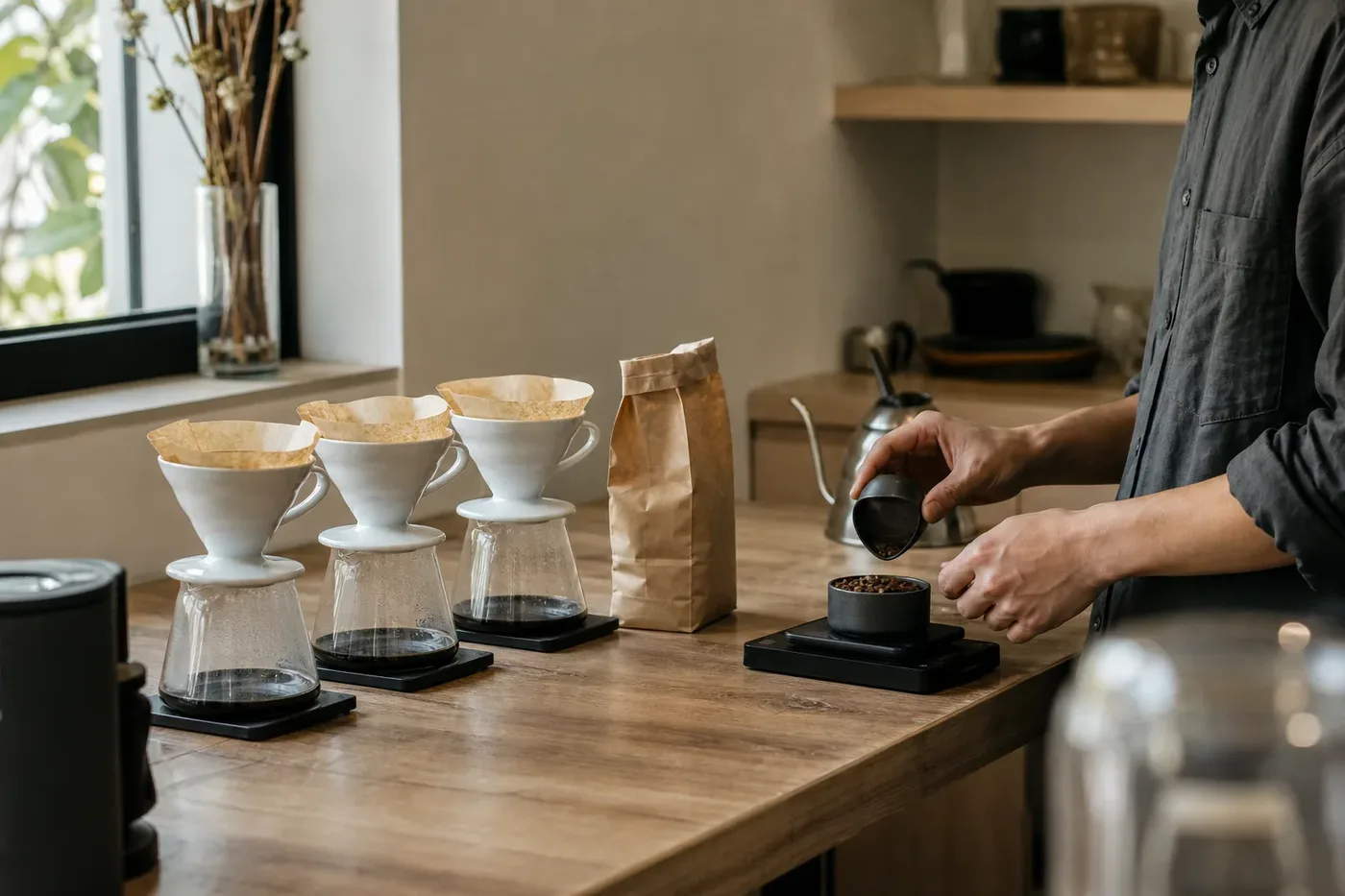 What Is Third Wave Coffee?Coffee treated as an agricultural product with an origin, rather than a commodity with a brand. The waves are a useful story and a rough one.
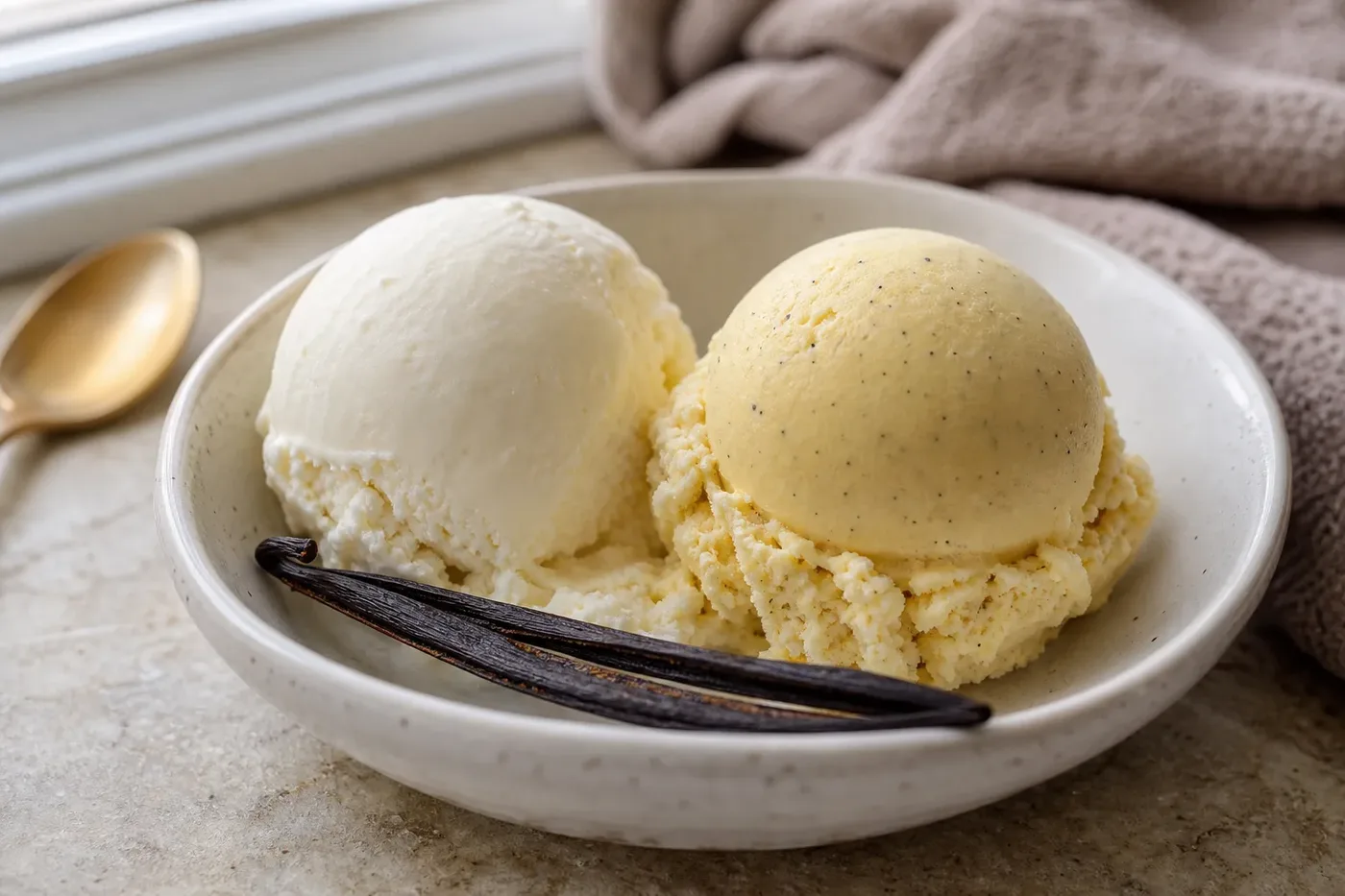 French Vanilla Coffee: What the Name Actually MeansIt is not a bean, a region or a legal category. It is a flavour borrowed from a style of ice cream, and the label rules tell you the rest.
Decaf
How caffeine is taken out, and what it leaves behind.
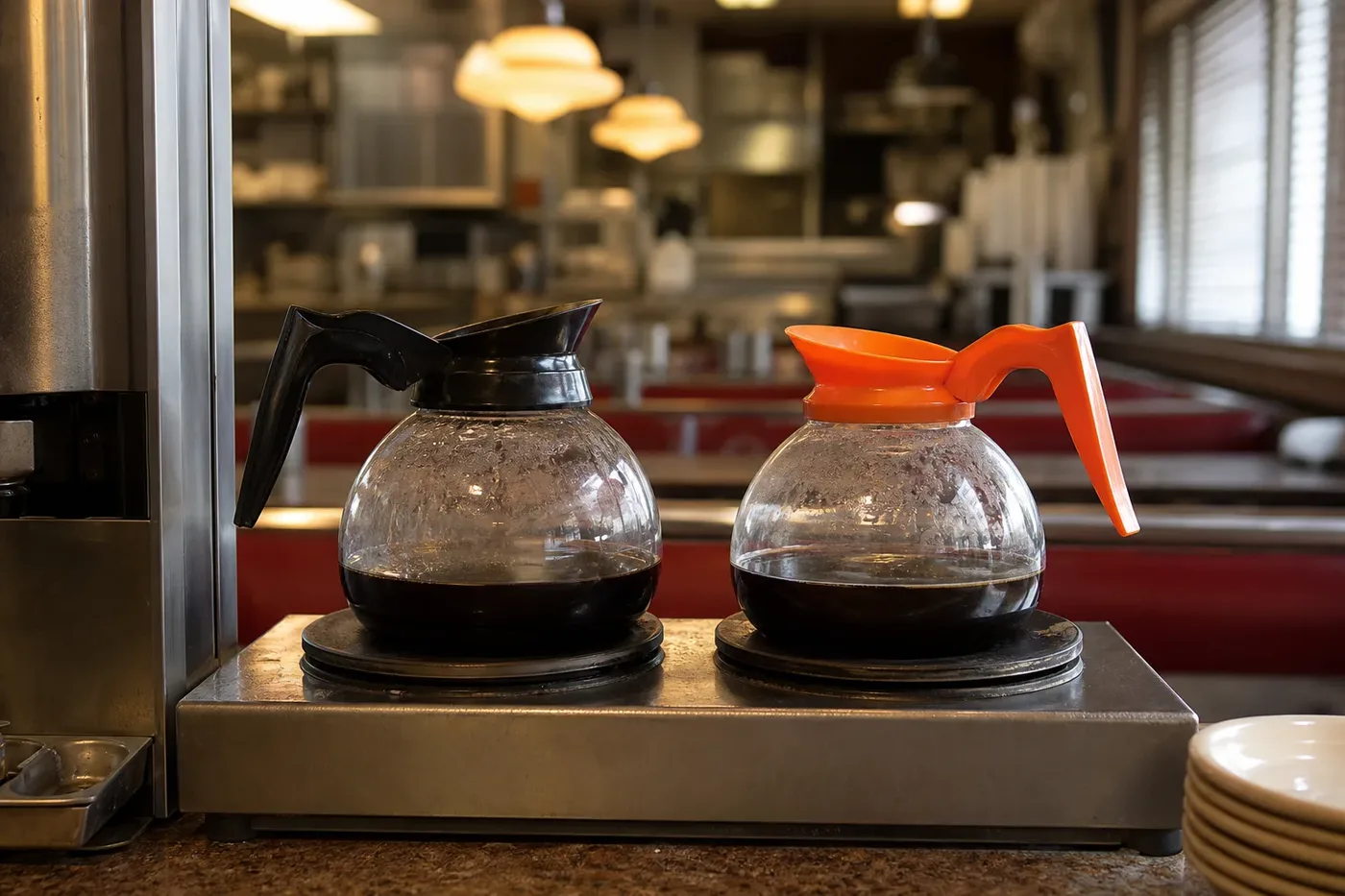 Sanka: The Decaf That Named a ColourA German coffee merchant's decaf became an American household word, gave restaurants the orange pot that still means decaf, and is still sold in jars today.
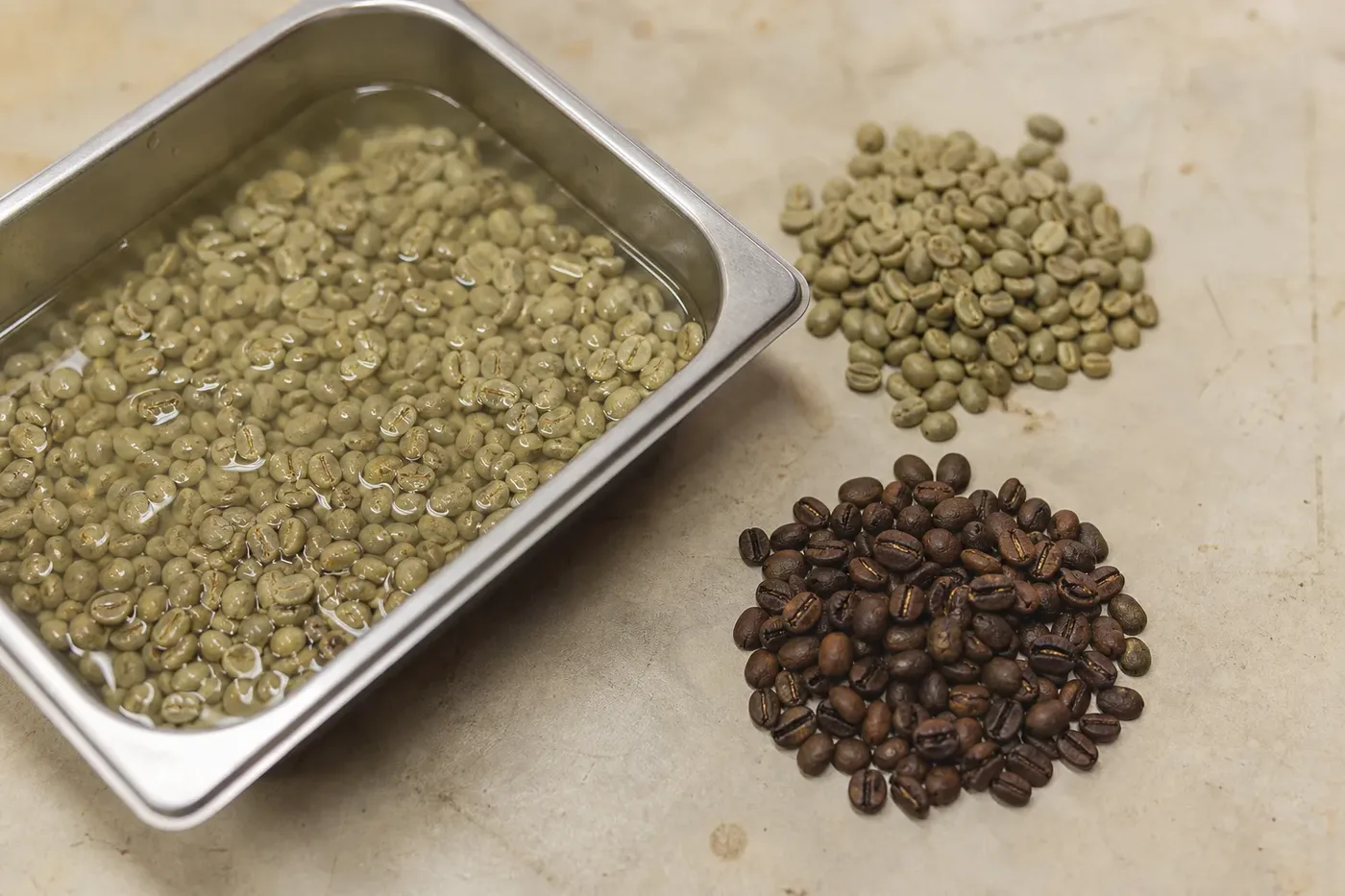 How Decaf Coffee Is MadeCaffeine comes out of the bean before it is roasted, using water, carbon dioxide or a solvent. The method changes the flavour, the label and the question people ask most about decaf.
Pods and instant
Nespresso's two systems, the real cost of a pod, and what instant actually is.
All 9 on pods and instant →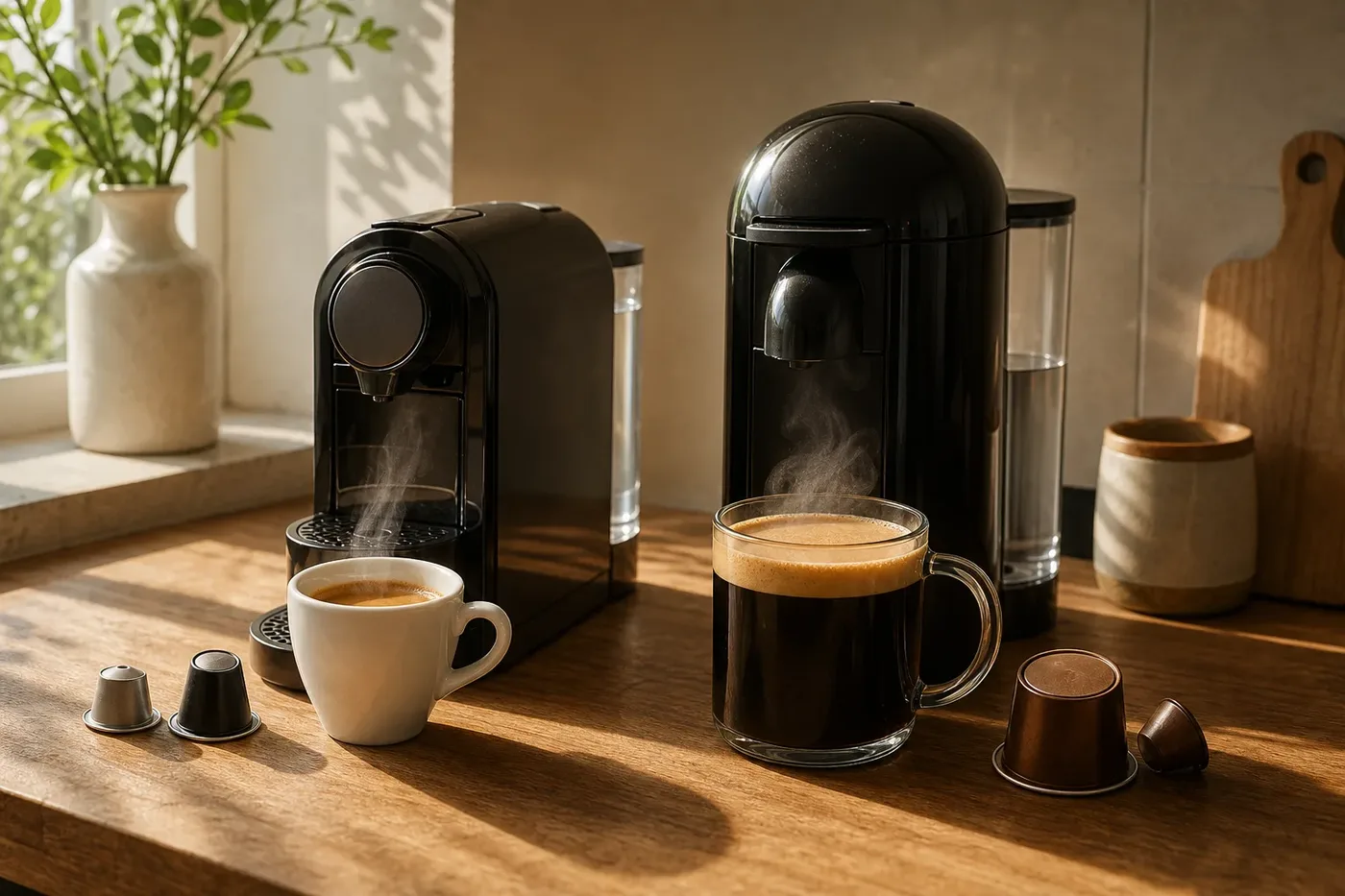 Nespresso Original vs Vertuo: The Two Systems, and Which Aisle You Are JoiningSame brand, different capsules, and they do not fit each other's machines. The barcode on a Vertuo pod is the whole decision, and it is worth more than the price of the machine.
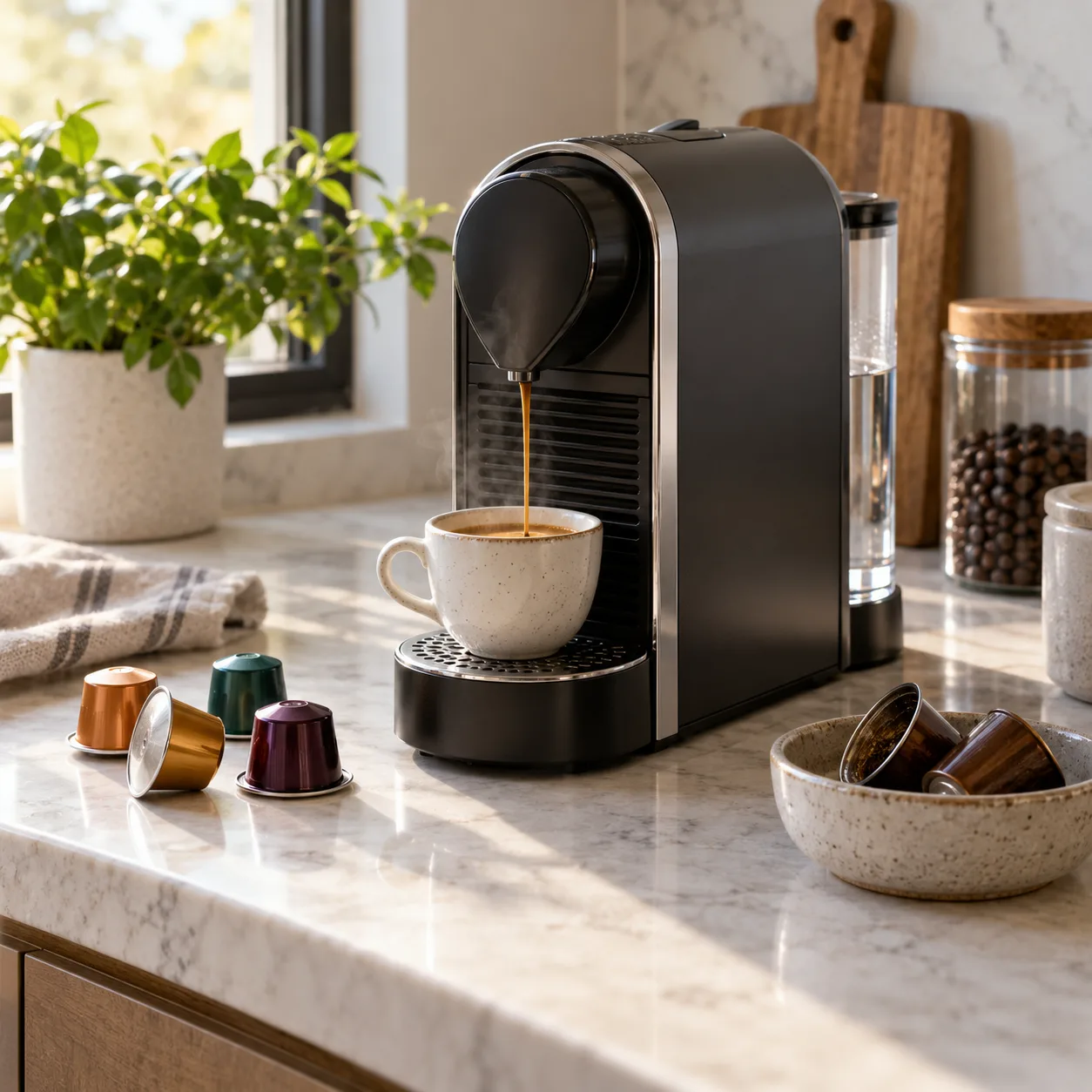 What a Coffee Pod Actually Costs Per CupThe machine is the small number. Work out what the capsules cost over three years and the cheapest machine is regularly the most expensive decision.
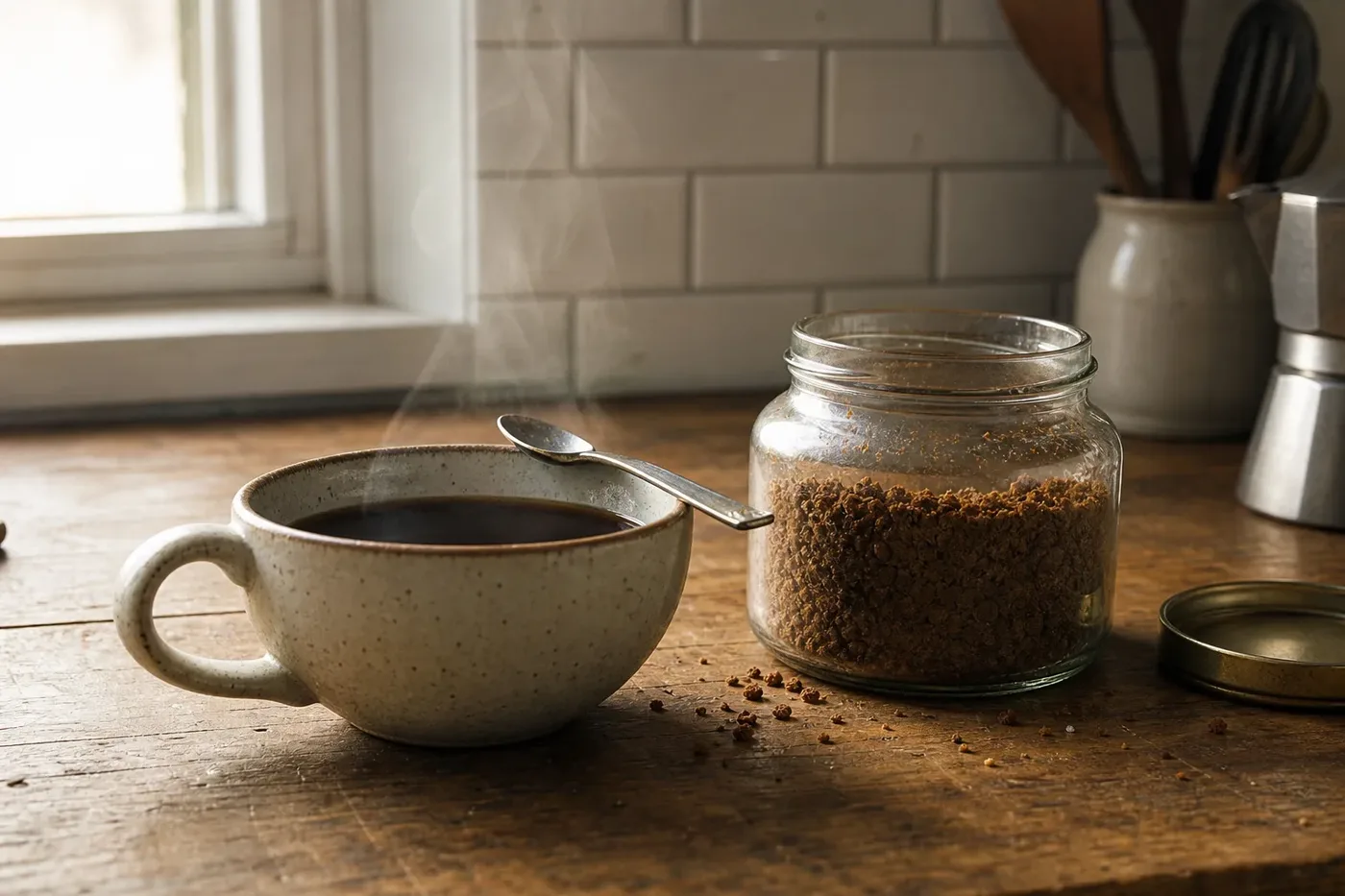 Is Instant Coffee Real Coffee?It is entirely coffee and nothing but coffee. What separates it from the cup you brew is not an ingredient, it is what the drying process took away and never gave back.
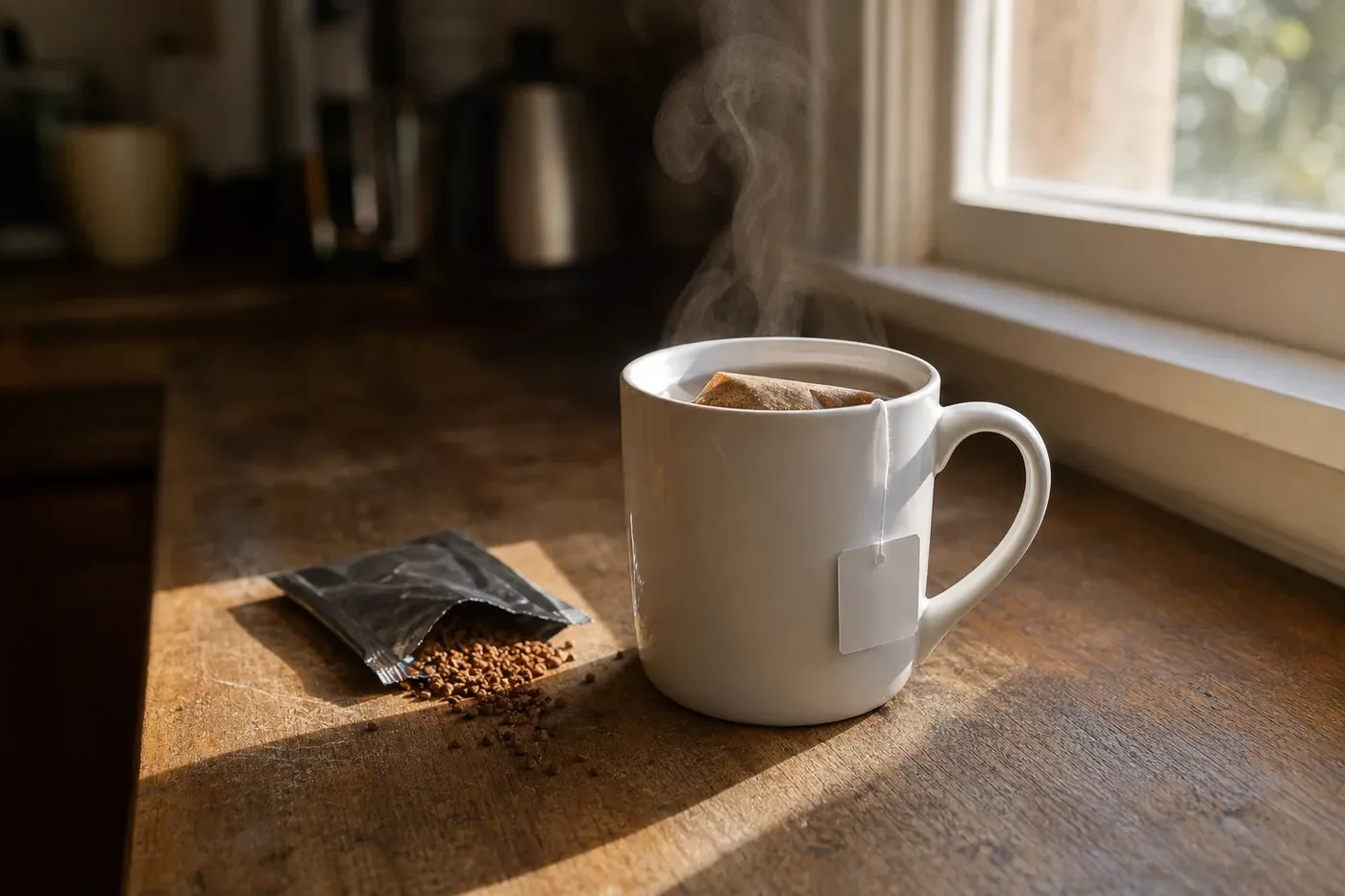 Coffee Bags vs Instant: Not the Same Thing at AllOne is real ground coffee you brew like tea. The other is coffee that was already brewed, then dried. The difference decides everything about how the cup tastes.
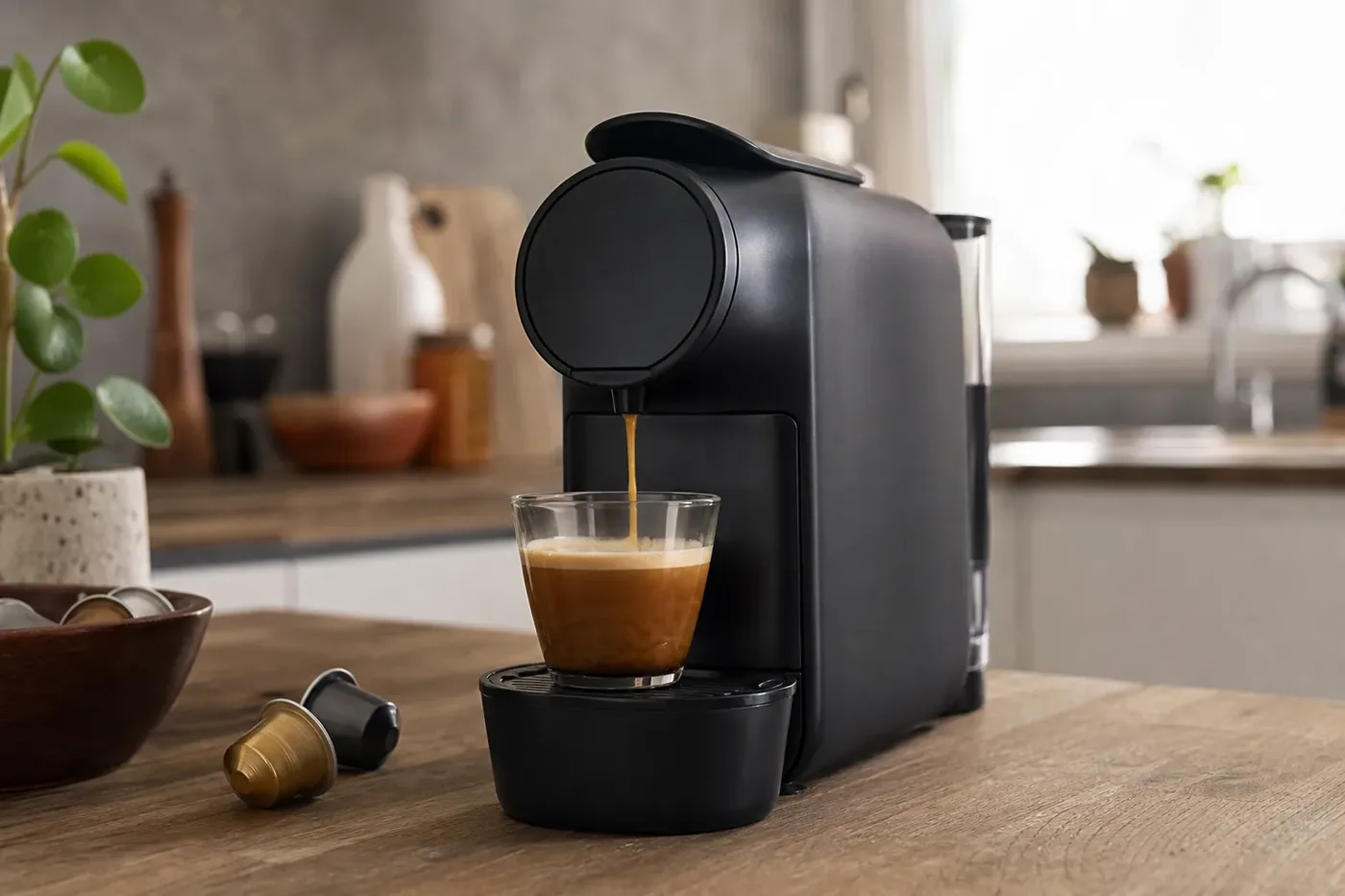 What Is a Gran Lungo?A Nespresso cup size rather than a coffee tradition. What the 150ml button actually does, and why longer is not the same as bigger.
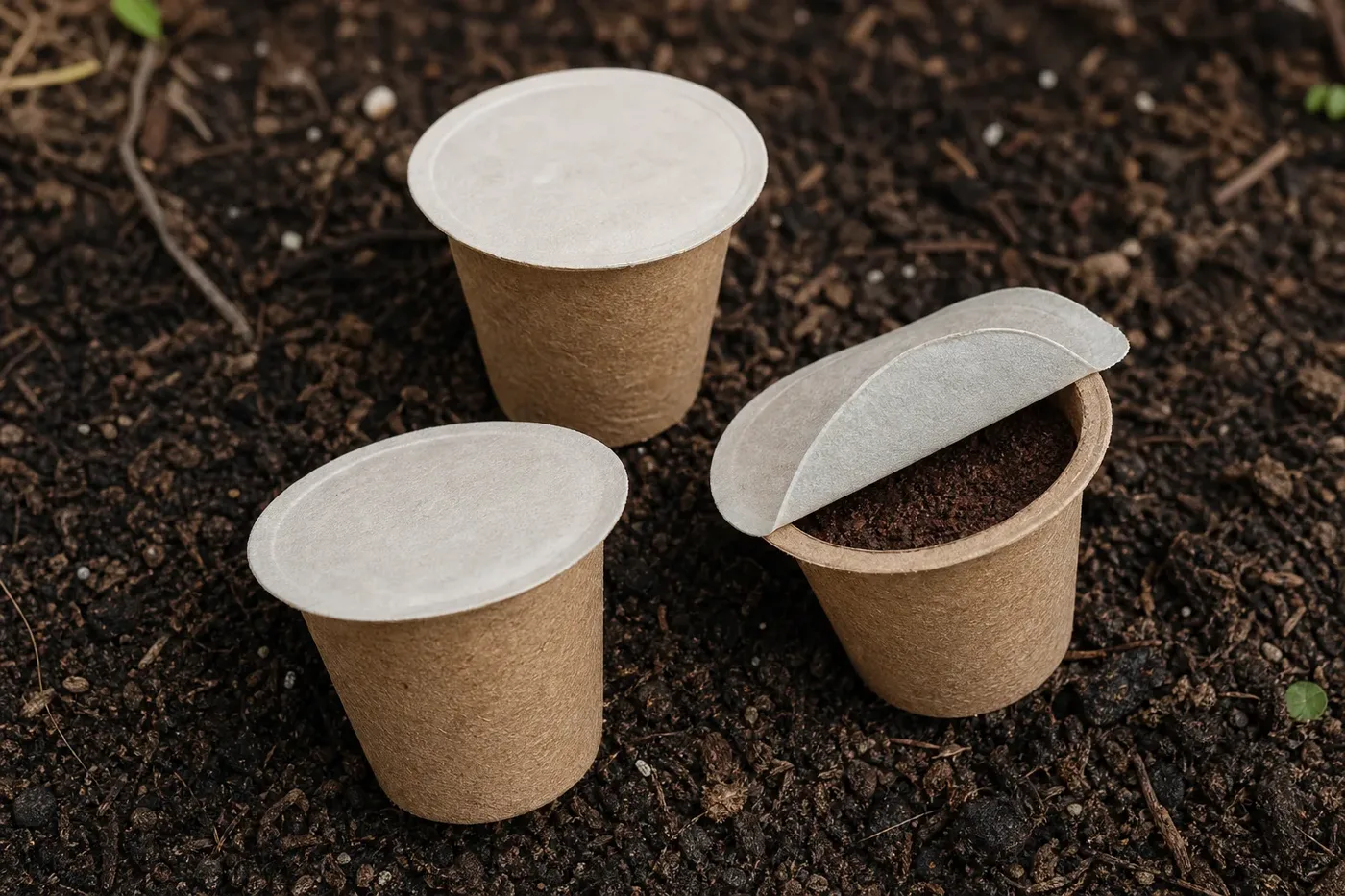 Compostable Coffee Pods: What the Certification Actually PromisesCertified compostable almost always means an industrial facility, not your garden, and most US kerbside programmes will not take it.
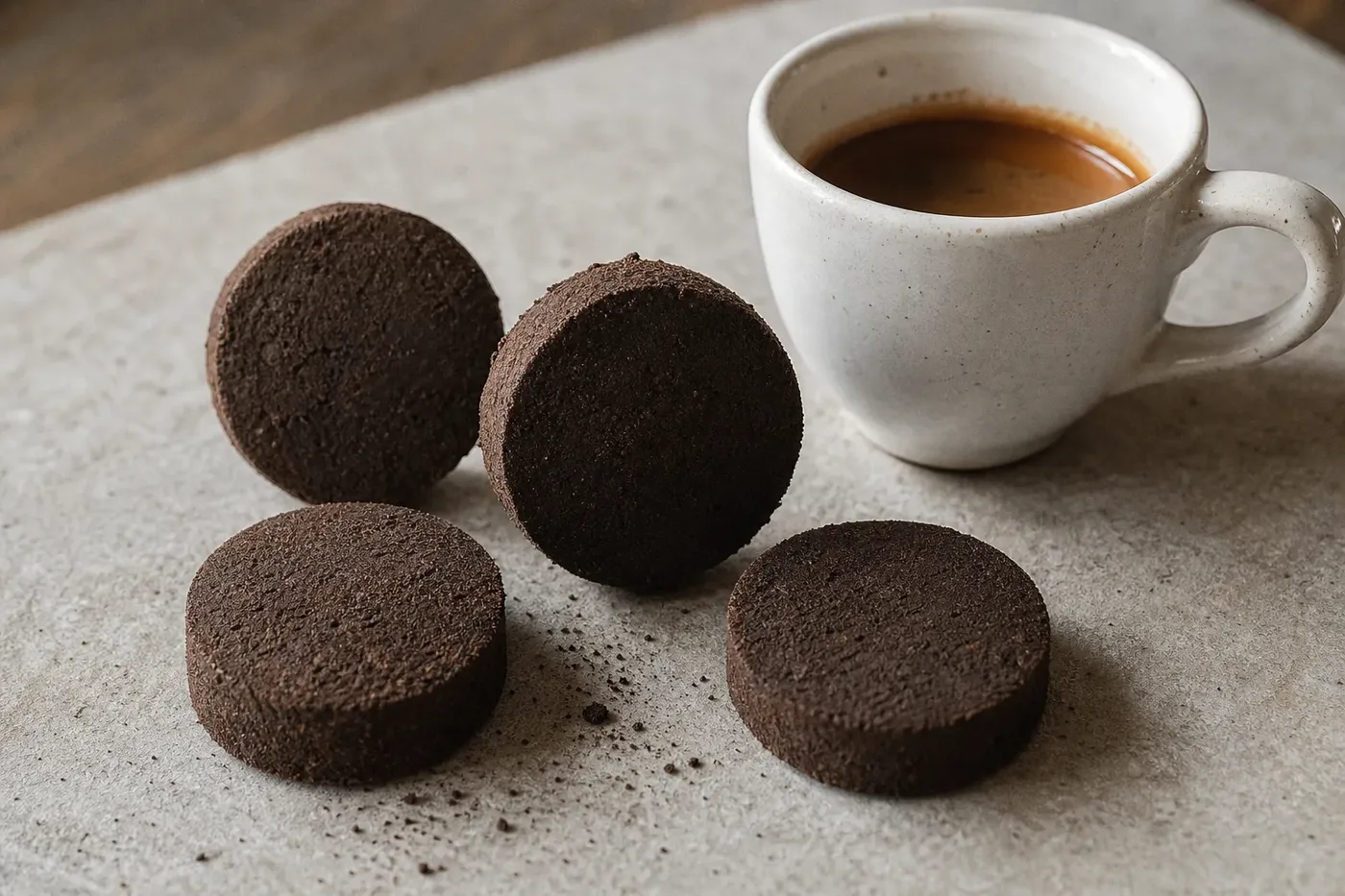 Lavazza Tablì: What Coffee Tabs Are and How They WorkA coffee tab is a pressed disc of coffee with no capsule around it. Here is how the format works, what it costs, and where it sits against a capsule.
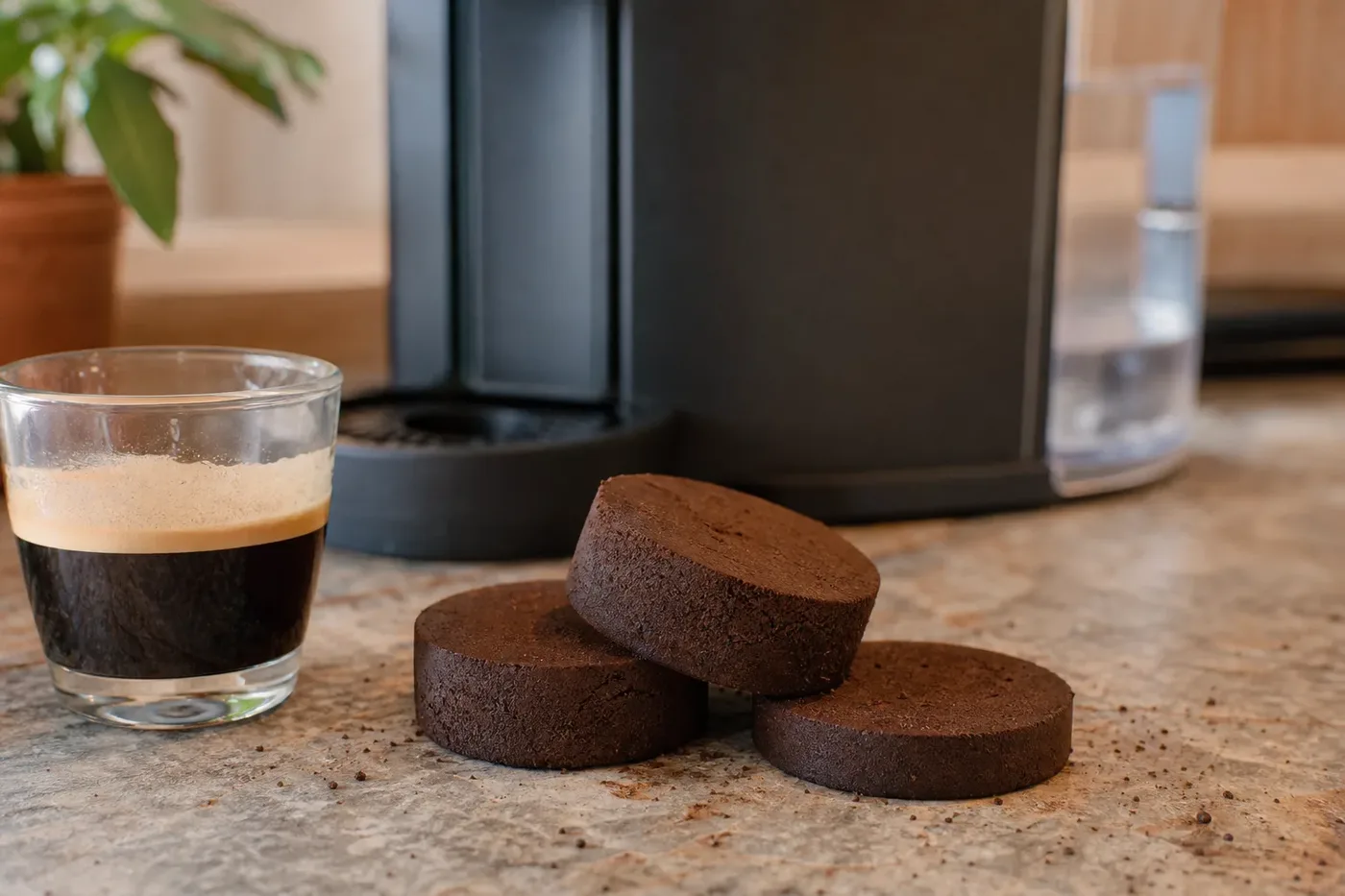 Keurig Alta: How AltaRounds Work and Whether It Takes K-CupsKeurig's new brewer swaps the plastic pod for a pressed round of coffee in a plant-based coating, and still takes K-Cups. What is confirmed, what is still unclear, and how it compares.
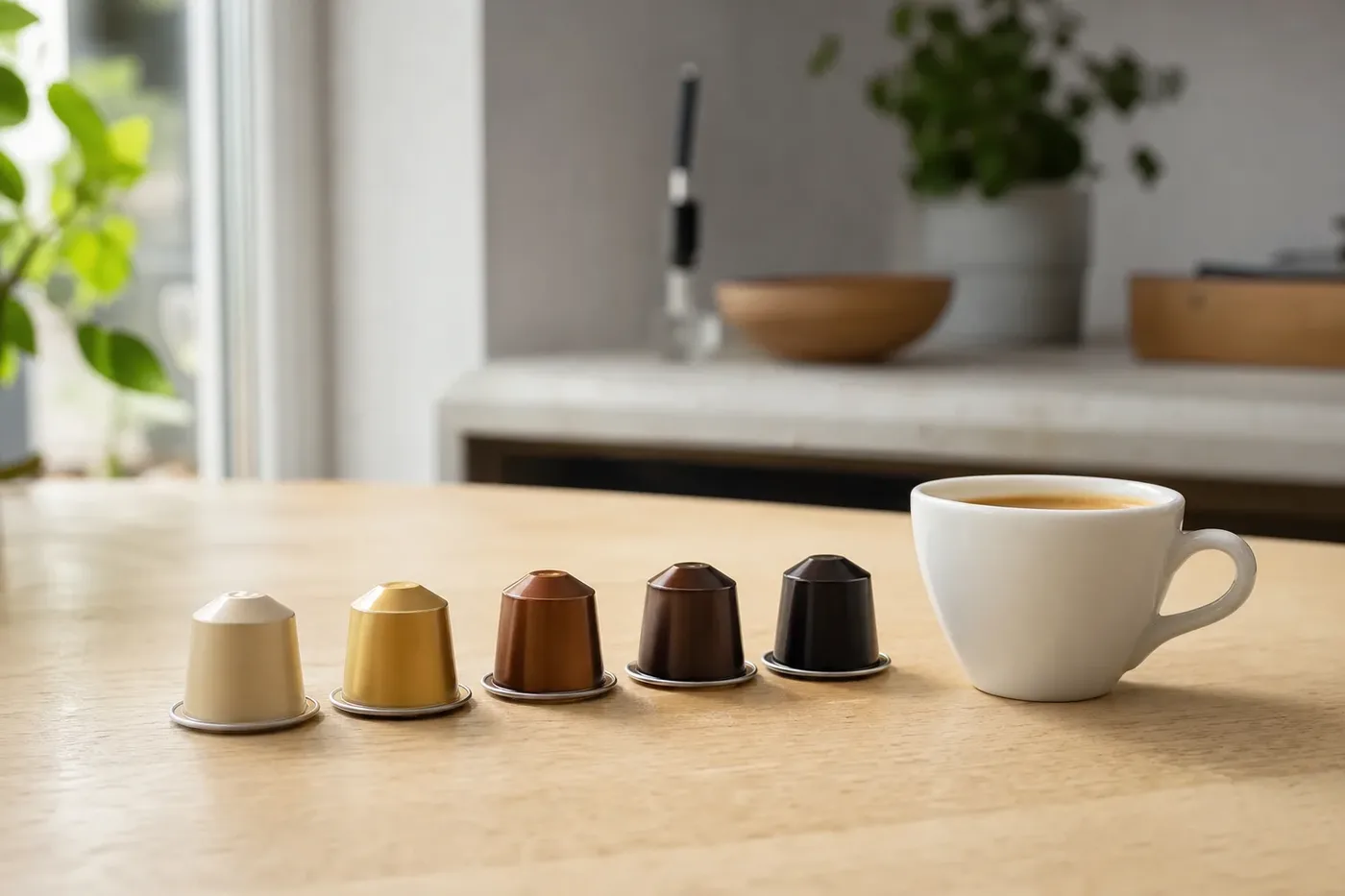 Coffee Intensity Scale: What the Numbers Really MeanNespresso and Lavazza print a number on every pod, and it describes roast and body, not how much caffeine is inside.
Buying and storing
Keeping beans fresh, choosing a grinder, and buying coffee for someone else.
All 12 on buying and storing →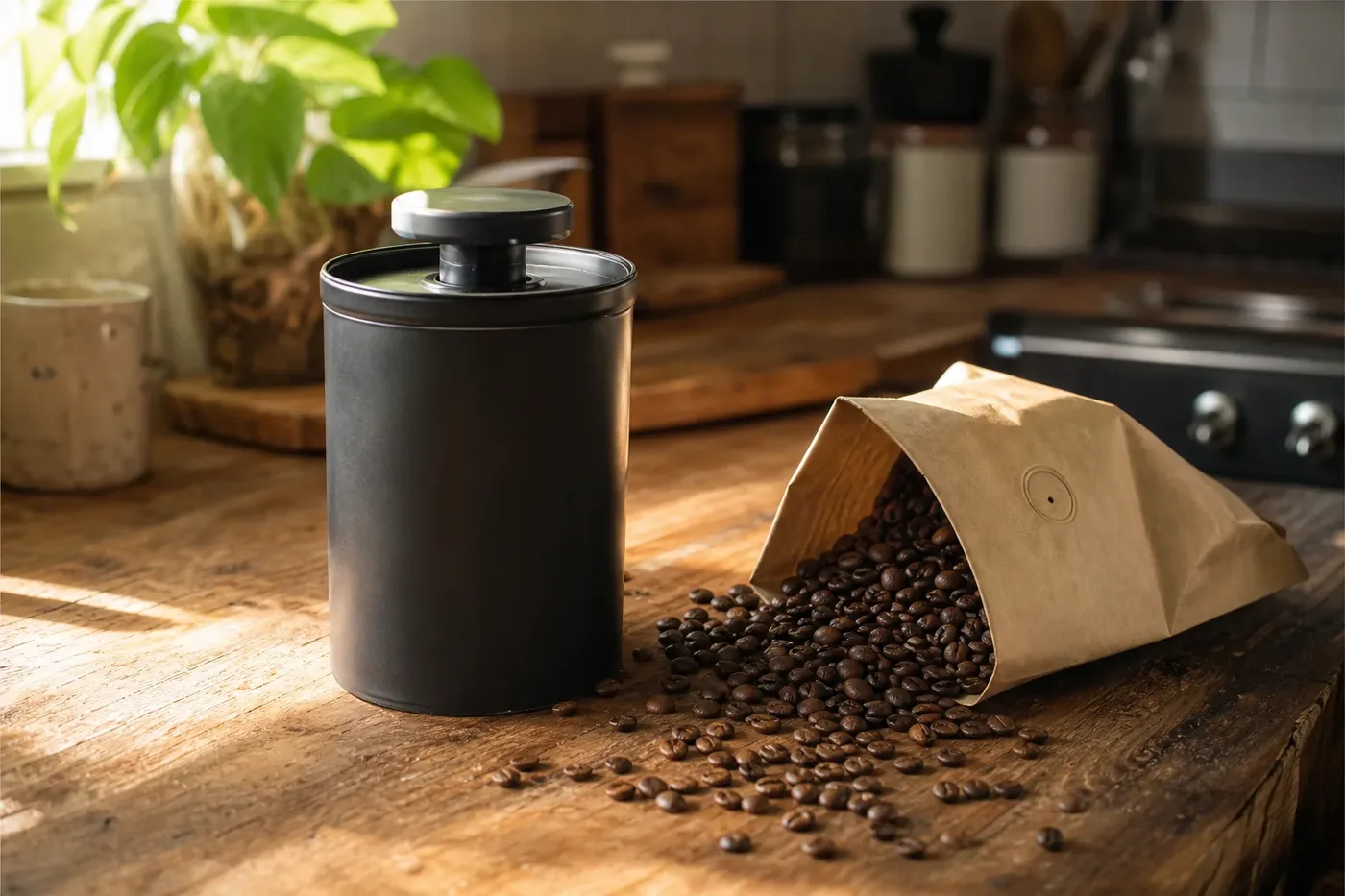 How to Store Coffee Beans, and What Actually Ruins ThemFour things stale coffee: air, moisture, heat and light. Three of the popular storage tricks make at least one of them worse.
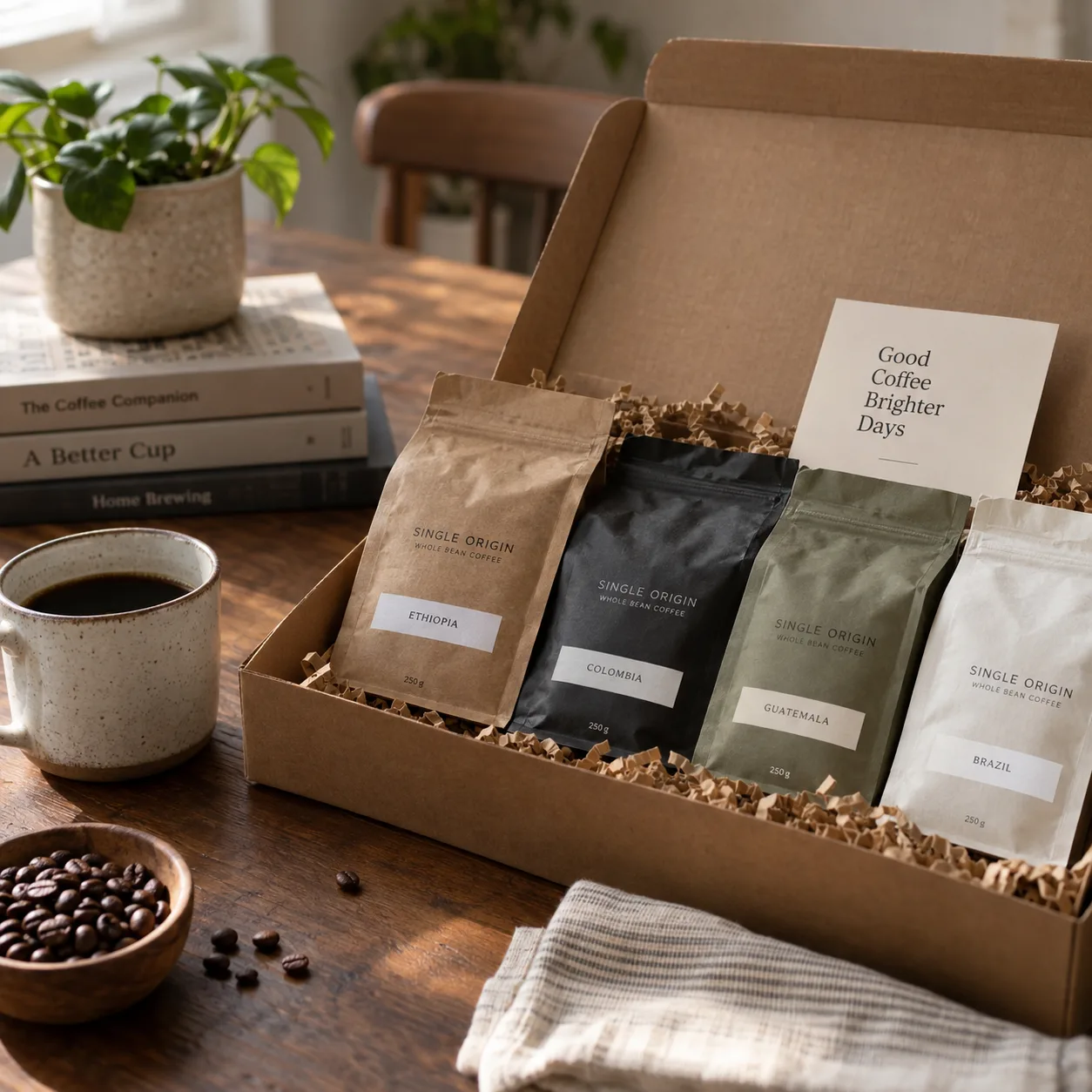 How to Buy Coffee as a Gift Without Knowing Their TasteYou cannot guess someone's roast level and you should not try. Buy variety, buy freshness, and avoid the two mistakes that make a coffee gift useless to the person receiving it.
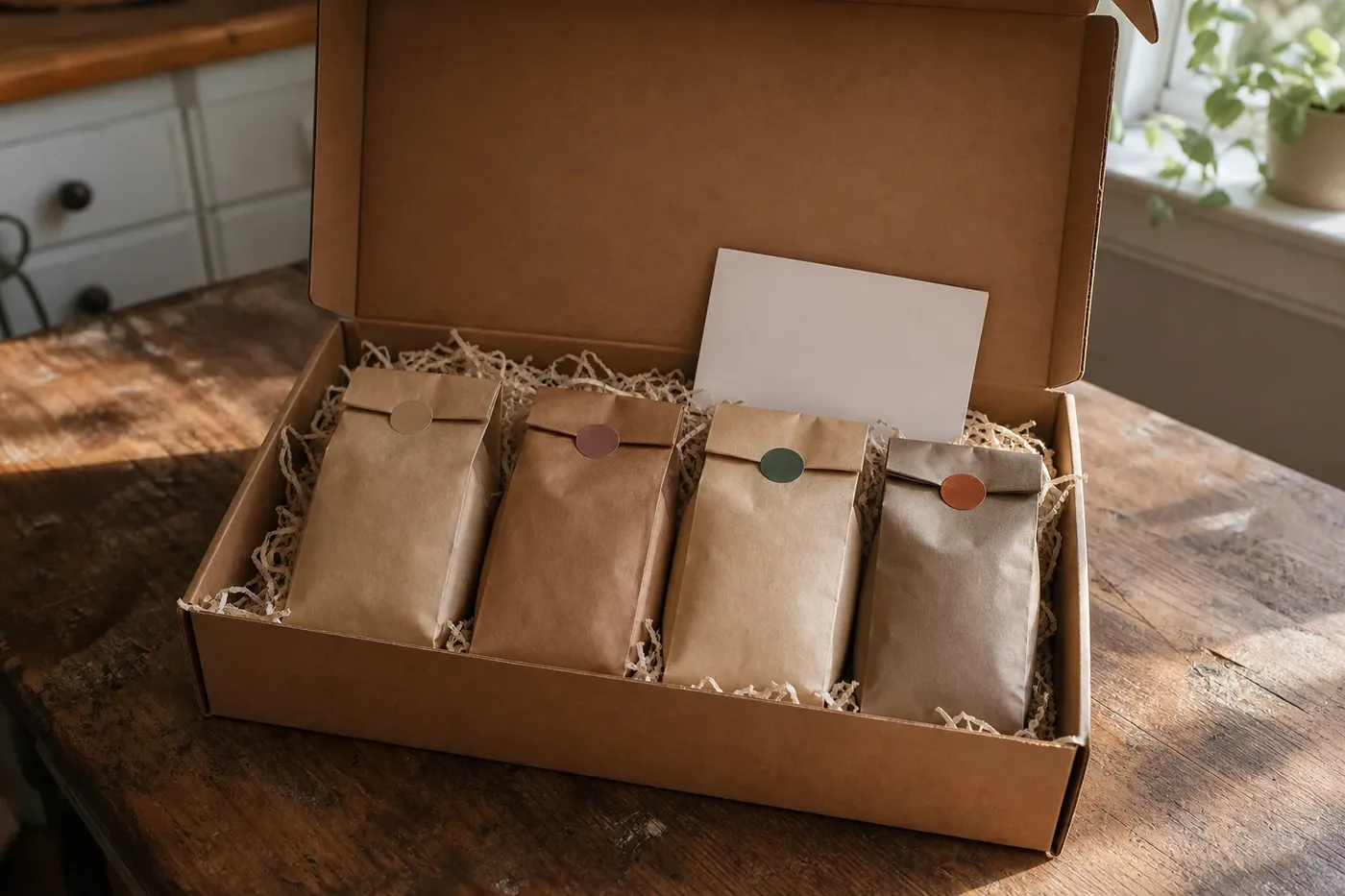 Are Coffee Gift Sets Worth It?Of the twenty sets on this site, exactly one costs less than buying its contents separately. That is not a scandal, but it is worth knowing which one before you decide what you are actually paying for.
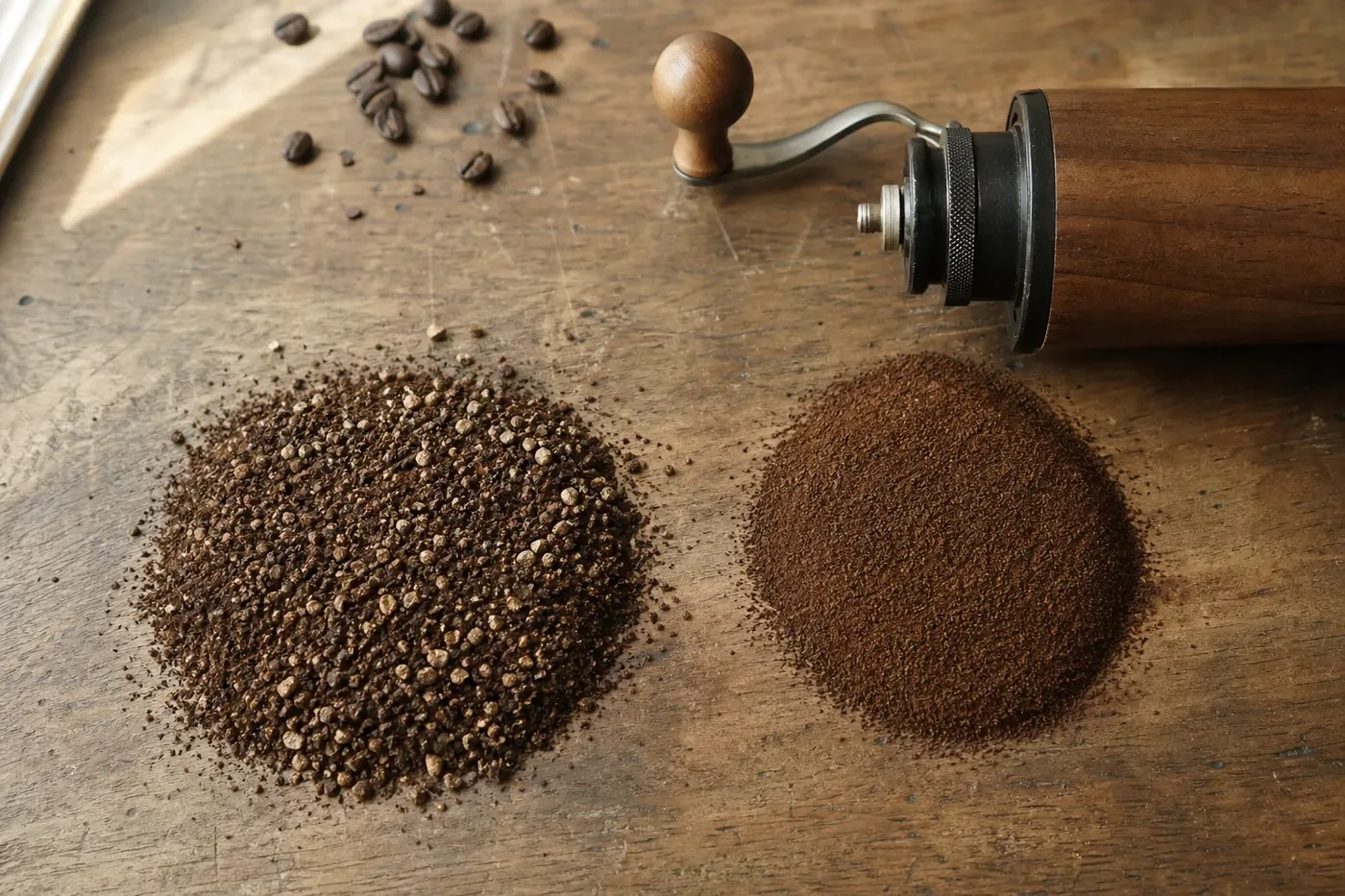 Burr vs Blade: Why Grind Consistency Is Most of the CupA blade grinder chops, a burr grinder mills to a size. That difference decides how much of your coffee dissolves, and it is the single biggest upgrade most home setups can make.
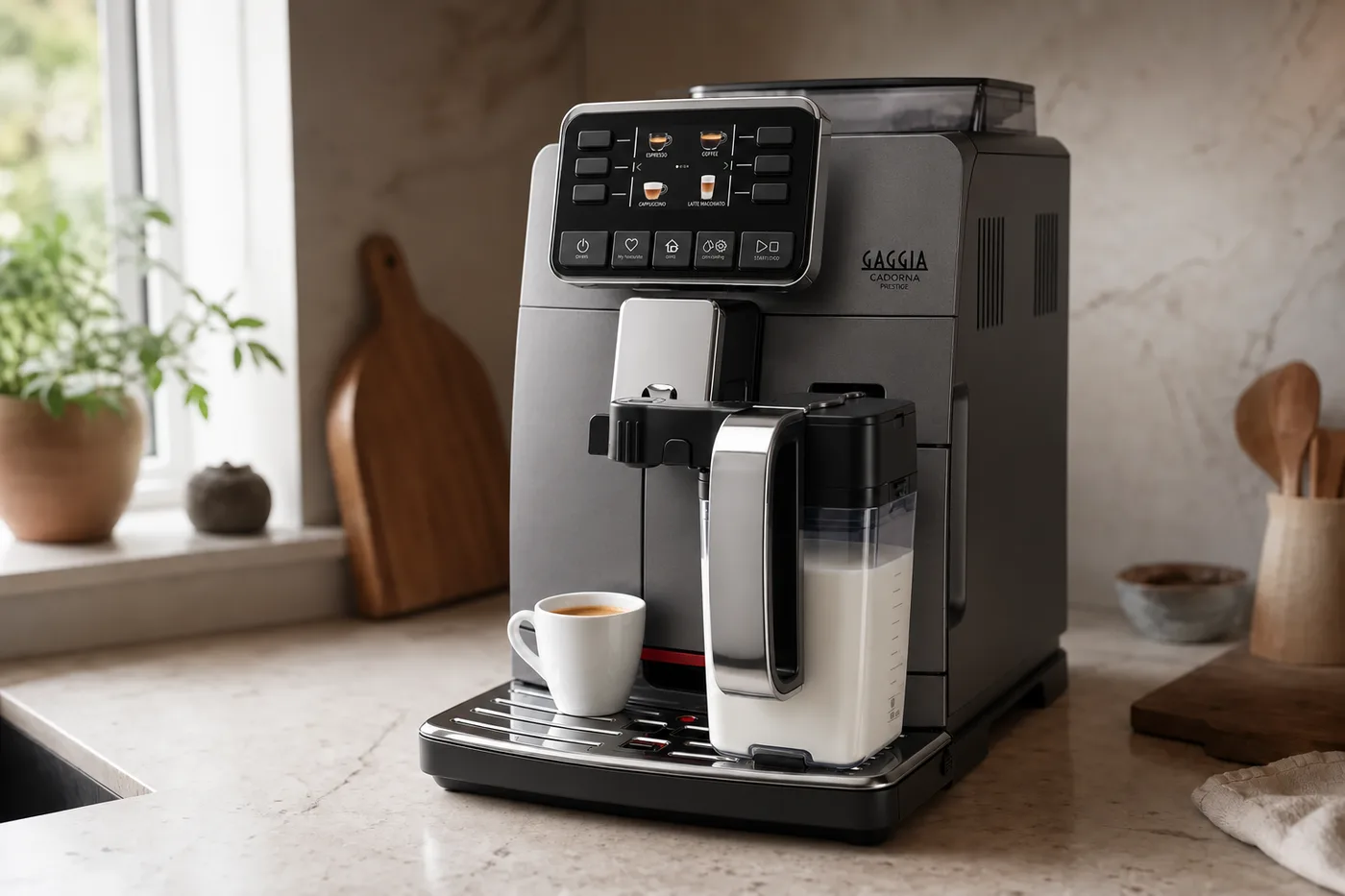 What a Bean-to-Cup Machine Actually DoesIt grinds, doses, brews and throws the puck away for you. What that buys, and what it takes away.
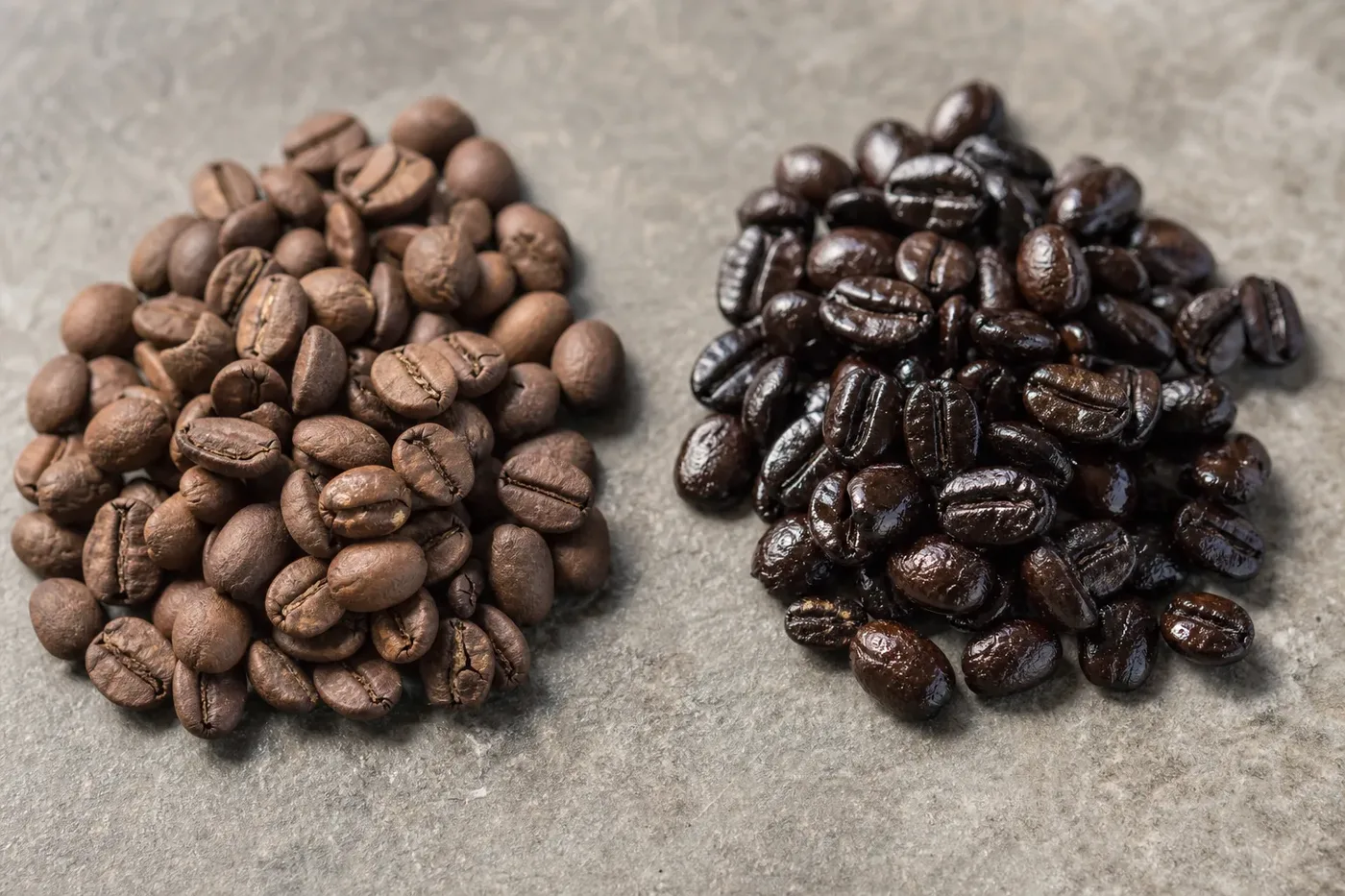 Choosing Beans for a Bean-to-Cup MachineOily beans, old beans and flavoured beans all cause the same three problems. What to buy instead.
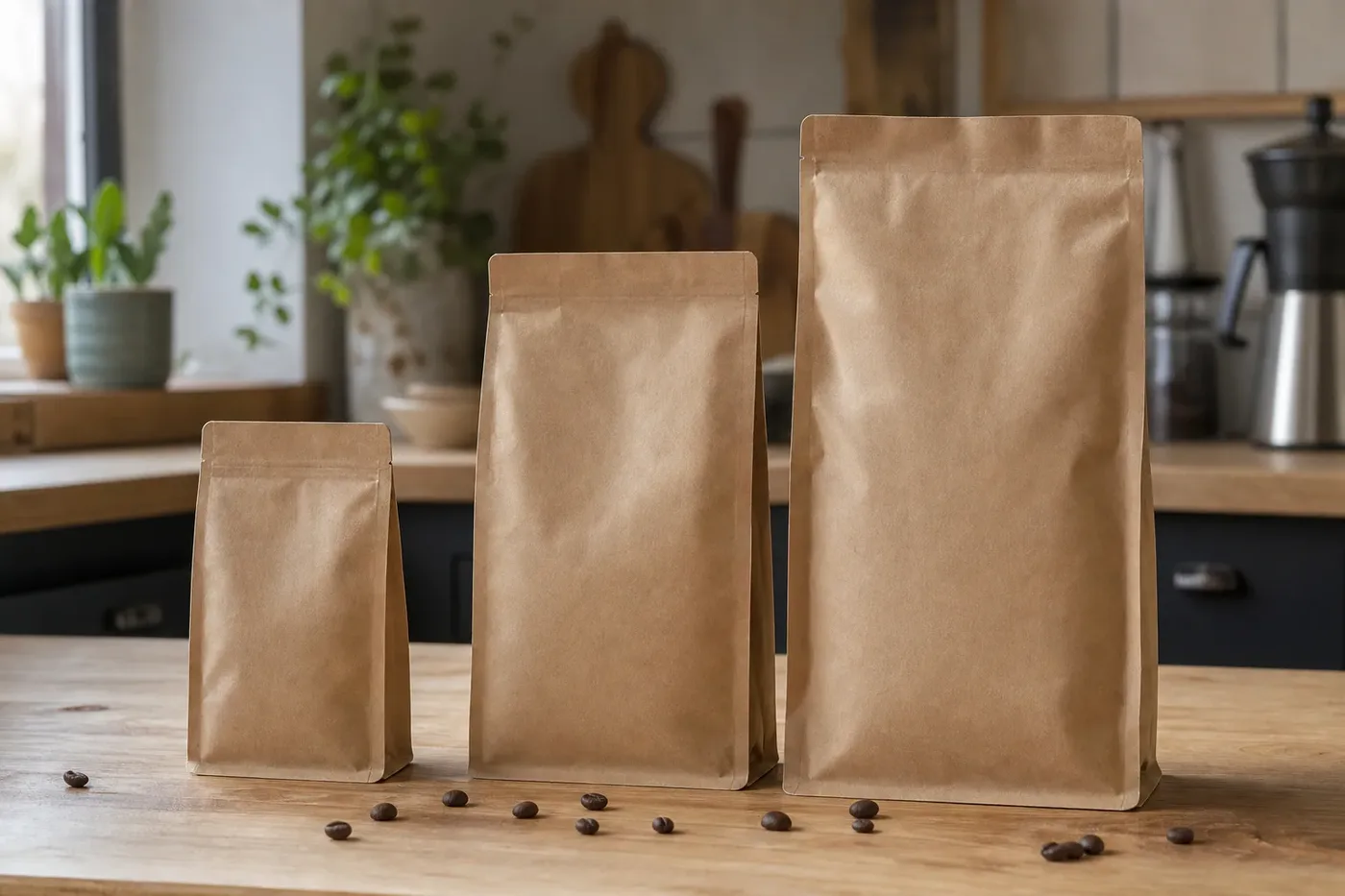 Are Coffee Subscriptions Worth It? What Twelve Services Charge per KiloMeasured per kilo, most subscriptions cost more than buying the same kind of coffee yourself. Here is when the extra is worth paying.
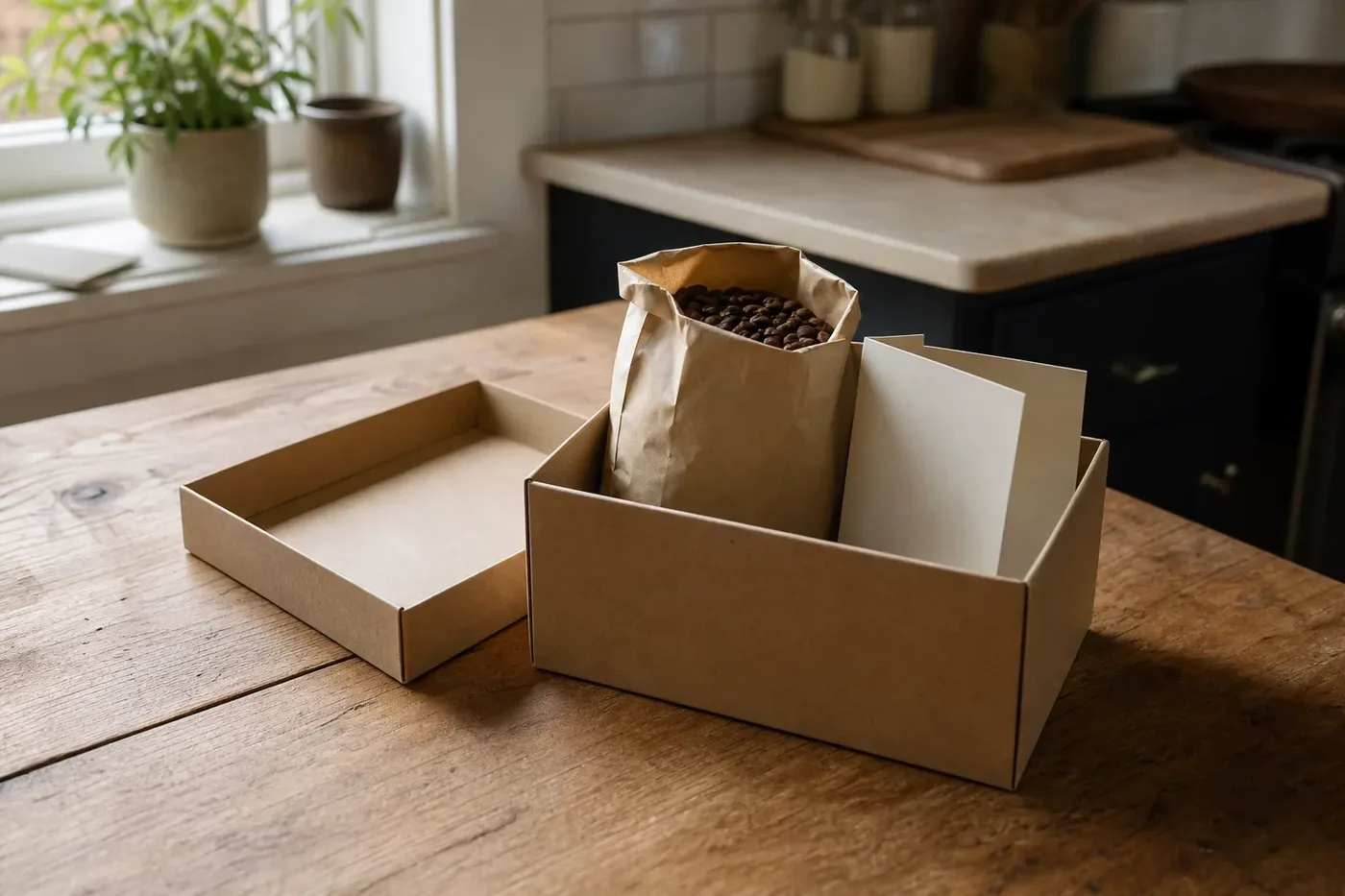 How a Coffee Subscription Works, From Sign-Up to Your DoorA quiz, a cadence, a charge date and a bag. What happens at each step, and where people get caught out.
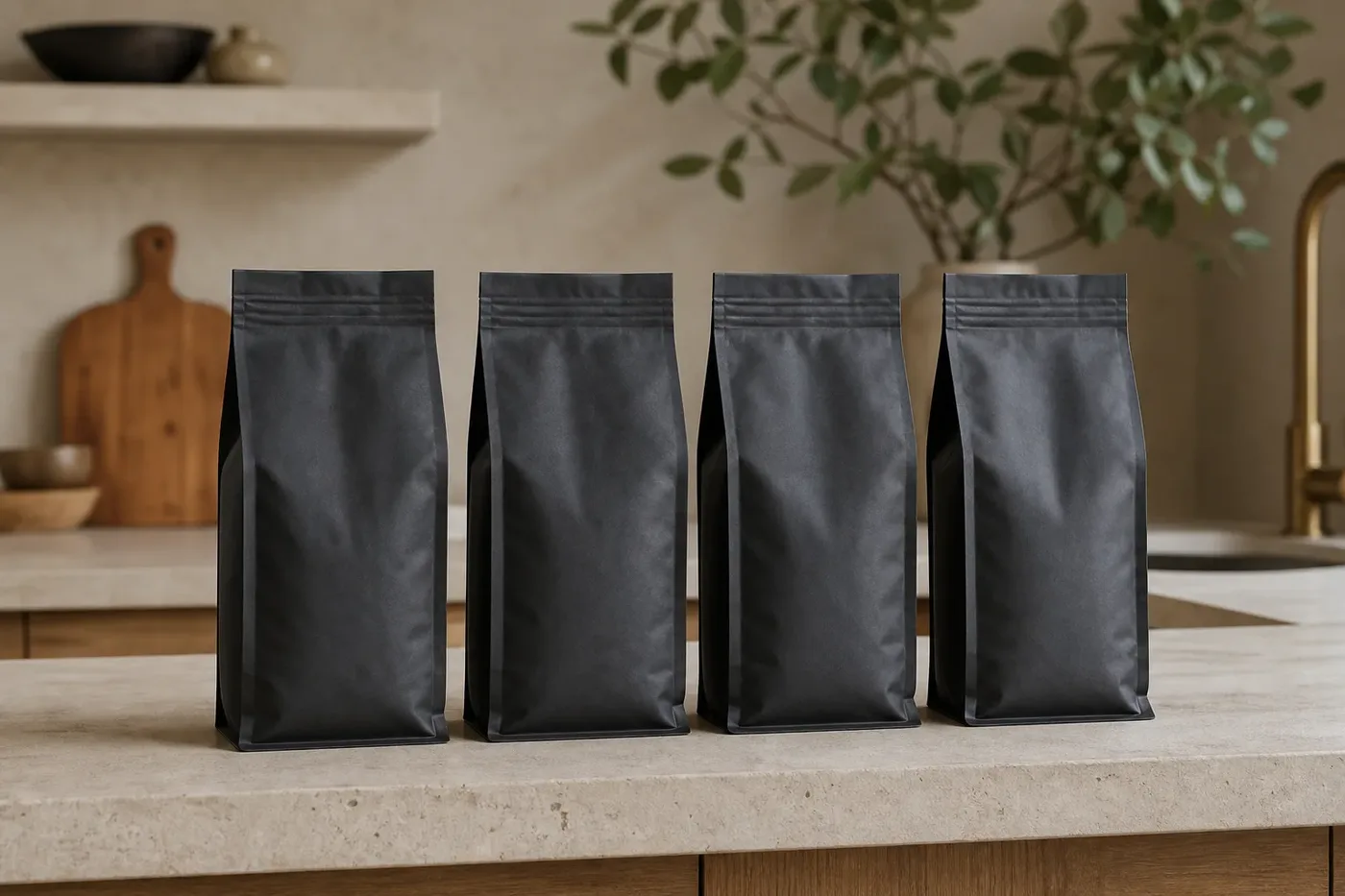 One Roaster or Many: The Two Kinds of Coffee SubscriptionA roaster selling its own coffee, or a service sending you other people's. They solve different problems.
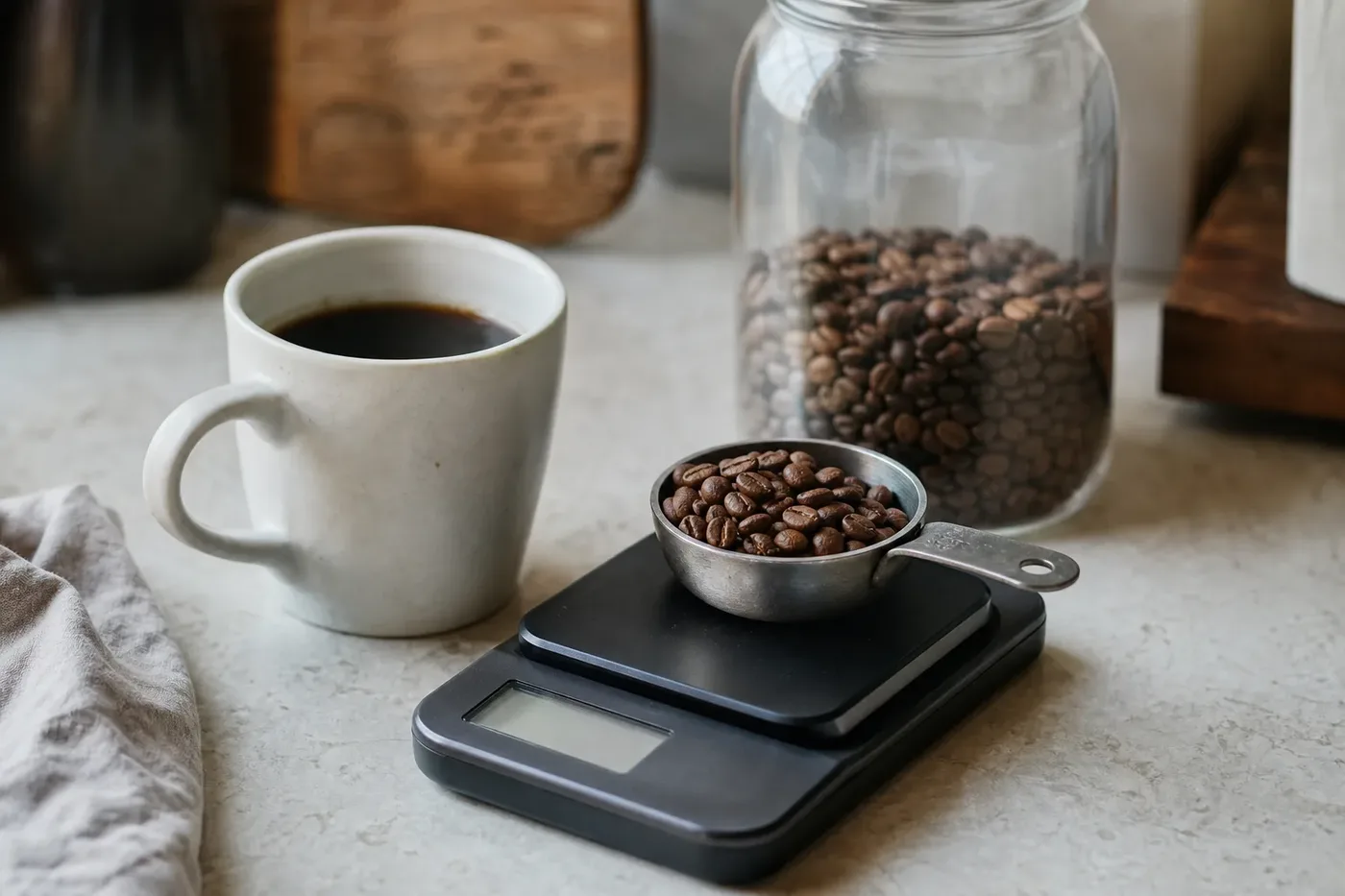 How Much Coffee You Need a Month, and How Often to Have It DeliveredTurn cups a day into grams a month, then into a bag size and a delivery cadence that keeps the coffee fresh.
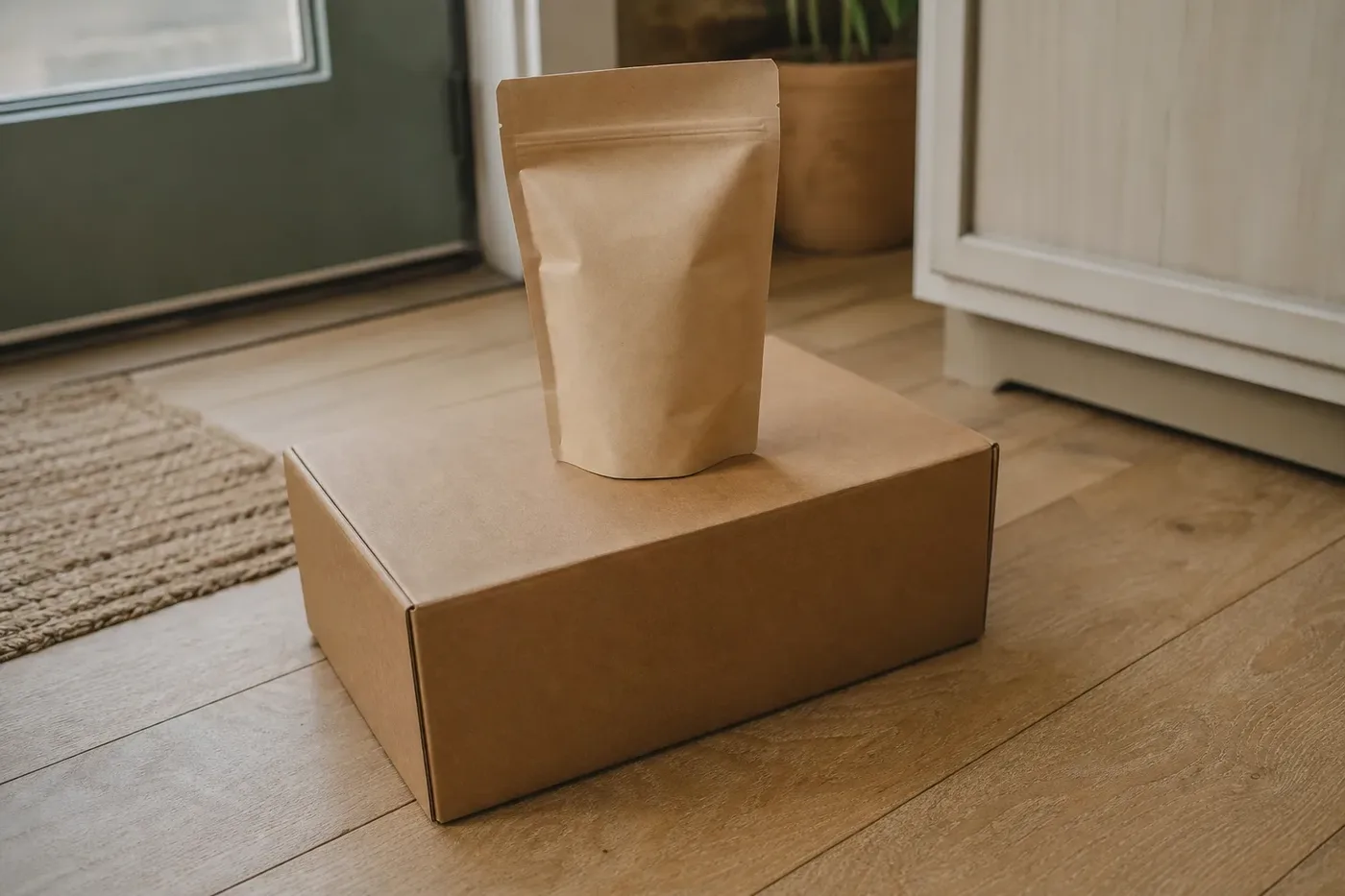 Coffee Subscription Free Trials and First-Box Offers, Read ProperlyA free bag, 30% off, a discount on the first five orders. What each offer is really worth, and what the renewal costs.
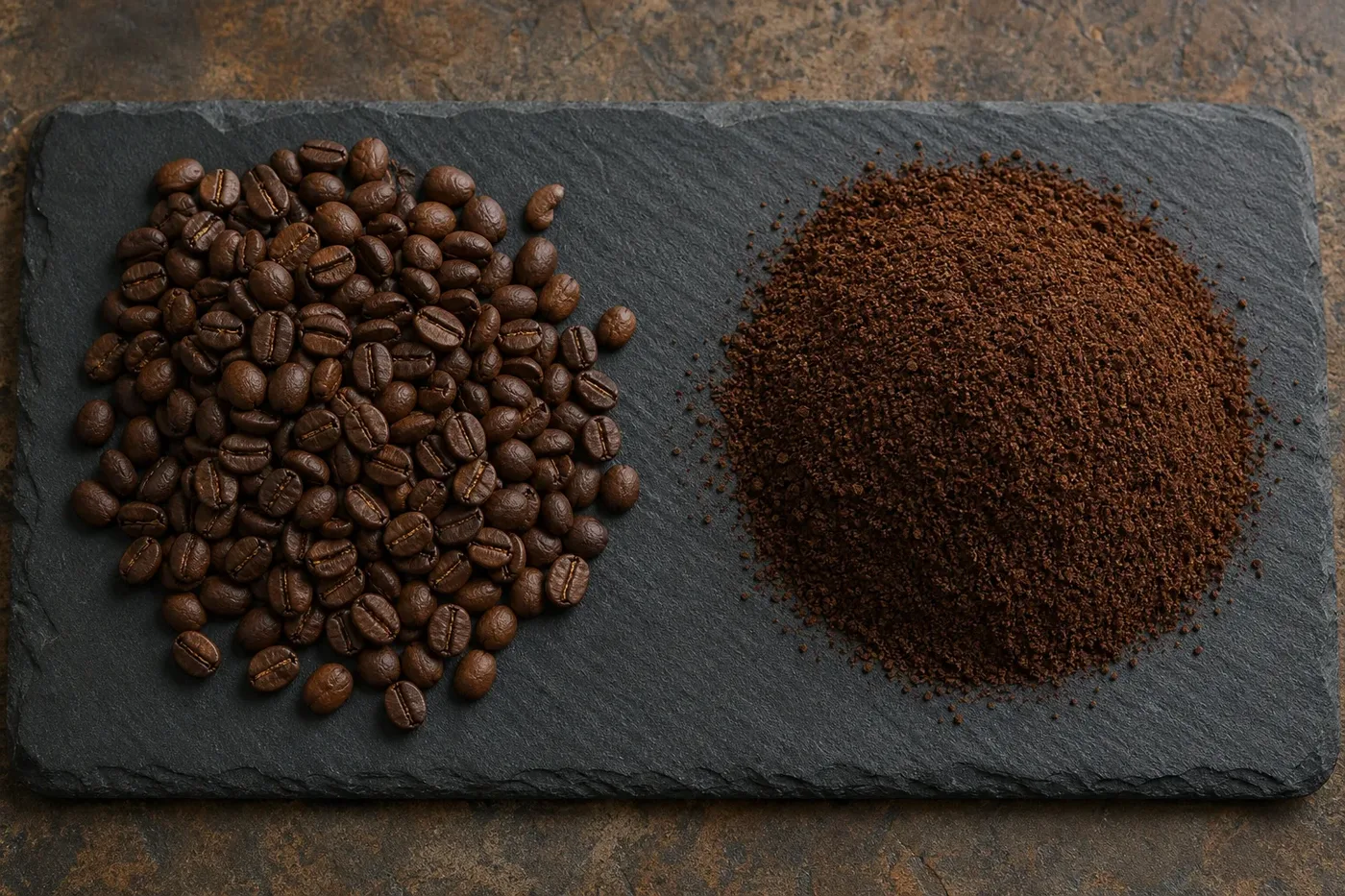 Whole Bean or Ground: What to Choose on a Coffee SubscriptionPre-ground saves you a grinder and costs you freshness. How to choose, and which grind to ask for if you do.
Cups and mugs
The cup changes the coffee more than most people expect.
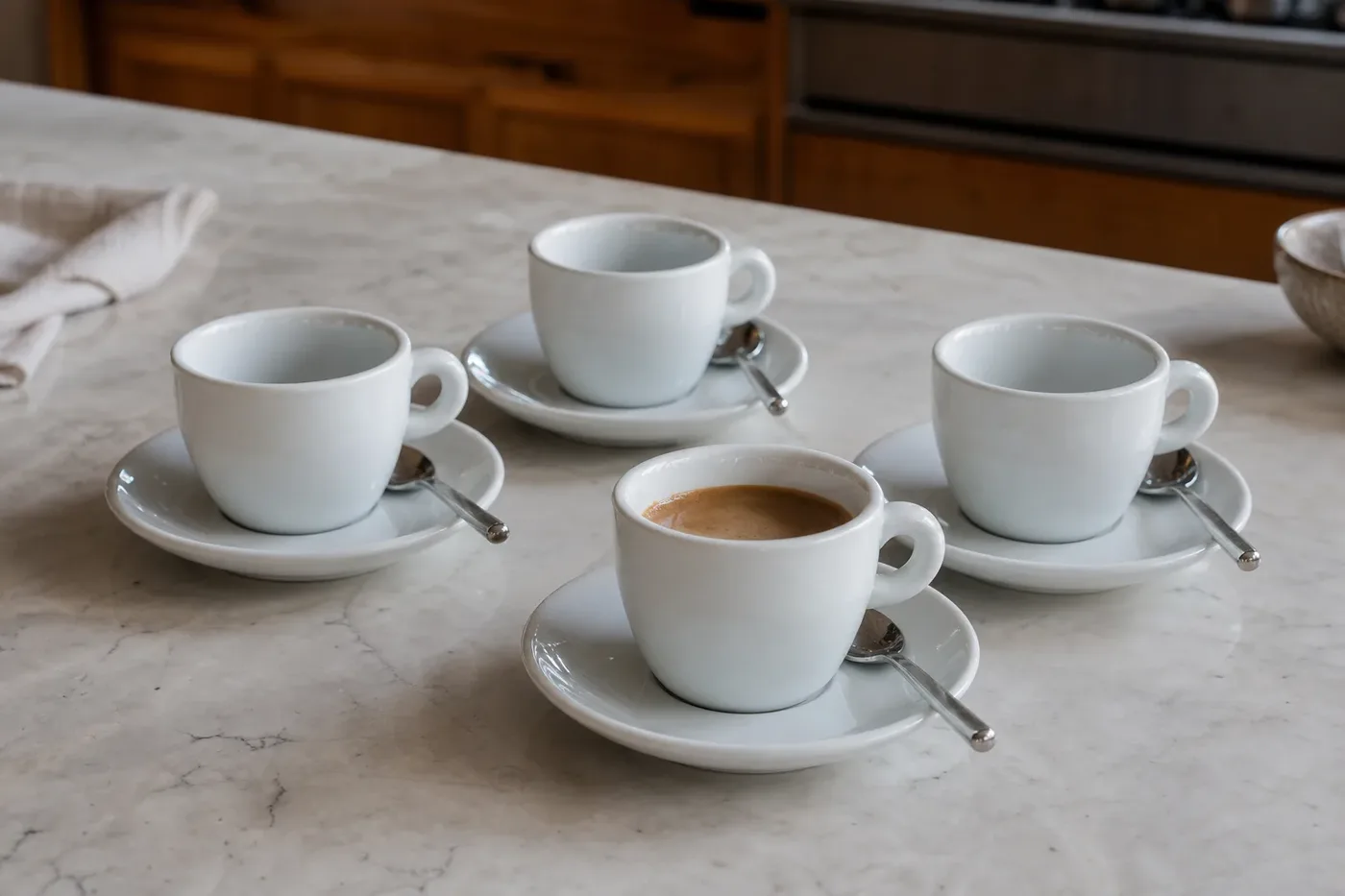 Demitasse Cups: Size, Shape and What to BuyThe small cup espresso is served in. Why it is that size, why the walls are so thick, and what to check before you buy a set.
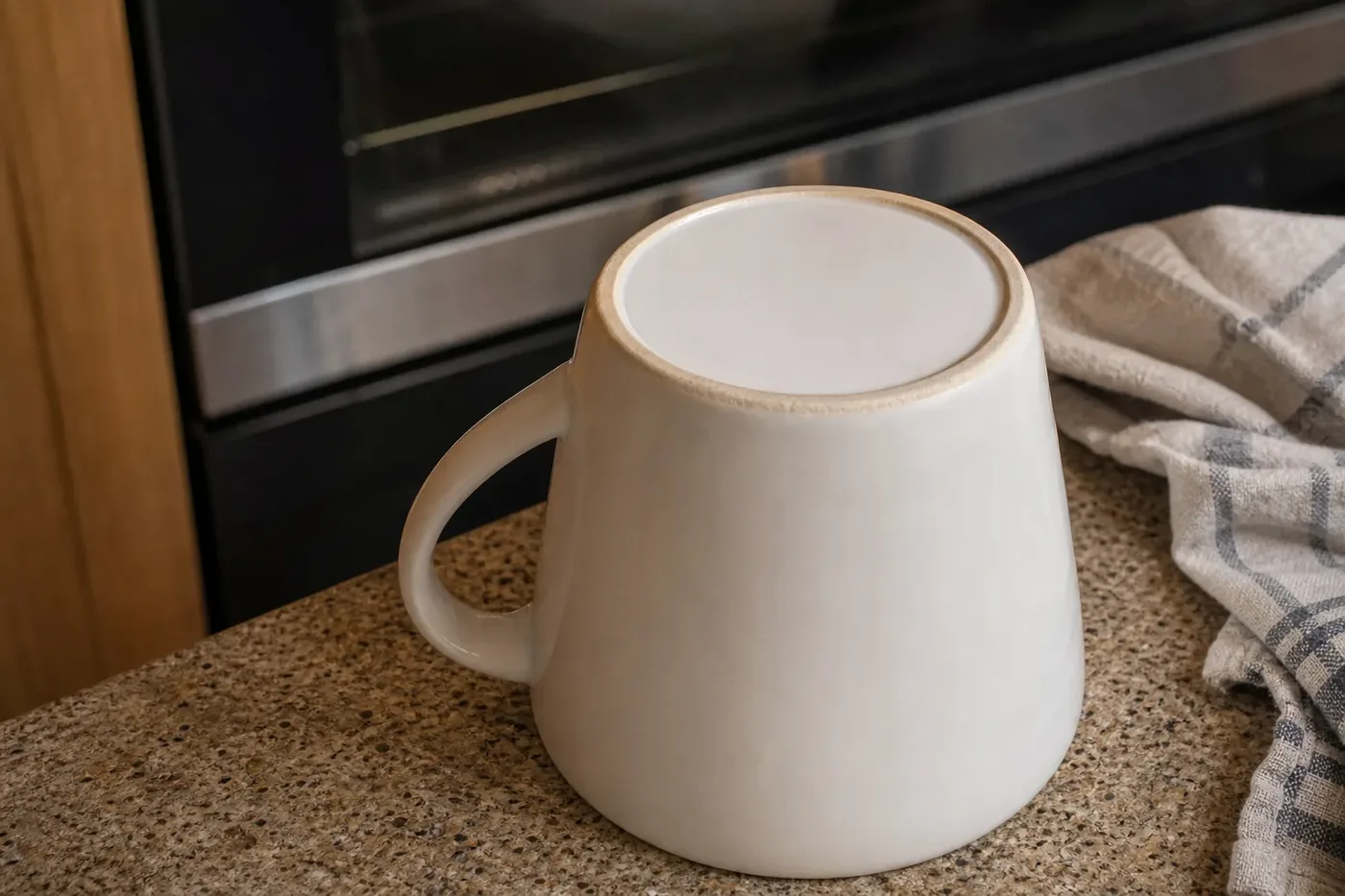 Can You Put a Coffee Mug in the Oven?Some mugs can go in the oven and many cannot. The answer is printed on the base or in the maker's care guide, and the thing that breaks a mug is usually the change in temperature, not the heat itself.
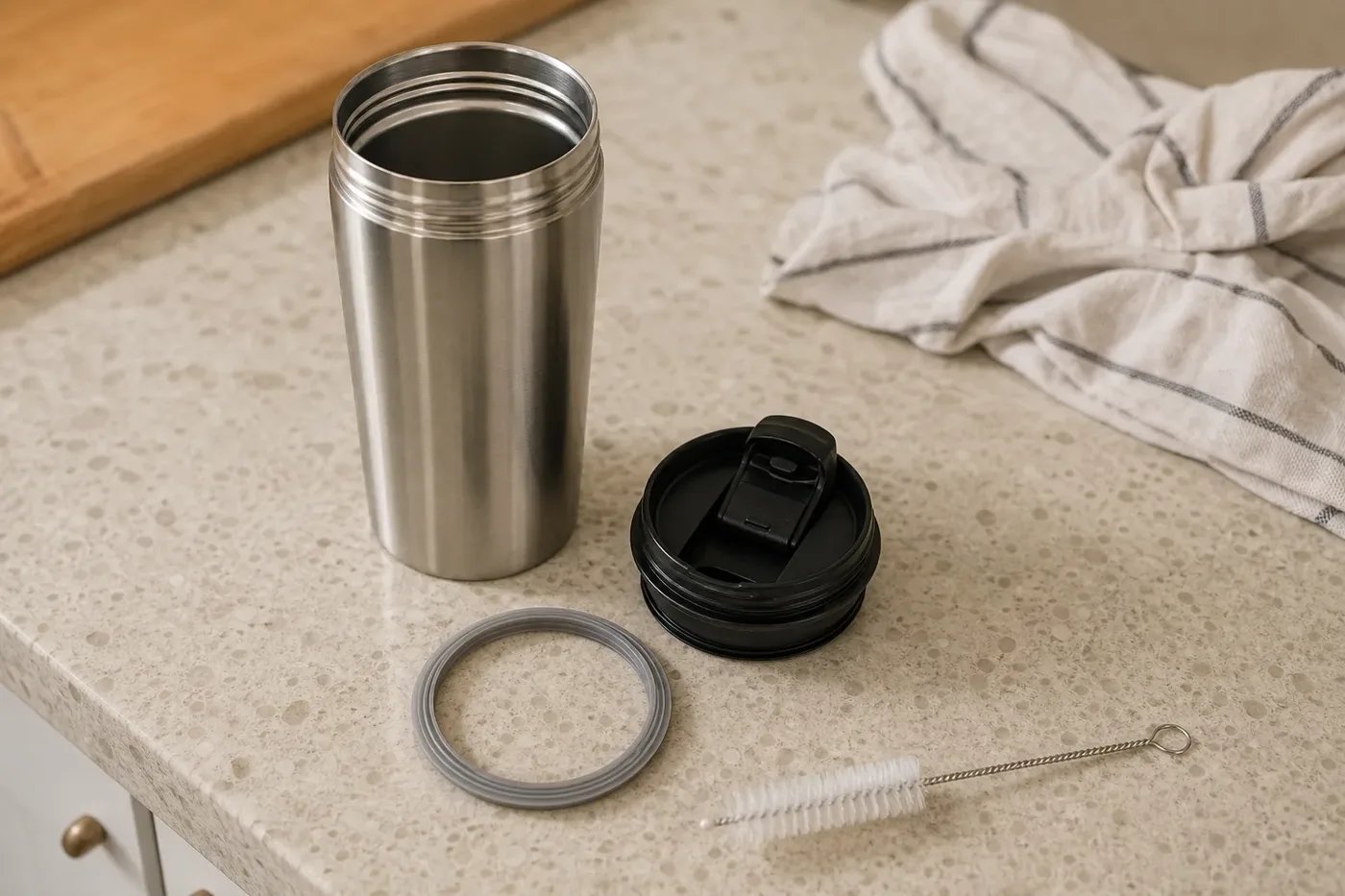 Mold in Coffee Cups and Travel Mugs: Where It Grows and How to Clean ItA travel mug is dark, warm and damp inside, which is exactly what mold likes. It hides in the lid, the seal and the drinking slot, and a quick rinse does not reach it.