How to Store Coffee Beans, and What Actually Ruins Them
Four things stale coffee: air, moisture, heat and light. Three of the popular storage tricks make at least one of them worse.
Coffee does not spoil. It goes flat, which is worse in one specific way: nothing warns you. There is no smell or taste that says the bag has turned, just a slow loss of everything that made it worth buying, and a cup that gets duller so gradually you stop noticing.
Four things cause it. Oxygen, which oxidises the aromatic oils. Moisture, which starts extraction while the coffee sits in the bag. Heat, which speeds both up. And light, which degrades the oils directly.
Why ground coffee goes stale faster than coffee beans
It is whether the coffee is ground.
Whole beans keep most of their surface area locked inside. Grinding multiplies the exposed surface enormously, and ground coffee loses its aromatics in days rather than weeks. A bag of beans bought a fortnight ago and ground this morning will beat a bag of pre-ground bought this morning, comfortably.
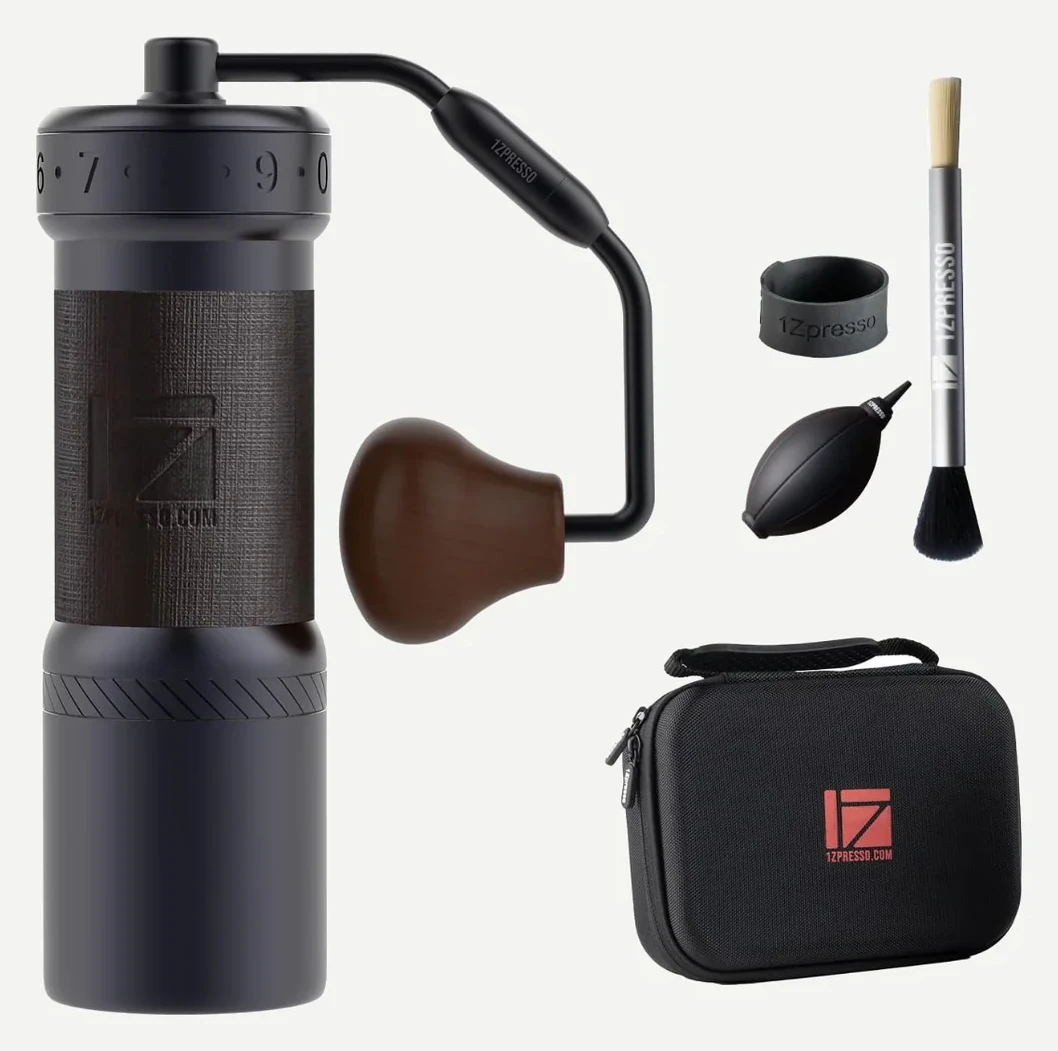
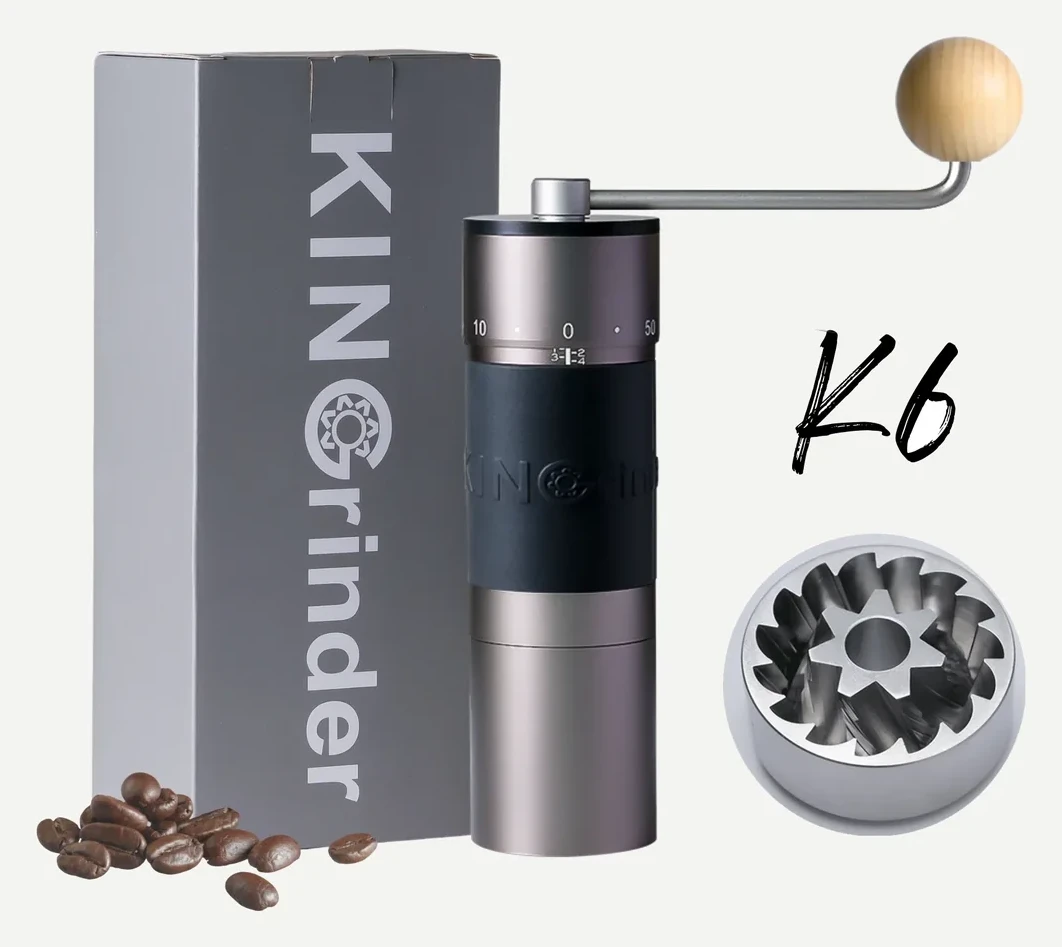
Everything below matters. None of it matters as much as grinding at the last possible moment, which is the actual argument for owning a home coffee grinder.
What the one-way valve on a bag of coffee beans does
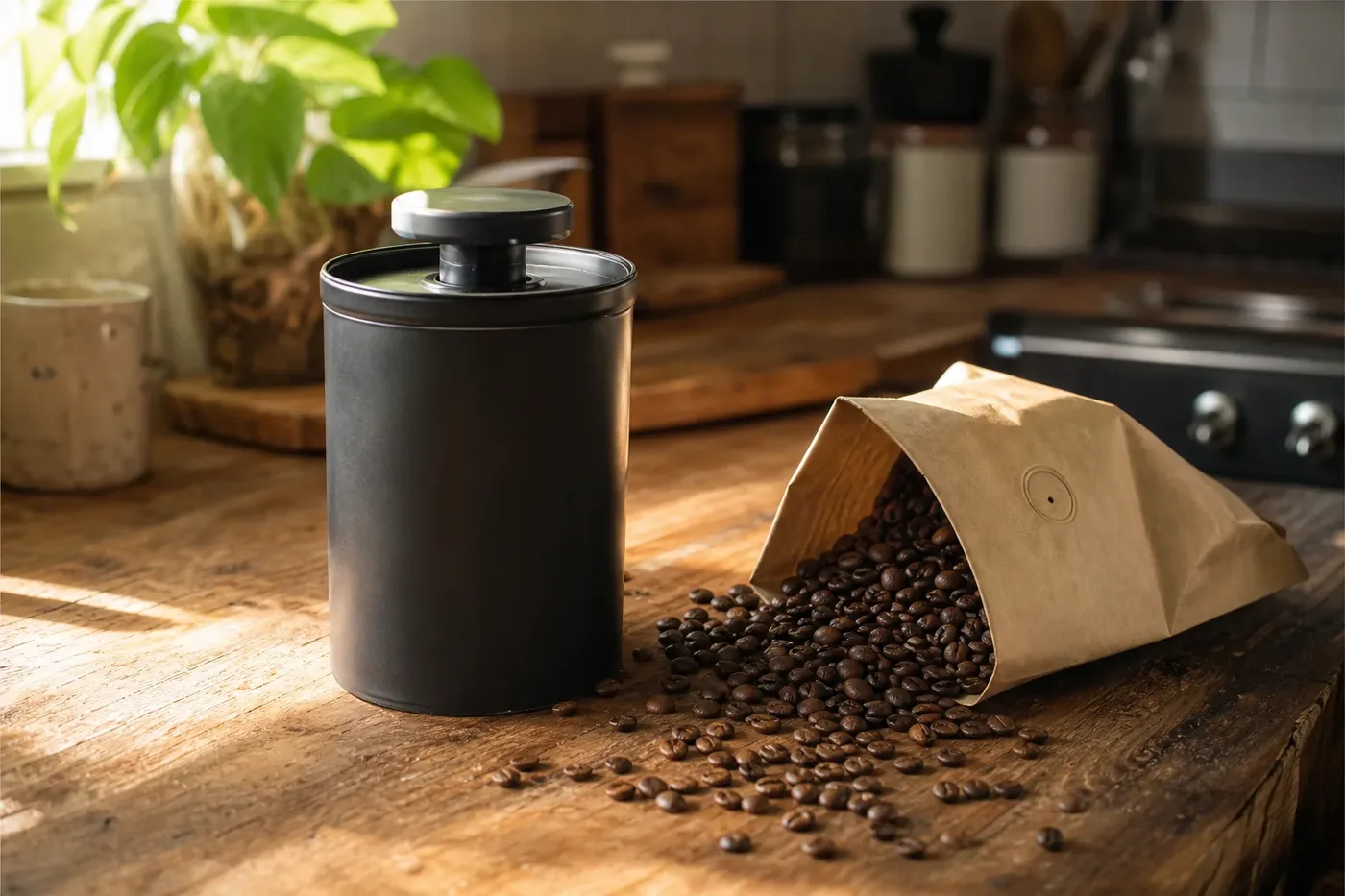
That small plastic disc is a one-way degassing valve, and it is a sign of freshly roasted coffee rather than a gimmick.
Roasted beans release carbon dioxide for days afterwards. Sealed in an airtight bag with nowhere to go, that gas would swell the bag until it burst. The valve lets CO2 out without letting oxygen in, which is exactly what you want.
It also means you can squeeze the bag and smell the coffee through it, which is the only legitimate way to check a bag you have not opened.
Best container to store coffee beans
Once the bag is open, the enemy is the air you keep letting in. A resealable bag is fine for a week or two. Beyond that a proper container earns its place.
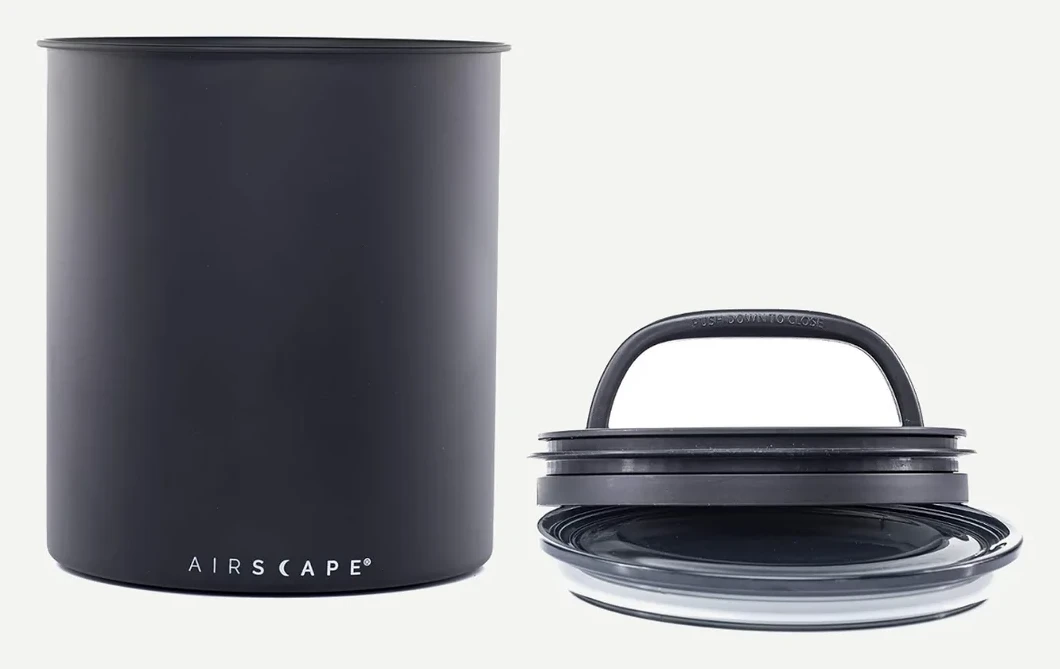
The AirScape canister uses a plunger lid that pushes the air out of the canister before it seals, rather than just closing a lid over a half-empty jar. That is the distinction worth paying for: a sealed container with a lot of air in it is a sealed container full of oxygen.
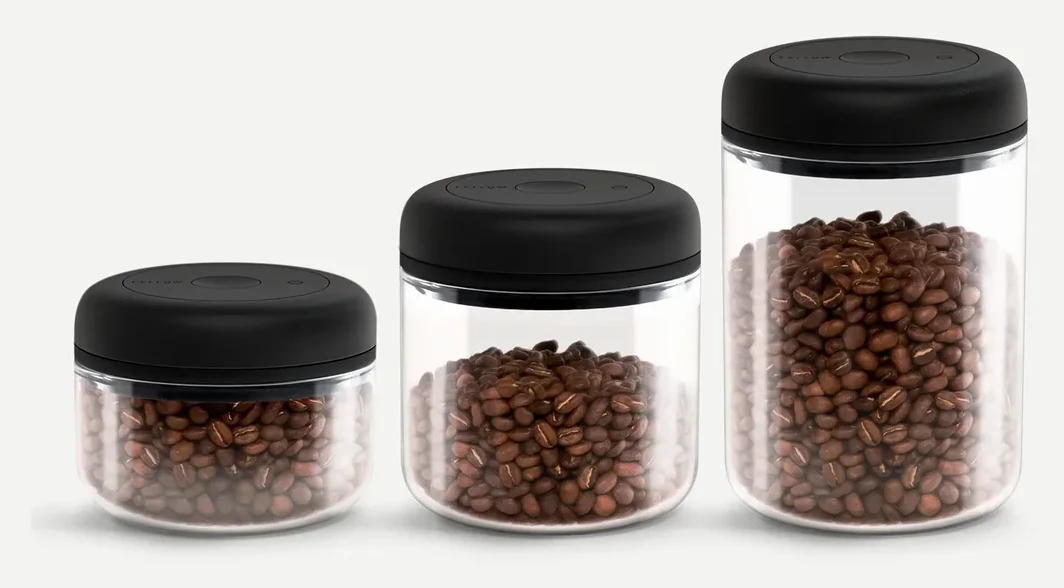
The Fellow Atmos takes the same idea further and actively pumps a vacuum by twisting the lid.
What neither fixes is a container much larger than the coffee in it. Buy the size you actually finish.
Where to store coffee beans
A cupboard. Cool, dark, dry, away from the oven and off the counter beside the kettle. That is genuinely the whole answer, and most people already have somewhere that qualifies.
Not the fridge. A fridge is humid, it is full of strong smells that coffee absorbs readily, and taking beans in and out means condensation forms on cold beans every single time. That is moisture doing the damage the cupboard was avoiding.
Can you freeze coffee beans?
Freezing works, and the advice against it comes from people applying it wrongly.
What ruins frozen coffee is repeated thawing. Every time the bag comes out, warms up and goes back, moisture condenses on the beans and they take on water. Do that daily for a month and the coffee is ruined.
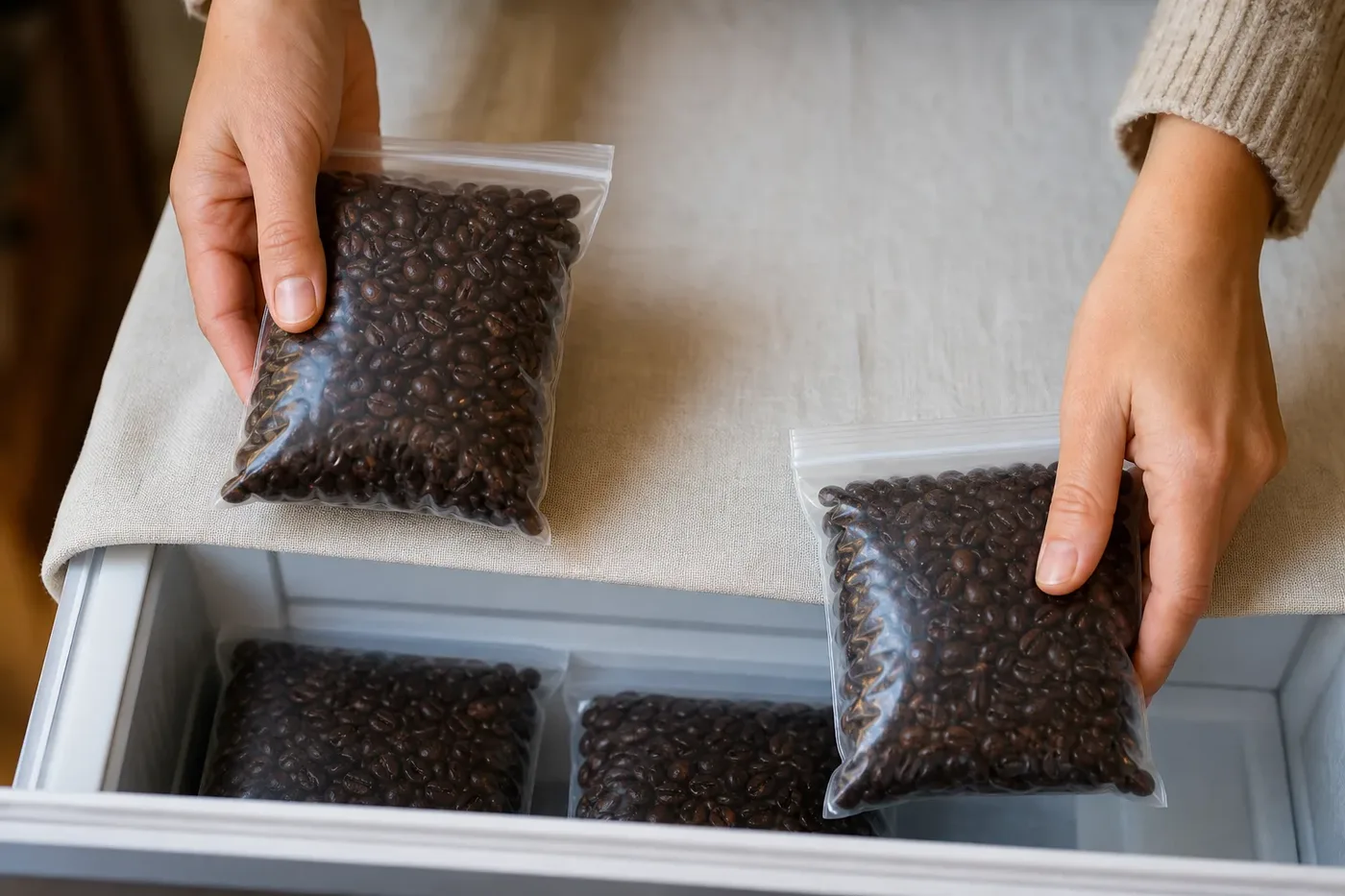
Done properly it preserves coffee well: divide into portions you will use in one go, seal each airtight, freeze once, and take out one portion at a time without thawing and refreezing the rest. Grind straight from frozen, which some people argue produces a slightly more even grind because cold beans are more brittle.
For a bag you will finish in three weeks, do not bother. For a special bag you want to make last, it is the only method that genuinely stops the clock.
How long coffee beans last
Whole beans, sealed and stored properly: best from about three days after roasting, when they have finished degassing, through to roughly four weeks. Drinkable well beyond that, just quieter.
Once opened: two to three weeks before you notice.
Ground: days. Genuinely.
Which is why a roast date on the bag is worth more than a best before date, and why so few roasters print one. Our roasting guide covers why that figure tells you something a best-before never will.
How not to store coffee beans
Storing in the original bag rolled over: fine for a week, then it is a bag of air.
A clear glass jar on the counter: handsome, and light plus heat is two of the four.
Buying in bulk to save money: a 5lb bag at a good price is a poor deal if the last pound is flat by the time you reach it. Unless you are freezing portions, buy what you will drink in a month.
Storing coffee beans FAQ
How should you store coffee beans?
Airtight, in a cool dark dry cupboard, away from the oven and out of the light. Whole rather than ground, in a container not much bigger than the coffee itself, since a sealed jar with a lot of air in it is a sealed jar full of oxygen.
Should you keep coffee in the fridge?
No. A fridge is humid, it holds strong smells that coffee readily absorbs, and every time you take the beans out condensation forms on them. That is moisture doing exactly the damage proper storage avoids.
Can you freeze coffee beans?
Yes, if you freeze once and do not thaw repeatedly. Divide into portions you will use in one go, seal each airtight, and take out one at a time without warming the rest. Grind straight from frozen. What ruins frozen coffee is taking the same bag in and out daily.
What is the valve on a coffee bag for?
It is a one-way degassing valve. Roasted beans release carbon dioxide for days, and sealed in an airtight bag that gas would swell it until it burst. The valve lets CO2 out without letting oxygen in, and it lets you squeeze the bag to smell the coffee without opening it.
How long do coffee beans stay fresh?
Whole beans sealed properly are at their best from about three days after roasting to roughly four weeks. Once opened, two to three weeks before you notice a difference. Ground coffee is a matter of days, which is the real argument for grinding at the last moment.
Is a vacuum coffee canister worth it?
If you buy more than a couple of weeks at a time, yes. The point is not the seal but removing the air already inside: a canister with a plunger lid pushes the air out before closing, rather than trapping a half-jar of oxygen with your coffee.