What is the Gaggia Classic Evo Pro RI9380/49?
A semi-automatic espresso machine built around commercial fittings rather than electronics.
Gaggia publishes 1200 watts, a 2.1 litre tank, 9.1kg, a solid steel housing and manufacture in Italy. The specification list is unusually specific for this category: 9 bar extraction, a stainless steel 58mm commercial portafilter, a commercial three way solenoid valve and a single uncoated aluminium boiler.
There is no PID, no pre-infusion and no grinder. What there is instead is a machine assembled from parts a cafe would recognise.
Why 58mm matters more than it sounds
58mm is the commercial standard, and standards are what keep a machine serviceable.
Most home machines use 51mm or 54mm baskets, which works fine and quietly locks you into whatever that maker sells. A 58mm portafilter is the size cafes use, which means bottomless portafilters, precision baskets, tampers and distribution tools are all available from a dozen manufacturers rather than one.
That matters over years rather than weeks. A machine you can fit standard parts to is a machine you can improve and repair, and it is the main reason this model has the reputation it does.
The solenoid valve, and the small mess it prevents
A three way solenoid releases the pressure in the puck the moment the shot ends.
Without one, the puck stays under pressure and soaked, so it comes out of the basket as a slurry that has to be knocked and wiped rather than tapped out. With one, the group releases and the puck leaves dry enough to handle.
It is a small convenience repeated several times a day, and it is a component that cheap machines omit precisely because most buyers do not know to look for it. Gaggia publishing it in a five line specification says something about who this machine is for.
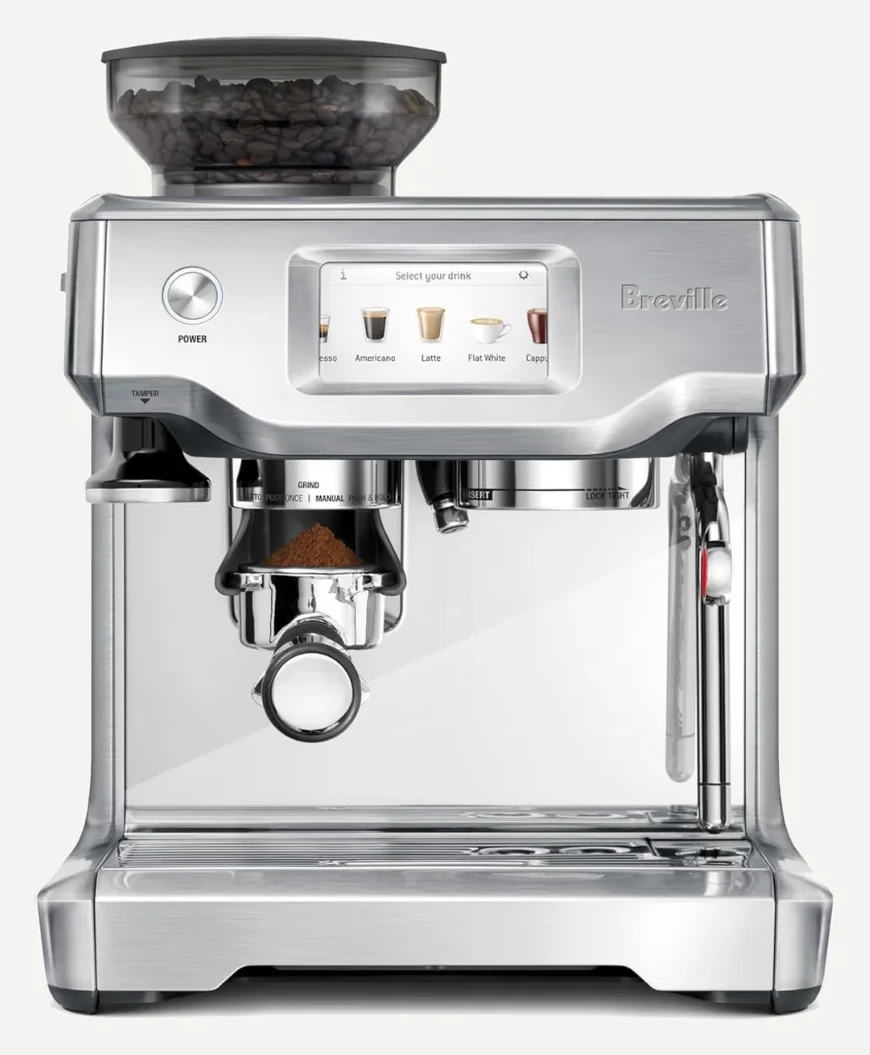
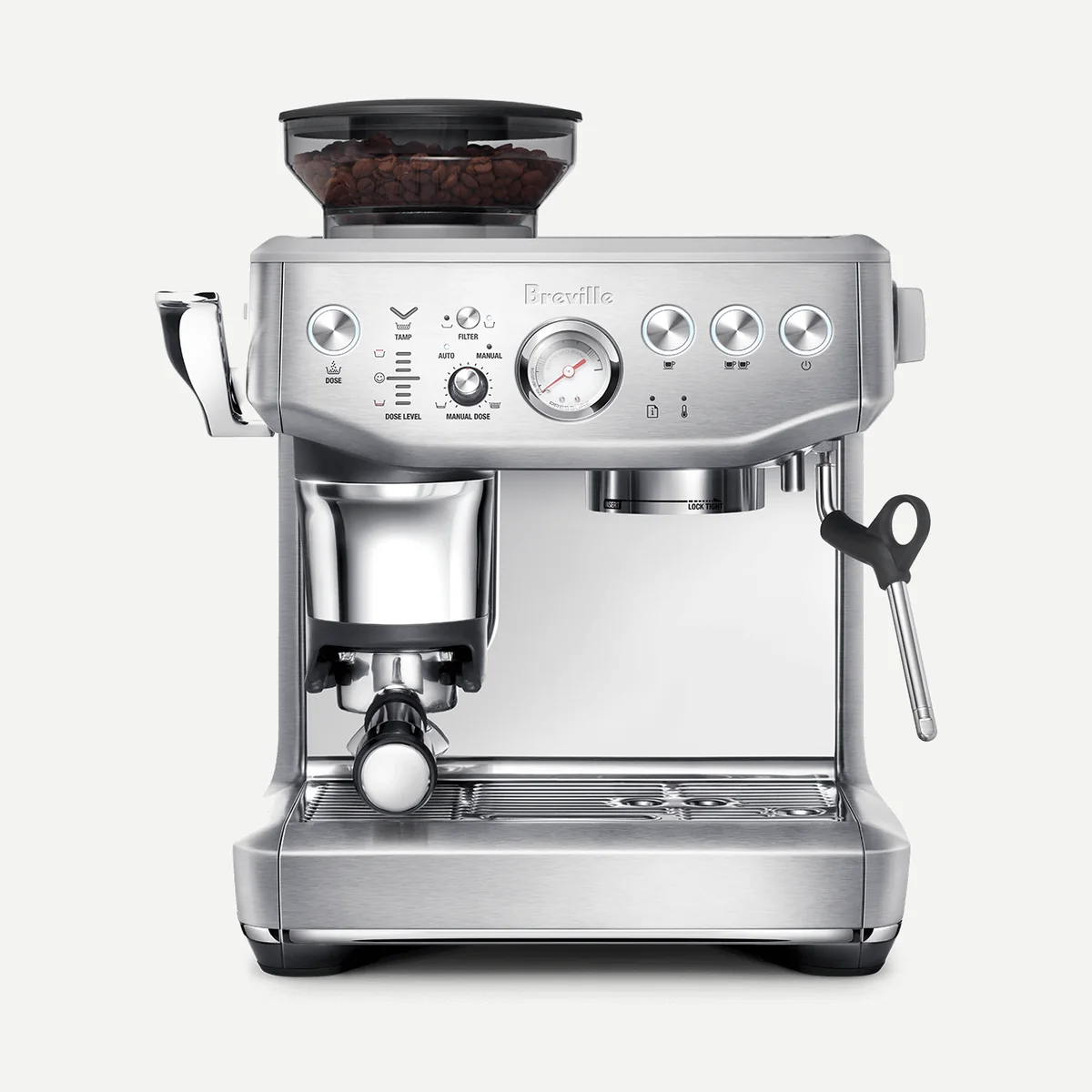
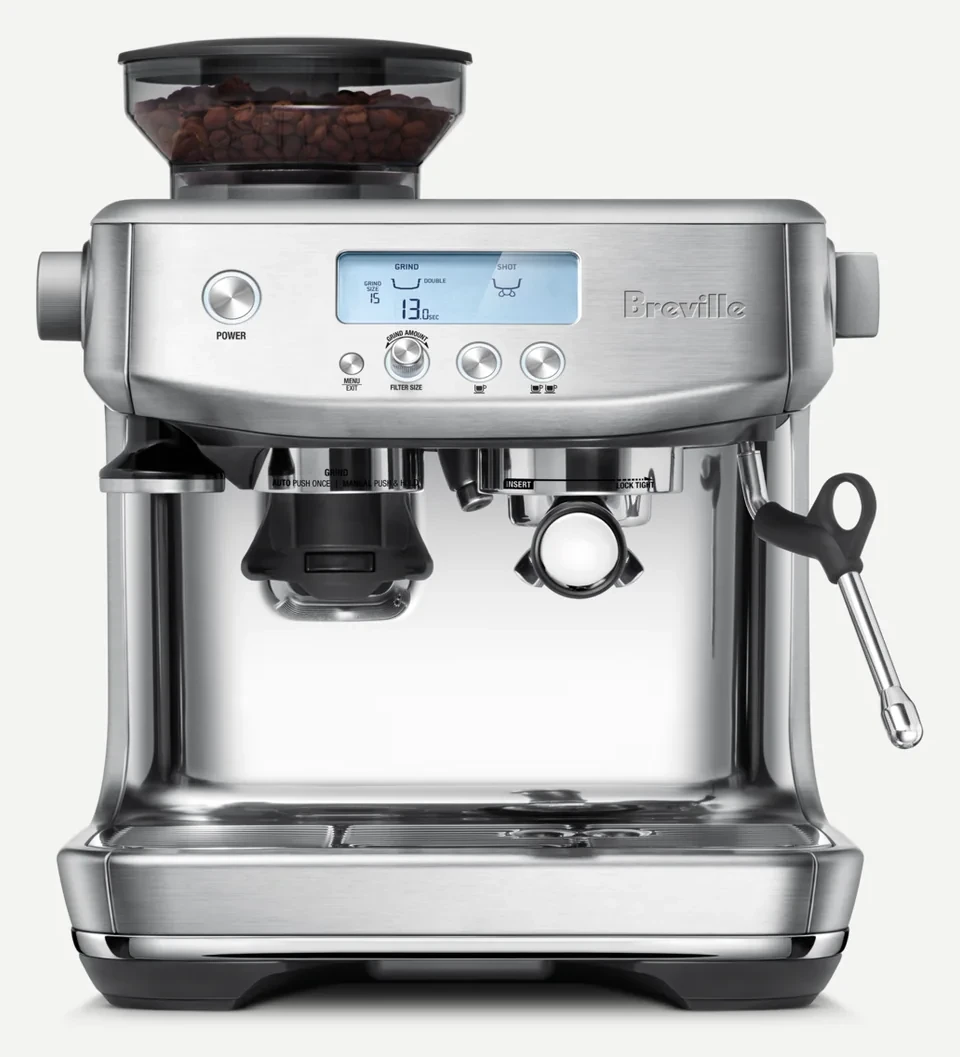
Gaggia Classic Evo Pro vs Breville Barista Express
Fittings against features, and they answer different questions.
The Barista Express BES870XL includes a burr grinder, PID temperature regulation and pre-infusion, so it makes a good shot with less skill and no second purchase. The Gaggia includes none of those and offers 58mm commercial parts, a solenoid valve and a steel body from Italy.
Put plainly: Breville sells you the shortest route to good espresso, Gaggia sells you the machine you will still be using in ten years and modifying in five. Neither publishes a US price on the listing we read, so the comparison rests on what each one is.
Is the Gaggia Classic Evo Pro worth it?
It is worth it if you intend to learn, and poor value if you do not.
Nothing here compensates for a bad grind or an uneven tamp. There is no pre-infusion to rescue a channelled puck and no PID to steady the temperature, so the shot is entirely yours. In exchange you get commercial fittings, a serviceable body and an aftermarket that has been supporting this design for years.
The specification also has a real gap: Gaggia publishes no warranty figure on this listing, which for a machine sold on longevity is the one number worth stating.
Who should buy the Gaggia Classic Evo Pro (and who should not)
Buy it if the plan is to get good at espresso, not to shortcut it.
It suits somebody who already owns a capable grinder, is willing to spend a few weeks dialling in, and likes that the parts are standard. It also suits anyone who would rather repair than replace, since that is what a steel body and commercial fittings are for.
Do not buy it as a first machine if you want good coffee this week. Do not buy it expecting the milk or the temperature to be handled for you. And if you want the machine to do the work, the Gevi 20Bar super automatic is at the opposite end of that argument.
Frequently Asked Questions
Does the Gaggia Classic Evo Pro use a 58mm portafilter?
Yes. Gaggia publishes a stainless steel 58mm commercial portafilter, which is the size cafes use and means standard baskets, tampers and bottomless portafilters fit.
Does the Gaggia Classic Evo Pro have PID?
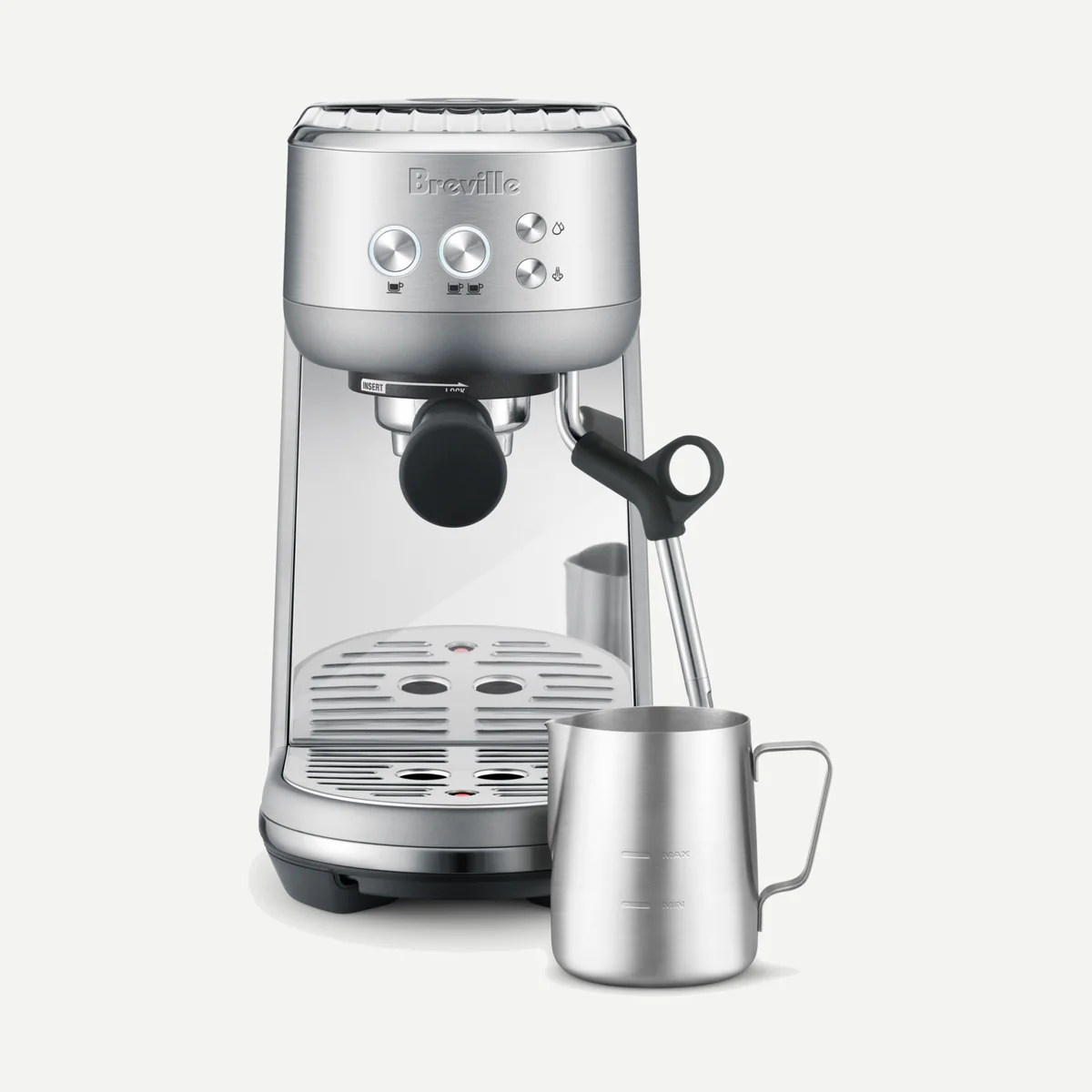
Not as published. The listing states 9 bar extraction, a solenoid valve and an aluminium boiler, and does not claim PID temperature control. Machines such as the Breville Infuser do publish it.
What is the three way solenoid valve for?
It releases pressure from the group when the shot finishes, so the puck comes out dry enough to knock out instead of as a wet slurry.
Where is the Gaggia Classic Evo Pro made?
Italy. Gaggia states it on the listing, which is worth noting because country of manufacture is a fact most makers in this category leave out.