Gooseneck Kettles: What the Spout Actually Buys You
A narrow, curved spout is the difference between pouring water and placing it. What that control changes in the cup, what it does not change, and the brewing methods where it buys you nothing.
A gooseneck kettle looks like a design object and gets bought like one. What the narrow, curved spout actually does is simpler than the price tags suggest: it lets you decide where the water lands and how fast it gets there. That is worth a great deal for pour over, and nothing at all for a French press.
It is also, routinely, confused with a second feature that costs more and matters more. Those two are worth separating before you spend anything.
What a gooseneck kettle spout actually changes
Three things, all consequences of the same geometry: a long neck and a narrow bore, which together decouple the flow of water from how much is left in the kettle.
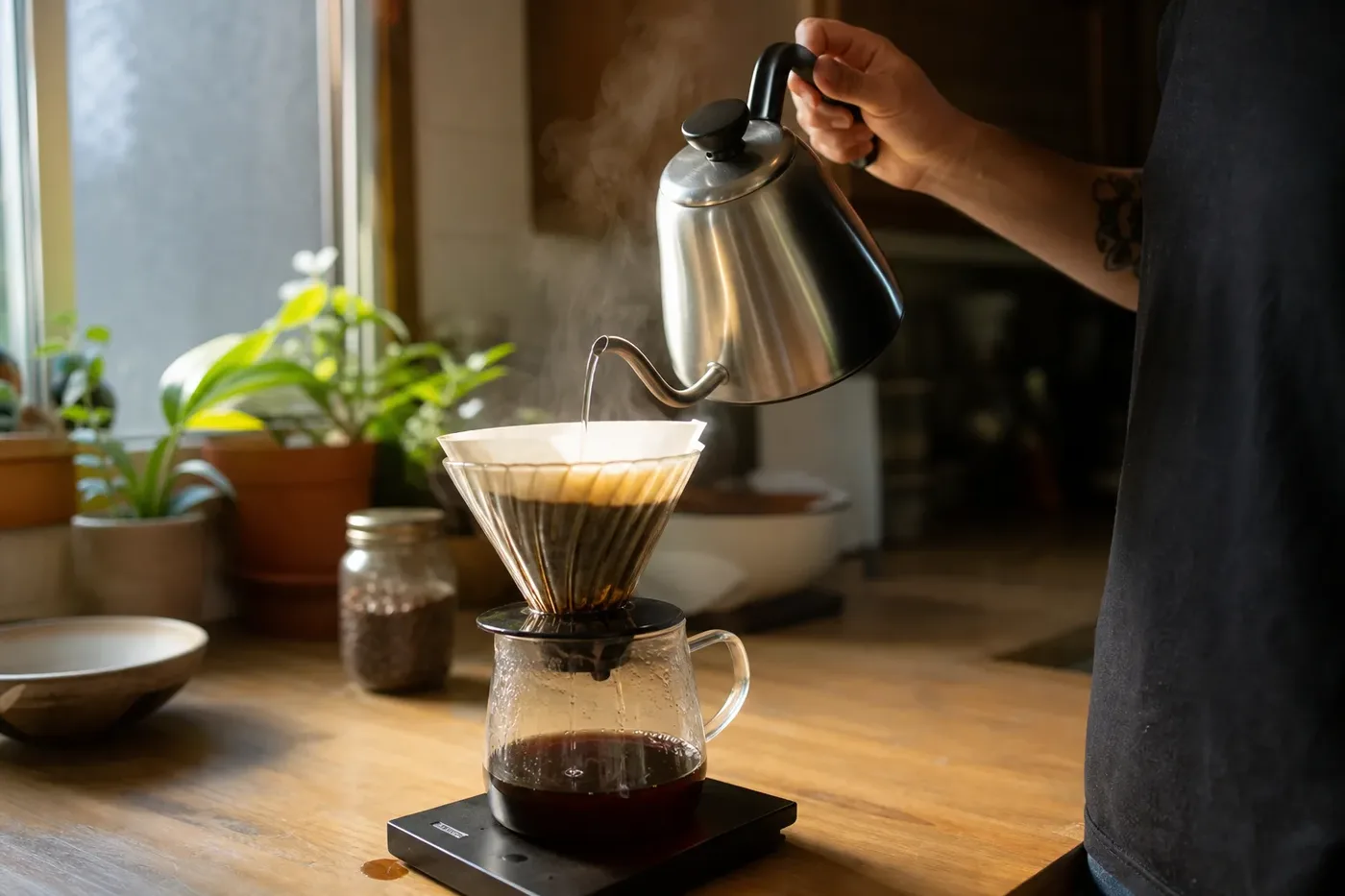
- Flow rate. A wide kettle spout gives you two settings, a trickle that stops and a slug that floods. The rate also changes as the kettle empties, because the pressure behind the water changes. A gooseneck's bore is the restriction, so the stream is set by the angle of your wrist and stays roughly the same from full to nearly empty.
- Placement. You can put the stream on a coin. That is what lets you wet every part of the bed instead of drilling a hole in the middle of it, and what keeps water off the filter wall. Water that runs down the paper bypasses the coffee entirely and dilutes what you have already extracted.
- Pulse pouring. Stopping and restarting cleanly is a spout property. With a wide spout, stopping means tipping back, and tipping back means a dribble down the outside of the kettle.
None of that is mystique. It is the difference between pouring water and placing it, and it shows up as consistency: the same recipe tasting the same on Tuesday as it did on Sunday.
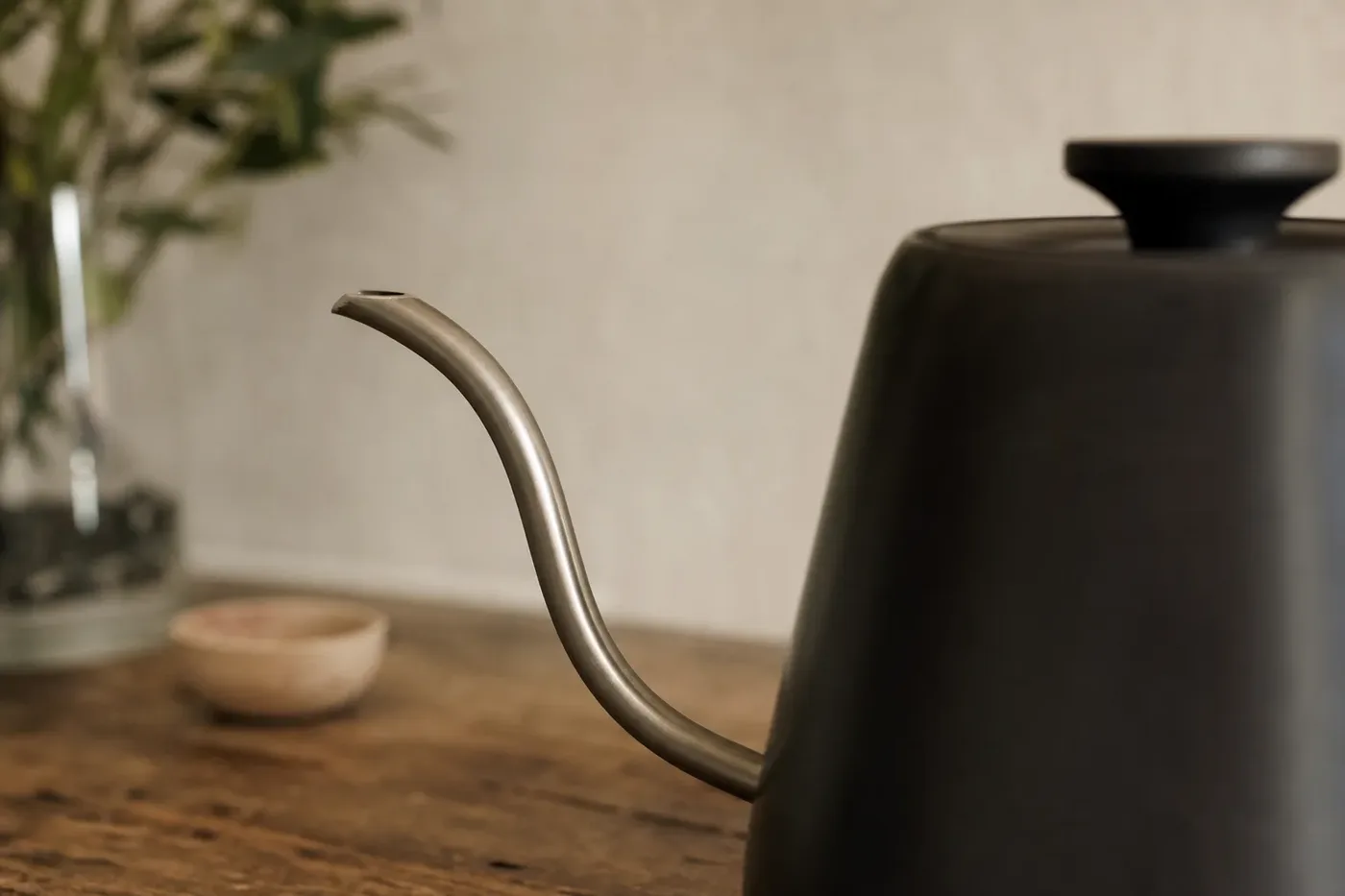
What a gooseneck kettle does not change
A gooseneck spout tells you nothing about temperature control. They are separate features, sold on the same kettles, and you can buy either without the other.
The clearest illustration is on this site. The Bodum Melior is a gooseneck electric kettle with no temperature control at all. It boils, and it shuts off. The Fellow Stagg EKG is the same silhouette with a variable setpoint it will hold. We score them 6.0 and 7.7, and the gap between them is concentrated almost entirely in that one criterion. Same spout, same control over placement, completely different control over the brew.
Temperature matters because extraction is a chemical reaction and heat sets its rate. The Specialty Coffee Association's brewing standard puts the water between 195 °F and 205 °F (90.5 to 96 °C). Water straight off a rolling boil is 212 °F and pulls the harsh, drying compounds out of the grounds alongside the ones you want. You can work around that by boiling, taking the lid off and waiting a minute or two, but how long the wait needs to be depends on your kettle, your kitchen and how much water is in there. That is guesswork dressed as technique.
So if you are choosing between a gooseneck with no thermostat and a variable-temperature kettle with an ordinary spout, and you can only have one, the thermostat is the bigger lever. The best answer is a kettle that does both, which is what the expensive ones are really selling.
When you do not need a gooseneck kettle
Pour control only matters when the pour is what controls the brew. For a large part of the coffee world, it is not.
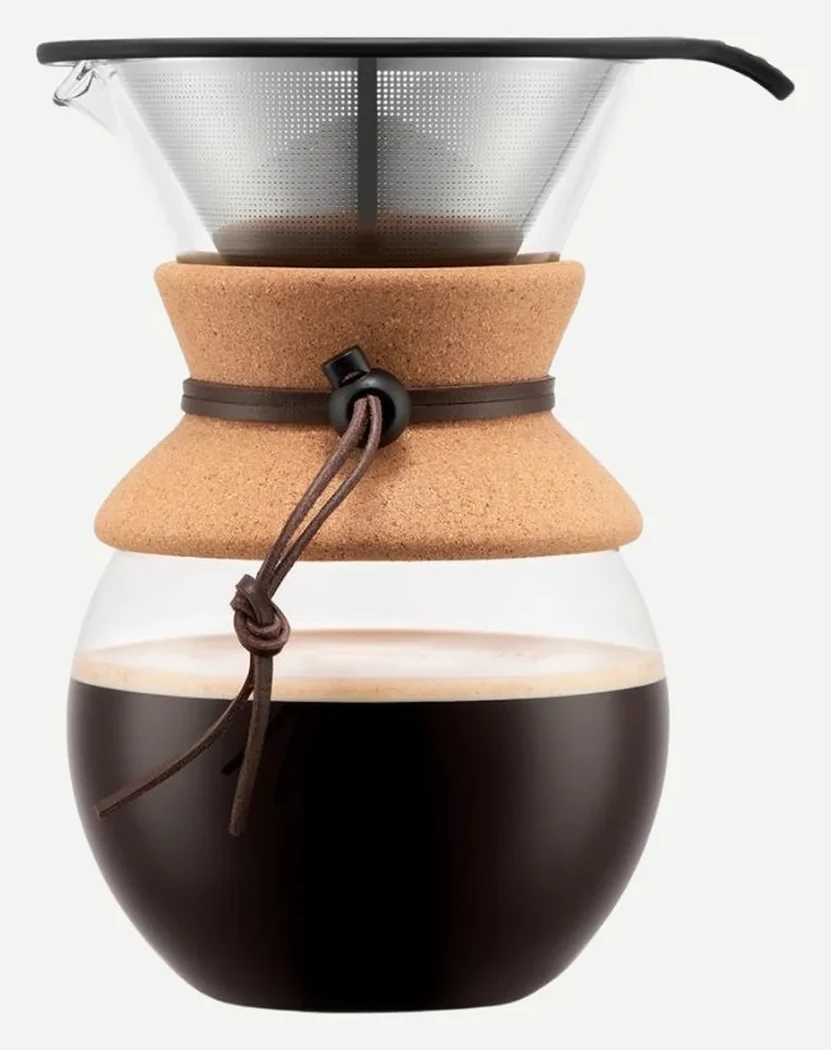
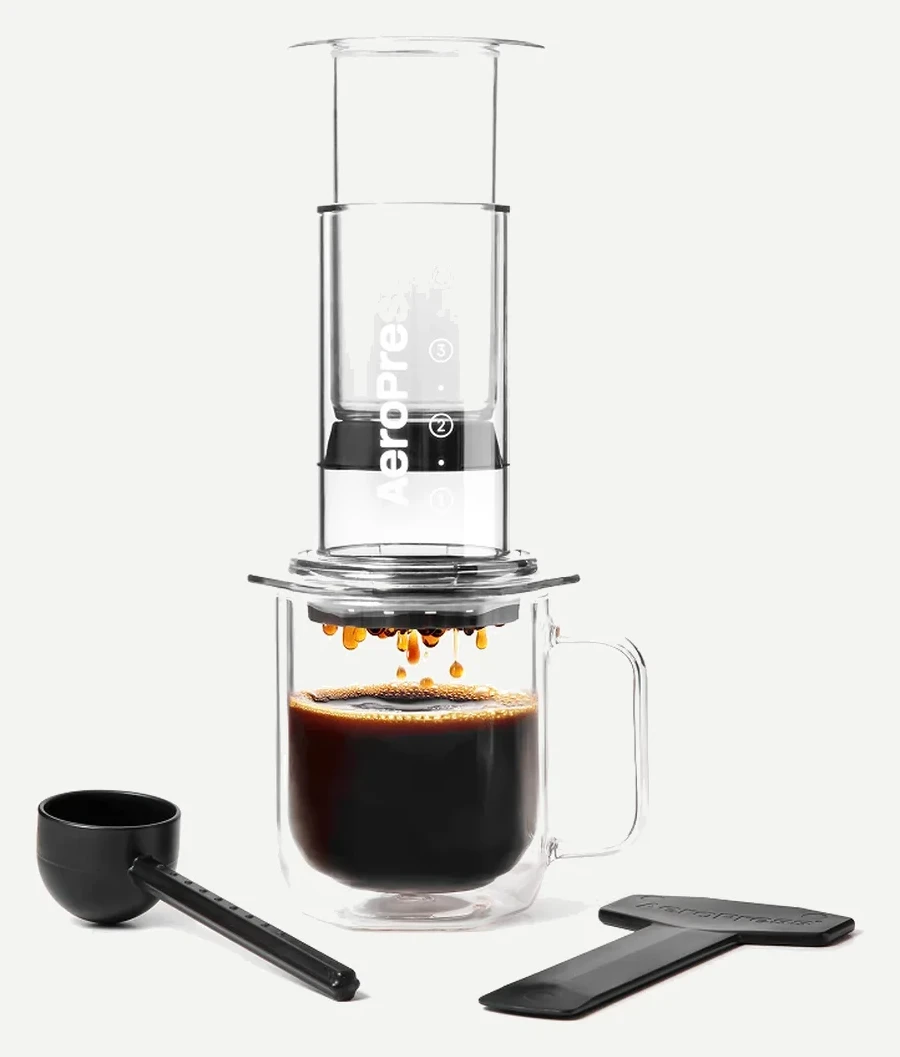
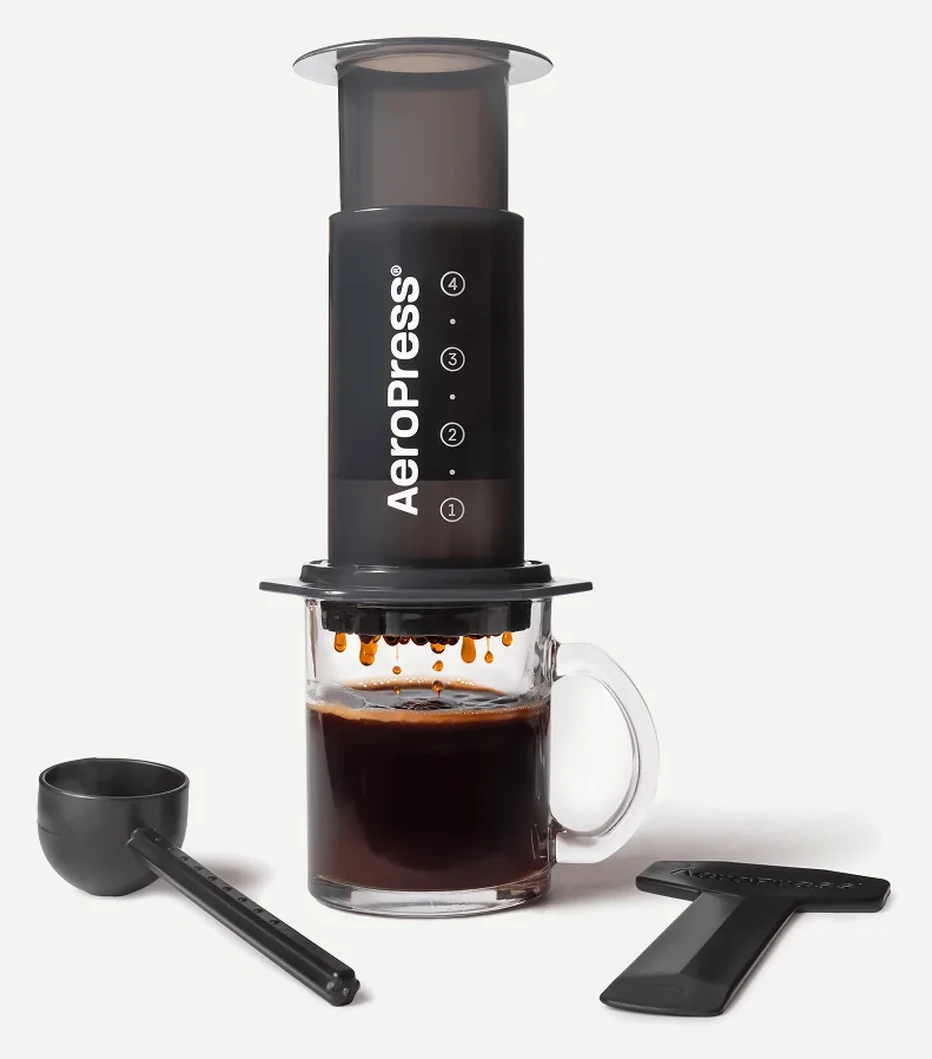
- Immersion brewing. In a press pot, an AeroPress or a cold brew jug, the water and the grounds simply sit together. Where the stream landed is irrelevant thirty seconds later. Pour from anything.
- Automatic drip machines. An electric drip brewer has its own showerhead and its own pump. You are not pouring at all.
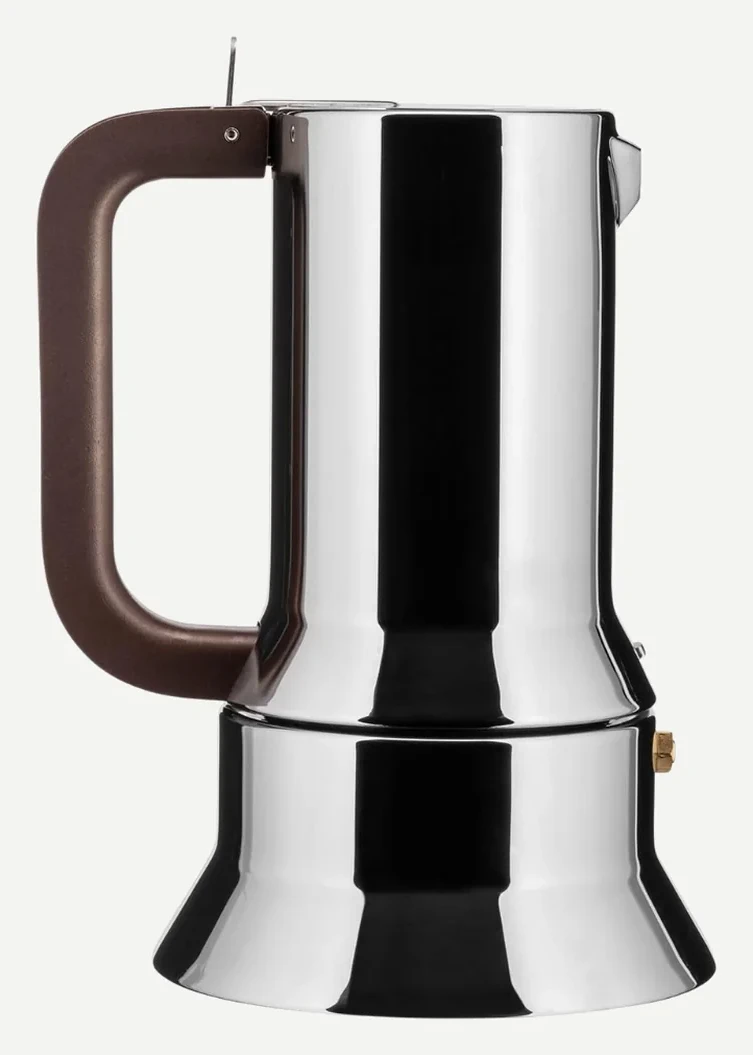
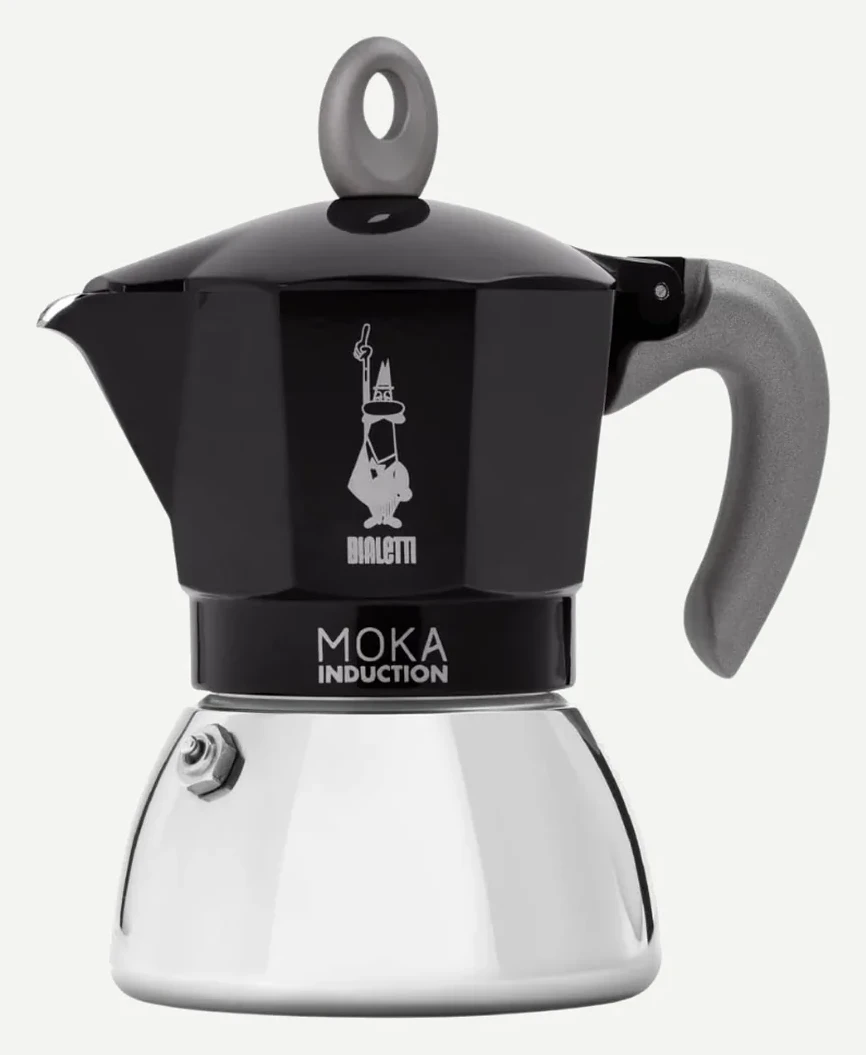
- Moka pots and espresso. Water is driven through the coffee by steam or pressure. Stovetop brewers heat from below, and nothing about the pour is yours to control.
Which leaves manual pour over (a V60, a Chemex, a flat-bottom dripper) and loose-leaf tea, where the same placement control is useful for a different reason. If you brew neither, a gooseneck is a kettle that pours slowly.
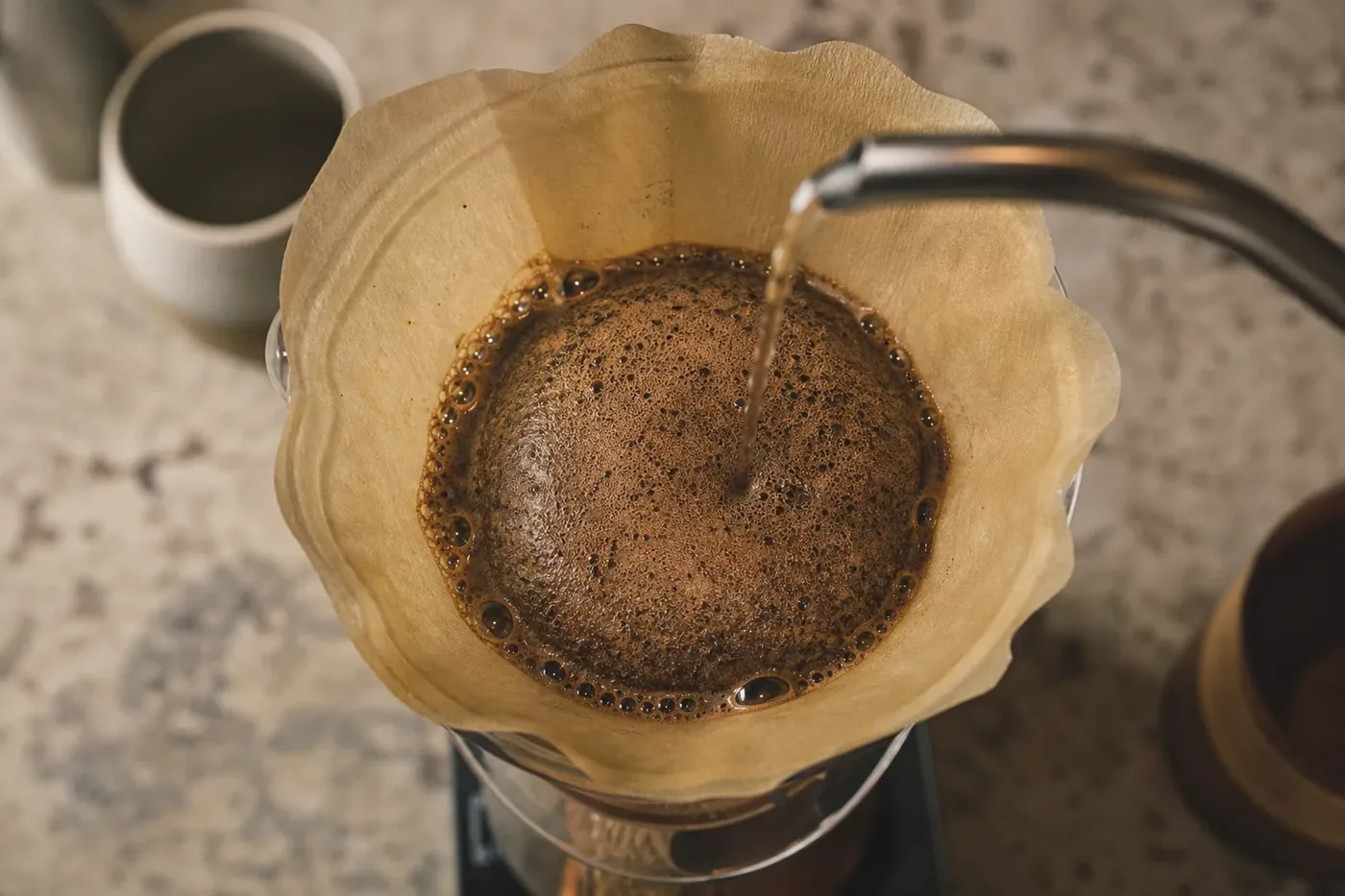
Gooseneck kettle vs a standard kettle
The comparison people actually want is not "is a gooseneck better" but "will I taste the difference". The honest answer has a condition attached.
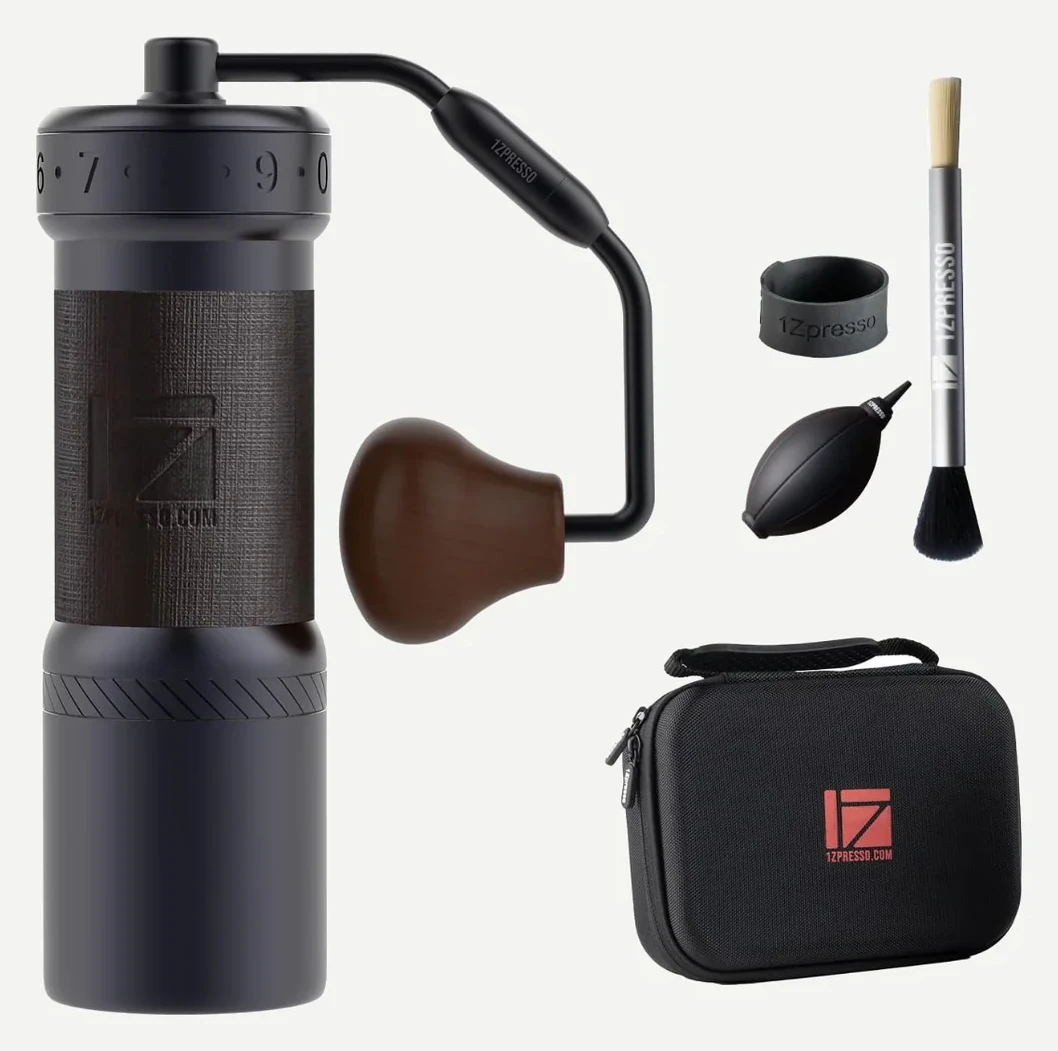
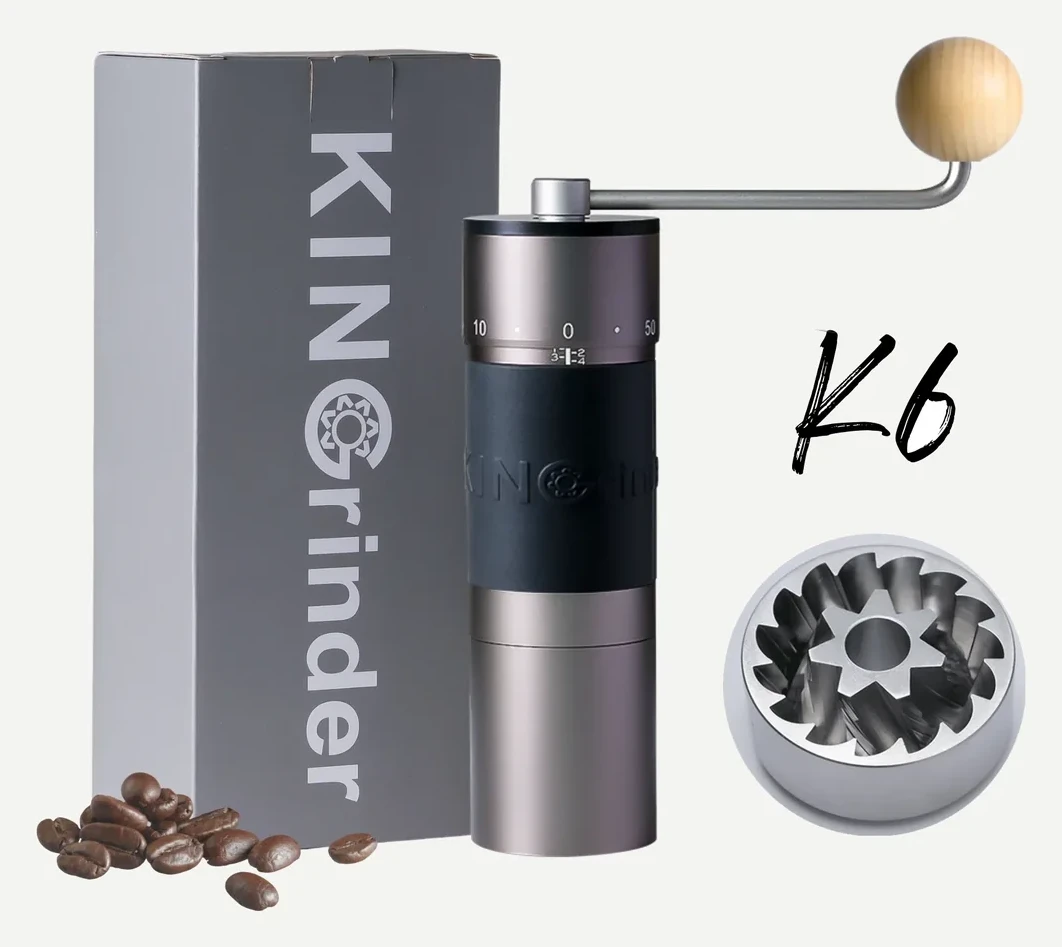
If your pour over is already inconsistent for other reasons, whether a blade grinder, stale supermarket pre-ground or no scale, a gooseneck will not rescue it. Grind consistency sits upstream of everything and dominates the result. Fix that first; our grinder reviews are the place to start.
If the rest of your process is steady and your cups still vary, the pour is very likely the variable that is left, and this is the equipment that removes it. In that order it is one of the highest-value upgrades in coffee. Bought first, it is jewellery.
Stovetop or electric gooseneck kettle
Stovetop gooseneck kettles are cheaper and will outlive you, but they tell you nothing. You are back to boiling and waiting, with a thermometer if you care. They suit someone who already brews by feel and wants the spout and nothing else.
Electric models are where variable temperature lives, and the ones worth paying for hold a setpoint rather than merely reaching it. A kettle that hits 200 °F and then coasts downward while you bloom is not holding anything. A hold function, and ideally PID control, is what makes the number on the display still mean something two minutes into a brew.
Is a gooseneck kettle worth it?
If you brew pour over more than occasionally: yes, and it is not close. It is the cheapest way to make your own results repeatable, which is worth more than any upgrade to the dripper itself. The V60 that professionals compete with costs less than a restaurant meal, and the reason theirs tastes better is not the cone.
If you brew with a French press, a drip machine or a moka pot: no. You would be buying pour control for a method that does not use it.
If you are somewhere in between, brewing pour over at weekends and drip on weekdays, buy the spout without the electronics. That is exactly the gap the cheaper gooseneck kettles fill, and it is a real one.
Which gooseneck kettle we would buy
Three gooseneck kettles are reviewed here, and they split cleanly by how much control you are paying for.
- Fellow Stagg EKG: 7.7, and the best of the three. Variable temperature that it holds, in the silhouette everything else copies.
- Wolf Gourmet WGKT100S: 6.5. Built like a commercial appliance and priced accordingly.
- Bodum Melior: 6.0, the cheapest route to the spout. It boils and shuts off, so bring your own patience for the temperature.
The full list, with what each one publishes and what it does not, is on the kettles category page, and every kettle on the site with a gooseneck spout is gathered on gooseneck kettles.
Gooseneck kettle FAQ
Do I need a gooseneck kettle for pour over?
You can brew pour over without one, but you will not brew it the same way twice. The spout is what makes the pour repeatable, and repeatability is most of what separates a good cup from a lucky one. For French press, AeroPress or a drip machine you do not need one at all.
What temperature should pour over water be?
The Specialty Coffee Association's brewing standard is 195 to 205 °F (90.5 to 96 °C). Water straight off the boil at 212 °F extracts the harsh compounds along with the ones you want. Taking the lid off and waiting a minute or two gets you close, but how close depends on your kettle and how much water is in it.
Is a gooseneck kettle the same as a variable-temperature kettle?
No, and confusing the two is the most common way to overpay or under-buy. The spout controls where the water goes; a thermostat controls how hot it is. Kettles exist with either, both or neither. The Bodum Melior has the spout and no temperature control whatsoever.
Are stovetop gooseneck kettles good enough?
For pour control, yes: the spout is the spout. What you give up is any reading of the temperature, so you are back to boiling and waiting. That suits someone brewing by feel and frustrates anyone trying to follow a recipe.
Will a gooseneck kettle make my coffee taste better?
Only if the pour is the variable that is hurting you. If you are grinding on a blade grinder or brewing stale pre-ground coffee, fix that first. Grind consistency sits upstream of everything and dominates the result. Once the rest is steady, the pour is usually what is left.
Reviewed on this site
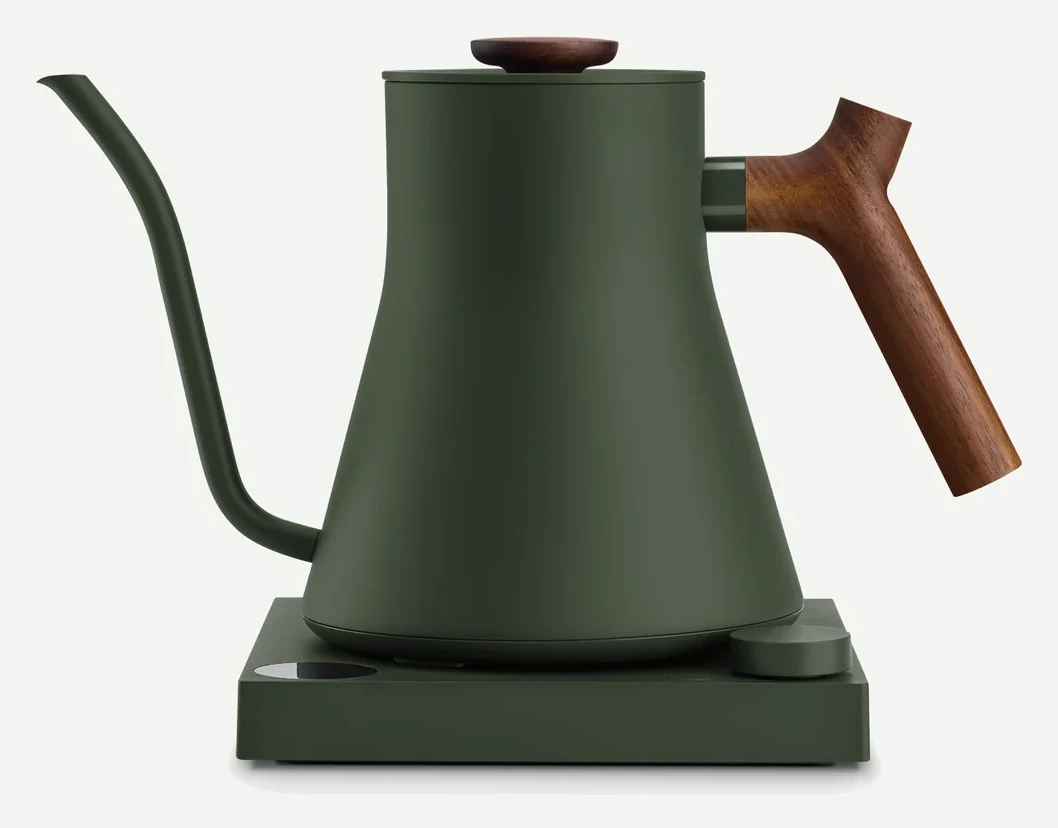 Fellow Stagg EKG Electric KettlePour-over coffee enthusiasts seeking precise temperature and flow control
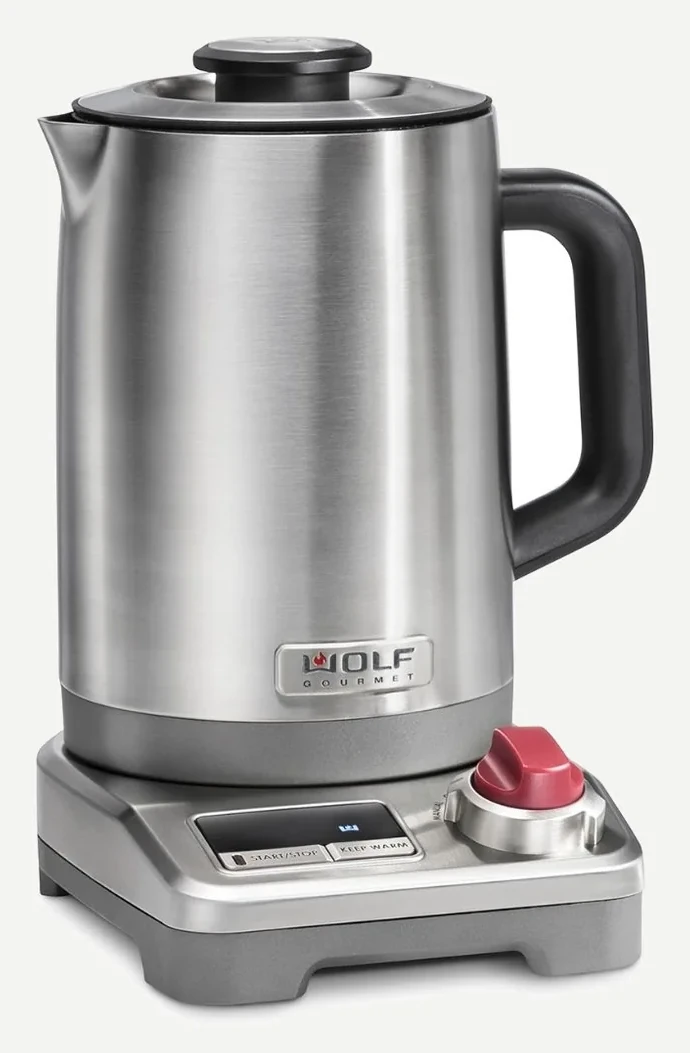 Wolf Gourmet WGKT100S Electric KettleHome brewers who want precise temperature control for tea and pour-over coffee
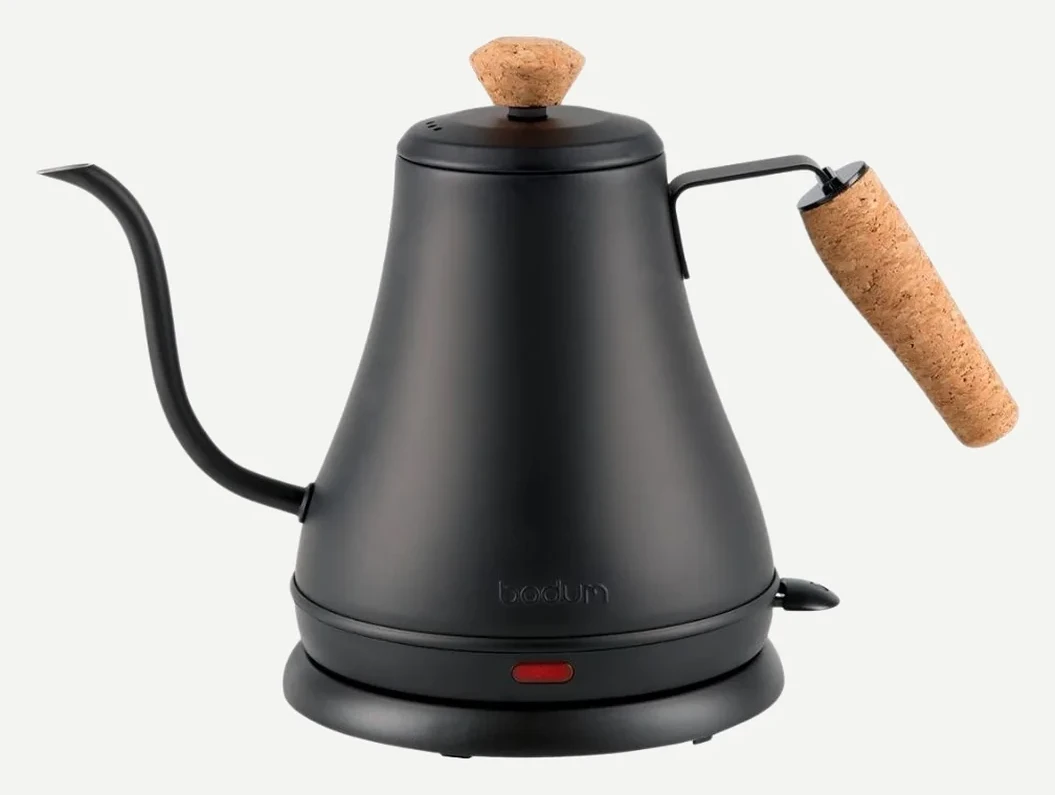 Bodum Melior Gooseneck Electric KettleA cordless gooseneck for pour over, without temperature control to pay for
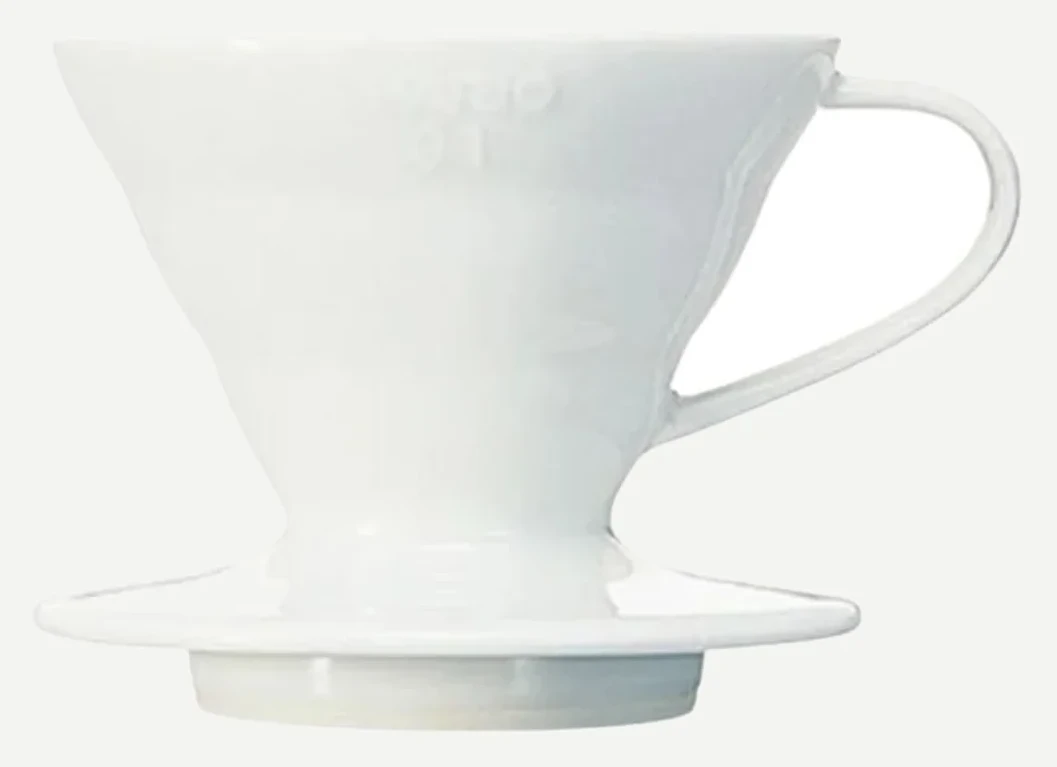 Hario V60Home brewers and baristas who want full manual control over extraction speed and flavor profile