How to Make Pour Over Coffee
The method is four pours and a timer. What makes it hard is that every one of them has to land in the same place, which is the one thing a recipe cannot write down for you.
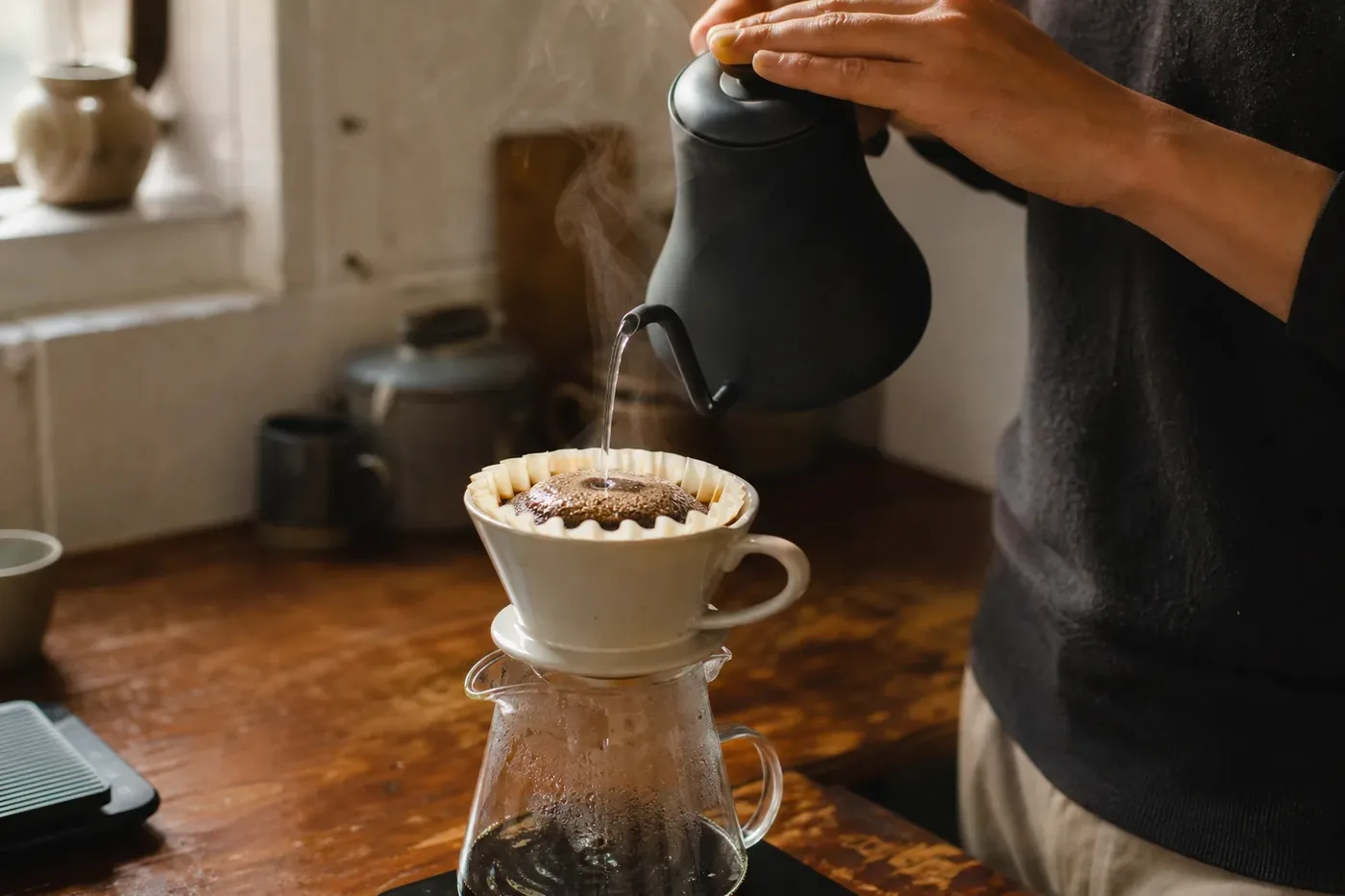
Pour over is the method with the highest ceiling and the most ways to miss. Everything about it comes down to one goal: get every particle of coffee wet at the same time, keep it wet for the same length of time, and let the water leave.
Pour over coffee recipe and ratio
1:16 is the standard: 22g of coffee to 350ml of water for a large mug, or 30g to 500ml for two. Medium-fine grind, water at 200F, total brew time of two and a half to three and a half minutes depending on the dripper.
That is the entire recipe. Everything below is how to execute it.
Why you should rinse the filter for pour over
Put the paper in and pour hot water through it, into the carafe, then tip that water out.
This does two things. It washes out the papery taste, which is real and obvious in the cup if you skip it. And it heats the dripper and the carafe, which otherwise steal heat from your brew in the first thirty seconds, when it matters most. Ceramic drippers steal a great deal.
How to bloom pour over coffee
Add the coffee, level it, and pour about twice its weight in water. For 22g that is 45ml. Start in the centre, spiral outward, and stop.
Fresh coffee is full of carbon dioxide, and when water hits it that gas comes out fast enough to physically push water away from the grounds. Bloom for 30 to 45 seconds and you let it escape; skip it and a good part of your dose is being held away from the water by its own gas.
If the bed swells and domes noticeably, the coffee is fresh. If it barely moves, it is not, and no amount of technique will fix that.
Pour over technique: how to pour the water
Pour in slow concentric circles from the centre outward, and stop before you reach the paper. Water that runs down the wall bypasses the coffee entirely, which is why the edges look pale afterwards.
Do it in stages rather than one long pour: to 150ml, wait for it to drop, to 250ml, wait, then to 350ml. Keeping the bed at a fairly constant level means the coffee spends a consistent time submerged.
This is where a gooseneck kettle stops being a luxury. A normal kettle pours a wide fast stream that punches a hole in the bed and digs a channel; a gooseneck lets you place a thin stream where you choose. That is the difference between deciding where the water goes and hoping.
How long pour over takes by dripper
A V60 should finish in 2:30 to 3:00 for this dose. A Kalita Wave runs slower, 3:00 to 3:30, because its three small holes restrict flow. A Chemex Coffee Maker is slower again, up to 4:00, since its heavy paper does the restricting.
If it drains much faster than that, the grind is too coarse. Much slower, and it is too fine or the bed has clogged. Adjust the grind, never the pour, to fix timing: your pour should stay the same so it stops being a variable.
What the coffee bed says about your pour over
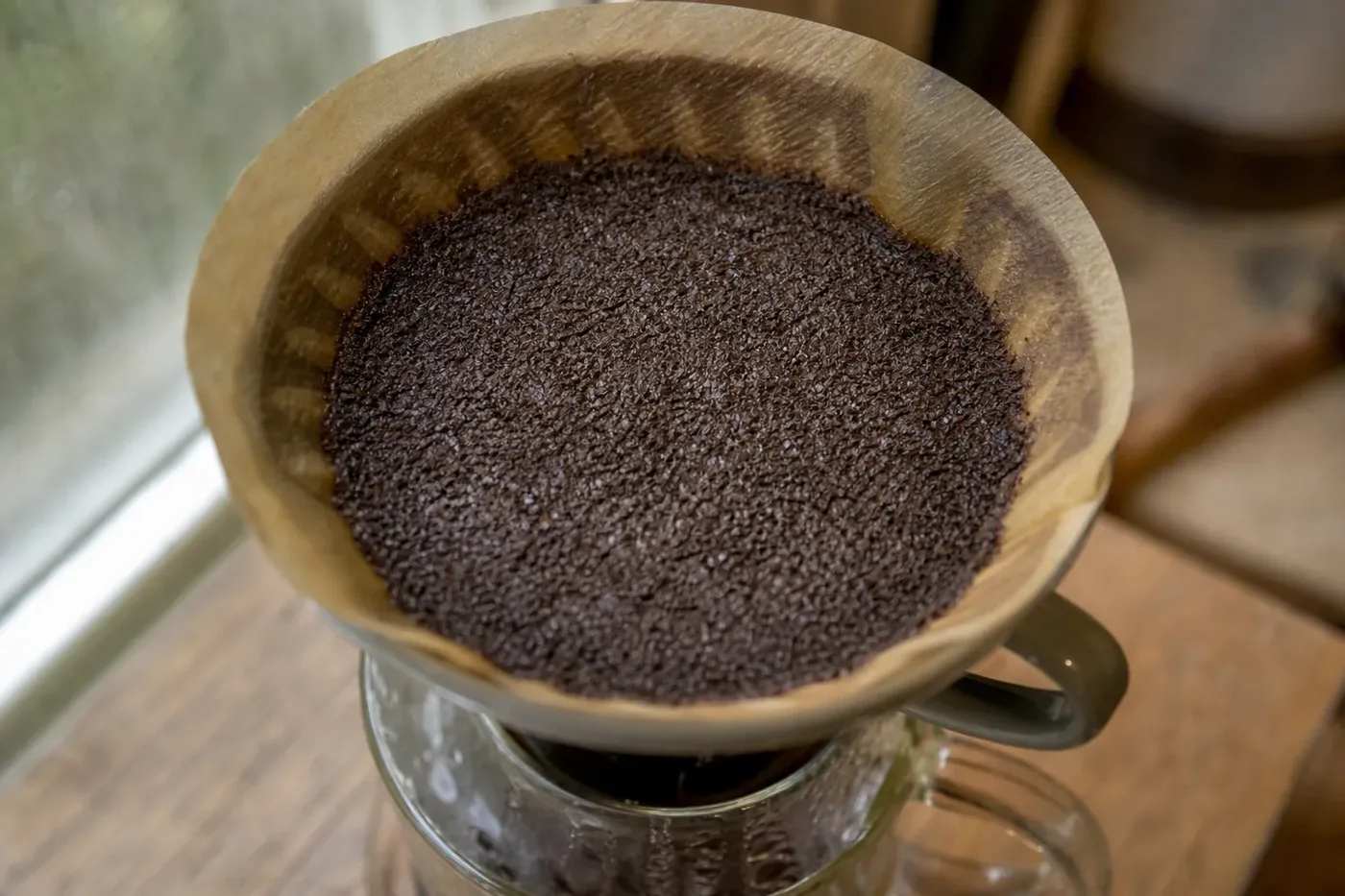
When the water has drained, look at the coffee. A flat, even bed means the water moved through it evenly. A crater in the middle means you poured too hard in one place. High walls of dry grounds around the edge mean your pours were too small and central, and a good part of the dose never brewed at all.
It is the most useful feedback the method gives you and it costs nothing to look.
Pour over problems: sour, bitter and how to fix them
Sour, thin, watery: under-extracted. Grind finer first. Water may also be too cool.
Bitter and drying: over-extracted. Grind coarser. Check the water is not boiling.
Both at once: uneven extraction, not a temperature or timing problem. Either the grind is inconsistent, which is a grinder issue, or you channelled.
Drains far too fast every time: grind is too coarse, or you are pouring hard enough to punch through the bed.
Stalls completely: too fine. It will taste bitter as well, because it sat there.
What to buy first for pour over
The dripper is the cheapest part and matters least. A V60 costs very little and Hario V60 paper filters are sold everywhere.
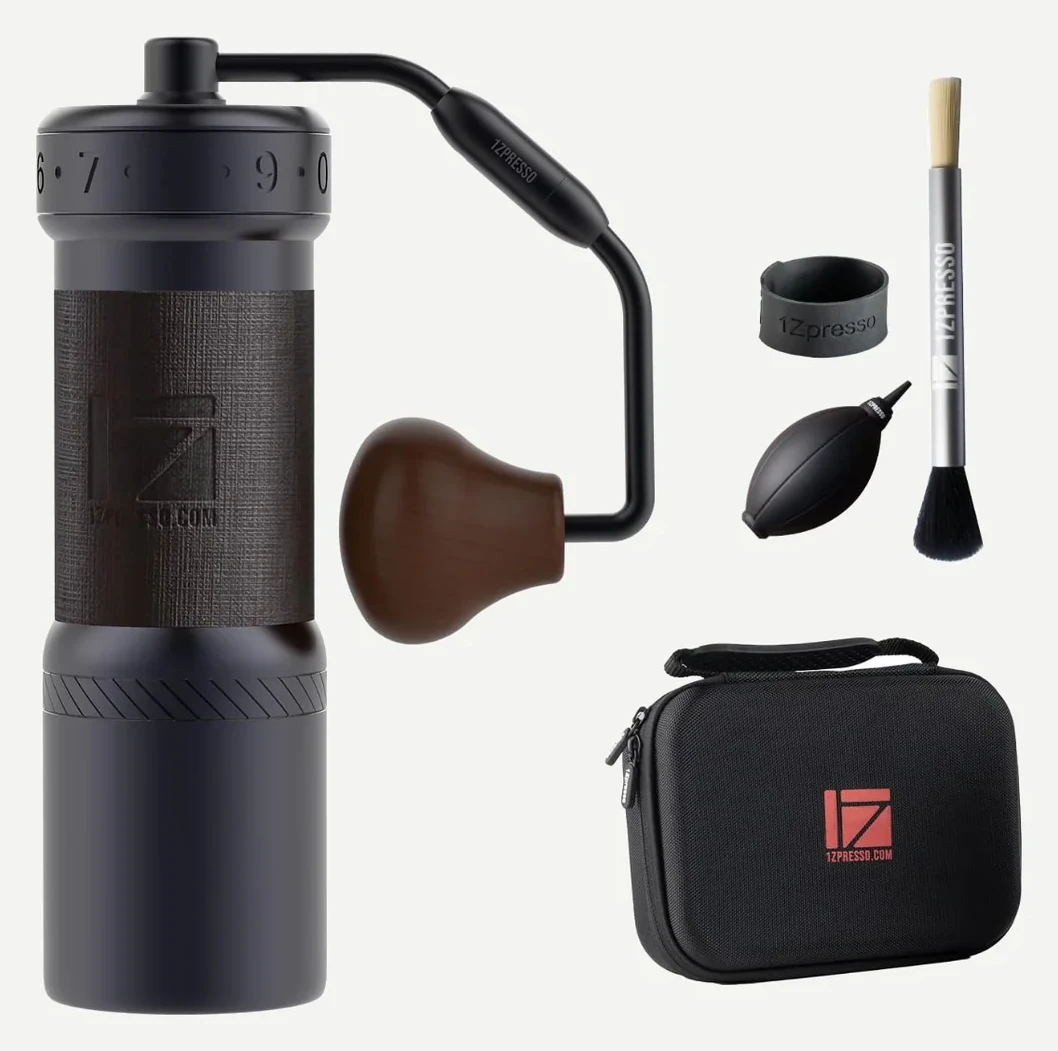
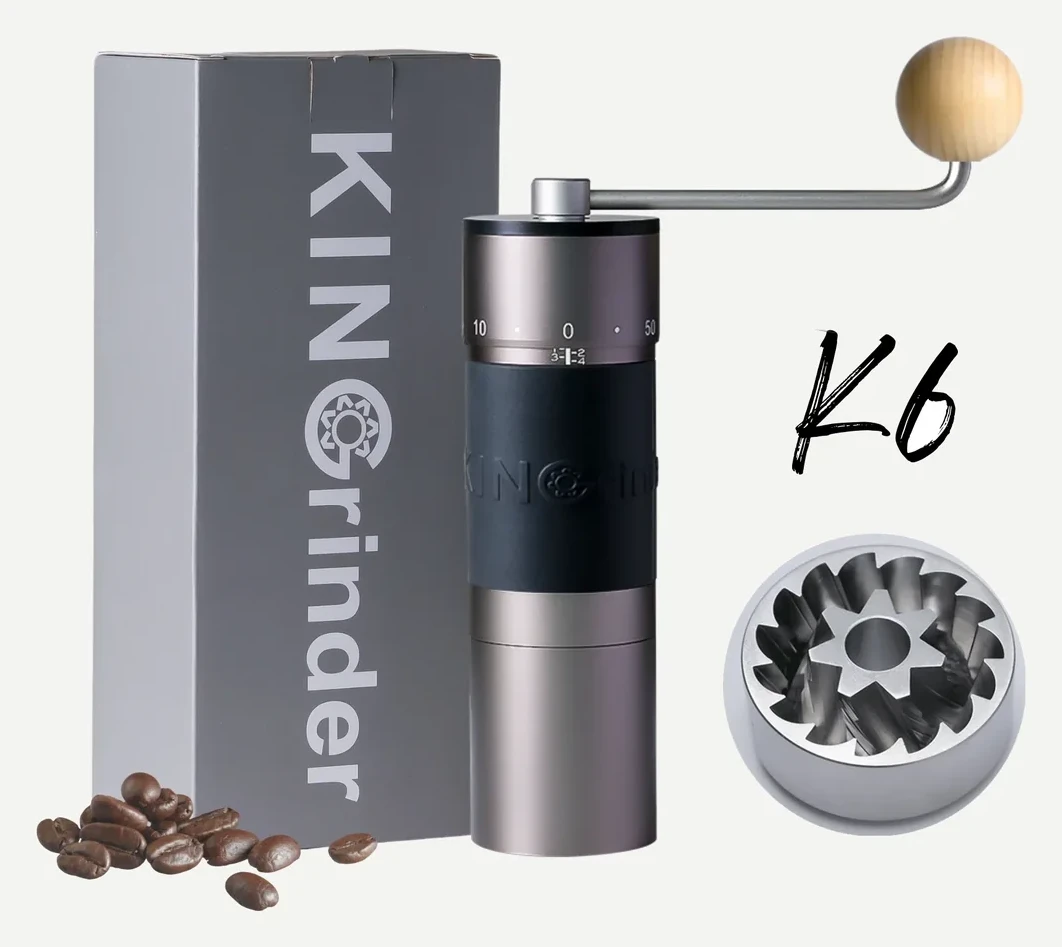
The grinder matters most, then the kettle, then a scale, then the dripper. That ordering surprises people who have just bought a beautiful ceramic cone, but it follows from what each thing controls: nothing downstream can repair a grind that arrived uneven. Our pour over rating guide sets out what we can read off a dripper's specification, and admits that ease of use is the one thing no specification answers.
Pour over machines that automate the pour
Everything above is technique: a bloom, slow pours in stages, an eye on the clock. A few drip machines now automate exactly that sequence, and they are worth knowing about if you like the cup but not the ten minutes at the counter. The Fellow Aiden blooms and then adds water in measured pulses, from one cup to ten. The Breville Spiral Luxe also grinds the beans and pours through a spout that moves in a spiral, the way you would with a gooseneck, up to 20 oz at a time. The Ratio Eight runs an automated bloom from a single button. Our list of the best automatic pour-over coffee makers compares them on capacity, grinder and control.
What a machine cannot do is taste. You still choose the coffee and the grind, and the troubleshooting above applies unchanged: sour means grind finer, bitter means coarser.
Pour over FAQ
What is the ratio for pour over coffee?
1:16 is the standard: 22g of coffee to 350ml of water for a large mug, or 30g to 500ml for two. Go to 1:15 for a stronger cup or 1:17 for a lighter one, and change the grind rather than the ratio when you are fixing taste rather than strength.
Why do you bloom coffee?
Fresh coffee holds carbon dioxide, and when water first hits it the gas escapes fast enough to push water away from the grounds. Pouring about twice the coffee's weight and waiting 30 to 45 seconds lets it out, so the rest of the water actually reaches the coffee. If the bed does not dome, the coffee is not fresh.
How long should a pour over take?
A V60 should finish in 2:30 to 3:00 at a 22g dose, a Kalita Wave 3:00 to 3:30 because its three small holes restrict flow, and a Chemex up to 4:00 because of its heavier paper. Faster than that means grind finer; slower means grind coarser.
Do you need a gooseneck kettle for pour over?
You can brew without one, but not the same way twice. A normal kettle pours a wide fast stream that punches into the bed and digs channels; a gooseneck places a thin stream where you choose. It is the difference between deciding where the water goes and hoping.
Why is my pour over sour?
It is under-extracted: the water left before enough dissolved. Grind finer first, and check the water is hot enough, around 200F. If it tastes sour and bitter at the same time, the extraction was uneven rather than short, which points at the grinder or at channelling.
What does the coffee bed tell you after brewing?
A flat even bed means the water moved through evenly. A crater in the middle means you poured too hard in one spot. Dry walls of grounds around the edge mean your pours were too small and central and part of the dose never brewed. It is free feedback and most people never look.
Reviewed on this site
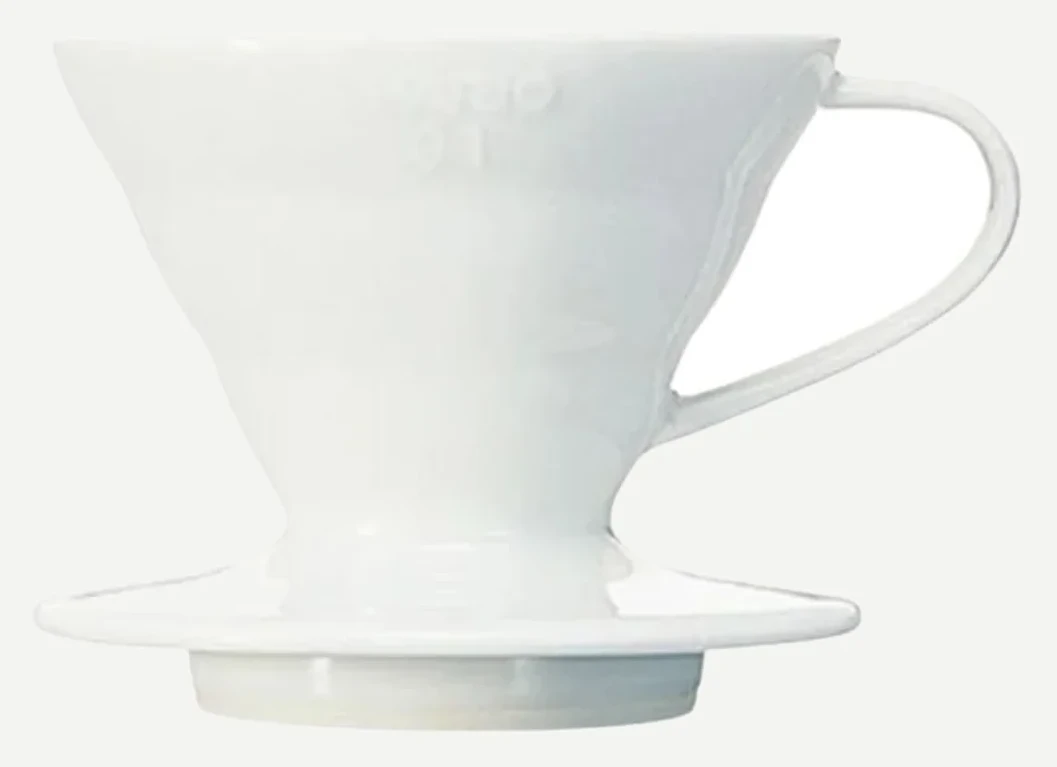 Hario V60Home brewers and baristas who want full manual control over extraction speed and flavor profile
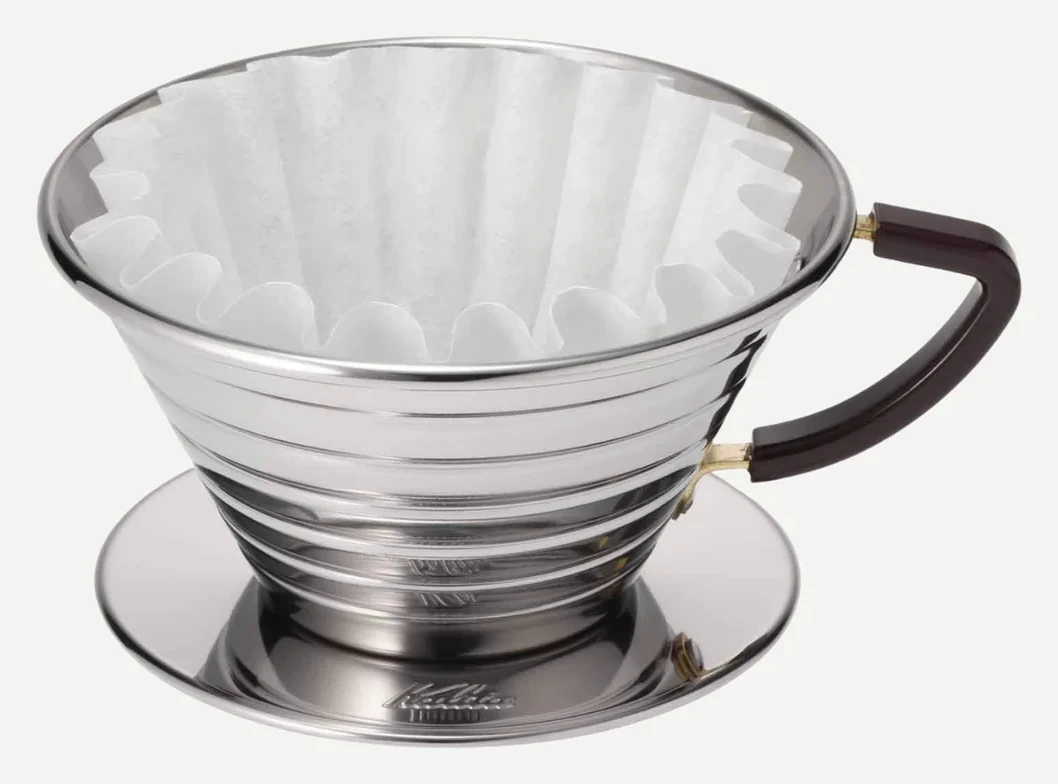 Kalita Wave 185 DripperA flat bed and three small holes, for a brew that forgives an uneven pour
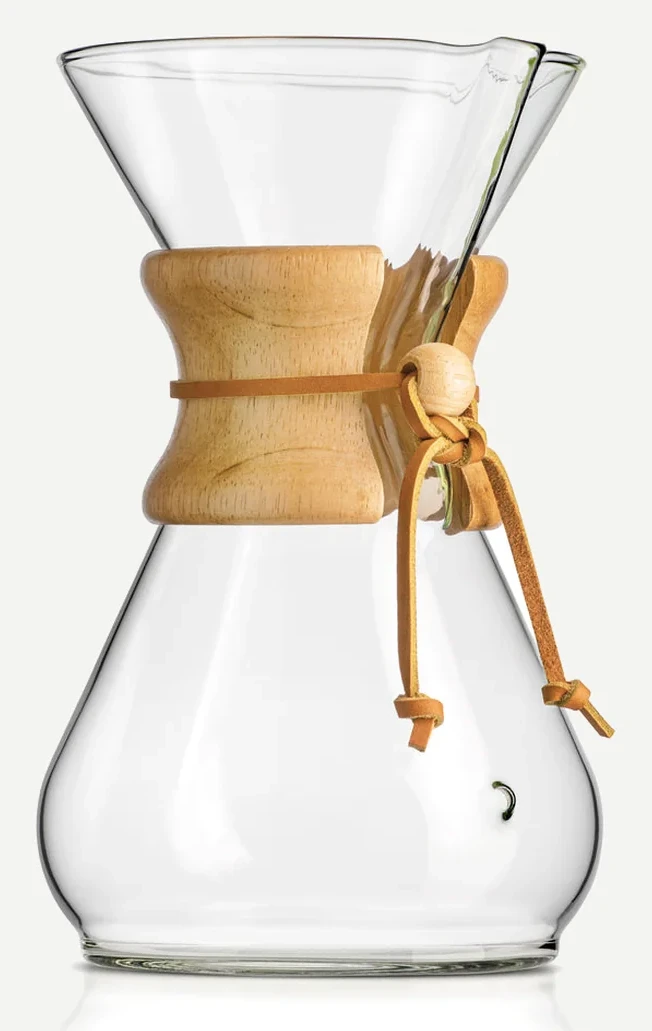 Chemex Coffee MakerCoffee enthusiasts who want clean, sediment-free pour over coffee at home or in the office
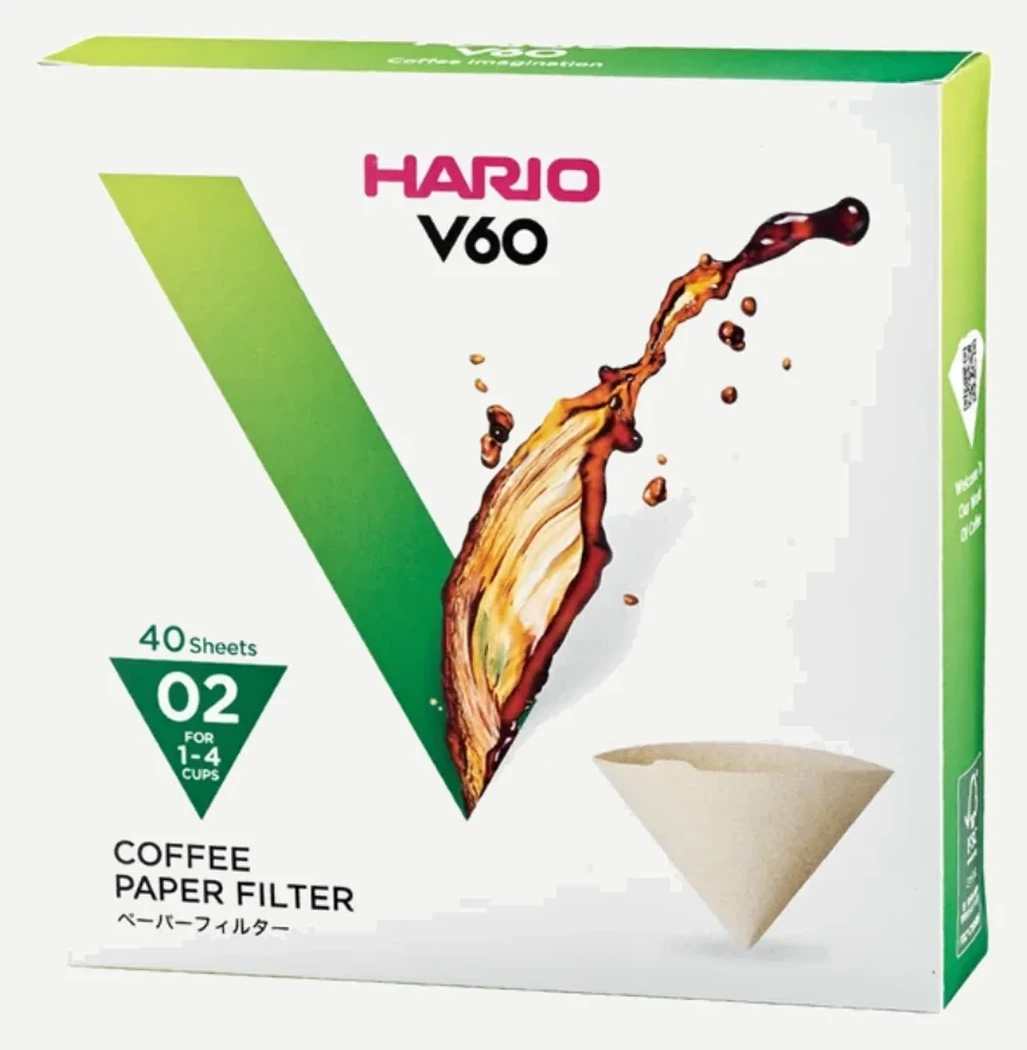 Hario V60 Paper Coffee Filters Size 02 200ctEvery V60 owner, forever, because this is the consumable the brewer runs on
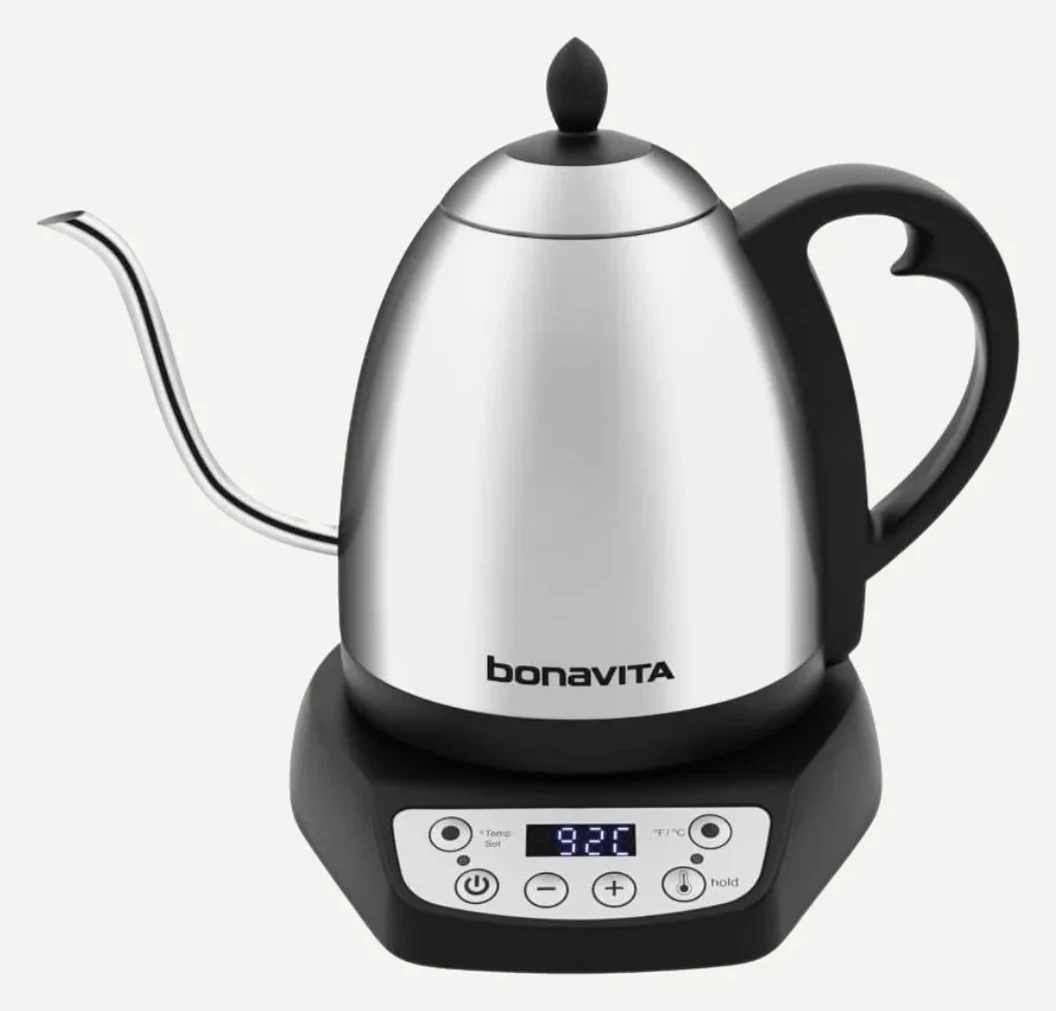 Bonavita Digital Variable Temperature Gooseneck Kettle BV382510VBrewers who want to set a temperature to the degree rather than pick from presets