Flat Bed vs Cone: What the Shape of a Dripper Changes
A cone concentrates the coffee in the middle and drains fast. A flat bed spreads it evenly and drains slow. That one difference decides how much your pour has to be right.
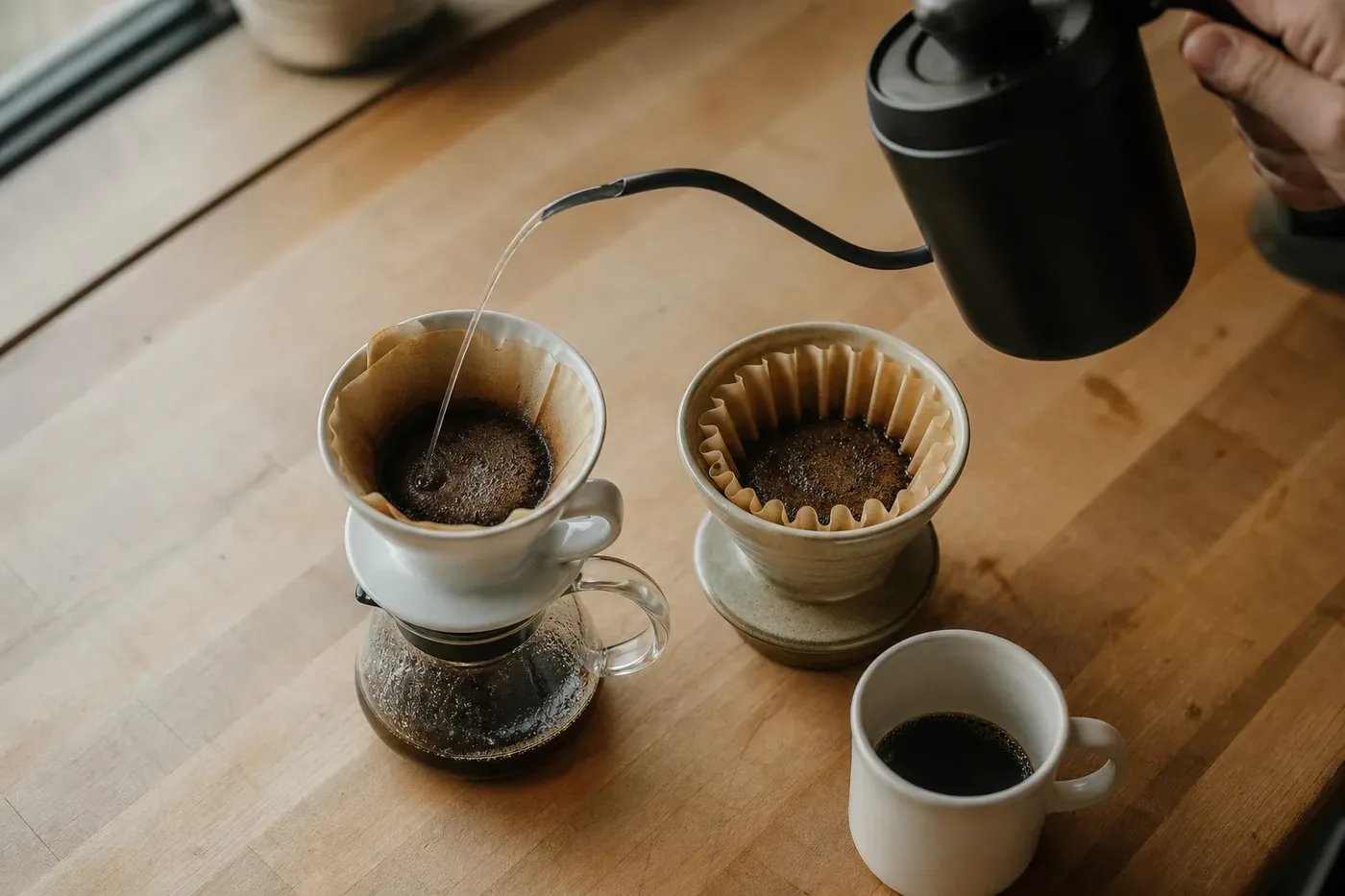
Every pour over dripper is a shape with holes in it, and the shape decides how deep the layer of coffee sits and how fast water leaves. Those two things account for most of the difference between drippers that are otherwise a cheap piece of ceramic or plastic.
What a cone dripper does
A conical dripper funnels the grounds into a deep pile at the point. Water at the centre passes through much more coffee than water at the edges, and with a single large hole at the bottom, flow is governed almost entirely by the grind and by how you pour.
That is the V60's reputation in one sentence: it gives you control and demands it. Pour carelessly and the water finds the fastest route through the bed, taking too much from one part and too little from the rest. Pour well and it can produce the clearest, most articulated cup of any brewer here.
The V60's spiral ribs exist to keep the paper off the wall so air can escape, which is a real design decision and one of the few dripper features that changes the brew rather than the look.
What a flat bed dripper does
A Kalita Wave has a flat bottom with three small holes and a wavy filter that touches the wall in very few places. The coffee sits in an even layer, so water travels roughly the same distance through roughly the same amount of coffee wherever it enters.
The three small holes restrict flow themselves. On a cone, your grind and pour control the speed; on a flat bed, the dripper does much of it for you. That is why flat beds are more forgiving, and why they are common in competition where repeatability matters more than a personal best.
Flat bed vs cone: the honest comparison
A cone rewards technique and punishes inattention. A flat bed narrows the range of outcomes at both ends: harder to ruin, and slightly harder to make extraordinary.
If you are brewing before work without weighing anything, the flat bed will give you a better average cup. If you enjoy the process and will actually pour in slow circles, the cone has the higher ceiling.

Other dripper shapes, from Melitta to the wedge
The Melitta cone is a wedge with one or two small holes at the bottom, the 1908 design that started all of this. It restricts flow like a flat bed while keeping a deep bed like a cone, and it runs on filters sold in every supermarket, which is not a small practical advantage.
The Bee House dripper uses the same wedge idea in ceramic with two holes, a common recommendation for people who want pour over without a technique project.
The Chemex Coffee Maker is a cone, but its filter is 20 to 30 percent heavier than normal paper, so flow is set by the filter rather than the shape. It produces the cleanest cup here and needs a coarser grind than its geometry implies.
Flat bed vs cone filters are not interchangeable
Each of these shapes takes its own paper and they are not interchangeable. A Wave filter is a flat-bottomed cup with fluted sides; a V60 filter is a cone. Putting a cone in a flat bed collapses the whole idea, because the flat bed only works if the coffee sits flat.
Paper weight matters as much as shape. The Chemex's heavier paper is why it produces the cleanest cup on the site and why it needs a coarser grind. Wave filters are relatively thick too, which is part of why the Wave runs slower.
Availability is a practical point people underrate. Melitta cones take filters sold in every supermarket. Wave and Chemex papers are a specialist order, and running out on a Sunday morning is a real event. Our accessories section covers filters, and filter cost per hundred is one of the things we score where a maker publishes it.
Dripper material: ceramic, glass, plastic or steel
Ceramic looks best and holds heat once warmed, but it steals heat from the first brew unless you rinse it with hot water first. Plastic weighs nothing, survives being dropped and reaches temperature instantly, which is why plenty of competition brewers use it despite the look. Glass sits in between. Metal drippers with a permanent mesh remove the paper entirely, which changes the cup rather more than the shape does: oils and fines pass straight through, so the result is heavier and less clear, closer to a press than to a filter.
If you brew straight into a mug rather than a carafe, check the dripper actually sits on yours. It is the single most common complaint on any dripper listing and the easiest thing to check before buying.
What the shape of a dripper cannot fix
Neither geometry rescues a bad pour of boiling water dumped in one go, and neither rescues an uneven grind. The bed shape decides how evenly water moves through the coffee; it has no way of making the coffee particles the same size in the first place.
Which is why, if you are choosing between spending on a nicer dripper and spending on a better grinder, the grinder wins at every budget. A $20 flat bed with an even grind will beat a $60 one with a blade grinder behind it, every time.
Flat bed vs cone: which to buy
Drippers are cheap enough that this is not a large decision. If you want one, the flat bed is the safer default and the cone is the more interesting one. Our pour over reviews cover both, and the rating guide explains what we can read off a dripper's specification and what we cannot, because ease of use is one of the things no specification answers.
Whichever you pick, the grinder matters more than the dripper. A flat bed cannot even out a grind that arrived uneven.
Flat bed vs cone FAQ
Kalita Wave or Hario V60, which is better?
Neither, they trade different things. The V60 is a cone that drains fast through one large hole, so your grind and pour control the brew: more control, more ways to get it wrong. The Kalita Wave is a flat bed whose three small holes restrict flow themselves, which narrows the range of outcomes. Flat bed for a better average cup, cone for a higher ceiling.
Is a flat bed dripper more forgiving?
Yes. The coffee sits in an even layer so water travels through roughly the same amount of coffee wherever it enters, and the restricted holes control the flow rate rather than leaving it to your pour. That is why flat beds are common in competition, where repeatability matters more than a personal best.
Why does the Chemex need a coarser grind?
Its filter is 20 to 30 percent heavier than ordinary filter paper, which slows the flow considerably. The shape is a cone but the paper is doing the restricting, so a V60 grind will stall it. Grind medium-coarse rather than medium-fine.
Do the ribs inside a dripper actually do anything?
Yes. They hold the paper off the wall so air can escape as water passes through, which keeps the flow even. It is one of the few dripper features that changes the brew rather than the appearance, which is why rib design appears in our pour over rating criteria.
Reviewed on this site
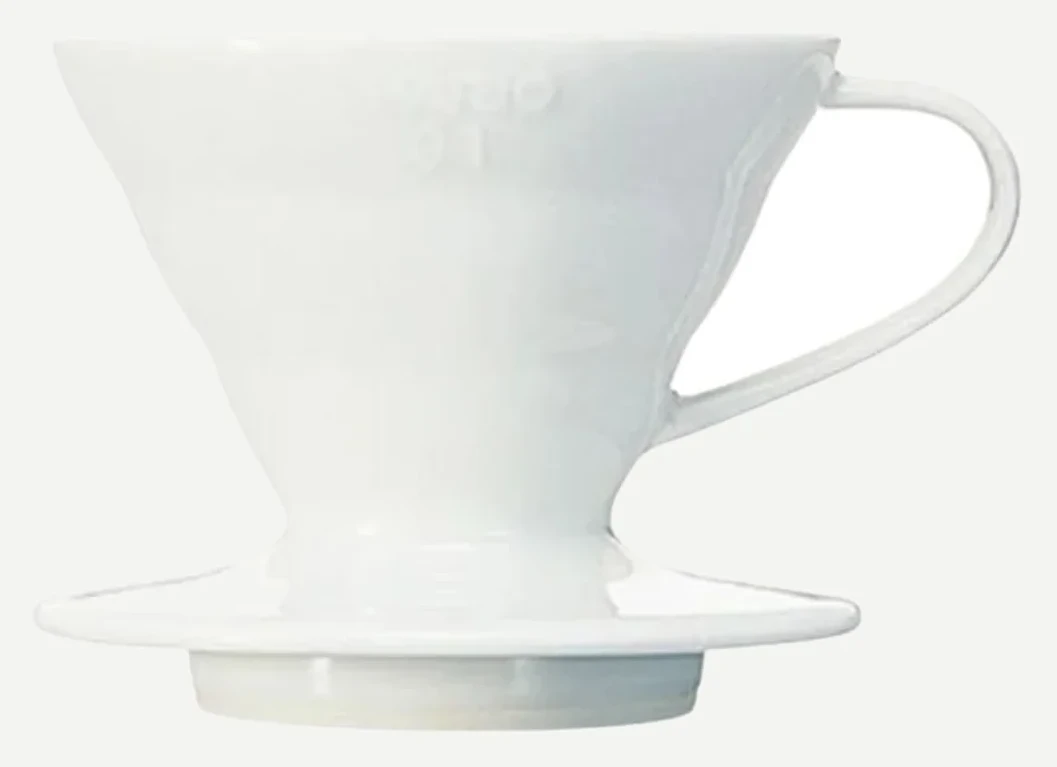 Hario V60Home brewers and baristas who want full manual control over extraction speed and flavor profile
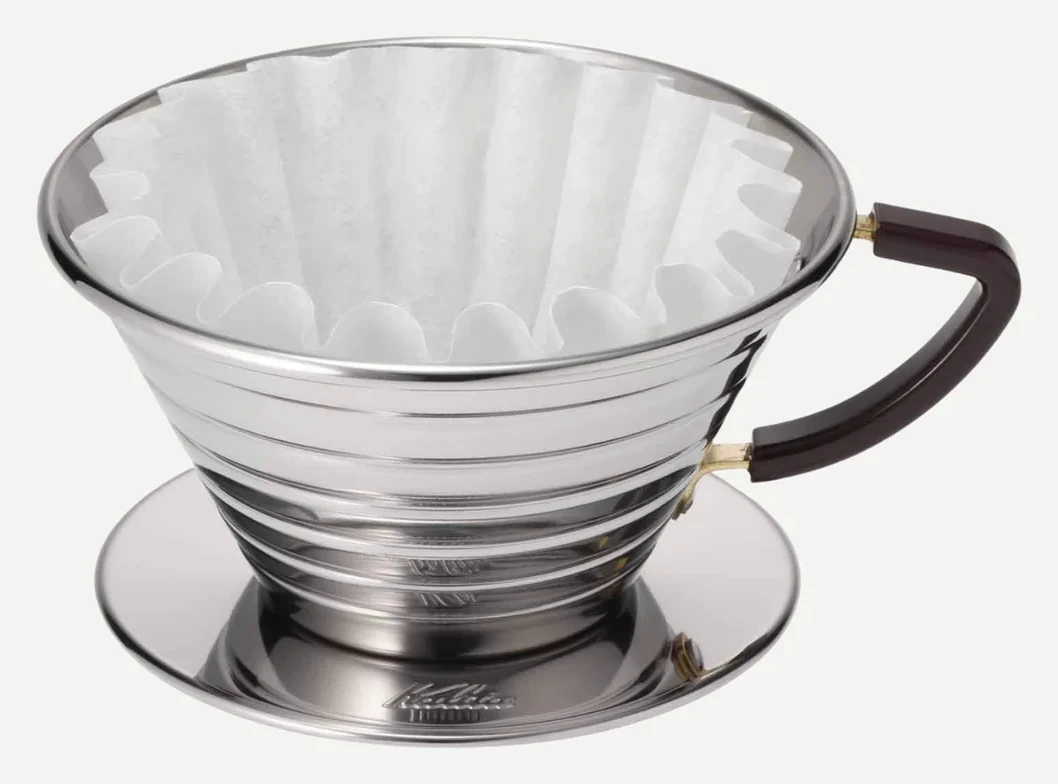 Kalita Wave 185 DripperA flat bed and three small holes, for a brew that forgives an uneven pour
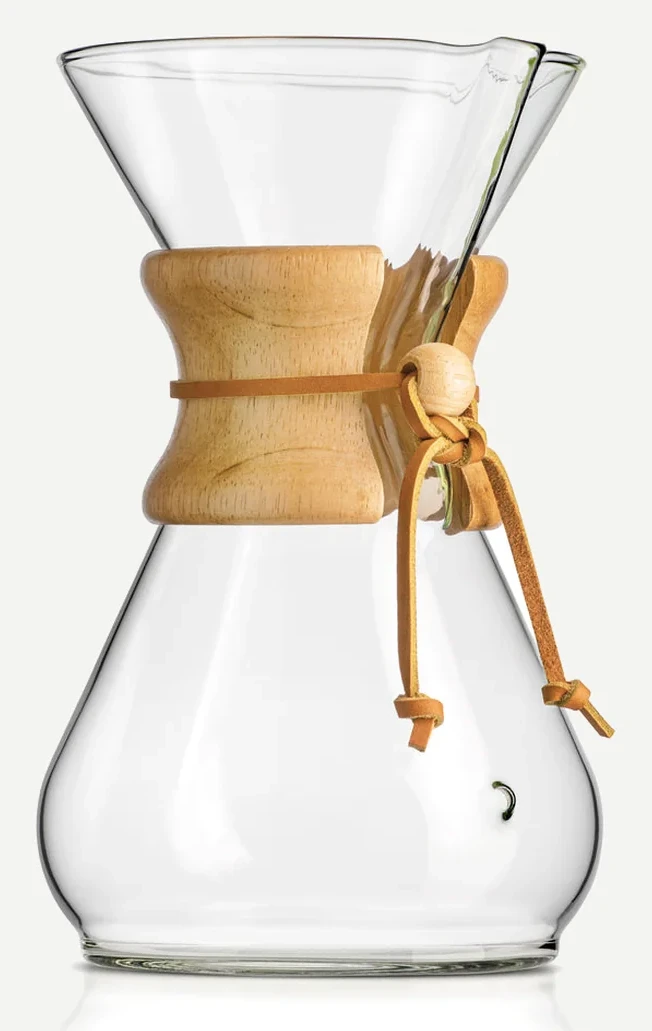 Chemex Coffee MakerCoffee enthusiasts who want clean, sediment-free pour over coffee at home or in the office
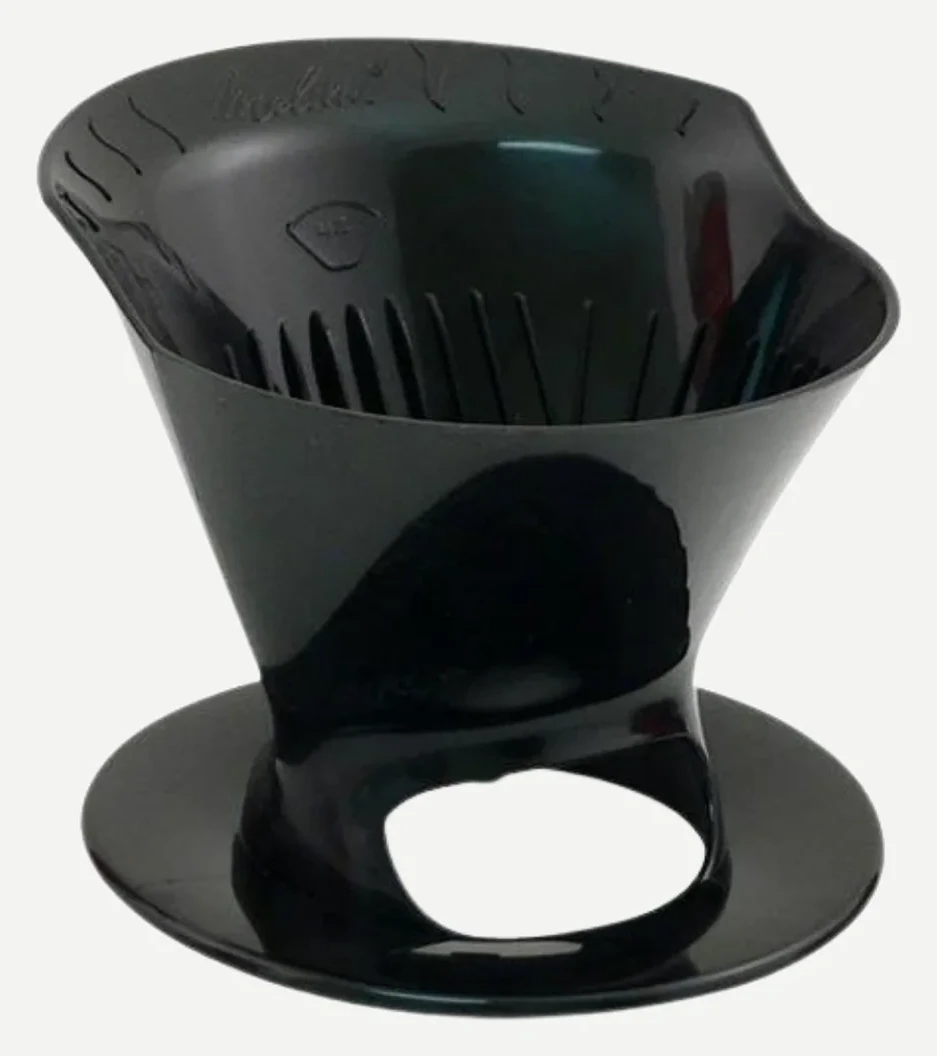 Melitta 64007 Pour-Over Coffee Brew ConeThe cheapest real pour over there is, on the filter standard everybody makes
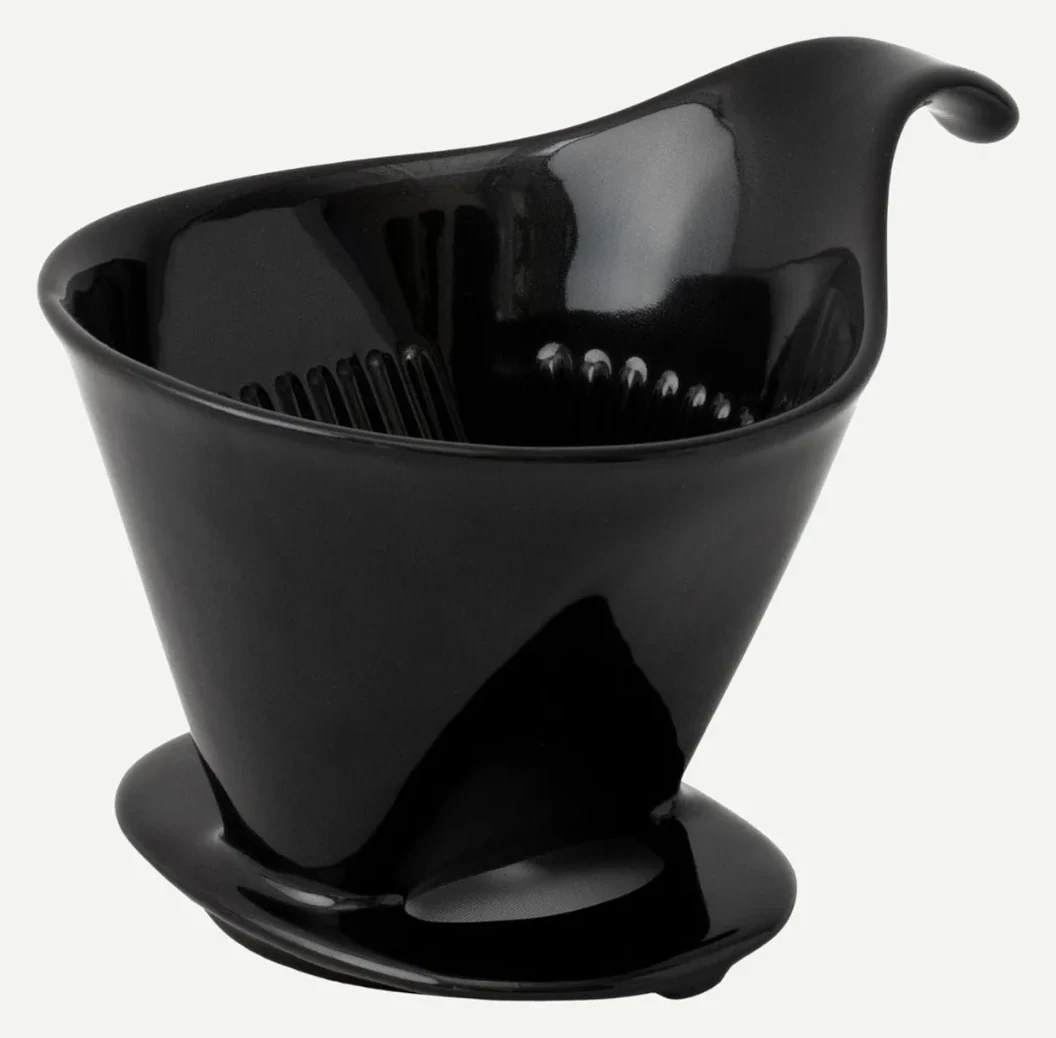 Bee House Ceramic Pour Over DripperA two-hole ceramic dripper that is far harder to brew badly than a V60