What Temperature Should Coffee Water Be?
Boiling water is not the right answer and it is not far wrong either. The useful range is narrower than people think, and how much it matters depends entirely on how you brew.
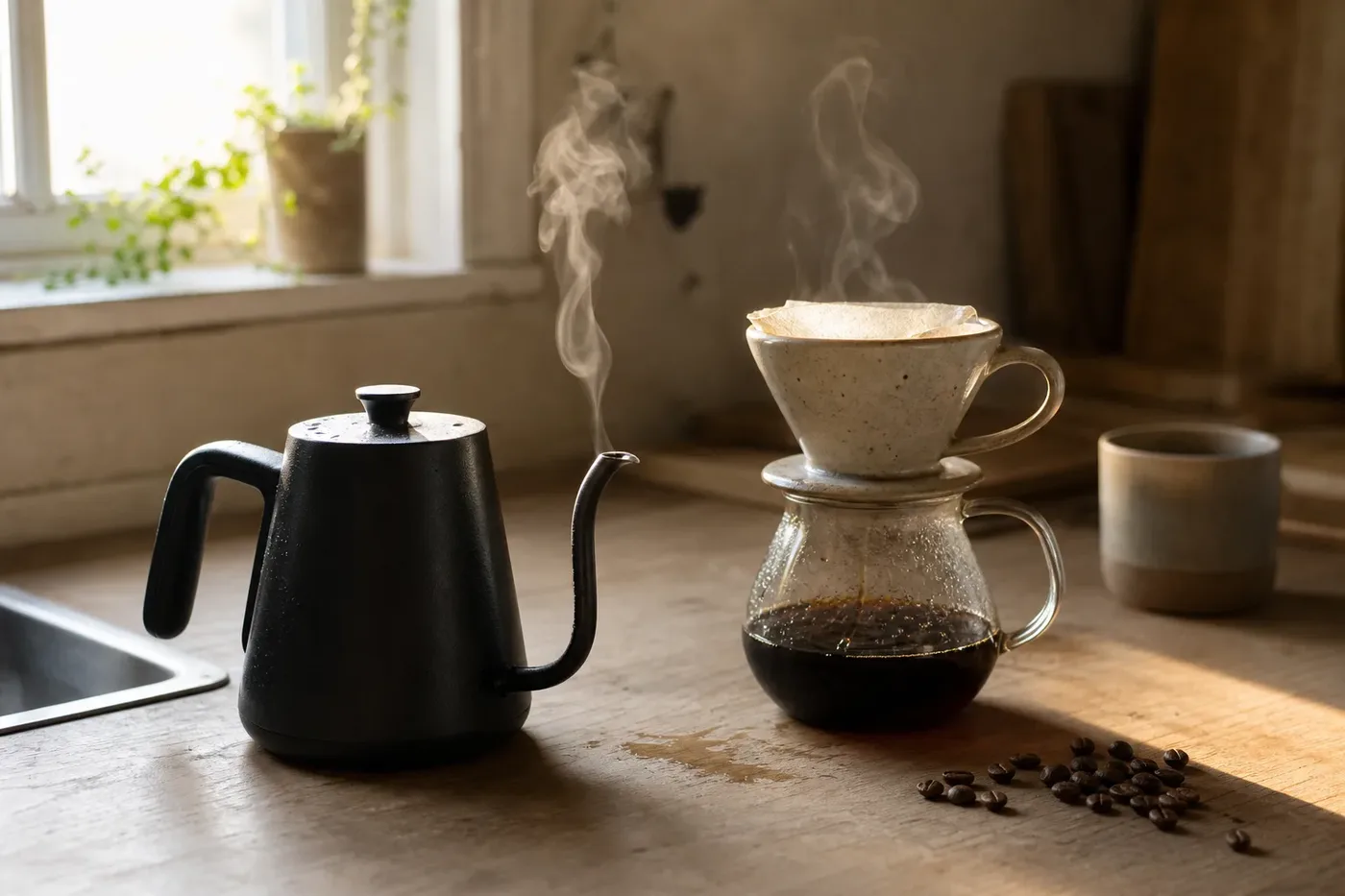
The specialty answer is 195 to 205F, about 90 to 96C. That range is not arbitrary and it is not marketing: it is where the compounds you want dissolve readily and the ones you do not stay put.
Below it, extraction slows and the cup comes out sour and thin because the water never took enough. Above it, and particularly at a rolling boil, you start pulling harsher compounds out of the grounds along with everything else, and the cup turns bitter and flat.
Is boiling water too hot for coffee?
Water boils at 212F, seven degrees above the top of the range. Poured straight from a kettle onto coffee, that is hot enough to scald the grounds and strip out bitterness, particularly on a light roast where there is less to hide behind.
In practice most people are fine anyway, because water cools fast. Poured into a room-temperature dripper, over room-temperature grounds, it loses several degrees before it has finished hitting the bed. The old advice to boil the kettle and wait thirty seconds is crude and it works: it lands you at roughly 200F.
What it does not do is land you there repeatably. Thirty seconds from a full kettle in a warm kitchen is a different temperature from thirty seconds from a half kettle in a cold one.
Where water temperature matters most and least
Pour over: it matters
The brew is short, the grind is fine, and there is nothing to even out a bad start. Temperature is one of the few variables you control directly here, and a ten-degree swing is tasteable.
Espresso: it matters enormously, and the machine handles it
A shot is over in twenty-five seconds and the pressure amplifies everything, so a couple of degrees moves the cup. This is what PID temperature control on an espresso machine is for, and it is why that appears in our scoring rather than being treated as a luxury.
French press: it matters less than you would think
Four minutes of contact means the water is cooling throughout the brew regardless, and the coarse grind is more forgiving. Off the boil is fine.
Cold brew: it does not apply
The whole method substitutes twelve to twenty-four hours of time for heat, which is why cold brew tastes less acidic: the compounds responsible need heat to extract and never get any.
How roast level changes the best water temperature
Dark roasts are more soluble. The bean has been cooked longer, its structure is more broken down, and it gives up its flavours faster, which means hot water pulls out the bitter end sooner. Brew dark roasts at the lower end, around 195F.
Light roasts are dense and reluctant. They need the heat to get anything out at all, and under-extracted light roast is the sourest coffee most people ever taste. Brew those at the top of the range, 205F, and higher if the cup still tastes thin.
This is the opposite of what most people assume, which is that a delicate light roast needs gentler treatment. It does not. It needs more.
Water temperature at altitude
Water boils lower as you go up. At 5,000 feet it boils at about 202F, which is inside the target range, so a kettle at a rolling boil is already correct. Above 7,000 feet boiling water can be too cool for a light roast and there is nothing you can do about it with a kettle.
If your coffee has tasted flat since you moved somewhere high, that is why.
Do you need a variable temperature kettle?
Honestly: not to make good coffee. You need one to make the same coffee twice without thinking about it.
The Bonavita BV382510V sets a target in one-degree steps from 140F to 208F and holds it for an hour, which turns temperature from something you estimate into something you set once. The Cosori CO108-NK takes the simpler route with five presets and a sixty-minute hold, which covers the brewing range without asking you to pick a number.
The Brewista Artisan keeps both: a flash boil for when you want water now, and one-degree steps for when you want it exact.
Against those, a boil-only kettle like the Bodum Melior is not worse coffee, it is a stopwatch instead of a thermostat. Our rating guide for kettles weights temperature control heavily for that reason, and says outright which figures makers publish and which they do not.
How to judge water temperature without a thermometer
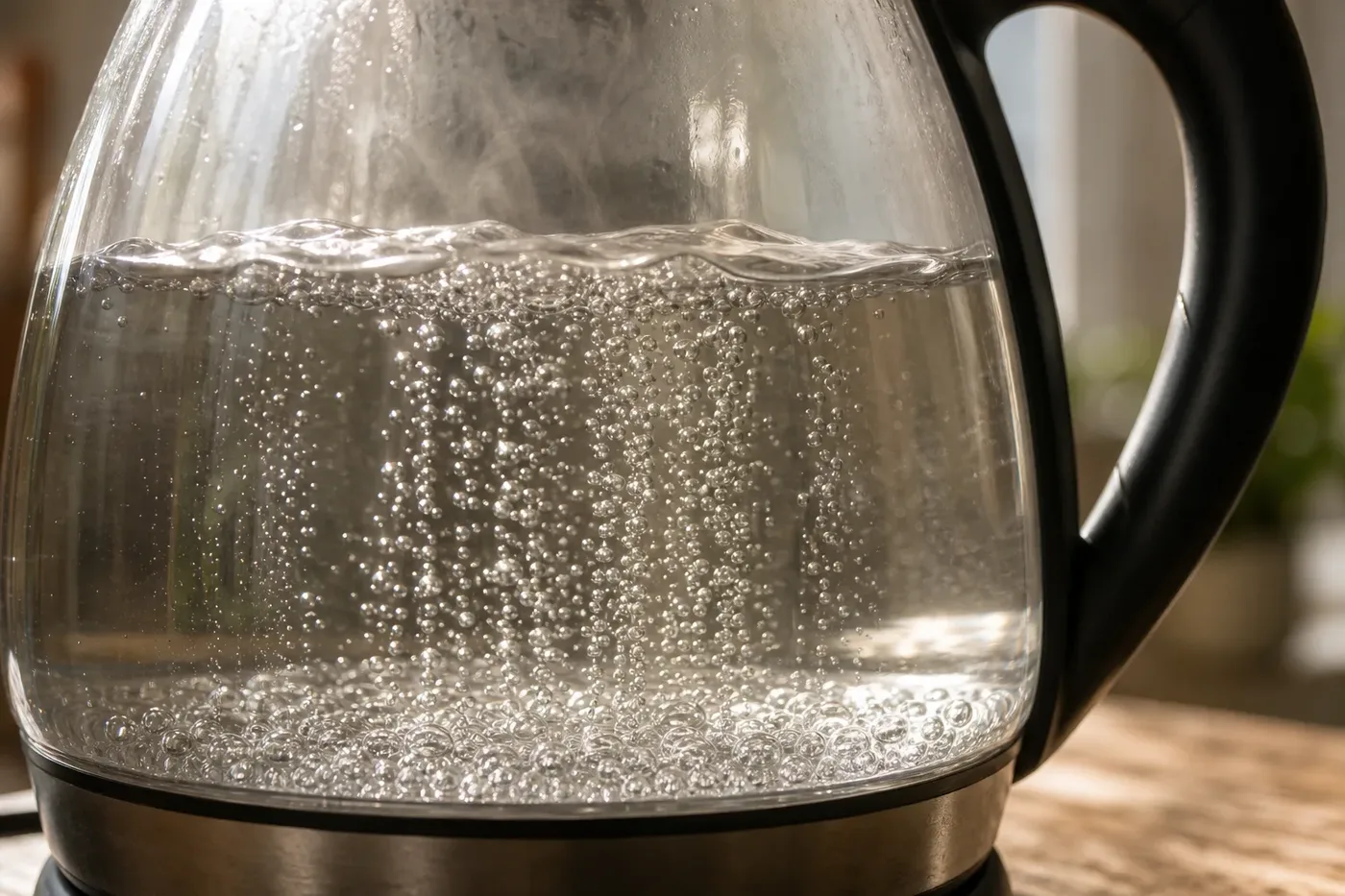
A kettle gives visible signals on the way up. Small bubbles clinging to the bottom is around 160F. Strings of bubbles rising steadily is about 180F. A gentle rolling motion just before it breaks is roughly 200F, which is where you want it.
The full rolling boil, loud and turbulent, is 212F and one step too far. If you have gone there, take the lid off and wait thirty seconds.
What matters more than water temperature
Temperature is worth getting roughly right and not worth agonising over. If your coffee is inconsistent and you are chasing degrees, check the grind first: an uneven grind produces sour and bitter in the same cup no matter what the water was doing, and no thermostat fixes it.
Water temperature for coffee FAQ
What temperature should water be for coffee?
195 to 205F, about 90 to 96C. Below that the coffee under-extracts and tastes sour and thin; at a full boil you start pulling out harsher compounds and it turns bitter. Boiling the kettle and waiting thirty seconds lands you roughly in range.
Can you use boiling water for coffee?
Usually without harm, though it is seven degrees above the ideal top of the range. Water cools quickly on the way into a room-temperature brewer, so most people never notice. Where it shows is light roasts and short brews like pour over, which turn bitter more readily.
Should light and dark roasts be brewed at different temperatures?
Yes, and the answer surprises people. Dark roasts are more soluble and give up bitterness faster, so brew them nearer 195F. Light roasts are dense and reluctant and need the heat, so brew those at 205F or above. Under-extracted light roast is the sourest coffee most people ever taste.
Is a variable temperature kettle worth it?
Not to make good coffee, but to make the same coffee twice without thinking about it. A kettle that holds 200F for an hour turns temperature from something you estimate into something you set once. If you brew espresso, the machine's PID matters more than the kettle.
How can I tell water temperature without a thermometer?
Watch the kettle. Small bubbles on the bottom is around 160F, steady strings of rising bubbles about 180F, and a gentle rolling movement just before it breaks is roughly 200F, which is where you want it. A loud full boil is 212F and one step too far.
Does altitude change the right brewing temperature?
It changes what is achievable. Water boils lower as you climb: about 202F at 5,000 feet, which is already inside the ideal range, so a rolling boil is correct there. Above 7,000 feet boiling water can be too cool for a light roast, and no kettle can fix that.
Reviewed on this site
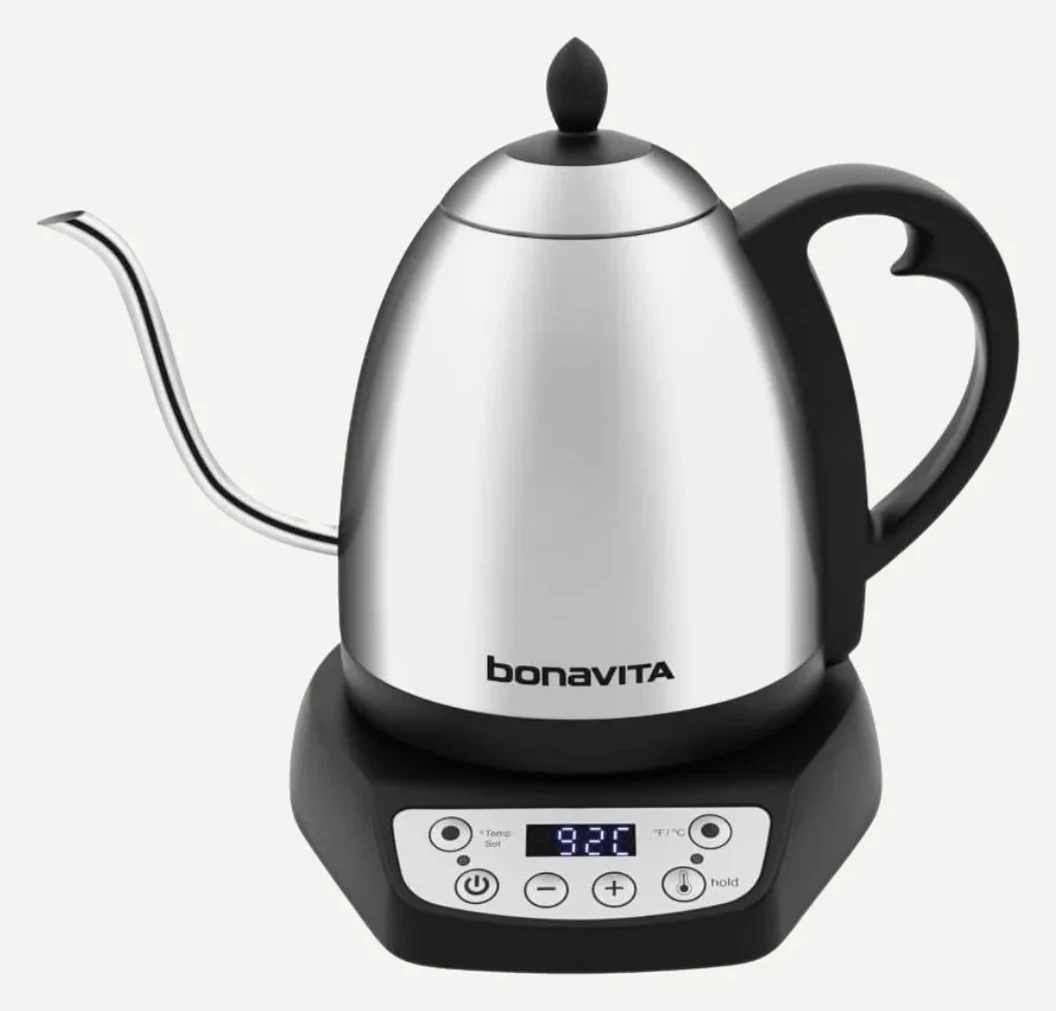 Bonavita Digital Variable Temperature Gooseneck Kettle BV382510VBrewers who want to set a temperature to the degree rather than pick from presets
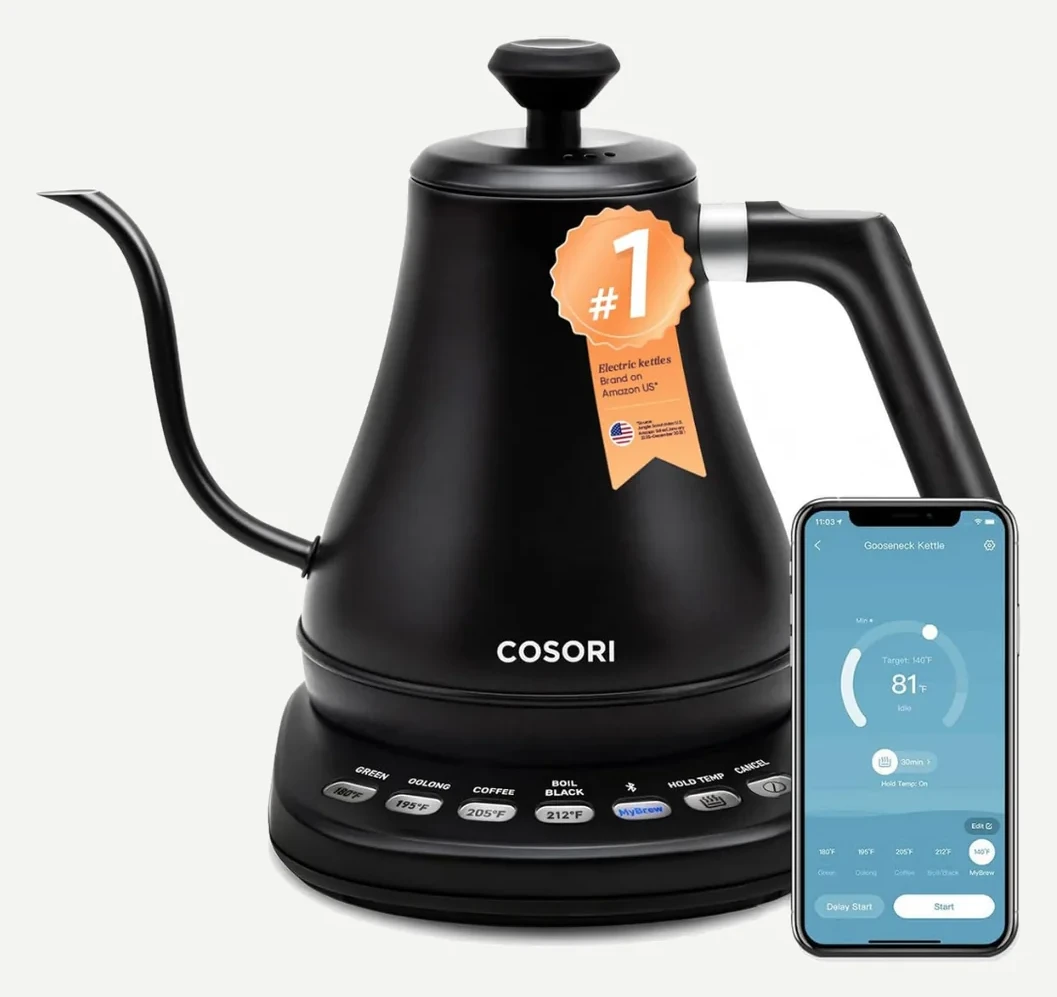 Cosori Gooseneck Electric Kettle CO108-NKPour-over drinkers who want preset temperatures and a stainless water path without boutique pricing
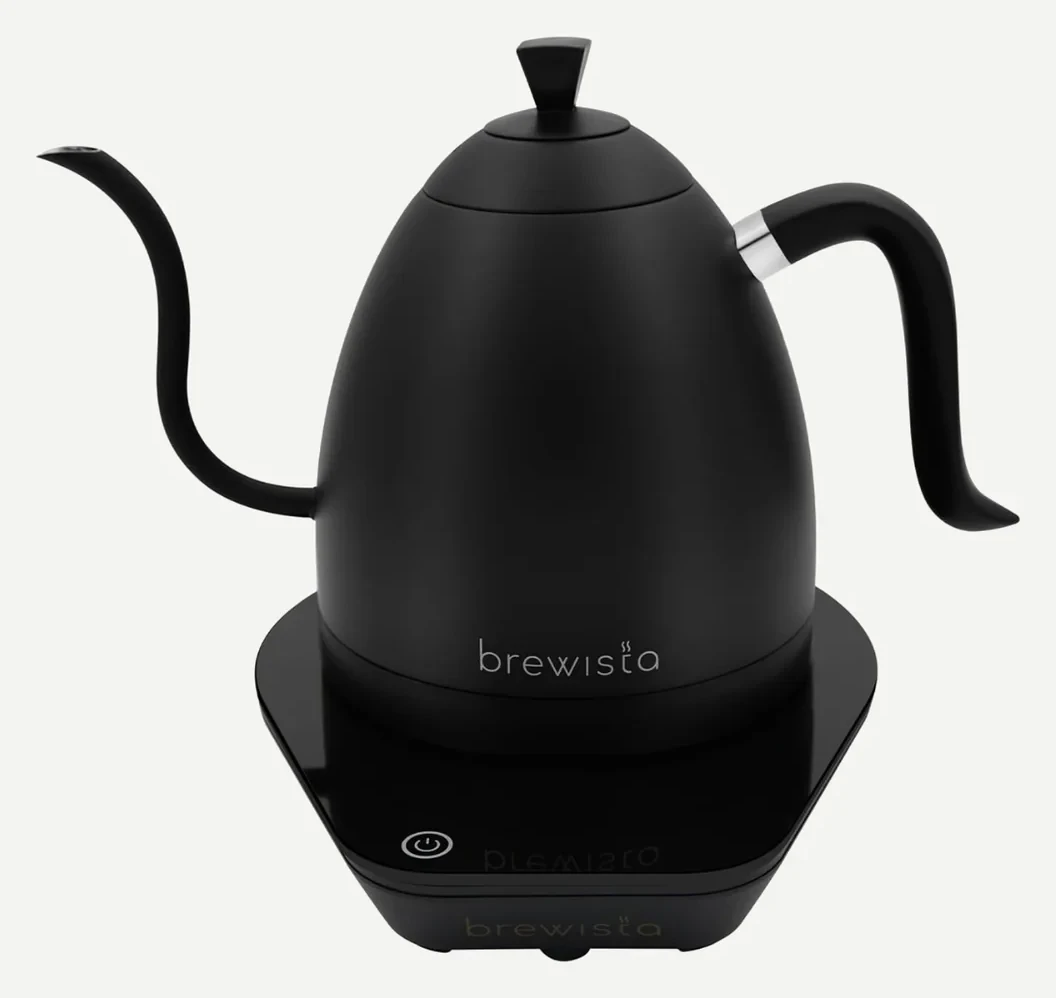 Brewista Artisan Electric Gooseneck Kettle 1LA home barista who wants one-degree control and a flash-boil setting on the same dial
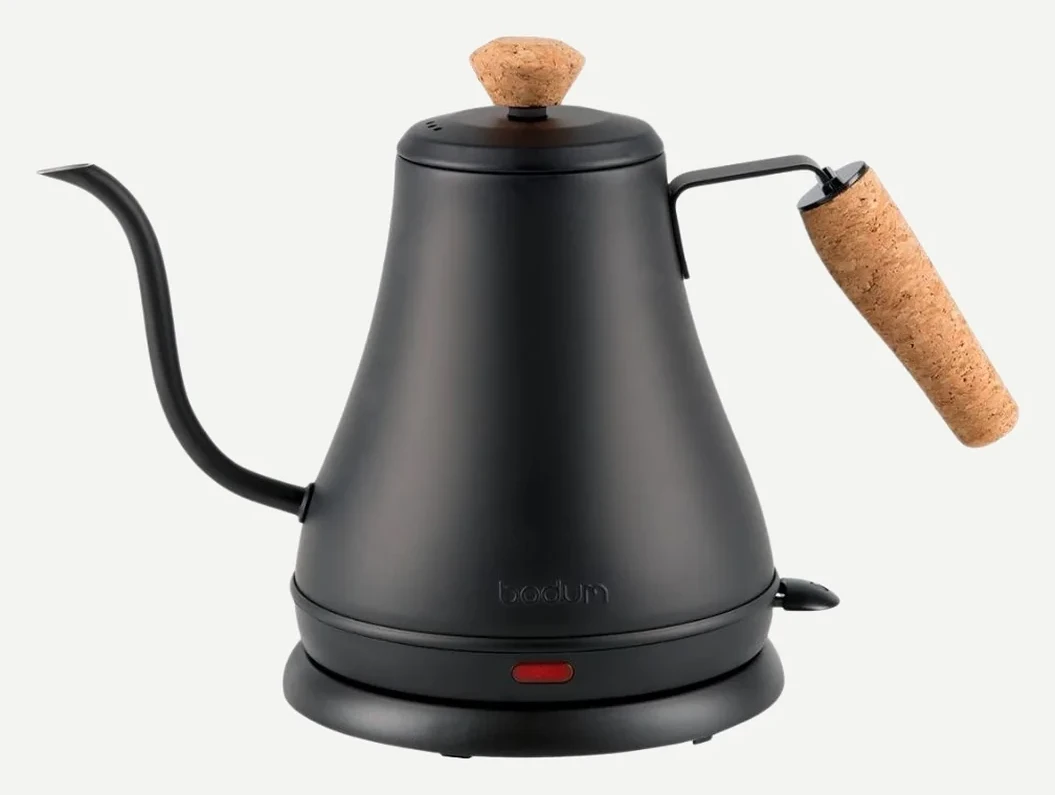 Bodum Melior Gooseneck Electric KettleA cordless gooseneck for pour over, without temperature control to pay for
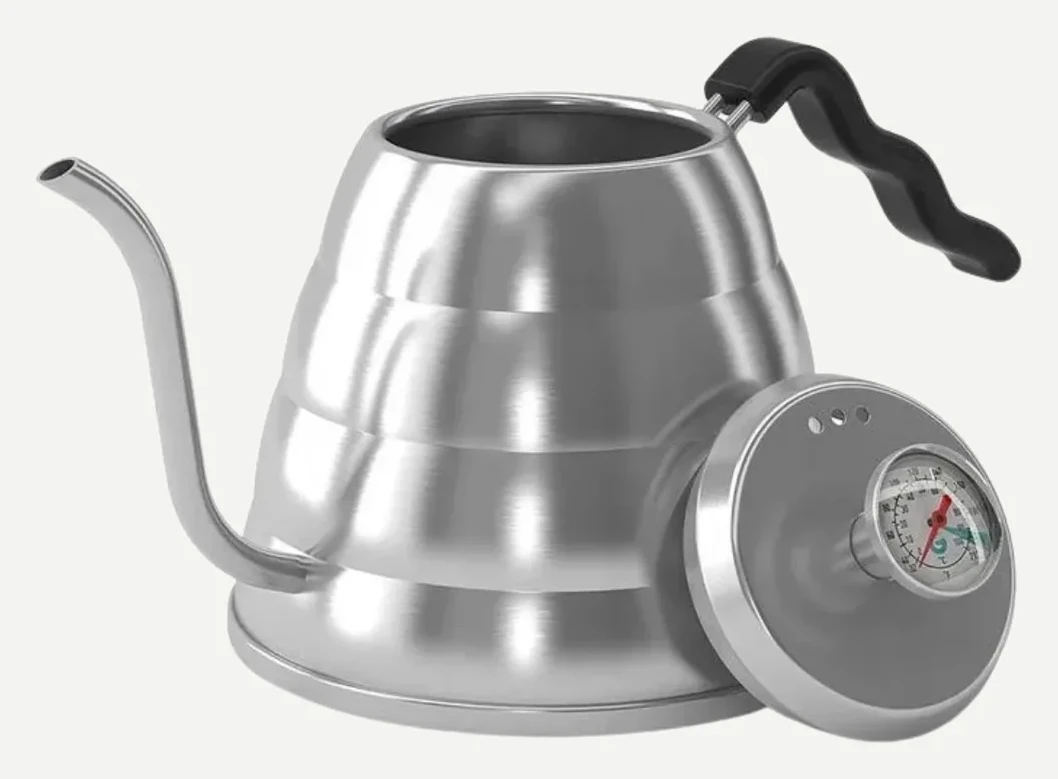 Coffee Gator Gooseneck Stovetop KettleAnyone who would rather add a gooseneck to the hob they already own than another counter appliance