What Grind Size for Each Brewer
Brew time and grind size are the same dial turned from different ends. A four-minute press wants coarse, a thirty-second espresso wants fine, and everything else sits between.
There is one rule underneath every grind recommendation, and once you have it you can work out any brewer you have never used: the longer the water sits on the coffee, the coarser the grind. Everything below is that sentence applied.
Grinding finer makes more surface area, so the coffee gives up its flavour faster. If the brew is also long, you extract too much and get bitterness and a drying finish. Grind coarser than the method wants and the water runs out before enough has dissolved, which tastes sour and thin. The two faults are opposites and people routinely mistake one for the other.
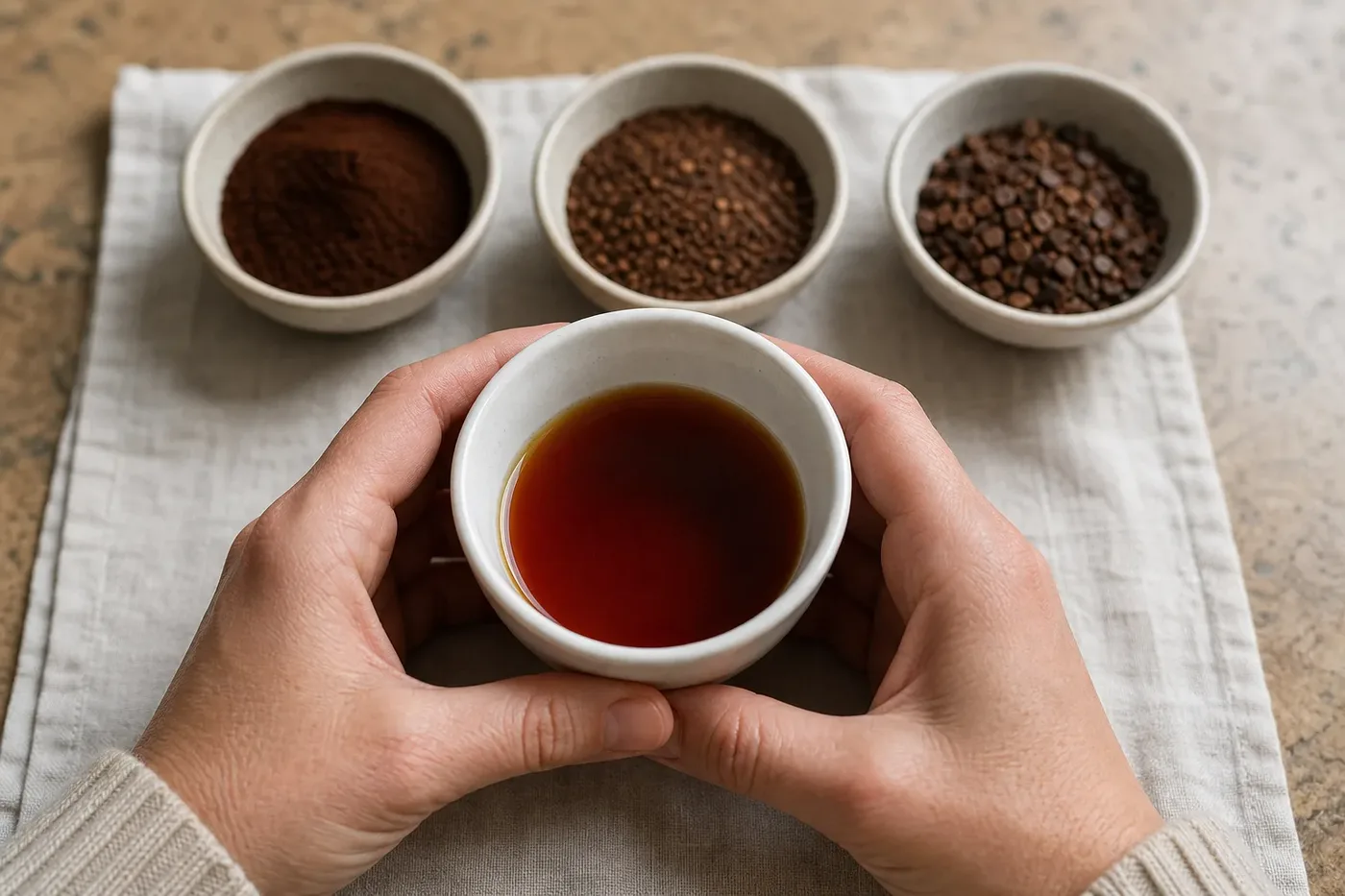
Grind size chart from coarse to fine
Cold brew, 12 to 24 hours
The coarsest grind anything uses, roughly like raw sugar. The contact time is enormous, so the grind has to be slow to give anything up. Grind cold brew like filter coffee and you will get something muddy and over-extracted no matter how cold the water was.
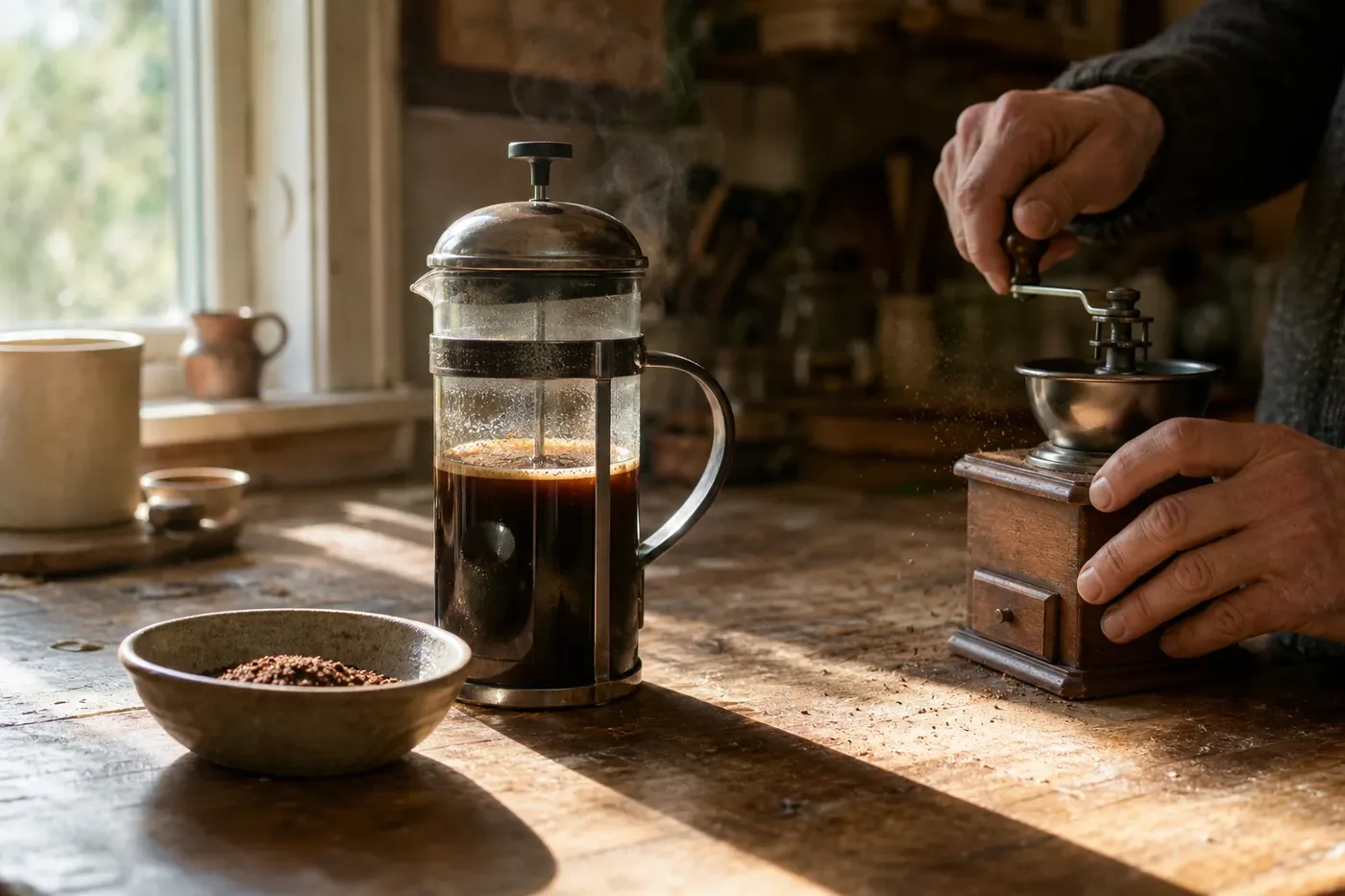
French press, 4 minutes
Coarse, similar to sea salt. The mesh in a Chambord is a strainer, not a filter, so anything fine enough to pass through ends up in the cup as sludge. The other reason to stay coarse is that the coffee sits in the water the whole time and only stops extracting when you pour it out.
Chemex, 4 to 5 minutes
Medium-coarse. The Chemex Coffee Maker uses a paper 20 to 30 percent heavier than a normal filter, which slows the flow considerably, so it needs a coarser grind than its shape suggests. Grind it like a V60 and it will stall.
Drip machines, 4 to 6 minutes
Medium, the texture of sand. This is what supermarket pre-ground is cut to, which is why pre-ground is tolerable in a drip brewer and poor in everything else.
Pour over, 2 to 4 minutes
Medium to medium-fine, and this is where the dripper's shape matters. A V60 has one large hole and drains fast, so it wants a finer grind to slow the water down. A Kalita Wave has three small holes that restrict flow themselves, so it wants slightly coarser.
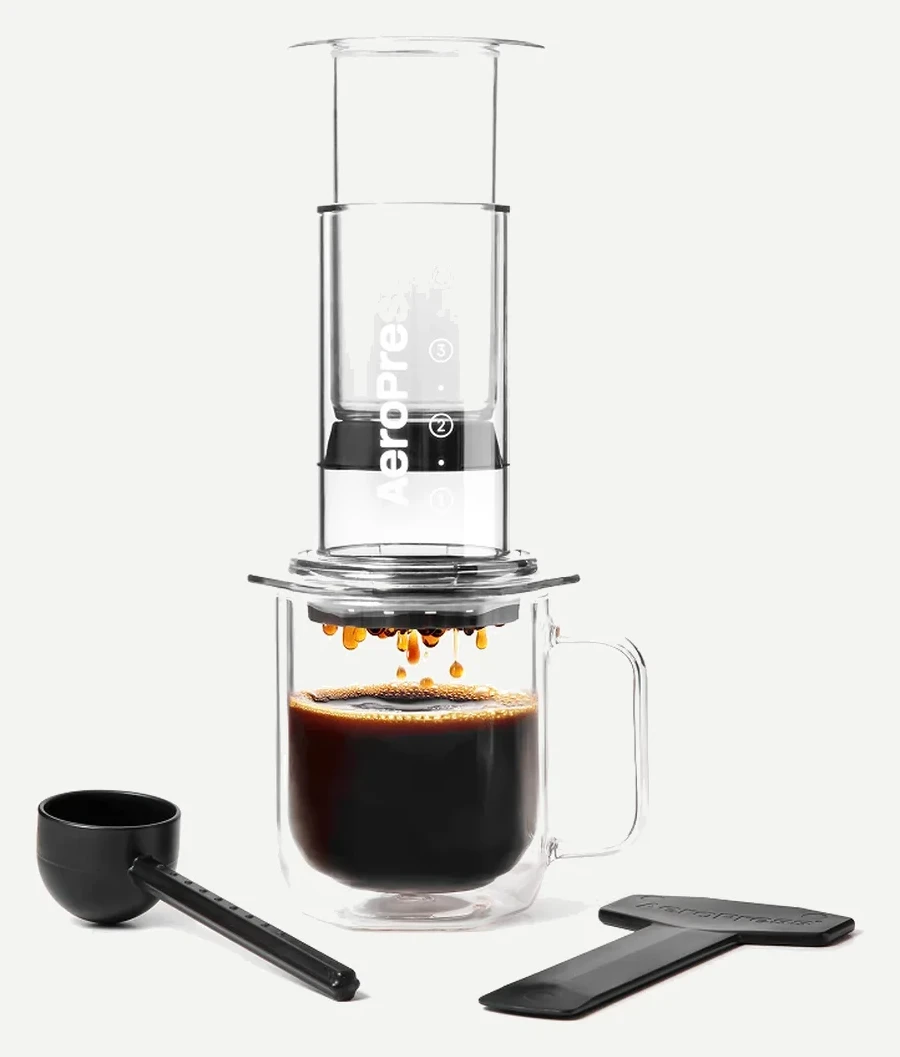
AeroPress, 1 to 2 minutes
Fine to medium depending on how you use it. The AeroPress Original is the most forgiving brewer here because the plunger forces the water through regardless, so a grind that would stall a dripper still works.
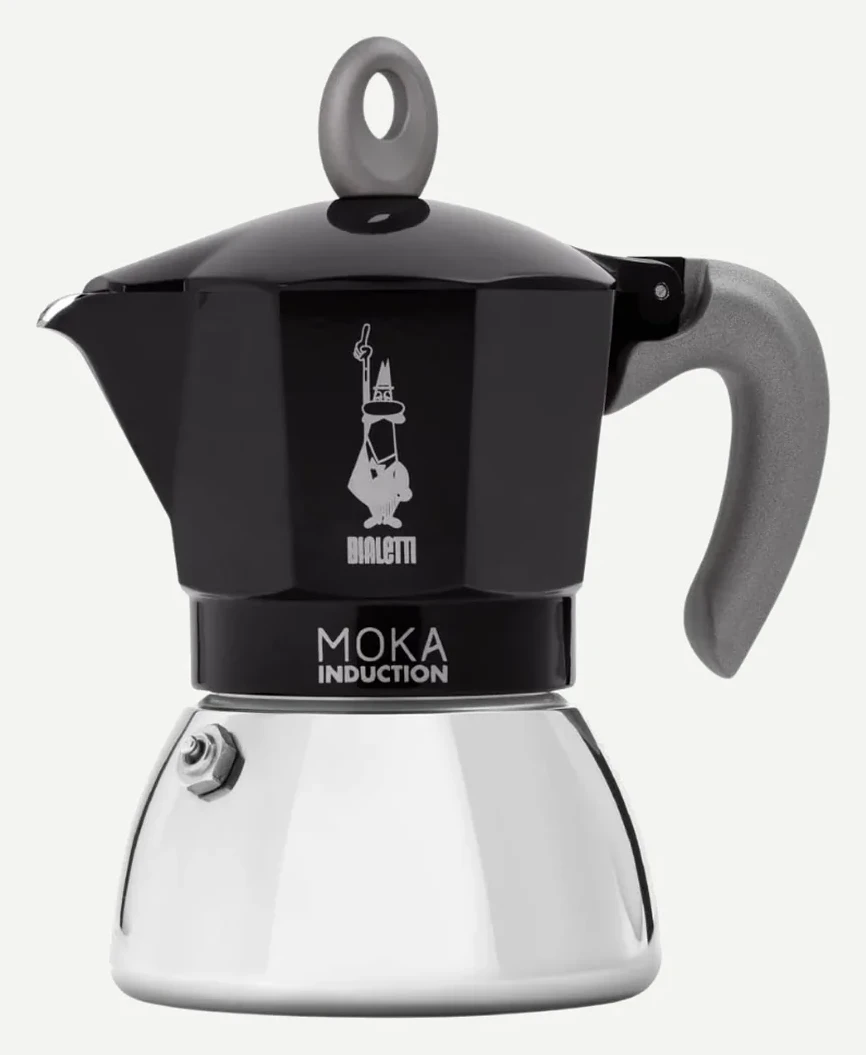
Moka pot, 3 to 5 minutes
Fine, but not espresso fine. A stovetop espresso maker builds only 1 to 2 bar, nothing like an espresso machine's nine, and a true espresso grind will choke it and force steam through the safety valve.
Espresso, 25 to 30 seconds
The finest, like flour with some grit. Nine bars of pressure through a 20-second contact time needs enormous surface area. This is also the least forgiving: a change too small to see in the grounds moves the shot by five seconds.
How to tell if your grind size is wrong
You cannot judge a grind by looking at it once you are past the obvious extremes. Judge it by taste, and there are only two directions.
Sour, thin, watery, finishes fast. Under-extracted. Grind finer, or brew longer.
Bitter, harsh, drying, hollow in the middle. Over-extracted. Grind coarser, or brew shorter.
Change one thing at a time and give it a full step. Half a click tells you nothing.
Why the same grinder setting is not the same grind size
Grinder settings are not a shared scale. Number 15 on one machine is nothing like 15 on another, and even two units of the same model differ slightly. Any recommendation phrased as a number rather than a description is worthless to you.
Roast level shifts it too. Dark roasts are more brittle and shatter into more fines at the same setting, so the same number grinds effectively finer. Coming from a light roast to a dark one, expect to go a step coarser.
Why weighing your dose matters when changing grind size
Grind size only means something against a fixed dose and a fixed brew time. If your dose moves by two grams between brews, you cannot tell whether a change in the cup came from the grind or from the scoop, and you will chase the wrong variable for weeks.
This is the entire argument for a coffee scale, and it is a stronger one than the price suggests. Fix the dose, fix the water, and the grind becomes the only thing left moving, which is what makes it adjustable at all.
Pre-ground coffee grind size suits only one brewer
Supermarket pre-ground is cut to a medium drip grind, because that is the largest market and the most forgiving method. In a drip machine it is genuinely fine. In a French press brewer it is too fine and comes through the mesh as sludge; in an espresso maker it is far too coarse and the shot gushes through in eight seconds.
There is a second cost that has nothing to do with size. Ground coffee has enormously more surface area exposed to air than whole beans, and it goes stale in days rather than weeks. Buying good beans and grinding them a week at a time throws away most of what you paid for.
How to find the right grind size for a new brewer
Start in the middle of the range for that method. Brew it, and time how long the whole thing takes. Then compare against the target: four minutes for a press, two to four for pour over, twenty-five to thirty seconds for espresso.
If it finished early, grind finer. If it dragged, grind coarser. Adjust in full steps, not fractions, and change nothing else. Three brews is usually enough to land it, and then you leave it alone until you change beans.
When you do change beans, expect to re-dial. A new roast level, a new origin or simply a fresher bag will move the brew time at the same setting, which is normal and not a sign anything is wrong.
How your grinder limits grind size
All of this assumes your grinder produces a size at all. A blade grinder makes several sizes at once, so no setting is correct: some of your dose is over-extracting while the rest under-extracts. If your coffee tastes bitter and sour at the same time, that is the signature, and it is a grinder problem, not a grind problem.
Grind size FAQ
What grind size for French press?
Coarse, roughly the texture of sea salt. The mesh is a strainer rather than a filter, so anything finer passes through and lands in the cup as sludge. Four minutes of full contact also means a fine grind will over-extract and turn bitter.
What grind size for pour over?
Medium to medium-fine, adjusted for the dripper. A V60 has a single large hole and drains quickly, so it wants finer to slow things down. A Kalita Wave restricts flow with three small holes, so it wants slightly coarser. Aim for a two to four minute total brew.
Can I use espresso grind in a moka pot?
No. A moka pot builds one to two bar, not the nine an espresso machine makes, so an espresso grind chokes it and pushes steam out through the safety valve. Grind fine but noticeably coarser than espresso.
How do I know if my grind is too fine or too coarse?
Taste it. Sour, thin and quick to finish means under-extracted, so grind finer or brew longer. Bitter, harsh and drying means over-extracted, so grind coarser or brew shorter. If it is somehow both at once, your grinder is producing several sizes and the problem is the grinder.
Why does the same grinder number give a different grind on different beans?
Roast level changes how the bean breaks. Dark roasts are more brittle and shatter into more fines at the same setting, so they grind effectively finer. Moving from a light roast to a dark one, expect to go about a step coarser to keep the same brew time.
Reviewed on this site
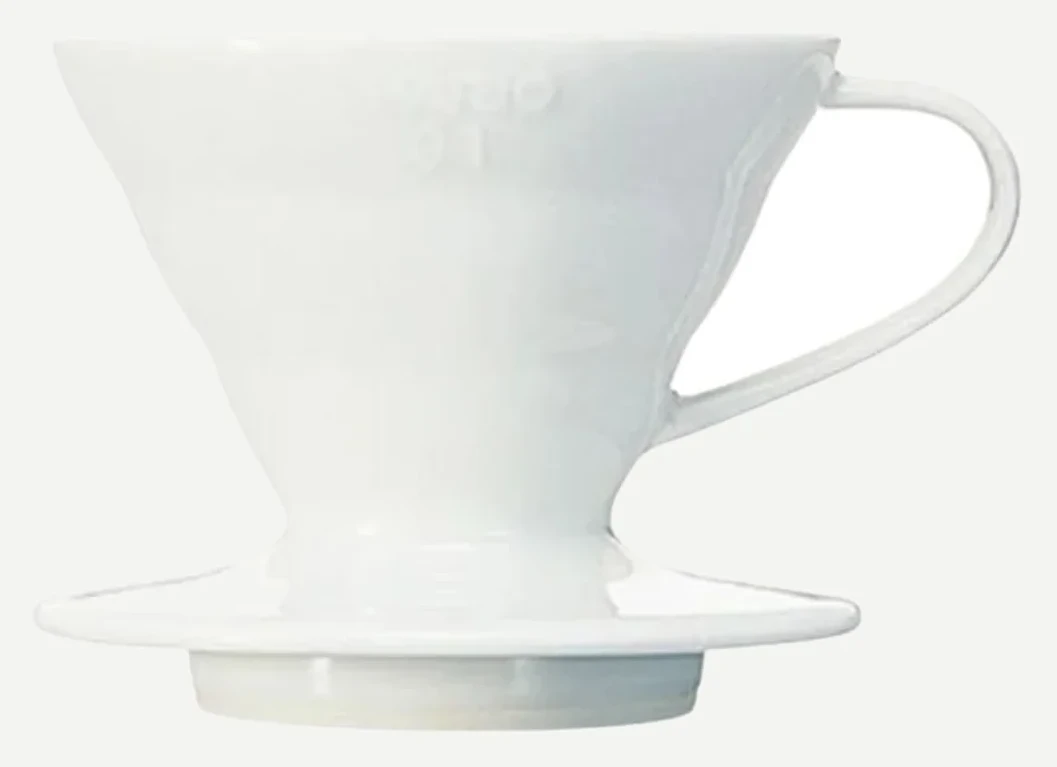 Hario V60Home brewers and baristas who want full manual control over extraction speed and flavor profile
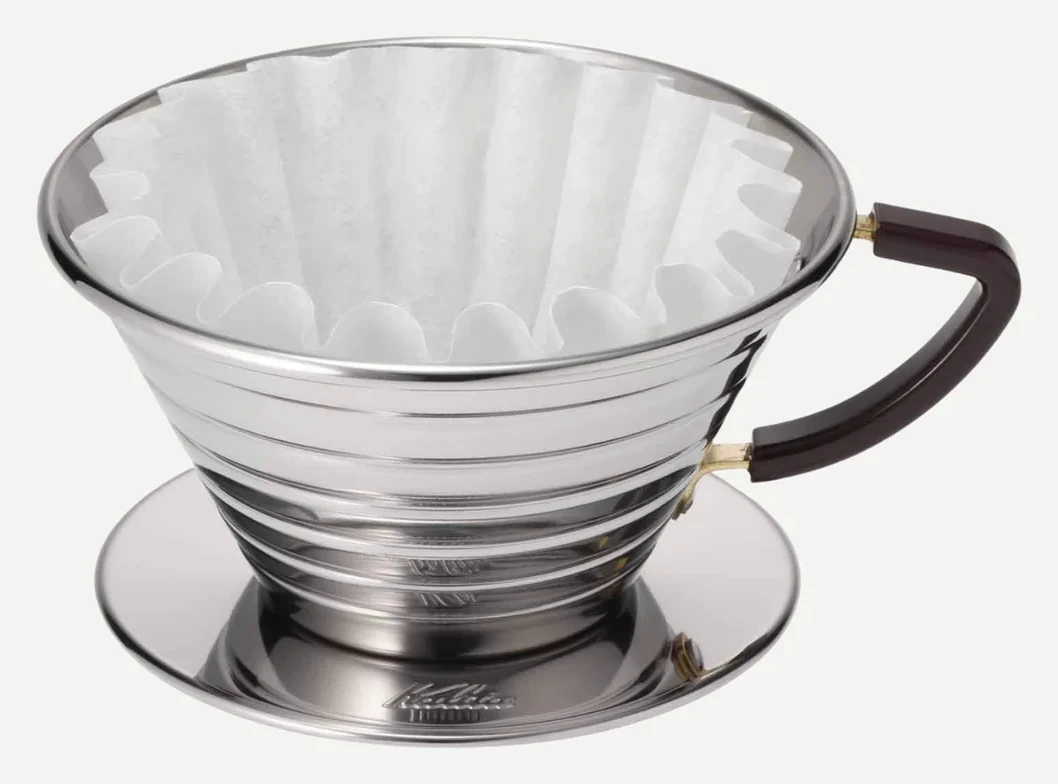 Kalita Wave 185 DripperA flat bed and three small holes, for a brew that forgives an uneven pour
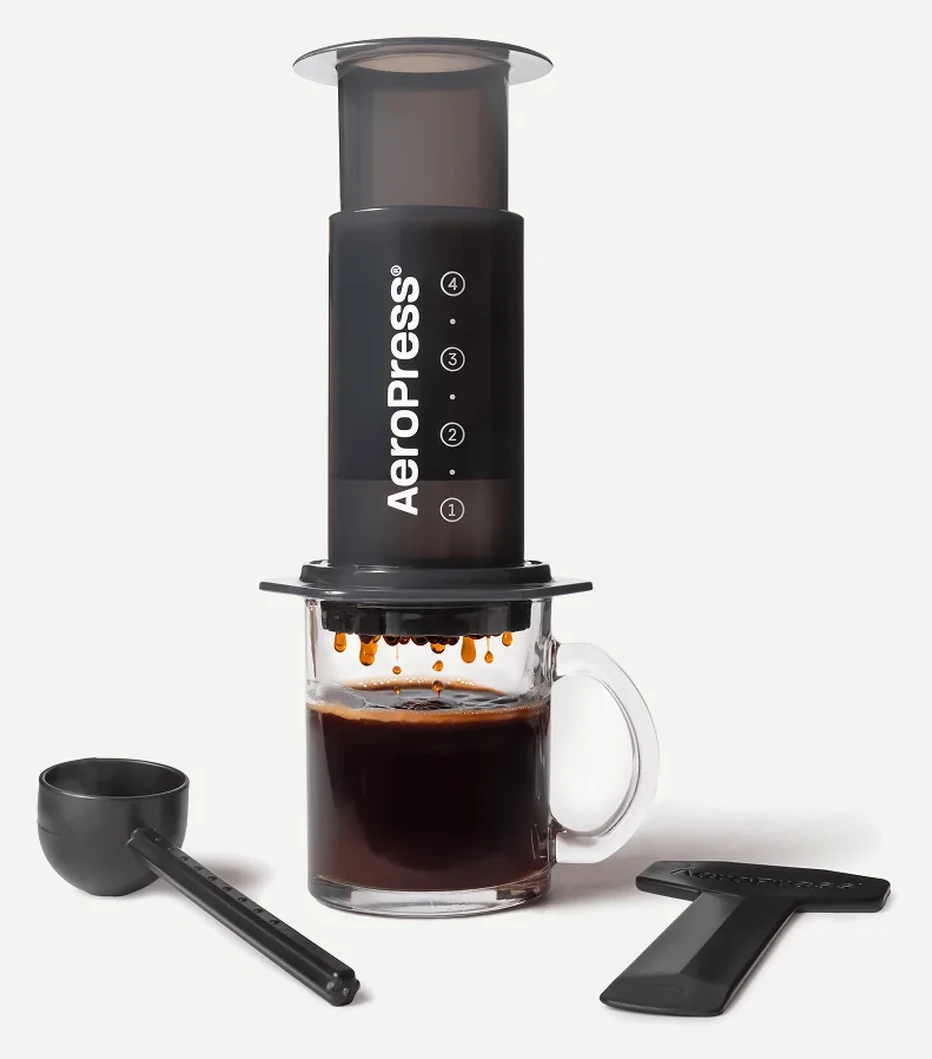 AeroPress Originalsomebody who wants one very good cup in two minutes and does not want to look after glass
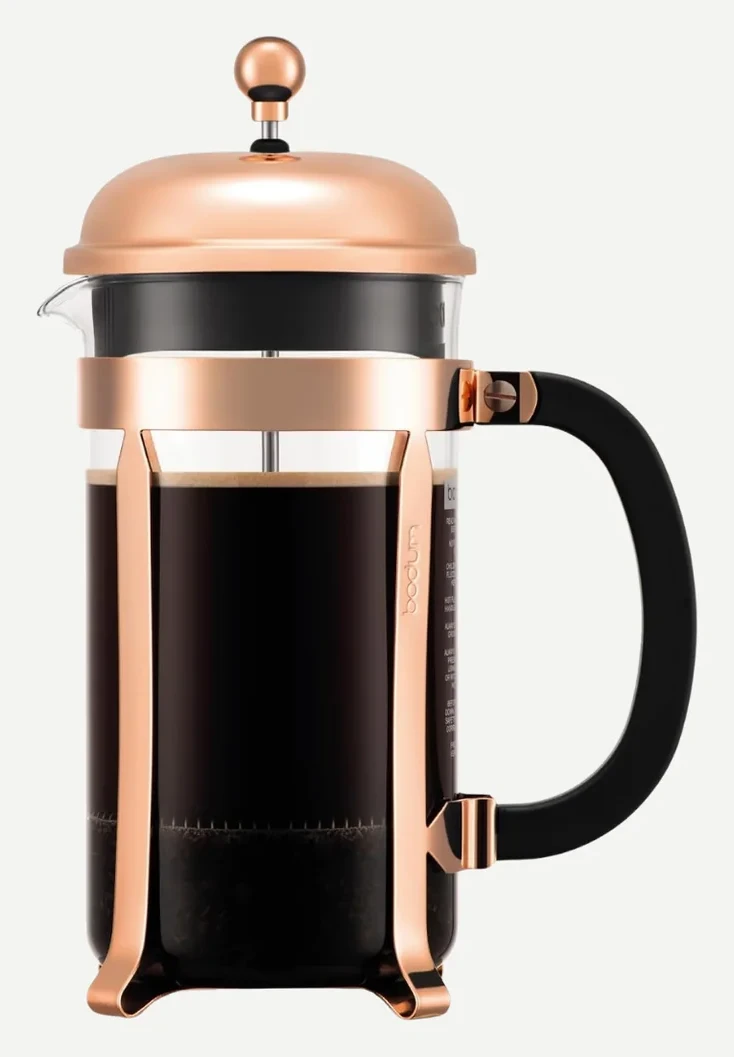 Bodum Chambord French Press 34ozThe default French press, and the one every other press is compared to
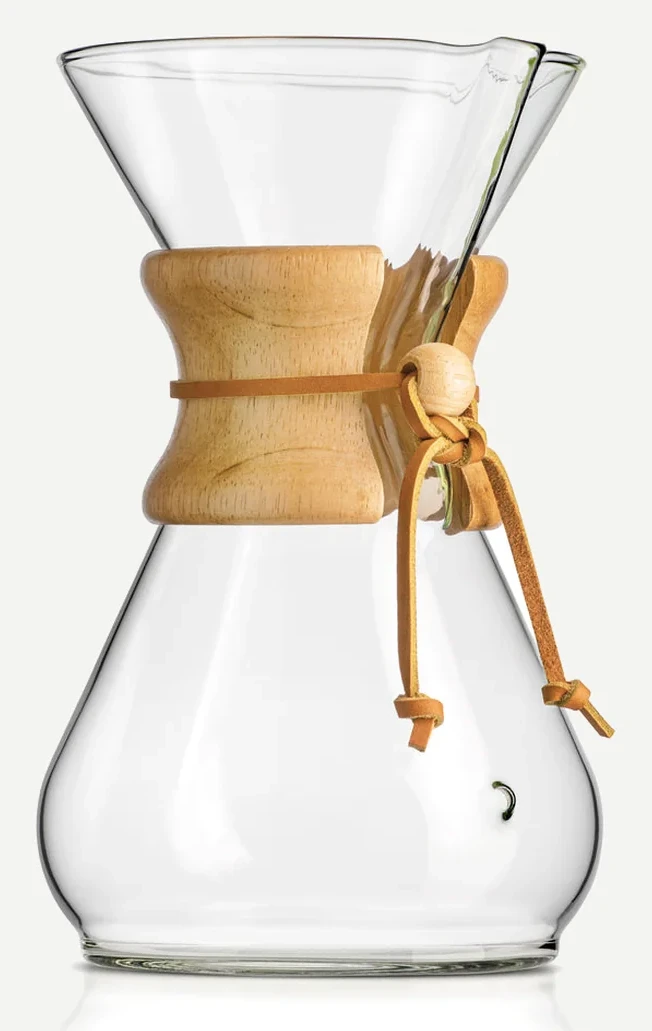 Chemex Coffee MakerCoffee enthusiasts who want clean, sediment-free pour over coffee at home or in the office