Kopi Luwak: What It Is, and Why We Do Not Recommend Buying It
The most expensive coffee in the world is produced by an animal, graded by novelty, and almost impossible to verify. All three are problems.
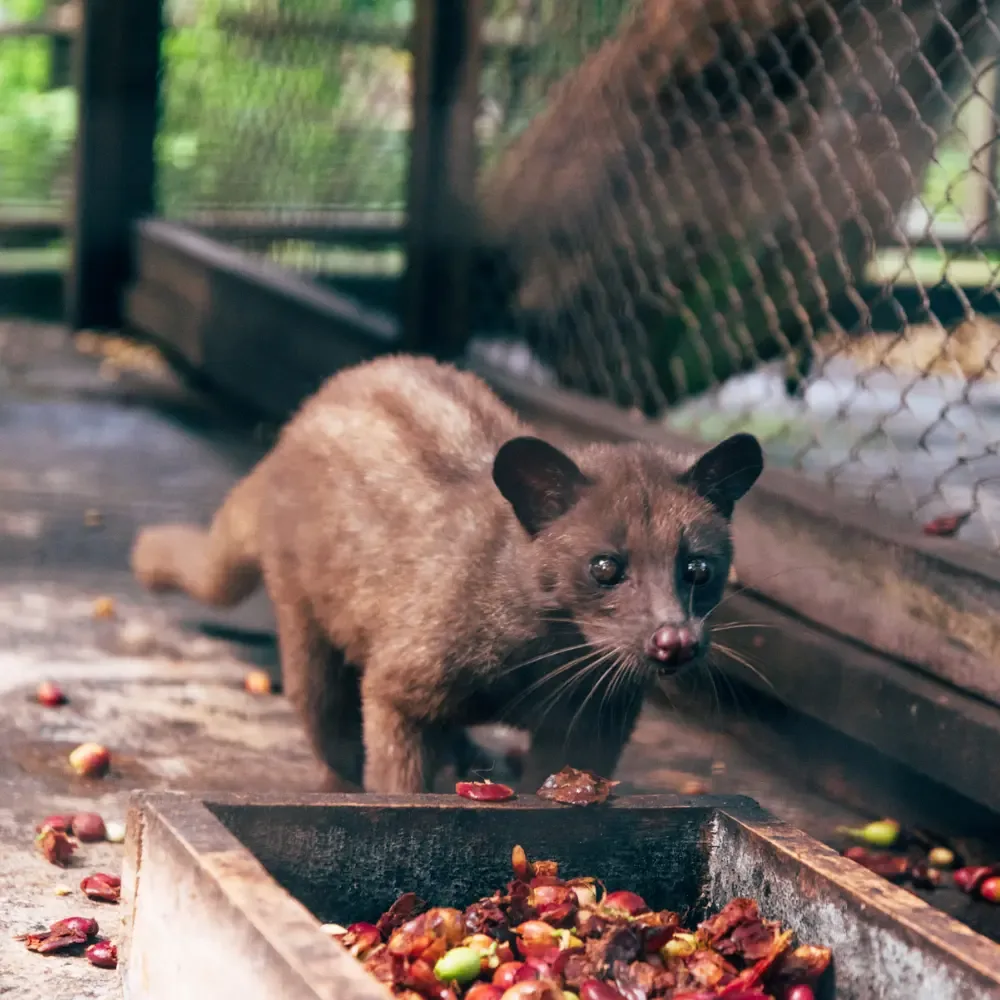
Kopi luwak is coffee made from cherries that have passed through an Asian palm civet. It is among the most expensive coffee sold anywhere, it is routinely described as the best in the world, and the case against buying it is strong enough that we will make it plainly.
How kopi luwak is supposed to work
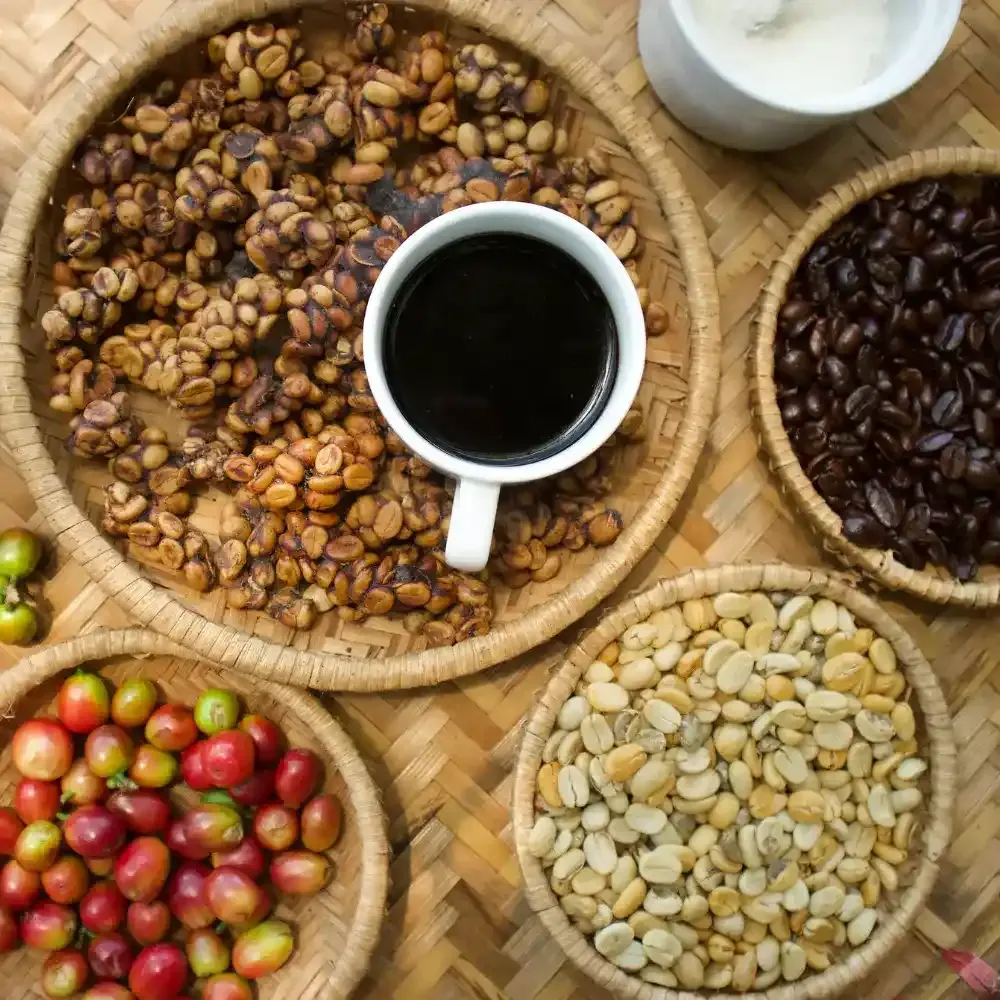
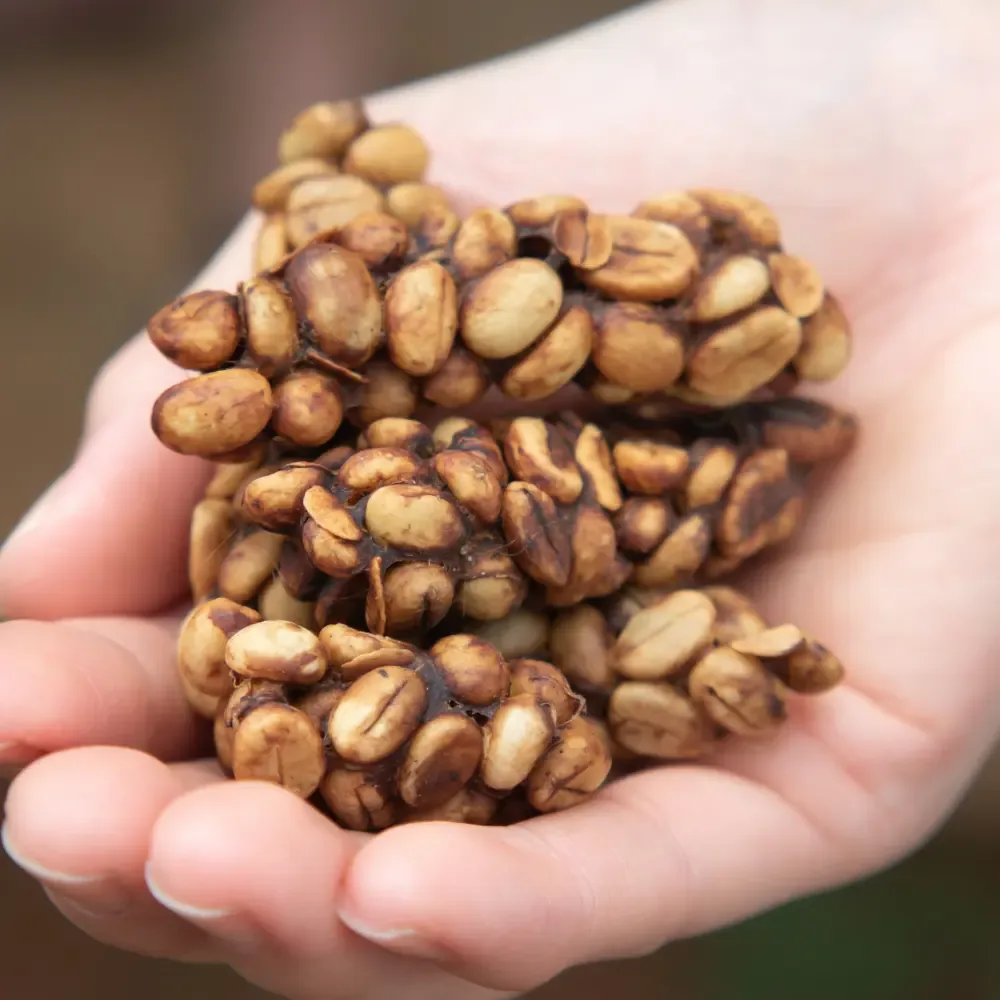
Civets eat ripe coffee cherries, digest the fruit, and pass the beans. The process is claimed to do two things: the animal selects the ripest cherries, and enzymes in its gut break down some of the proteins in the bean, which are among the compounds that produce bitterness during roasting.
The chemistry is real. Digestion does alter the bean. Whether the result is better coffee is a separate question, and the answer is less flattering.
What kopi luwak tastes like
Professional assessments consistently describe it as smooth, low in acidity, and dull. Reduced bitterness sounds like an unambiguous gain until you notice that the same process strips out much of the complexity, and complexity is what speciality coffee is graded on.
Put differently: it is a process that removes a fault and a virtue at once, and it is priced as though it only did the first. A well-produced washed Ethiopian at a twentieth of the price will out-score it on any standard cupping form.
Kopi luwak animal welfare problem
The original product was genuinely foraged, collected in small quantities from wild civet droppings on plantation floors. That is not what is on the market now.
Demand ran far past what wild collection could supply, and the response was caging. Investigations across Indonesia have repeatedly documented civets kept in small battery-style cages and fed almost exclusively on coffee cherries, a diet that is not what the animal eats and produces exactly the health outcomes you would expect. This is not a fringe practice within the trade. It is a large part of it.
Is kopi luwak authentic? Why you cannot verify it
Even setting welfare aside, you cannot verify what you are buying.
There is no widely accepted certification scheme. The supply chain runs through several hands before export. And the price premium is enormous, which creates the strongest possible incentive to relabel ordinary coffee. Estimates of how much "kopi luwak" on the market is not kopi luwak at all run high, and no one is in a position to check.
A bag marked "wild-sourced" is a marketing claim with nothing behind it. That would be a minor problem for a cheap product and it is a serious one at these prices.
The one defensible way to buy kopi luwak
If you are in a producing region, buying directly from a small operation you can physically visit, and you can see the animals are wild-foraged rather than caged, the original product is a real and interesting thing. That describes almost nobody buying it.
Everything sold online at a distance fails at least one of those tests, usually all three.
What to buy instead of kopi luwak
If the appeal is rarity, the speciality market is full of genuinely scarce coffees that are graded on how they taste: a competition lot, an unusual process, a variety like geisha. They cost a fraction of kopi luwak and they are what they say they are.
If the appeal is low bitterness and low acidity, that is a roast and brew question, and a good medium-dark roast brewed at a slightly lighter ratio gets you there for the price of a normal bag. Our coffee reviews and the roasters we cover are a better starting point than any novelty.
How much kopi luwak costs, and why
Retail prices commonly run into the hundreds per kilogram and can go far higher in tourist markets and hotel bars, where a single cup can cost more than a bag of excellent speciality coffee.
None of that premium is a quality grade. It is scarcity, story and the willingness of a particular kind of buyer to pay for both. That is a legitimate way to price a novelty and a poor way to buy coffee, and it is worth separating the two in your own head before deciding.
The clearest test: nobody who buys coffee professionally, for a roastery or a competition, pays these prices for this coffee. The people paying are consumers buying an experience.
Other animal coffees like kopi luwak
Kopi luwak is the best known of a small category, and the others share its problems.
- Black ivory, processed by elephants in Thailand. Even more expensive, produced in tiny quantities, with the same welfare questions attached to a much larger animal.
- Jacu bird coffee from Brazil, passed through a wild bird. The one with the most credible claim to being genuinely wild, since the birds are not practically cageable.
- Monkey and bat coffees, which mostly involve the animal chewing or partially eating the cherry rather than digesting it, and which are frequently more marketing than method.
The pattern holds across all of them: an unusual production route, a price set by the story, and no independent grading that supports the claim.
Why the kopi luwak story is so durable
Because it is a good story, and because it survives a fact-check on the wrong question. It is true that civets eat the cherries, true that digestion alters the bean, and true that the original product was rare. What does not follow, and what the marketing quietly relies on, is that any of that makes the coffee taste better.
An unusual origin is interesting. It is not a quality signal, and treating it as one is how a mediocre coffee ends up as the most expensive on the shelf.
Kopi luwak FAQ
What is kopi luwak?
Coffee made from cherries eaten and excreted by the Asian palm civet. The beans are recovered, cleaned and roasted. Enzymes in the animal's digestive tract alter the proteins in the bean, which reduces bitterness.
Does kopi luwak taste better?
Most professional assessments say no. It tends to score as smooth and low in acidity but also flat and lacking complexity, which is consistent with what the digestion does. It is priced on novelty rather than on cup quality.
Is kopi luwak cruel?
As commonly produced now, yes. Demand long ago outstripped what wild collection could supply, and much of the supply comes from caged civets force-fed a coffee-cherry diet. Investigations have repeatedly documented poor conditions.
Can I buy ethical wild kopi luwak?
It exists and you cannot reliably verify it. There is no widely accepted certification, the supply chain is long, and the premium creates a strong incentive to mislabel. A 'wild-sourced' claim on a bag is a claim, not evidence.