Carajillo vs Espresso Martini
Both are coffee and alcohol in a glass, and both have become fashionable. One is a two-ingredient Spanish habit, the other a shaken London cocktail.
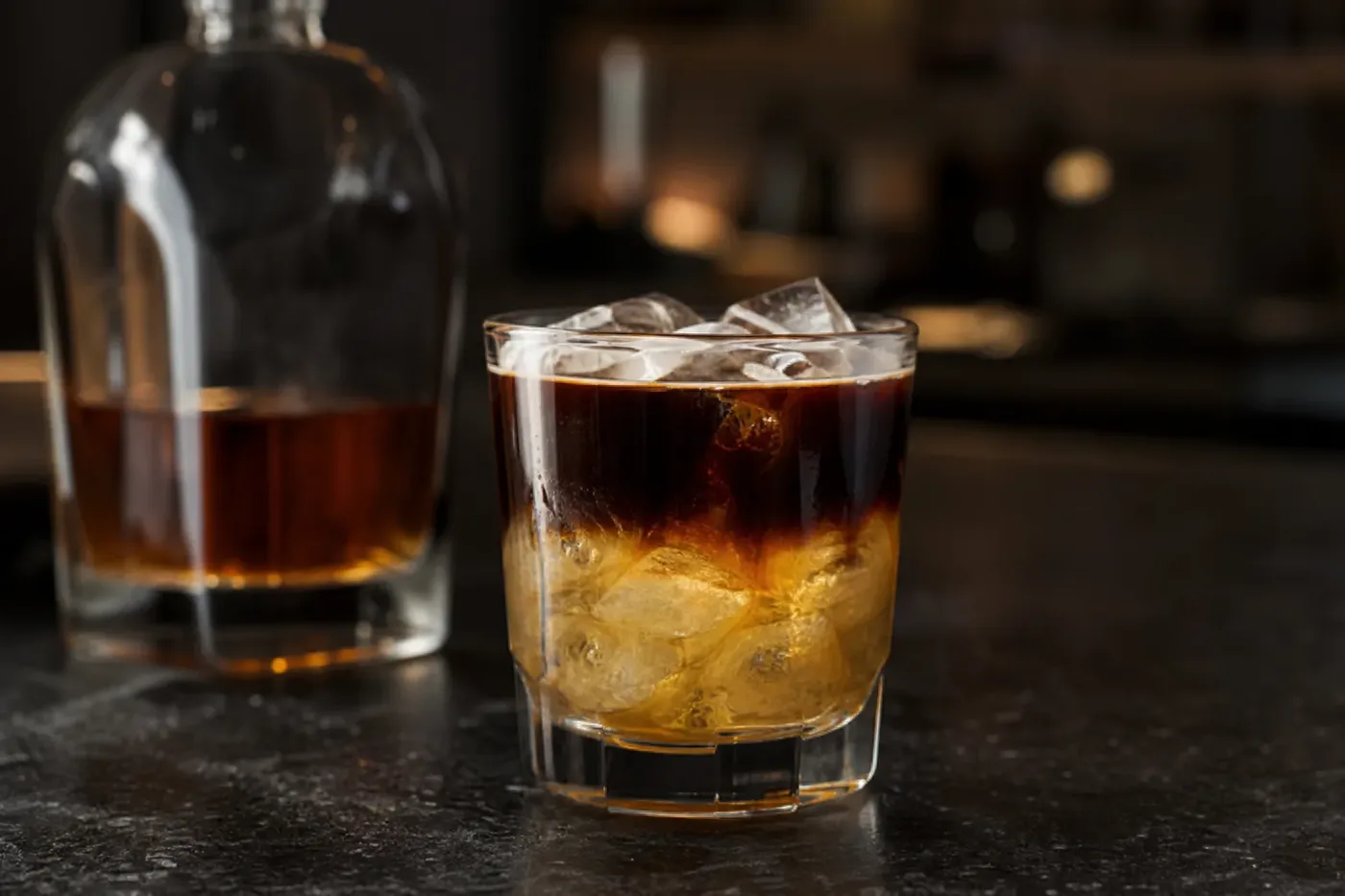
A carajillo is espresso and a spirit, and in its best-known modern form it is simply espresso and Licor 43 over ice. An espresso martini is a shaken cocktail of vodka, coffee liqueur and fresh espresso, served with a foam on top. They answer the same craving and are built on completely different ideas.
What is a carajillo? Spain and Mexico compared
In Spain a carajillo is a hot coffee with a measure of spirit in it, usually brandy or rum, sometimes orujo or whisky. It is an everyday drink, ordered at the bar after lunch rather than at night. One version, the carajillo quemado, flames the spirit with sugar, a cinnamon stick and lemon peel before the coffee is added.
In Mexico the carajillo became something else: Licor 43, a sweet Spanish liqueur flavoured with vanilla and citrus, with espresso poured over it and served over ice, or shaken until it foams. This is the version that has spread to cocktail menus everywhere and the one most people now mean by the word.
The name is often said to come from coraje, courage, and a story about soldiers adding spirit to their coffee. Like most drink origin stories it is told far more often than it is shown.
What is in an espresso martini?
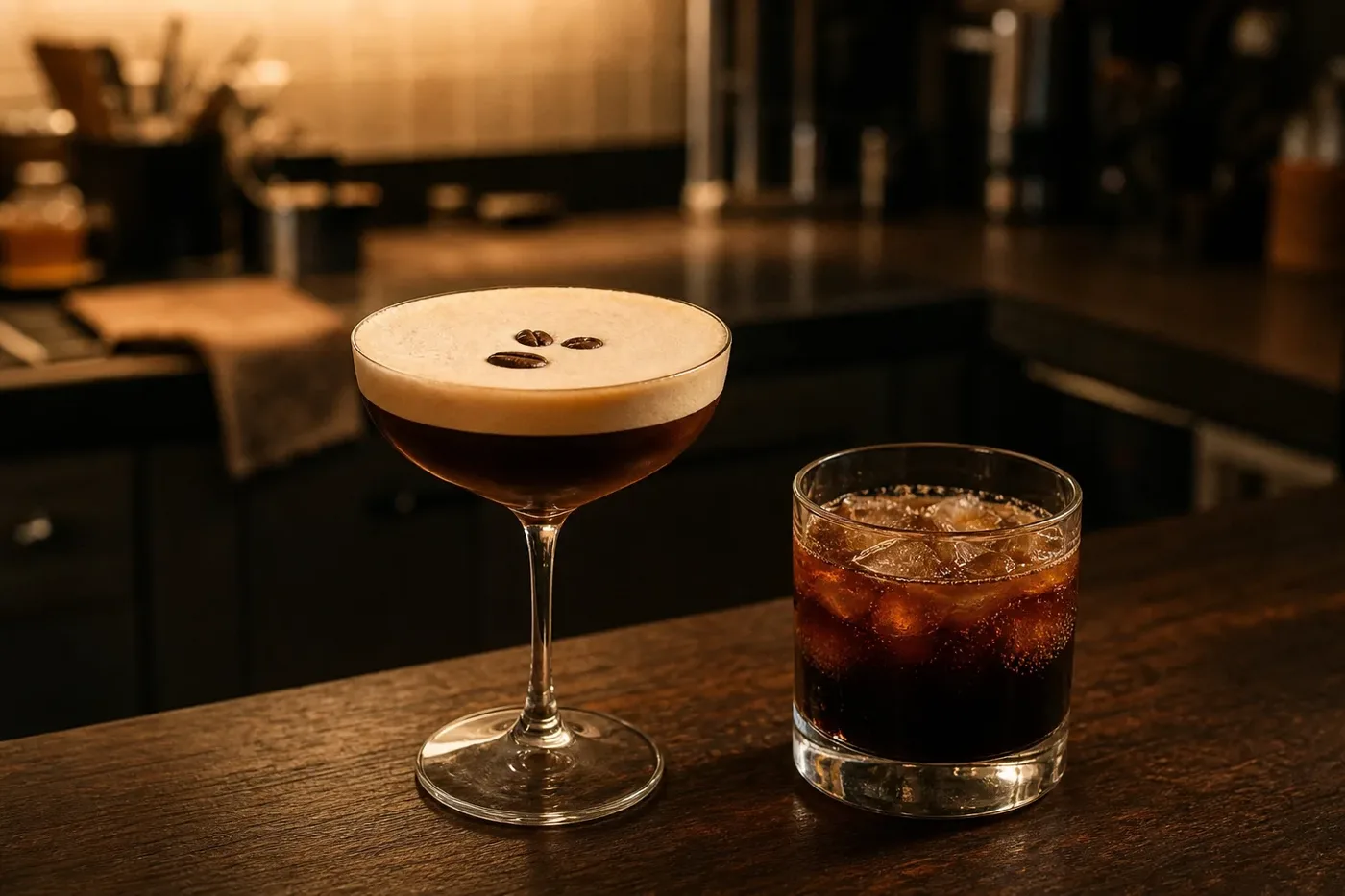
The espresso martini is a London creation, generally credited to the bartender Dick Bradsell in the 1980s. It is vodka, coffee liqueur, a fresh espresso and a little sugar, shaken hard with ice and strained into a chilled glass, where the shaken crema settles into a pale foam. It is not a martini in any traditional sense; the name comes from the glass. The method, and the mistakes that flatten it, are covered in hard coffee drinks.
Carajillo vs espresso martini: key differences
- Ingredients. Carajillo: two, espresso and a liqueur or spirit. Espresso martini: four, vodka, coffee liqueur, espresso and sugar.
- Temperature. A Spanish carajillo is hot; a Mexican one is cold. An espresso martini is always cold.
- Sweetness. The Mexican carajillo is sweet from the liqueur and tastes of vanilla. An espresso martini is balanced toward bitter coffee unless it is made with too much syrup.
- Texture. A built carajillo is clean and layered; a shaken one has a light froth. The espresso martini's thick foam is its signature.
- Strength. Usually the espresso martini, because vodka is stronger than Licor 43 and it carries a second liqueur on top. A Spanish carajillo with a full measure of brandy can be as strong.
How to make a Mexican carajillo
- Fill a short glass with ice.
- Pour in about 45ml of Licor 43.
- Pull a fresh espresso, roughly the same volume, and pour it slowly over the back of a spoon so it floats in a dark layer on top.
- Or shake the two with ice and strain into the glass for a frothy, blended version.
The espresso has to be fresh and hot when it meets the ice. Cold, stale coffee is the single most common reason both drinks taste flat. A short, strong shot works best, which is why a doppio split between two drinks is a sensible way to make a pair.
Best coffee for a carajillo
A medium or dark roast holds up best against Licor 43. The liqueur is sweet and tastes of vanilla, and a very light, acidic espresso can turn sour next to it. Decaffeinated espresso works well for an after-dinner carajillo and changes nothing about the taste that matters here. Cold brew concentrate is sometimes used when there is no machine; it makes a pleasant drink, but without crema it will not layer or foam.
Carajillo or espresso martini: which to choose?
Choose the carajillo if you want something sweet, simple and quick to make, with the coffee and the liqueur clearly tasting of themselves. Choose the espresso martini if you want a cocktail: colder, drier, more coffee-forward and more of an occasion. If you want coffee first and the spirit second, the hot Spanish carajillo is the closest of the three to simply finishing a meal with an espresso.
Carajillo vs espresso martini FAQ
What is the difference between a carajillo and an espresso martini?
A carajillo is espresso with a liqueur or spirit, most often Licor 43 over ice. An espresso martini is a shaken cocktail of vodka, coffee liqueur, espresso and sugar with a foam on top.
What is in a carajillo?
In Mexico, espresso and Licor 43, served over ice or shaken. In Spain, hot coffee with brandy, rum or another spirit.
Which is stronger, a carajillo or an espresso martini?
Usually the espresso martini, because it uses vodka plus coffee liqueur. A Spanish carajillo made with a full measure of brandy can be comparable.
Is a carajillo served hot or cold?
Both. The Spanish carajillo is traditionally hot; the Mexican version with Licor 43 is served cold over ice.