Hard Coffee: The Alcoholic Coffee Drinks, Sorted
A canned category, a cocktail canon and a set of liqueurs all go by the same name. They are not interchangeable.
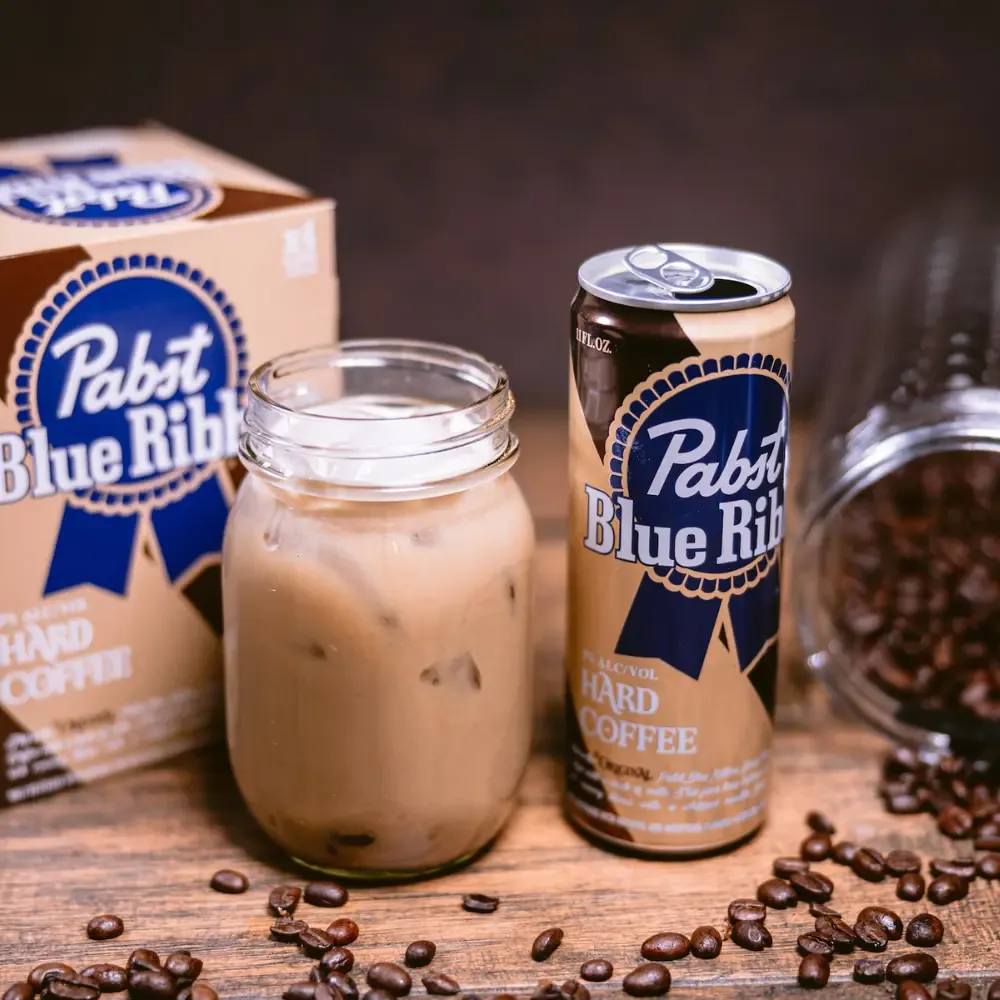
Hard coffee usually means the canned ready-to-drink category that appeared in the late 2010s, but the phrase gets applied to three quite different things. Separating them makes it much easier to know what to order.
The three kinds of hard coffee
Canned hard coffee. Pre-mixed, chilled, typically four to eight percent alcohol, often built on a malt base with coffee flavour rather than on brewed coffee. Convenient, sweet, and rarely interesting.
Coffee cocktails. Made to order with fresh coffee or espresso. The espresso martini, the Irish coffee, the carajillo. This is where the good drinks are.
Coffee liqueurs. Ingredients rather than drinks: sweetened spirits flavoured with coffee, used in the cocktails above.
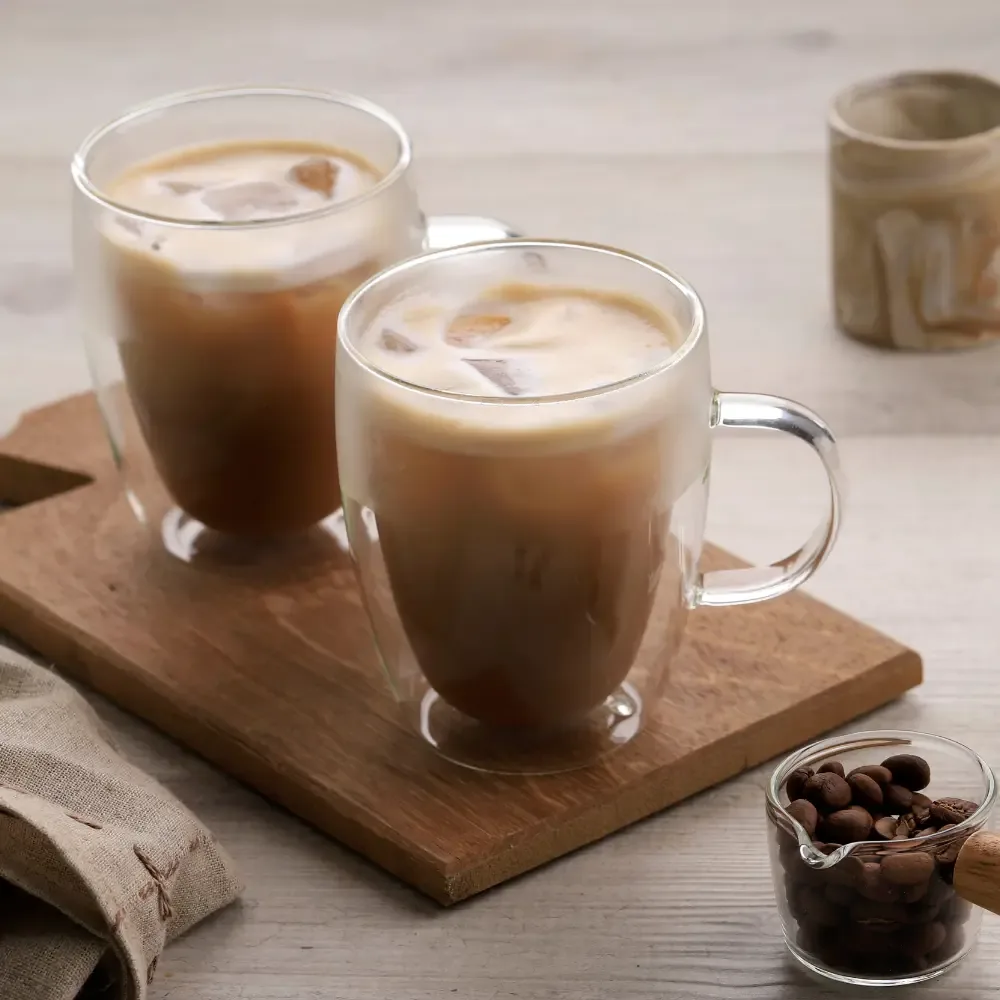
Alcoholic coffee cocktails worth knowing
- Espresso martini. Fresh espresso, vodka, coffee liqueur and a touch of sugar, shaken hard and served up. The espresso must be fresh: the foam on top comes from crema and disappears within minutes of pulling the shot.
- Irish coffee. Hot coffee, brown sugar, Irish whiskey, lightly whipped cream floated on top. Ruined universally by whipping the cream too stiff.
- Carajillo. Spanish and Mexican. Espresso and a spirit, most often Licor 43 in Mexico or brandy in Spain. The simplest of the three and the easiest to get right.
- Cafe corretto. Italian. An espresso "corrected" with a splash of grappa or sambuca, drunk standing at the bar.
How to make hard coffee at home
The version that works best at home is not any of the above: it is cold brew concentrate with a measure of spirit over ice.
Cold brew is already concentrated, already cold, and low enough in acid that it takes alcohol without turning sharp. A dark rum or a decent bourbon, a little demerara syrup, and nothing else. It is a better drink than most canned hard coffee and costs a fraction of it.
If you are making an espresso martini, pull the espresso shot immediately before shaking. Every minute it waits costs you the foam, for the same reason a shakerato has to be made fast.
Why caffeine does not make alcohol safer
Caffeine does not reduce intoxication. It masks the sedative cues that normally tell you how much you have had, which is why caffeinated alcoholic drinks have a long association with people misjudging their state. That is a reason to treat a strong coffee cocktail as the drink it is, not as a coffee.
How to choose canned hard coffee
The category splits on one question the front of the can rarely answers: is there coffee and spirit in this, or malt and flavouring?
Malt-based versions are brewed like a beer and then flavoured, which is a tax and licensing decision rather than a culinary one. They are usually sweeter, they often taste faintly of the malt underneath, and they are the reason the category has a poor reputation.
Spirit-based versions built on actual cold brew are the ones worth drinking. Read the ingredients rather than the front, check the sugar per can, and expect four to eight percent alcohol. Anything above that in a drink this easy to swallow deserves respect it rarely gets.
How to make an espresso martini properly
It is the one people most often make badly at home, and the faults are consistent.
- 50 ml vodka, 30 ml fresh espresso, 15 ml coffee liqueur, and about 5 ml of sugar syrup. Adjust the syrup, not the coffee.
- Shake hard with plenty of ice, longer than feels necessary. The foam is aerated crema and it needs the work.
- Double strain into a chilled glass.
- Three beans on top, if you like, which is decoration rather than flavour.
Never use coffee that has been sitting. The foam comes from a fresh shot and nothing else produces it, which is why bottled versions arrive flat. Cold brew makes a better drink than stale espresso, but it is a different one, closer to the cold brew end of things.
Hard coffee FAQ
What is hard coffee?
Usually the canned ready-to-drink category: coffee brewed or flavoured and combined with alcohol, sold chilled at around four to eight percent. The phrase is also used loosely for any alcoholic coffee drink.
Does the alcohol cancel out the caffeine?
No. They act on different systems. What caffeine does is mask the sedative signals of alcohol, which is why caffeinated alcoholic drinks are associated with people misjudging how affected they are.
What is the difference between an espresso martini and hard coffee?
An espresso martini is a cocktail: fresh espresso, vodka, coffee liqueur and sugar, shaken. Hard coffee is a pre-mixed canned product. One is made to order and the other is bought cold.
Can I make hard coffee at home?
Easily, and better. Cold brew concentrate with a measure of spirit and a little sweetener is the whole idea, and you control both the coffee and the strength.