

Turmeric Coffee: How It Is Made and Why It Turns Bitter
Espresso poured into spiced turmeric milk, the drink cafes call a dirty golden latte. The proportions, and the two mistakes that ruin it.
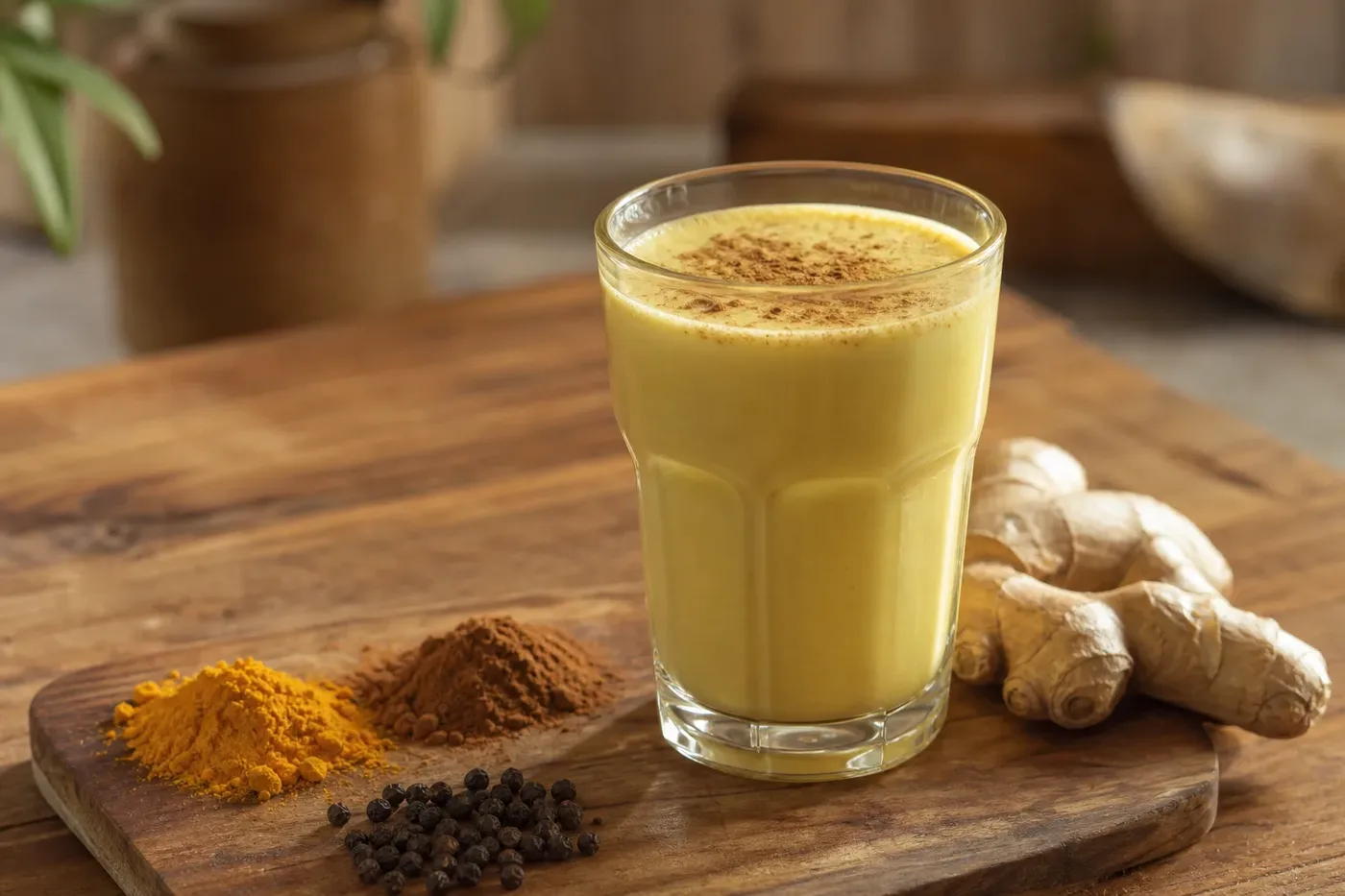
Turmeric coffee is golden milk, which is warm milk spiced with turmeric, with coffee added. The spiced milk is the drink, the espresso is the addition, and almost everything that goes wrong with it comes down to two things: too much turmeric, and milk heated too hard.
What turmeric is
Turmeric is the ground rhizome of Curcuma longa, a tropical perennial in the ginger family. The rhizomes are boiled, dried in the sun for five to seven days, polished and sold mostly as powder. It is the same spice that colours curry powder and mustard, and its culinary character is earthy and peppery with a slight bitterness of its own.
The drink it is built on
Golden milk is the traditional name for warm milk spiced with turmeric, usually alongside ginger, cinnamon and black pepper. Served coffee-shop style it becomes a turmeric latte, and the version with one or two shots of espresso stirred in is what cafes call a dirty golden latte.
Published proportions cluster in a narrow range. One typical recipe uses half a teaspoon of turmeric, a quarter teaspoon each of cinnamon and ginger and a pinch of black pepper per 300 ml of milk, sweetened with a teaspoon or two of honey or maple syrup and warmed to about 65 C rather than boiled. Food Network Kitchen takes a longer route: a cup of coconut milk beverage and half a cup of water simmered for half an hour with sliced fresh turmeric and ginger, peppercorns and cardamom, then strained and sweetened.
Why it goes bitter
Two causes, and both are in your control. The first is quantity: turmeric is bitter on its own, and recipes that taste harsh usually have too much powder in them. The second is heat. Food sources are consistent that overheating the milk makes the drink taste more bitter, which is why the instruction is almost always to warm it gently rather than boil it.
The warming spices are not decoration either. Ginger, cinnamon, cardamom, pepper and cloves are in these recipes to balance turmeric's bitterness, so leaving them out to keep it simple usually makes it taste worse rather than cleaner.
Making it with coffee
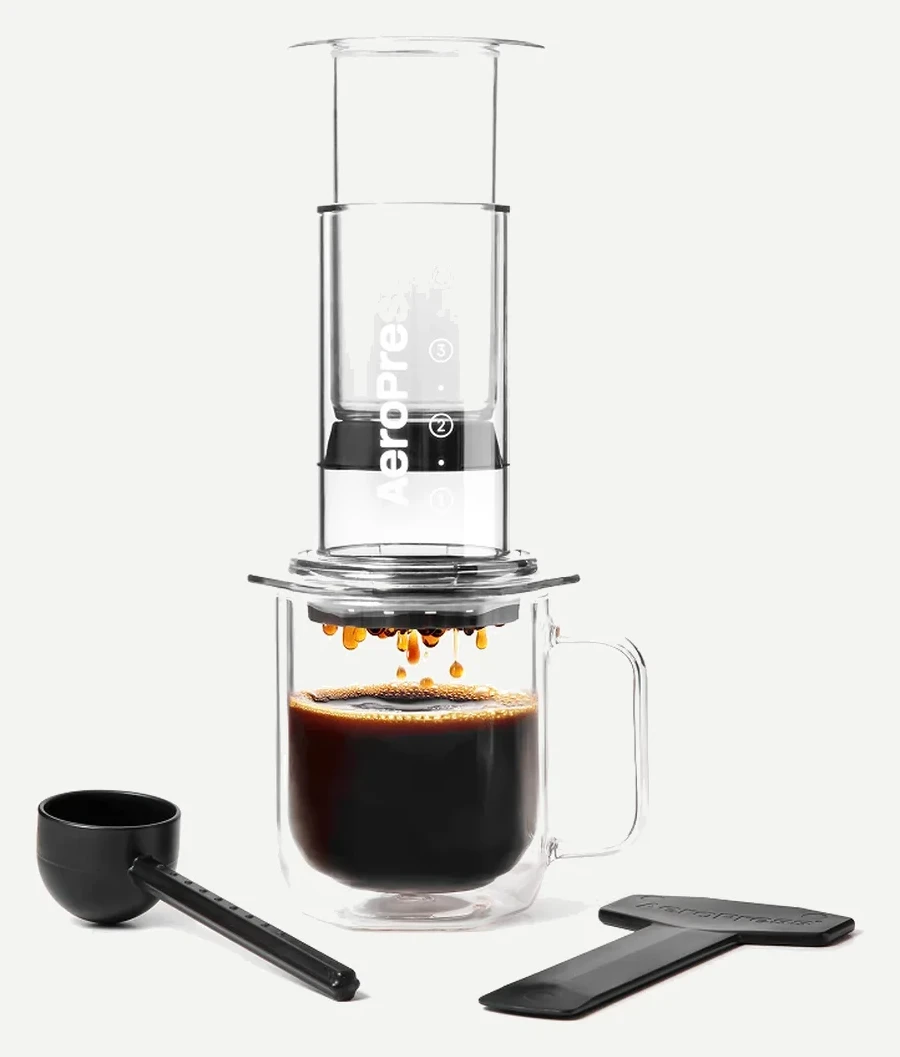
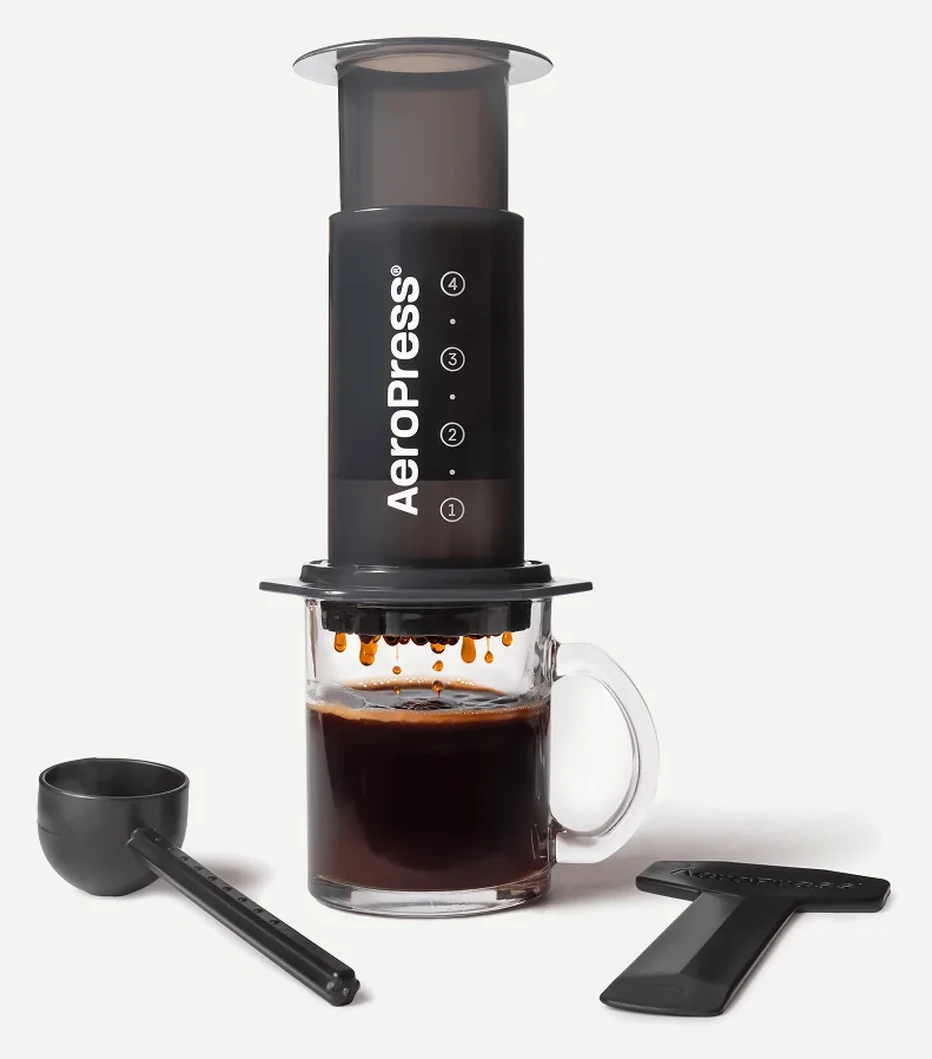
- With espresso. Make the spiced milk, warm it gently, then add one or two shots. Adding coffee to the finished milk keeps you from boiling the milk while you brew.
- With instant. A heaping teaspoon stirred into the mug, then the golden milk poured over, is the quickest version.
- Milk choice. Coconut is the usual base in published recipes, and any milk works. Which alternatives behave well hot is covered in milk alternatives in coffee, and why some split is in oat milk curdling.
The paste method
Stirring powder straight into hot milk is where a gritty, uneven drink comes from. The alternative published by Food Network Kitchen is to make a paste first: whisk turmeric powder into a cup of water, cook it until it thickens, then whisk in coconut oil and a quarter teaspoon of pepper. A tablespoon of that paste simmered into the milk with cinnamon, ginger and honey for about five minutes gives the latte base.
The paste keeps in the fridge, which is the practical argument for it: the work happens once rather than every morning, and each drink becomes a spoonful stirred into warm milk with the coffee added afterwards.
One practical warning
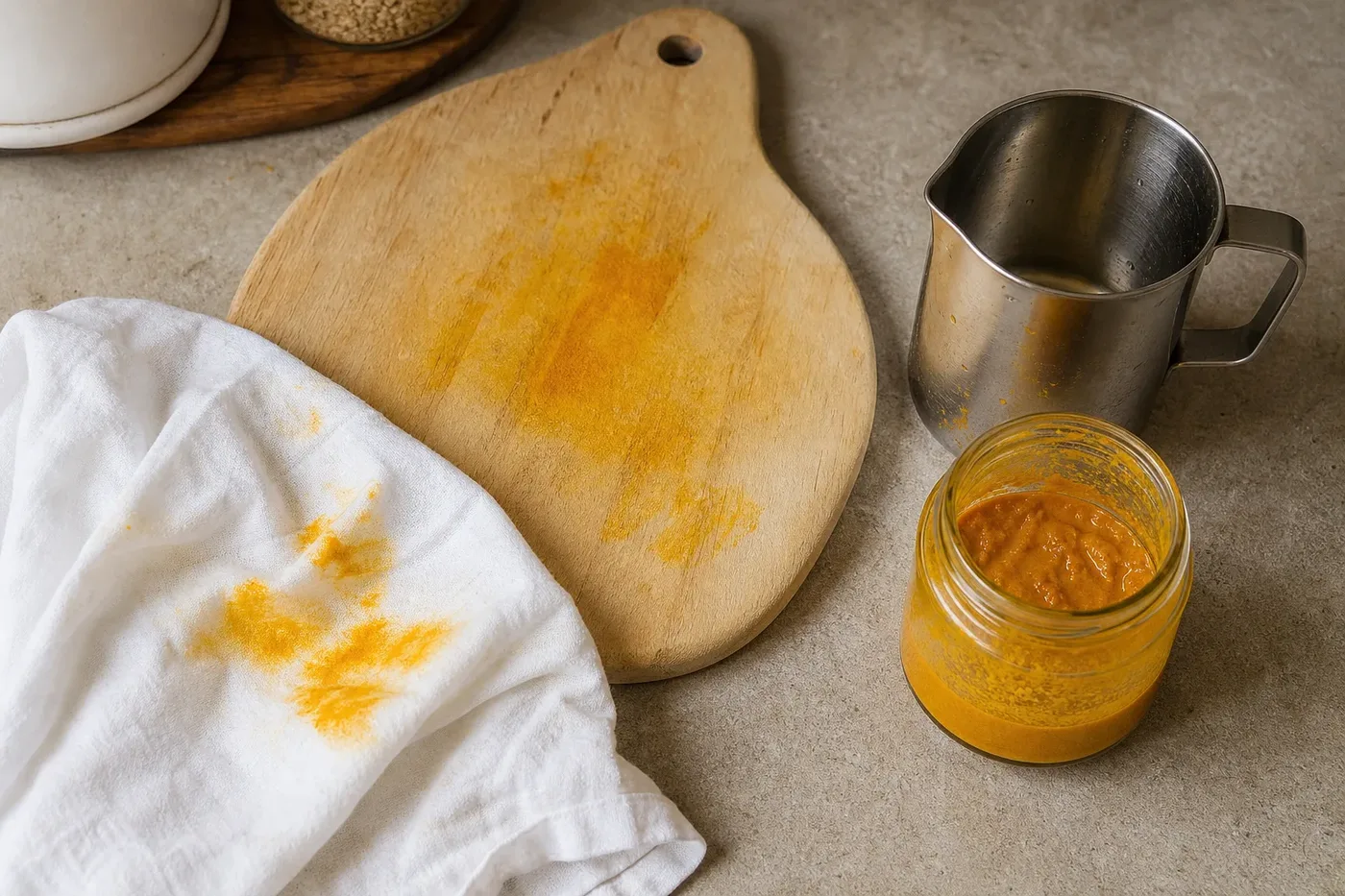
Turmeric stains. Its pigment binds readily to fibres and porous surfaces, which is why it marks clothing, wood, plastic containers, silicone, chopping boards and even pale stone worktops. Use a steel or glass jug rather than a plastic one, wipe spills straight away, and keep it off anything you mind about. It is the single most common regret of making this drink at home, and it has nothing to do with how it tastes.
Common questions
What is turmeric coffee?
Golden milk with coffee in it: warm milk spiced with turmeric, ginger, cinnamon and black pepper, with espresso or strong coffee added. Cafes sometimes call it a dirty golden latte.
How much turmeric goes in a cup?
Published recipes cluster around half a teaspoon of ground turmeric per 300 ml of milk, with a quarter teaspoon each of cinnamon and ginger and a pinch of pepper.
Why does my turmeric coffee taste bitter?
Usually too much turmeric, or milk that was boiled rather than warmed. Recipes warm the milk gently, to about 65 C, and use warming spices to balance the bitterness.
Does turmeric stain?
Yes. The pigment binds to fibres and porous surfaces, so it marks clothes, wood, plastic, silicone and pale stone. Wipe spills immediately and use glass or steel.