What is Fresh Roasted Coffee Tanzanian Peaberry?
A light roast from one named Tanzanian estate, at an everyday price.
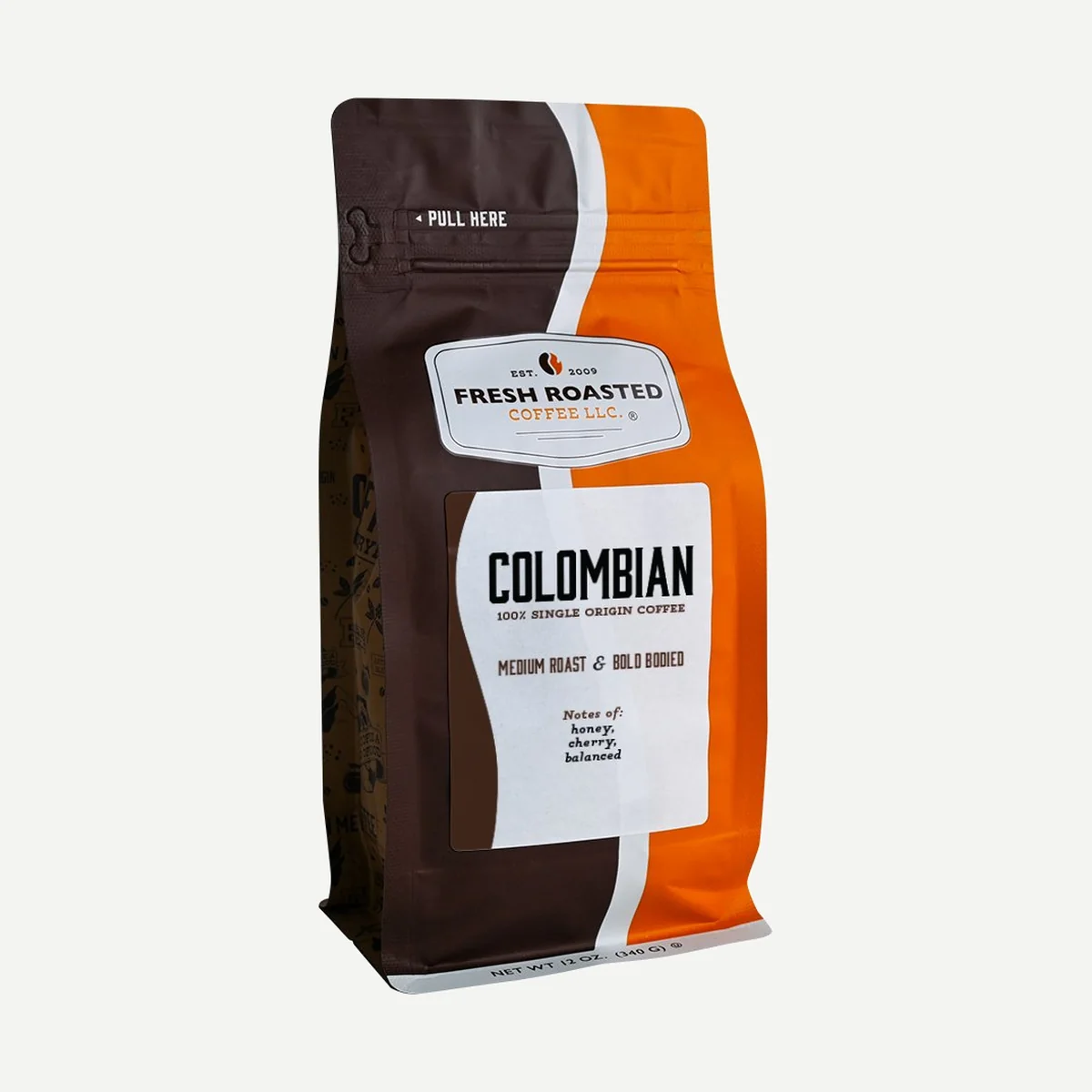
This is a single estate coffee from Aviv Estate, which Fresh Roasted describe as one of the largest commercial producers in Tanzania's southwestern region. The estate is irrigated by drip, fed from the Ruvuma River, and with the importer Covoya it has run water projects that Fresh Roasted say secured water for 300,000 people in the river basin. The bag label reads light roast and mild bodied, with notes of banana, graham cracker and dark chocolate.
The description on the page calls it smooth and full bodied, clean and crisp, which does not quite match the label's mild body. We go by the label, as for every Fresh Roasted coffee, and note the difference. It is one of the single origins on the Fresh Roasted Coffee roaster page.
What a peaberry is
One round bean where there are usually two flat ones.
A coffee cherry normally holds two seeds, flat on the side where they face each other. In a small share of cherries only one seed develops, and it grows round, like a small pea: that is a peaberry. Fresh Roasted put the share at about 10% of the world's coffee, and the beans have to be sorted out by hand or by screen. It is often said that peaberries taste sweeter because the fruit's sugars go to one seed rather than two, and Fresh Roasted repeat the idea while calling it a saying, which is fair: it is not established. Roasters also say a round bean rolls more freely in the drum and roasts more evenly, which is the more practical argument for sorting them out.
Tanzania is one of the best known sources of peaberry. Fresh Roasted also note that Arabica is not native to Tanzania and was brought by missionaries in the late 19th century.
Roasted to order, and dated on the bag
The strongest thing Fresh Roasted publishes is not a tasting note. It is when the coffee was roasted.
Fresh Roasted Coffee roasts each order after it is placed, on Loring Smart Roasters at its base in central Pennsylvania, then packs and nitrogen flushes the bag straight away. Its shipping policy says coffee leaves one to two days after roasting, and orders placed after noon on a Thursday are roasted on Sunday night and shipped on Monday.
The roast date is printed on a white sticker on the bottom of every bag. It is written as a Julian day, the number of the day in the year, so day 272 is the 29th of September. It takes a second to decode, and the roaster's FAQ has the chart, but it means you can see exactly how old the coffee is, which most supermarket bags will not tell you. A best before date on a supermarket bag says when the seller stops standing behind it, not when it was roasted.
Price, and what a cup costs
One of the cheaper named-estate coffees you can buy.
| Bag | Price | Per kilo | Per cup (15 g) |
|---|---|---|---|
| 340 g (12 oz) | $14.99 | $44.06 | $0.66 |
| 907 g (2 lb) | $34.99 | $38.57 | $0.58 |
| 2.27 kg (5 lb) | $64.99 | $28.66 | $0.43 |
Shipping is a flat $7.95 on orders under $50 and free above $50 once discounts are taken off, so two 2 lb bags or three 12 oz bags usually clear the threshold.
New to Fresh Roasted Coffee? Our link applies the code COFFEEGURU, which takes 20% off a first order of coffee or tea. It is for new customers only and does not apply to subscriptions.
Fresh Roasted also sell it as single-serve pods for K-Cup brewers, and green for home roasting, both listed in this page's buying options.
Aviv Estate peaberry vs other peaberries
A light roast from a named estate, against a medium light from a blender and a Kona.
The Cooper's Cask Tanzania Peaberry Medium Light Roast costs $18.95 for 12 oz, with notes of orange, raspberry and wine and a bright acidity. It names no estate and prints no roast date. Fresh Roasted's is $4 cheaper per bag, names its estate and dates the bag, and it is sweeter and gentler by its own label: banana and graham cracker rather than bright berries.
At the other end of the scale, Koa Coffee Peaberry Medium Roast is a Kona peaberry at $60 for 8 oz, more than eight times the price per kilo. That is the price of Kona, not of the peaberry, and a Tanzanian peaberry is the affordable way to try the style.
How to brew it
Pour over, a little finer than usual.
A light roast is denser and harder to extract, so grind a step finer than you would for a medium and use water just off the boil. A cone pour over at 1:16 shows the sweetness best; our pour over guide takes you through it. If the cup tastes sour, grind finer or pour more slowly. It also makes a pleasant, gentle iced coffee. Drink it black before you decide what it needs.
Is it worth it?
Yes: a named estate, a roast date and a peaberry, for $14.99.
It is hard to find this much information on a bag at this price. The gaps are altitude and process, which a specialty roaster would print, and the small disagreement between the label and the description about body.
Who should buy it (and who should not)
Buy it if
- You want to try a peaberry without paying Kona prices.
- You like light, sweet coffee for pour over.
- You want to know which estate grew it.
Skip it if
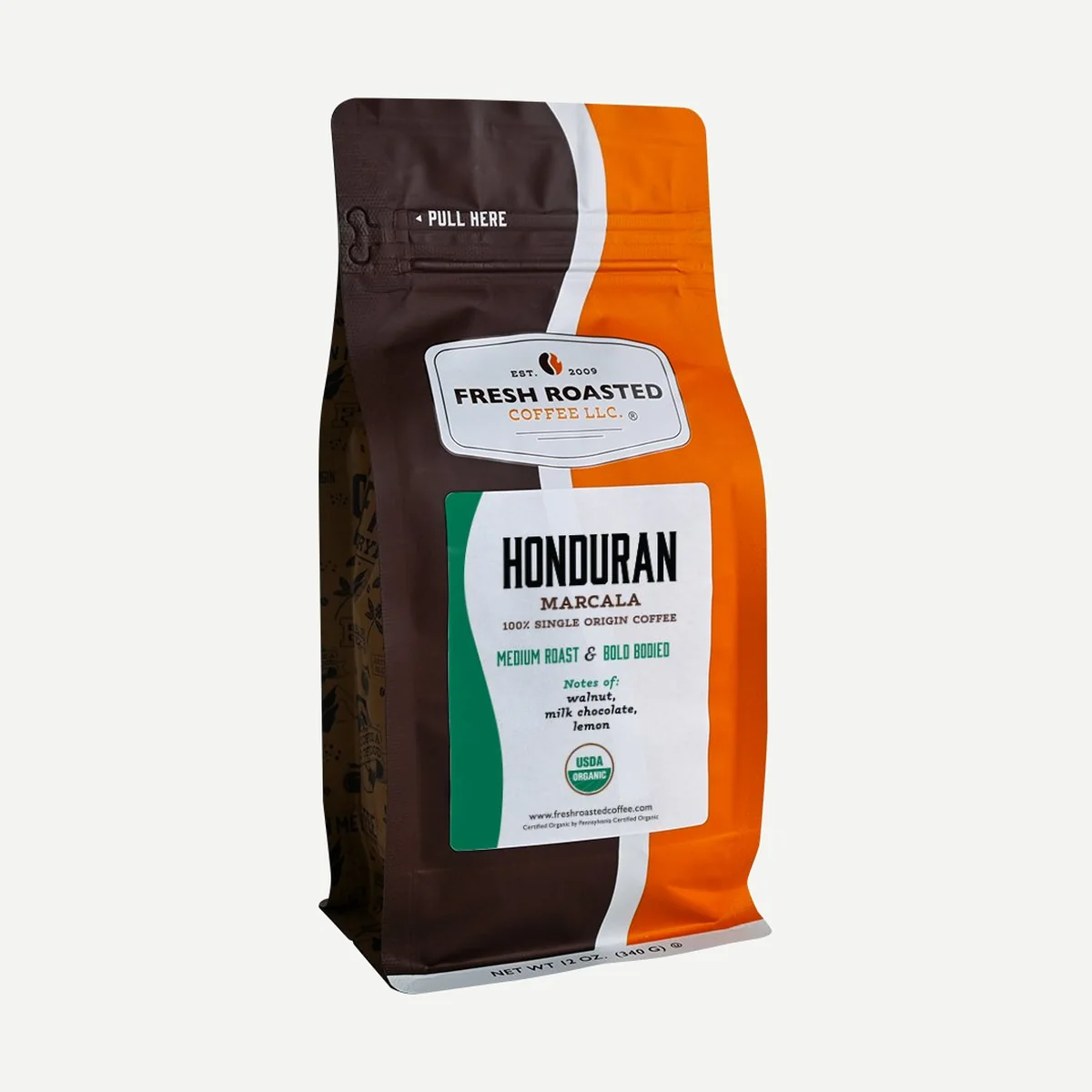
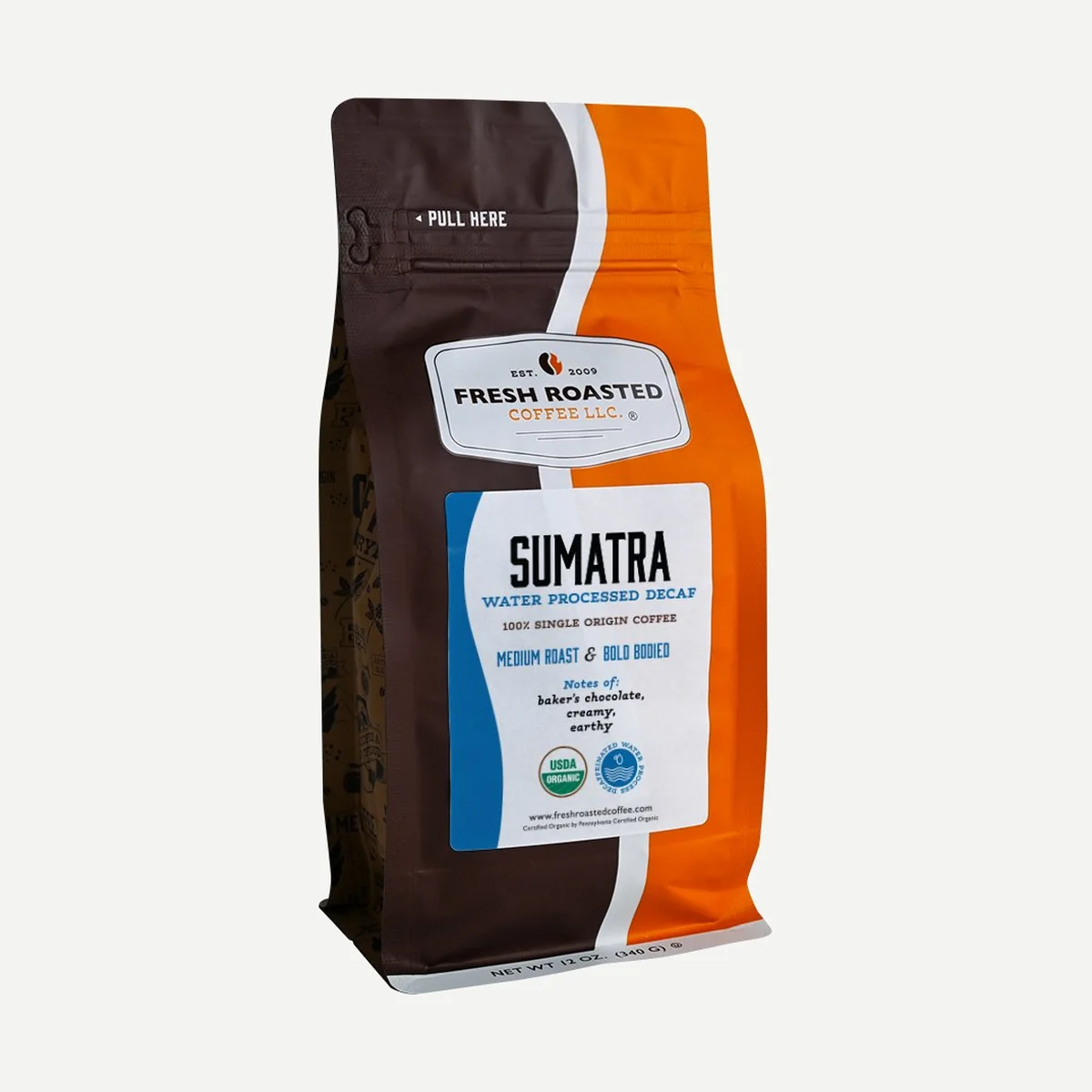
- You like a dark, heavy cup; see the Fresh Roasted Sumatra Mandheling.
- You need Nespresso capsules of it; none are sold.
Frequently Asked Questions
What is a peaberry coffee?
A coffee cherry that grows one round seed instead of two flat ones. Fresh Roasted put it at about 10% of coffee.
Who grows it?
Aviv Estate, a large producer in southwestern Tanzania, irrigated from the Ruvuma River.
What does it taste like?
The label lists banana, graham cracker and dark chocolate, and calls it a light roast with a mild body.
Is peaberry coffee sweeter?
It is often said to be, because the cherry's sugars go to one seed, but that is not established. It is said to roast more evenly.
How fresh is it?
Roasted to order and shipped within one to two days, with the roast date on a sticker on the bottom of the bag.