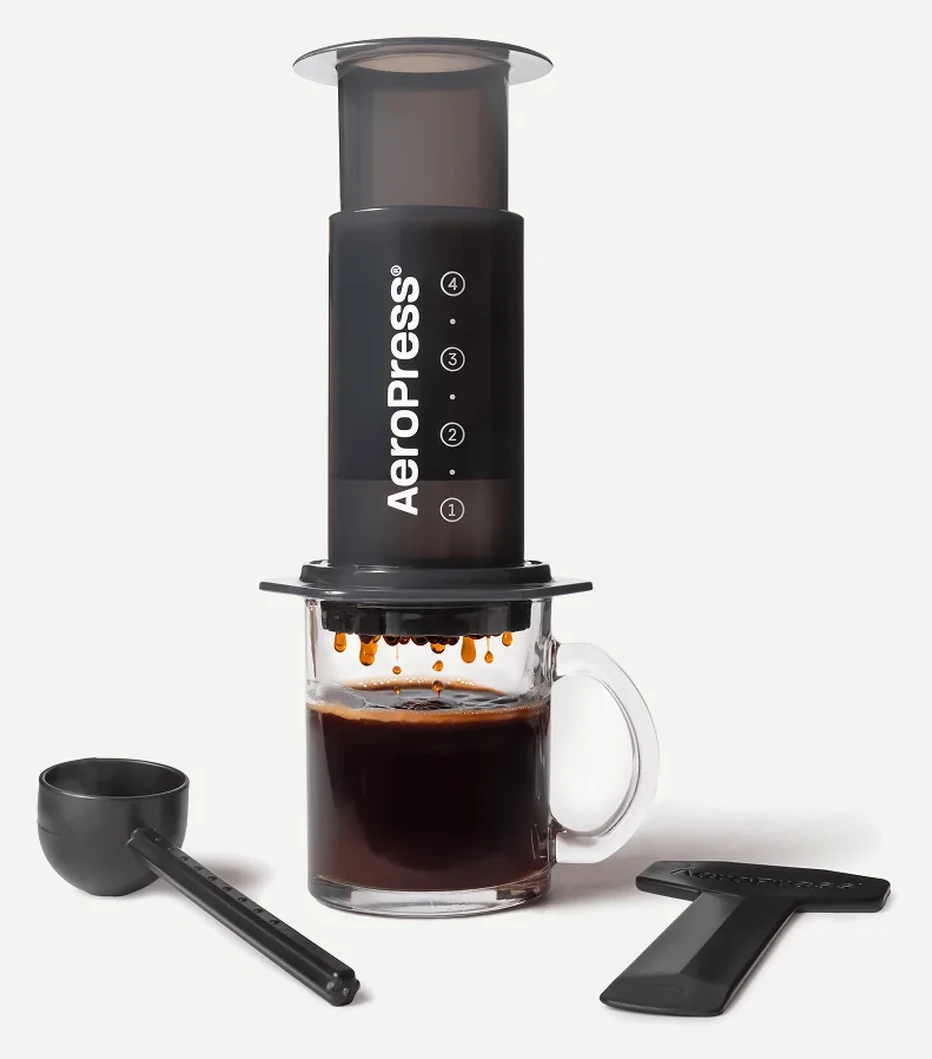
Bean-to-Cup or Pods: The Cost Crossover
A pod machine is cheap to buy and dear to run. Here is roughly where the two lines cross.
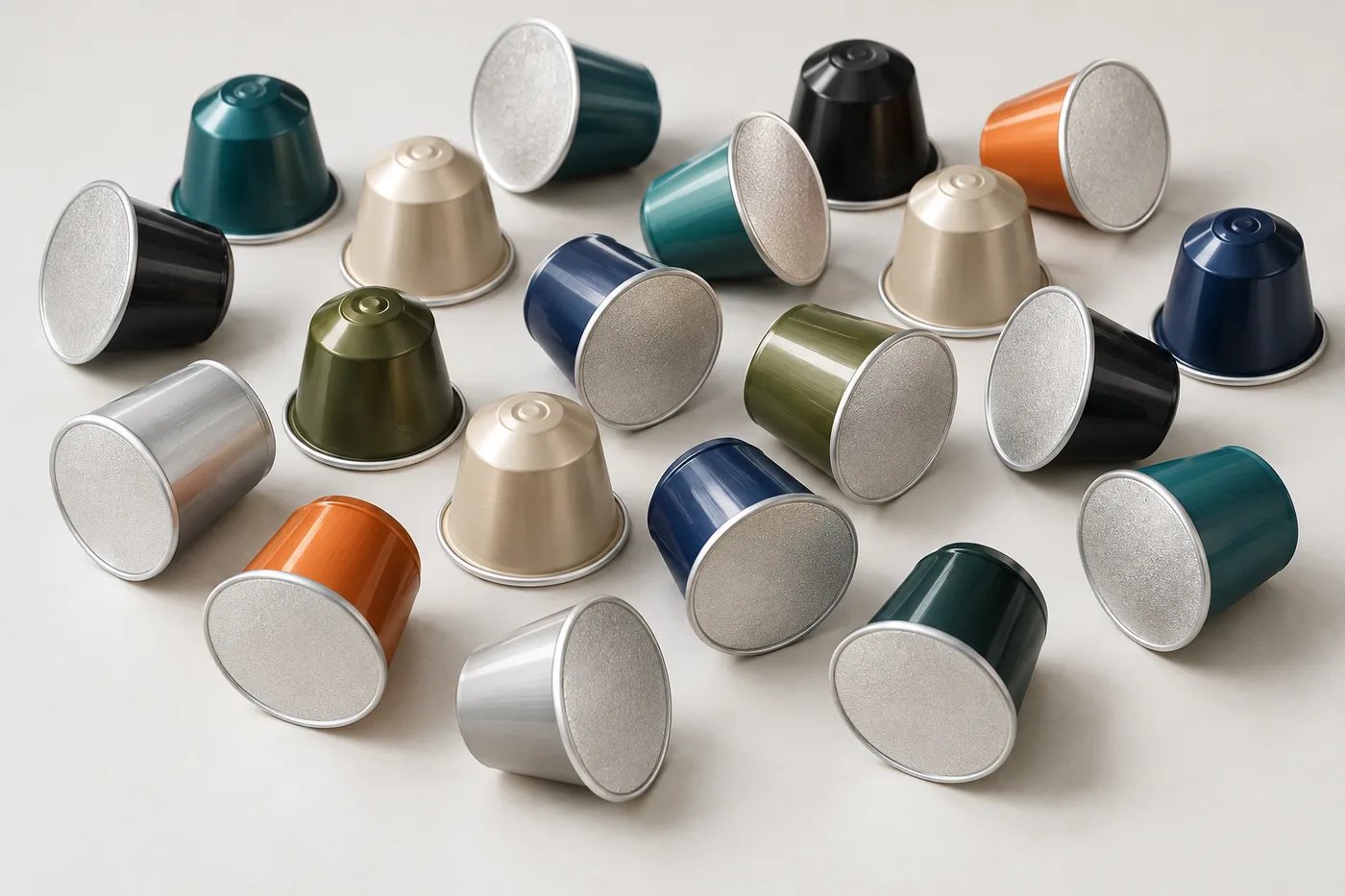
The comparison people make is between the two machine prices, and that is the half of the sum that matters least. A pod machine is cheap to buy and expensive to run. A bean-to-cup machine is the other way round. Whether that trade is worth it depends on how much coffee you actually drink.
How much does a coffee capsule really cost?
We hold a median price per capsule for each system, worked out across every capsule we list rather than from one box on offer. The spread is wide: a Tassimo T Disc sits at $0.52, a Nespresso Original capsule at $0.90, a K-Cup at $1.04 and a Nespresso Vertuo capsule at $1.40.
Two cups a day on the Vertuo system is a little over $1,000 a year in capsules alone. That figure is what the machine price is hiding.
What beans cost per cup compared with capsules
Beans are cheaper per cup by a large margin, and anyone quoting you a precise figure is guessing at two things: how many grams your machine uses per shot, and what you pay per kilo. Both vary enough to make a single number dishonest.
The arithmetic you can do yourself is simple. Take the price of a bag, divide by the grams in it, multiply by the grams your machine doses, and compare that with the capsule figures above. Our coffee bean listing publishes price per kilo for exactly this reason.
Bean-to-cup vs pod machine cost crossover
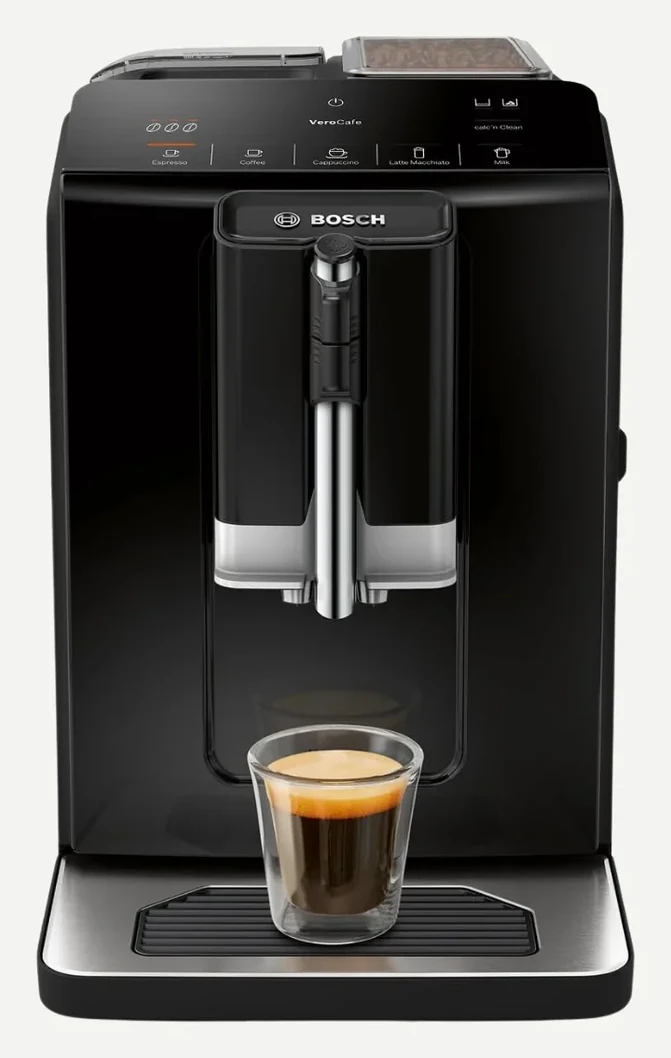
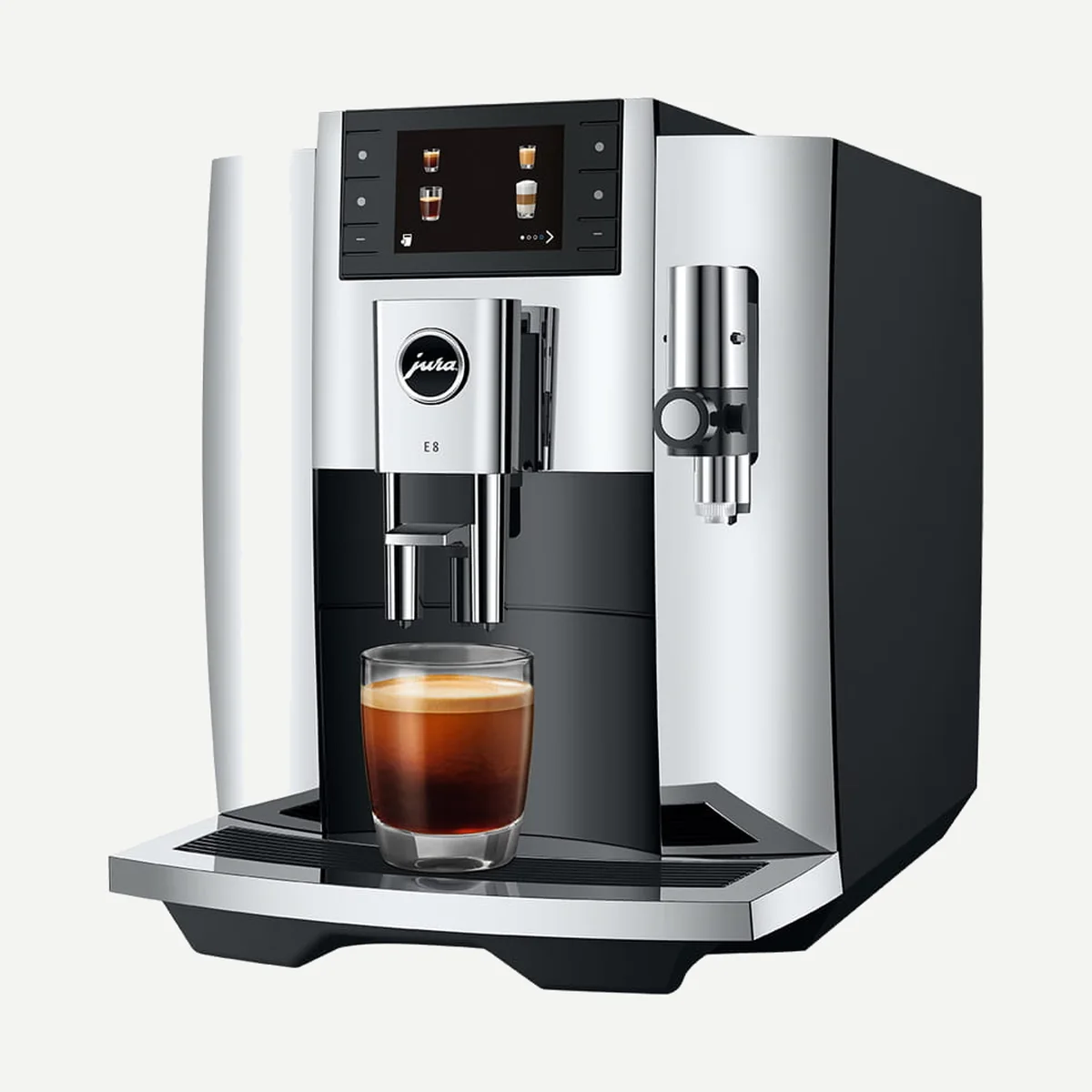
The cheapest bean-to-cup machine we list, the Bosch 300 Series, is $399.50. A capable pod machine can be had for a third of that. So the pod machine starts several hundred dollars ahead and loses ground with every cup.
For one cup a day the pod machine may well stay ahead for years, and the convenience is real. For a household making four or five cups a day, the crossover arrives fast enough that the bean machine is the cheaper object well inside its warranty.
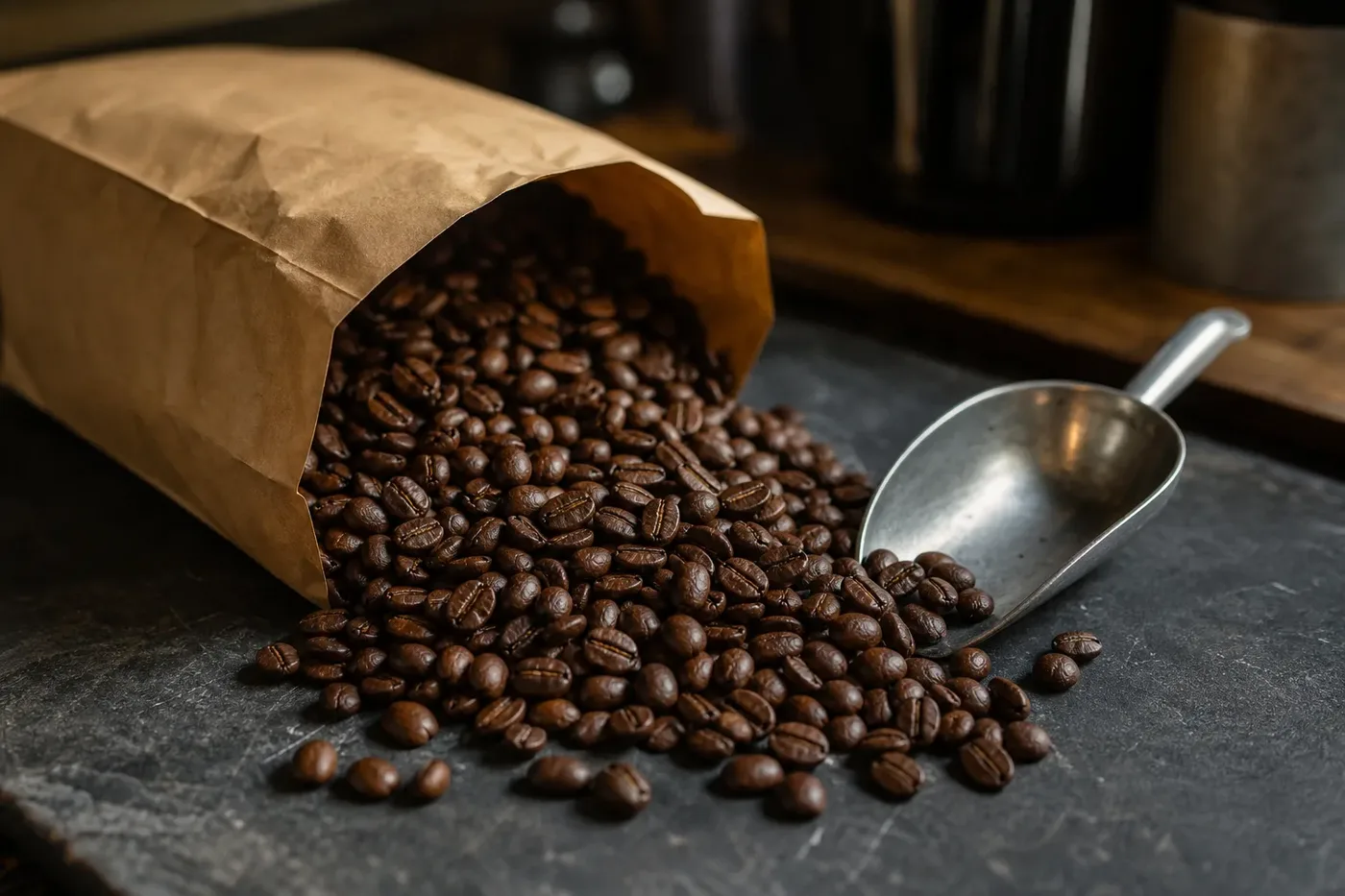
Bean-to-cup vs pod machine effort and cleaning
Pods win on effort by a distance. Nothing to fill, nothing to grind, nothing to empty beyond a used capsule. A bean-to-cup machine wants the hopper topped up, the puck bin emptied, the brew group rinsed and the milk system cleaned, and that work does not go away.
Pods also win on variety without commitment, because changing coffee means buying a different box rather than finishing a bag you no longer like.
Beans win on freshness, and it is not close. Coffee begins losing aroma within minutes of grinding, which is the single strongest argument for a machine that grinds each cup to order. Our pod machine listing and the bean-to-cup listing let you set the two classes of machine side by side.
Pod machine waste vs bean-to-cup grounds
A capsule is a single-use object, and whether that bothers you is a personal call rather than a technical one. Some systems are compostable, some are recyclable through a take-back scheme, and some are neither. A bean-to-cup machine produces a puck of wet coffee grounds, which goes in the food waste or on the garden.
Refillable capsules for a pod machine
Several pod machines accept a refillable capsule that you fill with your own ground coffee. It is the compromise position: the machine and the routine stay the same, and the cost per cup drops towards the price of beans rather than the price of capsules.
It is not the same as a grinder, because you still have to grind the coffee and pack the capsule, which is more work than either pure option. What it does is put a ceiling on what a cup can cost you for as long as you own the machine, and that ceiling is the thing a closed system does not give you.
Drink range: pod machine vs bean-to-cup
A capsule decides its own drink. The machine reads the capsule and brews what that coffee was packed for, which is why pod ranges are measured in flavours rather than in recipes.
A bean-to-cup machine decides the drink itself, so the range is whatever the maker programmed: espresso and coffee at the cheap end, and up to fifty or more named recipes including cold ones at the top. If you want a flat white and a cold brew from the same box, that is a bean machine question rather than a capsule one.
Bean-to-cup or pod machine: which to buy?
Buy pods if you drink one or two cups a day, value not thinking about it, and would rather spend nothing now. Buy bean-to-cup if you drink three or more, if freshness matters to you, or if more than one person in the house wants a different drink. The crossover is real and it arrives faster than the shelf price suggests.
Bean-to-cup vs pod machine FAQ
Is a bean-to-cup machine cheaper than pods?
Per cup, yes, and by a wide margin. The capsules we list run from a median of $0.52 for a T Disc to $1.40 for a Vertuo capsule. Beans work out dramatically lower per cup, which is why the upfront difference closes over a couple of years of daily use.
How many cups before a bean-to-cup machine pays for itself?
It depends on your capsule system and how much you drink, and we deliberately do not publish a single number, because the honest calculation needs your own figures. Take the price difference between the two machines and divide it by the saving per cup, then divide that by cups per day.
Do pods taste worse than freshly ground beans?
A capsule is sealed and gassed, so it is genuinely fresher than an old bag of pre-ground coffee. What it cannot match is coffee ground seconds before brewing. Against freshly ground beans, pods lose; against a bag opened three weeks ago, they often win.
Which is less hassle?
Pods, clearly. There is no hopper to fill, no grinder to clean, no puck bin to empty and no brew group to rinse. A bean-to-cup machine asks for a few minutes of attention each week, and that is the real price of the cheaper cup.
Can one machine do both?
Some pod machines take a refillable capsule you fill with your own ground coffee, which gets you part of the way. It is not the same as a grinder, because you still have to grind and fill, but it does put a ceiling on what a cup can cost you.