What Coarse Ground Coffee Is For
Three brew methods need it, everything else is ruined by it, and the bag in the supermarket marked coarse is usually medium.
Coarse grind is not a preference. It is a requirement of three brewing methods and a fault in every other one, and the reason comes down to how long the water and the coffee spend together.
Why a coarse grind changes extraction
Extraction is dissolving. Smaller particles have more surface area, so they give up their soluble compounds faster. That is the whole mechanism.
The compounds do not all leave at once, either. Acids come out first, sugars next, and the bitter compounds last. So a brew that runs too long, or uses a grind too fine for its length, reaches the bitter end of that sequence. A brew that runs too short stops at the sour beginning.
Grind is how you match the coffee to the clock. A four-minute steep needs large particles. A twenty-five second espresso shot needs powder.
Which brewing methods need a coarse grind?
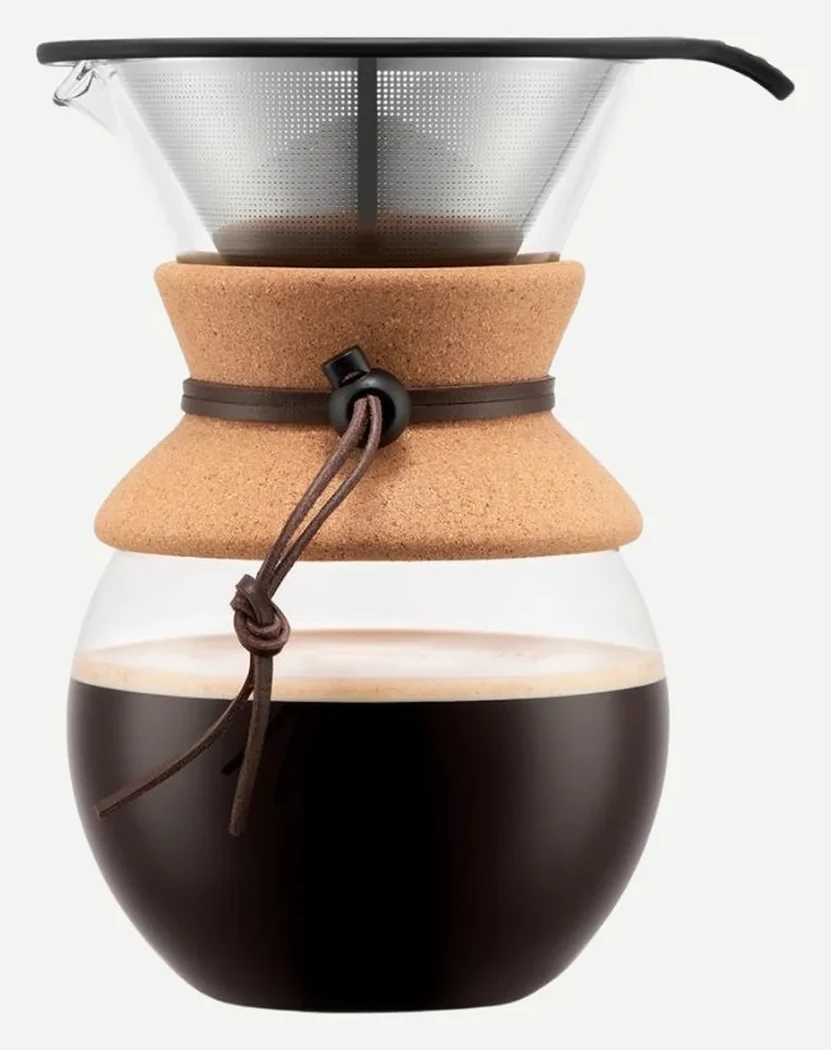
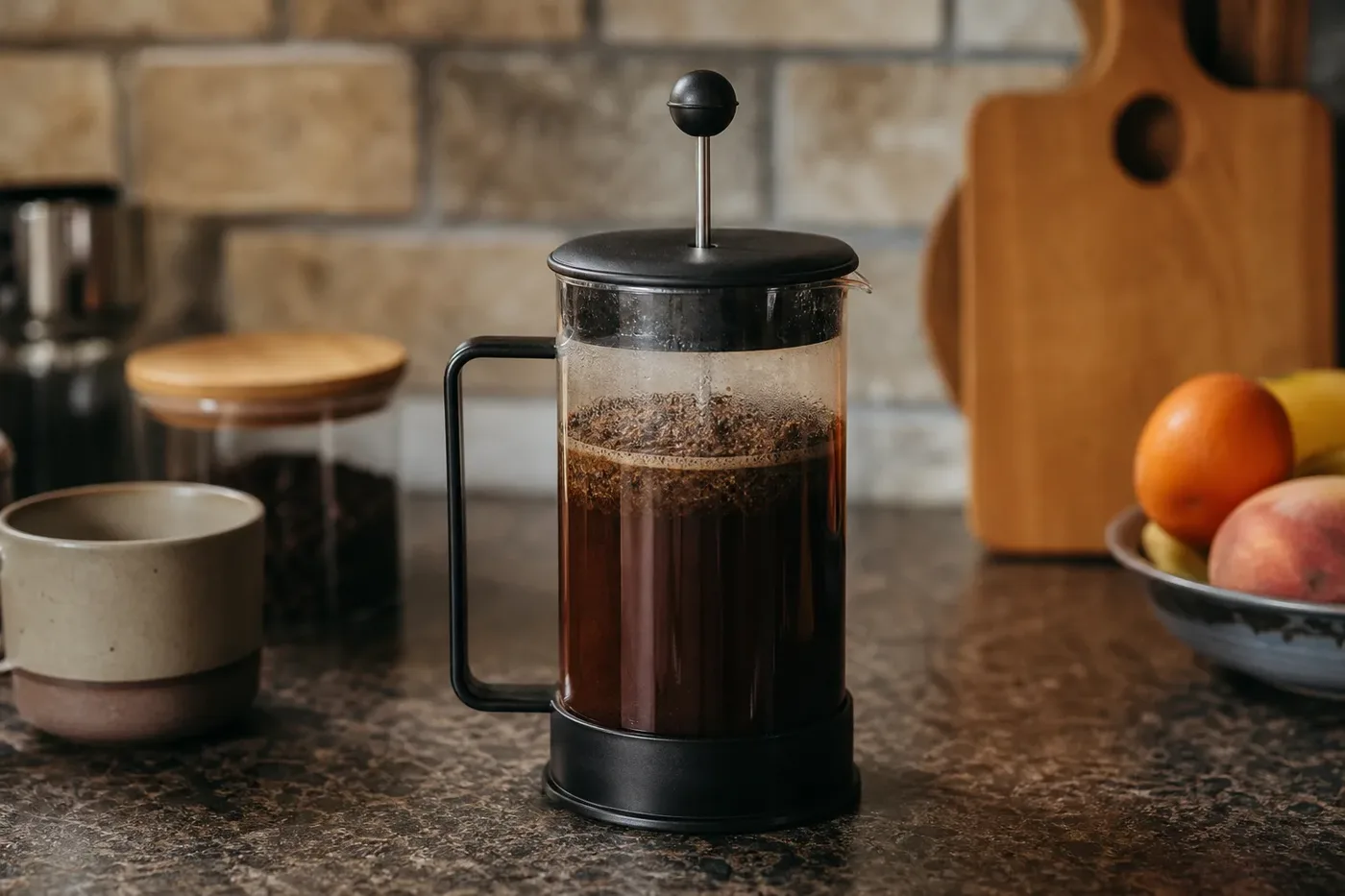
- French press. Four minutes of full immersion, then a metal mesh. Fine grounds both over-extract and slip through the filter, which is what makes a press cup muddy.
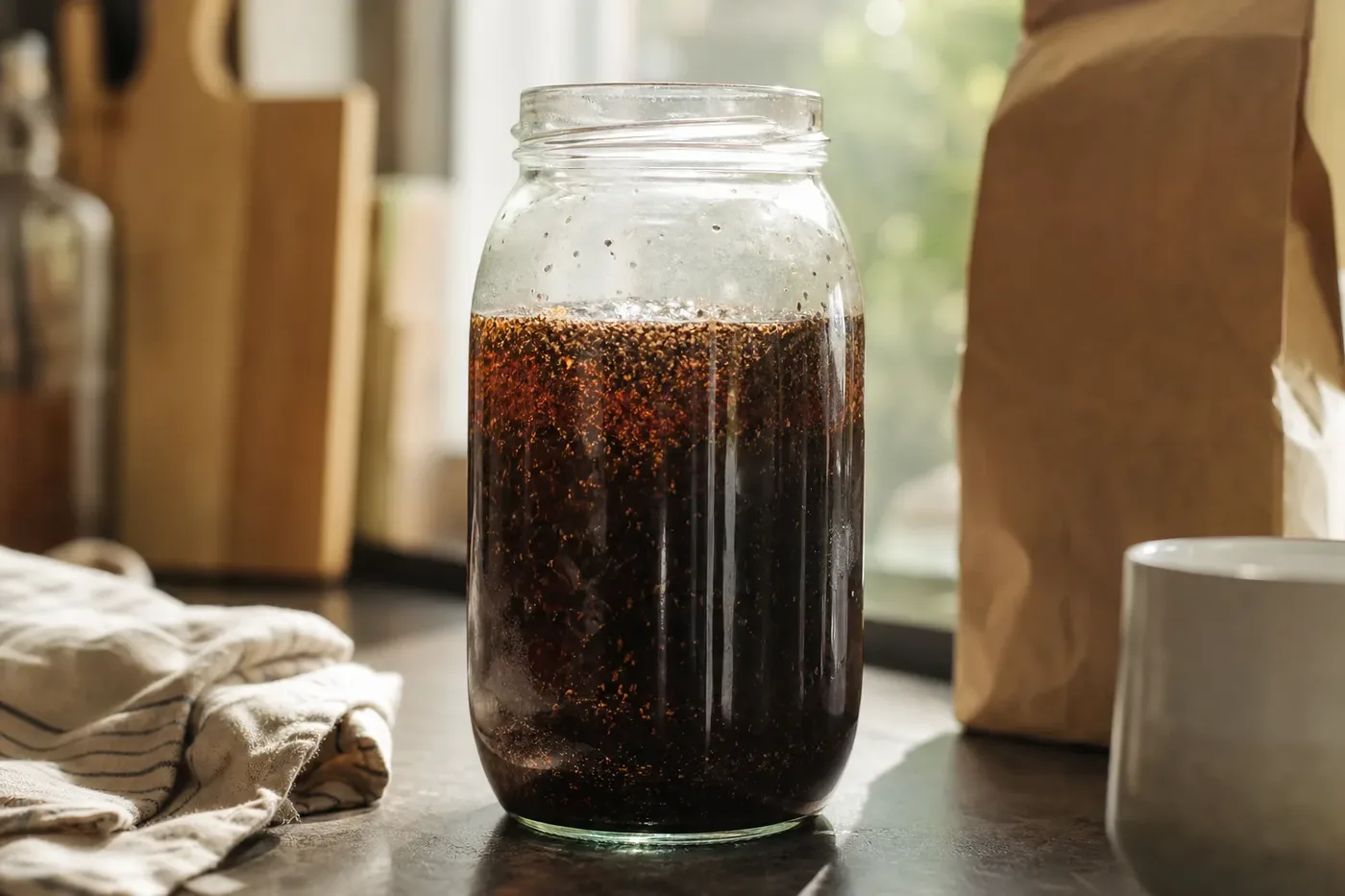
- Cold brew. Twelve to twenty-four hours. The longest steep in coffee needs the largest grind, and it is the one method where going too coarse is almost impossible.
- Percolator. Recirculates water through the bed repeatedly, so the effective contact time is long even though the brew is short.
Everything else wants finer. Drip and pour over want medium, moka wants fine-medium, espresso wants fine, and Turkish coffee wants powder.
What does coarse ground coffee look like?
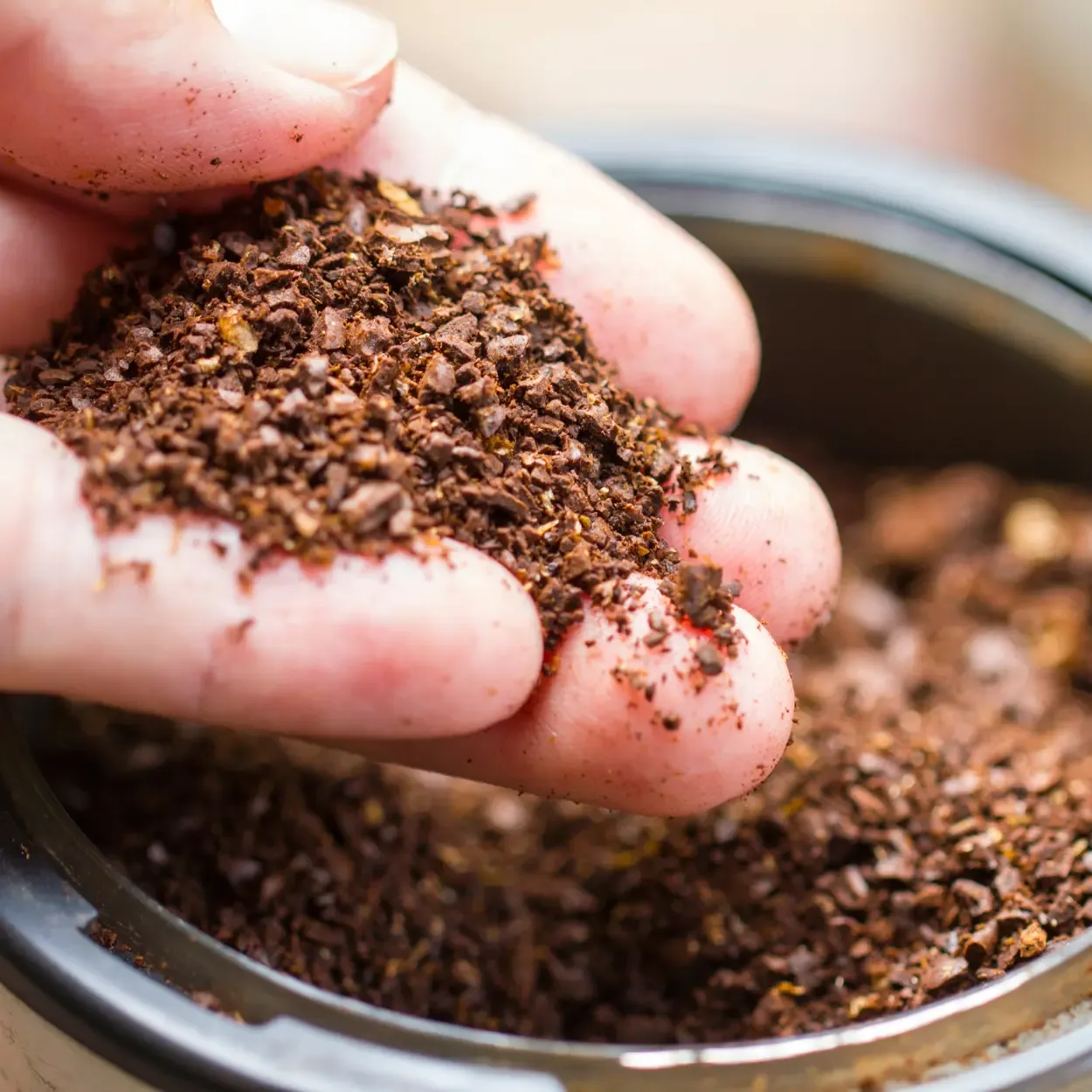
Coarse looks like coarse sea salt or fresh breadcrumbs. Individual particles are visible and separate, and rubbing them between your fingers should feel gritty rather than powdery.
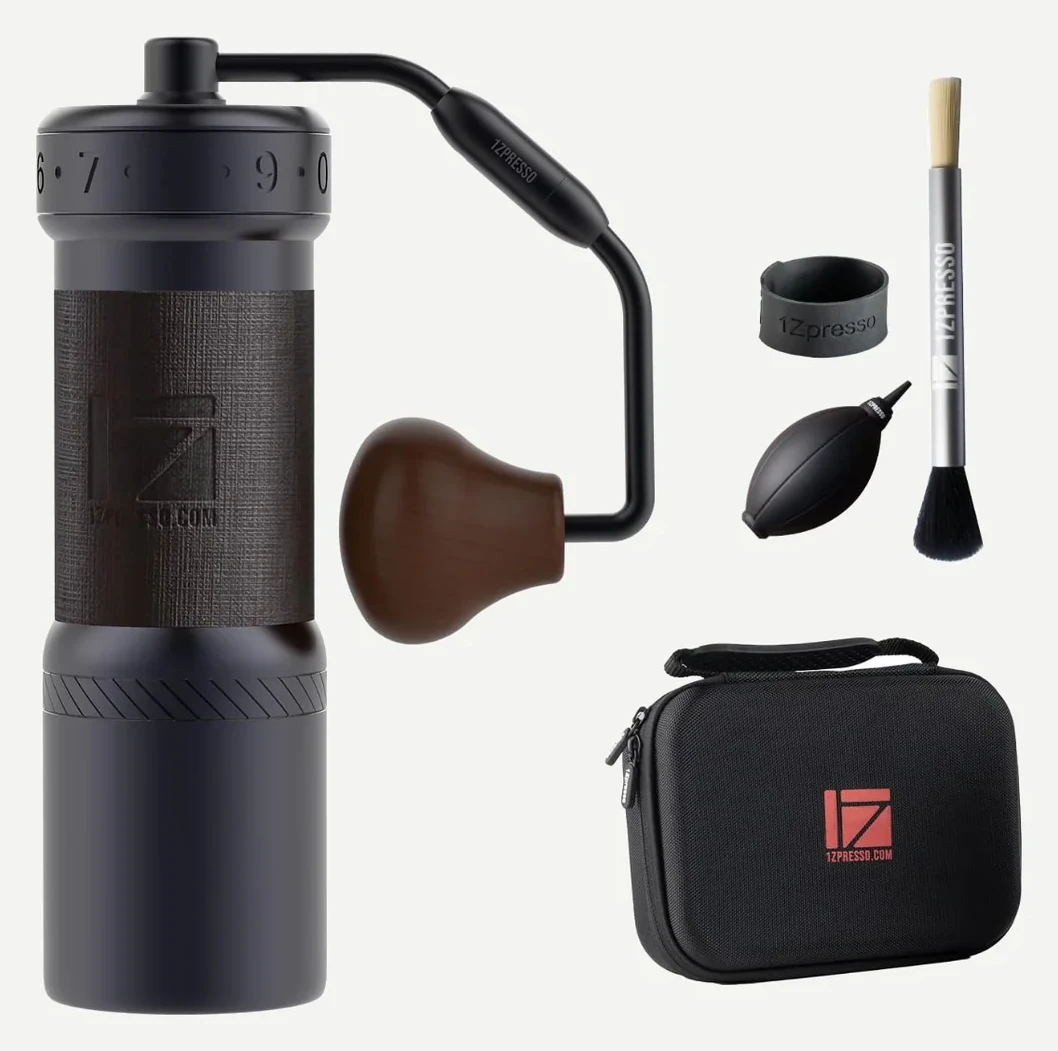
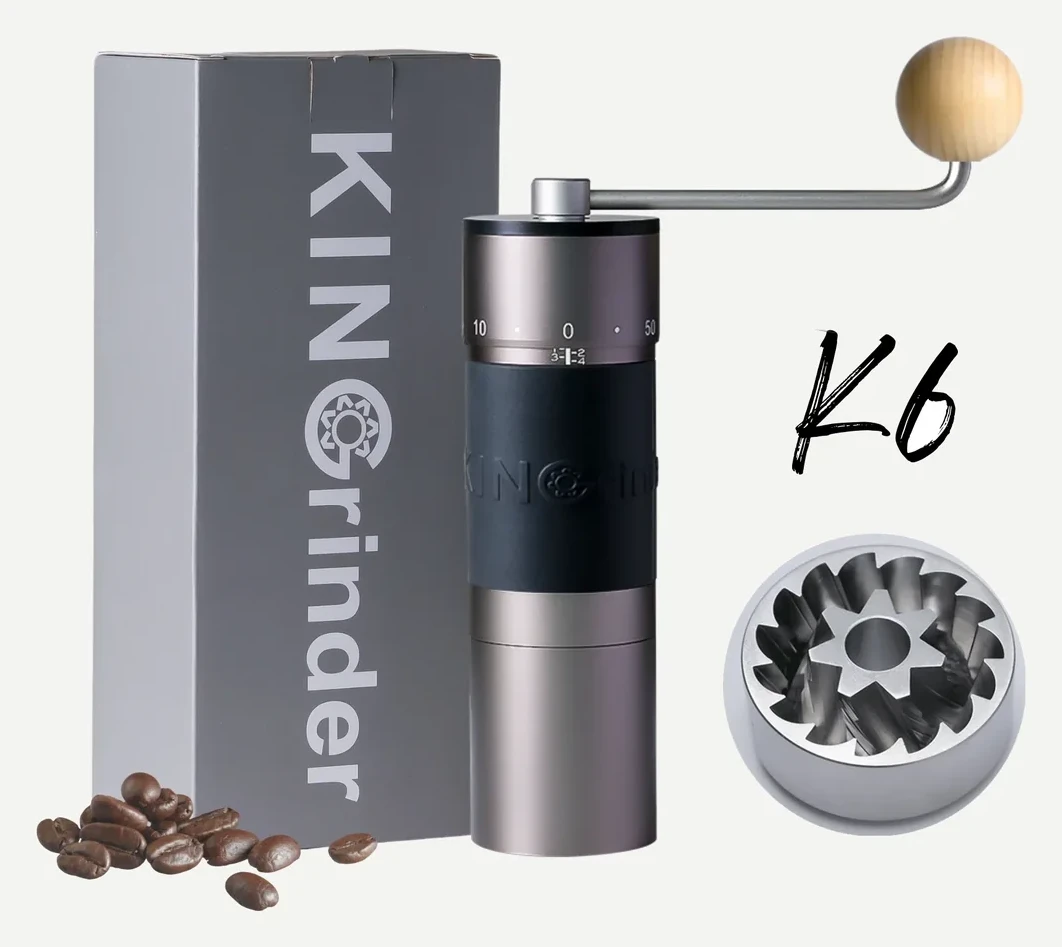
Uniformity matters more than the average. A grind that is mostly coarse with a scattering of dust will taste bitter and muddy at once, because the dust over-extracts while the boulders under-extract in the same cup. That is what a good burr grinder buys you and what a blade grinder cannot: a blade chops at random and produces both extremes every time.
Is coffee marked coarse really a coarse grind?
Most pre-ground coffee sold as coarse sits closer to medium. Manufacturers grind for the widest set of machines rather than for the label, because a middling grind disappoints fewest buyers.
If your French press produces a muddy cup with sediment at the bottom and you have not changed anything, the grind is the first suspect, not the beans. The fix is either a grinder or a supplier who grinds to order and will actually go coarse.
How to adjust your coarse grind by taste
The diagnostic is short and it works for every method.
- Bitter, heavy, drying. Over-extracted. Grind coarser.
- Sour, thin, salty. Under-extracted. Grind finer.
- Right, but too strong or weak. Grind is fine. Change the ratio instead.
Change one thing at a time. Adjusting grind and dose together tells you nothing about which one helped.
What grinder setting numbers mean
They mean nothing across brands. A 30 on one grinder is a 12 on another, and there is no standard behind any of the scales, so a setting copied from a video is a starting point at best.
What does transfer is the order. Every grinder runs from espresso at one end to cold brew at the other, and most have far more usable range at the fine end than people use. If your dial goes to 40 and French press sits at 35, that is normal rather than a sign the grinder is wrong.
Find your own settings once, write them on a label taped to the machine, and stop thinking about it. The number matters only relative to your last cup.
How to get a coarse grind from a blade grinder
You cannot make a true coarse grind with one, because a blade chops rather than mills and produces every particle size at once. You can make it less bad.
Pulse in short bursts rather than holding it down, shake the unit between pulses, and stop earlier than you think. Then sift through a kitchen sieve and keep what stays behind, which removes the dust that causes most of the bitterness.
It is a workaround, not a solution, and the reasoning is set out in our burr vs blade grinder guide.
Coarse ground coffee FAQ
What does coarse ground coffee look like?
Like coarse sea salt or breadcrumbs. You should be able to see and feel individual particles, and they should be roughly the same size as each other, which matters more than the size itself.
Which brew methods need a coarse grind?
French press, cold brew and percolators. All three steep the coffee for a long time, and a fine grind over a long steep over-extracts into bitterness.
Can I use coarse ground coffee in a drip machine?
You can, and it will taste weak and sour. A drip machine passes water through in four to six minutes, which is not long enough to extract properly from large particles. Medium is the grind for drip.
Is supermarket coarse ground coffee actually coarse?
Usually not. Most pre-ground coffee sold as coarse is closer to medium, because a single grind that suits the widest range of machines sells better. If your French press is muddy, this is the likeliest reason.