How Much Caffeine Is in Coffee?
By brew method, by bean and by cup size, with the two things that change it most and the one everybody gets backwards.
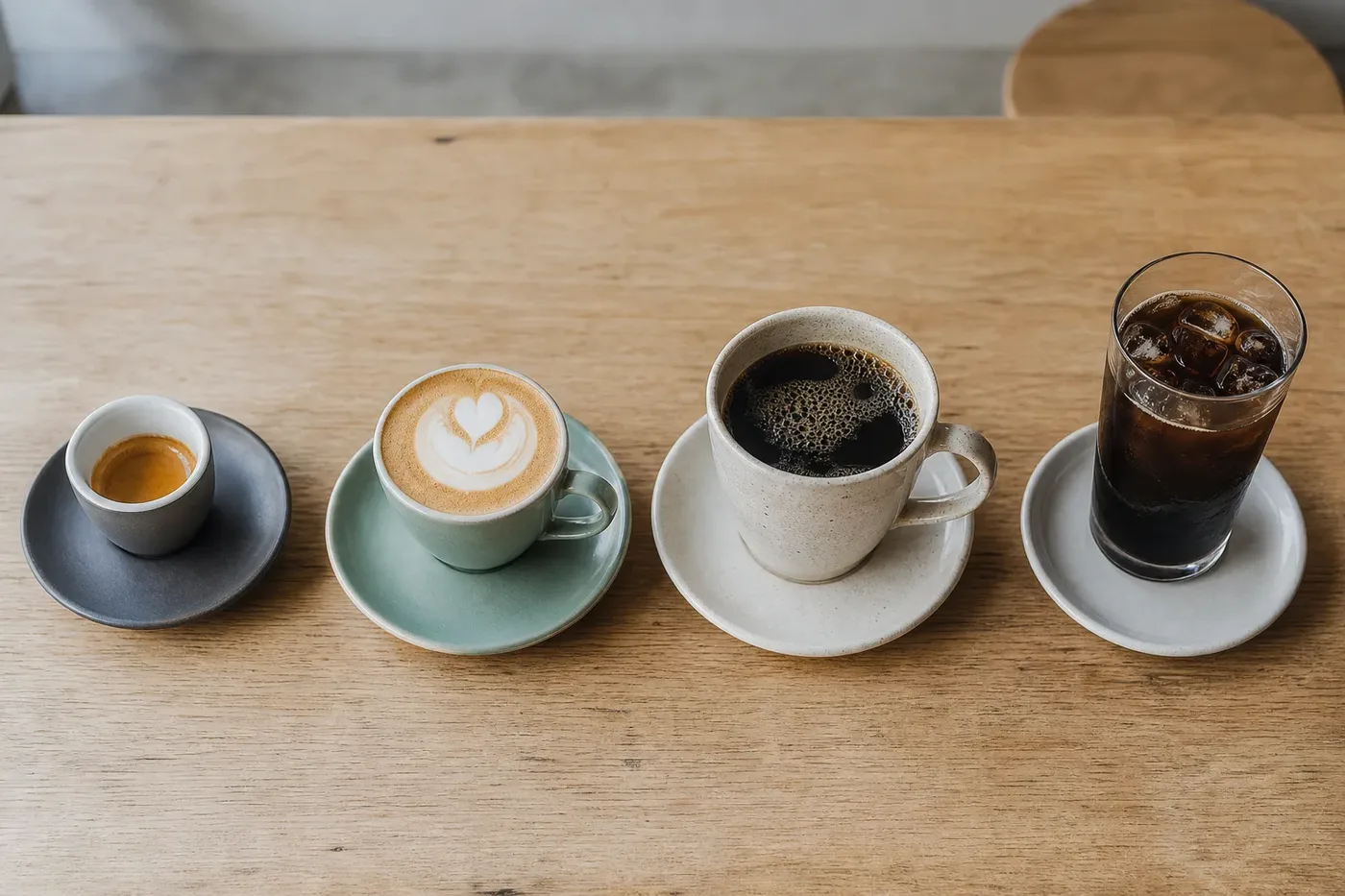
The honest answer is a range, not a number, and the range is wide enough to matter: the same volume of coffee can carry anywhere from about 60 mg to over 200 mg depending on how it was made. Here is what actually moves it.
Caffeine in coffee by brew method
Typical figures for a normal serving of each. Every one of them moves with dose and bean, so treat them as the middle of a range rather than a spec.
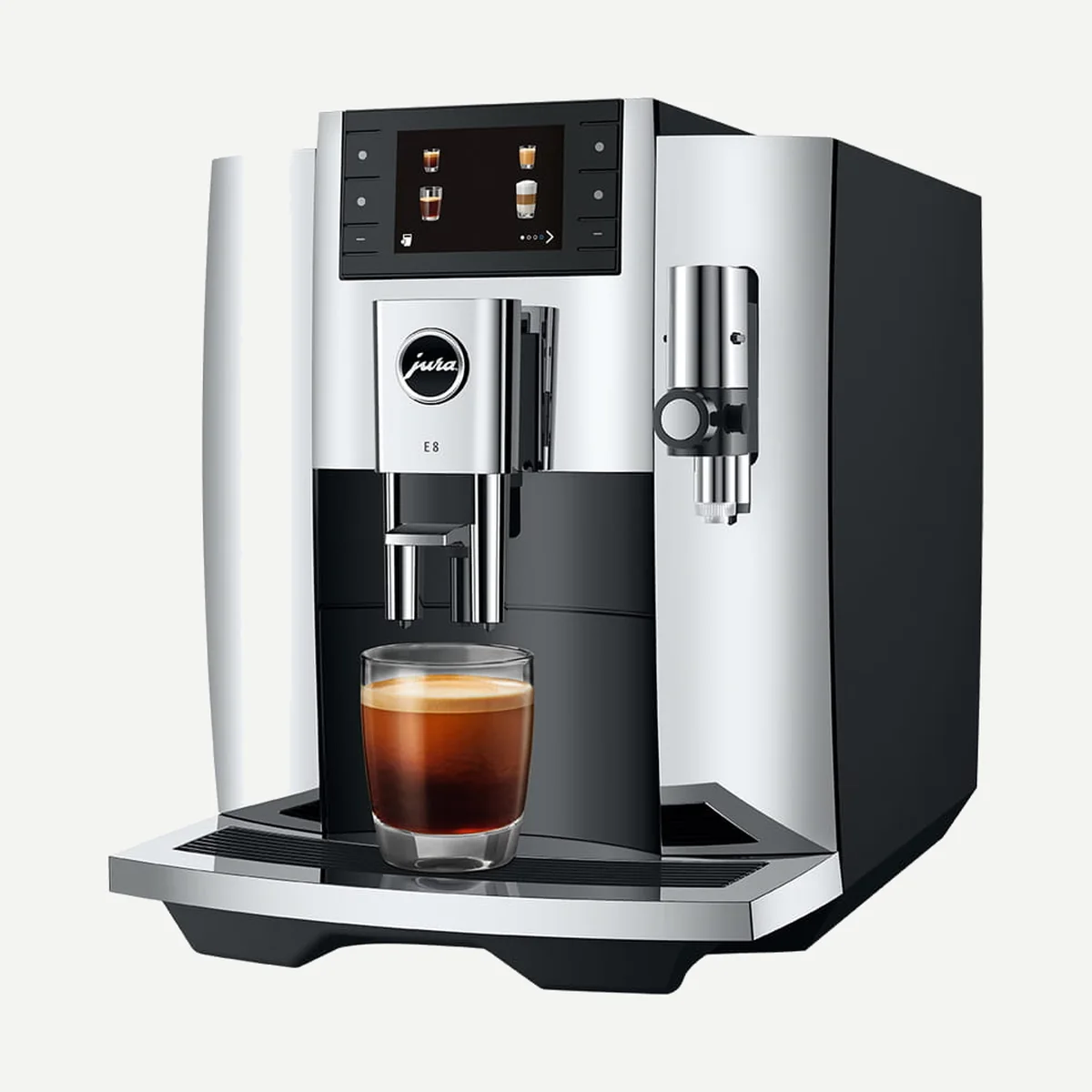
- Espresso, one shot: roughly 60 to 75 mg.
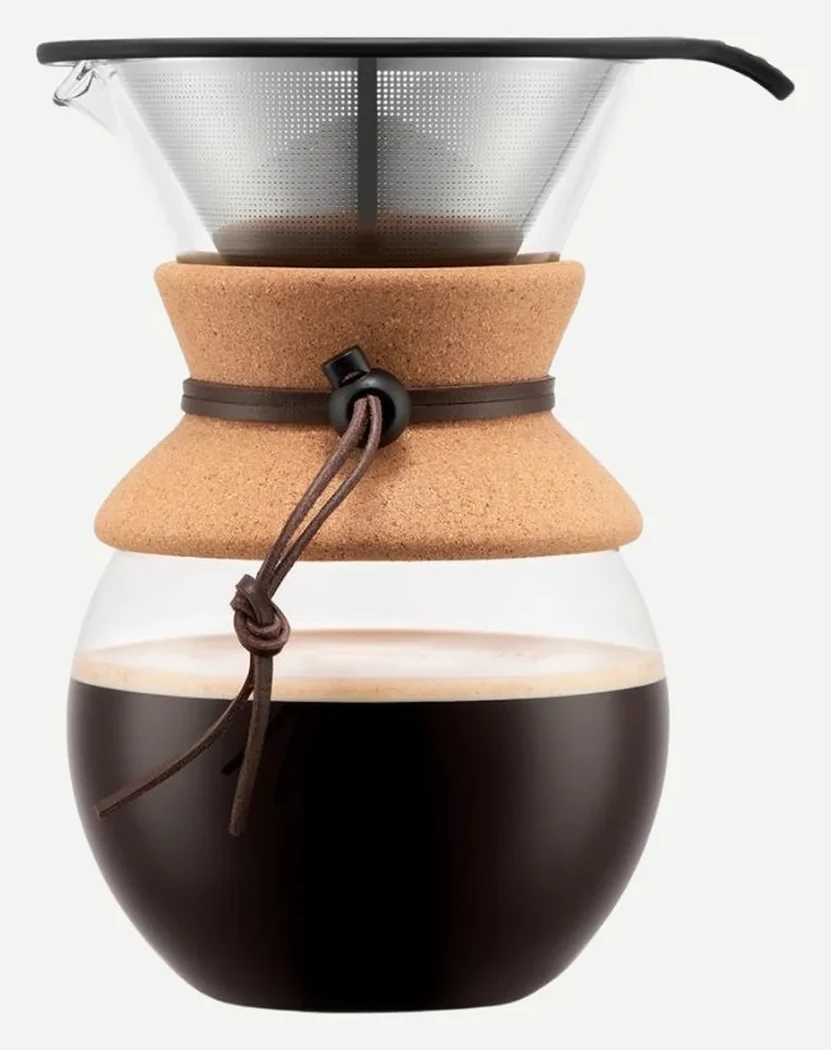
- Filter or drip, a 240 ml mug: roughly 95 to 165 mg.
- French press, same volume: similar to filter, often slightly higher because of the longer contact time.
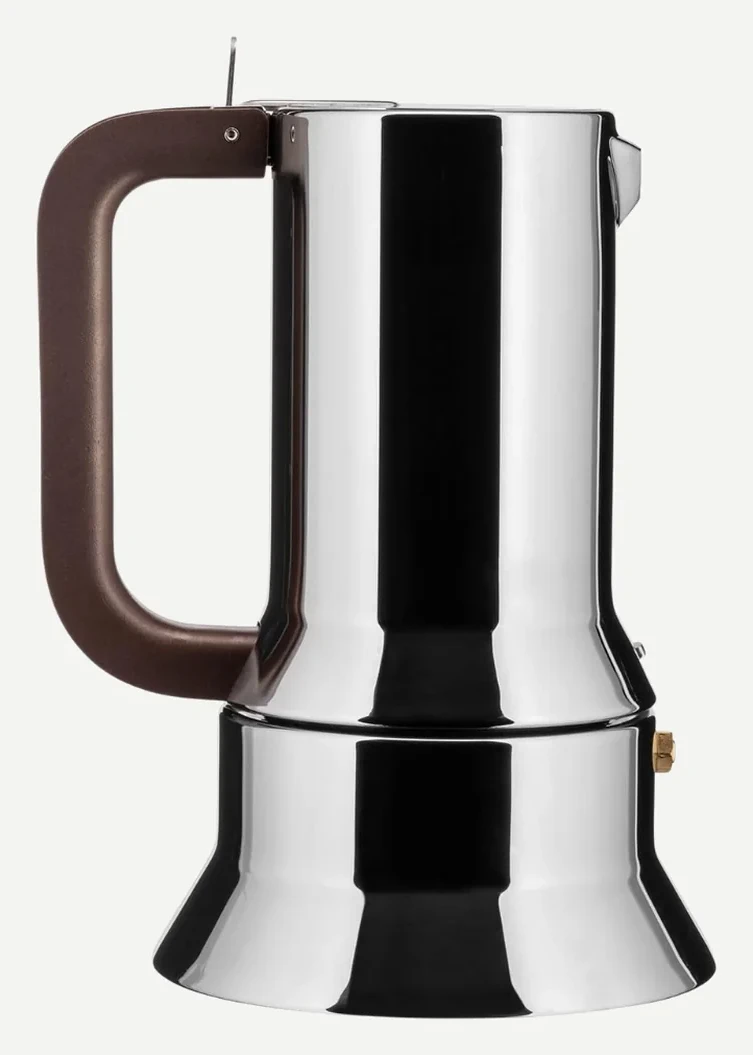
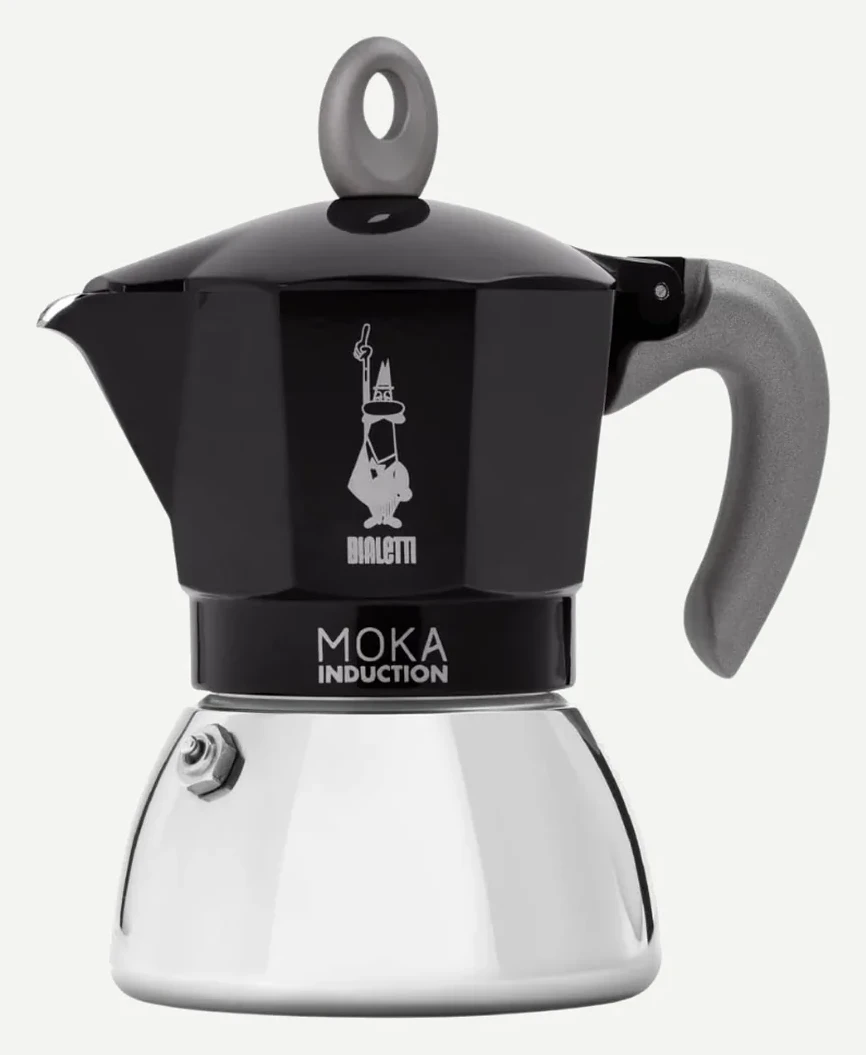
- Moka pot, a small cup: roughly 60 to 100 mg.
- Instant, a normal mug: roughly 60 to 90 mg.
- Cold brew, diluted to drinking strength: similar to filter. Undiluted concentrate is several times that.
- Decaf: not zero. Around 2 to 5 mg a cup.
The pattern people miss is that serving size does most of the work. Espresso is by far the most concentrated and among the lowest per serving, purely because a shot is 30 ml.
Why the bean matters more than the method for caffeine
Robusta carries roughly twice the caffeine of arabica. That single fact swamps most of the differences above.
It is also mostly invisible on a label. Robusta turns up in supermarket blends, in a great deal of instant coffee, and traditionally in Italian espresso blends for the crema it produces. A bag that does not say "100% arabica" may well contain some, and a strong-tasting cheap blend often tastes that way partly because of what it is.
If you are tracking caffeine, the species on the bag tells you more than the brewer on your counter.
Does dark roast have less caffeine?
The claim that dark roast has less caffeine is repeated constantly and it depends entirely on how you measure.
Roasting destroys very little caffeine, so by weight a dark roast and a light roast are close to identical. But roasting drives out moisture and expands the bean, so a dark roast bean is bigger and lighter. By scoop, therefore, dark roast gives you fewer beans and slightly less caffeine.
So both camps are right and they are answering different questions. The practical fix is to weigh rather than scoop, which also fixes the much bigger inconsistency in your brew ratio.
What else changes caffeine in coffee
- Dose. More coffee, more caffeine. This is the largest lever you control and the one people fiddle with least.
- Contact time. Longer extraction pulls more, which is why French press and cold brew sit at the top of their ranges.
- Grind. Finer grind extracts faster, so at a fixed brew time it extracts more.
- Water temperature. A modest effect within the normal brewing range, and a large one if you are brewing cold.
How much caffeine is too much?
The FDA has pointed to 400 mg a day as an amount not generally associated with negative effects in healthy adults. That is around three to four mugs of filter coffee, or a great many espressos.
Guidance in pregnancy is considerably lower, commonly cited around 200 mg, and anyone on medication or managing a heart or anxiety condition should be asking a clinician rather than a coffee site.
Individual tolerance also varies far more than the averages suggest, and much of it is genetic: how quickly you clear caffeine is largely determined by a liver enzyme whose activity differs several-fold between people. If coffee at four in the afternoon costs you sleep and it does not cost your friend any, neither of you is imagining it.
How to cut down on caffeine
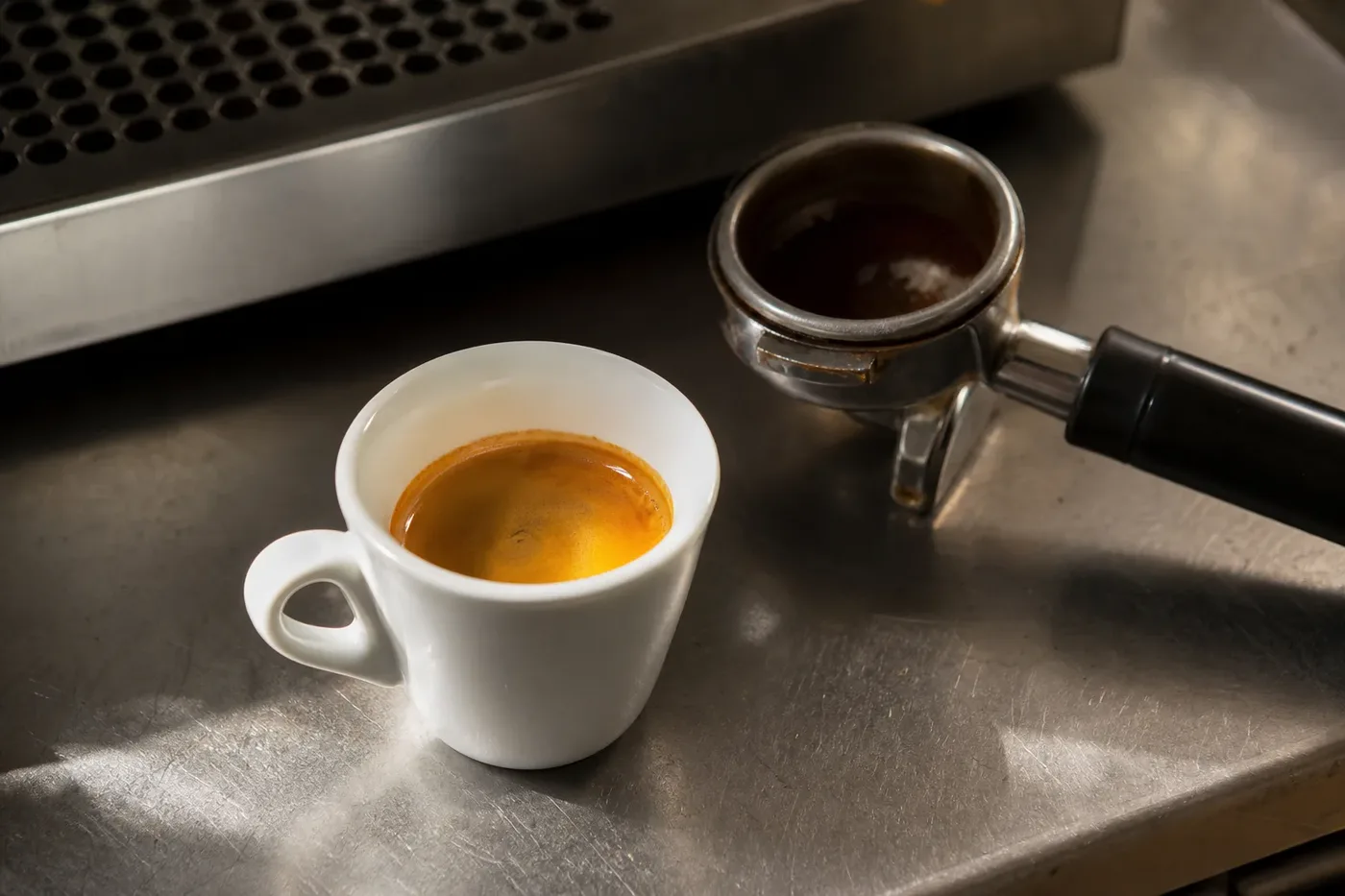
Switching to espresso-based drinks is the easiest reduction that does not feel like one, because the serving is small. Half-caf blends work well and taste normal. Instant coffee sits at the lower end of the range for a full mug.
Decaf is not caffeine-free but it is close enough that it will not keep anyone awake, and modern decaffeination is far better than its reputation. What does not work is switching to dark roast for the reason discussed above, or to a bigger cup of anything.
How long caffeine stays in your body
Caffeine's half-life in a healthy adult is commonly cited at around five hours, which is the fact that matters most and the one least often mentioned on the packaging.
A 200 mg coffee at two in the afternoon leaves roughly 100 mg in you at seven and roughly 50 mg at midnight. That is not a trace: 50 mg is most of an espresso, and it is enough to measurably change sleep architecture even in people who fall asleep without difficulty.
The practical rule most sleep researchers land on is to stop about eight to ten hours before bed, which for most people means early afternoon. If you sleep badly and drink coffee after lunch, that is the first variable to test, and it is free to test.
Half-life varies with pregnancy, some medications, liver function and genetics, and it can differ several-fold between two people of the same size.
Where the caffeine in your day comes from
People overestimate espresso and underestimate volume. A few comparisons worth having in mind:
- A large takeaway filter coffee can carry more than three espressos.
- A mug of tea is roughly a third to a half of a mug of coffee.
- A can of cola is well under a single espresso; an energy drink is roughly one.
- Dark chocolate carries a small but real amount. Milk chocolate barely counts.
If you are trying to work out why you feel wired, the answer is more often the size of the cup than the strength of the coffee.
Does decaf coffee have caffeine?
Decaffeinated coffee retains a small amount, typically around 2 to 5 mg a cup against 95 mg or more for the caffeinated version. That is low enough not to affect sleep for almost anyone, and not low enough to call it caffeine-free, which is why the label never does.
The old objection that decaf tastes bad is largely out of date. Modern processes, particularly the water-based ones, remove caffeine without stripping as much flavour as the solvent methods they replaced, and good decaf is now genuinely good.
Caffeine in coffee FAQ
Does espresso have more caffeine than drip coffee?
Per millilitre, far more. Per serving, less. A shot of espresso is around 60 to 75 mg in about 30 ml, while a mug of drip is 95 to 165 mg in ten times the volume. People drink espresso by the shot and filter coffee by the mug, which is why the mug usually wins.
Does dark roast have less caffeine?
Barely, and the answer flips depending on how you measure. By weight the difference is very small. By scoop, dark roast gives you slightly less, because roasting longer makes beans larger and less dense, so a scoop holds fewer of them. Weigh your coffee and the question mostly disappears.
How much caffeine is too much?
The FDA points to 400 mg a day as the figure not generally associated with negative effects in healthy adults, which is roughly three to four mugs of filter coffee. Guidance for pregnancy is much lower, commonly around 200 mg. Individual tolerance varies enormously and is largely genetic.
Does cold brew have more caffeine?
Usually yes, but because of the recipe rather than the temperature. Cold brew is made as a concentrate at a much higher coffee-to-water ratio, so the undiluted product is strong. Diluted to drinking strength it lands in the same range as filter coffee.