Does Coffee Lose Caffeine Over Time?
Barely. Caffeine is one of the most stable things in the bean, which is why stale coffee tastes worse without hitting any softer.
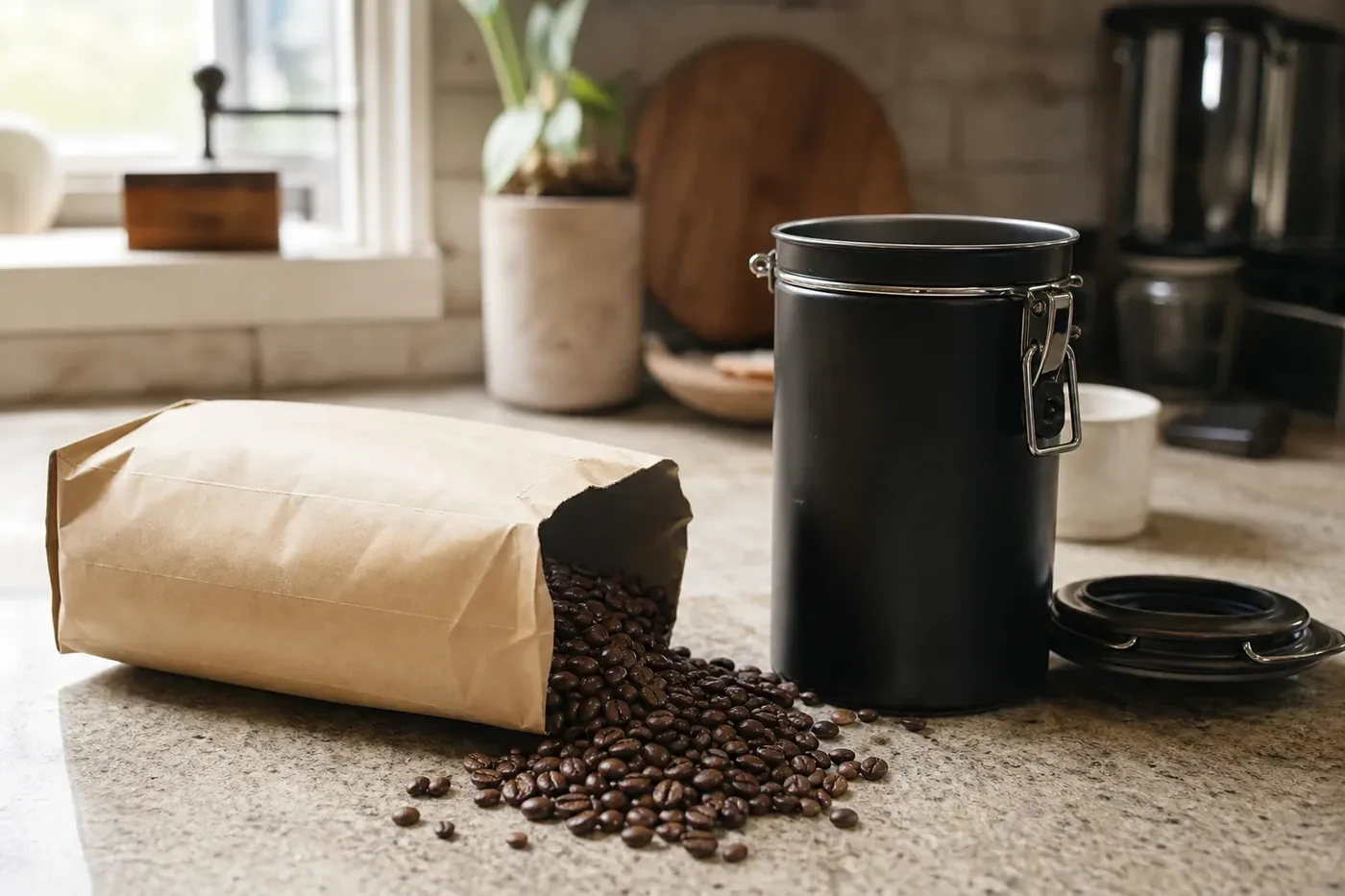
No, not to any degree that matters. Caffeine is a remarkably stable molecule: it survives roasting at over 200C, it survives brewing, and it sits in stored beans essentially unchanged for months. Old coffee tastes worse and is just as stimulating.
What goes stale in old coffee
Three things, at three different speeds. Carbon dioxide escapes over the first days and weeks after roasting, which is why fresh coffee blooms and very old coffee does not. Aromatic compounds, which are volatile by definition, fade over weeks: this is the largest part of what people mean by stale. And the oils oxidise over months and eventually turn rancid, which is the point at which coffee stops being merely disappointing and starts being unpleasant.
Caffeine is in none of those categories. It is not volatile, not especially reactive, and not what the oils are made of.
Why people think stale coffee has less caffeine
Because stale coffee tastes weaker, and taste and stimulation get conflated. What has gone is aroma and sweetness, so the cup reads as thin and flat. Nothing about that changes the caffeine, which is why old coffee can be an unwelcome surprise: it tastes like it will do nothing and does not behave that way.
The same confusion appears with roast level, where a dark roast tastes stronger while carrying marginally less caffeine by volume, not more.
When old coffee changes: brewed coffee left standing
Brewed coffee left standing. The caffeine stays put, but the liquid continues to oxidise and the flavour degrades quickly, within about half an hour on a hot plate. A pot kept warm all morning is chemically much the same drink and a considerably worse one. That is a flavour problem rather than a caffeine one.
The same goes for coffee stored ground: grinding multiplies the surface area enormously, so staling accelerates from weeks to days. Caffeine is unaffected by that too.
Why fresh beans matter for flavor, not caffeine
It means freshness is entirely a flavour argument, which is actually the strongest version of the argument. Nobody is buying fresh beans to feel more awake; they are buying them because the difference in the cup is large and obvious. Coffees that print a roast date are the ones that let you judge it, and a best-before date tells you nothing useful.
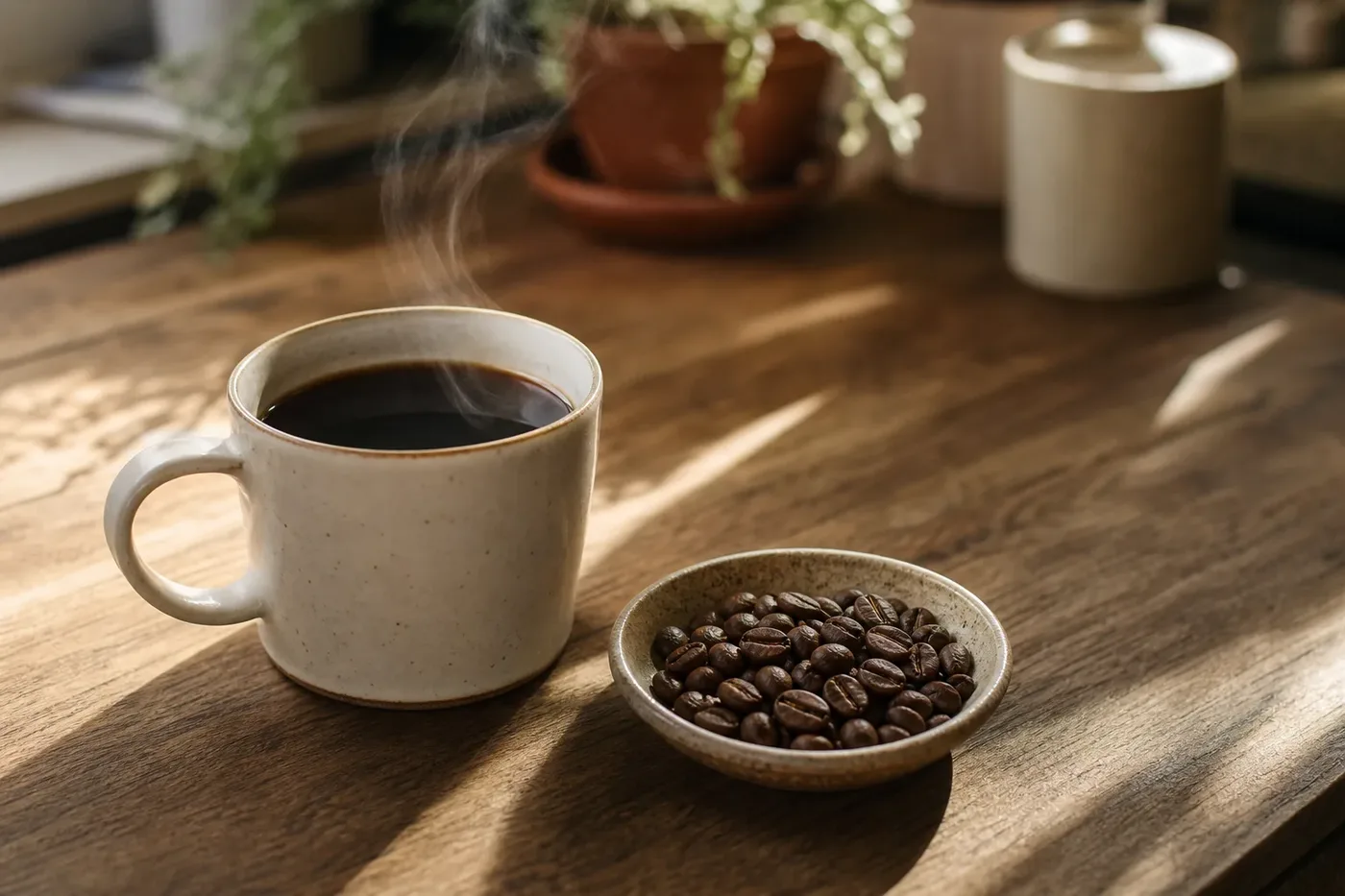
Do instant coffee and capsules go stale like old coffee?
Both are sealed, which changes the timeline rather than the chemistry. Instant coffee is dried and hygroscopic, so its enemy is moisture rather than air: a jar opened and closed daily in a steamy kitchen clumps and flattens far faster than the best-before suggests. Capsules are sealed under gas and hold their aroma for a long time, which is most of the reason the format exists.
Caffeine is unchanged in both cases, for the same reason it is unchanged in beans. A four-year-old capsule will still work on you; it will taste of considerably less than it did.
How to store coffee so it stays fresh longer
Air, heat, light and moisture are what cost you flavour, in roughly that order. An opaque, airtight container at room temperature away from the hob does nearly everything that can be done. How to store coffee beans covers the freezer question properly, which has a more nuanced answer than either camp usually admits.
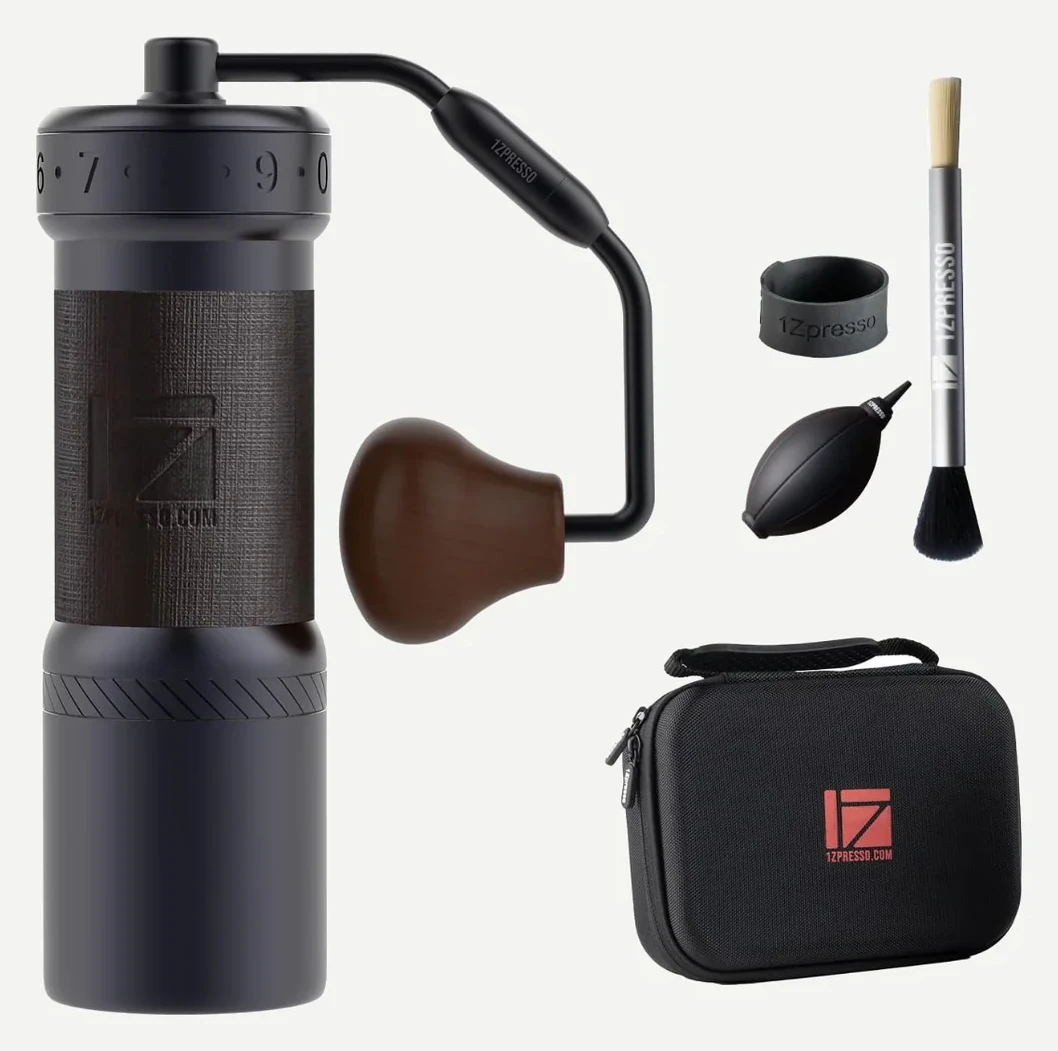
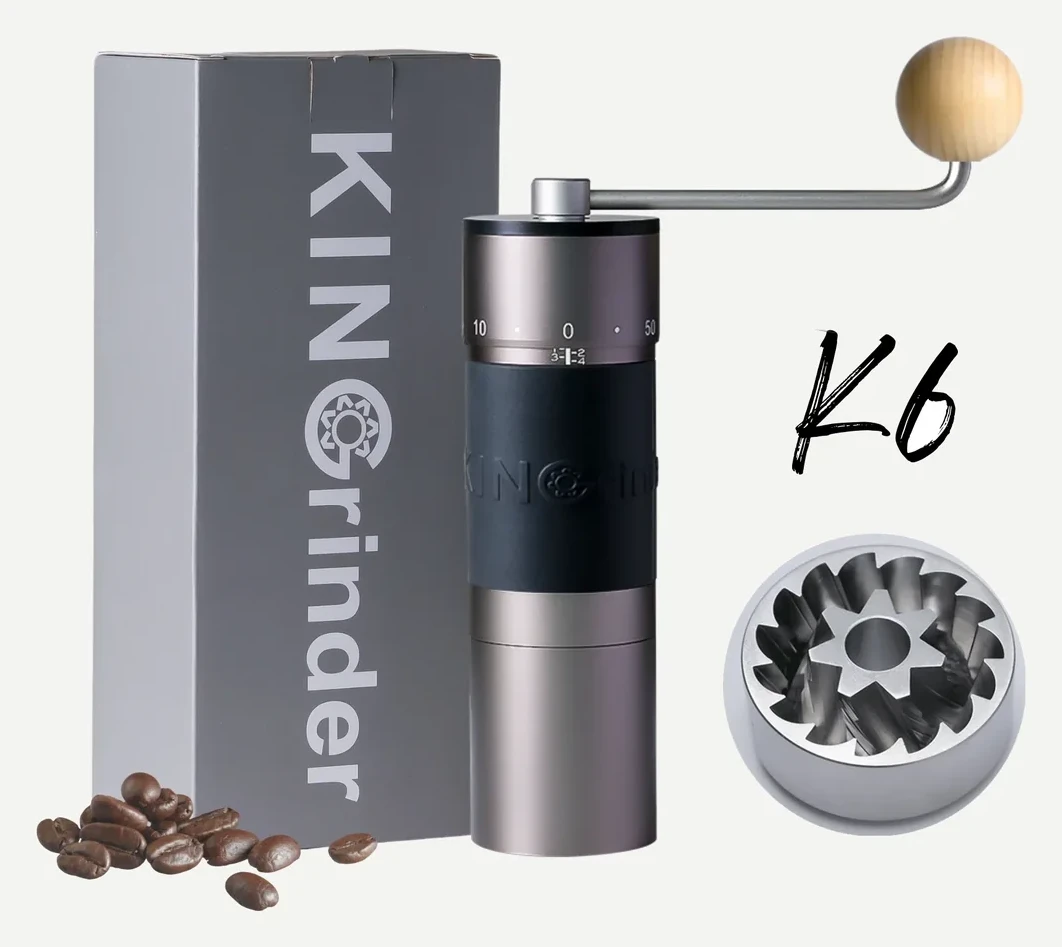
Grind immediately before brewing if you can. That single habit does more for a cup than any storage container, and it is the reason a grinder matters so much.
How long before old coffee is not worth drinking
For flavour: a few days to degas, then a usable window of roughly two to six weeks for whole beans, and a few days once ground. For caffeine: considerably longer than you will keep it. Coffee that is a year old will still wake you up and will not be worth drinking.
Does coffee lose caffeine as it sits after brewing?
No. A cup of coffee left on the counter for an hour, or a carafe on a hotplate all morning, has the same caffeine it had when it was brewed. What changes is the taste: aroma escapes, the coffee oxidises, and a hotplate slowly cooks it until it turns bitter and flat. Cold brew kept in the fridge holds its caffeine for days in the same way, though its flavour also fades after a week or so. If a reheated cup seems weaker, it is the flavour you are missing, not the stimulant.
What does change how much caffeine you get
The things that actually move the number are all on the brewing side. The amount of coffee you use matters most, then how long the water is in contact with it and how finely it is ground. Bean type matters too: robusta has roughly twice the caffeine of arabica, so a blend that includes it is stronger whatever its age. Our guide to arabica vs robusta explains the difference, and our caffeine guide gives typical amounts by drink.
Does coffee lose caffeine FAQ
Does old coffee have less caffeine?
Not meaningfully. Caffeine is chemically stable, survives roasting and brewing, and sits in stored beans essentially unchanged for months. Old coffee tastes weaker because aroma and sweetness have faded, not because the caffeine has gone.
Does coffee lose caffeine sitting on a hot plate?
No. The caffeine stays; the flavour degrades quickly through oxidation, within about half an hour. A pot kept warm all morning is chemically much the same drink and a considerably worse one.
How long do coffee beans stay good?
For flavour, a few days to degas after roasting and then roughly two to six weeks, or a few days once ground. For caffeine, far longer than you would keep them.