Chicory Coffee: What It Is and Why It Stayed
A roasted root that was a wartime substitute and became a preference. No caffeine, and a flavour that is genuinely its own rather than an imitation.
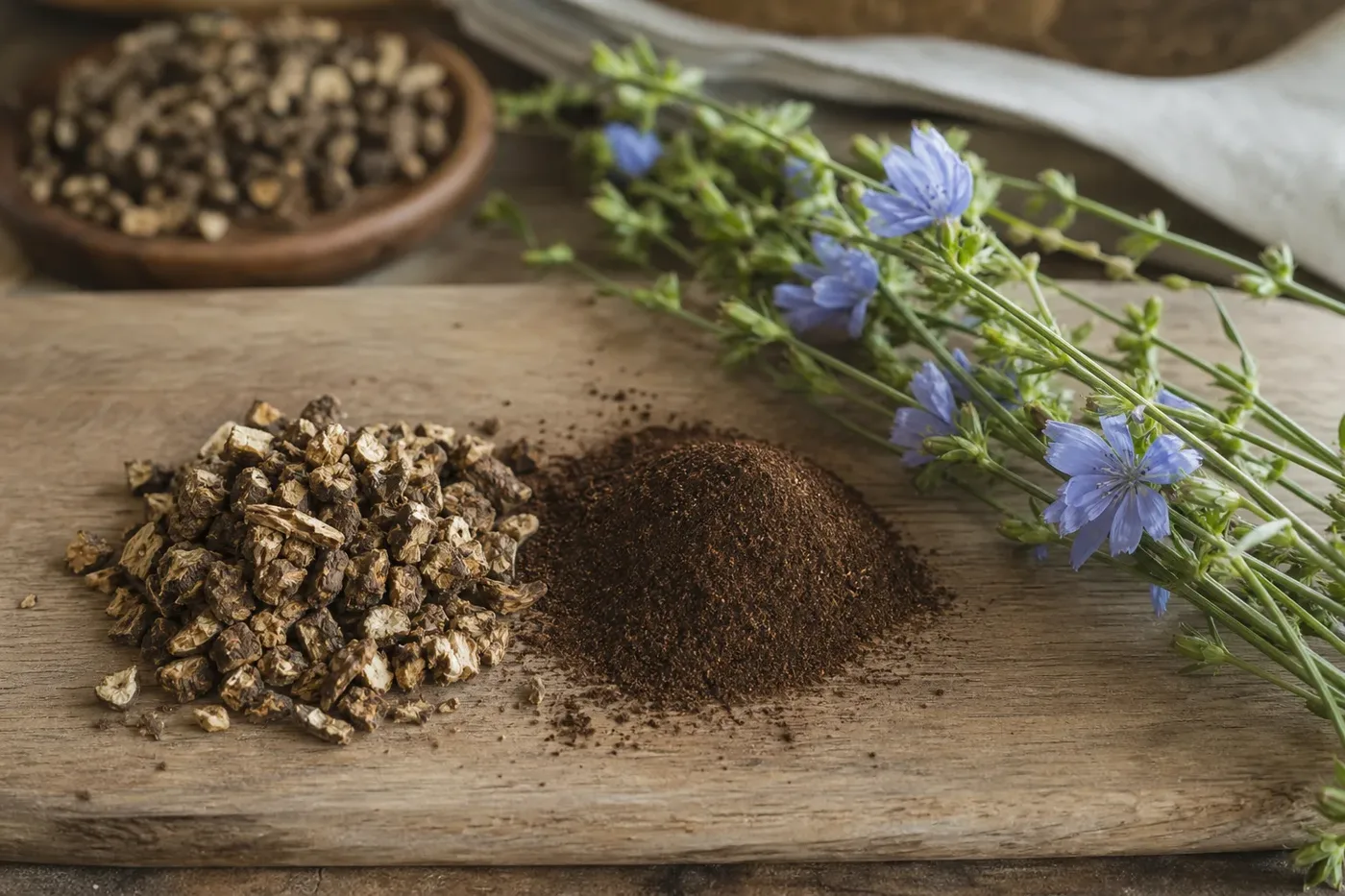
Chicory coffee is made from the roasted, ground root of the chicory plant, a relative of the dandelion. It is brewed like coffee and drunk like coffee, and it contains no caffeine at all, because it is not coffee.
What does chicory coffee taste like?
Roasted chicory is dark, woody and faintly sweet, with a bitterness that is rounder and less sharp than coffee's. It produces a noticeably thicker, heavier body, which is the reason it works so well with milk and the reason it survived long after anyone needed a substitute for anything.
Where it falls short is aroma. The volatile compounds that make coffee smell like coffee are not there, so a cup of pure chicory can smell flat even when it tastes good.
Why chicory coffee exists: a history of shortage
Chicory was adopted in France during the Napoleonic blockades, when coffee became scarce and expensive. It travelled to Louisiana with French settlers, and during the American Civil War blockade of New Orleans it became necessary again. Both times the shortage ended and the habit did not, which is a pattern coffee history repeats: the same thing happened in Spain with torrefacto.
New Orleans is where it is most visibly institutional, and it is the standard base of the New Orleans version of cafe au lait.
Chicory coffee blends vs pure chicory
Most chicory sold for drinking is a blend, commonly somewhere between 20 and 30 percent chicory to coffee, which keeps the caffeine and the aroma while adding body and cutting the cost. Pure chicory is sold as a caffeine-free alternative and is a different proposition: pleasant on its own terms, not a convincing impression of coffee.
If you are buying a blend, the percentage is the number that matters and good producers print it.
How to brew chicory coffee
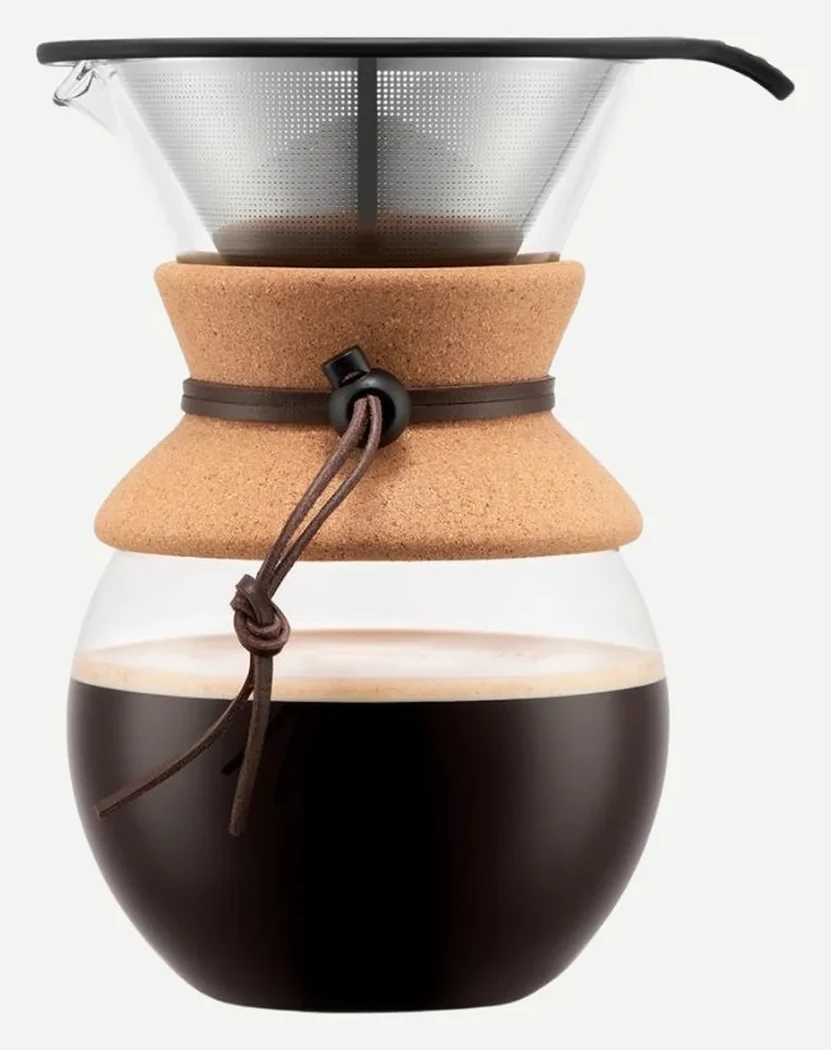
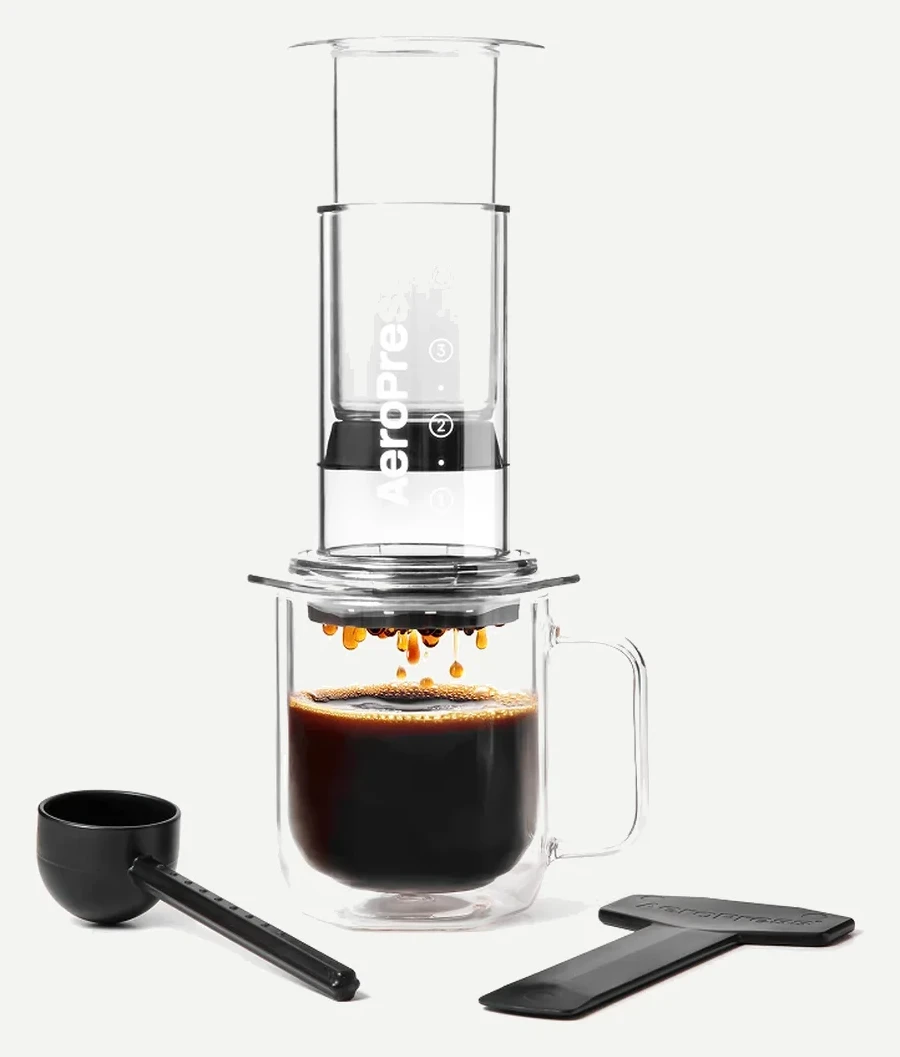
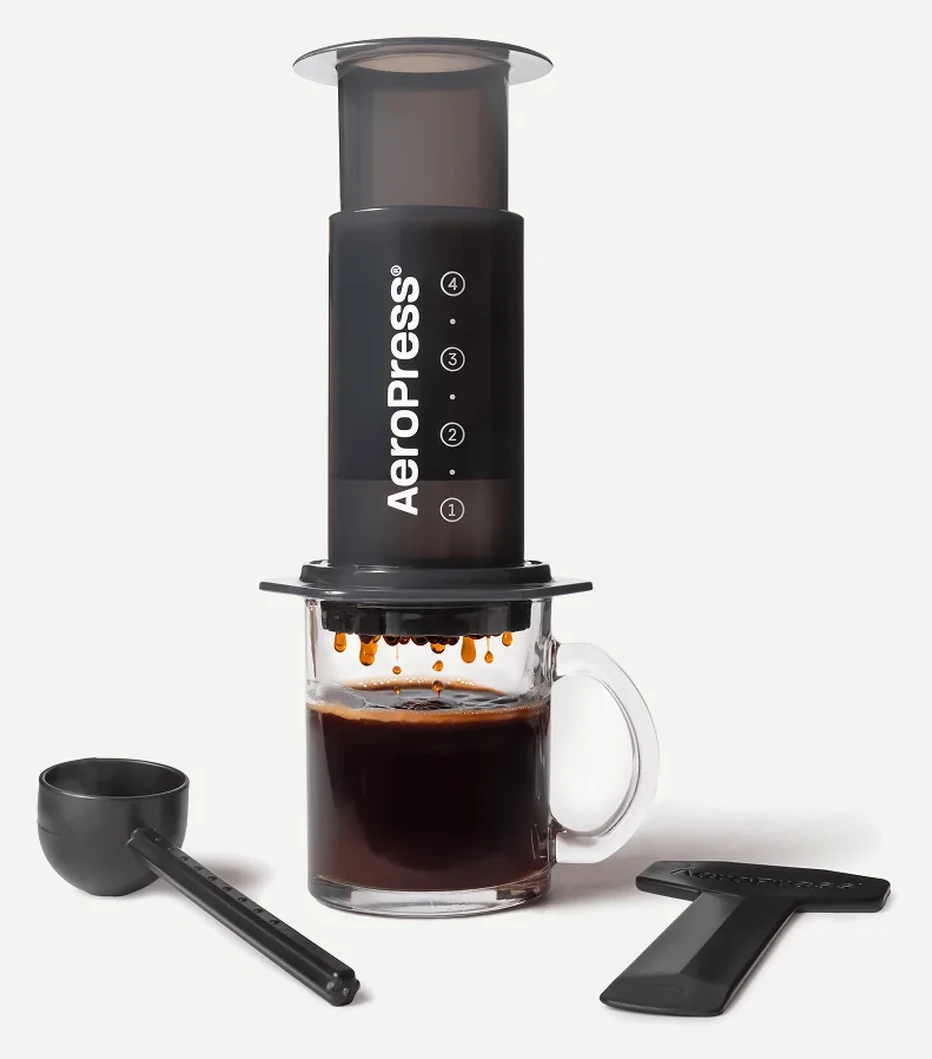
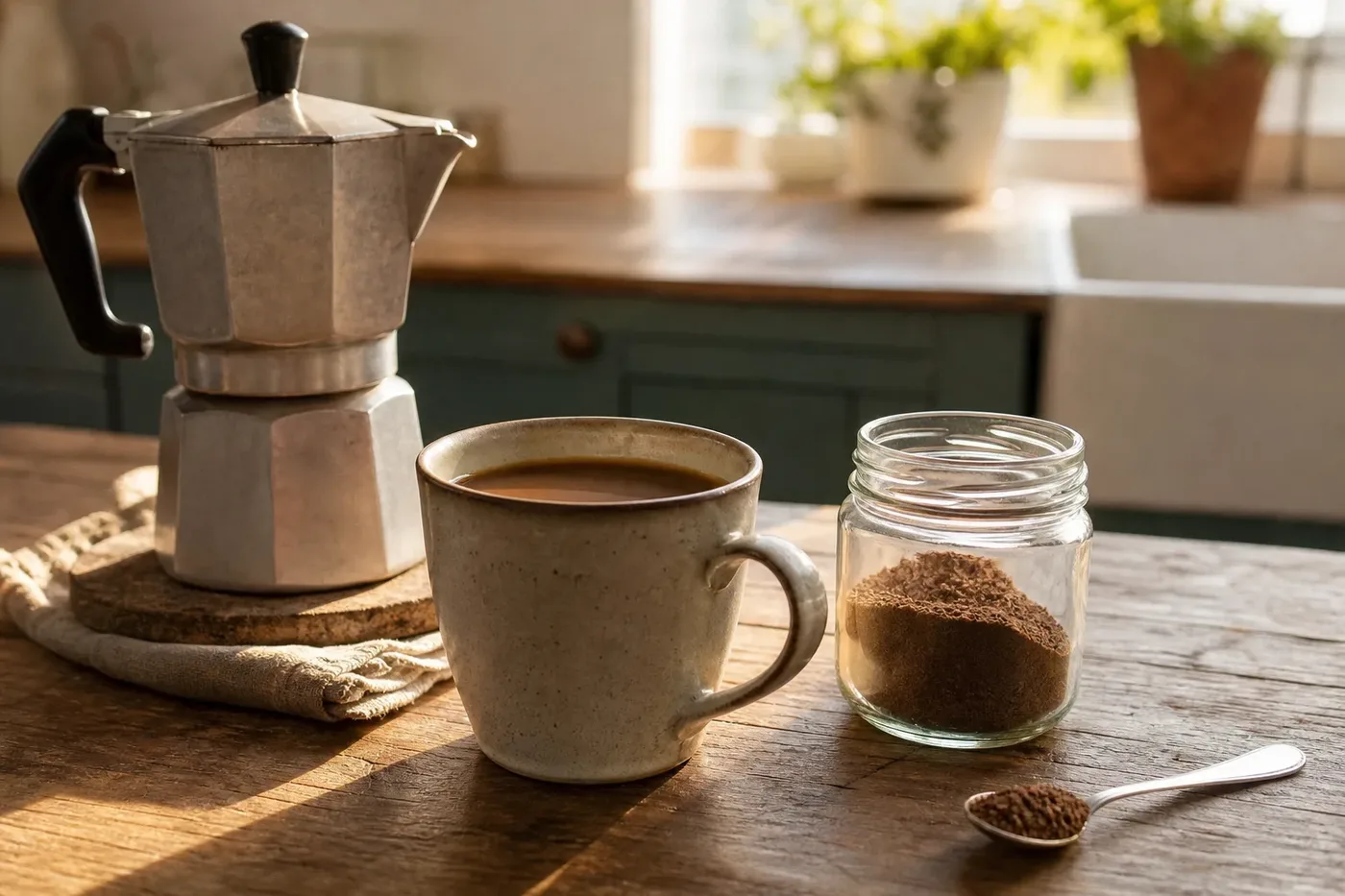
Chicory root is more soluble than coffee, so it extracts faster and can go bitter if you treat it identically. Use slightly less than you would use of coffee, and either a shorter brew or slightly cooler water. It suits immersion: a French press coffee maker or a pot, rather than a fast pour over.
It also foams poorly and does not produce crema, so it is not an espresso substitute in any meaningful way, whatever a machine might be willing to push water through.
Chicory and inulin: what the health claims rest on
Chicory root is high in inulin, a soluble fibre that acts as a prebiotic. That is a real and well-established property, and it is why chicory root extract turns up in processed food as a fibre additive. What follows from it in a cup of chicory coffee is less dramatic than the marketing around it, and inulin in quantity causes bloating and wind in a fair number of people, which is worth knowing before switching entirely.
The genuinely uncomplicated benefit is the obvious one: no caffeine. If you want the ritual and the bitterness in the evening without the stimulant, this does that, and it does it without the processing that decaffeination involves.
Other roasted roots and grains used like chicory
Chicory is the best known of a family. Roasted dandelion root is closely related and tastes similar with a sharper edge. Barley coffee, sold as caffe d'orzo, is standard in Italy and is served in bars alongside espresso without anyone treating it as a substitute. Roasted rye, acorn and fig all appear in European traditions, again usually dating from a shortage.
They share the same properties: no caffeine, plenty of body, roasted bitterness and very little aroma. If chicory does not suit you, orzo is the most widely available of the alternatives and the mildest.
Who chicory coffee suits
Anyone cutting caffeine who misses the taste rather than the effect, anyone drinking coffee with a lot of milk who wants more body, and anyone curious about what New Orleans coffee actually is. Anyone chasing the aromatics of a good single origin lot should stay well away.
Chicory coffee FAQ
Does chicory coffee have caffeine?
Pure chicory has none at all, because it is roasted chicory root rather than coffee. Blends do, in proportion to how much coffee they contain, and good producers print the percentage.
What does chicory coffee taste like?
Dark, woody and faintly sweet, with a rounder and less sharp bitterness than coffee and a noticeably heavier body. What it lacks is aroma, so it can smell flat even when it tastes good.
Is chicory coffee good for you?
Its main claim rests on inulin, a soluble fibre and prebiotic, which is a real property. The effect from a cup is more modest than the marketing suggests, and inulin causes bloating in a fair number of people. The uncomplicated benefit is that it contains no caffeine.