Barako Coffee: The Philippine Liberica That Nearly Disappeared
Big beans, a smell you can identify across a room, and a crop that went from a national export to an endangered heritage product in one century.
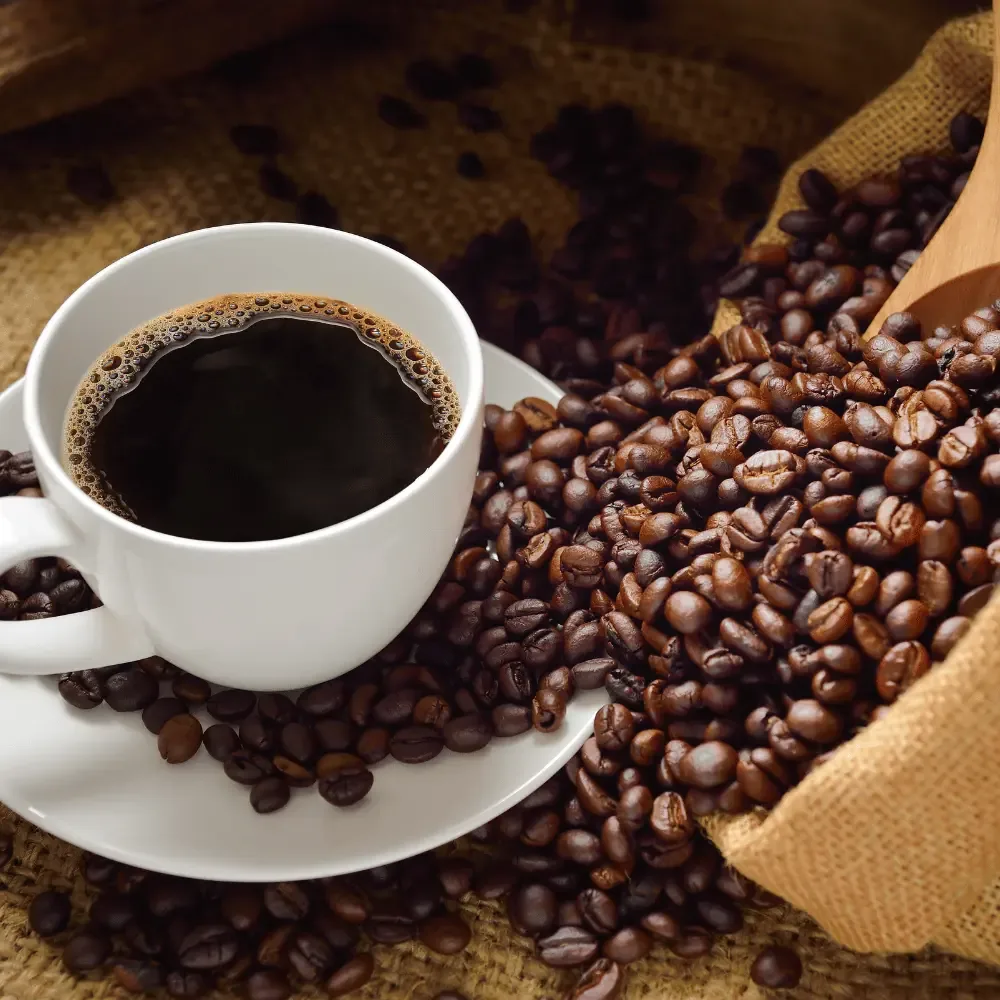
Barako is Philippine liberica, and it is the clearest example in coffee of a crop kept alive by the people who drink it rather than by the market that used to export it. The name means something like "tough" or "stud", which tells you most of what you need to know about the cup.
What is barako coffee?
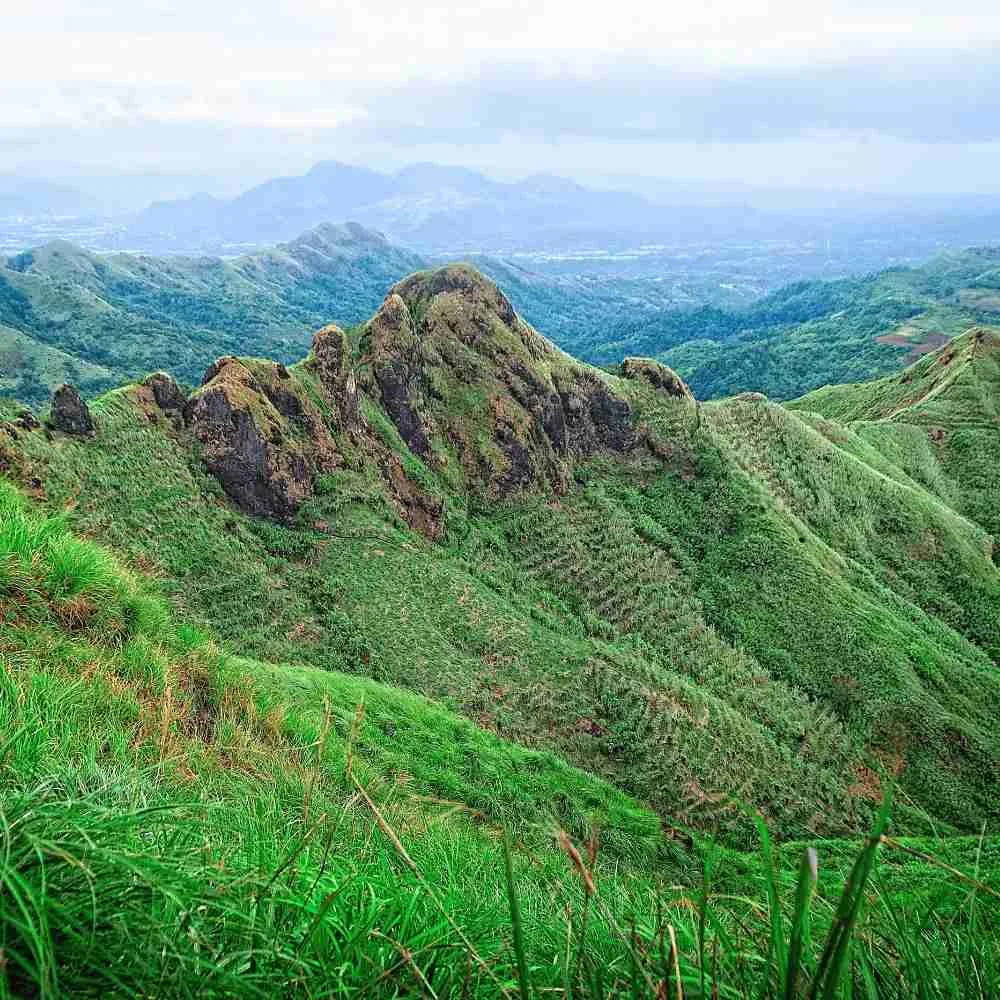
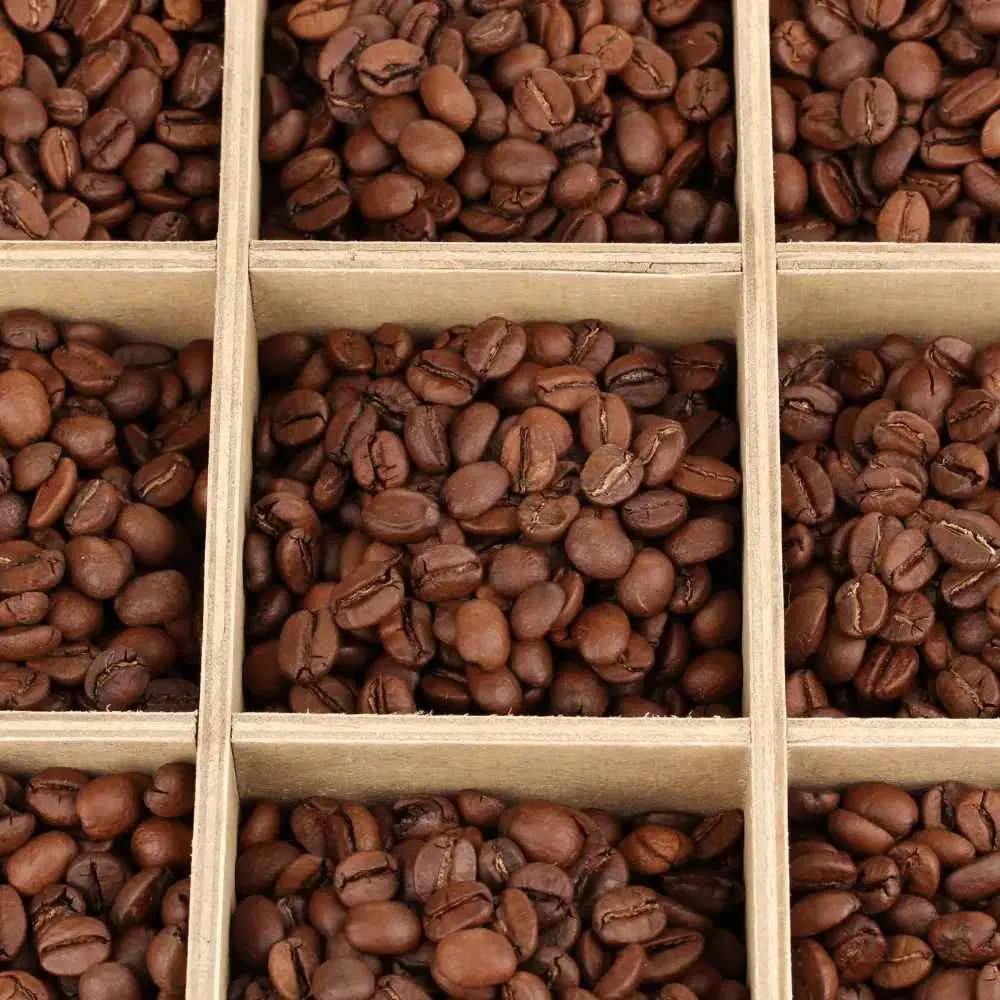
Coffea liberica, grown principally in Batangas and Cavite in Luzon. The beans are large, irregular and asymmetric, noticeably bigger than arabica, and the difference is visible at a glance in the bag.
The word barako is used two ways: for the variety, and for the style of drinking it, which is strong, black and often sweetened. Both usages are current in the Philippines and neither is a misuse.
Barako coffee aroma and taste
Barako's aroma is the first thing anyone notices and the hardest to describe without sounding fanciful. The usual words are smoky, woody and aniseed, and it is strong enough to fill a room from a single cup.
In the cup it is heavy-bodied and low in acidity, with the same woody finish that runs through the liberica family, including excelsa. It is not subtle, and it is not trying to be. Anyone who has trained their palate on bright washed African coffees tends to find it startling.
How barako coffee nearly disappeared
In the late nineteenth century the Philippines was a significant coffee exporter. Then coffee rust arrived and production collapsed.
Replanting went to varieties that yielded better and were easier to harvest, which liberica is not: the trees grow tall, the cherries ripen unevenly, and the labour per kilogram is high. What survived did so because there was a domestic market that specifically wanted this coffee and would not accept a substitute.
Barako has since been listed on the Slow Food Ark of Taste, the register of foods considered at risk of being lost. That is an accurate description of its position: not extinct, not secure.
How to brew barako coffee
Traditionally, coarsely ground and boiled, either in a pot or through a cloth sock strainer. It is drunk strong and usually sweetened, often with the local muscovado.
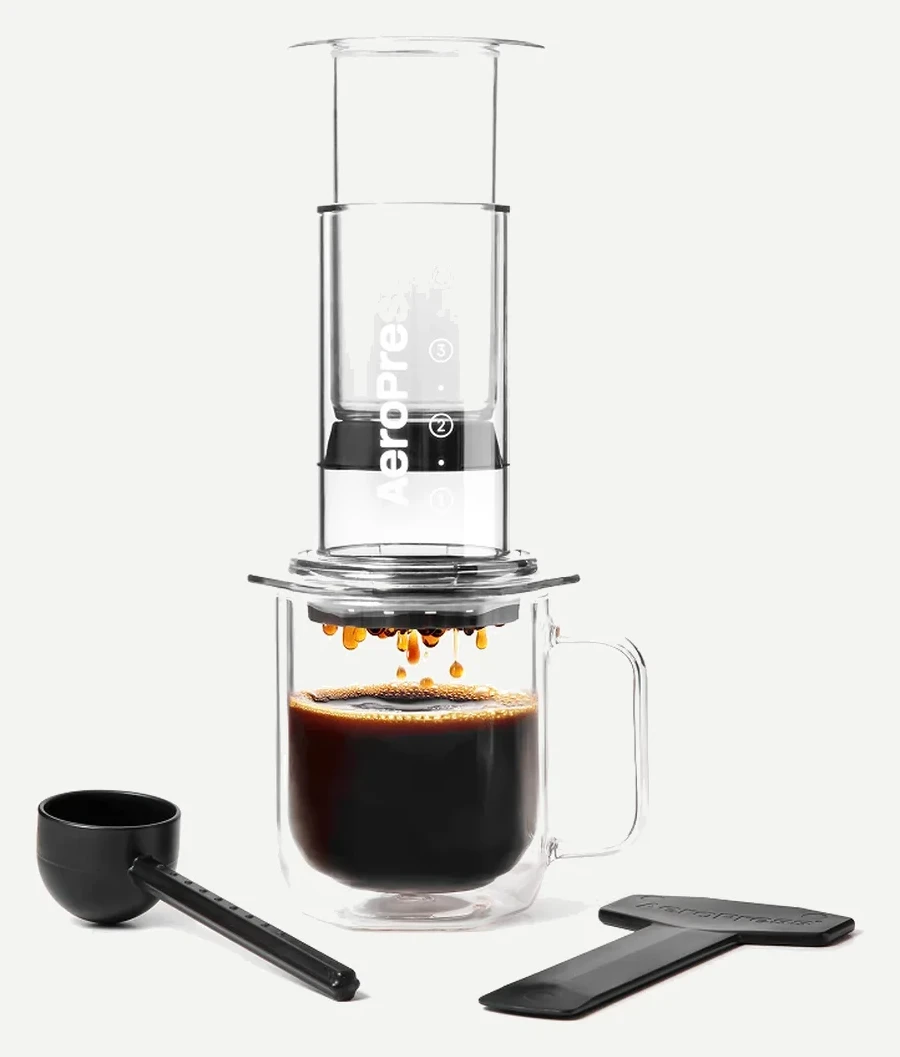
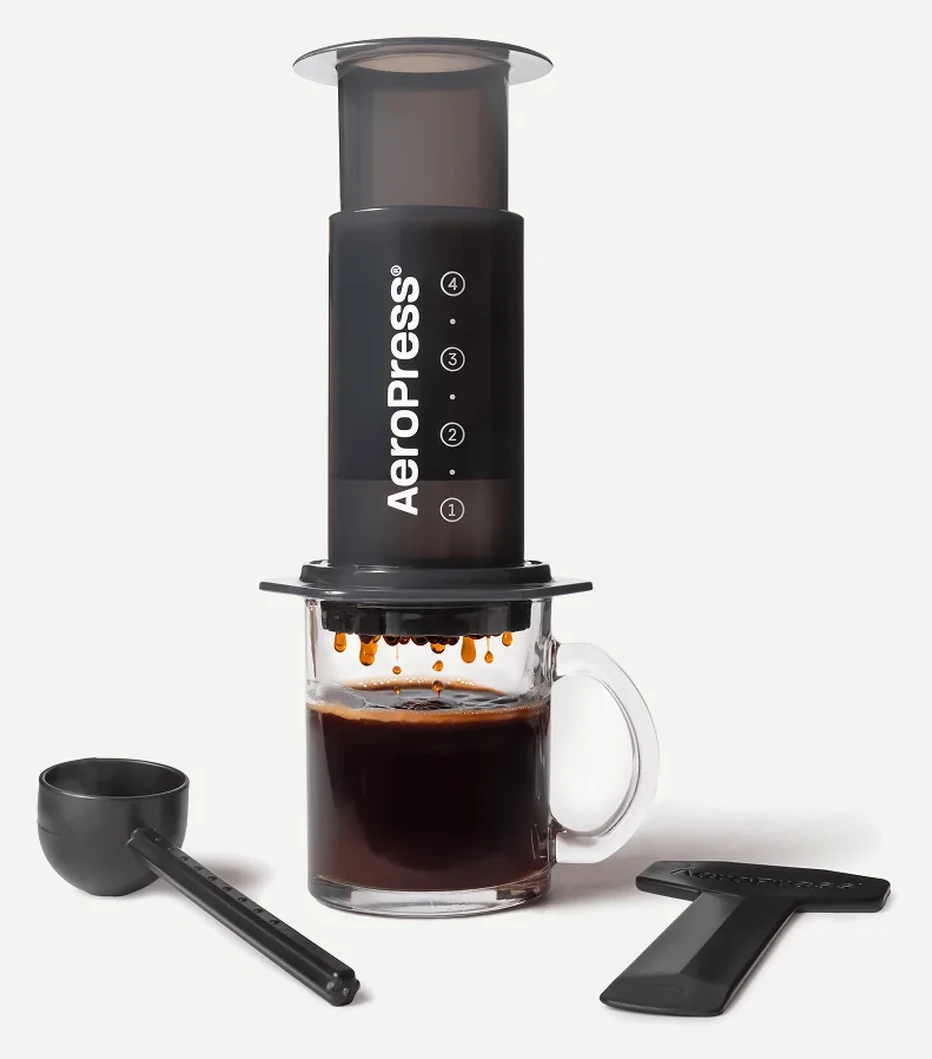
That method suits it. Boiling ruins a delicate coffee by driving off the aromatics it was bought for, and barako's aromatics are robust enough to survive it. The same is true of the French press brewer, which is the closest common equivalent and a good way to try it: full immersion, coarse grind, no paper to strip the oils.
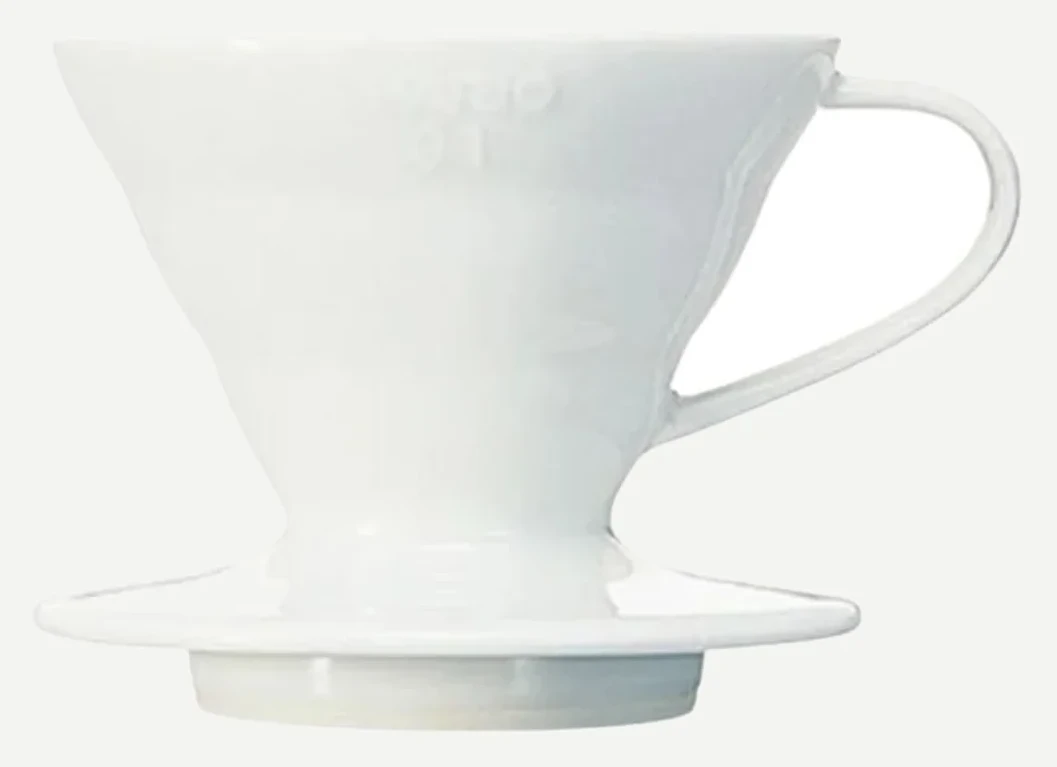
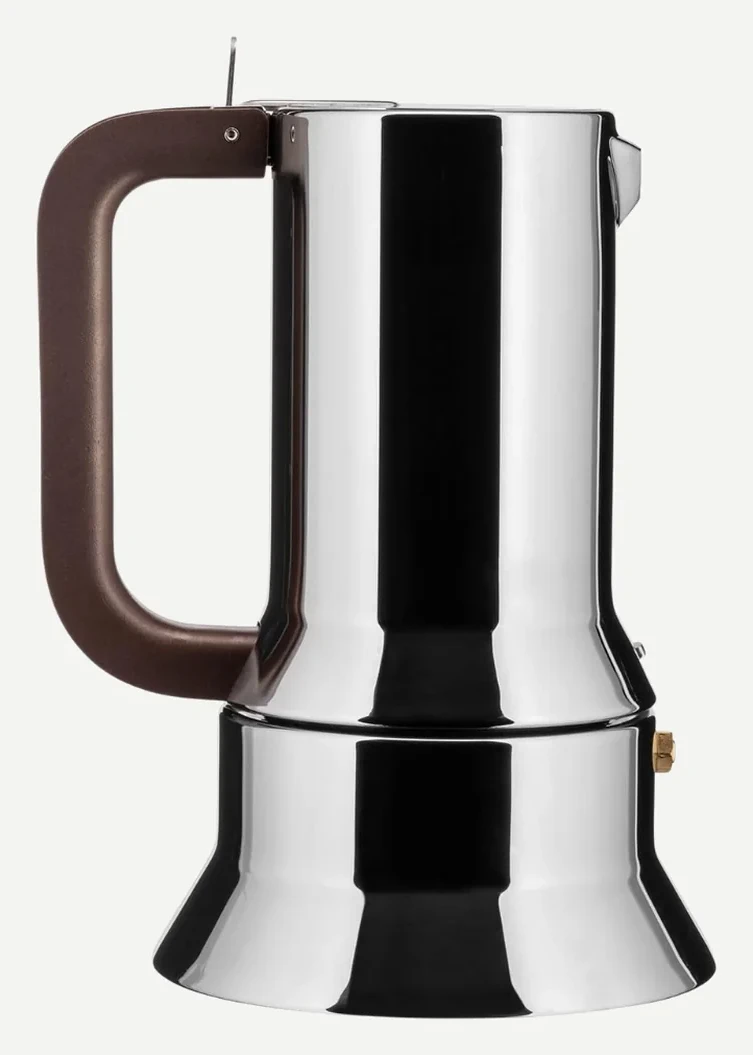
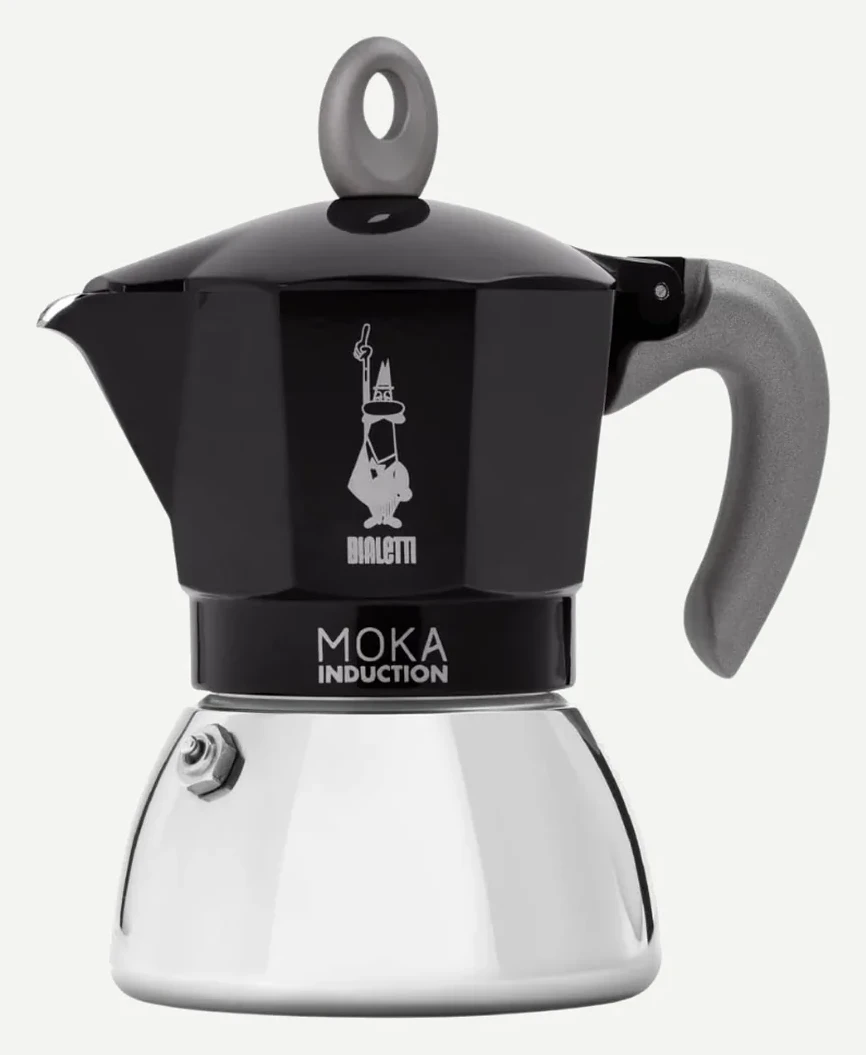
It also works in a stovetop coffee maker, where the body and low acidity are an advantage. It is a poor choice for a delicate pour over, which is built to showcase exactly the qualities barako does not have.
Where to buy barako coffee
Outside the Philippines it is genuinely hard to buy, and what does travel is usually sold to the diaspora rather than through speciality channels. If you find it, buy it whole bean if you can: pre-ground barako loses the aroma that is the entire reason to drink it, and the aroma goes first.
What barako coffee is served with
Barako is a breakfast and merienda drink rather than a cafe one. It is served black, sweetened with muscovado, and drunk alongside pandesal, the soft rolls sold warm in the morning.
The pairing is not incidental. The coffee is heavy and faintly bitter, the bread is plain and slightly sweet, and each makes the other easier to take. Asking for milk in Batangas marks you out immediately, though nobody will mind.
What to expect from your first barako
Expect it to be stronger than you planned for, and expect the aroma to arrive well before the cup does.
Two pieces of advice from people who drink it daily. Sweeten it, at least the first time, because the sugar does not mask the coffee so much as hold the woody finish in place. And do not judge it on a thimble: the profile builds across a cup, and a small serving reads as harsh where a full one reads as rich.
Barako coffee FAQ
What kind of coffee is barako?
Coffea liberica, grown mainly in the Batangas and Cavite provinces of the Philippines. The name is used both for the variety and for the strong local style of brewing it.
What does barako taste like?
Heavy-bodied and woody, with a distinctive aroma often described as smoky or aniseed-like. It is much less acidic than arabica and considerably more assertive.
Why is barako rare?
Coffee rust devastated Philippine production in the late nineteenth century, and replanting favoured higher-yielding varieties. Liberica trees are also large and slow to harvest, so the economics never recovered. It survives mainly on domestic demand.
How is barako brewed traditionally?
Coarsely ground and boiled, often in a cloth sock strainer called a bandang or in a pot, and drunk strong and sweetened. It stands up to boiling in a way lighter coffees do not.