What Is Excelsa Coffee?
The fourth commercial coffee, grown in tiny quantities, tasting like neither arabica nor robusta and reclassified out of its own species.
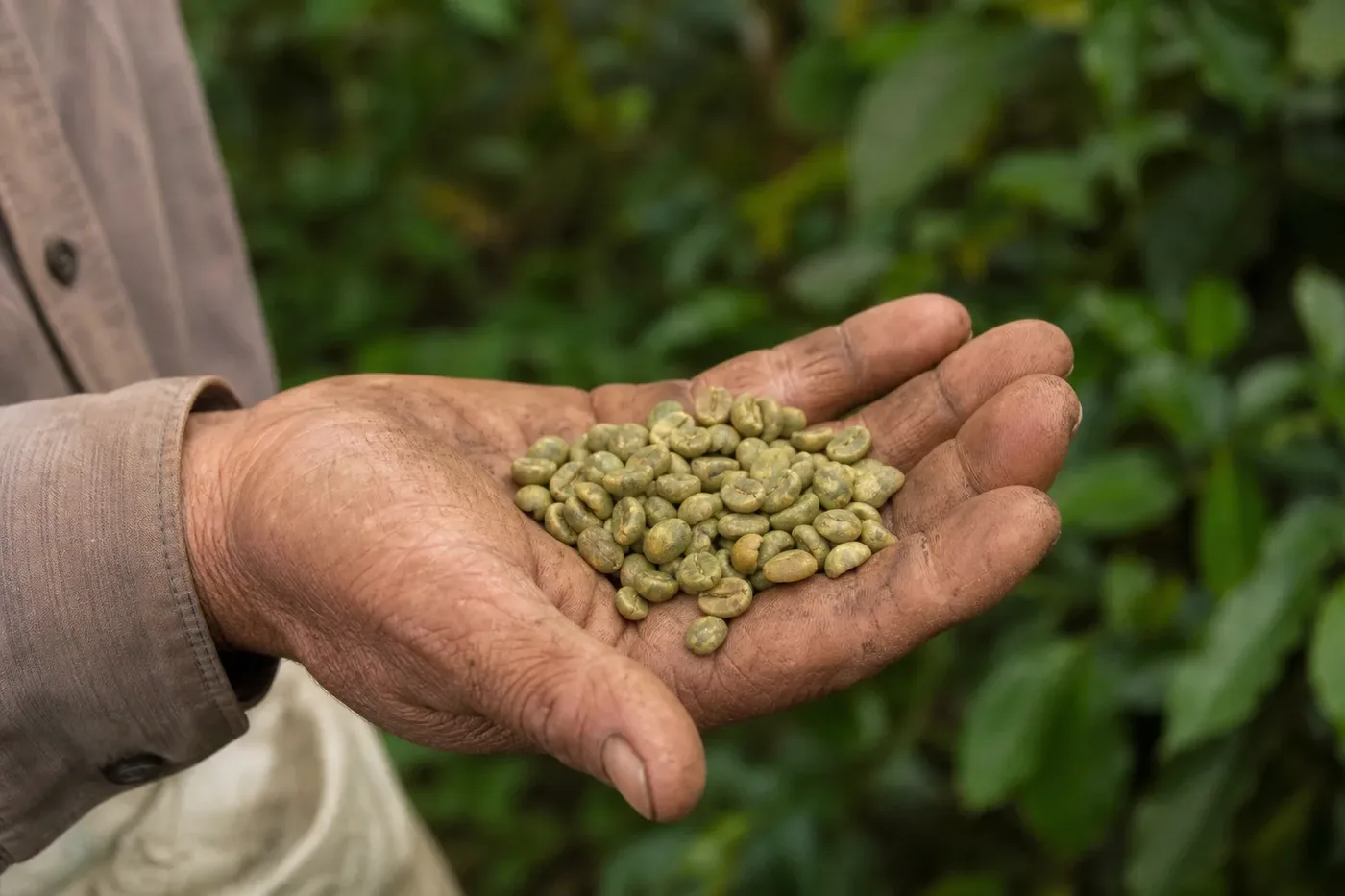
Nearly all the coffee in the world is arabica or robusta. Excelsa is the interesting fraction of what is left: grown in small quantities, tasting like neither, and now classed by botanists as a variety of liberica rather than a species of its own.
Why excelsa was reclassified as a variety of liberica
Excelsa was originally described as its own species, Coffea excelsa. Botanists have since folded it into Coffea liberica as a variety, on the grounds that the differences were not enough to keep them apart.
The trade did not follow. Bags still say excelsa, importers still list it separately, and liberica and excelsa are sold as different coffees because in the cup they are different enough to matter to a buyer. Both labels are in current use and neither is wrong.
What excelsa coffee tastes like
The common description is that it tastes like two coffees at once, and that is a fair summary rather than a flourish.
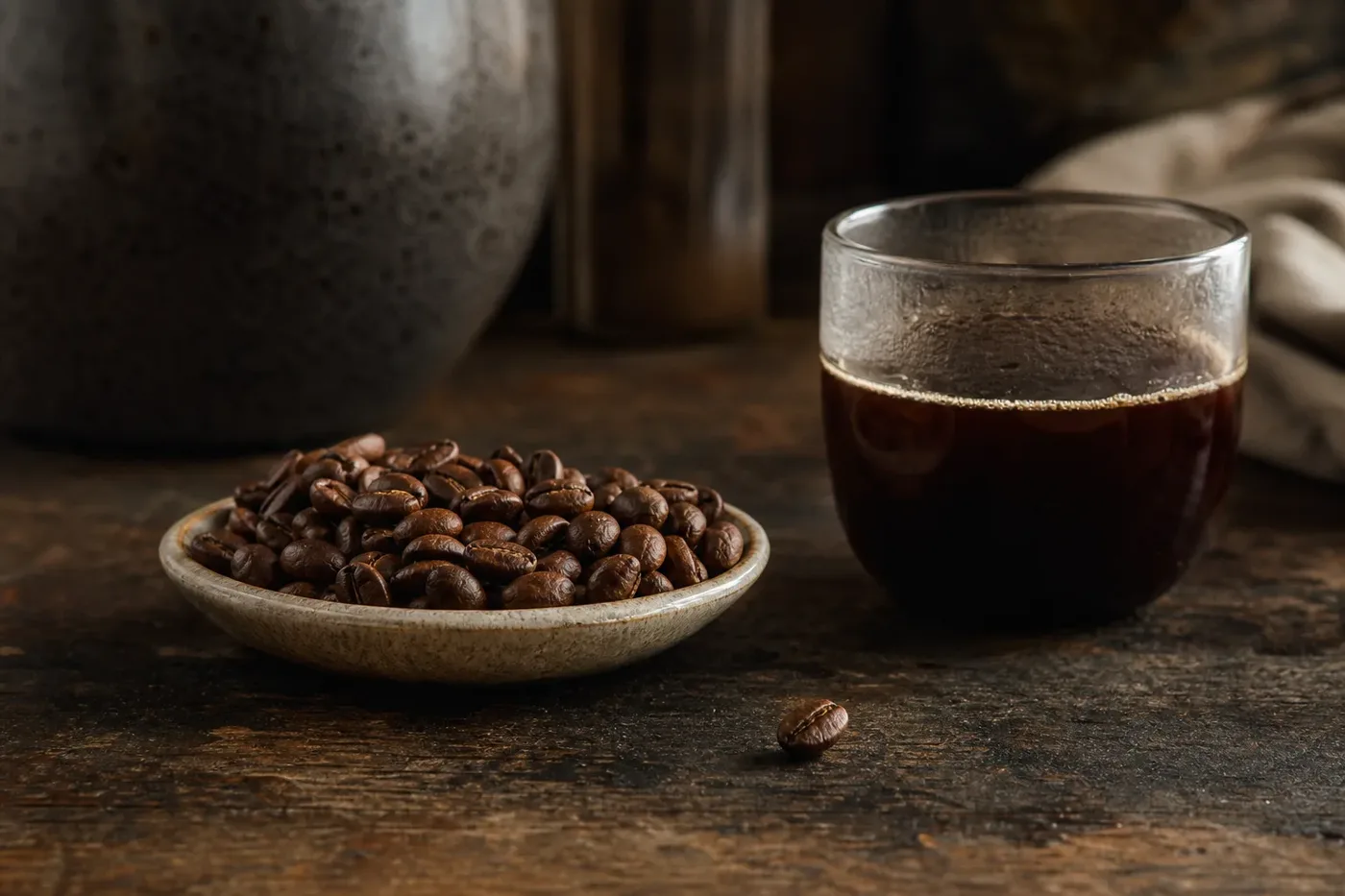
The front of the cup is tart and fruity, closer to a light-roast arabica than to anything robusta does. The finish is dark, woody and slightly savoury, which is where the liberica family shows. The body is lighter than the finish leads you to expect.
It is genuinely unusual, and unusual is not the same as better. Plenty of people try it once and go back to what they were drinking. What it is not is a novelty with nothing behind it: the flavour profile is distinct and reproducible.
Why so little excelsa is grown
Several reasons compound.
- Yield and economics. Arabica commands the speciality premium and robusta commands the volume market. Excelsa sits between with neither advantage.
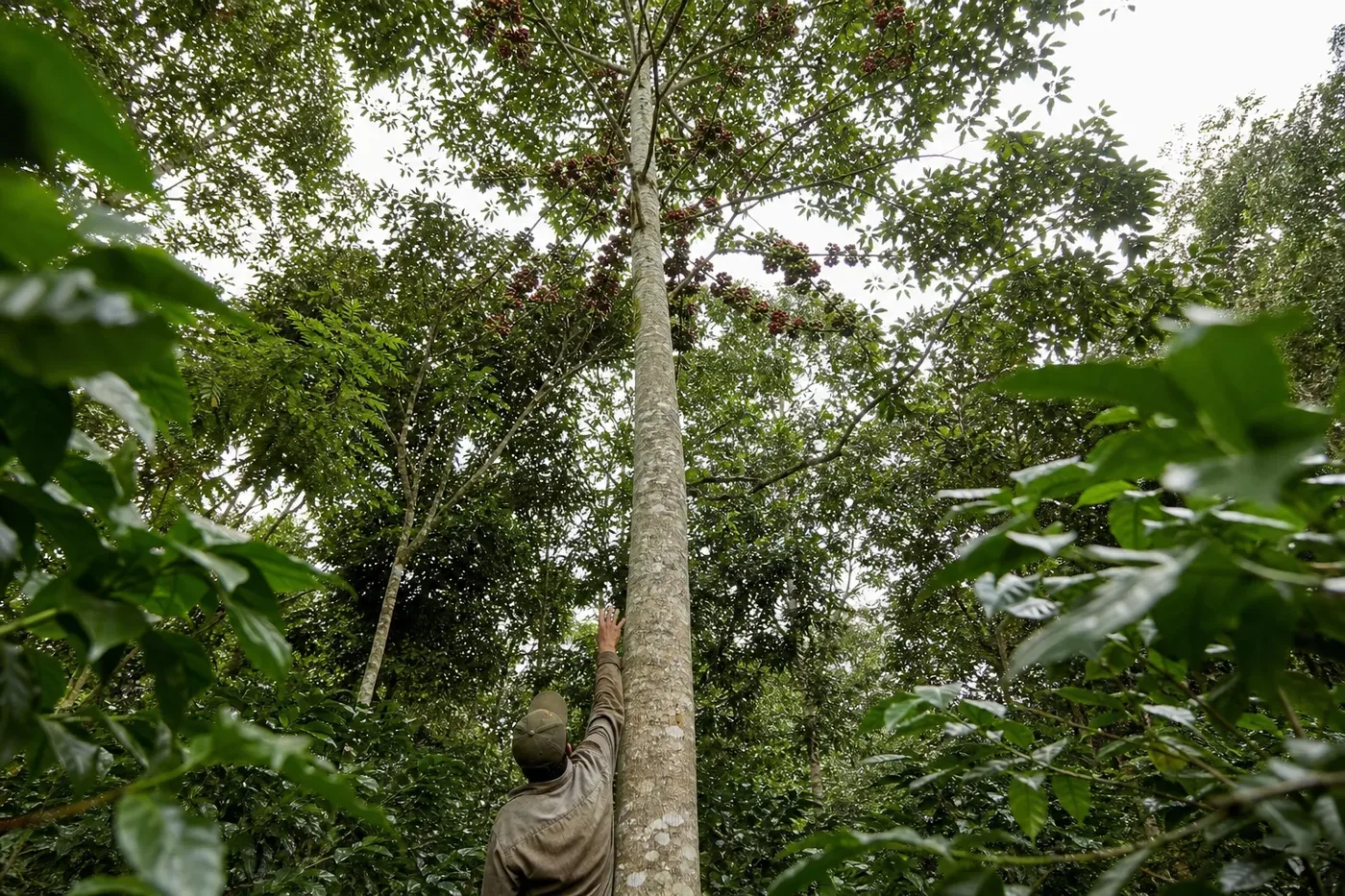
- Tree size. Liberica-family trees are large, which makes harvesting slower and more expensive than the compact arabica varieties farms are built around.
- Processing. The cherries and beans are irregularly sized, so equipment calibrated for arabica does not handle them cleanly.
- Market familiarity. Buyers know what to do with arabica. An unfamiliar coffee has to be sold as well as grown.
Where excelsa coffee comes from
Mostly Southeast Asia. Vietnam and the Philippines account for most of it, with small amounts elsewhere, including parts of Africa where the liberica family originates. In the Philippines it sits alongside barako, which is the same family and a similar story of a heritage crop kept alive by a domestic market rather than an export one.
Should you try excelsa coffee?
If you have been drinking arabica for years and want to be surprised, yes, and it is a more interesting surprise than most single origins offer because the difference is categorical rather than a matter of degree.
Buy it as a single origin from a roaster who is selling it deliberately rather than clearing stock, brew it as a filter rather than as espresso, and take it at a lighter ratio than you normally would. The tartness is the point and a heavy ratio buries it. Our coffee reviews cover what is worth buying, and the roasters we track are the likeliest source.
Excelsa, liberica and the other names on the label
Because the botany and the trade disagree, the same coffee can arrive under three different names, and none of them is wrong.
- Excelsa. The trade name, and the one most roasters print. It signals the tart-and-woody profile buyers are actually looking for.
- Liberica. The species. A bag labelled this way may be excelsa, or it may be the heavier, smokier side of the family.
- Liberica var. excelsa. Botanically current, and a fair sign the roaster knows what they bought.
If a bag says only liberica, ask which. The two ends of that family taste far enough apart that guessing is not worth the money.
What excelsa costs, and why that is strange
Excelsa is rare, and rare normally means expensive. It often is not, because scarcity only sets a price where there is demand waiting to meet it, and most of the world has never been offered the coffee at all.
What you find instead is a wide spread. Some lots are priced as a curiosity at full speciality rates. Others sit close to commodity robusta, because the farm needed to move them and there was no premium market to move them into. Price is therefore a poor guide to quality here, which is unusual in coffee and worth knowing before you assume the cheaper bag is the worse one.
Excelsa coffee FAQ
Is excelsa its own species?
Not any more. It was described as Coffea excelsa and is now generally treated as a variety of Coffea liberica. The trade still sells it under the excelsa name, which is why the two labels coexist.
What does excelsa taste like?
Tart and fruity, with a light body and a dark, almost savoury finish that neither arabica nor robusta produces. It is commonly described as tasting like two coffees at once, bright at the front and heavy at the back.
Where is excelsa grown?
Mostly Southeast Asia, particularly Vietnam and the Philippines, with small amounts in parts of Africa and India. Total production is a very small fraction of world output.
Can I buy excelsa?
Yes, from speciality importers and roasters who seek it out, usually as a single origin sold on its unusualness. It is rarely on a supermarket shelf and almost never in a blend you would find by accident.