What Is Liberica Coffee?
The third commercial coffee species: huge trees, big lopsided beans, a smoky and divisive cup, and a history that runs through a plant disease.
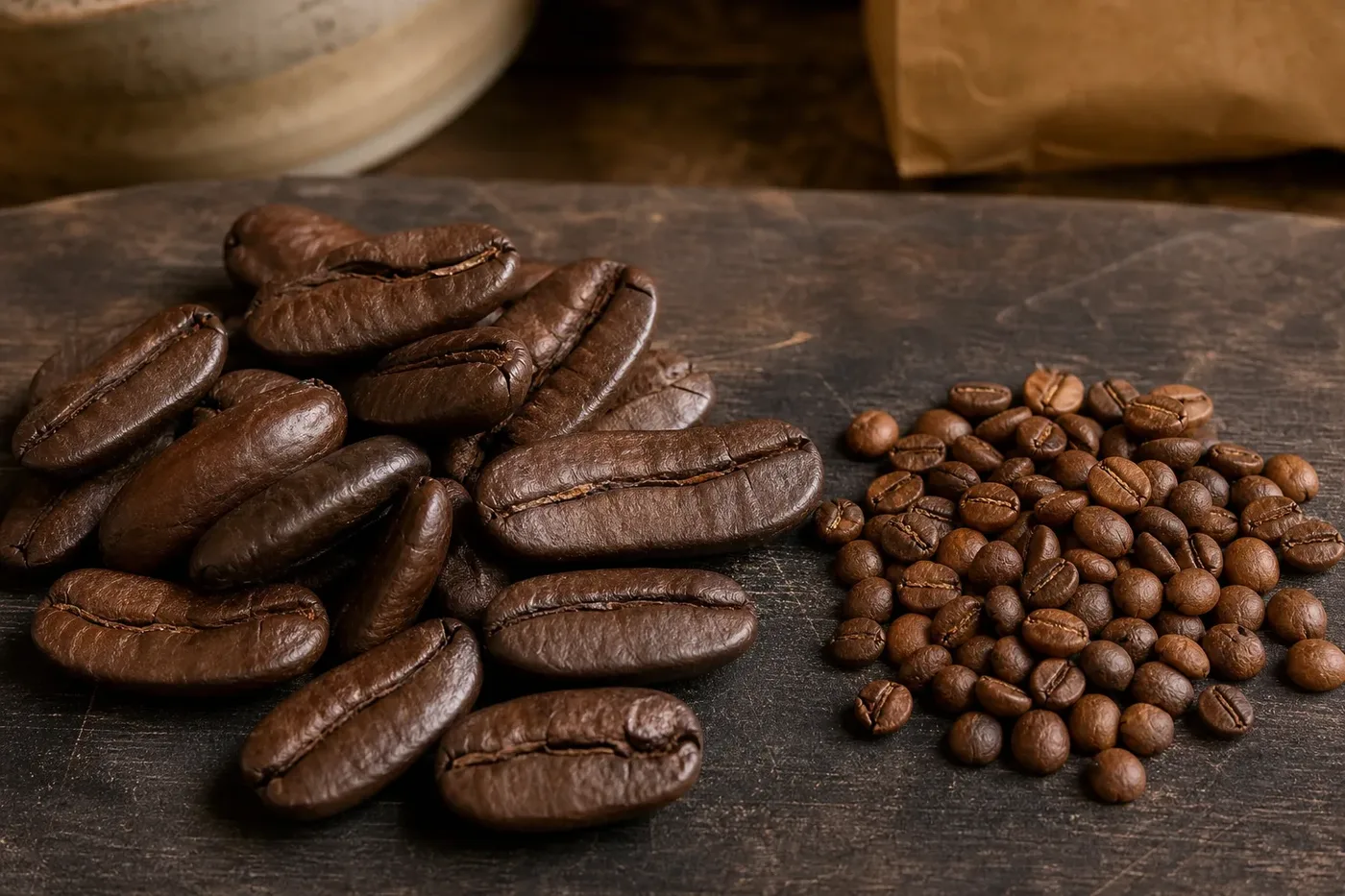
Liberica is a species of coffee, Coffea liberica, and the third one grown commercially after arabica and robusta. It accounts for only a small fraction of the coffee the world drinks, somewhere around one or two percent by most estimates, and tastes unlike either of the two species that dominate every supermarket shelf.
Where liberica coffee comes from
The species is native to West and Central Africa and takes its name from Liberia. Today most of it is grown in Southeast Asia, particularly the Philippines, Malaysia and Indonesia, where it arrived for a specific reason and stayed because local drinkers came to prefer it.
Liberica is a tree, not a bush
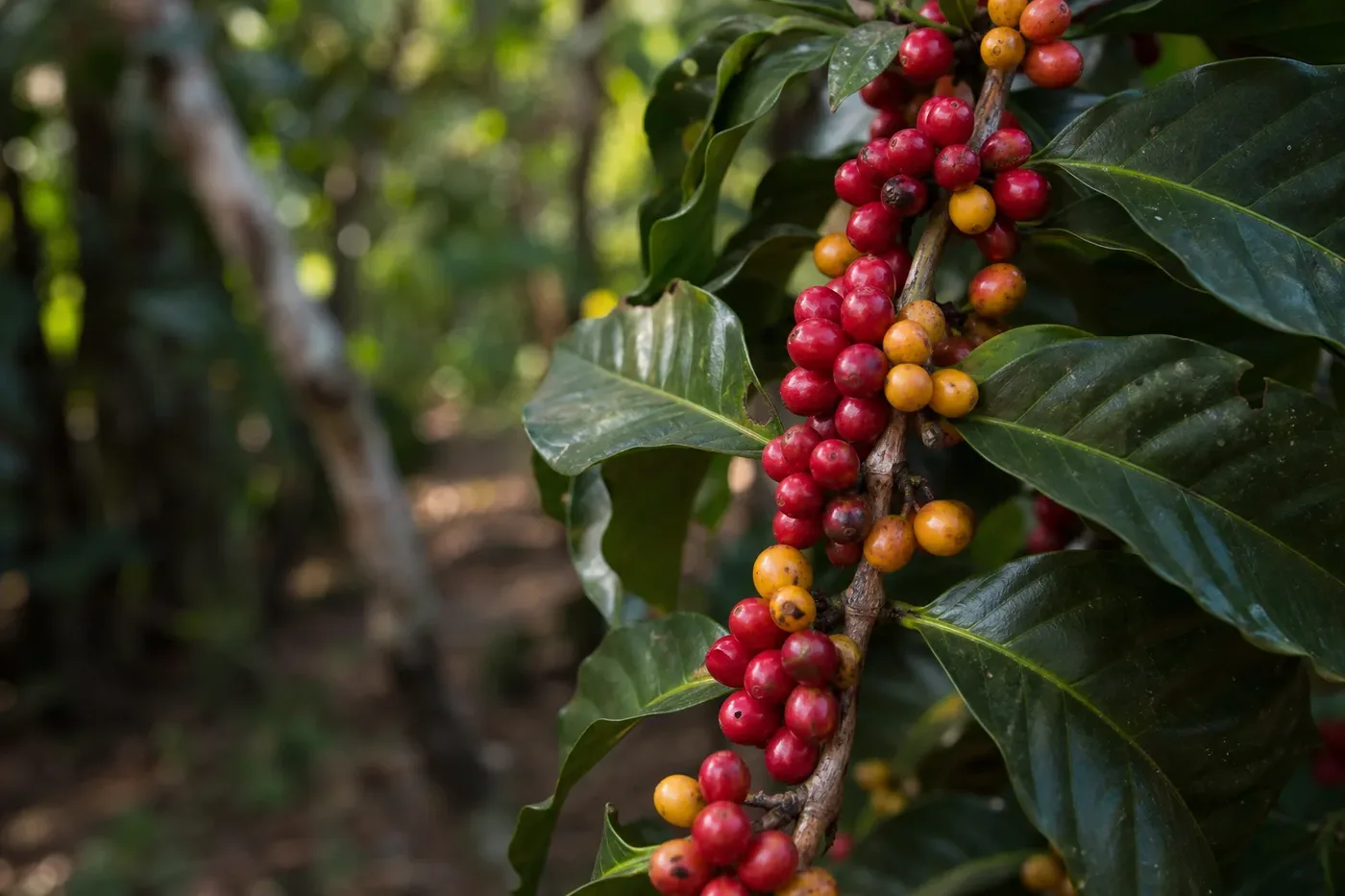
Arabica and robusta are grown as shrubs that pickers can reach from the ground. Liberica grows into a tall tree, reaching many metres if it is left unpruned, with thick, leathery leaves and very large cherries. The beans inside are the largest of the commercial species and noticeably irregular: long, asymmetric and often shaped like a teardrop. Harvesting is slower and more expensive as a result, which is a large part of why so little is grown.
What liberica coffee tastes like
Liberica is polarising. The usual descriptions are smoky, woody and dark, with a heavy body and low acidity, and an aroma that some people find floral or fruity, even reminiscent of jackfruit. People raised on it tend to love it. People used to bright arabica often find it harsh on first taste.
Liberica also includes the coffee long sold as excelsa, which botanists now treat as a variety of the same species. Excelsa is the tart, fruit-forward end of the family; classic liberica is the smoky, heavy end. The Philippine version is covered in barako.
How a plant disease spread liberica
In the late nineteenth century coffee leaf rust swept through the arabica plantations of Asia, destroying production in places that had been major exporters. Liberica tolerated the disease better and could grow in hot lowland conditions, so it was planted as a replacement across the region.
Its time as the answer was short. Robusta, which arrived soon after, was even more resistant and far more productive, and it replaced much of the liberica that had just been planted. What survived did so in places where the taste had taken hold, which is why liberica is now so closely tied to a handful of countries rather than spread across the tropics.
Why liberica is getting attention again
Liberica tolerates heat and low altitude better than arabica, which makes it interesting as the climate warms and land suitable for arabica shrinks. Researchers and some speciality roasters have started looking at it as a crop with a future rather than a curiosity. That work is early, and a better-tasting, reliably productive liberica is still a goal rather than a product you can buy by the bag. The pressures driving it are set out in the coffee belt.
How much caffeine is in liberica coffee?
Published figures vary, and most place liberica below robusta. It is not a high-caffeine coffee, despite a flavour that people often describe as strong.
How liberica is drunk: kopi in Malaysia
In Malaysia much of it goes into kopi, the strong coffee of traditional coffee shops, often roasted with sugar and fat in a method related to Spanish torrefacto and served with sweetened condensed milk. Its weight and low acidity suit that style well.
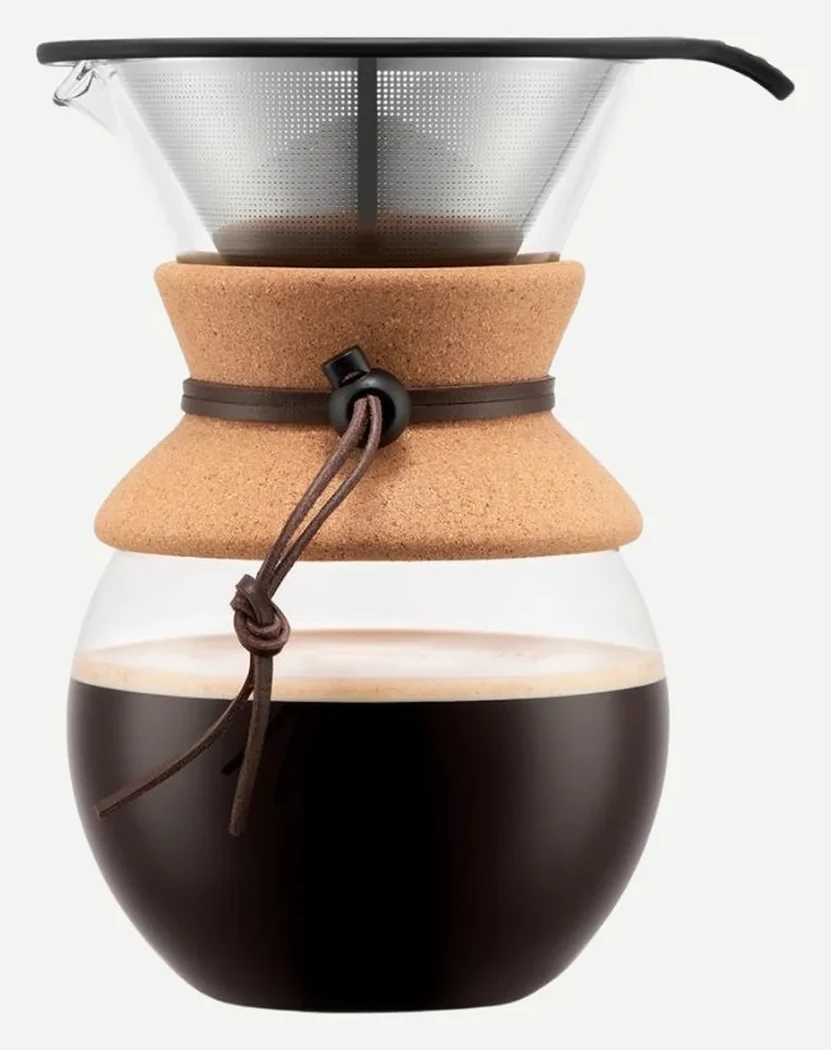
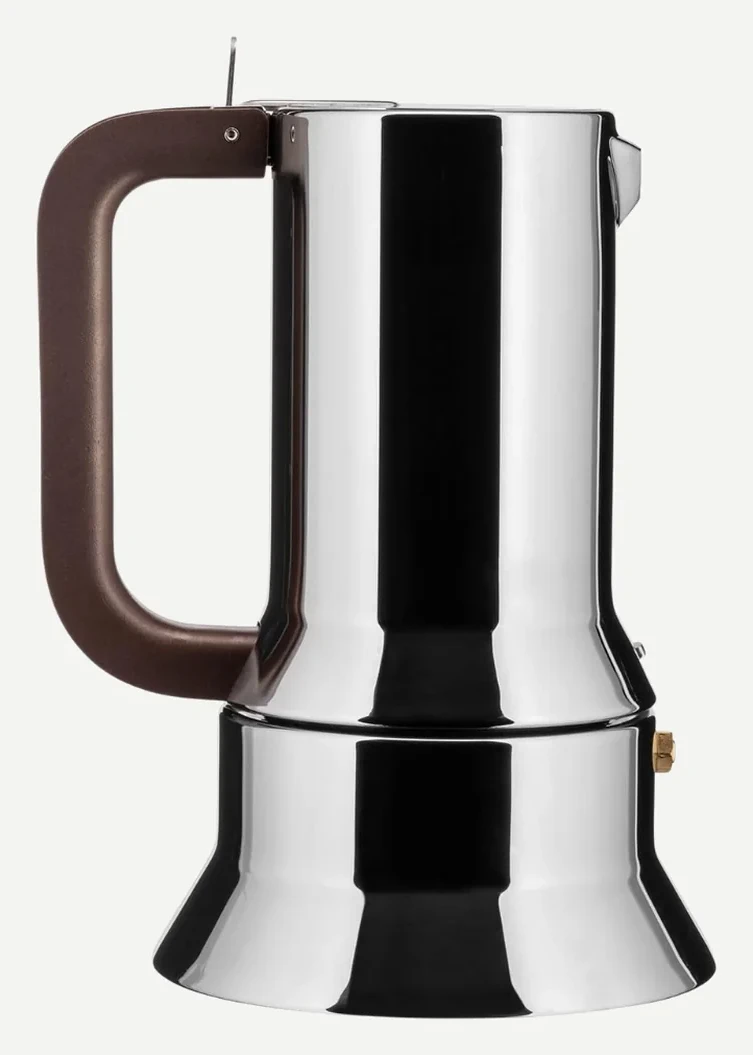
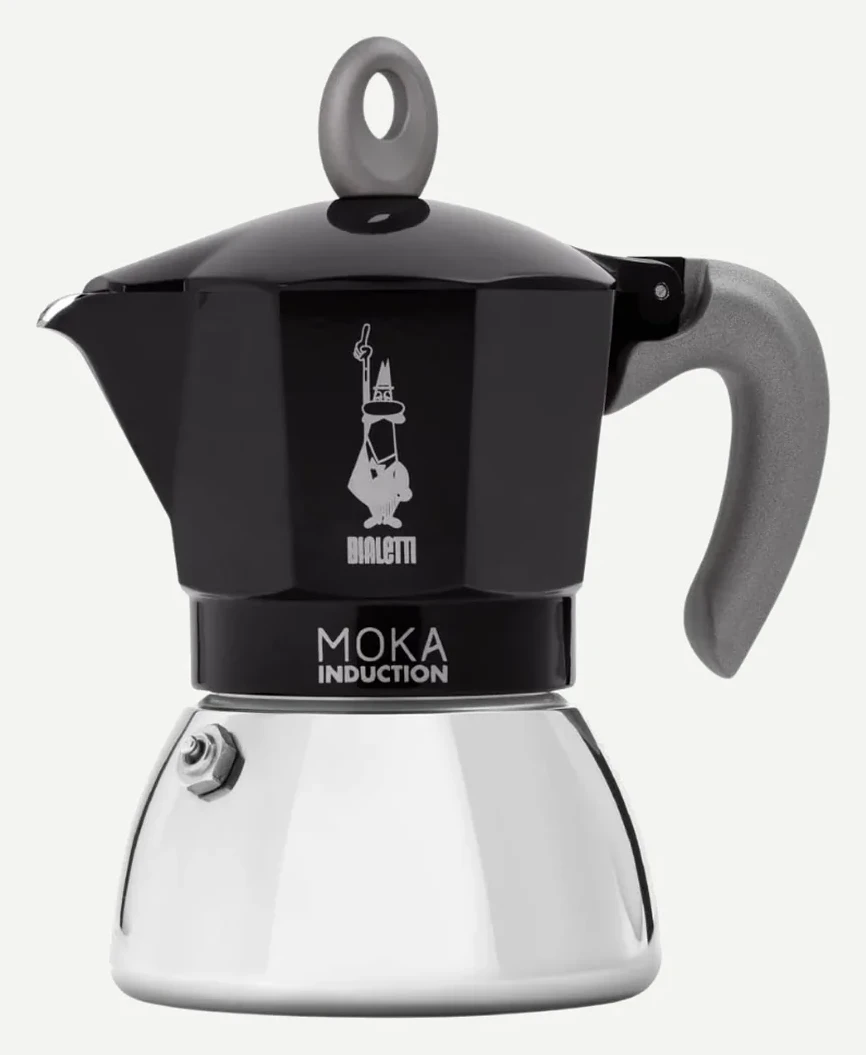
At home it works best in methods that reward body: a cafetière, a moka pot or a phin filter. It is a poor match for a delicate pour over, which is built to show off the acidity liberica does not have.
How to buy liberica coffee
Outside Southeast Asia it is still hard to find. Look for single-origin lots from roasters who name the species rather than bags that simply mention it among a blend, and buy whole bean. Its aroma is its selling point, and pre-ground liberica loses it quickly.
Liberica coffee FAQ
What is liberica coffee?
A coffee species, Coffea liberica, and the third grown commercially after arabica and robusta. It has large, irregular beans and a smoky, woody flavour.
Where is liberica coffee grown?
It is native to West and Central Africa but is mostly grown today in Southeast Asia, particularly the Philippines, Malaysia and Indonesia.
What does liberica coffee taste like?
Smoky, woody and heavy-bodied with low acidity, often with a distinctive fruity or floral aroma. It is a divisive taste.
Is excelsa the same as liberica?
Botanically, excelsa is now classed as a variety of liberica, though it is still sold under its own name and tastes tarter and fruitier.