How a Coffee Subscription Works, From Sign-Up to Your Door
A quiz, a cadence, a charge date and a bag. What happens at each step, and where people get caught out.
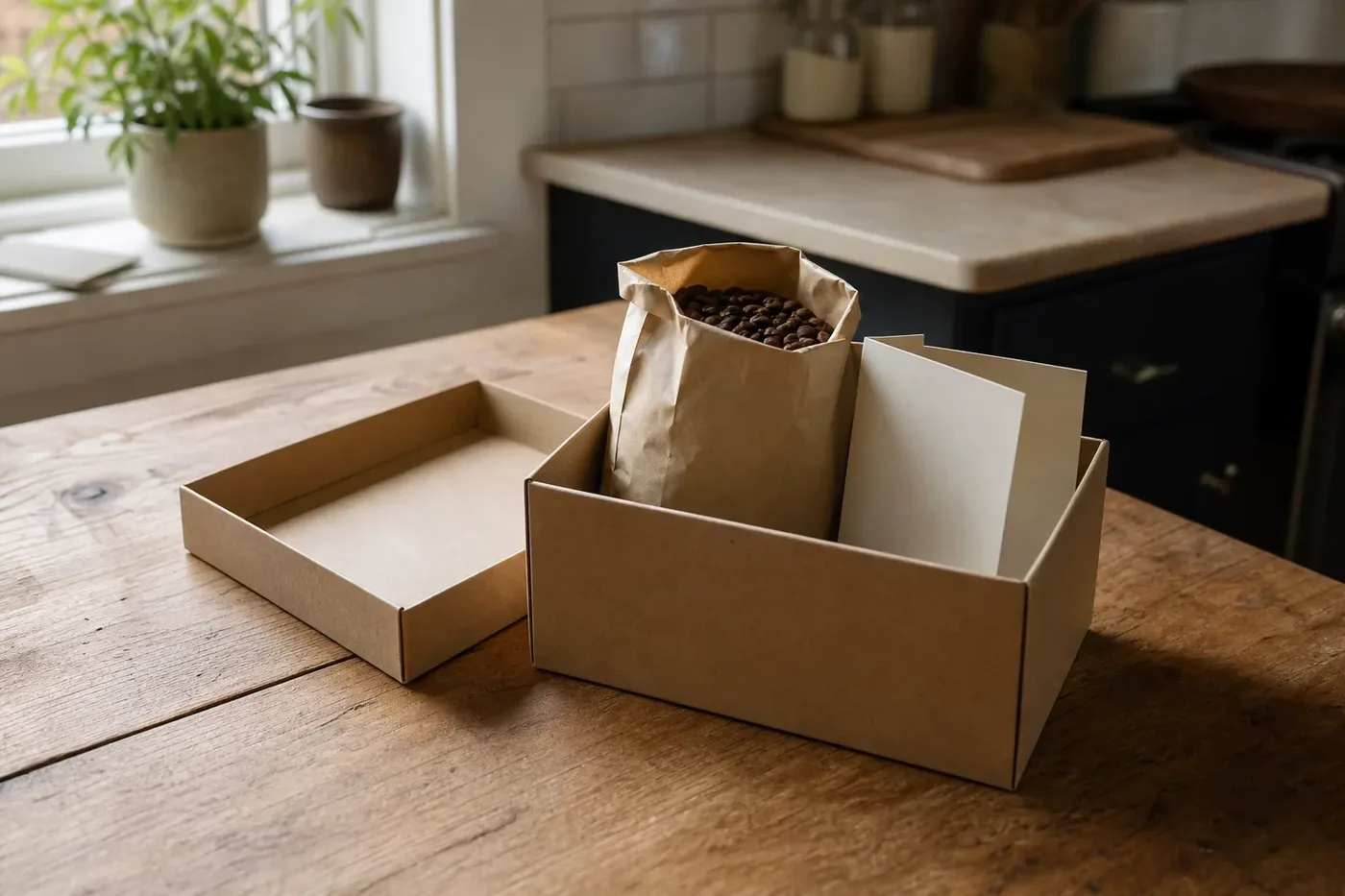
A coffee subscription looks simple from the outside: you sign up and bags arrive. Underneath, there are four separate decisions, and most of the frustration people have with subscriptions comes from one of them being made without noticing. This page walks through them in the order they happen.
Coffee subscription step one: choosing the coffee
There are three ways a service picks what you get.
You pick every coffee. This is how the roasters who sell their own coffee mostly work. Peet's, Stumptown and Intelligentsia let you put any coffee they roast on repeat, so the subscription is really a standing order.
A quiz matches you. Misto asks about sixty seconds of questions and then matches coffees algorithmically. Trade's quiz picks three to start with. Origin and Stumptown also run one. The quiz is only as good as your answers about coffee you have drunk before, so it helps to know whether you like the bright, fruity end or the chocolate and nut end.
The roaster chooses. Blue Bottle, Stumptown and Intelligentsia all sell a rotating roaster's pick, and every coffee Atlas sends is a single origin. This is the most interesting option and the least predictable.
Bean Box sits between the last two with eight tasting plans, such as Single Origin or Decaf, from which the coffees are chosen for you.
Coffee subscription grind and bag size
You choose whole bean or a grind at sign-up. The options range widely: Atlas offers six grinds from French press to espresso, Origin three, and Stumptown simply whole bean or pre-ground. We cover which to pick in whole bean or ground on a subscription.
Bag size is usually fixed by the service rather than chosen. Most send 340 g, which is twelve ounces. Peet's sends a full pound, Trade 310 g, Origin 250 g and Volcanica 227 g. That difference is why bag prices mislead, which our look at whether coffee subscriptions are worth it works through per kilo.
How often should a coffee subscription deliver?
This is the decision people get wrong most often. Stumptown gives you seven options, every 1 to 8 weeks. Driftaway and Origin run from weekly to every four weeks. Bean Box runs every two to six weeks, Black Rifle every 14, 21, 30 or 60 days, and Atlas every two or four weeks only. Volcanica ships monthly.
Choose too short a gap and bags stack up and go stale. Choose too long and you run out and buy something worse in between. Our guide to how much coffee you need a month turns cups per day into a cadence.
When a coffee subscription charges you and when it ships
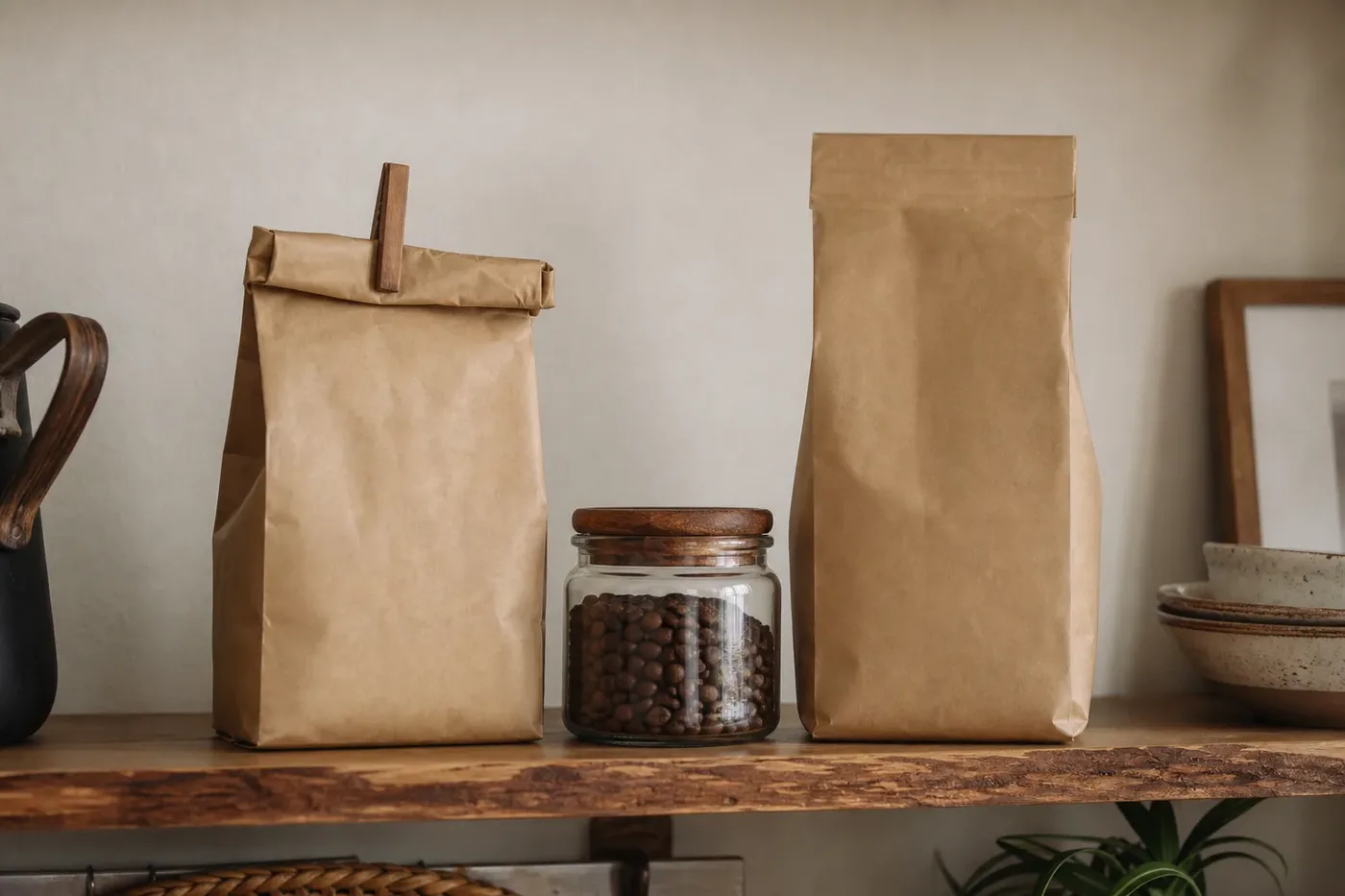
Your card is charged before the coffee ships, and at a roast to order service it may be charged before the coffee is roasted. That is normal. What catches people out is changing their mind after the charge has gone through.
Only Trade publishes a figure, one day's notice to change an order. Everyone else describes the process without saying where the cut-off falls. If you are going away, skip or move the delivery a few days before you would think you need to.
How to skip, pause or cancel a coffee subscription
Every service in our listing lets you cancel from your own account, and none that states a commitment asks for more than one delivery. Skipping is the tool you will use more often. Misto's reschedule is the most flexible, moving the next delivery up to 90 days out while keeping your queue. Trade lets you move the next date from its dashboard, and Origin does it in its app.
A service that offers only cancel, with no skip or pause, is effectively asking you to leave whenever you go on holiday. None of the twelve is quite that rigid, but the ease of it varies, and it is weighted heavily in how we score the category.
What a coffee subscription delivers and how fresh it is
A roast to order service roasts after your order and ships within days. Origin publishes one day from roast to despatch; nobody else puts a figure on it. The bag should carry a roast date, and if it does not, that is worth raising, because it is the only way to check a freshness claim once the coffee is in your kitchen.
From there the coffee is yours to look after, and the first few weeks after roasting are when it is at its best. Opened bags keep better in an airtight container away from light and heat than in the fridge.
Common coffee subscription problems and how to avoid them
Most complaints about coffee subscriptions are the same few. Coffee piling up: the cadence was set for how much coffee you think you drink rather than how much you do. Weigh a week's worth, or work out how much coffee you need a month from the grams per cup, and set the frequency from that. A bag you did not like: rotating subscriptions pick for you, so a quiz or a rating system that learns from feedback matters more than the size of the menu. A late bag: roast day and ship day are fixed at most roasters, so an order placed the day after roasting waits most of a week. Check which day they roast.
The last one is billing you did not expect. Most services charge before they ship, so pausing or skipping has to happen before the charge date, not before the delivery date. Put the charge date in your calendar for the first couple of months until you trust the cadence.
Coffee subscription FAQ
How often do coffee subscriptions deliver?
Most let you choose between weekly and monthly. Stumptown offers the most choice, every 1, 2, 3, 4, 5, 6 or 8 weeks. Atlas offers only every two or four weeks, and Volcanica ships monthly. Misto lets you push a single delivery up to 90 days out.
Do you choose the coffee or does the service?
Either, depending on the service. Some ask you to pick each coffee, some match you with a quiz, and many offer a rotating roaster's choice. Misto, Trade, Origin and Stumptown all run a quiz; Bean Box uses eight tasting plans instead.
When does a coffee subscription charge you?
Before it ships, and the gap is not always published. Trade Coffee states one day's notice to change an order. Where a service states no figure, assume the card is charged ahead of the roast and make changes early.
Can you pause a coffee subscription?
Yes at every service we list that answers the question. Some pause outright, some do it by letting you move the next delivery date, and Origin handles it through its app.
Is there a minimum commitment?
Not at any service that states one. All eleven that answer set it at a single delivery, so you can cancel after the first bag.
Reviewed on this site
 MistoSixty independent American roasters matched to a taste profile, with free shipping
 Origin Coffee SubscriptionBritish buyers who want next-day despatch and a letterbox-sized bag
 Trade CoffeeTrying a lot of small American roasters without choosing between them
 Bean Box Coffee SubscriptionRotating through 64 named American roasters without picking one, at a lower price per kilo than Trade