

Are Oily Coffee Beans Bad?
It depends entirely on why they are oily, and there are only two reasons. One is a roast decision and the other is age.
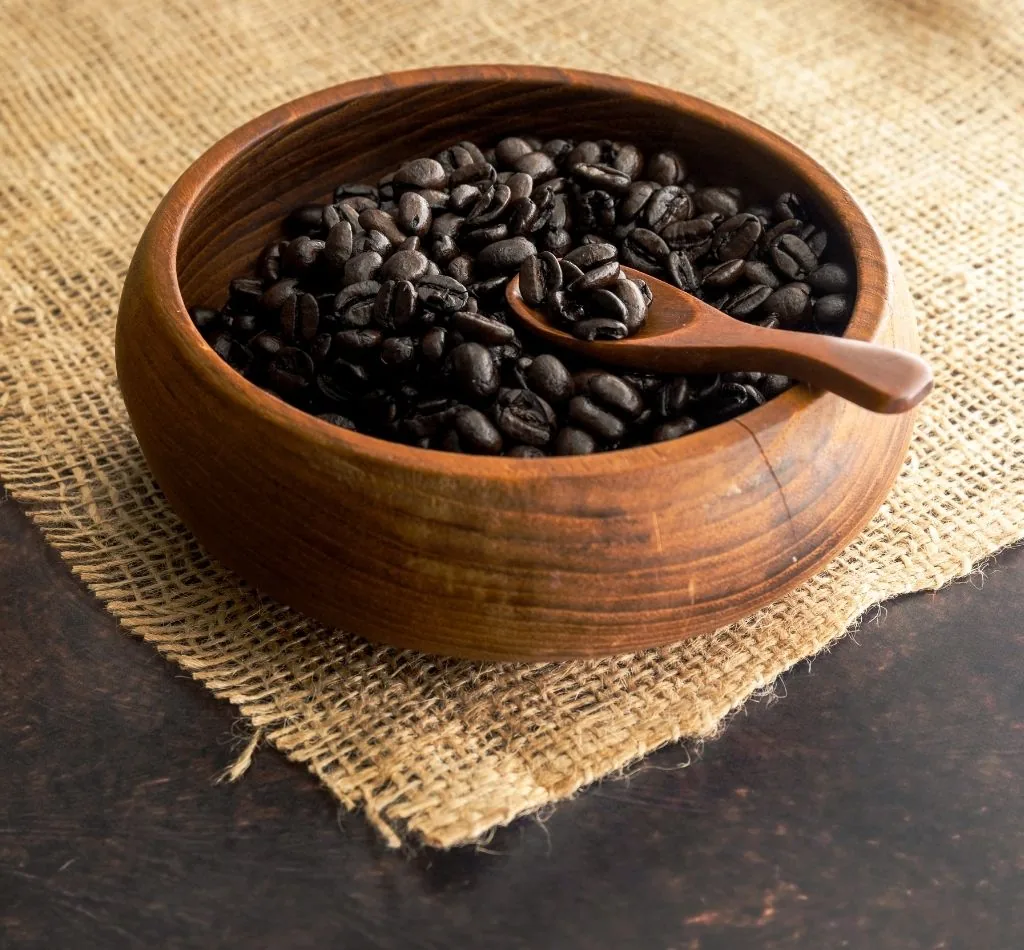
A shine on coffee beans is either a deliberate consequence of how they were roasted or evidence that they are past their best. The two look almost identical and the difference is entirely in what roast you bought.
Oily coffee beans from a dark roast
Roasting breaks down the bean's cell structure, and past a certain point the oils inside migrate to the surface. That point is second crack.
So any roast at Vienna level or darker will be oily within days, and a French or Italian roast will be visibly wet. That is not a fault. It is what those roast levels are, and a dark roast that is not oily has probably not been taken as far as the label claims.
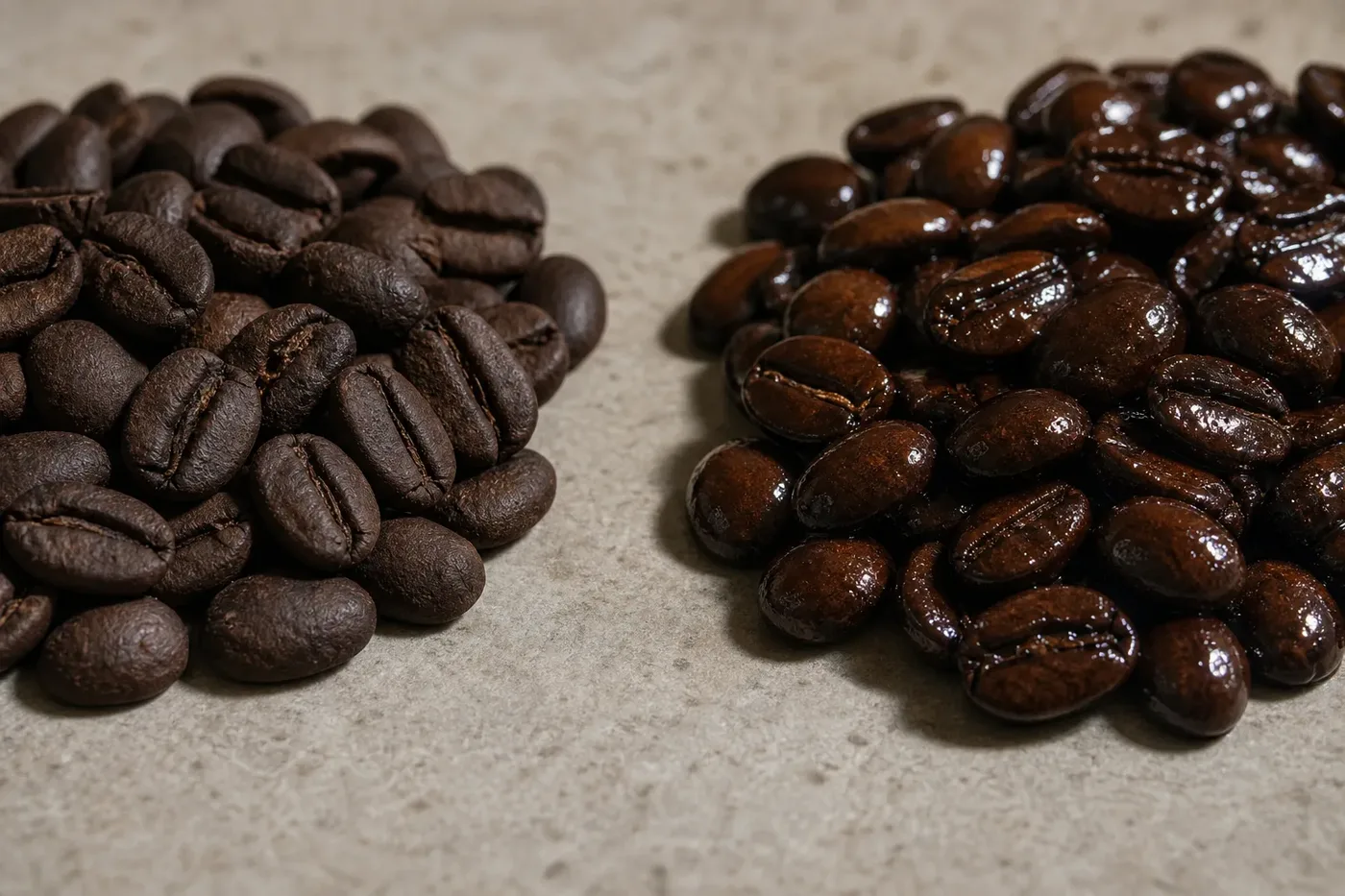
Oily coffee beans from age
Given enough time, oil migrates outward in any roast. A medium roast that has sat for months will develop a sheen it did not have when it was bagged.
This oil is the problem, because oil on the surface is exposed to air and oxidises. Rancid coffee oil is what gives very old beans their flat, cardboard, slightly sour-fatty taste.
How to tell if oily beans are stale
You cannot do it by looking at the beans alone. You need one other piece of information, and it is the same piece that answers most coffee questions.
- Dark roast, oily, recent roast date. Normal.
- Light or medium roast, oily. Old.
- Any roast, oily, no roast date on the bag. Assume old, because the bag gave you nothing to assume otherwise.
Smell is the confirmation. Fresh dark roast smells sweet and smoky. Stale beans smell faintly of old nuts or crayons, and once you have noticed it you cannot unnotice it.
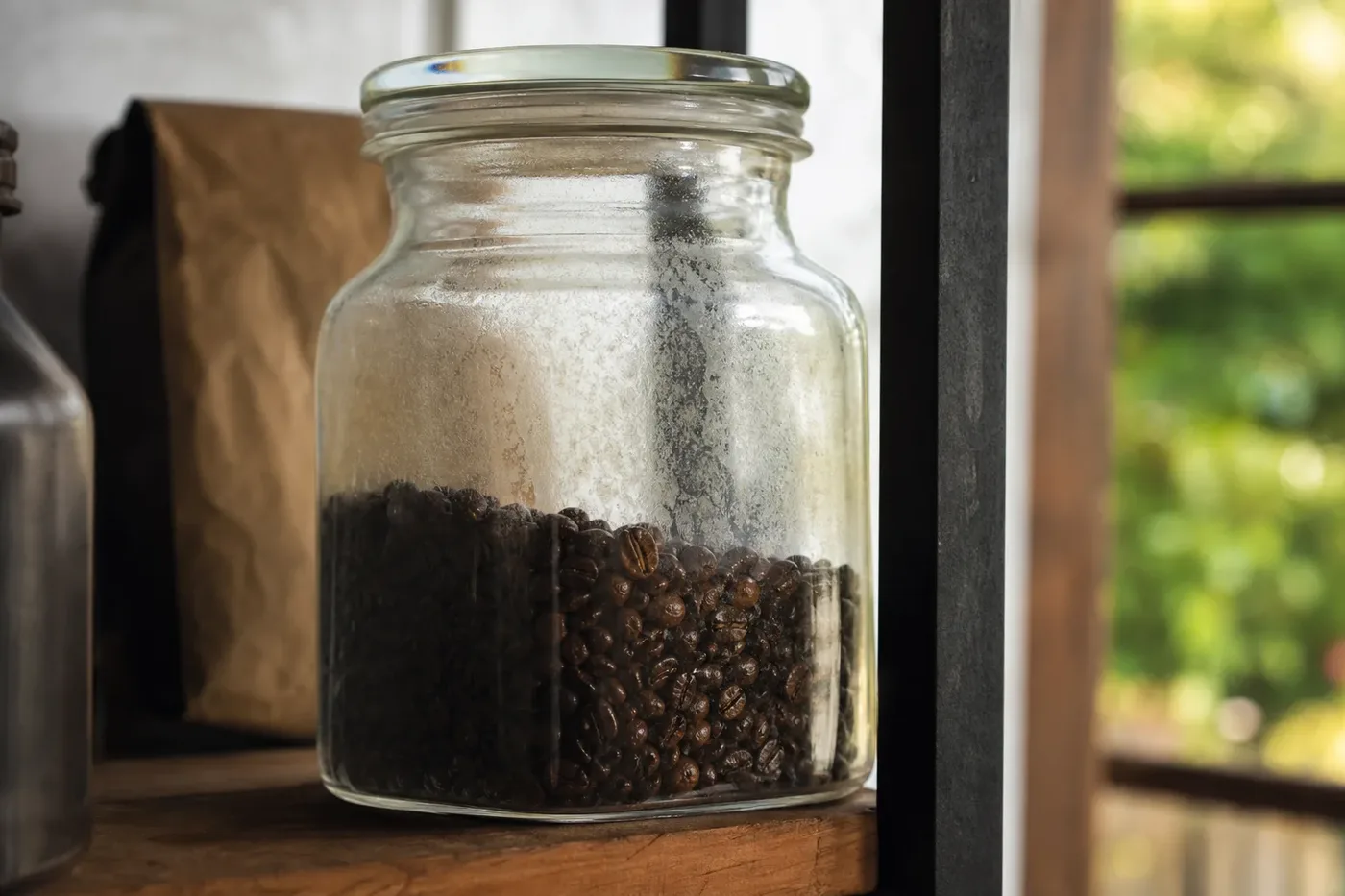
What oily beans do to your grinder
This is the practical case against very dark roasts, more than any flavour argument.
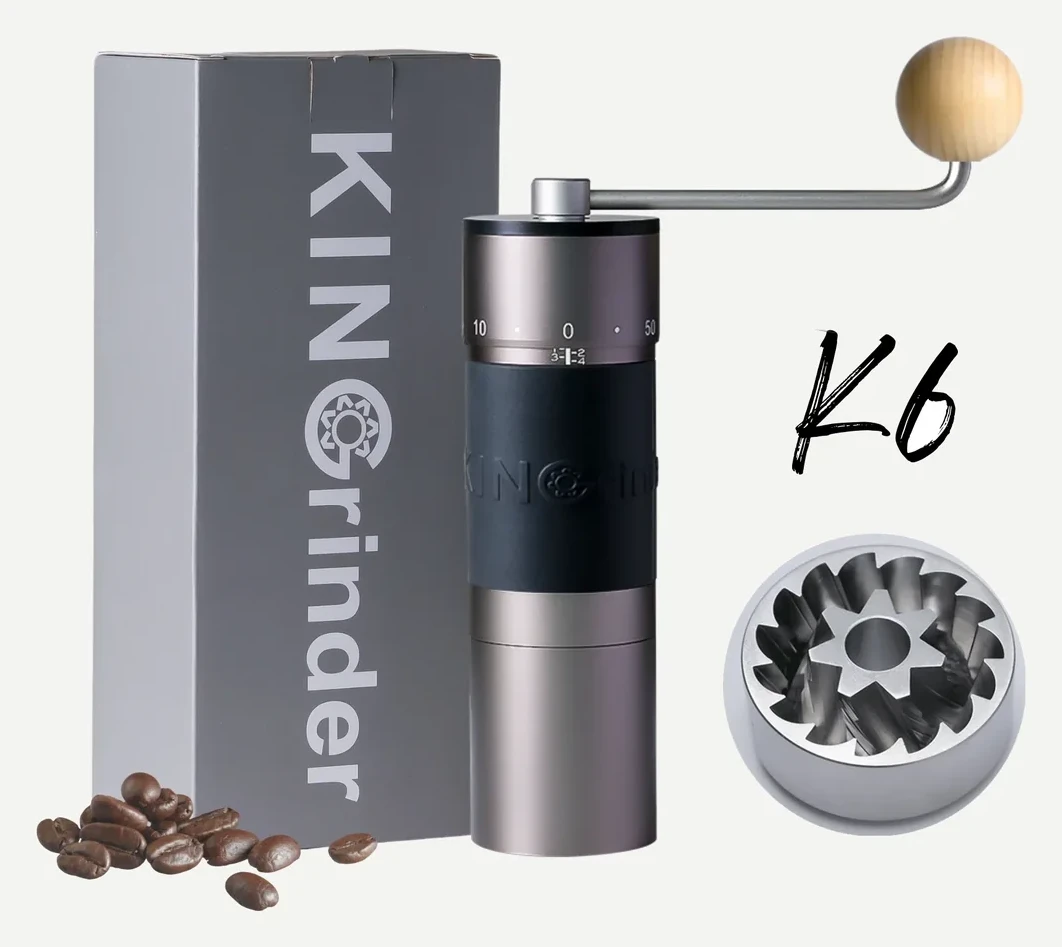
Oil accumulates on grinder burrs, in hoppers and in chutes, where it collects grounds and goes rancid. That residue flavours everything ground afterwards, so a machine used for oily beans needs cleaning far more often than one used for light roasts.
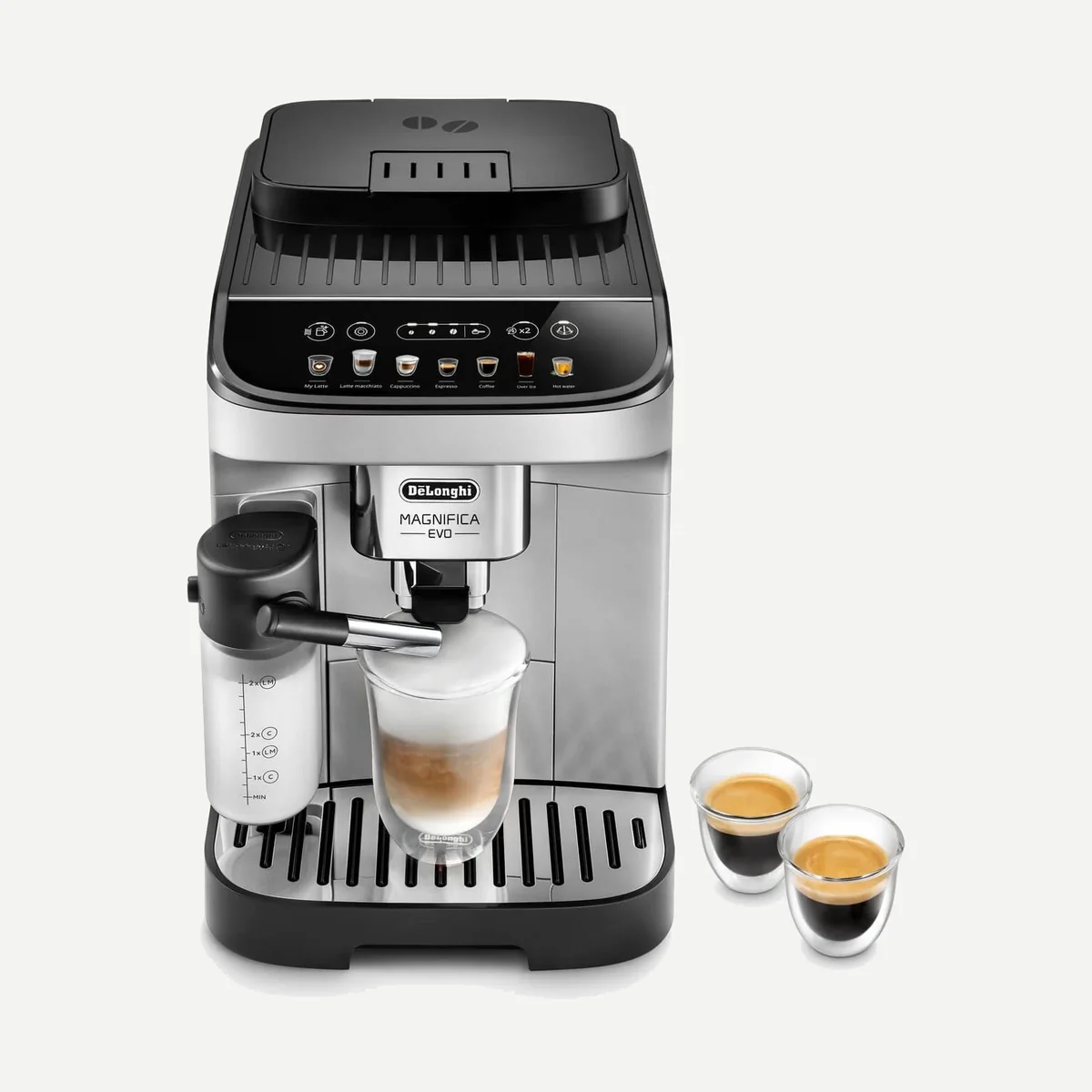
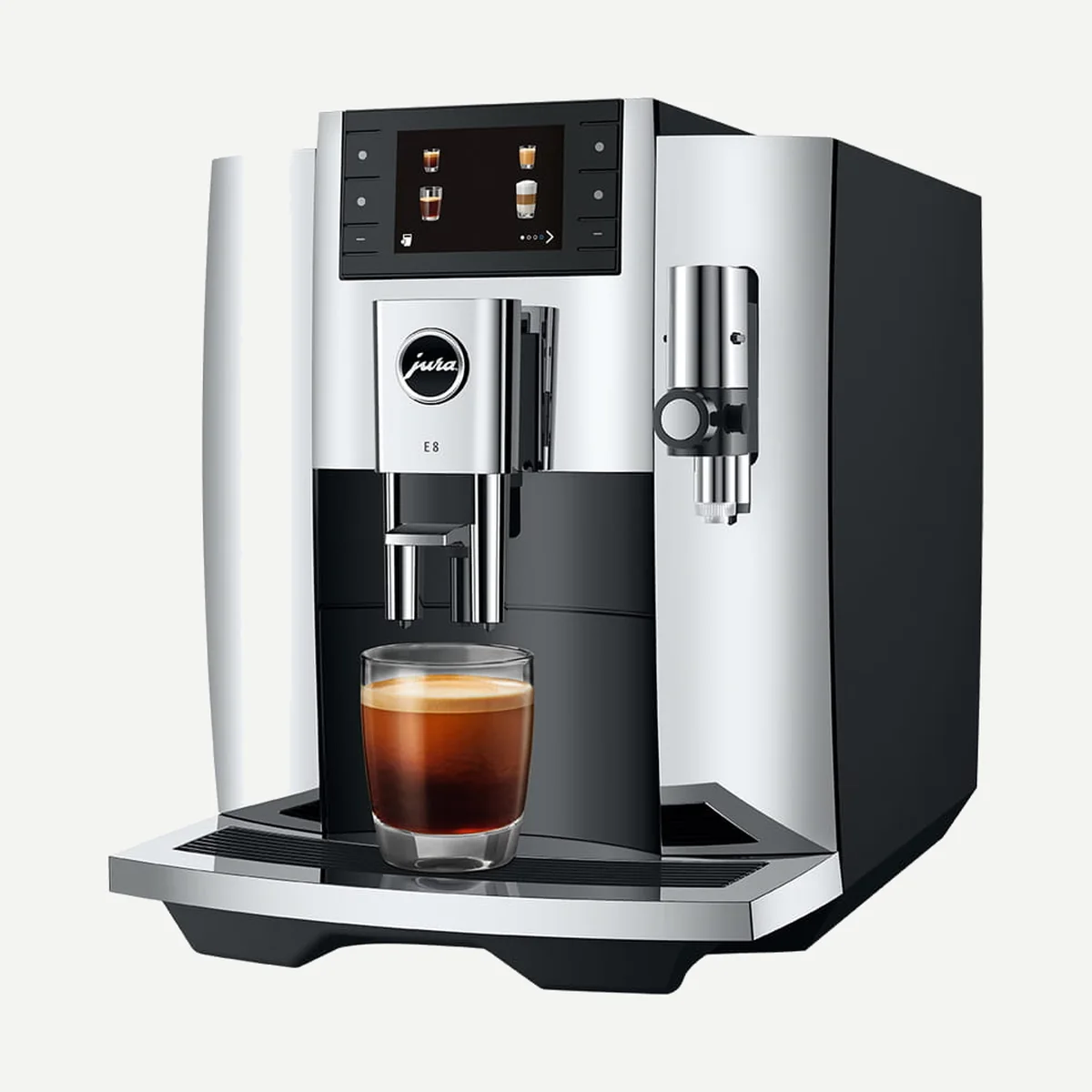
Super-automatic espresso machines are the sharpest case: most manufacturers warn against oily beans outright, because the enclosed hopper and internal chute clog and it is a frequent cause of service work. Check the manual before filling one with a French roast.
How to store oily coffee beans
- Airtight, opaque, at room temperature. Oxygen and light are the enemies.
- Not the fridge. Condensation and odour absorption both do damage.
- The freezer works for long-term storage if the beans are sealed properly and you do not refreeze, but it is for months, not for the bag you are drinking.
- Buy less, more often. Two weeks of coffee at a time beats any container.
When oil on coffee beans is a good thing
Oil is not simply a nuisance. In espresso it carries aroma and contributes to body and to crema, which is part of why roasts built for espresso are often taken to the point of releasing it.
The distinction is where the oil sits. Inside the bean it is flavour waiting to be extracted. On the outside, in open air, it is on a clock. A dark roast used within a fortnight gives you the first. The same bag three months later gives you the second.
How to clean a grinder after oily beans
If you are going to run oily beans, a short routine costs a great deal less than a service call.
- Brush the burrs weekly rather than monthly, and take the hopper off to do it properly.
- Wipe the hopper dry, not damp. Water and coffee residue together leave a worse film than oil on its own.
- Use grinder cleaning tablets if the manufacturer allows them, which most do. They lift residue that the rice and stale bread tricks leave behind.
- Never wash burrs in water. Steel rusts, and the realignment afterwards is not worth the ten minutes saved.
None of this makes oily beans a problem worth avoiding. It makes them a choice with a maintenance cost attached, which is a fair trade if the roast is the one you want to drink.
Oily coffee beans FAQ
Are oily coffee beans stale?
Sometimes. Dark roasts are oily by design within days of roasting. Medium and light roasts should be matte, and oil on those is a sign of age. The roast level tells you which you are looking at.
Do oily beans damage a grinder?
They gum up burrs and hoppers over time, and the residue goes rancid, which taints later coffee. Regular cleaning matters far more with dark roasts than with light.
Should I avoid oily beans in a super-automatic machine?
Most manufacturers say yes. Oily beans stick in the hopper and clog the internal grinder and chute, and it is a common cause of service calls. Check your manual before buying dark roasts for one.
How do I stop beans going oily?
You cannot stop a dark roast from being oily; that is what it is. You can slow oil migration on lighter roasts by keeping beans in an airtight container away from heat and light, and buying smaller amounts more often.