What Is Vienna Roast Coffee?
A dark roast taken to the very start of second crack, where the surface just begins to shine. One step past full city, one step short of French.
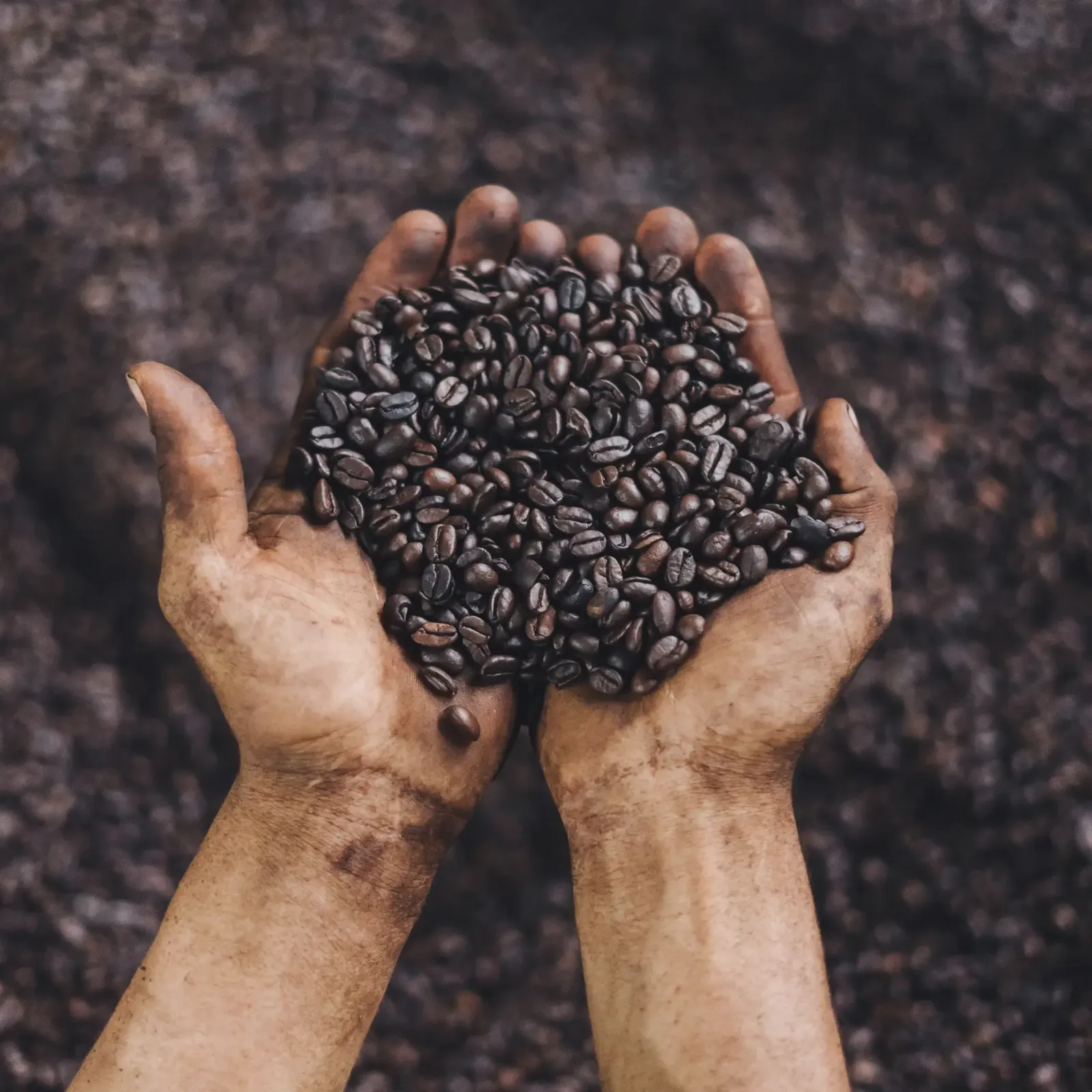
Vienna roast is a specific point on the roast scale rather than a style or an origin: the moment the beans start to crack for a second time in the roaster, which roasters call second crack, and the first sheen of oil appears on them. It is the last roast level at which sweetness and roast character are in balance.
Where Vienna roast sits on the roast scale
Roast levels are usually described by their relationship to two audible events. First crack is the bean expanding and splitting; second crack, later and quieter, is the cell structure beginning to break down.
- City. Just after first crack. Origin character dominant.
- Full city. Later, just before second crack. Balanced.
- Vienna. At the very start of second crack. First oil.
- French. Well into second crack. Oily and smoky.
- Italian. Darker still, close to the limit.
The names are conventions rather than standards, and they are not consistent between roasters. Vienna is also sold as continental or light French.
What Vienna roast tastes like
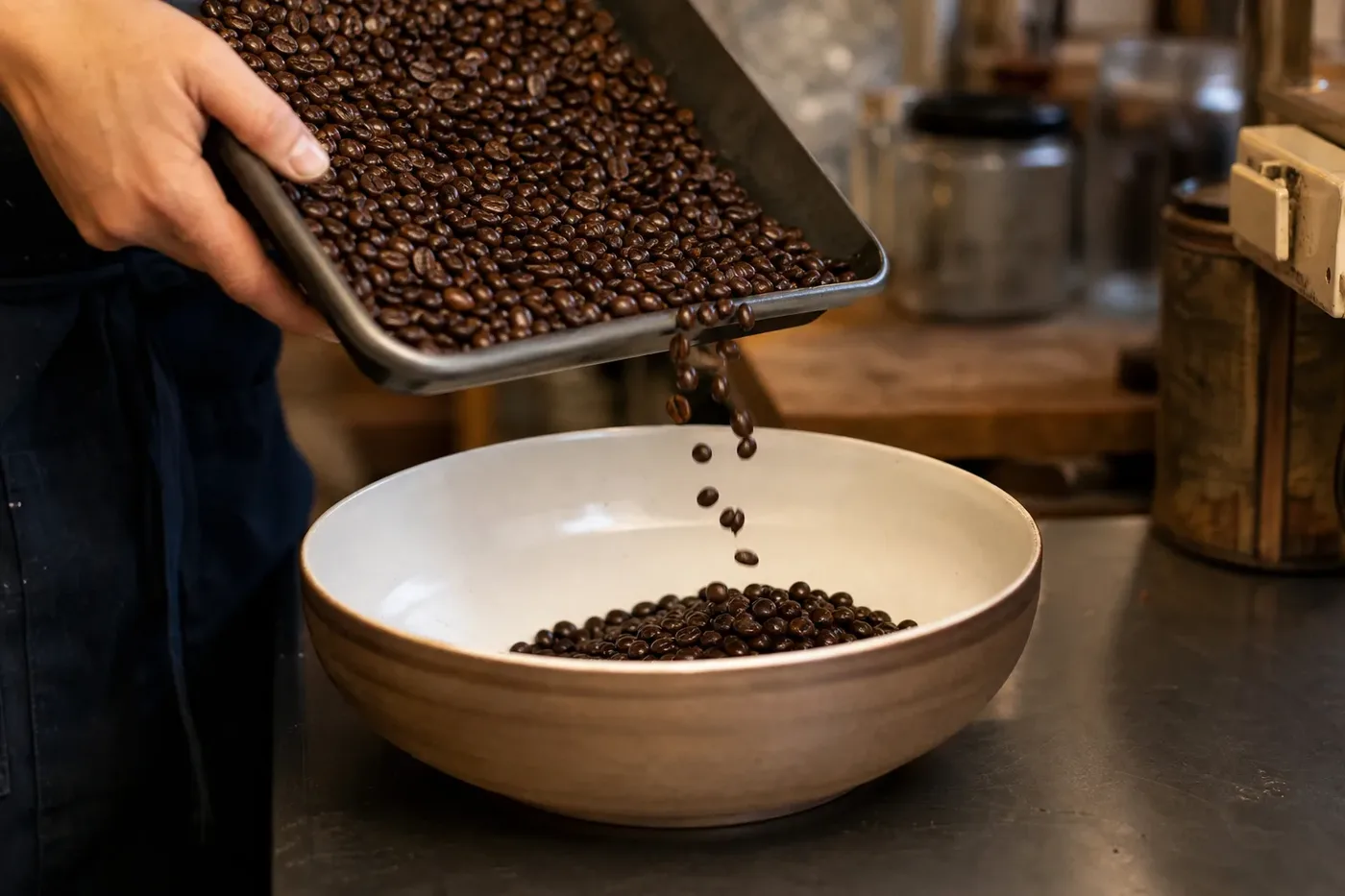
Bittersweet, chocolatey, and heavy in the mouth, with a caramel note from sugars that have browned without burning. Acidity is largely gone, which is the main reason people choose it.
Origin character is subdued but not erased. You will not taste the delicate florals of an Ethiopian at this level, which is why paying for a distinctive microlot and roasting it Vienna is a waste of both.
How to recognize Vienna roast
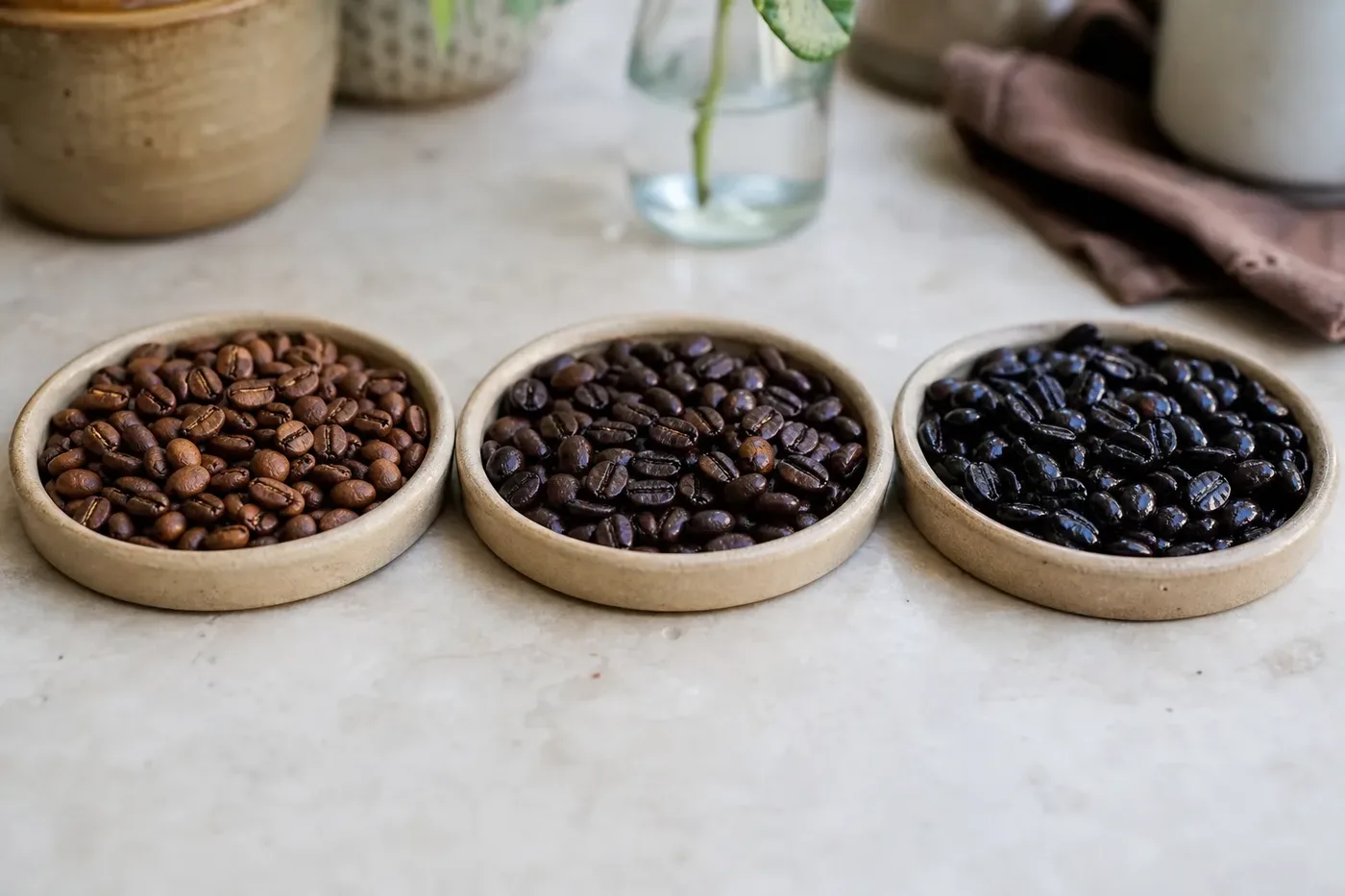
Look at the surface. A Vienna roast has a faint, patchy sheen where oil has just started to migrate outward, not the wet gloss of a French roast and not the matte finish of a medium.
On old coffee this test fails. Beans go oily with age too, so a matte medium roast that has been sitting for months can develop a shine that means staleness rather than roast level. See oily coffee beans for how to tell them apart.
What to brew Vienna roast with
It suits methods that reward body and forgive imprecision.
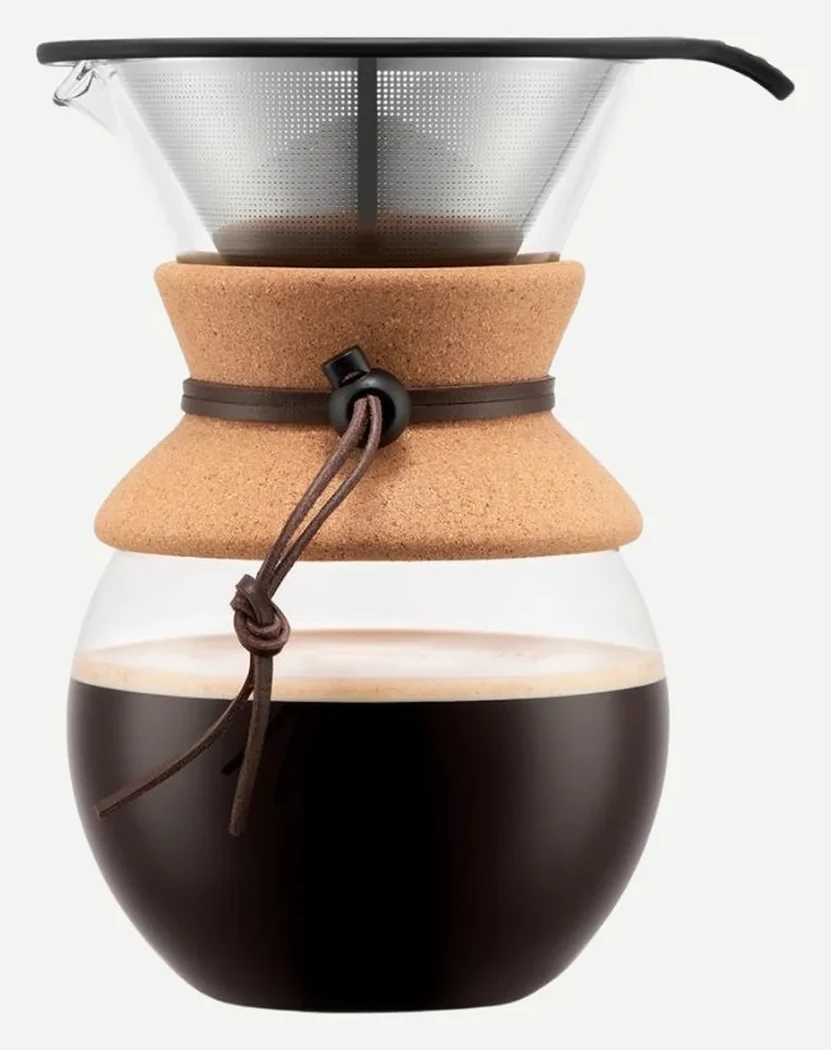
- French press, where the heavy body is an advantage.
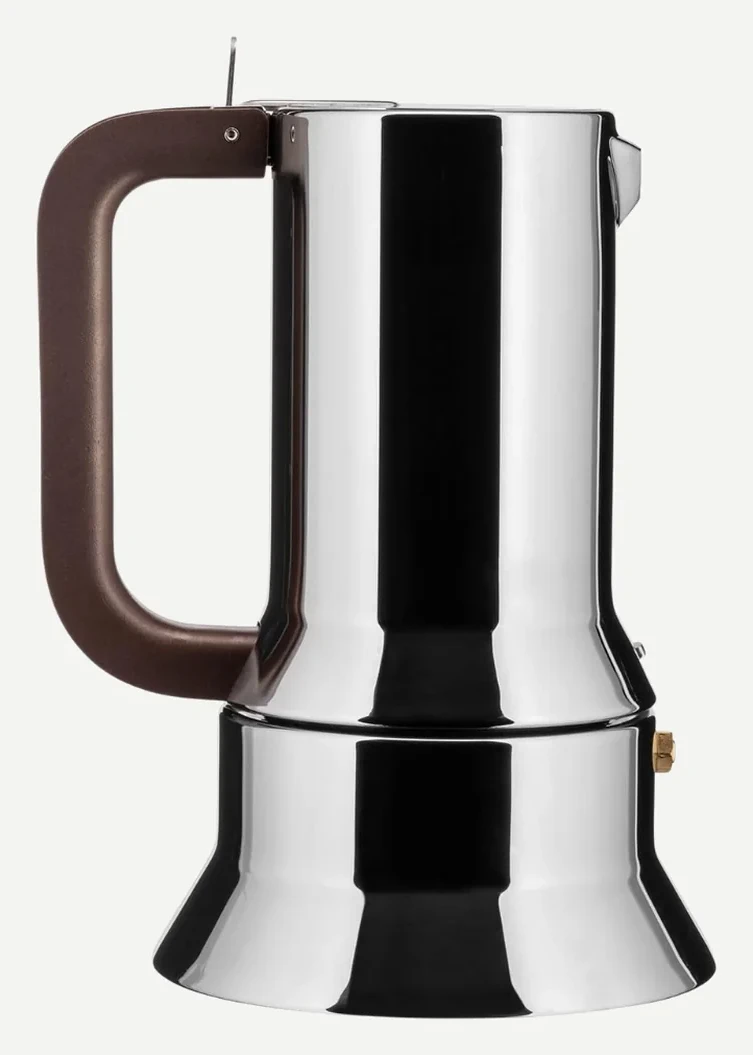
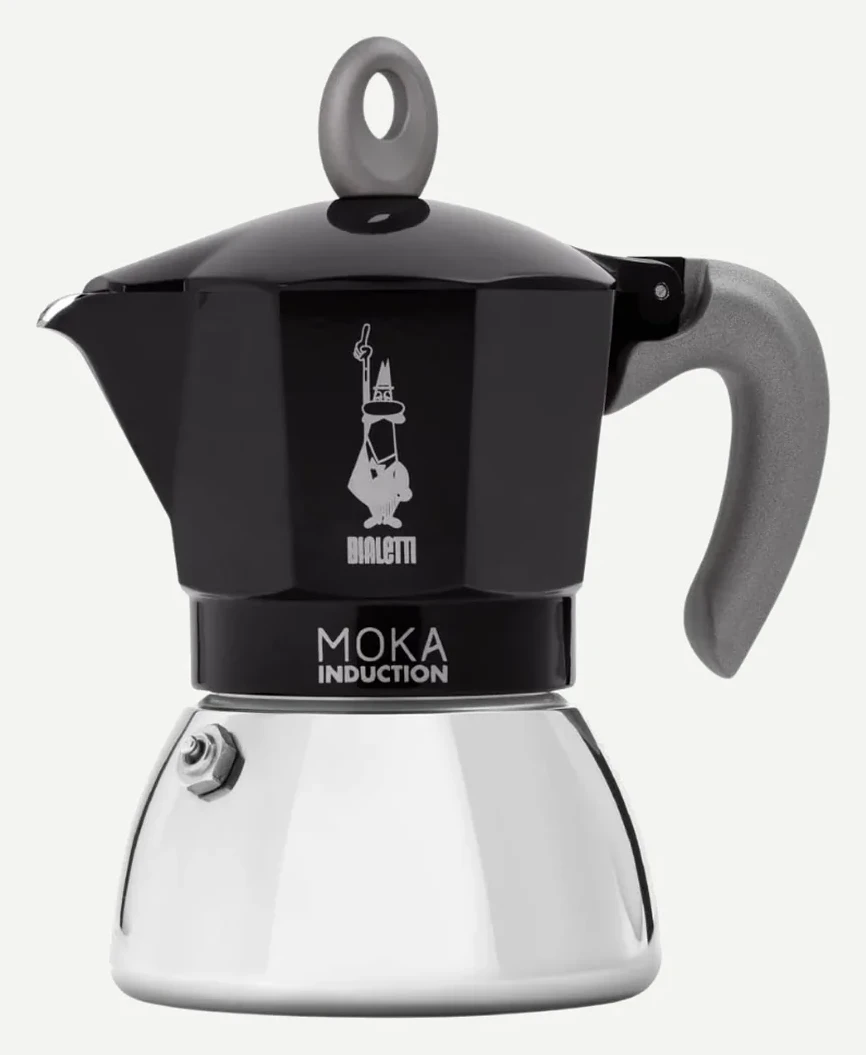
- Moka pot, the classic partner for this roast level.
- Espresso, where it gives the chocolatey, low-acid shot most people picture when they think of espresso.
- Anything with milk, since it has the intensity to survive it.
It is a poor choice for a delicate pour over brew, which is designed to showcase exactly the qualities this roast level removes.
Where the name Vienna roast comes from
The city names on the roast scale describe a perceived national taste rather than any practice those cities agreed to. Vienna, French and Italian were adopted by English-speaking roasters as shorthand for progressively darker profiles, on the assumption that each place drank its coffee that way.
Austrian roasters work to no defined Vienna standard, and Viennese cafes serve the same range as anywhere else. The label survives because it is useful, not because it is accurate, which is worth remembering when two bags carrying it taste nothing alike.
Buying and storing Vienna roast
Two practical consequences follow from the oil sitting on the outside of the bean.
It stales faster. Surface oil meets air directly, so a Vienna roast has a shorter useful life than a medium bagged the same day. The roast date matters more here, not less. Buy smaller quantities and finish them.
It grinds differently. Oily beans are slightly tacky and can clump or bridge in a hopper, so grind what you need rather than filling one and walking away. Burrs want wiping out more often than a lighter roast would ask for.
Kept airtight, opaque and at room temperature, a bag at this level holds well for two or three weeks. After that the oil is what you start to taste rather than the coffee, and no brewing adjustment recovers it. The general rules in storing coffee beans apply with less margin than usual.
Vienna roast FAQ
How dark is a Vienna roast?
Moderately dark. It sits at the beginning of second crack, past full city and before French roast, with a light sheen of oil just appearing on the surface.
What does Vienna roast taste like?
Bittersweet and chocolatey with a heavy body, some caramel sweetness, and origin character largely subdued. Low acidity compared with lighter roasts.
Is Vienna roast the same as French roast?
No. French roast is darker, well into second crack, properly oily and distinctly smoky. Vienna keeps some sweetness that French roast burns off.
Does Vienna roast have less caffeine?
By weight, almost the same as a light roast. By scoop, slightly less, because darker beans are larger and less dense. Weighing removes most of the difference.