What Is a Bica? Portugal's Espresso
Order a bica in Lisbon and you get an espresso. Order one in Porto and you may get a blank look. The word, the cup, and how Portugal drinks it.
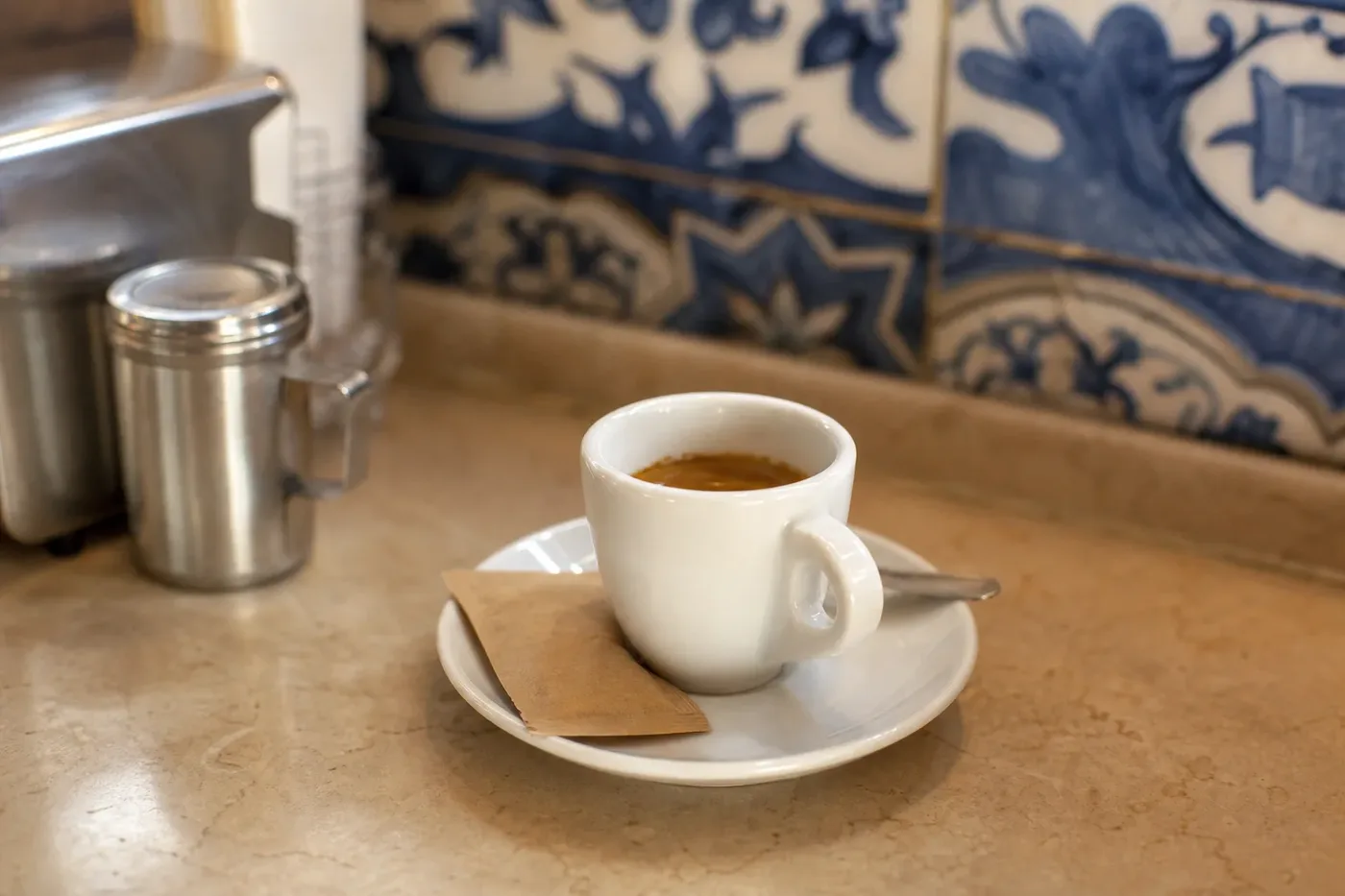
A bica is an espresso, and specifically the word Lisbon uses for one. Walk into a cafe anywhere in the Portuguese capital, ask for uma bica, and you will be handed a small cup of strong black coffee, usually with a sachet of sugar on the saucer, for about the price of a newspaper.
Bica, cimbalino and um cafe: Portugal's names for espresso
Portugal does not use one name for its espresso. In Lisbon it is a bica. In Porto the traditional word is cimbalino, taken from La Cimbali, the Italian machines that arrived in the city's cafes. Across the rest of the country the plainest order, um cafe, gets you the same drink. Using the Lisbon word in Porto is understood, but it marks you as a visitor.
Where bica comes from
The story every guide repeats is that bica is an acronym for a sign in a Lisbon cafe, telling customers to drink the bitter new coffee with sugar. It is a good story and there is no solid evidence for it. The more likely explanation is simply that bica means a spout or tap in Portuguese, the place the coffee pours from.
The cafe most associated with the drink is A Brasileira in the Chiado district, open since the early twentieth century and famous for the bronze statue of the poet Fernando Pessoa at a table outside.
How a bica differs from an Italian espresso
The build is the same, pressurised hot water through finely ground coffee, and the cup is the same size. The differences are in the coffee and the habits around it.
- The blend. Portuguese cafe blends traditionally include a share of robusta alongside arabica, which gives a heavier body, a thick crema and more bitterness than many Italian speciality shots.
- The roast. Usually on the darker side, built to be drunk with sugar.
- The length. Often very slightly longer than a strict Italian espresso, though this varies from one counter to the next.
The result tastes less bright and more roasty than a modern light-roast shot. It is designed to be sweetened, and most Portuguese drinkers do sweeten it.
Bica cheia, pingado and other Portuguese coffee orders
- Bica cheia. A fuller cup, pulled a little longer.
- Bica curta or italiana. Shorter and stronger, closer to a ristretto.
- Pingado. An espresso with a drop of milk.
- Abatanado. A longer black coffee, much like an americano.
- Meia de leite. Half coffee, half milk, in a cup.
- Galao. A tall glass of mostly milk with a shot of coffee, the Portuguese answer to a latte.
How a bica is drunk
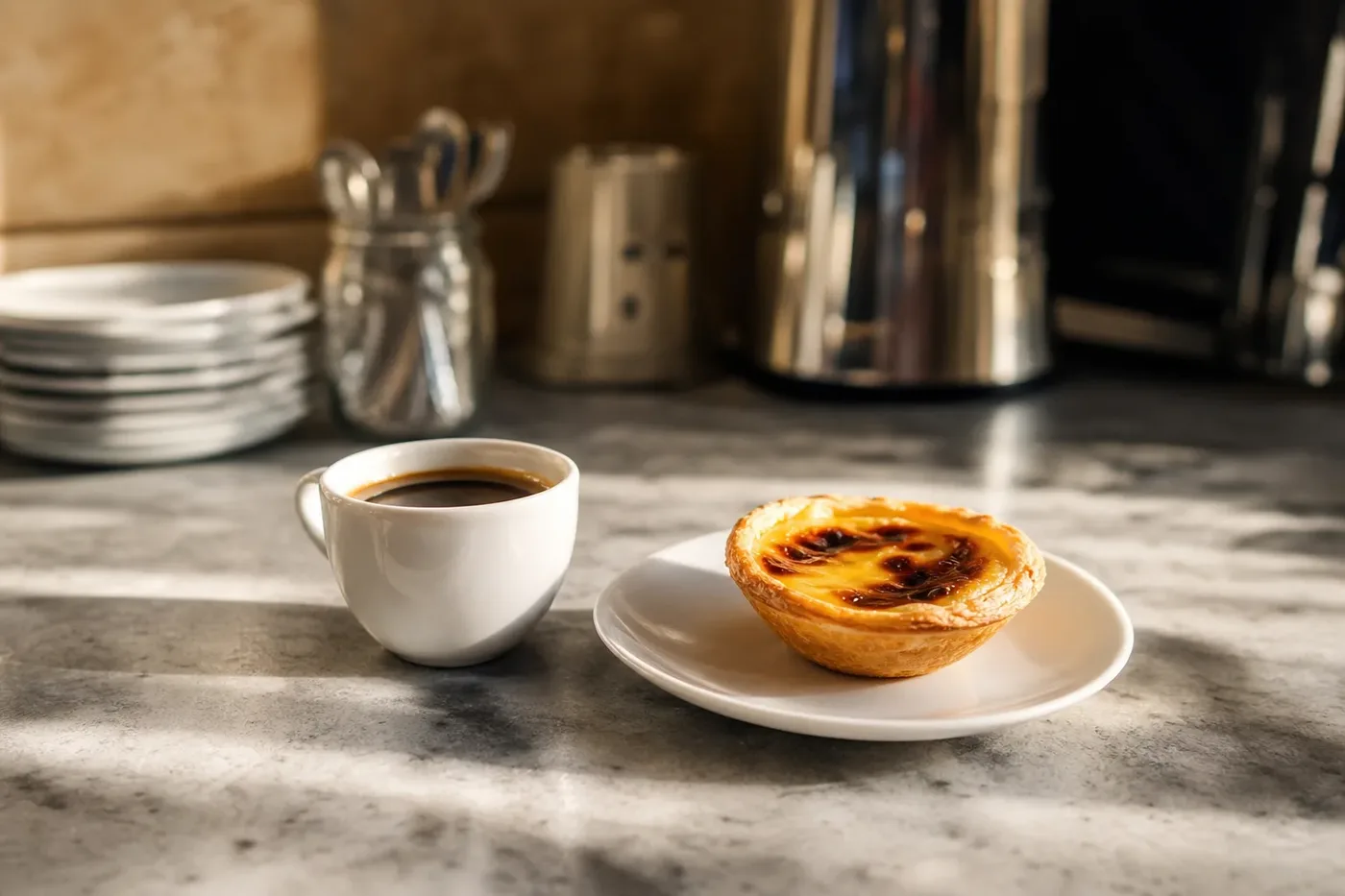
Quickly, standing at the counter, often several times a day. A bica is not a drink to sit over for an hour; it is a pause of a few minutes, frequently with a pastel de nata, and the low price is what makes the habit possible. Drinking it at a table usually costs a little more than drinking it at the bar, which is common across southern Europe.
Why a bica is so cheap
A bica at a Portuguese counter often costs around a euro, well below what the same cup costs in most of western Europe. Part of that is volume: a cafe selling hundreds of small coffees a day to regulars can price each one low. Part is the blend, since robusta costs less than arabica. And part is habit, because a price that rose sharply would change a routine people repeat several times a day.
How to make a bica at home
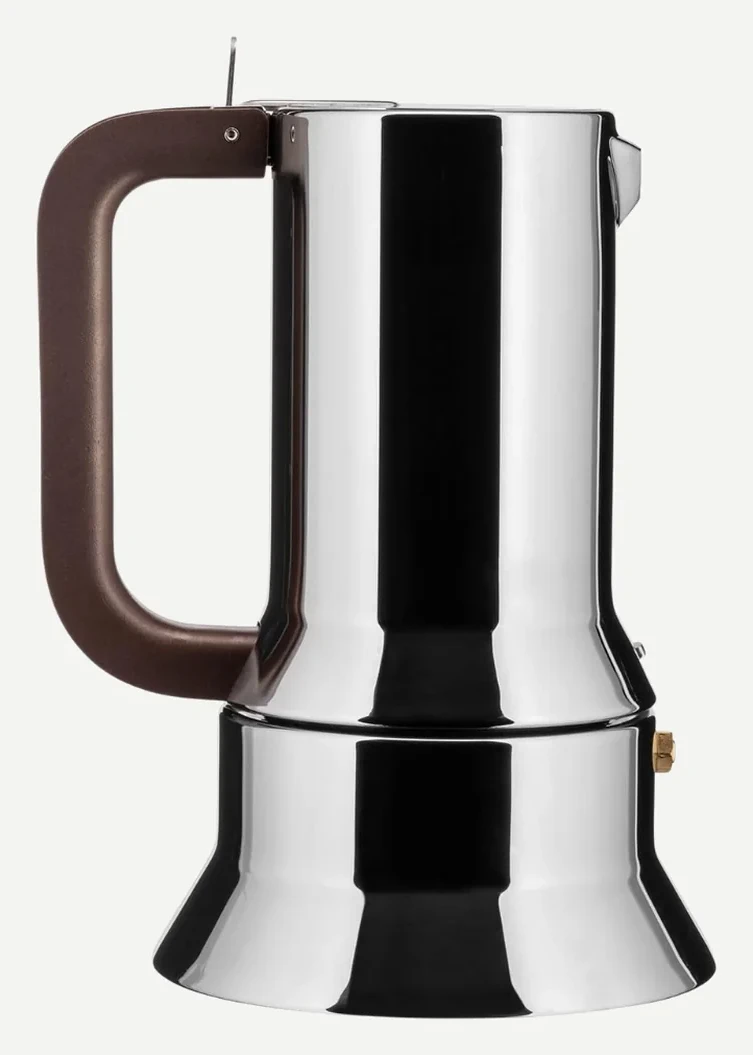
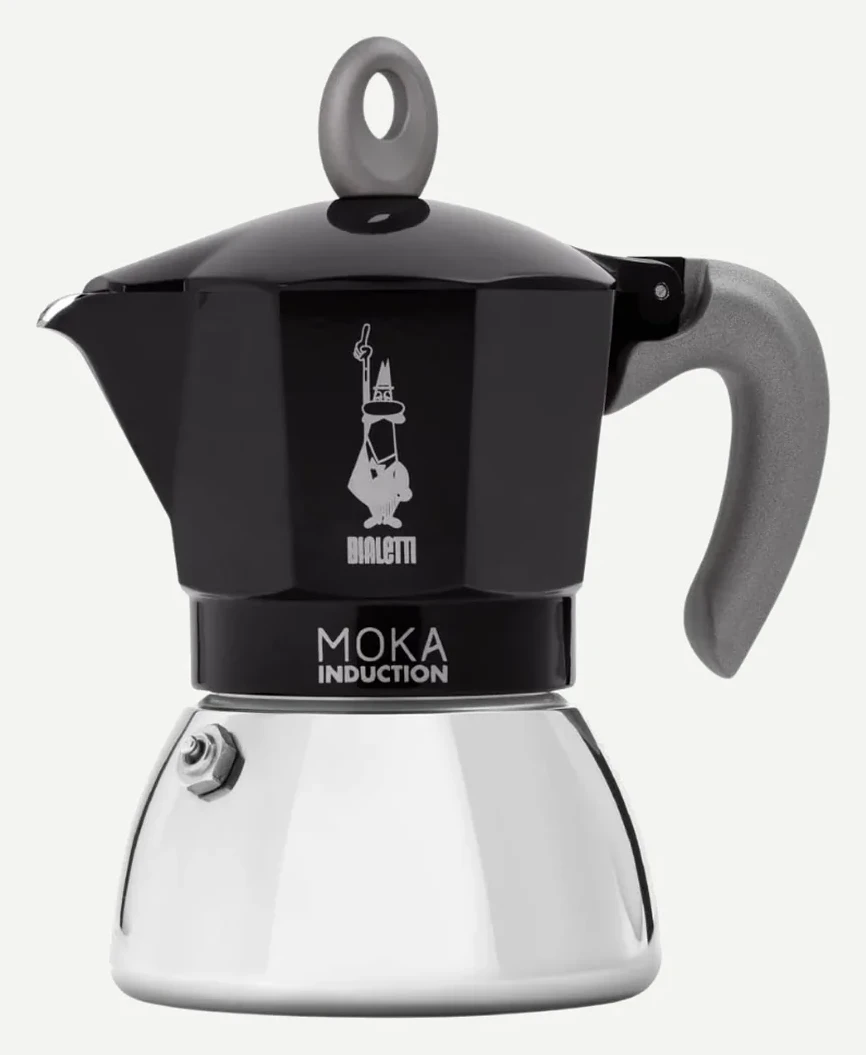
Use a dark-roasted blend that includes some robusta, grind for espresso, and pull a normal single shot. Add sugar before tasting if you want the authentic version. A moka pot gives something close enough for most people, and bags labelled as a Portuguese or Italian bar blend are the nearest thing to what is served in Lisbon. For the double shot most cafes now default to, see what a doppio is, and for the roast-level choice behind a blend like this, the dark roast coffees we have reviewed.
Bica FAQ
What is a bica coffee?
The word Lisbon uses for an espresso: a small cup of strong black coffee, usually drunk with sugar.
What do they call espresso in Porto?
Traditionally a cimbalino, after the La Cimbali espresso machines. Um cafe also works anywhere in Portugal.
Does bica stand for something?
A popular story says it is an acronym from a cafe sign, but there is no good evidence for it. Bica also means a spout or tap in Portuguese.
How is Portuguese espresso different from Italian espresso?
Portuguese blends traditionally include some robusta and a darker roast, giving more body, thick crema and more bitterness, and it is usually drunk with sugar.