Cold Brew vs Iced Coffee: Not the Same Drink
One is brewed cold for half a day, the other is brewed hot and poured over ice. The difference is not temperature at the end, it is which compounds ever left the coffee.
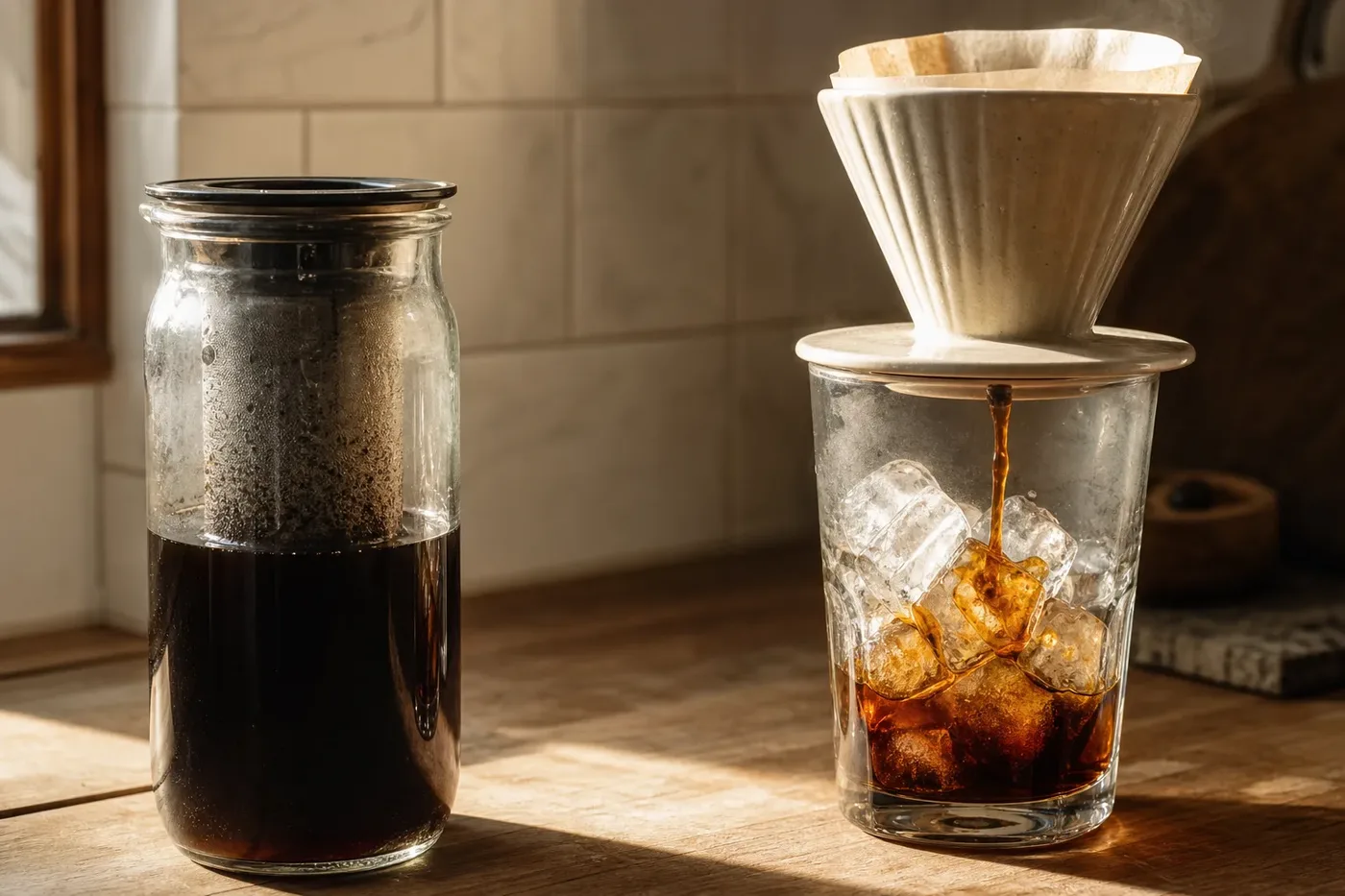
Iced coffee is coffee brewed hot and then chilled. Cold brew is never heated at all: coarse grounds steep in cold water for twelve to twenty-four hours. They end up at the same temperature and they are not the same drink, because heat decides what comes out of the coffee in the first place.
What hot water extracts that cold brew does not
Hot water is a far more aggressive solvent. It pulls out acids, aromatic oils and bitter compounds quickly, which is why a pour over is finished in three minutes and tastes bright and complex.
Cold water extracts far more slowly and it is selective. The acidic compounds that give hot coffee its brightness need heat and largely never leave the grounds. So cold brew comes out smooth, sweet, heavy and low in acidity, and it also comes out with less of the aromatic top end that makes a good hot coffee interesting.
That is the trade, stated plainly: cold brew removes the sharp edges and some of the character with them.
How to make cold brew and iced coffee
Cold brew
Coarse grounds, cold water, 1:8 for a concentrate you dilute or 1:15 to drink as it is. Steep 12 to 24 hours at room temperature or in the fridge, then filter. Concentrate keeps a fortnight refrigerated, which is most of the appeal: you make it once and drink it all week.
Coarse is not optional. Twelve hours of contact will over-extract anything finer, and a fine grind also blinds the filter. Our grind size guide puts it at the coarse end of everything on the site.
Iced coffee
Brew hot, chill. The naive version, brewing normally and pouring it over ice, is also the worst: the ice melts into it and you get watery coffee.
The fix is Japanese iced coffee, and it is genuinely better than either. Brew hot directly onto ice, replacing part of your brew water with the same weight of ice in the carafe. So instead of 350ml of water, use 230ml of water and 120g of ice. The coffee brews at full strength, hits the ice, and chills in seconds.
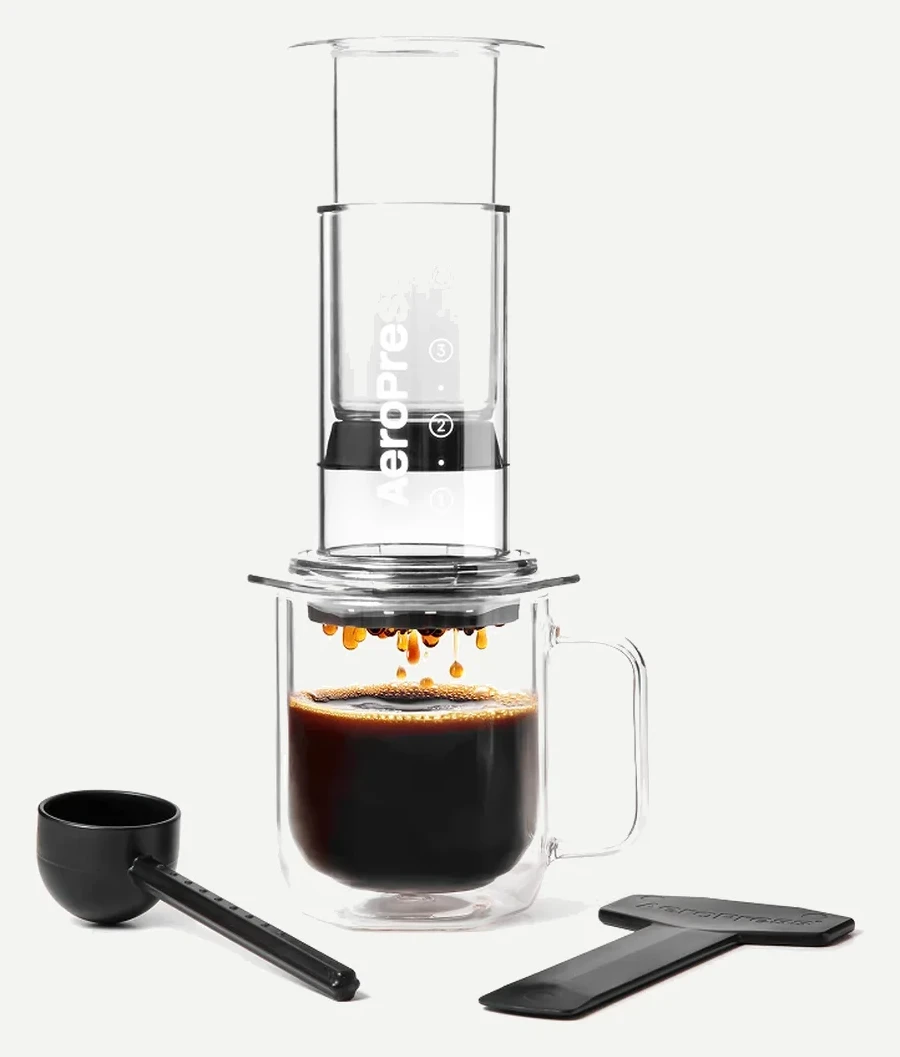
Chilling fast matters: it locks in the aromatics that a slow cool in the fridge lets escape. You can do it on any V60 or in an AeroPress Original with no extra equipment.

Cold brew vs iced coffee: which has more caffeine?
Cold brew is routinely called stronger, and per millilitre of concentrate it is, because it is made at a much higher coffee-to-water ratio. That is a ratio difference, not something cold water does.
Diluted to drinking strength, cold brew and hot brewed coffee land in a similar place. The reason a cold brew from a shop hits harder is usually that they served you concentrate with less water than you would use, in a bigger cup.
Best beans for cold brew vs iced coffee
Cold brew rewards darker roasts and chocolatey, nutty coffees. The process flatters body and sweetness and does nothing for delicate acidity, so a $25 light Ethiopian is largely wasted: the qualities you paid for need heat to appear.
Japanese iced coffee is the opposite. It preserves everything hot brewing extracts and then chills it, so bright, fruity, floral coffees are spectacular. If you have a light single origin and want it cold, this is the method.
Cold brew equipment you actually need
Cold brew genuinely needs a vessel, because you are handling a lot of grounds and liquid for a long time. The Hario Mizudashi is the simplest: 600ml of glass with a mesh core, dishwasher safe, fits a fridge door.
The OXO Good Grips uses a rainmaker lid to wet the grounds evenly and drains itself when set on the carafe. The OVALWARE RJ3 makes a litre and a half behind an airtight seal, which matters if you are keeping concentrate for a week.
Iced coffee needs nothing you do not already own.
Cold brew or iced coffee: which to make?
Make cold brew if you want coffee ready in the fridge all week, if acidity bothers your stomach, or if you drink it with milk and sugar where smooth and sweet is exactly right.
Make Japanese iced coffee if you want it now, if you have a coffee whose character you actually want to taste, or if you drink it black.
The one thing not worth doing is the default: brewing a normal hot coffee, letting it cool on the side, and pouring it over ice. It loses the aromatics on the way down and then gets watered as the ice melts, which is how iced coffee got its reputation as the lesser drink.
Cold brew vs iced coffee FAQ
What is the difference between cold brew and iced coffee?
Cold brew is never heated: coarse grounds steep in cold water for 12 to 24 hours. Iced coffee is brewed hot and then chilled. Heat decides what comes out of the coffee, so cold brew is smoother, sweeter and much lower in acidity, while iced coffee keeps the brightness and aroma hot water extracts.
Does cold brew have more caffeine?
Per millilitre of concentrate, yes, but only because it is made at a much higher coffee-to-water ratio. Diluted to drinking strength it is similar to hot brewed coffee. A shop cold brew hits harder mostly because they served you concentrate in a large cup.
What is Japanese iced coffee?
Brewing hot directly onto ice, by replacing part of the brew water with the same weight of ice in the carafe: 230ml of water and 120g of ice instead of 350ml of water. The coffee brews at full strength and chills in seconds, which locks in aromatics that a slow cool would lose. It needs no extra equipment.
Why is cold brew less acidic?
The acidic compounds that give hot coffee its brightness need heat to extract, and in cold water they largely stay in the grounds. That is what makes cold brew smooth and easy on the stomach, and it is also why it loses some of the character that makes a good hot coffee interesting.
What grind do you use for cold brew?
Coarse, the coarsest of any method. Twelve to twenty-four hours of contact will over-extract anything finer, and fine grounds also blind the filter. If your cold brew is muddy or harsh, the grind is the first thing to change.
Which coffee is best for cold brew?
Darker, chocolatey and nutty coffees. The process flatters body and sweetness and does nothing for delicate acidity, so an expensive light Ethiopian is largely wasted on it. Save bright fruity coffees for Japanese iced, which preserves exactly those qualities.
Reviewed on this site
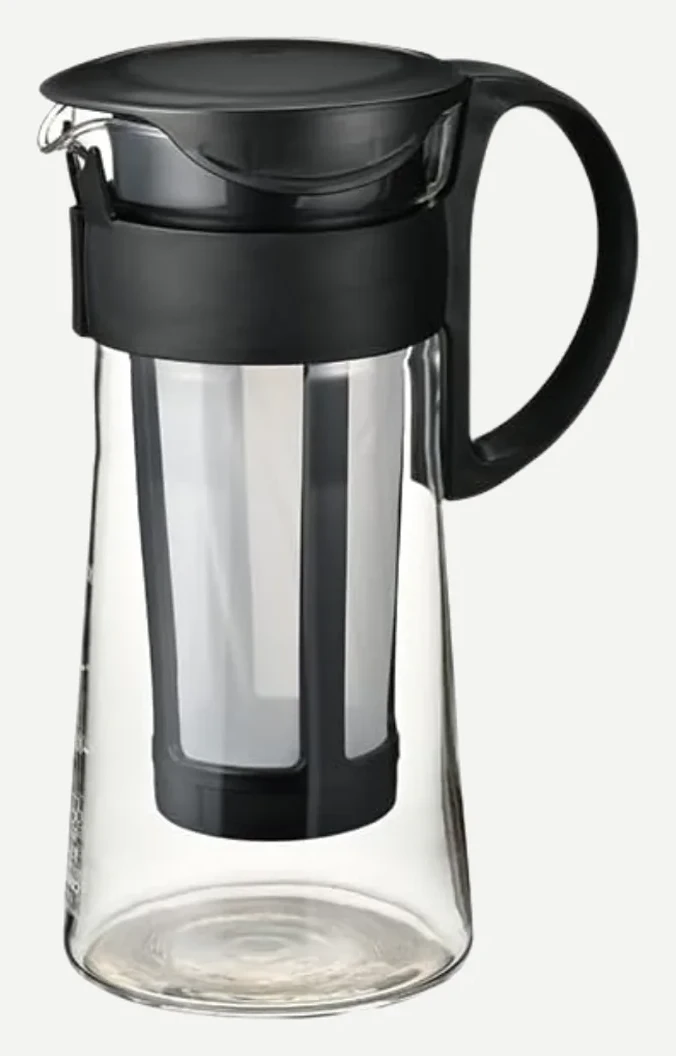 Hario Mizudashi Cold Brew Coffee Pot 600mlOne or two people who want cold brew in the fridge door without buying a system
 OVALWARE RJ3 Airtight Cold Brew Coffee Maker 1.5LSomebody brewing a week of concentrate at once, or steeping loose leaf tea in the same vessel
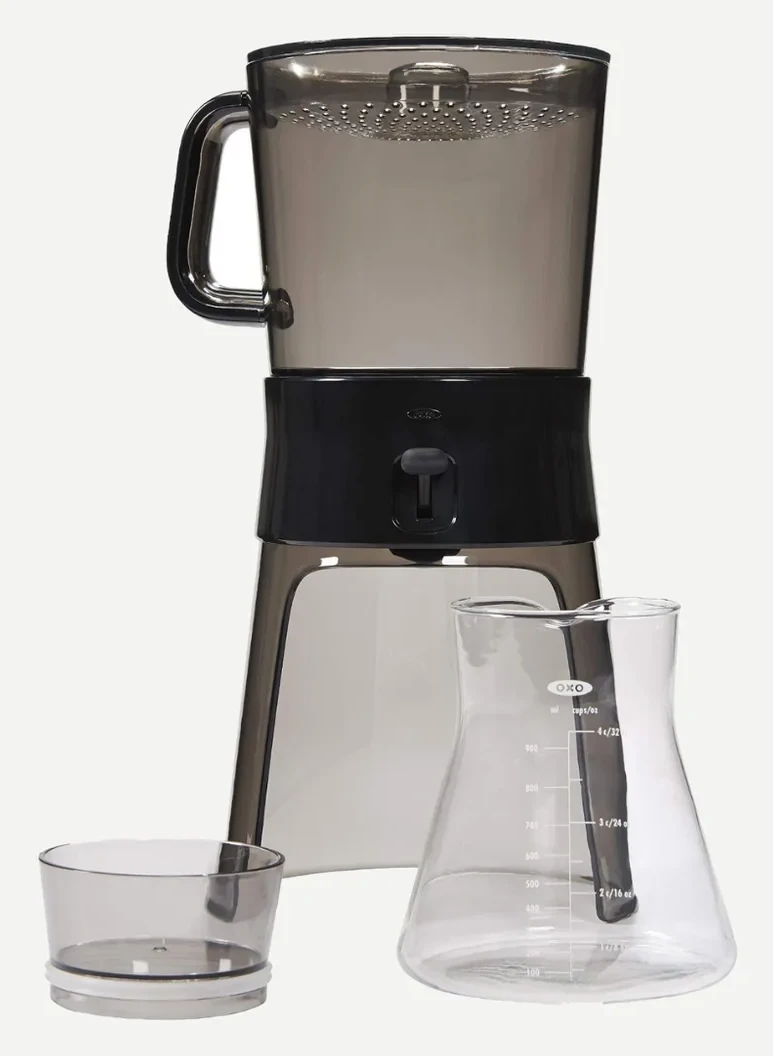 OXO Good Grips Cold Brew Coffee Maker 32ozA household that drinks iced coffee daily and wants a fortnight of concentrate in the fridge
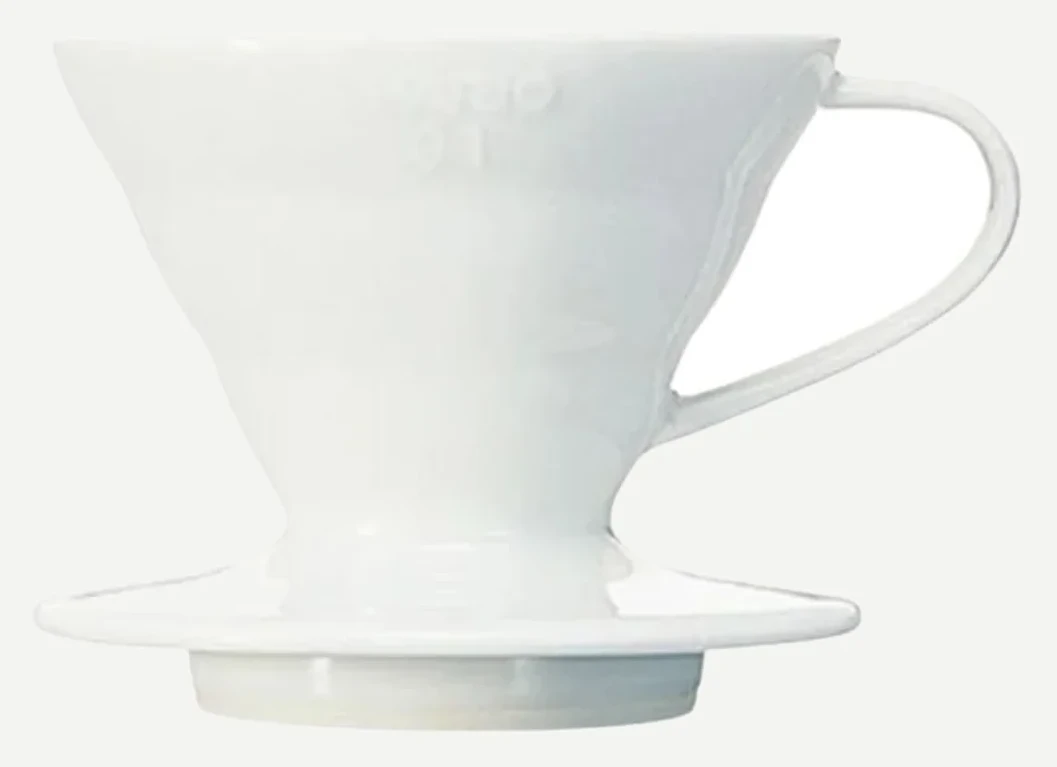 Hario V60Home brewers and baristas who want full manual control over extraction speed and flavor profile
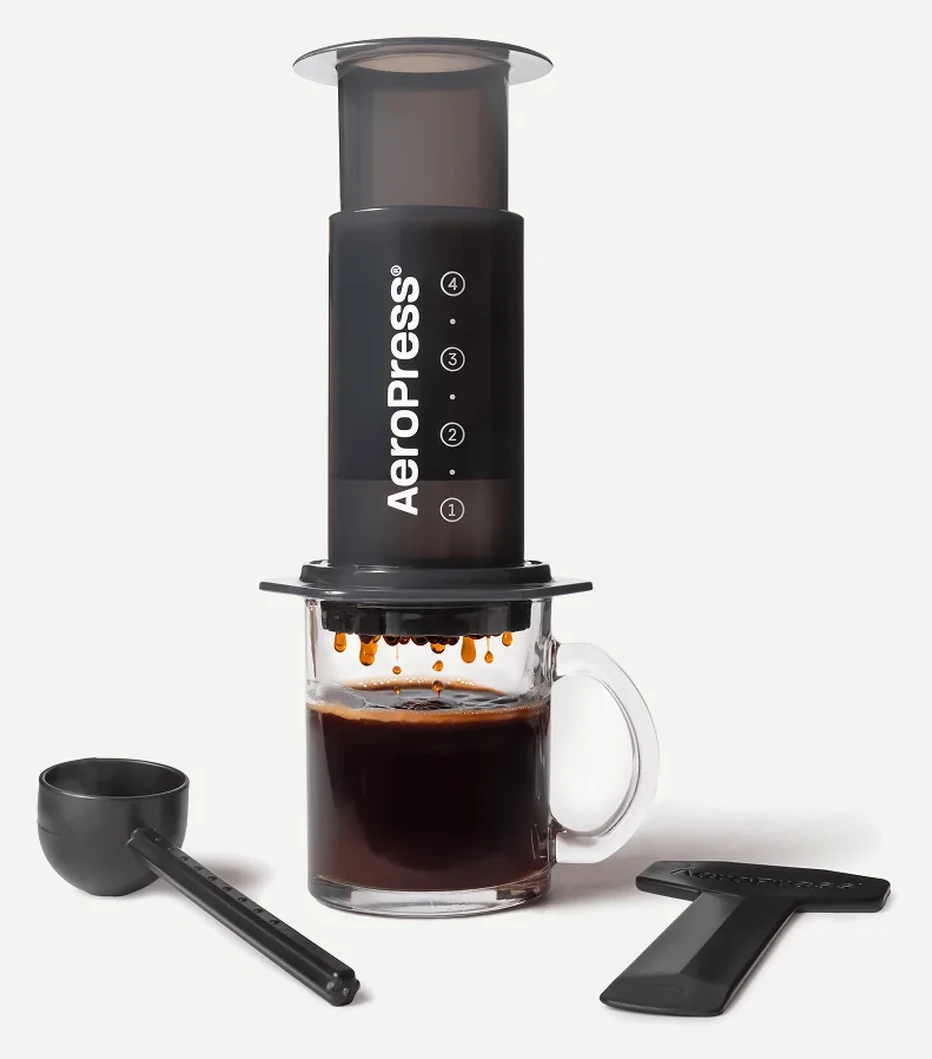 AeroPress Originalsomebody who wants one very good cup in two minutes and does not want to look after glass