
Compostable Coffee Pods: What the Certification Actually Promises
Certified compostable almost always means an industrial facility, not your garden, and most US kerbside programmes will not take it.
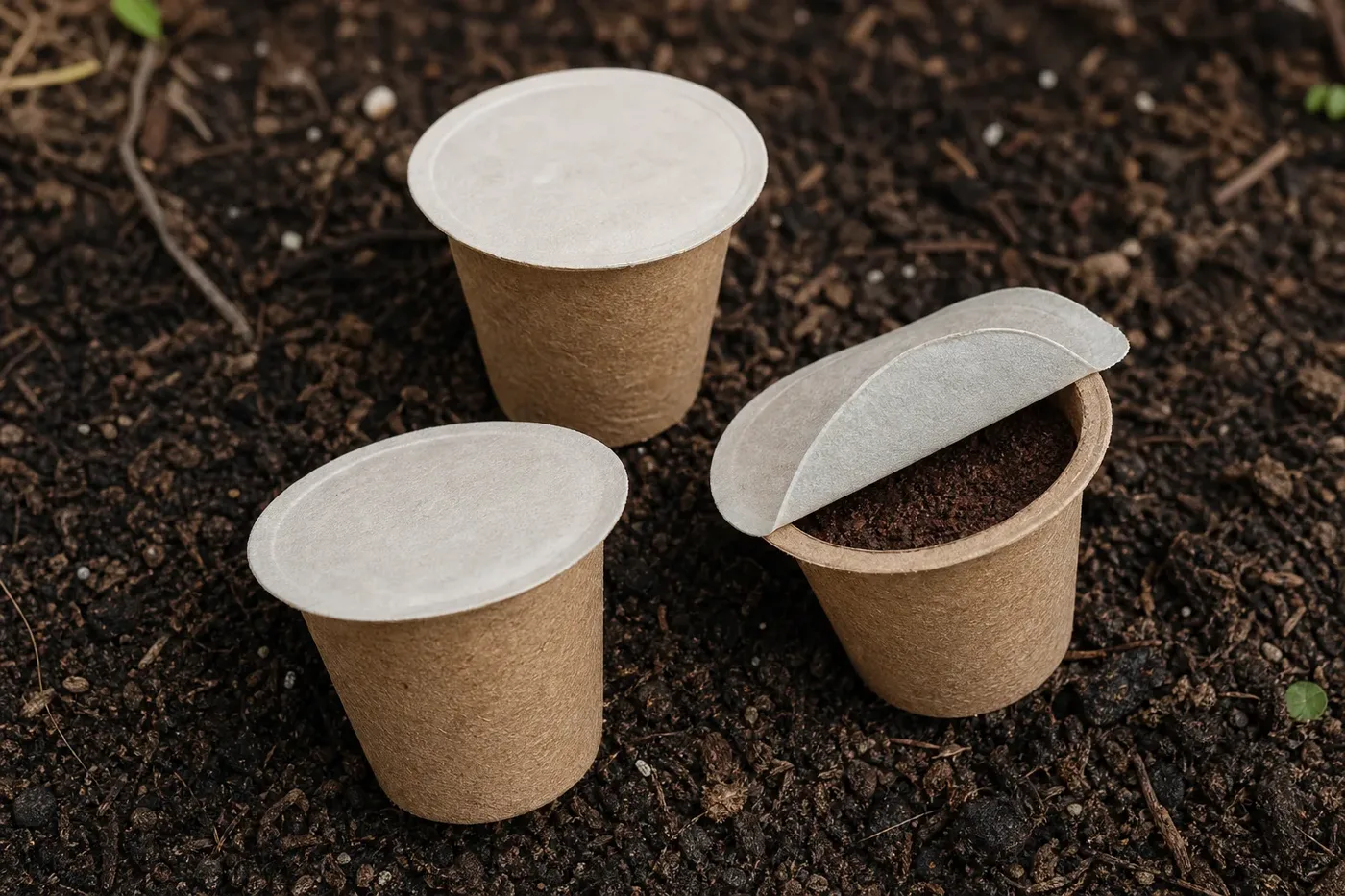
A compostable pod is not a pod that disappears in your garden. The word is tied to a test standard, that standard is written for industrial composting, and whether your council collects the result is a separate question with a discouraging answer.
What the certification tests
In the US the mark to look for is BPI, which certifies against ASTM D6400, the standard whose own title says "Designed to be Aerobically Composted in Municipal or Industrial Facilities". Its companions cover coated paper and fibre packaging. BPI's scheme sets numbers rather than adjectives:
- Disintegration. After no more than 12 weeks, no more than 10 percent of the original dry weight may remain on a 2 mm screen.
- Biodegradation. 90 percent within six months.
- Metals. Below half the US regulatory thresholds.
- Fluorine. A maximum of 100 ppm, which is the test that keeps PFAS out.
- Ecotoxicity. Two plant tests comparing compost made with and without the material, on germination and biomass.
Pods get their own rule. BPI treats a pod as a shell plus contents, runs the biodegradation and toxicity tests on the empty shell, and runs the disintegration test on the whole thing with the coffee still in it.
Industrial is not home
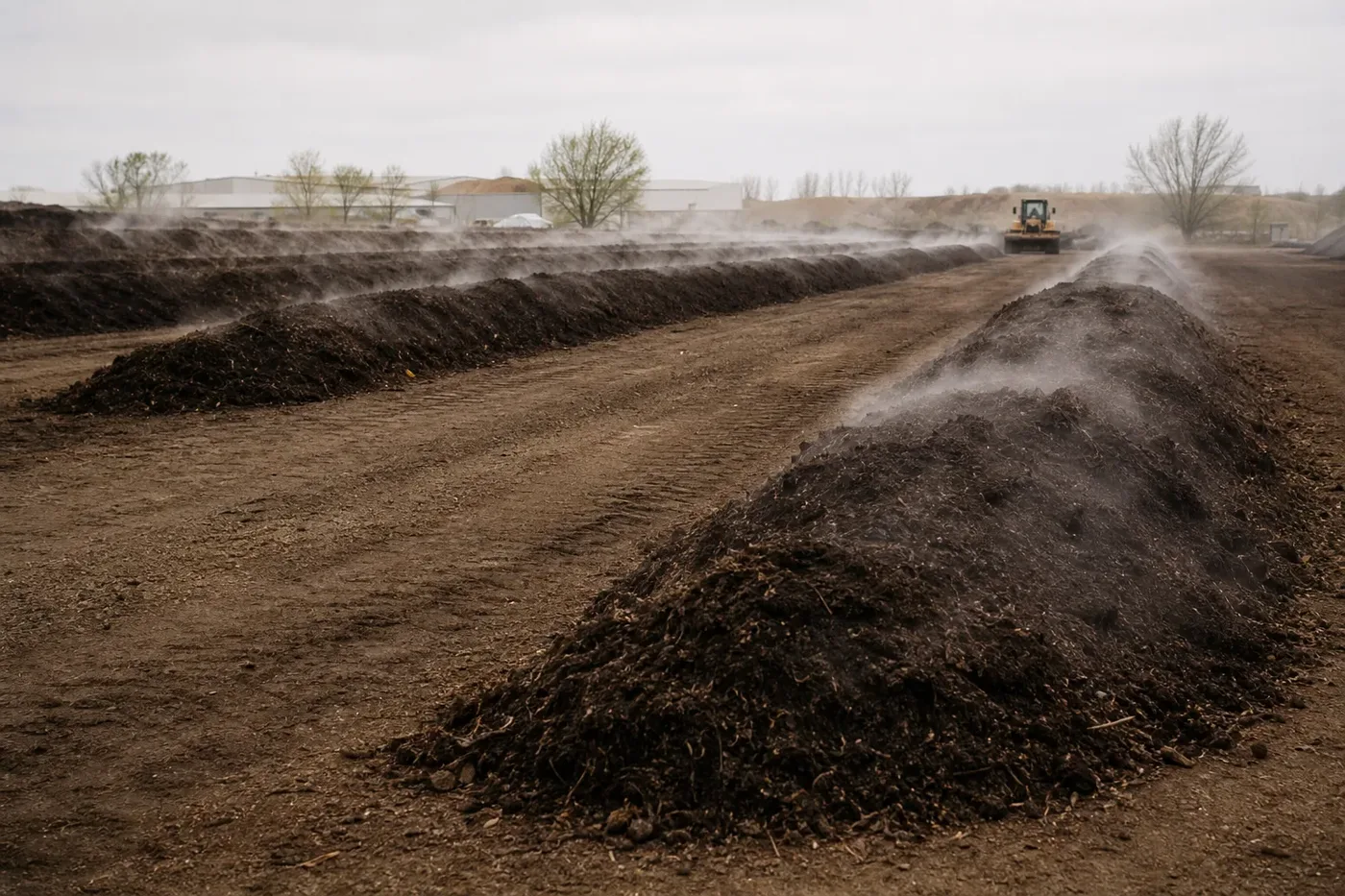
This is where most of the confusion lives. Industrial composting runs hot, and BPI's commercial test conditions sit at 58 C. Home composting is tested at 25 C and given far longer: 180 days to disintegrate and twelve months to biodegrade.
Europe's marks say the same thing more plainly. TÜV Austria's OK compost INDUSTRIAL covers material that breaks down at 55 to 60 C and, in its own words, "should not go into the garden compost", while OK compost HOME covers material that manages it at lower temperatures within 180 days. Both rest on the same four tests: biodegradation, disintegration, ecotoxicity and heavy metals.
Every certified US pod we found claims the industrial standard. That is the claim on San Francisco Bay's OneCUP, which states 90 percent breakdown in 84 days or less under industrial conditions, and on PURPOD100 and envipods.
How long a certificate lasts
Certification is not permanent. BPI's runs for three years before recertification, and the institute also buys certified products anonymously off the market and re-tests them, which is the part that gives the mark its teeth. Europe's equivalent, EN 13432, sets the same shape of requirement: disintegration within three months in industrial conditions and 90 percent biodegradation within six, without harming the compost or plant growth.
The part the certificate cannot promise
Certification says a pod can break down in an industrial facility. It says nothing about whether one will ever receive it. Only 7 percent of the largest US cities run kerbside composting that accepts compostable packaging, covering about 3 percent of the population, even though a national survey found 71 percent of full-scale food-waste composting facilities now take some compostable food-contact packaging.
So the honest instruction is: check what your own collection takes before you buy on this basis. If it takes food waste but not packaging, a certified pod goes in the same bin as an uncertified one, and the certificate has bought you nothing.
What to do with that
One announcement is worth watching, and worth reading carefully. Keurig says its AltaRounds, a plastic-free and aluminium-free pod for its new Alta brewer launching at the end of September 2026, are expected to be certified compostable and that it is working through that process now. That is an intention to be tested, not a test passed, and the difference is the whole subject of this page: press coverage has already described them as fully compostable, which is further than Keurig's own wording goes.
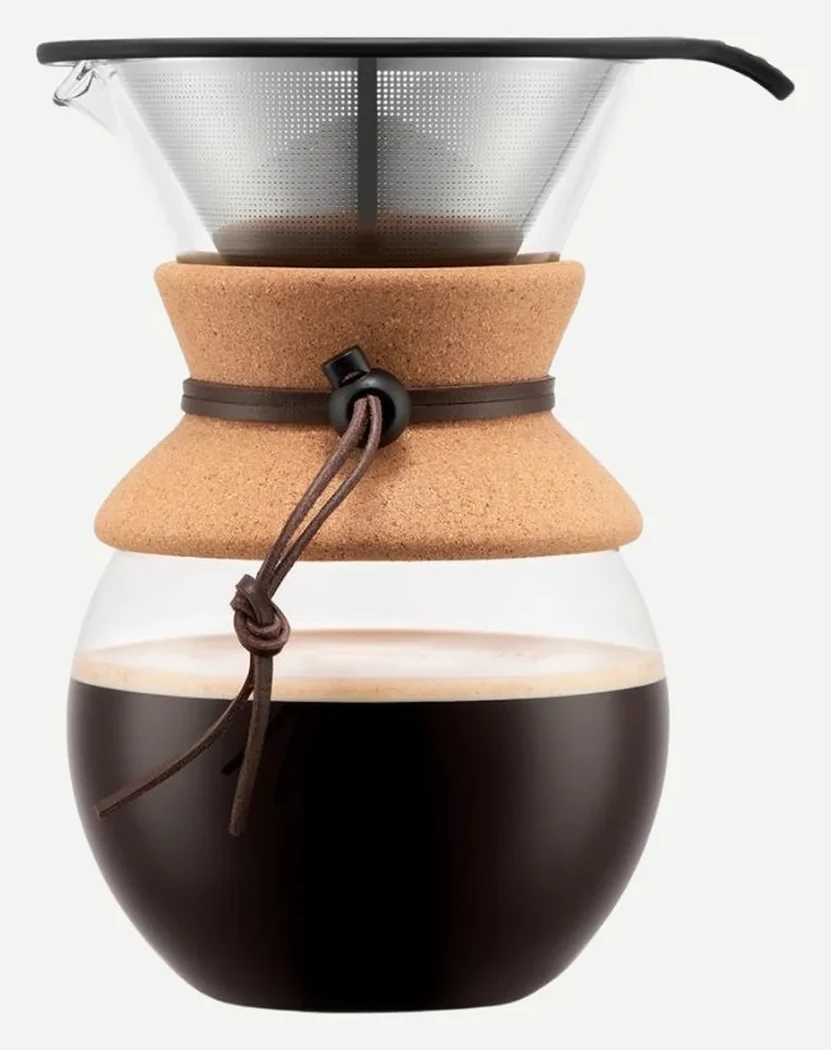
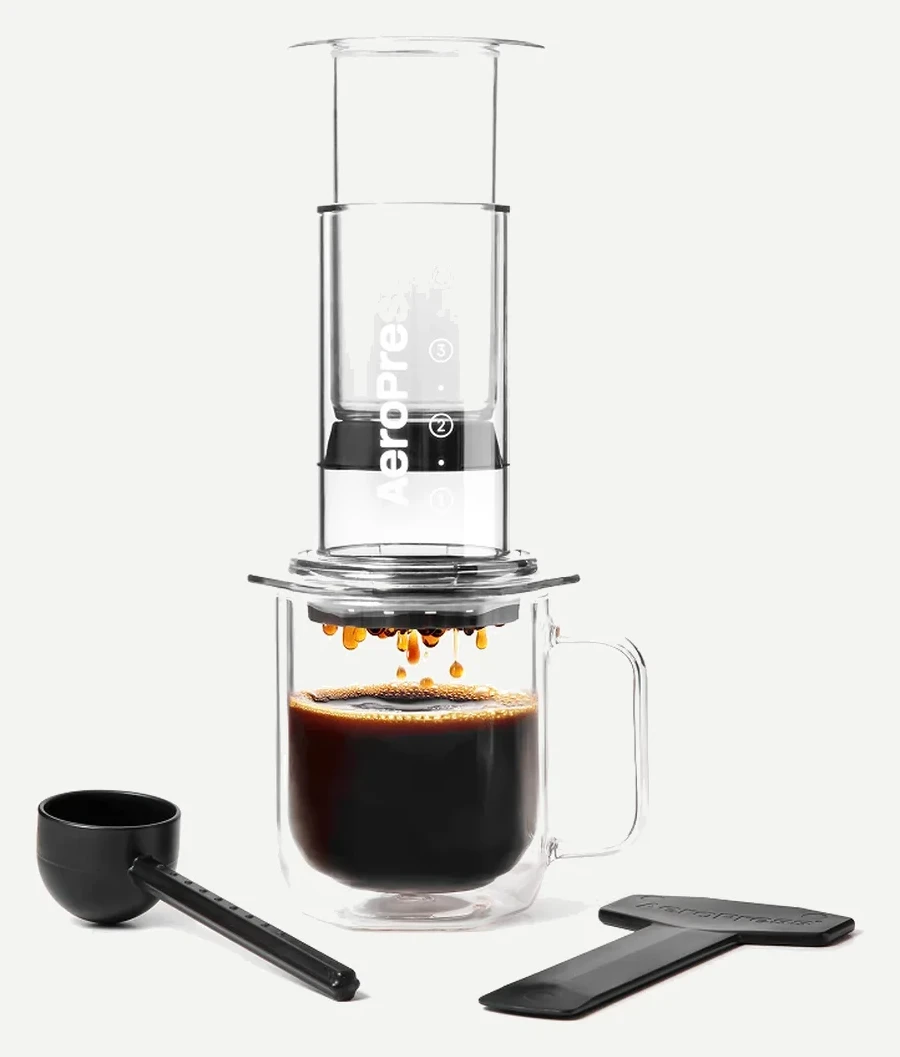
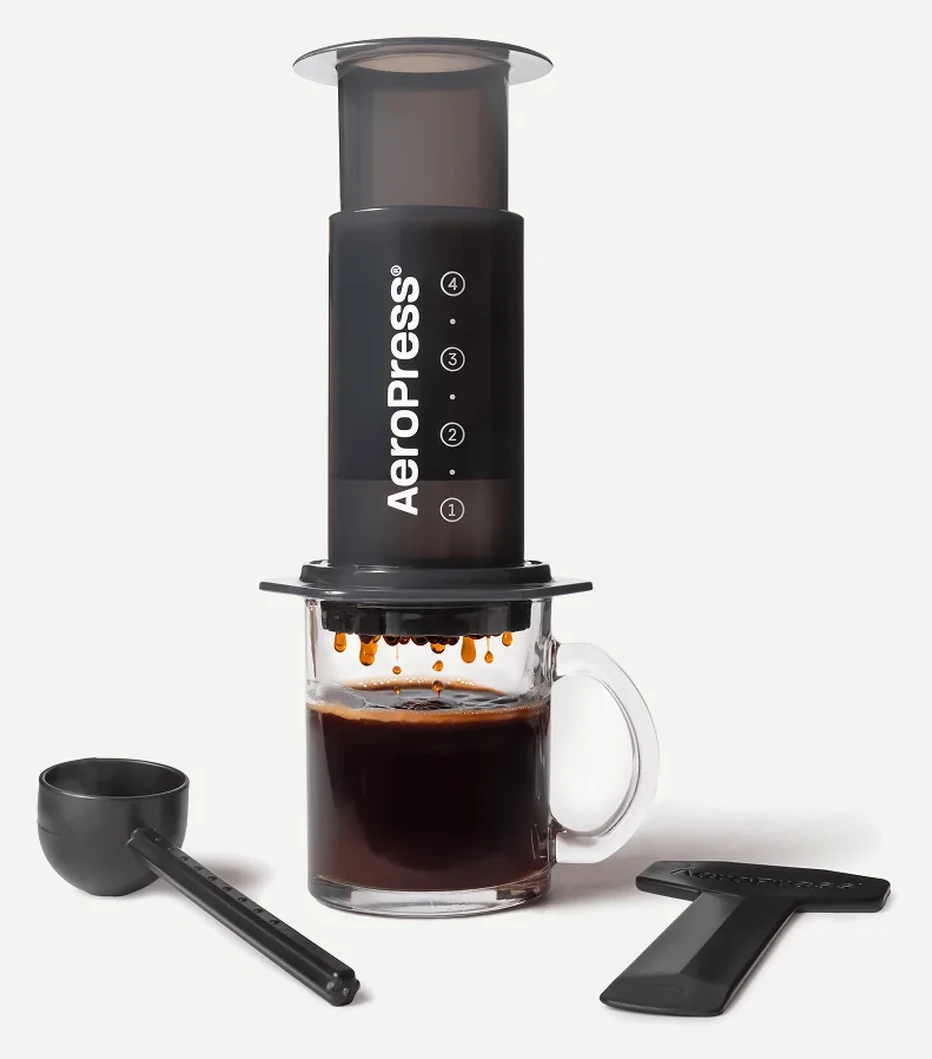
If your area composts packaging, a BPI-certified pod is a real improvement over aluminium or plastic. If it does not, the choices that still change something are a reusable filter, which removes the pod entirely, or a format with no packaging around the coffee at all, which is what the Lavazza Tablì tab does. What the certification marks on a bag of coffee mean is a separate subject, covered in coffee certifications.
Common questions
Can compostable coffee pods go in my garden compost?
Usually not. Almost every certified pod is certified to an industrial standard, tested at about 58 C. Home composting is a separate certification tested at 25 C over 180 days, and we found no US pod brand claiming it.
What does BPI certified mean on a coffee pod?
It means the pod has passed ASTM D6400, a US lab standard for breaking down in an industrial composting facility: at least 90 percent of it has to break down within six months, and it must not leave harmful levels of metals or other chemicals behind. It does not mean it will break down in a garden compost heap.
Do kerbside recycling schemes take compostable pods?
Rarely. Only about 7 percent of the largest US cities run kerbside composting that accepts compostable packaging, covering roughly 3 percent of the population.
Is a compostable pod better than a recyclable one?
Only if it reaches a facility that will compost it. Otherwise both end up in the same bin, and a reusable filter or a format with no packaging does more.