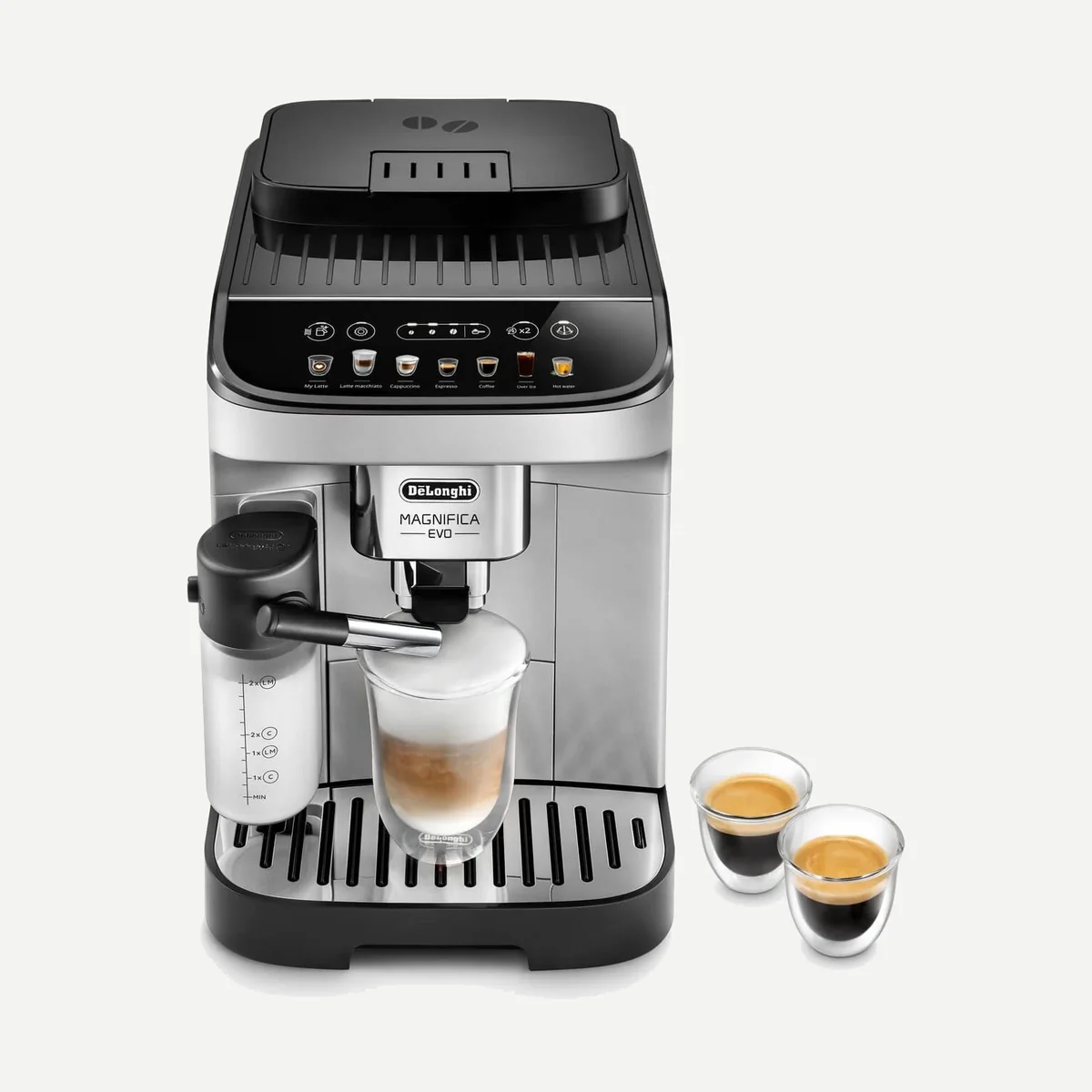
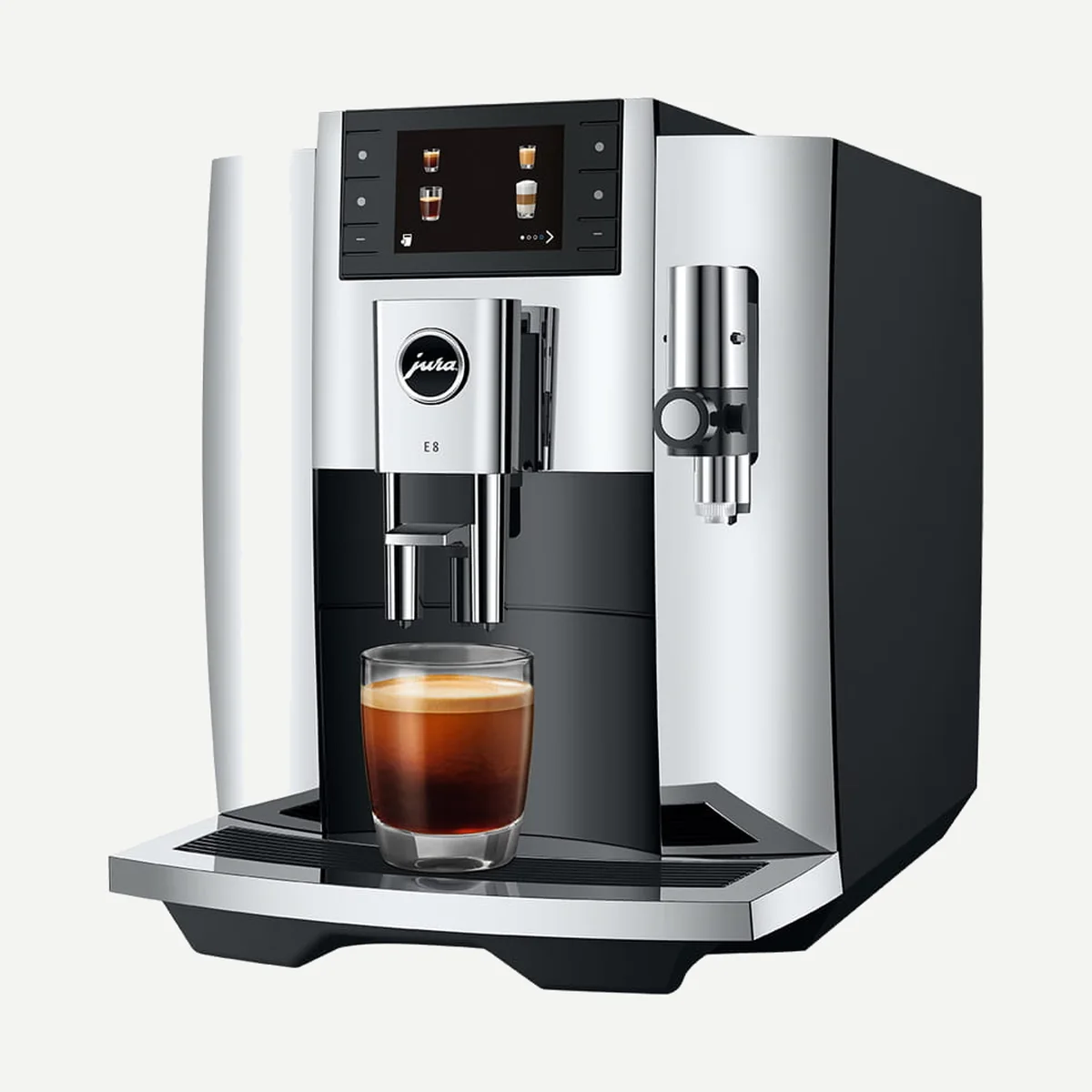
Bean-to-Cup or Espresso Machine: Which One Suits You
One removes the skill, the other rewards it. The honest split is whether you want the coffee or the making.
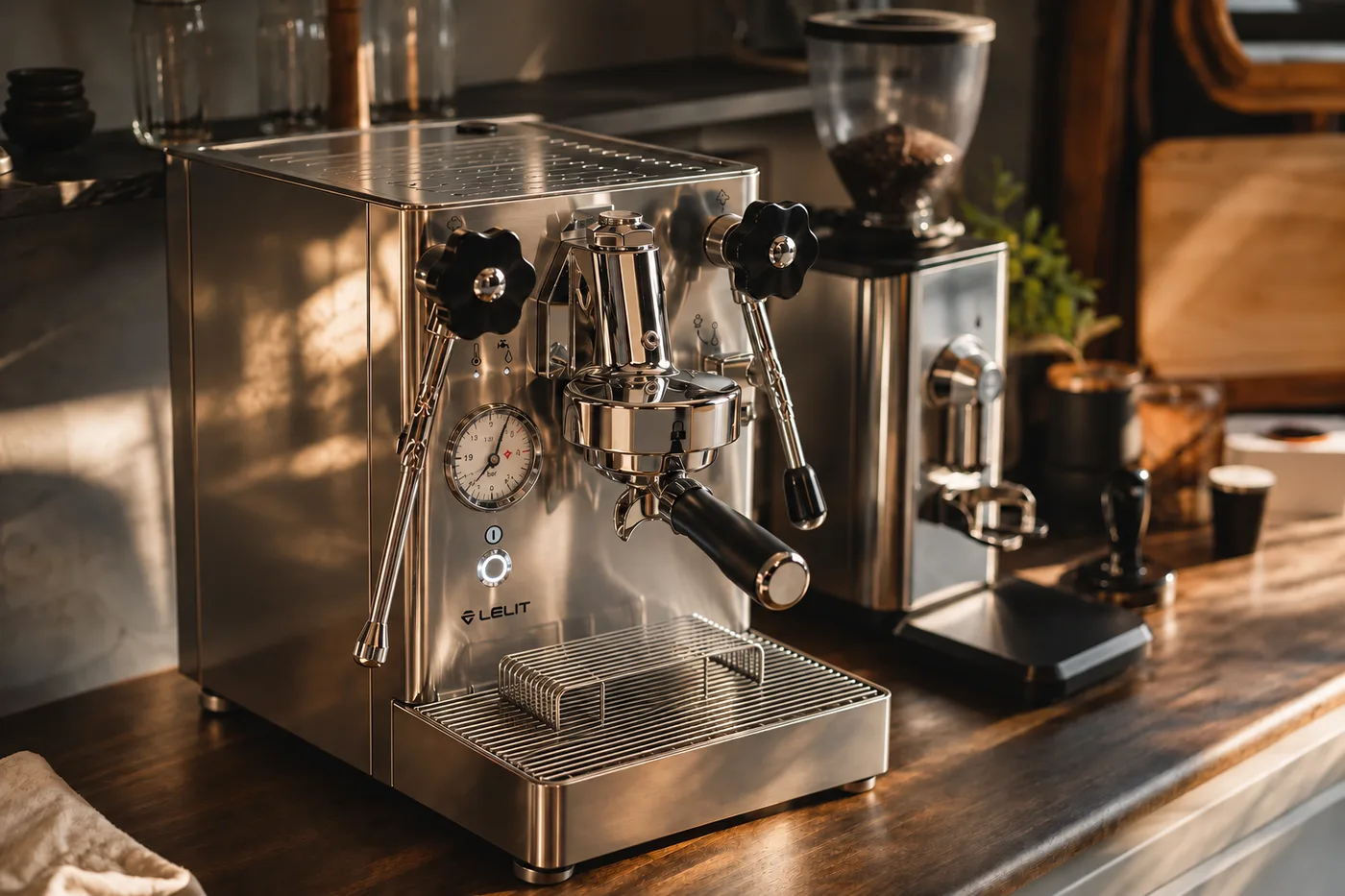
These two machines answer different questions, and the question is not about quality. It is about which half of the job you want to do yourself.
A bean-to-cup machine fixes the dose, the tamp and the shot time. An espresso machine hands all three to you and holds you responsible for them. Everything else follows from that.
What a bean-to-cup machine automates
Pulling good espresso means controlling how much coffee goes in, how evenly it is compressed, how finely it is ground and how long the water takes to pass through. Those four levers interact, which is why dialling in a new bag takes a few shots even for people who do it daily.
A bean-to-cup machine removes the levers. It weighs nothing and measures nothing you can see, and it gives you a strength setting and a grind dial instead. The result is a cup that is the same on Monday and Thursday, and the same after a bad night's sleep. That is worth a great deal to most households and almost nothing to a hobbyist.
Bean-to-cup vs espresso machine cost
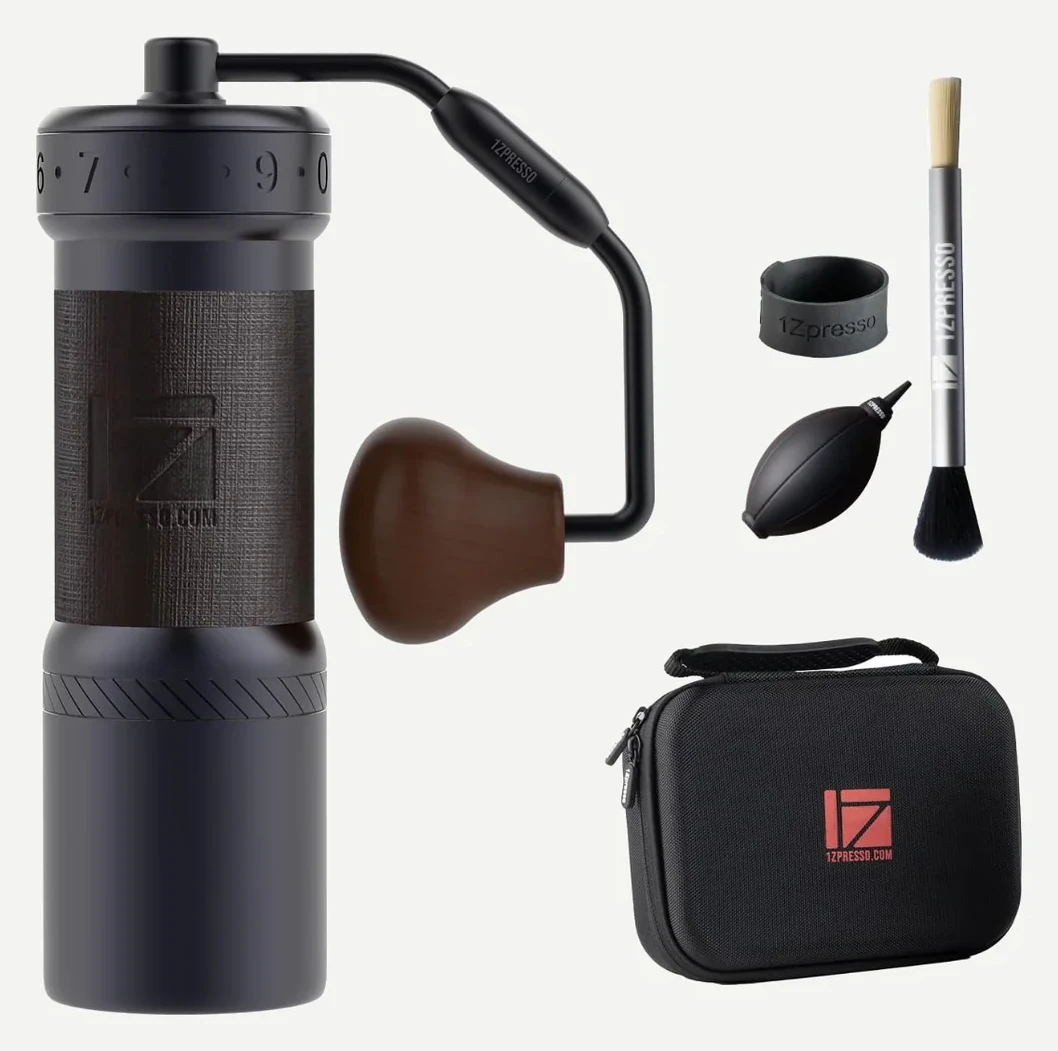
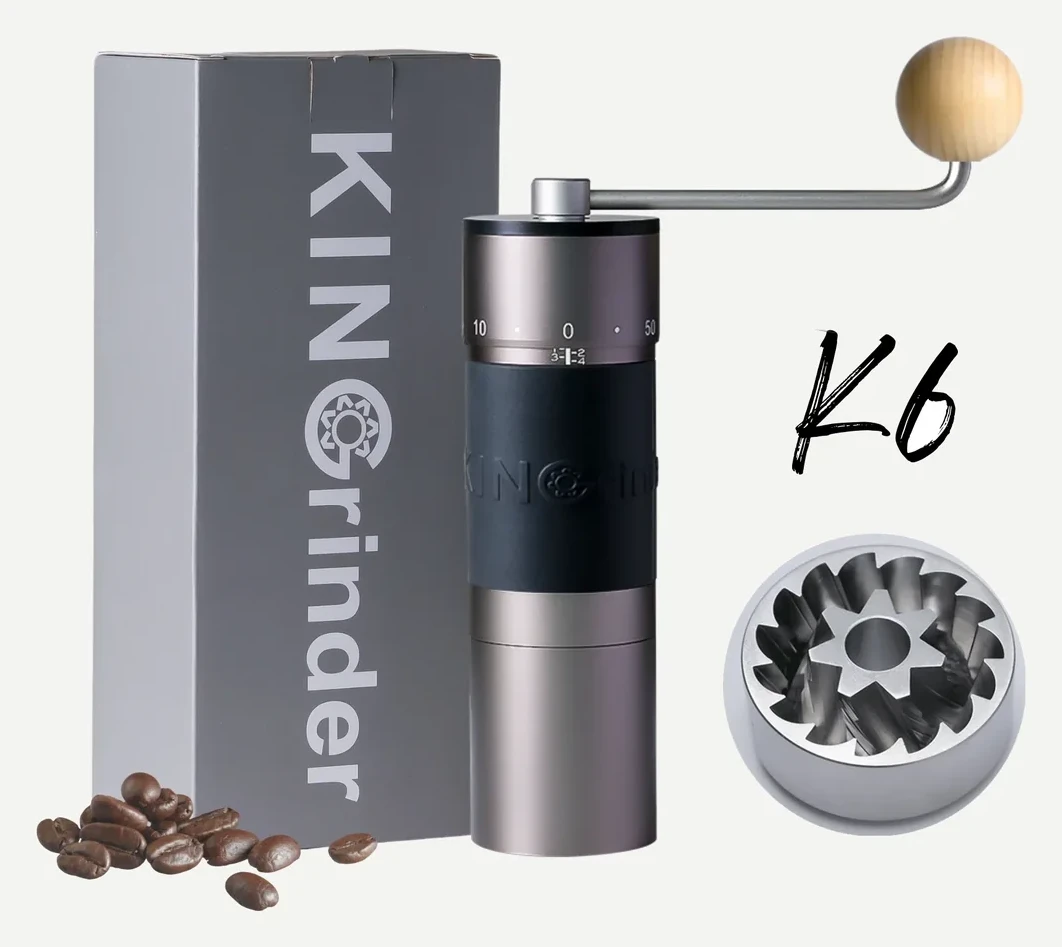
An espresso machine is not the price of the espresso machine. It is the price of the machine plus a grinder that can grind fine enough and consistently enough for espresso, which is a real piece of equipment and rarely cheap. Compare a $700 espresso setup with a $700 bean-to-cup machine and you are comparing a machine with no grinder against a machine with one.
Our espresso machine listing and the bean-to-cup listing both quote machine prices only, so do that arithmetic yourself before deciding one looks better value.
Where a bean-to-cup machine wins
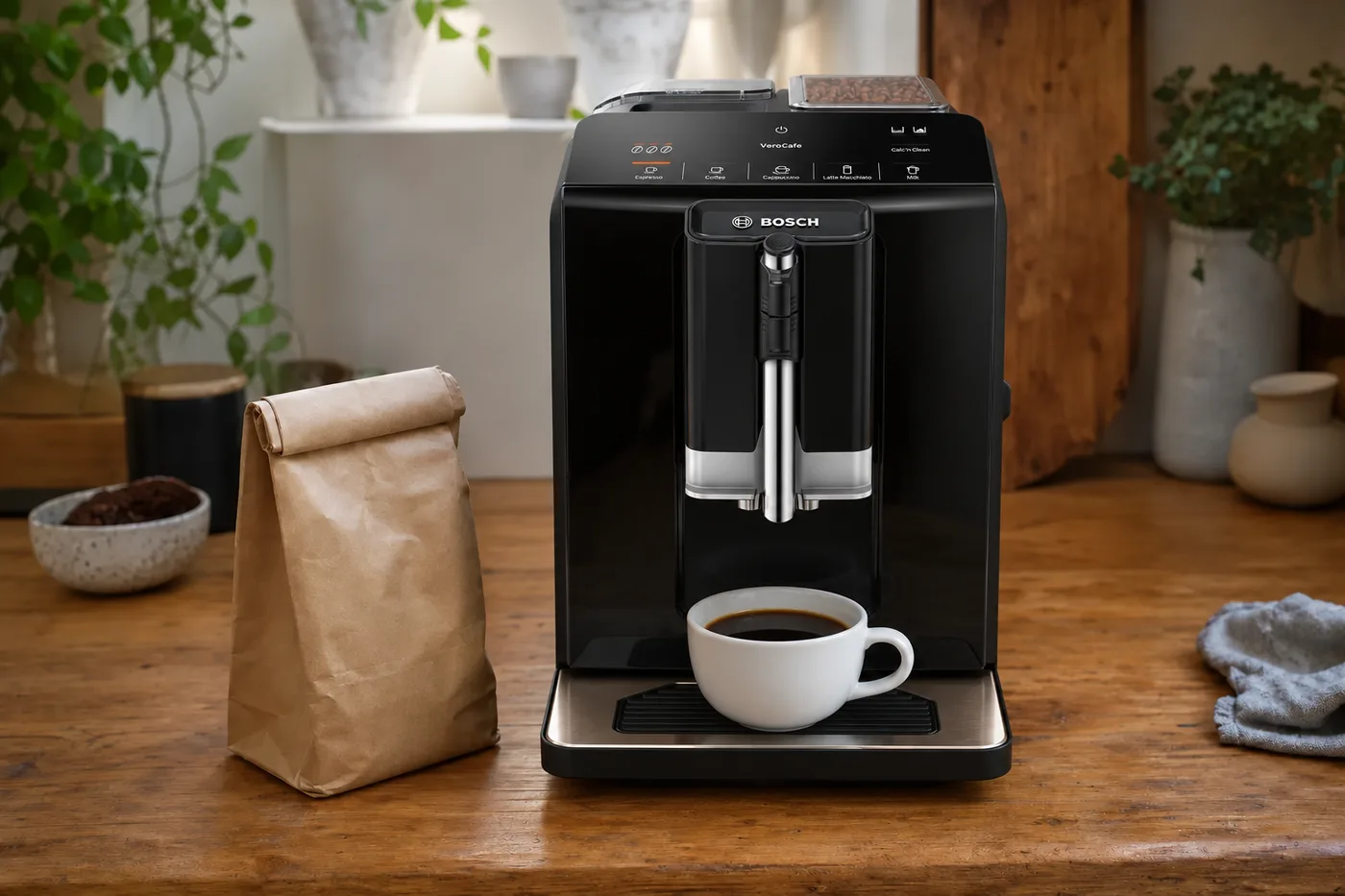
Speed on a weekday morning, and milk. A machine with an integrated carafe makes a latte macchiato while you find your keys. Doing the same on an espresso machine means pulling a shot, then texturing milk in a jug, then cleaning the wand, which is three jobs and a rinse.
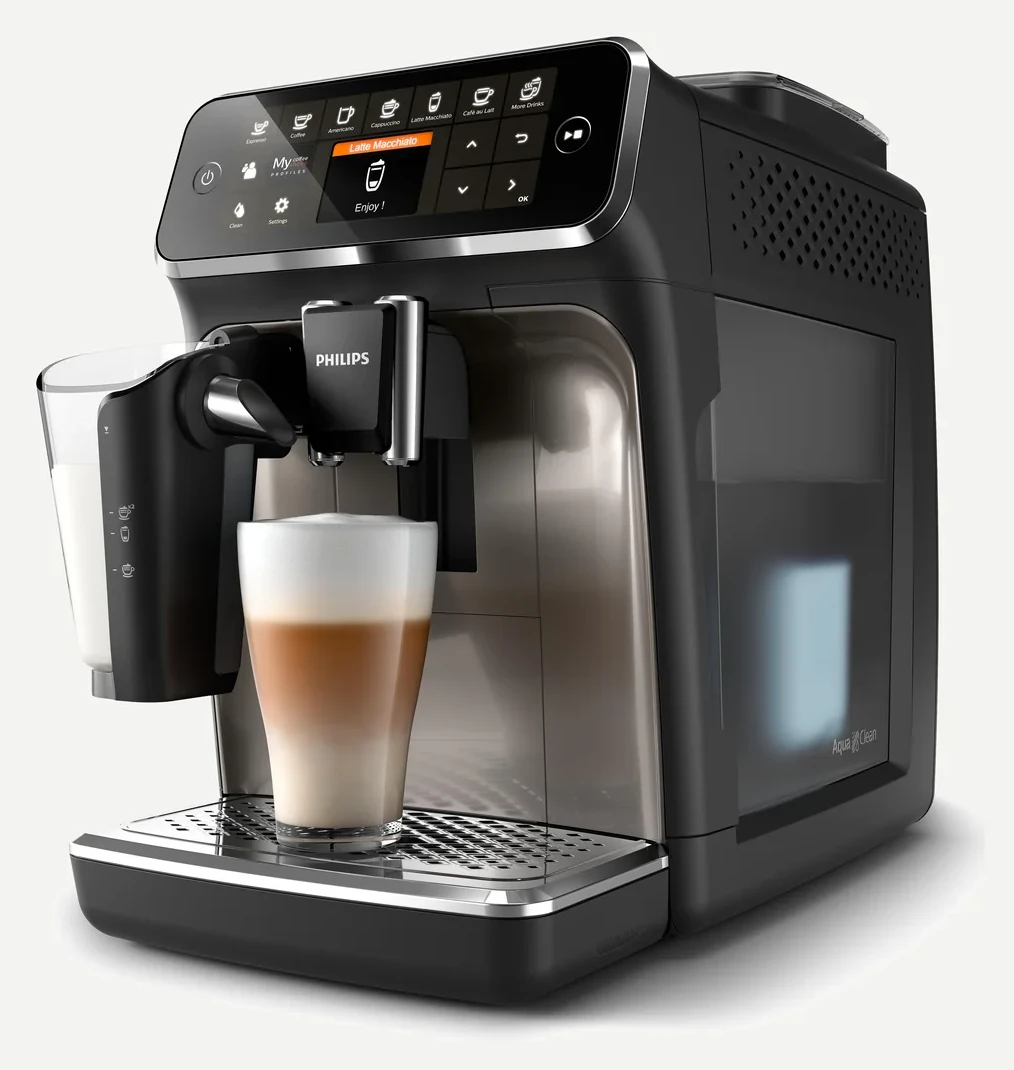
The Philips 4300 LatteGo is a fair example of what that automation costs: it names six one-touch drinks and its milk system comes apart into two pieces for rinsing, with no tubes to clear.
Where an espresso machine wins
Ceiling, and repairability. A good espresso machine with a good grinder has no upper limit that the equipment imposes, only the one you impose by not practising. It is also, generally, a simpler object: a boiler, a pump, a group head. Fewer things are automated, so fewer things can break in ways that need a technician.
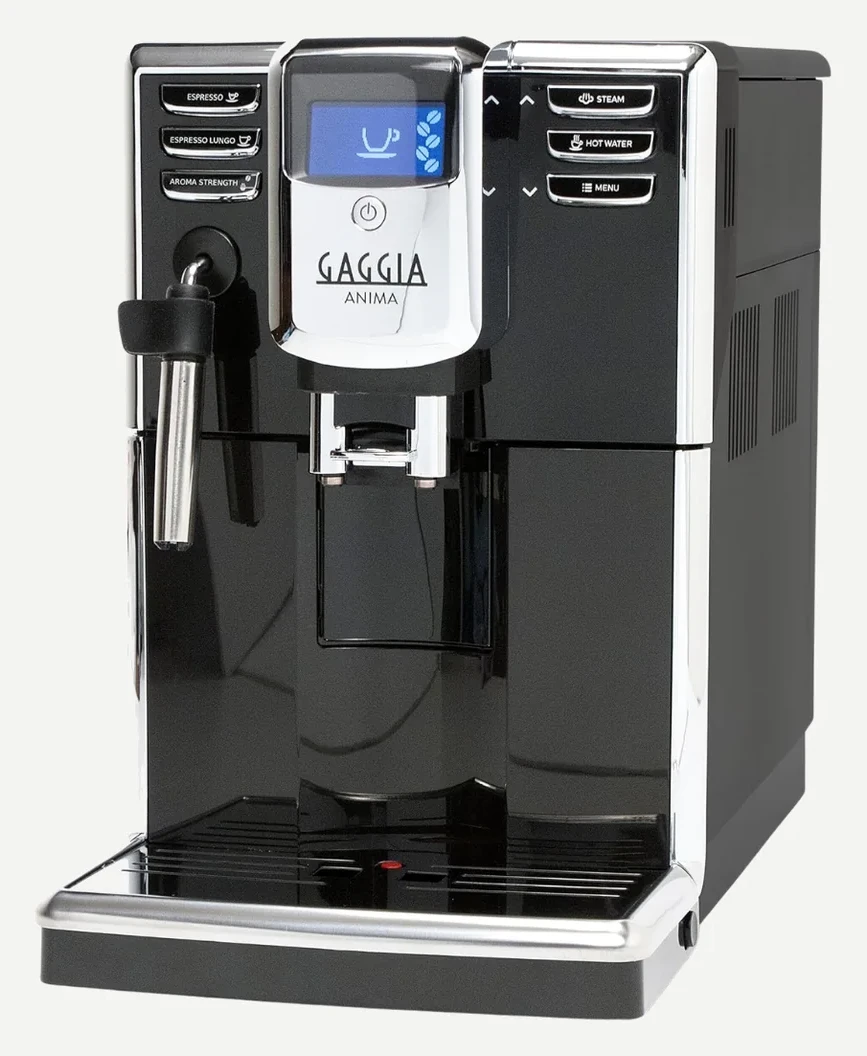
There is a middle case worth knowing about. The Gaggia Anima is a bean-to-cup machine with a manual wand, which is to say it automates the coffee and leaves you the milk. That combination suits people who want a fast black coffee on weekdays and enjoy texturing milk at the weekend.
Bean-to-cup or espresso machine: the question that decides it
Do you want coffee, or do you want to make coffee? Both are good answers and they point at different machines. If the answer is that you want good coffee with no ritual attached, the automation is not a compromise, it is the product. If the ritual is the appeal, no amount of automation will replace it and you will end up buying the second machine anyway.
What breaks on a bean-to-cup or espresso machine
A bean-to-cup machine has a grinder, a brew group that moves, a pump, a boiler and usually a milk pump, all under software. An espresso machine has a pump, a boiler and a group head that mostly does not move. More automation means more parts, and more parts means more that can fail in ways you cannot see.
That matters most on the machines where the brew group is sealed inside. On those, a routine clean is a service visit rather than a rinse, and the cost of that visit scales with the price of the machine. It is the strongest practical argument for checking whether the brew group lifts out before you buy, and our guide to cleaning one covers what the three jobs actually involve.
Is a bean-to-cup machine faster than an espresso machine?
An espresso machine with a hot boiler pulls a shot faster than a bean-to-cup machine grinds and brews one. The bean machine wins on total time because it does the grinding, the dosing and the disposal in the same press, and those are the steps that take you away from what you were doing.
The honest comparison is the second cup. Two black coffees from a bean machine are two presses. Two from an espresso machine are two grinds, two doses, two tamps and a rinse.
Bean-to-cup vs espresso machine FAQ
Is espresso from a bean-to-cup machine worse?
It is more consistent and less adjustable. The machine grinds, doses and tamps identically every time, which removes both the bad shots and the best ones. A skilled person on a good espresso machine will beat it; the same person half awake on a Tuesday will not.
Do I need a separate grinder for an espresso machine?
Yes, and it is the cost people forget. An espresso machine at $400 still needs a grinder capable of espresso, which is rarely under $200 and often much more. A bean-to-cup machine includes its grinder in the price, so compare the two as complete setups rather than as machines.
Which is cheaper to run?
They are the same, because both brew from whole beans and the beans are the running cost. The difference is upfront and in maintenance: a bean-to-cup machine has more inside it to go wrong and usually needs a paid service eventually.
Can a bean-to-cup machine make a flat white?
Several of them name it as a one-touch drink, and five of the machines we list publish it. What they cannot do is give you the milk control a wand gives, so the texture is the machine's idea of microfoam rather than yours.
Which should a beginner buy?
Bean-to-cup, unless the making is the part that appeals. A beginner on an espresso machine spends the first month producing bad coffee while learning to dial in a grinder, and some people love that and some people quietly stop using it.