Under-Extracted Espresso: Why It Tastes Sour and How to Fix It
A sour, thin, salty shot has not had enough dissolved out of the coffee. The signs, the usual causes, and the order to fix them in.
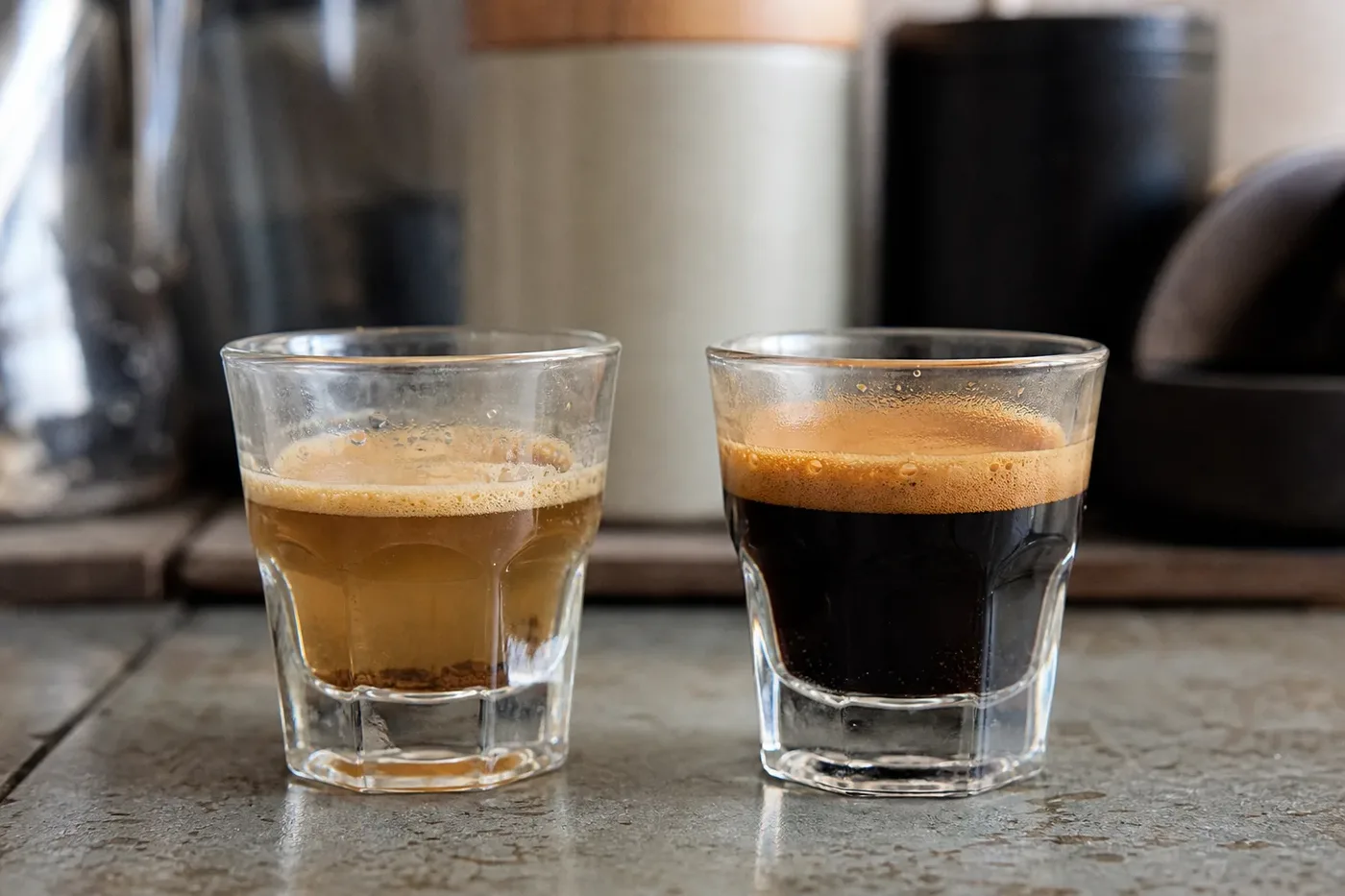
An under-extracted espresso is one where the water has not dissolved enough of the coffee. It tastes sour, sharp and thin, sometimes salty, and it finishes quickly without sweetness. The fix is almost always to get more out of the coffee, and grinding finer is the first thing to try.
What extraction means in espresso
Ground coffee is a mix of soluble compounds and insoluble plant material. Brewing dissolves some of the soluble part into the water. Those compounds do not leave at the same rate: acids dissolve first, then sugars and the compounds that give body, then the heavier bitter ones last.
Stop too early and the cup is dominated by that first wave of acids, with little sweetness to balance it. That is under-extraction. Go too far and the late bitter compounds take over, which is over-extraction.
How to recognize under-extracted espresso
- Sour. A sharp, lemony sourness that makes your mouth water, not a pleasant fruity brightness.
- Salty. Oddly, a salty edge is a common sign.
- Thin. Watery body with little weight in the mouth.
- Short. The flavour disappears quickly after you swallow.
- A fast shot. Often, though not always, the shot runs quickly and the crema turns pale early.
Taste is more reliable than timing. A shot can look right and still taste sour.
Sour espresso vs bright espresso
A good light-roast espresso is meant to have acidity, and that can confuse the diagnosis. Pleasant acidity tastes like fruit and sits alongside sweetness. Under-extracted sourness tastes sharp and hollow, with no sweetness at all. If you are unsure, extract a little more and taste again: if the shot becomes sweeter and rounder, it was under-extracted.
Under-extracted espresso vs channeling
A shot that tastes sour and bitter at the same time is usually channeling: water racing through one weak path in the puck, over-extracting that path and barely touching the rest. Grinding finer can make that worse. It needs better distribution rather than more extraction, and it is covered in espresso channeling.
Common causes of under-extracted espresso
- Grind too coarse, so water flows through too fast and dissolves too little.
- Too short a shot, stopped before enough water has passed through.
- Water too cool, which extracts less.
- A light roast, which is denser and harder to extract than a dark one.
- Stale coffee, which runs fast and thin even at a grind that used to work.
How to fix sour espresso, step by step
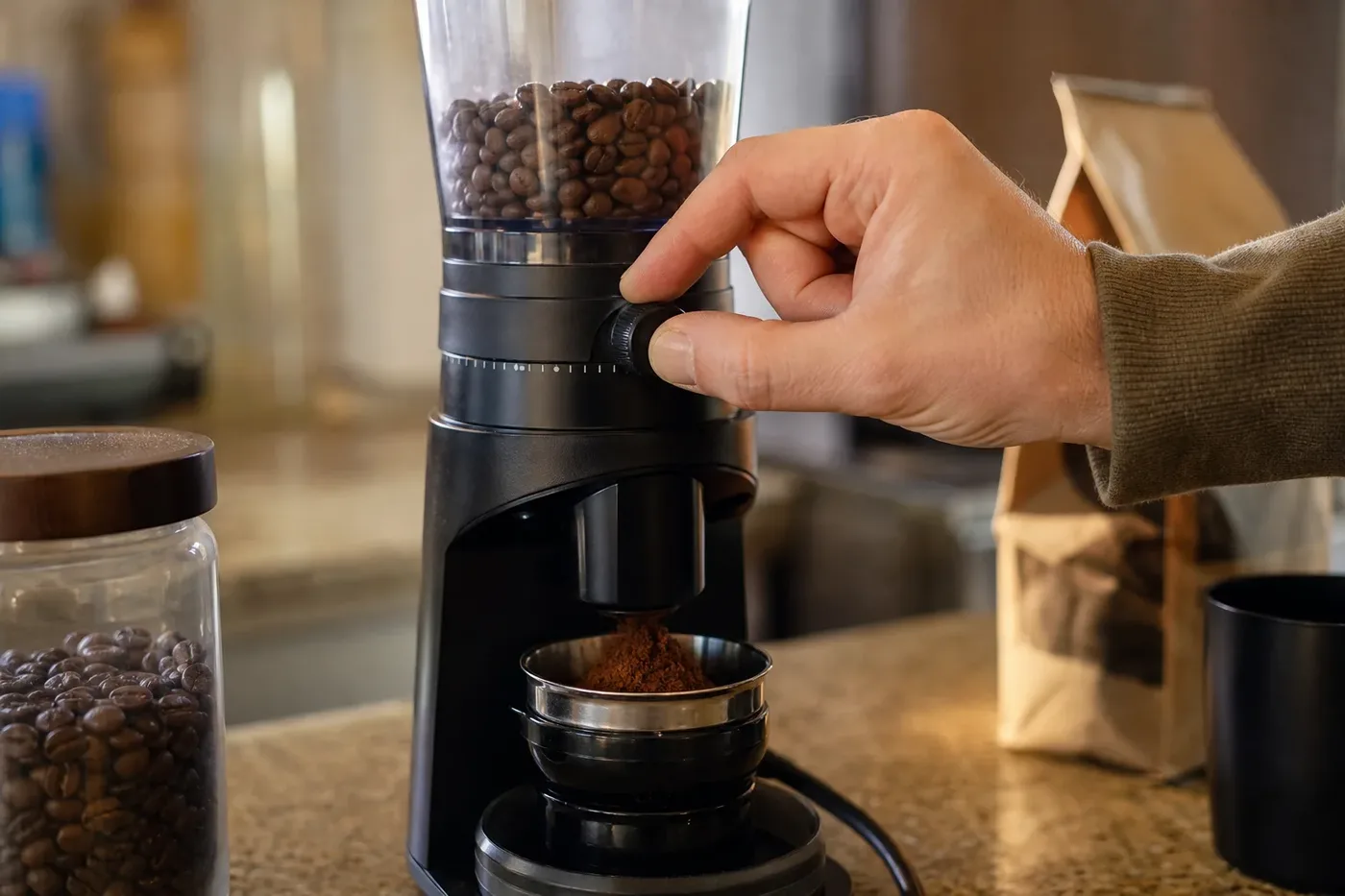
- Grind finer. One step at a time. This slows the shot and increases extraction, and it solves most sour shots on its own. How far a step moves things depends on the grinder, and the grind size guide covers the range.
- Let the shot run longer. Move from a ratio of about 1:2 toward 1:2.5, more liquid out for the same dose.
- Raise the temperature, if your machine allows it, especially for light roasts. The effect of each degree is explained in water temperature for coffee.
- Use pre-infusion if your machine has it, which helps a light roast extract evenly.
Change one thing at a time and taste after each change. Weighing both the dose and the shot turns guesswork into something repeatable, which is the argument made in brewing by weight.
When your grinder is the limit for sour espresso
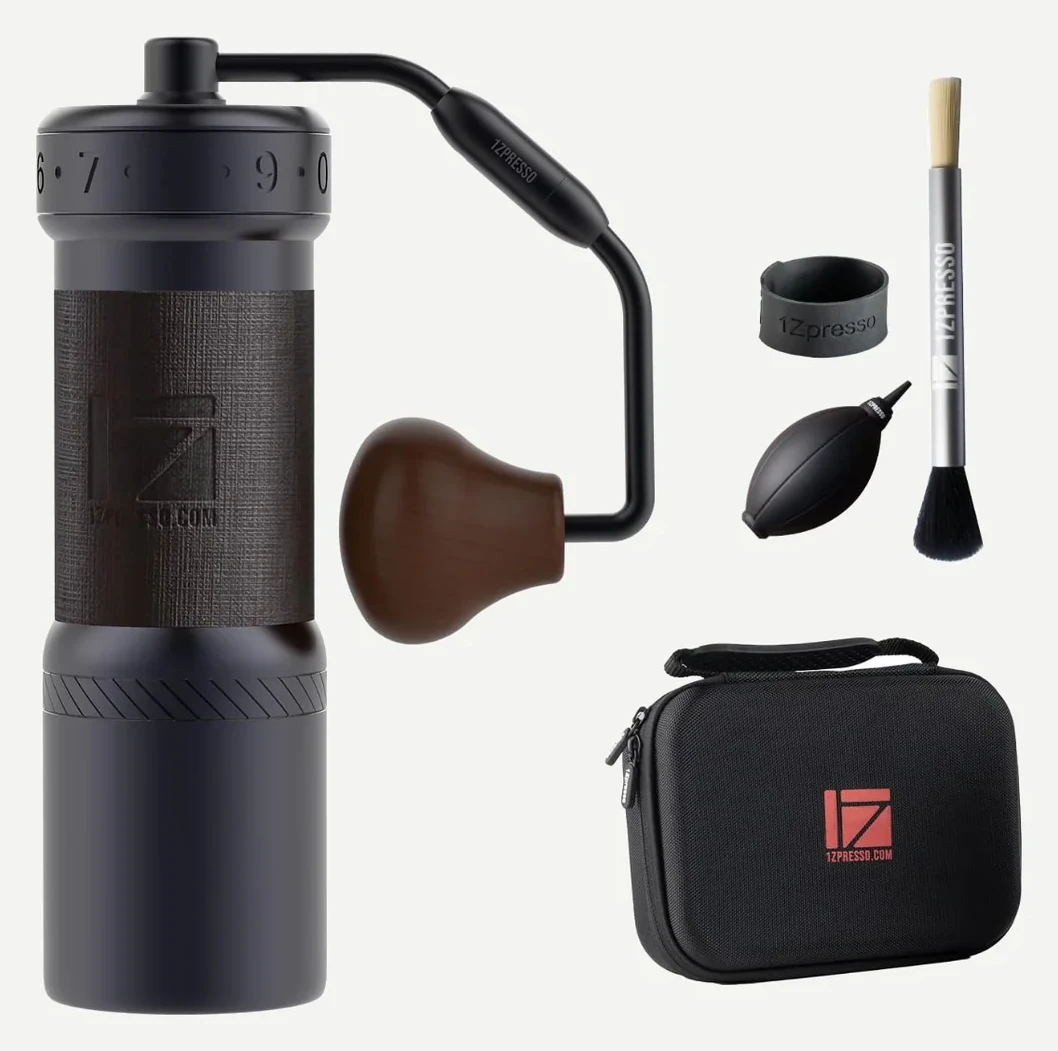
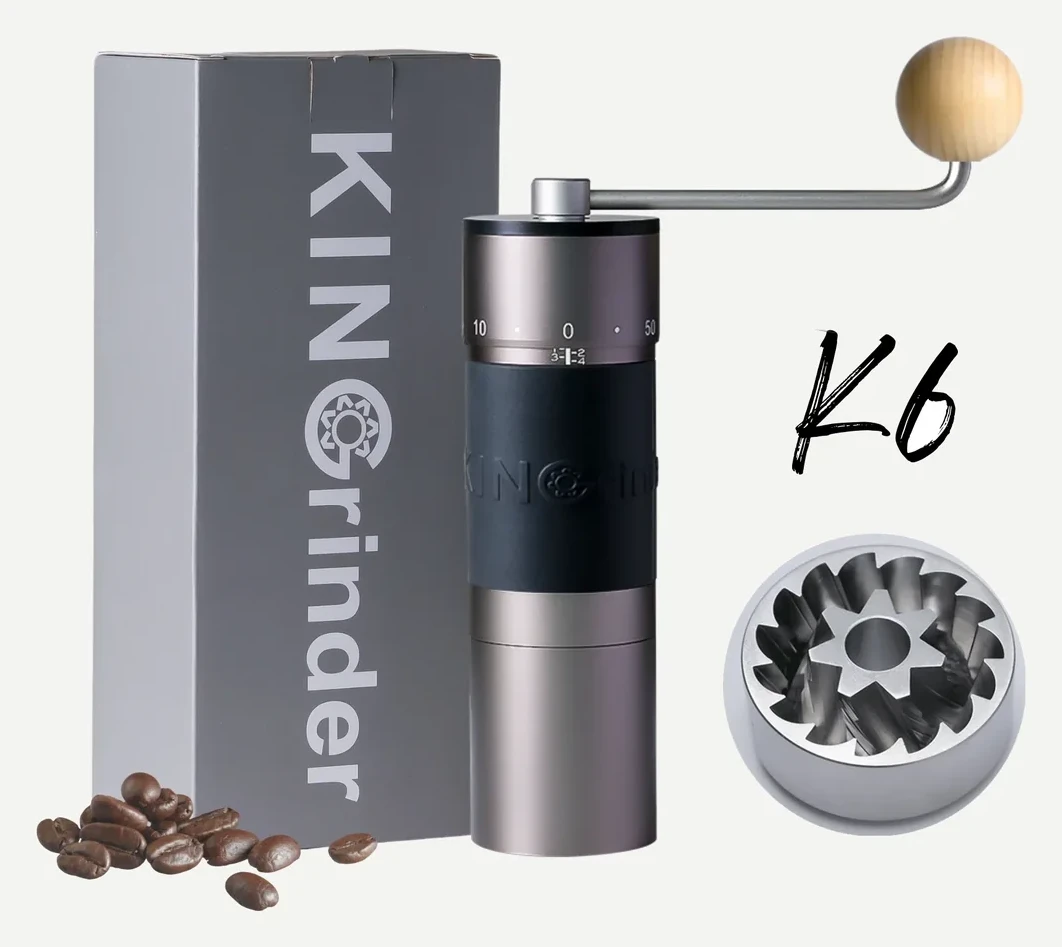
If you are already at the finest setting and the shot still runs fast and sour, the grinder may not reach true espresso fineness, which is common with grinders built mainly for filter. That is the point to look at grinders made for espresso rather than changing the coffee.
Fixing sour espresso on a pod or bean-to-cup machine
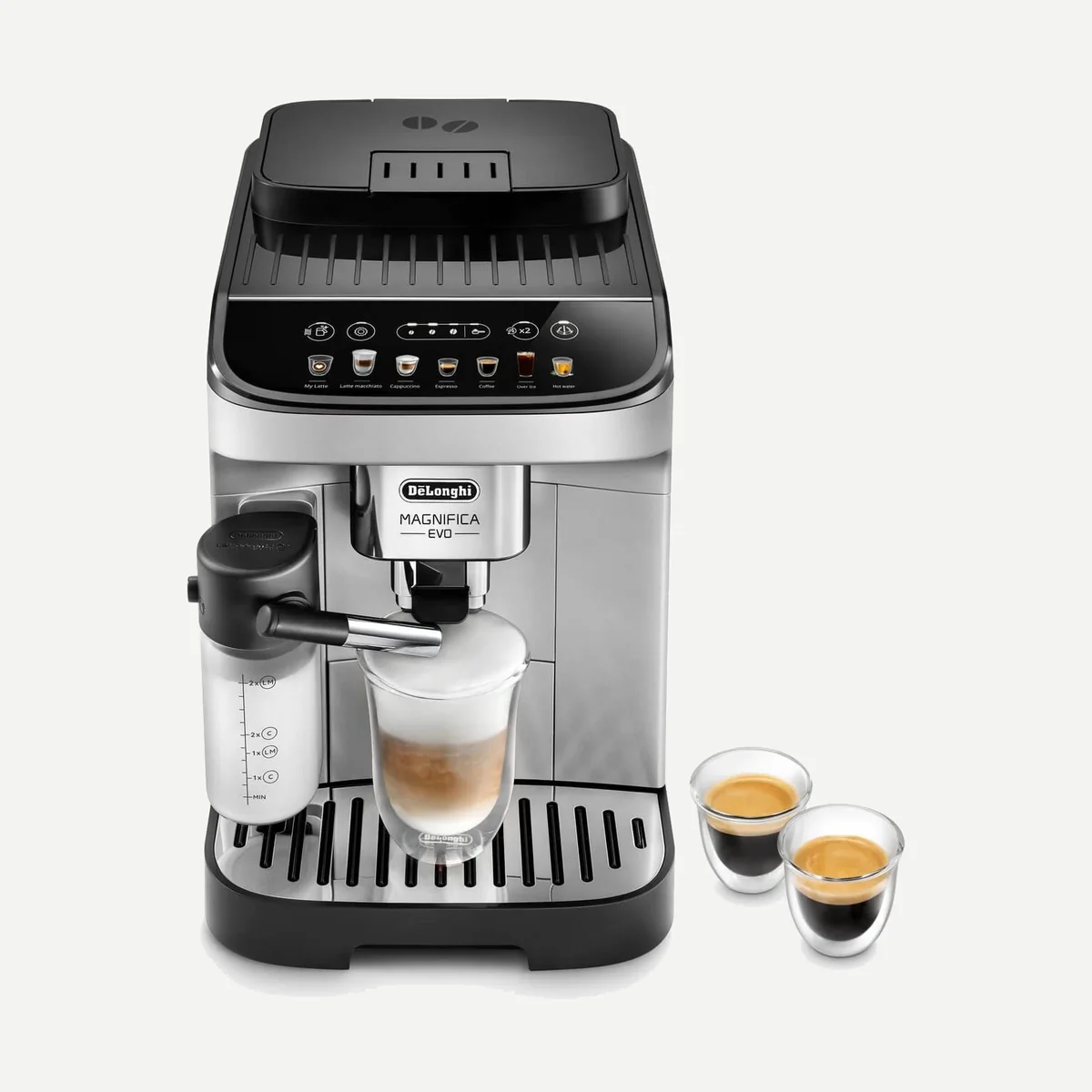
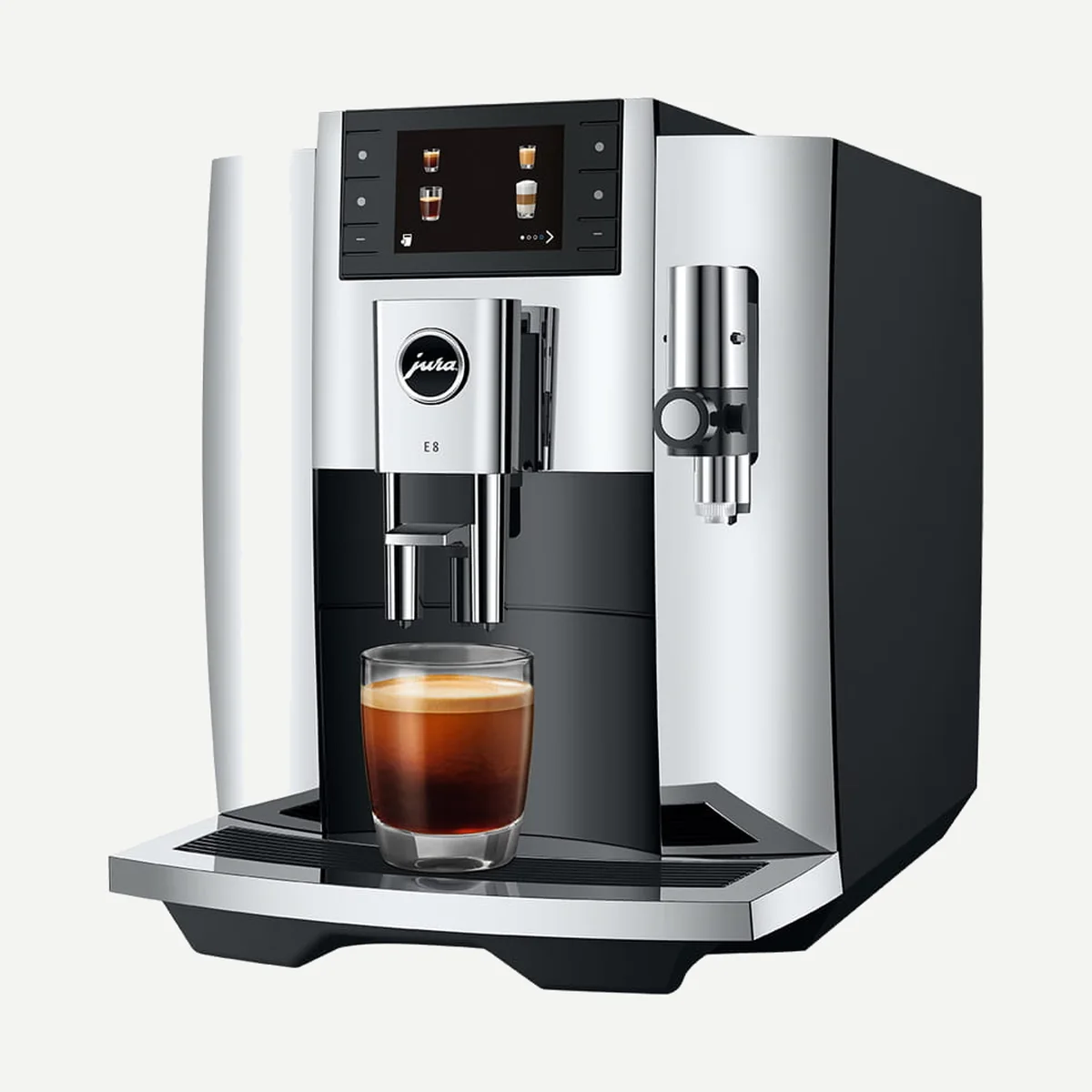
Capsule machines give you no grind or dose to adjust, so a sour capsule shot usually means the wrong button: a capsule designed for a short espresso pulled at a different size, or a light capsule where a darker one would suit the cup. Bean-to-cup machines normally have a grind dial and a strength setting; turn the grind finer by a step and brew several shots before judging, since the first one still contains coffee ground at the old setting.
Under-extracted espresso FAQ
What does under-extracted espresso taste like?
Sour, sharp and thin, sometimes salty, with a short finish and little sweetness.
How do I fix sour espresso?
Grind finer first. If that is not enough, let the shot run longer, raise the water temperature and use pre-infusion, changing one thing at a time.
What is the difference between under-extracted and over-extracted espresso?
Under-extracted espresso tastes sour and thin because too little was dissolved. Over-extracted espresso tastes bitter and drying because too much was.
Why is my espresso sour and bitter at the same time?
That usually means channeling: water running through one weak path in the puck. It needs better distribution and tamping rather than a finer grind.