Immersion vs Percolation: The Two Ways to Brew Coffee
Every brewer either soaks the coffee or runs water through it. Knowing which one you own explains why some methods are forgiving and others punish a careless pour.
There are only two ways to get flavour out of ground coffee. You can put the coffee in water and leave it there, or you can run water past it and let it drain away. Everything on this site is one, the other, or a deliberate combination of both.
It is worth knowing which one you own, because almost every difference people notice between brewers, the forgiving ones and the fussy ones, the heavy cups and the clear ones, comes back to this.
Immersion brewing: the coffee sits in the water
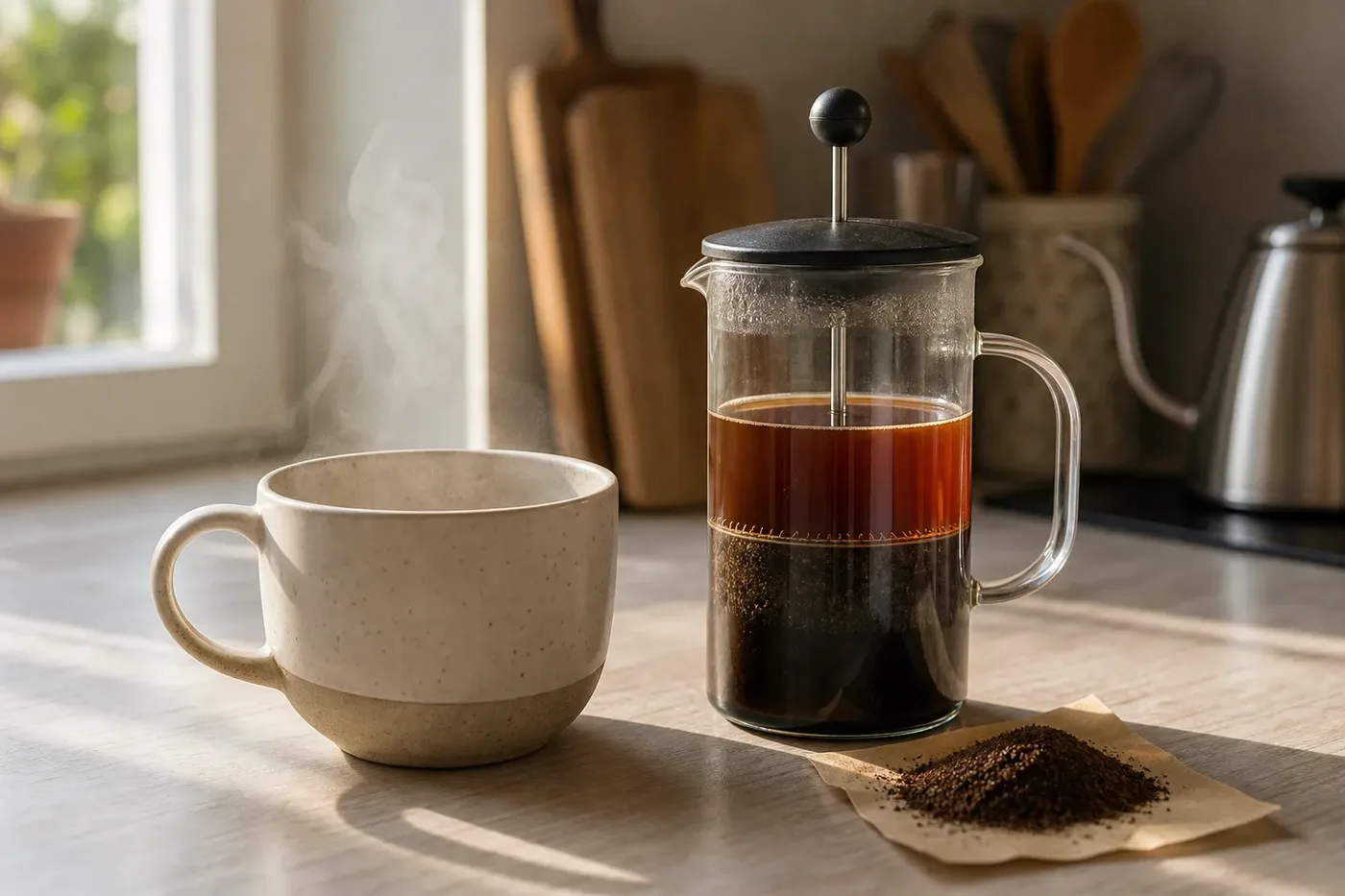
A plunger coffee maker is the plain example. Grounds and water go in together, stay together for four minutes, and separate when you press. Cold brew is the same idea over twelve to twenty-four hours. A siphon is immersion with theatre attached.
What matters is that the whole dose meets the same water for the same time. There are no fast routes and no dry patches. That makes immersion inherently even and inherently forgiving: the only variables are grind, ratio and time, and none of them depend on your technique in the moment.
It also means the water gets progressively more saturated with dissolved coffee as it sits, which slows extraction down toward the end. Immersion is self-limiting in a way percolation is not, and it is why a press that steeps a minute too long is disappointing rather than undrinkable.
Percolation brewing: the water passes through
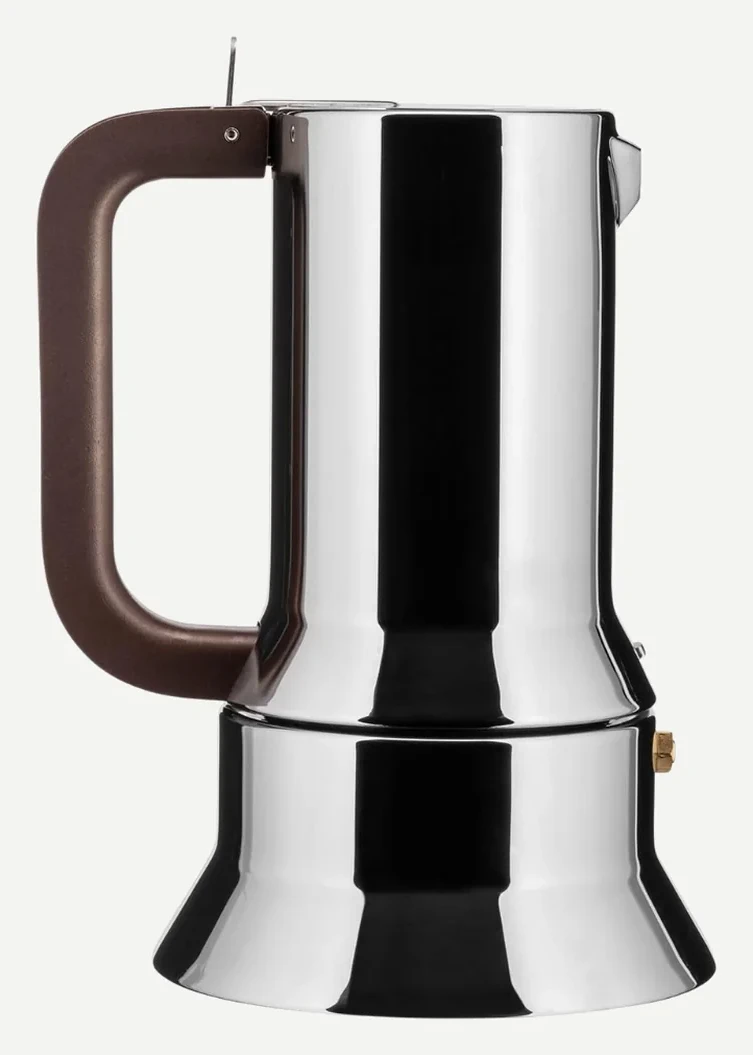
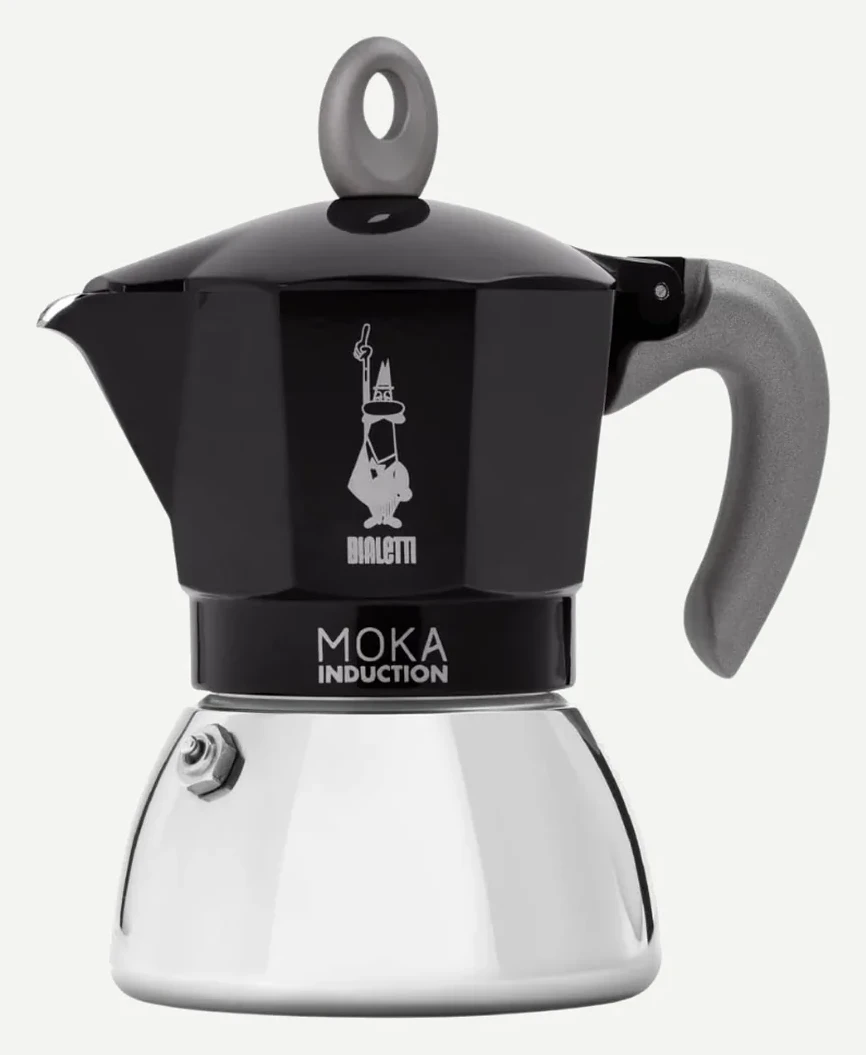
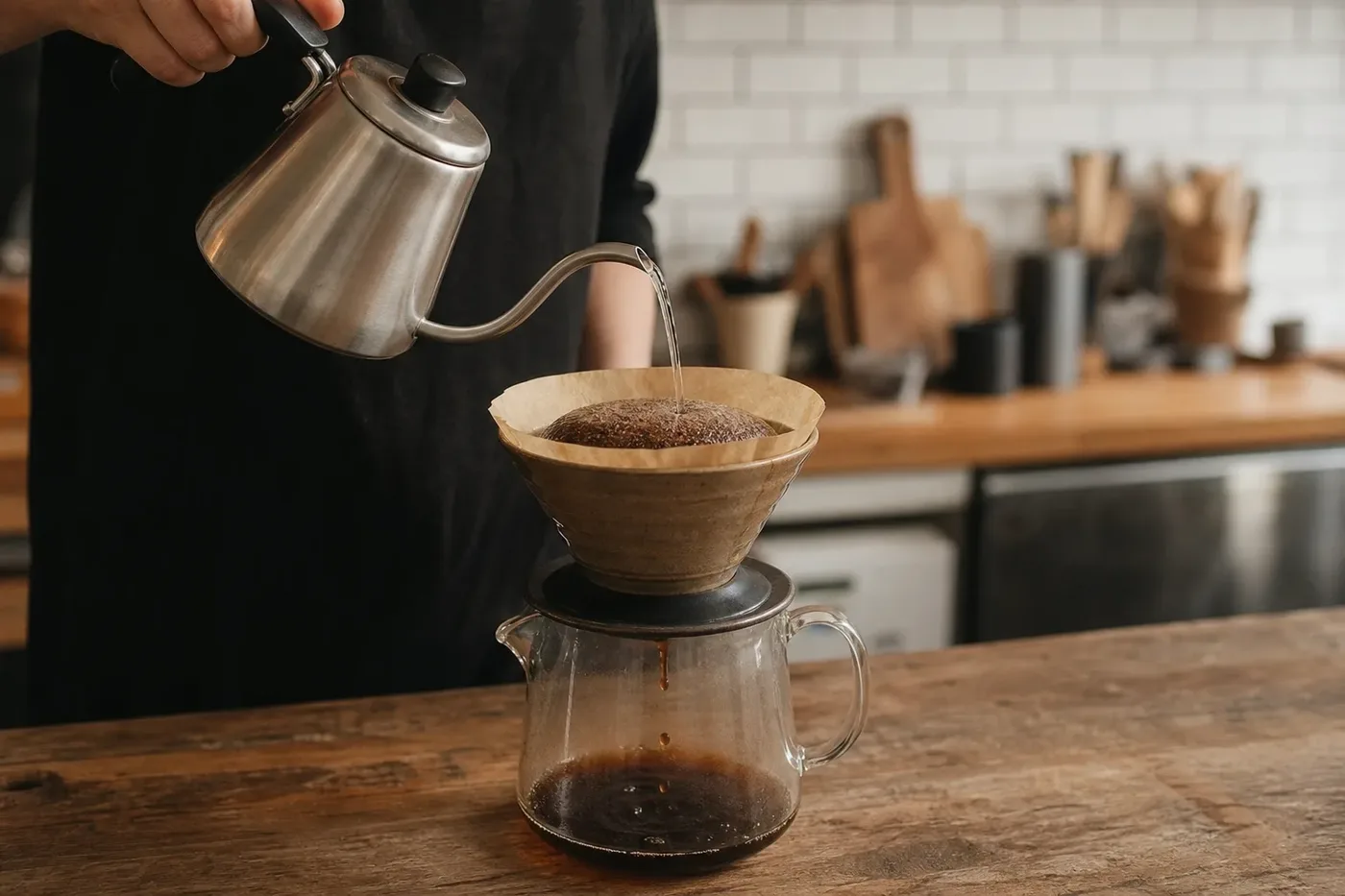
A V60, a drip machine, a moka pot and an espresso machine are all percolation. Fresh water enters, takes what it can, and leaves. It never becomes saturated, because it is continuously replaced.
That is more efficient and it is why percolation runs so much faster. It is also much less forgiving, because water is lazy: it takes the path of least resistance through the bed. If your grind is uneven or your pour dug a channel, some of the coffee gets over-extracted while some barely gets wet, and there is no soaking step to even it out afterwards.
What immersion and percolation taste like
Immersion tends to produce a heavier, rounder cup with more body. Everything the water dissolved is still there when you drink it, and with a metal filter the oils and fine particles come through too.
Percolation through paper tends to produce a lighter, clearer cup with the individual flavours more distinct. The paper holds back oils and fines, which removes some body but makes acidity and aroma easier to pick out.
Neither is better. A washed Ethiopian brewed in a V60 shows its citrus and florals in a way a press flattens. A dark Sumatra in a press has a weight the V60 thins out.
Hybrid brewers that combine immersion and percolation
Some brewers do both on purpose, and they are worth understanding because they capture most of the benefit of each.
The Clever Dripper is a cone with a valve in the base. You put in coffee and water, let it steep like a press, then set it on a mug: the valve opens and it drains through paper. Immersion evenness with percolation clarity.
The Hario Switch 02 is the same idea built onto a V60, using a stainless ball valve, so one brewer does both methods depending on whether you flip the switch.
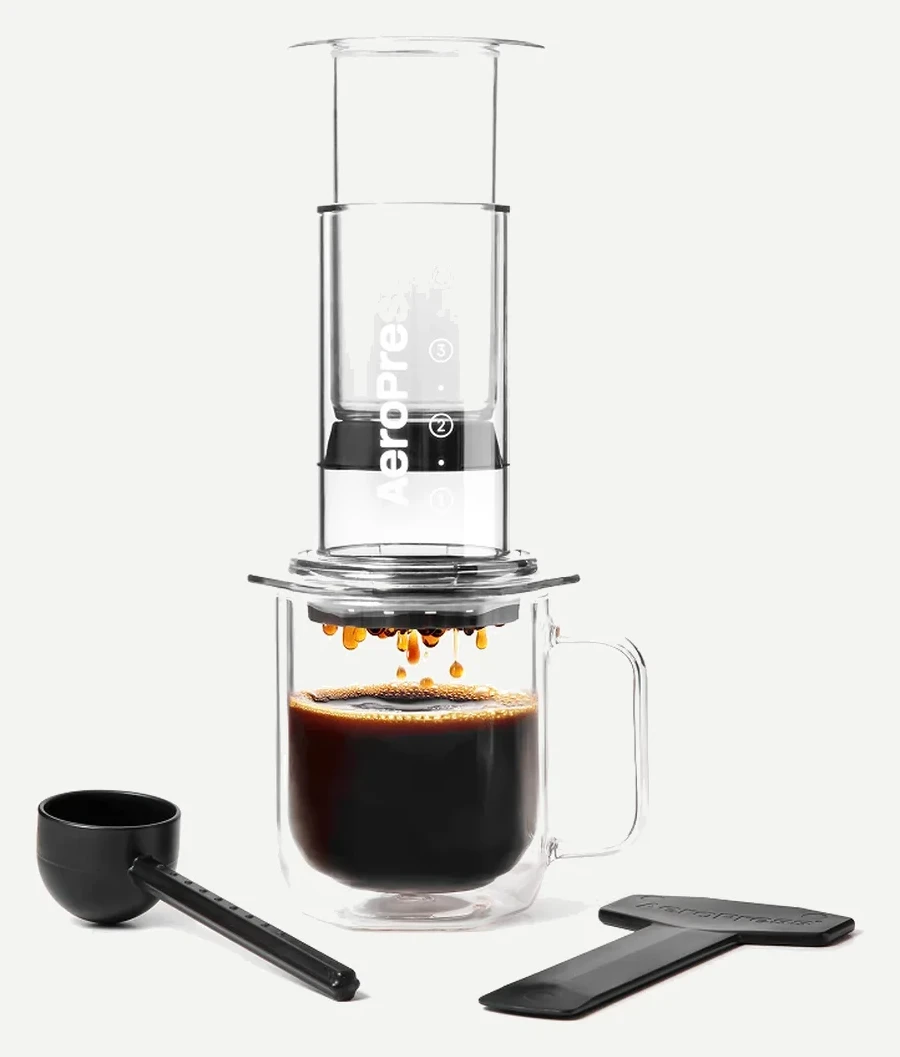
The AeroPress Original is immersion with a forced finish. The coffee steeps, then air pressure pushes the water through paper rather than letting gravity do it. That is why it is the most forgiving brewer here: the steep evens everything out and the plunger guarantees the water leaves.
Do filters matter more than immersion vs percolation?
Immersion and percolation set how evenly the water meets the coffee. What comes out afterwards is decided by what it passes through on the way to your cup, and that is a bigger lever than most people expect.
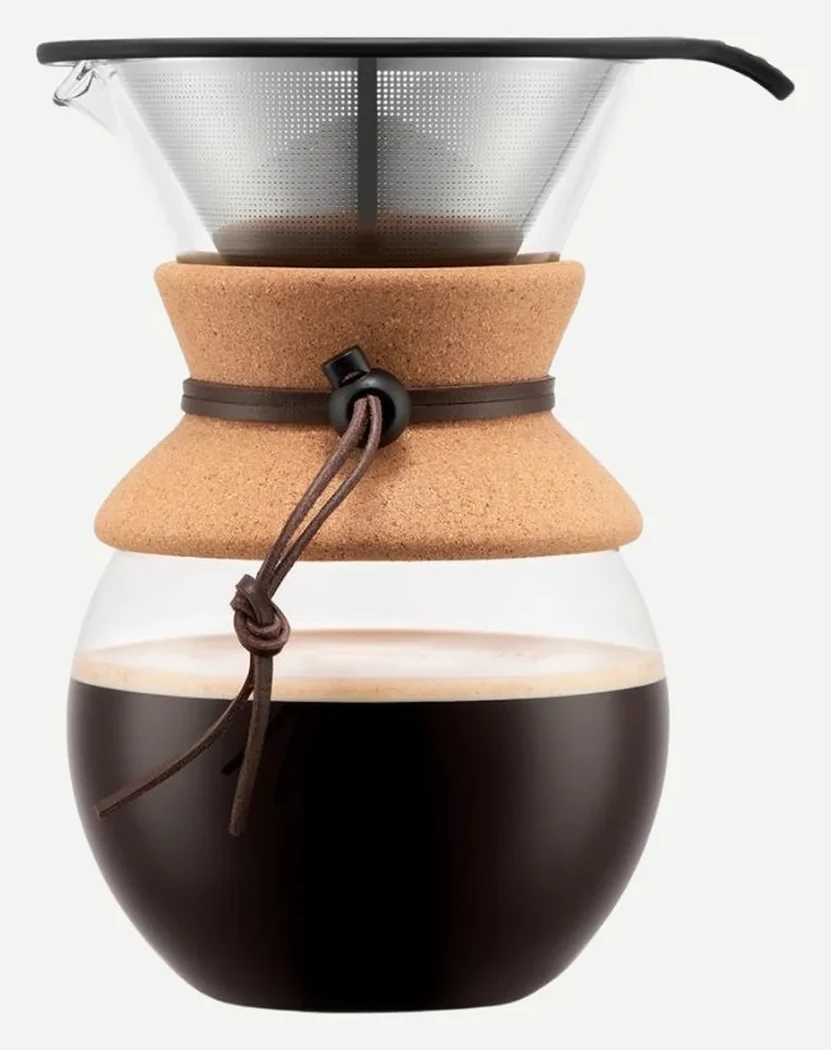
A metal mesh, like the one in a French press, holds back the grounds and lets everything else past: the oils that carry aroma, and the very fine particles that keep extracting in the jug. That is why press coffee has weight and a slightly cloudy look, and why it changes in the cup as you drink it.
Paper holds back both. Oils are absorbed by the fibres and fines are trapped, so what arrives is clearer and more defined, and it stays the same from first sip to last. It is also why the same beans in a press and in a V60 can taste like two different coffees.
This cuts across the immersion and percolation split rather than following it. The Clever Dripper is immersion through paper and tastes clean. A metal-filter dripper is percolation without paper and tastes heavy. Choose the method for evenness, then the filter for the cup you want.
Why immersion is easier to repeat than percolation
Percolation has a variable immersion does not: the flow rate through the bed, which you influence with every pour and cannot see. Two brews with the same coffee, same grind and same water can finish thirty seconds apart because you poured differently, and thirty seconds is a noticeable difference in the cup.
Immersion removes that entirely. The time is the time on the clock. Nothing you do during the brew changes it, which is why an immersion recipe transfers between people and a pour over recipe often does not.
If you have ever followed someone's pour over method exactly and got a different result, that is where it went. Their pour is not in the recipe.
Where immersion and percolation each struggle
Immersion's weakness is that it stops being even at the extremes. Very fine grounds still over-extract while sitting there, and the press has no way to remove them early, which is why a press ground too fine is bitter and gritty at once.
Percolation's weakness is channelling: water finding one route and taking it. It is invisible while it happens and it is the single most common reason a pour over tastes both sour and harsh. Espresso has the same fault at higher pressure, which is why distribution tools exist at all.
Immersion or percolation: which suits you?
If you want a good cup with little attention, buy immersion. The immersion brewers are where the forgiving methods live, and the AeroPress in particular is very hard to ruin.
If you want clarity and enjoy the process, percolation rewards it. Our pour over reviews cover that side, and the rating guide sets out what a dripper's specification can and cannot tell you.
And if you want both without owning both, a Clever or a Switch is genuinely the answer rather than a compromise.
The thing neither immersion nor percolation fixes
Immersion is more forgiving of an uneven grind than percolation, but it is not immune. Fines still over-extract even while soaking, and boulders still under- extract. The soak narrows the gap; it does not close it. Which is why the grinder is upstream of this entire decision.
Immersion vs percolation FAQ
What is the difference between immersion and percolation coffee?
Immersion soaks the grounds in a fixed amount of water for a set time, like a French press or cold brew. Percolation passes fresh water through the grounds and lets it drain away, like a pour over, drip machine or espresso. Immersion is more even and forgiving; percolation is faster and produces a clearer cup, but it punishes an uneven grind or a careless pour.
Is a French press immersion or percolation?
Immersion. The coffee and water sit together for the whole brew and are separated at the end by the plunger. That is why a press is forgiving: the whole dose meets the same water for the same time, with no fast routes through the bed.
Is an AeroPress immersion or percolation?
Both, deliberately. The coffee steeps like an immersion brewer, then air pressure forces the water through a paper filter rather than leaving it to gravity. That combination is why it is the most forgiving brewer on this site: the steep evens things out and the plunger guarantees the water leaves.
Which makes a stronger cup, immersion or percolation?
Strength is set by the ratio of coffee to water, not the method. What changes is body and clarity: immersion with a metal filter lets oils and fines through, so the cup feels heavier, while percolation through paper holds them back and tastes cleaner and more distinct.
What is a Clever Dripper?
A cone with a valve in the base, so it does both methods. You steep the coffee like a French press, then set it on a mug and the valve opens, draining it through paper. You get immersion's evenness with percolation's clarity, which is why it is a common recommendation for people who do not want to learn a pouring technique.
Reviewed on this site
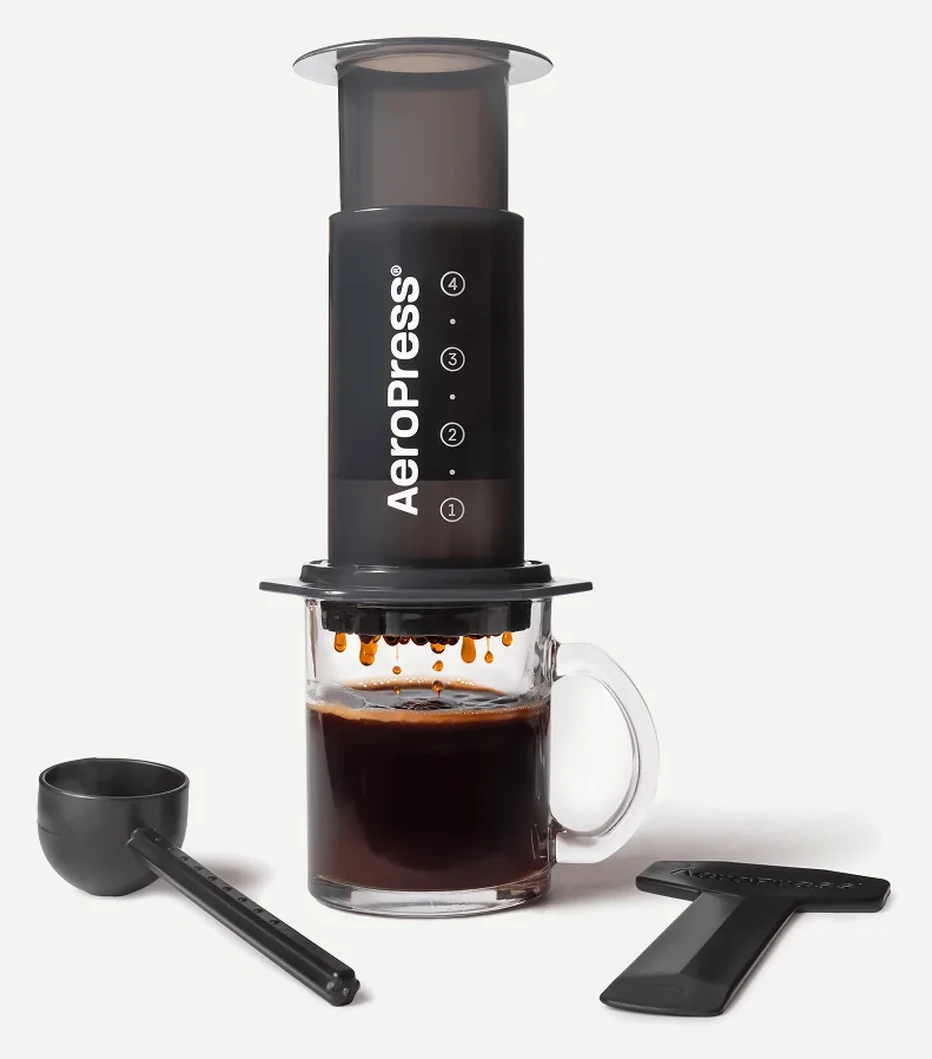 AeroPress Originalsomebody who wants one very good cup in two minutes and does not want to look after glass
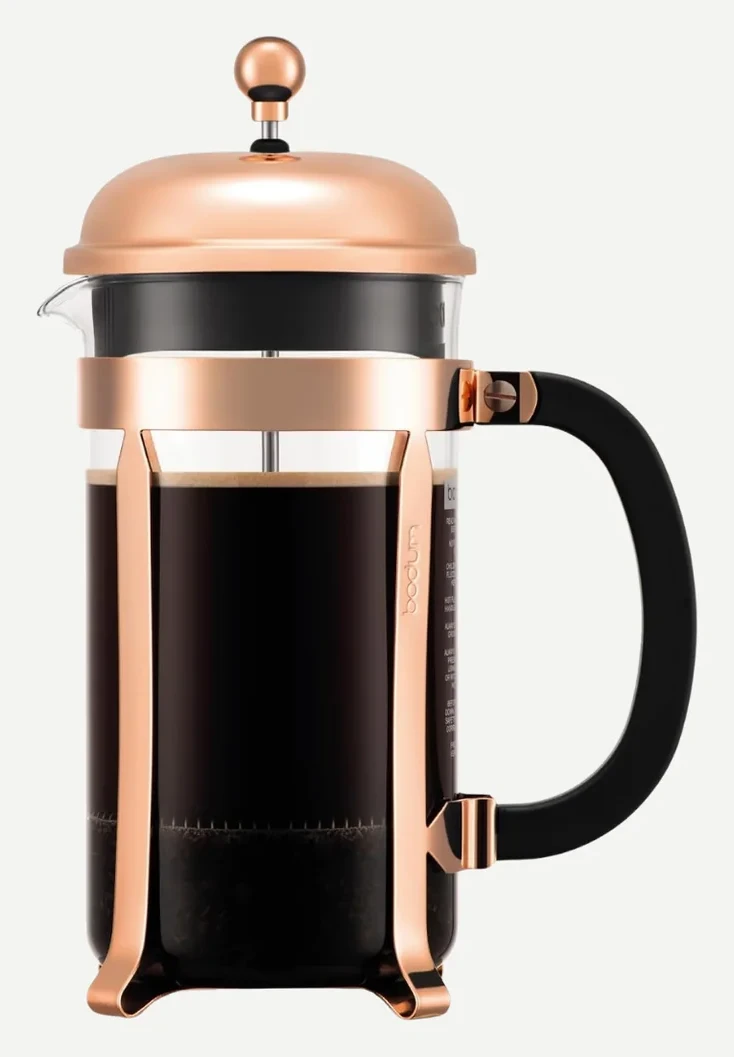 Bodum Chambord French Press 34ozThe default French press, and the one every other press is compared to
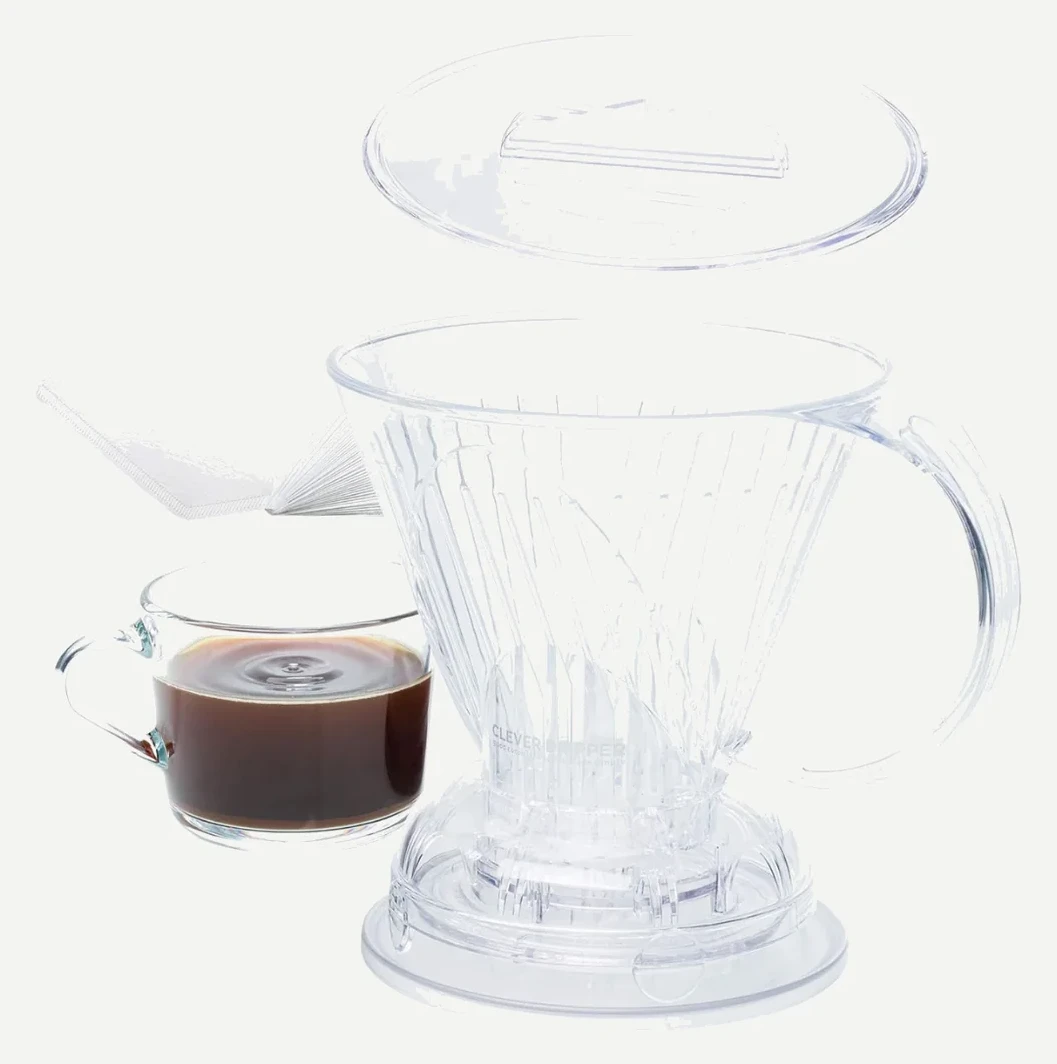 Clever Coffee Dripper Large 18ozAnybody who wants French press body and paper-filtered clarity from the same brew
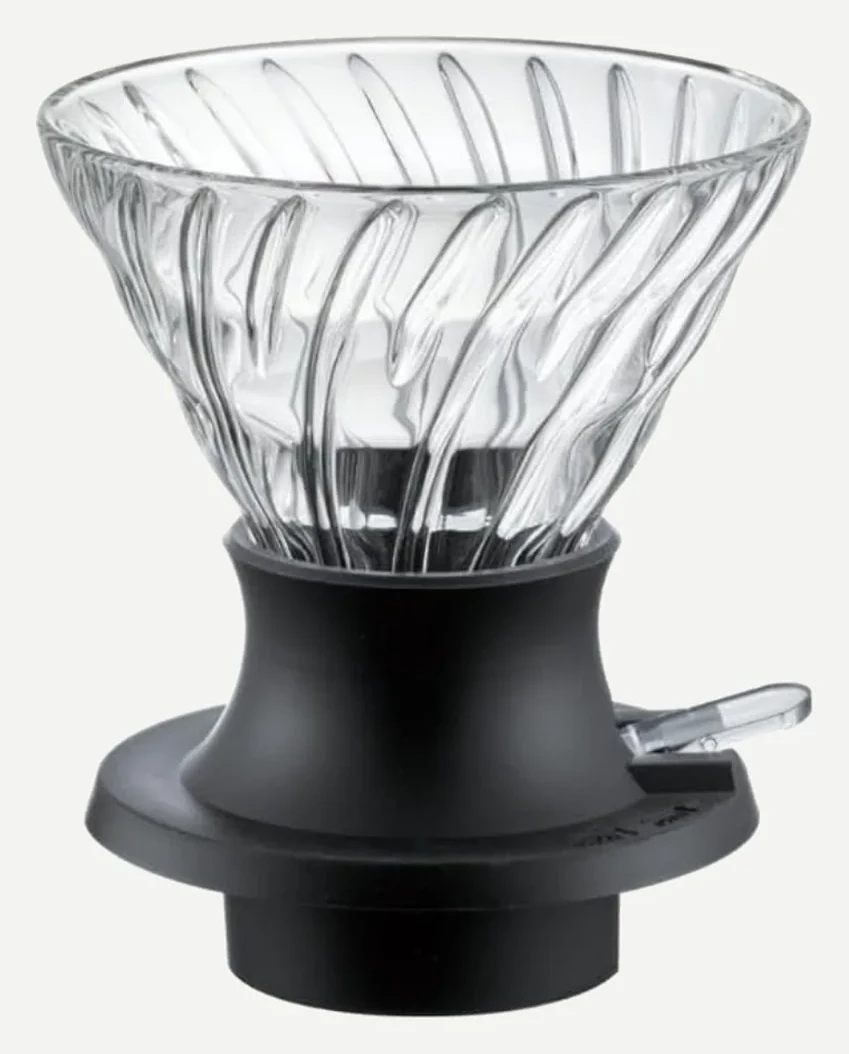 Hario Switch Immersion Dripper 02Anyone who wants to steep and to pour over with one piece of glass on the counter
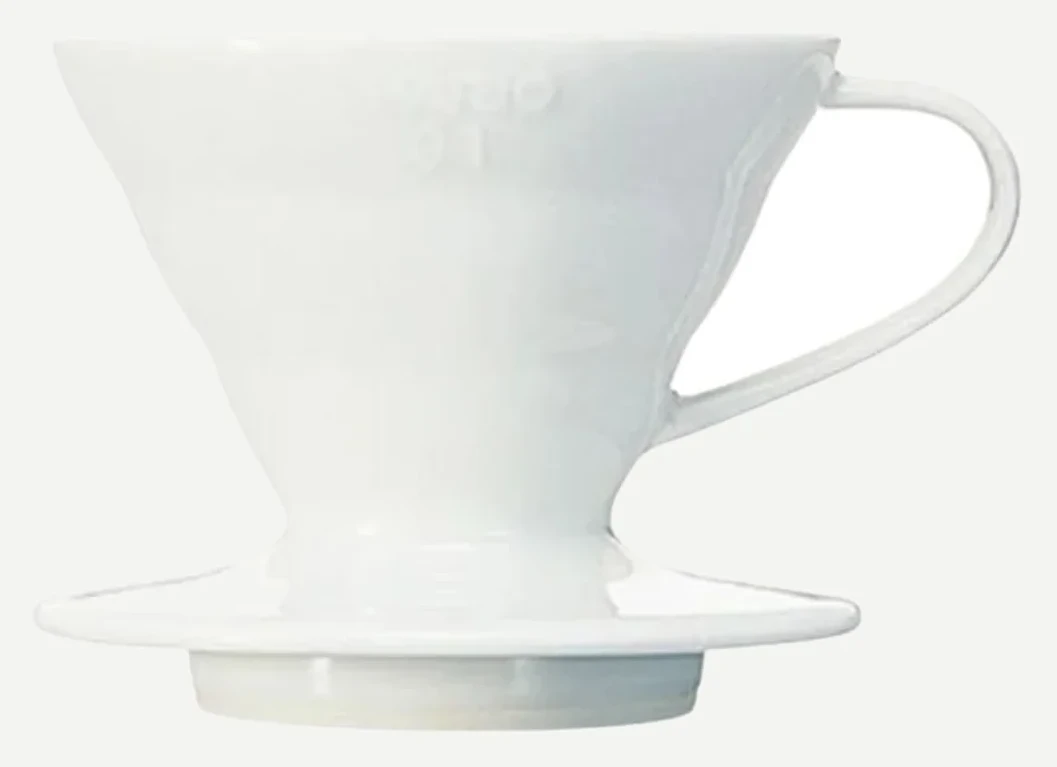 Hario V60Home brewers and baristas who want full manual control over extraction speed and flavor profile