How Much Caffeine Is in a Coffee Bean?
One roasted bean holds only a couple of milligrams of caffeine, but the exact figure depends on the species, the bean and who did the measuring.
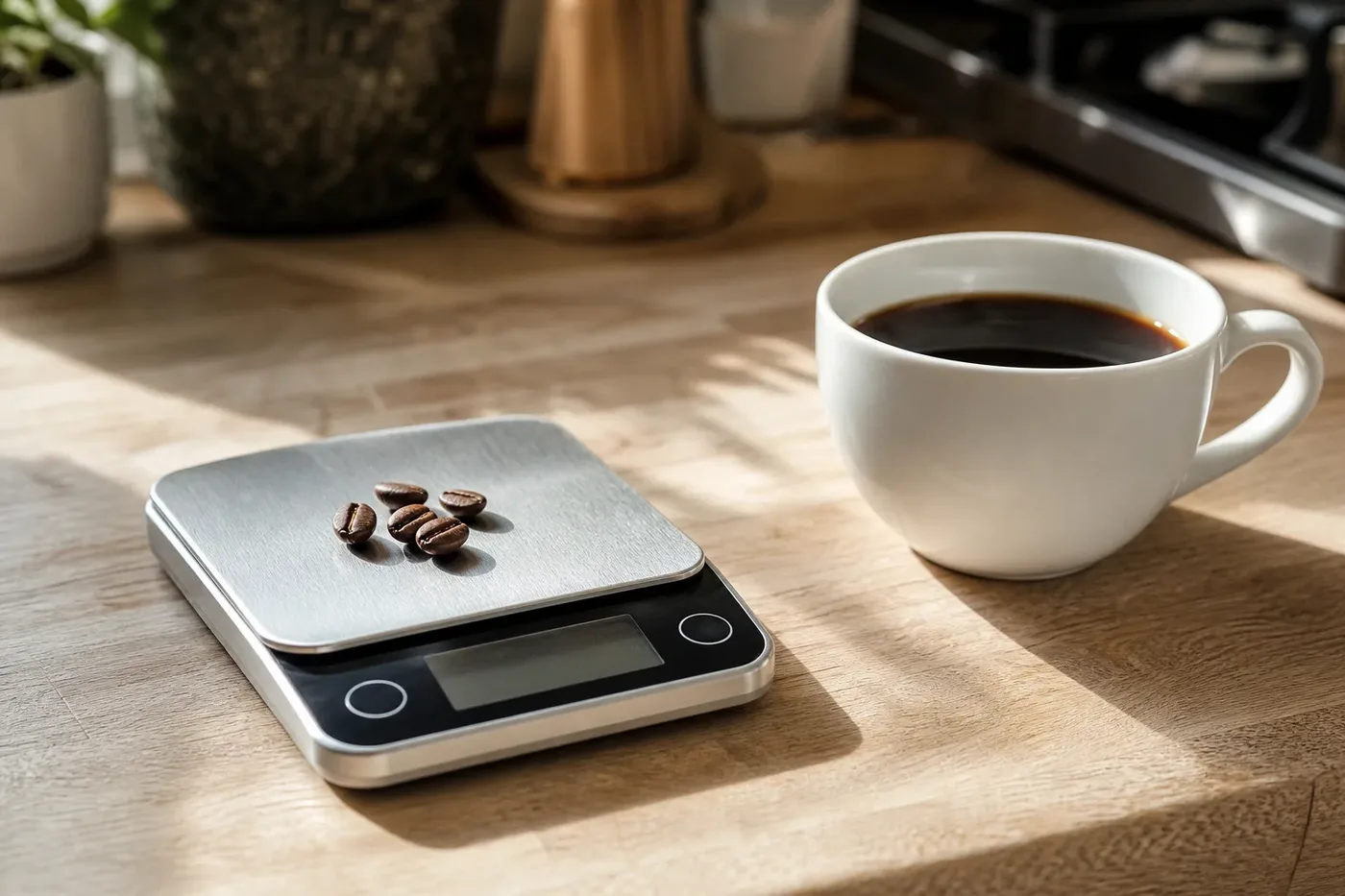
A single roasted coffee bean holds roughly 1.5 to 3 milligrams of caffeine. Arabica sits toward the low end of that range and robusta toward the high end. Sources disagree on the exact figure, because beans differ in size, species and growing conditions, so any single number you see is an estimate rather than a measurement of your particular bean.
How much caffeine is in one coffee bean?
The most cited per bean figures come from converting a percentage of caffeine by weight into milligrams. Arabica beans are about 1.1 to 1.4 percent caffeine by weight, according to Caffeine Informer. A 2013 study in the Journal of Agricultural and Food Chemistry found most beans it tested held 10 to 12 mg of caffeine per gram. With around seven roasted beans to a gram, that works out to roughly 1.4 to 1.7 mg per arabica bean.
Some sites quote much higher numbers, 6 mg or more, and they rarely explain the weight or roast they assumed. The safest reading is a couple of milligrams per bean and no more precision than that.
About 1.5 mg for a roasted arabica bean and closer to 3 mg for robusta. One bean is a tiny dose. A cup is a different matter.
Arabica vs robusta: caffeine per bean
Species is the biggest lever. Robusta beans are generally described as having about double the caffeine of arabica, with robusta typically in the range of 2 to 3 percent by dry weight and arabica around 1 to 1.5 percent. The published ranges overlap and shift between sources, so the safe statement is "roughly twice," not a precise ratio.
In per bean terms, that pushes robusta toward the upper end of the 2 to 3 mg range, and some estimates run higher. If you want to see how the two species differ in taste, cost and use, our arabica vs robusta guide covers it, and the wider beans and species section sets out the other varieties.
How much caffeine is in a chocolate-covered espresso bean?
More than a plain bean, usually. The chocolate coating carries caffeine of its own, so you are getting the bean plus the shell. Caffeine Informer reports a dark chocolate espresso bean from one brand tested at about 7 mg per bean including the chocolate, and calls that high.
That is a single product, not a rule. Brands use different beans, different chocolate and different coating ratios. A handful eaten from a bag can add up quickly, and the number on the label, where there is one, beats any general estimate.
Does roast level change the caffeine in a coffee bean?
Barely. Caffeine holds up well at roasting temperatures, so light and dark roasts are close by weight. What changes is the bean itself. Dark roasting drives off more moisture and mass, and the bean swells, so a scoop of dark roast usually weighs less than the same scoop of light roast. Retailer figures put a tablespoon of dark roast around 4 grams against nearly 6 for light.
So the common belief that dark roast is stronger in caffeine is mostly about taste. Bold flavor is not the same as high caffeine. I could not find one controlled study that compares roasts by weight and by scoop, so these are retailer estimates rather than a settled result. For more on what roasting does to a bean, read the roasting guide.
How many coffee beans equal a cup of coffee?
An 8 ounce cup of brewed coffee has about 95 mg of caffeine by the USDA's figure, and a large or strong cup can carry twice that. Divide by 1.5 to 2 mg a bean and one ordinary cup is something like 50 to 65 beans. That is simple arithmetic, not a measured result, and it is only a way to picture how small one bean is.
Brewing pulls caffeine out of the grounds into water, but some stays behind in the spent coffee. Chewing a bean is a different delivery than drinking a brew, and the two do not map neatly onto each other.
Is it safe to eat whole coffee beans?
For most adults a few beans are not a concern, but the milligrams add up. The FDA cites 400 mg of caffeine a day, which it puts at about four or five cups of coffee, as an amount not generally associated with negative effects for healthy adults. It also stresses that sensitivity and how quickly people clear caffeine vary a great deal.
A bag of chocolate-covered beans can hold a surprising amount. If you take medication, have a heart or sleep condition, or are pregnant or breastfeeding, talk to a doctor about your caffeine limit rather than guessing from a beans-per-cup figure.
What affects the caffeine in a coffee bean?
Besides species, growing conditions and variety change the content, and so does bean size. Decaffeination strips most of it out, though not all. The FDA lists 2 to 15 mg for an 8 ounce cup of decaf. To see how that works, read how decaf is made, or browse the best decaf coffee picks.
For a wider look at what caffeine does and how much people tend to drink, the caffeine and coffee page is the place to continue.
Caffeine in a coffee bean FAQ
How much caffeine is in one coffee bean?
Most estimates put a roasted arabica bean at about 1.5 mg of caffeine, with robusta closer to 3 mg. The spread comes from bean size, variety and how each source measured. Working from caffeine by weight, an arabica bean comes to roughly 1.4 to 1.7 mg, so treat any single number as an estimate.
Does a robusta bean have more caffeine than an arabica bean?
Yes. Robusta generally carries about twice the caffeine of arabica by weight, though the exact percentages vary between studies and sources. Because beans also differ in size, the per bean gap is a rough one. The species matters far more than the roast level.
How much caffeine is in a chocolate-covered espresso bean?
It is usually more than a plain bean, because the chocolate adds caffeine on top of the bean inside. One brand of dark chocolate espresso beans was tested at about 7 mg per piece. Other brands will differ, so check the label if the number matters to you.
Does roast level change the caffeine in a bean?
Only slightly. Caffeine survives roasting well, so by weight light and dark roasts are close. Dark beans lose more mass and take up more space, which means a scoop of dark roast holds a bit less coffee by weight. Weighing your beans removes most of that difference.
How many coffee beans equal a cup of coffee?
An 8 ounce cup of brewed coffee has about 95 mg of caffeine by the USDA's figure. At 1.5 to 2 mg per bean, that is very roughly 50 to 65 beans, but this is arithmetic, not a measured figure. Brewing and chewing do not extract caffeine the same way.
Is it safe to eat coffee beans?
Whole beans are a concentrated way to take in caffeine, and the amounts add up faster than most people expect. The FDA says about 400 mg a day is not generally associated with negative effects for most adults, and that sensitivity varies a lot. If you take medication, have a medical condition or are pregnant, talk to a doctor.