Coffee Terpenes: Cafestol, Kahweol and Your Brew Method
Cafestol and kahweol are the coffee oils behind the cholesterol question, and your brewing method decides how much reaches the cup.
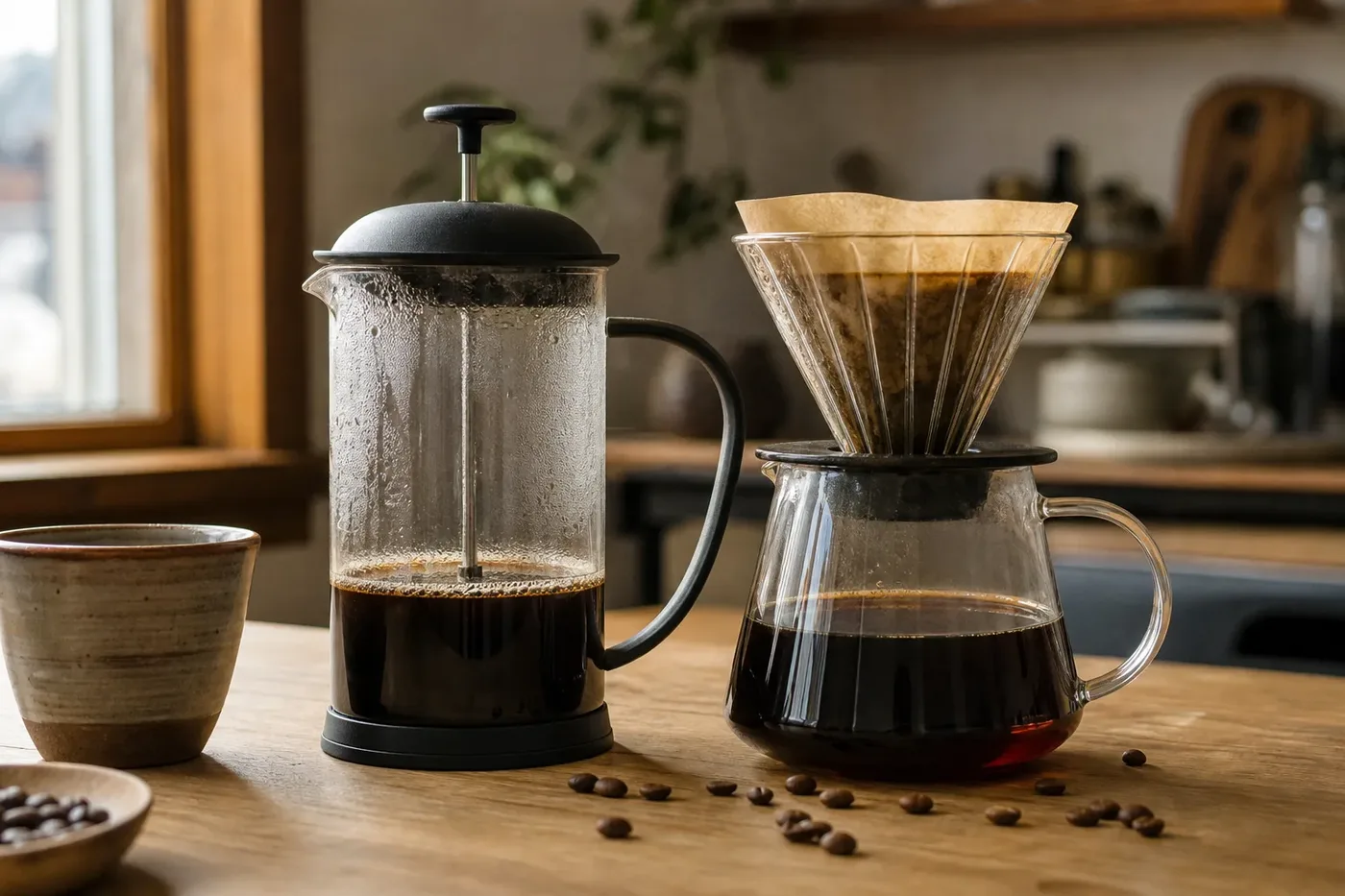
Coffee terpenes are a family of aromatic compounds in the bean, and two of them, cafestol and kahweol, get most of the attention because they sit in coffee's oils and can raise LDL cholesterol when they reach the cup in quantity. Paper filters trap most of them. French press, boiled and Turkish coffee let a lot through, and espresso lands in the middle.
What are coffee terpenes, cafestol and kahweol?
Terpenes are a large group of plant compounds, and many of them carry smell. Coffee has two kinds that matter here. Cafestol and kahweol are diterpenes, heavy oily molecules carried in the fat of the coffee bean, and a well-known 1997 review by Urgert and Katan set out what they do. Lighter terpenes, such as linalool, are volatile and show up in the aroma instead.
The two groups behave differently. The oily diterpenes dissolve in hot water and cling to coffee oils, which is why they matter for the question of what ends up in your mug.
Cafestol and kahweol are coffee's cholesterol-raising oils. Paper filtering removes most of them. Brewing without a paper filter leaves them in the cup.
How does brewing method change cafestol in coffee?
Hot water extracts the diterpenes, and the filter decides whether they stay. Urgert and Katan found that a paper filter retains them, which explains why filtered coffee does not affect cholesterol the way Scandinavian boiled, cafetiere and Turkish coffees do. Later work found most of the cafestol is held back by the wet grounds rather than the paper itself, and that switching from a metal mesh filter to a paper one cut it by more than 90 percent, as summarized by NutritionFacts.
The measured amounts differ from study to study, but the order is the same in all of them. Boiled Scandinavian coffee and Turkish coffee carry the most per cup, French press and other metal filtered brews come next, espresso carries a moderate amount in a small serving, and paper filtered drip and instant coffee carry almost none. Your own cup will vary with dose, grind and cup size.
Paper filter vs French press: which has more coffee terpenes?
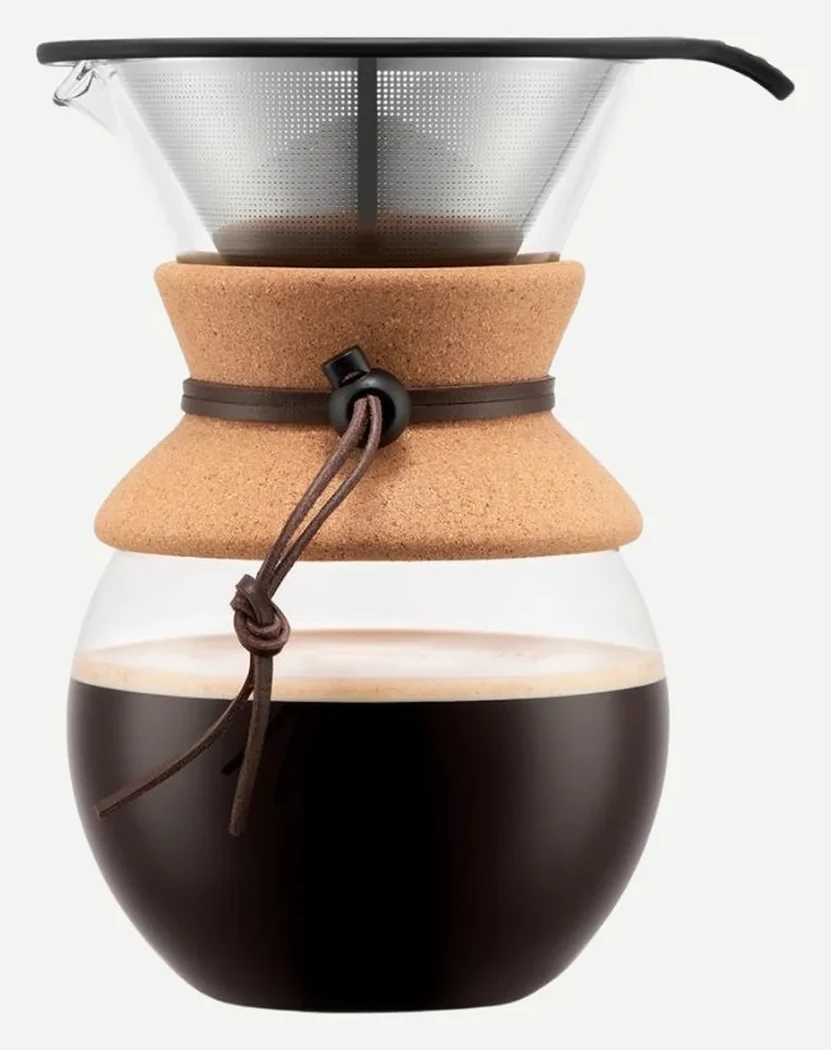
The French press has more. It is a metal mesh immersion brewer, so the oils pass straight through. The direction is not in doubt: Harvard's Nutrition Source also says unfiltered coffee such as French press can raise LDL cholesterol, while drip and instant coffee contain almost none.
The heavier body a press gives comes from the same oils. A paper coffee filter is the reason a drip cup tastes cleaner and carries so little cafestol. If you brew with a press, our guide on how to use a French press covers the method itself.
Do Turkish, boiled and espresso coffee have cafestol?
Yes. Turkish coffee is simmered with the grounds and served unfiltered, so the diterpenes stay. A 2022 study of 16 commercial Turkish coffees sold in Northern Cyprus found cafestol between 1.4 and 6.9 mg per cup and kahweol between 1.28 and 6.68 mg, a wide spread that shows the product matters as much as the method. The same authors found no significant difference between roast levels. If you want to try the style, see how Turkish coffee is made.
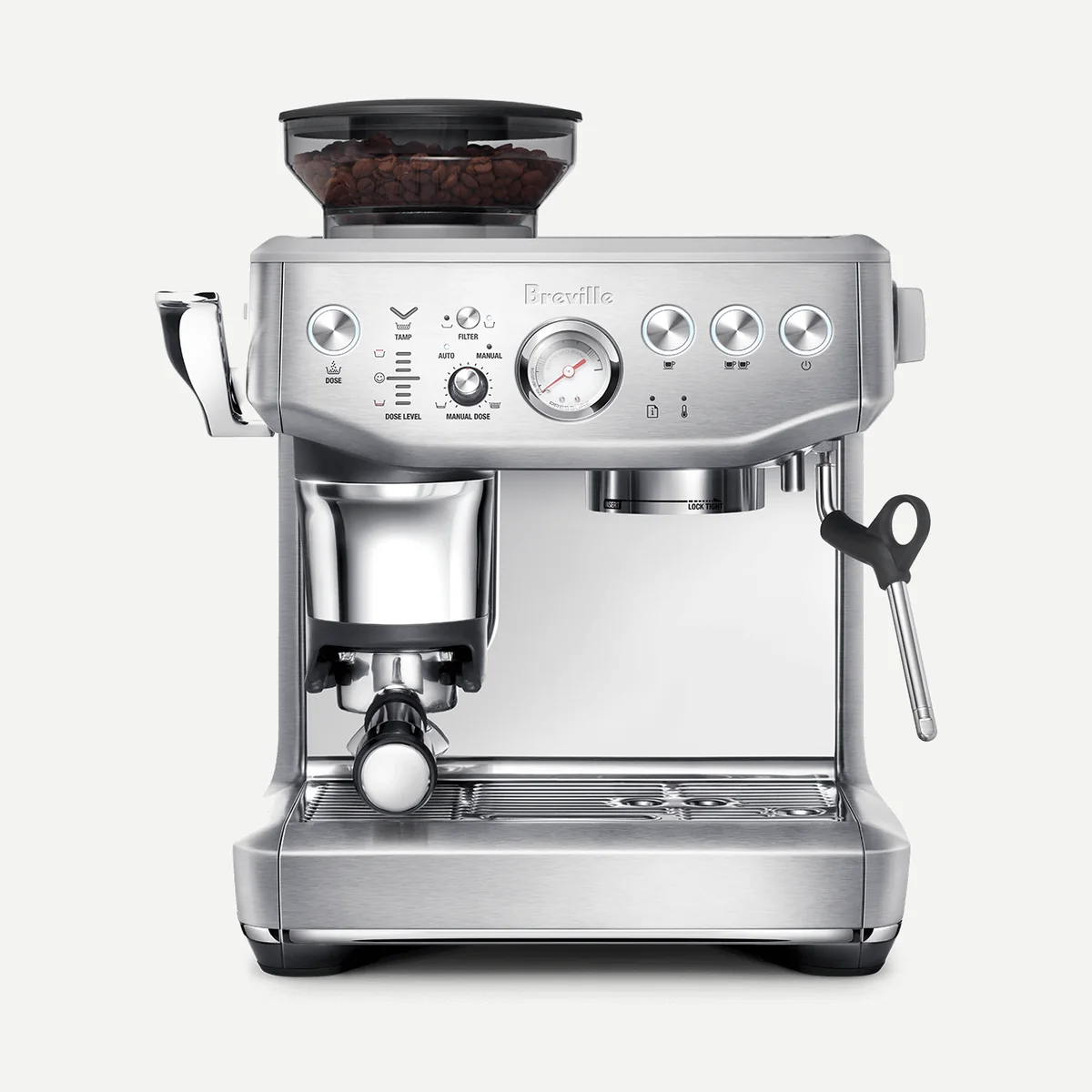
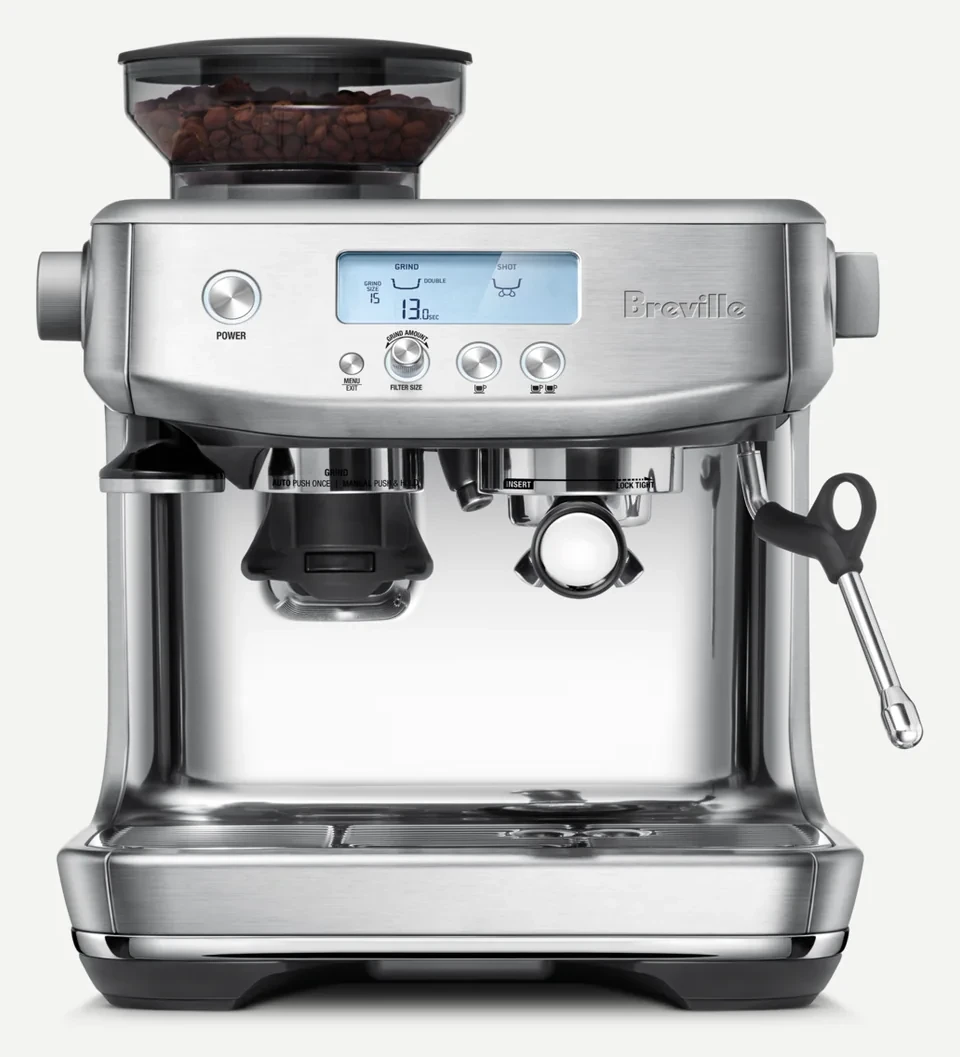
Espresso sits in the middle. A shot is small and pushed through a metal basket without paper, so it carries moderate amounts. NutritionFacts notes espresso holds about 20 times the cafestol of paper filtered drip, but a single shot is a small serving. Our guide to espresso covers what a shot is.
What do studies say about coffee terpenes and LDL cholesterol?
The clearest evidence is a 1997 randomized, double-blind crossover trial in the American Journal of Clinical Nutrition. Ten healthy men took purified cafestol, about 61 to 64 mg a day, for 28 days. Their LDL cholesterol rose by about 22 mg/dL. Adding kahweol raised it a little more, but that extra rise was not statistically significant. The authors concluded cafestol does most of the work.
Several limits apply. The trial was small and short, and its daily cafestol dose was well above what a single cup of Turkish coffee delivers. A 1996 review describes the effects on blood lipids as transient after the diterpenes are withdrawn. One study of coffee with very high cafestol found LDL rose even with paper filtering, because that coffee retained about 95 percent of its cafestol. Studies of this kind measure blood lipids, not heart attacks, and they cannot say how far any one person's number would move.
What do other coffee terpenes do for aroma?
The lighter terpenes are about smell. Coffee aroma involves more than 1,000 compounds, according to a 2023 study of specialty Arabica, and many of those are odorless, so the count is not the same as what you smell. Monoterpenes are one group reported to survive roasting and carry through to the brewed cup. In that study, linalool, a floral terpene, was more concentrated in natural process coffees than washed ones, and green coffee volatiles were shaped more by origin than by processing.
Roasting changes the mix, since heat driven reactions add many new aroma compounds, and one espresso thesis reported fewer terpene fragments after roasting. Which compound produces which flavor in a cup is harder to prove than the lab counts suggest.
Should you worry about coffee terpenes in your cup?
For drip or pod coffee, there is very little cafestol to think about. Estimates of how many daily cups of unfiltered coffee it takes to matter come from commercial blogs and vary, so this page does not put a number on it.
If you have high cholesterol, or take medication for it, talk to a doctor before changing how much unfiltered coffee you drink. Coffee delivers other things too, such as antioxidants and caffeine, which are covered separately.
Coffee terpenes FAQ
What are cafestol and kahweol in coffee?
Cafestol and kahweol are oily diterpenes found in coffee beans. Hot water extracts them, and a paper filter holds most of them back. Cafestol is the one linked to higher LDL cholesterol in trials, and kahweol adds a smaller, less certain effect.
Does a paper filter remove cafestol?
Mostly, yes. Studies found paper filtered coffee carries very little cafestol, and one analysis described switching from a metal mesh filter to paper as cutting it by more than 90 percent. Much of the cafestol stays in the wet grounds. The exception is coffee that starts with unusually high cafestol, which can still deliver a lot after filtering.
Is French press coffee bad for cholesterol?
French press coffee is unfiltered, so it carries more cafestol and kahweol than drip. Research links unfiltered coffee with higher LDL cholesterol, and a 1996 review describes the effect as transient once the diterpenes are removed from the diet. The studies measure blood lipids rather than heart disease, so ask a doctor if your cholesterol is a concern.
Does espresso have cafestol?
Espresso has moderate amounts. Studies put it well below boiled or Turkish coffee and above paper filtered drip. It is concentrated by volume, but shots are small, so a single espresso delivers a modest amount compared with a full mug of unfiltered coffee.
Does Turkish coffee raise cholesterol?
Turkish coffee is simmered and served unfiltered, so it contains cafestol and kahweol. A 2022 study of 16 commercial Turkish coffees found 1.4 to 6.9 mg of cafestol per cup. The trial evidence on LDL comes from purified cafestol at higher daily doses, so one small cup is not the same exposure.
What terpenes give coffee its smell?
Monoterpenes such as linalool contribute floral and citrus notes, and they are reported to survive roasting into the brewed cup. A 2023 study found linalool higher in natural process coffees than washed ones. Coffee aroma involves more than 1,000 compounds, so terpenes are one part of a much larger picture.
Does roast level change how much cafestol is in coffee?
Not in the Turkish coffee study. A 2022 analysis of commercial Turkish coffees found no significant differences in cafestol or kahweol among roast levels. Brewing method and filtering matter far more than how dark the beans were roasted, at least in the samples that study tested.