What a Bean-to-Cup Machine Actually Does
It grinds, doses, brews and throws the puck away for you. What that buys, and what it takes away.
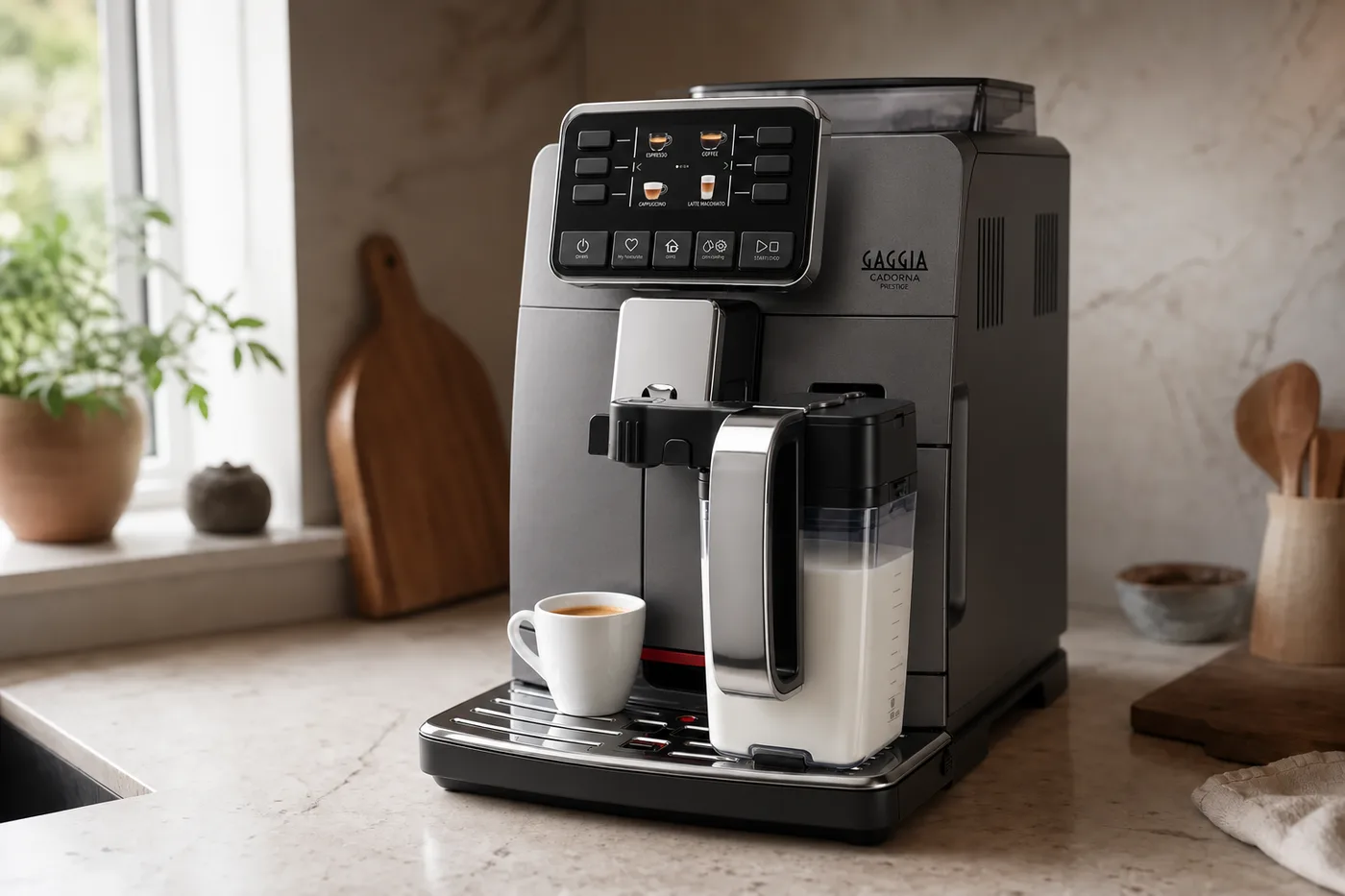
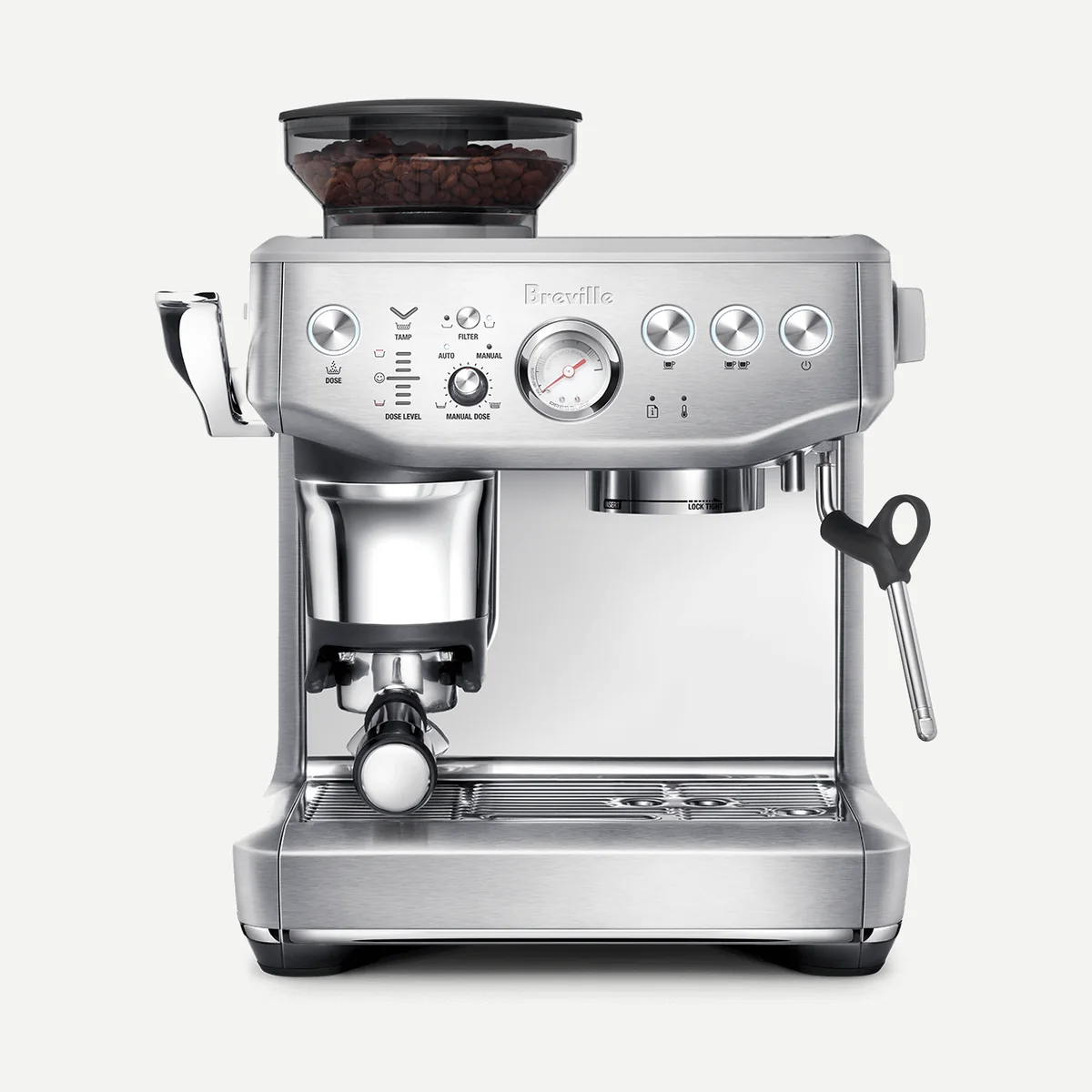
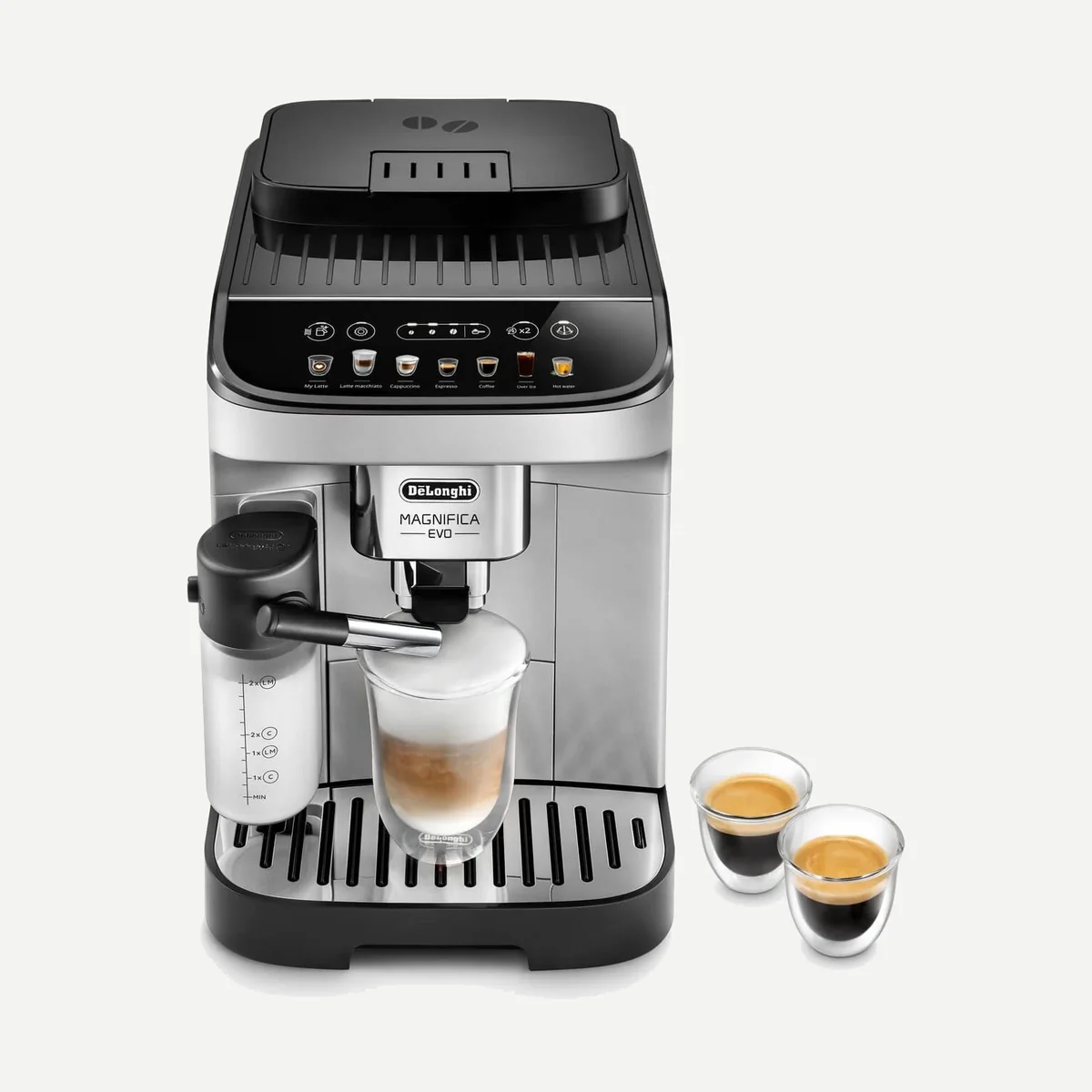
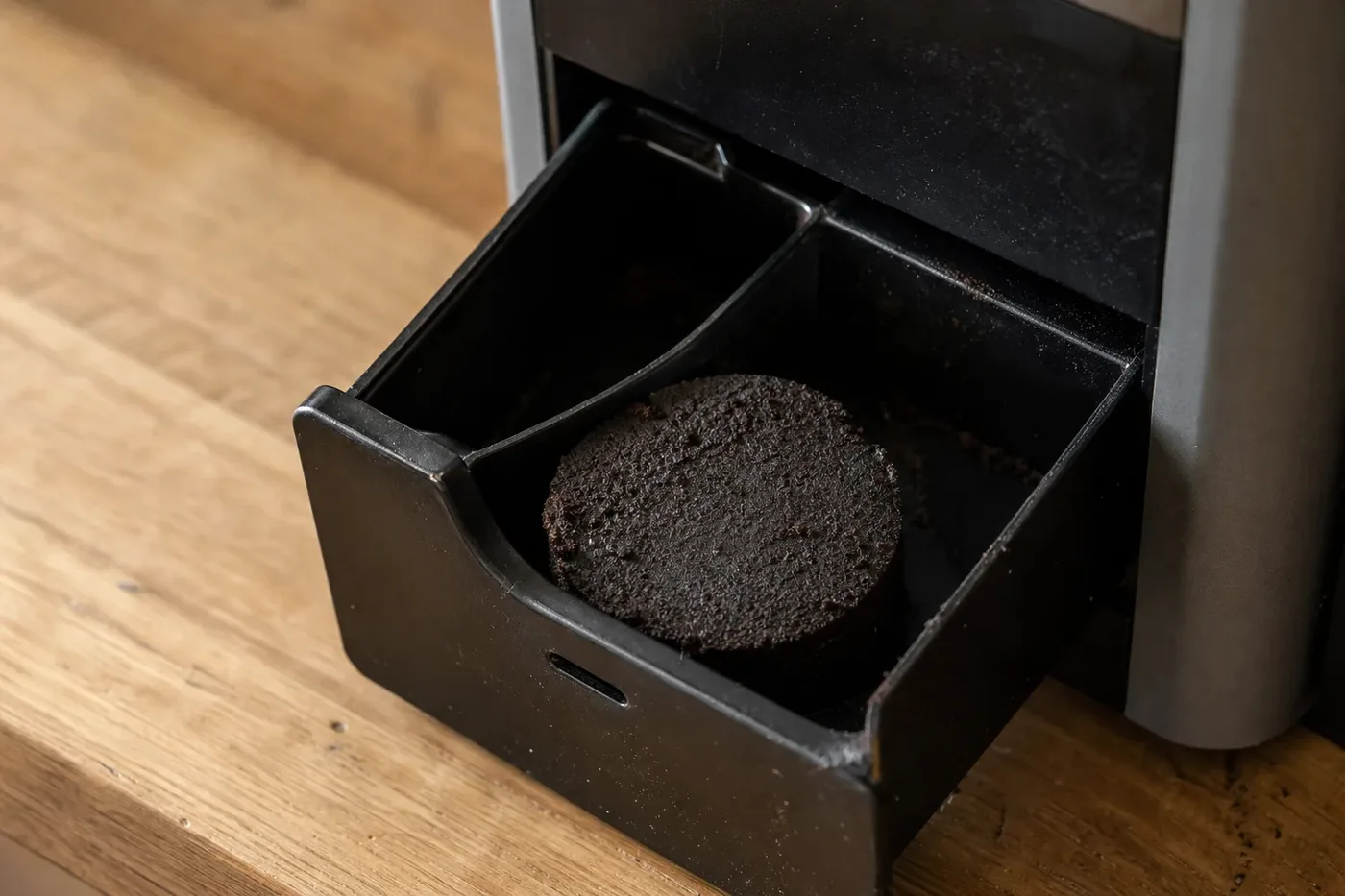
A bean-to-cup machine does four things in one press. It grinds the beans, doses the grounds, brews under pressure and drops the spent puck into a bin inside the machine. On the models with a milk system it steams and pours the milk as well. You are not buying espresso skill. You are buying the removal of it.
That framing explains why the prices look so strange. The cheapest one in our bean-to-cup listing is $399.50 and the dearest is $4,499, and both of them will put a cappuccino in a cup at one press. The extra money does not buy a fundamentally different drink. It buys a better grinder, less washing up, and a machine that tells you when it needs attention.
What separates one bean-to-cup machine from another
Rank the machines on what the maker publishes and the same four questions do most of the work.
The milk system. This is the single biggest difference and the one you cannot change later. An integrated carafe or a two-part system pours a latte macchiato while you stand still. A manual wand hands the job back to you, which is the job most people were trying to avoid. It is worth 16 of the 100 points we score these on.
The grinder. Everything downstream is fixed by the grind, and the burr set is the one component you can never upgrade without buying another machine. Most of this category uses ceramic burrs, including Philips, Gaggia and Bosch. Grind settings run from five on the Gaggia Anima to thirteen across the De'Longhi line, with JURA sitting at seven. If the difference between burr types is new to you, our piece on burr grinders against blade grinders covers why the shape of the cut matters more than the motor.
Cleaning. Every cup leaves a wet puck behind and every latte pushes milk through a pipe. A brew group that lifts out is rinsed under a tap in a minute. One that stays in has to be cleaned in place with tablets and cycles. Six of the fourteen machines we list, from four makers, publish a removable brew group, and where a maker does not answer the question we score nothing for it rather than assuming.
Capacity. Bean hoppers run from 150 g to 300 g and water tanks from 1.1 litres to 2.4. Across a working week that is the difference between filling things twice and filling them daily. It is dull and it is the thing you live with.
A bean-to-cup machine with no milk drinks at $1,339
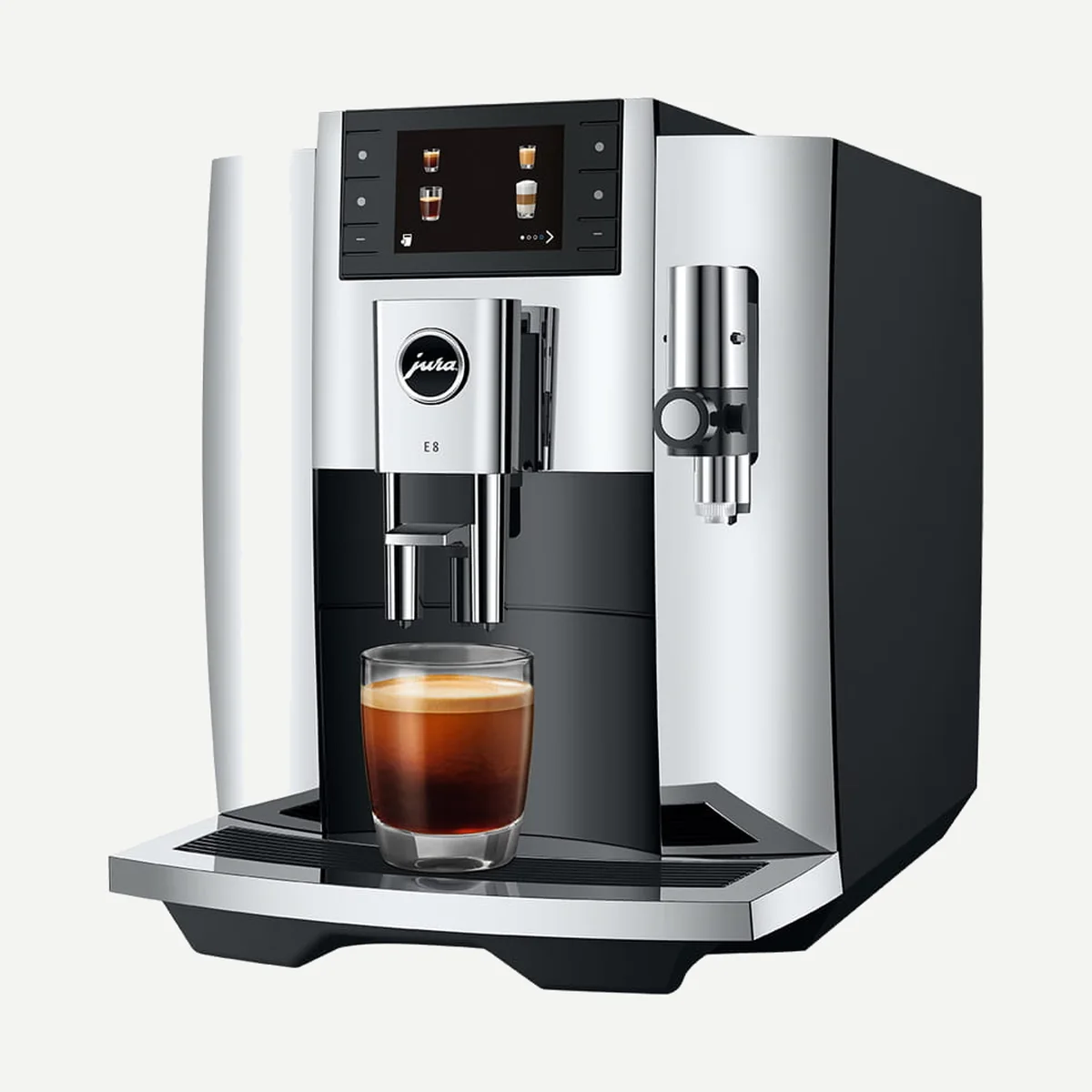
The JURA E4 is $1,339.99 and makes no milk drinks at all. That reads like a fault until you see what it did with the money, which was the grinder and the build. If you drink espresso and long black, a milk system you never touch is not a missing feature, it is money spent somewhere useful.
At the other end, the JURA Z10 names 51 drinks including cold extractions. Whether 51 is better than five depends entirely on how many of them you will ever press.
What you give up with a bean-to-cup machine
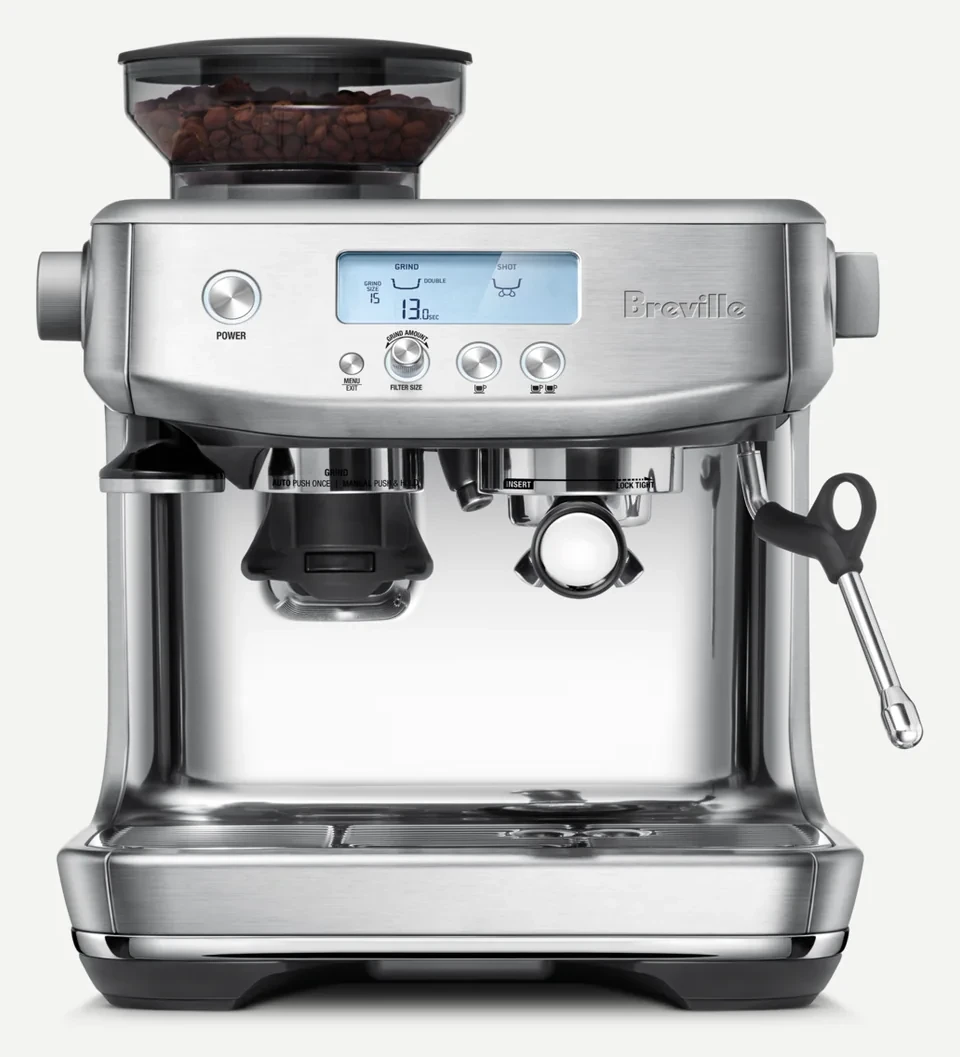
Control, mostly. An espresso machine lets you change the dose, the tamp and the shot time, and those three levers are how a café dials in a coffee. A bean-to-cup machine fixes all three and gives you a strength setting instead. If the making is the hobby, that trade is a bad one. If the coffee is the point, it is the whole reason the category exists.
The second thing you give up is silence. These machines grind, and a grinder in a quiet kitchen at six in the morning is loud. Makers rarely publish a noise figure, which tells you something in itself.
Two bean-to-cup machine specs to check before you buy
The first is cup clearance, which is the gap between the spout and the drip tray. It is published, it is easy to ignore, and the spread across the machines we list runs from 111 mm to 158 mm. A mug fits under any of them. A tall travel tumbler does not fit under several, and there is no way around it except brewing into something smaller and pouring.
The second is the warranty, and specifically the second half of the sentence. JURA covers two years or 6,000 brewings, whichever comes first, so a household making eight coffees a day arrives at that ceiling in roughly two years and an office reaches it far sooner. De'Longhi advertises an industry leading three year warranty and the specification underneath is two years plus a third if you register the machine. Neither is a scandal. Both are worth reading before you assume the years on the box are the years you get.
Who should not buy a bean-to-cup machine
Anyone who drinks one cup a day will wait a long time for the machine to justify itself against a cheaper method. Anyone who wants to learn espresso properly will find the automation frustrating rather than helpful, because the levers that teach you are the ones it removes. And anyone unwilling to spend a few minutes a week on cleaning should know that the maintenance is not optional, it is the deal.
Bean-to-cup machines FAQ
Is a bean-to-cup machine the same as a super-automatic?
Yes. The two names describe the same machine and are used interchangeably by different makers. De'Longhi and Philips tend to say bean-to-cup, JURA and Gaggia tend to say fully automatic or super-automatic. Nothing about the machine changes with the label.
Do bean-to-cup machines make real espresso?
They make espresso by the technical definition: ground coffee, roughly nine bars of pressure, a short extraction. What they do not give you is control over the dose, the tamp or the shot time, so a café barista would call the result consistent rather than adjustable. For most people at eight in the morning, consistent is the point.
How long does a bean-to-cup machine last?
The published warranties are the only honest guide we have, and they are shorter than people expect. JURA covers two years or 6,000 brewings, whichever comes first, so a household making eight coffees a day reaches the limit in about two years. De'Longhi gives two years and a third if you register the machine.
Can you use pre-ground coffee in a bean-to-cup machine?
Most of them have a second chute for it, called a bypass doser or powder chute. It is the feature to look for if one person in the house drinks decaf, because the alternative is emptying the hopper. Eleven of the fourteen machines we list say they take pre-ground coffee.
Are cheap bean-to-cup machines worth buying?
The cheapest machine we list is $399.50 and it does the same core job as the $4,499 one: grind, dose, brew, eject. What the money buys further up is a better grinder, a milk system you are not rinsing by hand, and a machine that tells you when it needs descaling. Start by deciding whether you need automatic milk, because that is the part you cannot add later.
Reviewed on this site
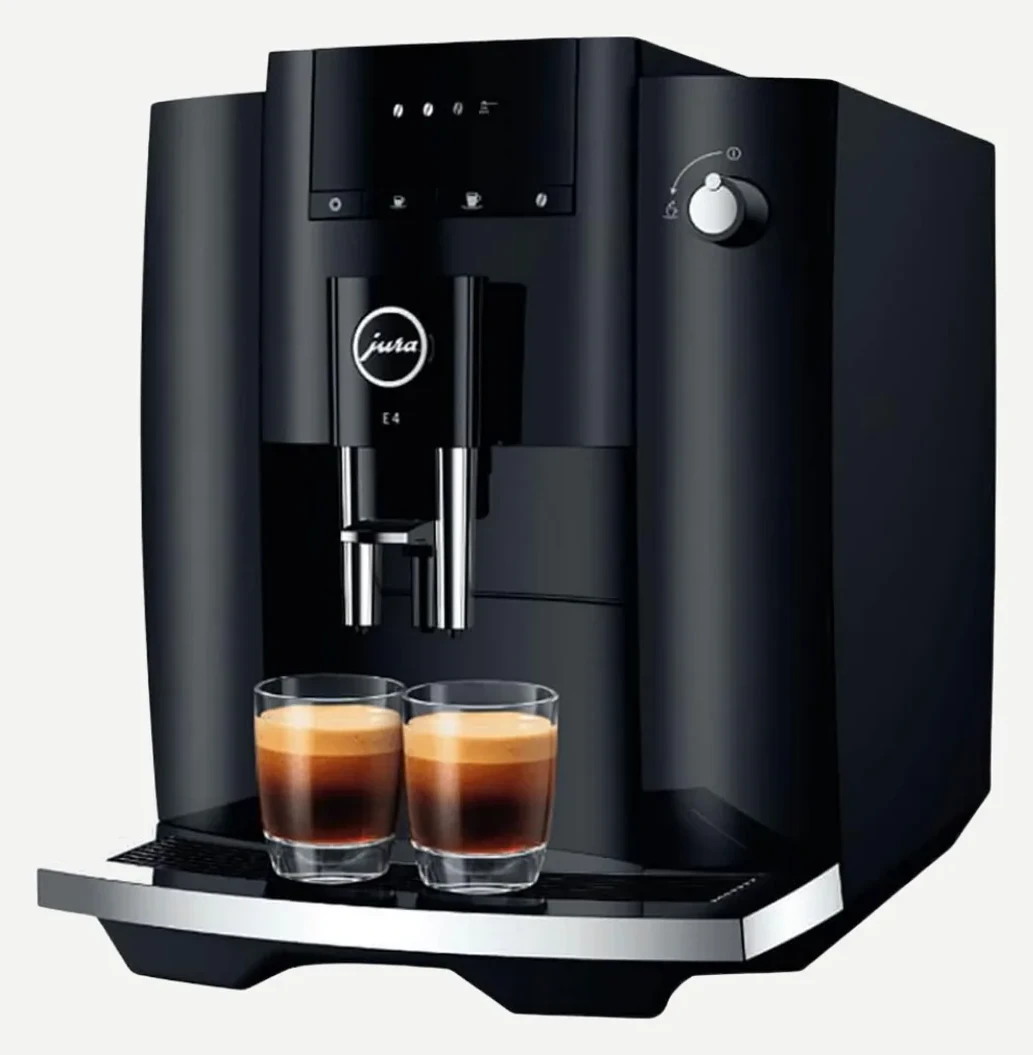 Jura E4 Automatic Coffee MachineBean-to-cup with a grinder Jura says is built to last the machine's life
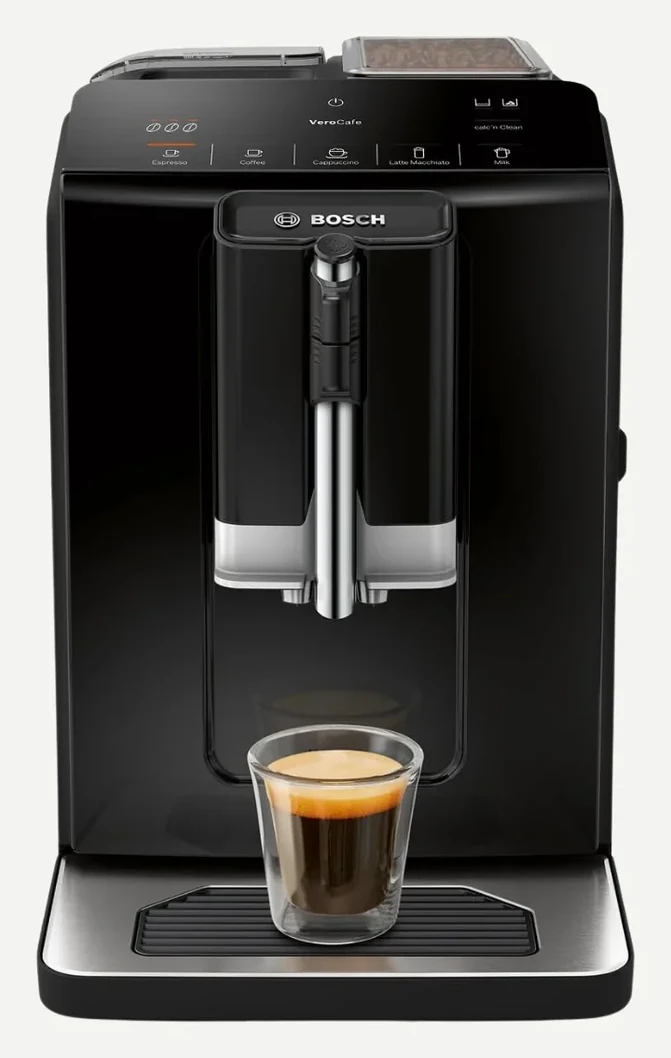 Bosch 300 Series Fully Automatic Espresso MachineOne-touch milk drinks with a ceramic grinder and a brew unit you can actually take out
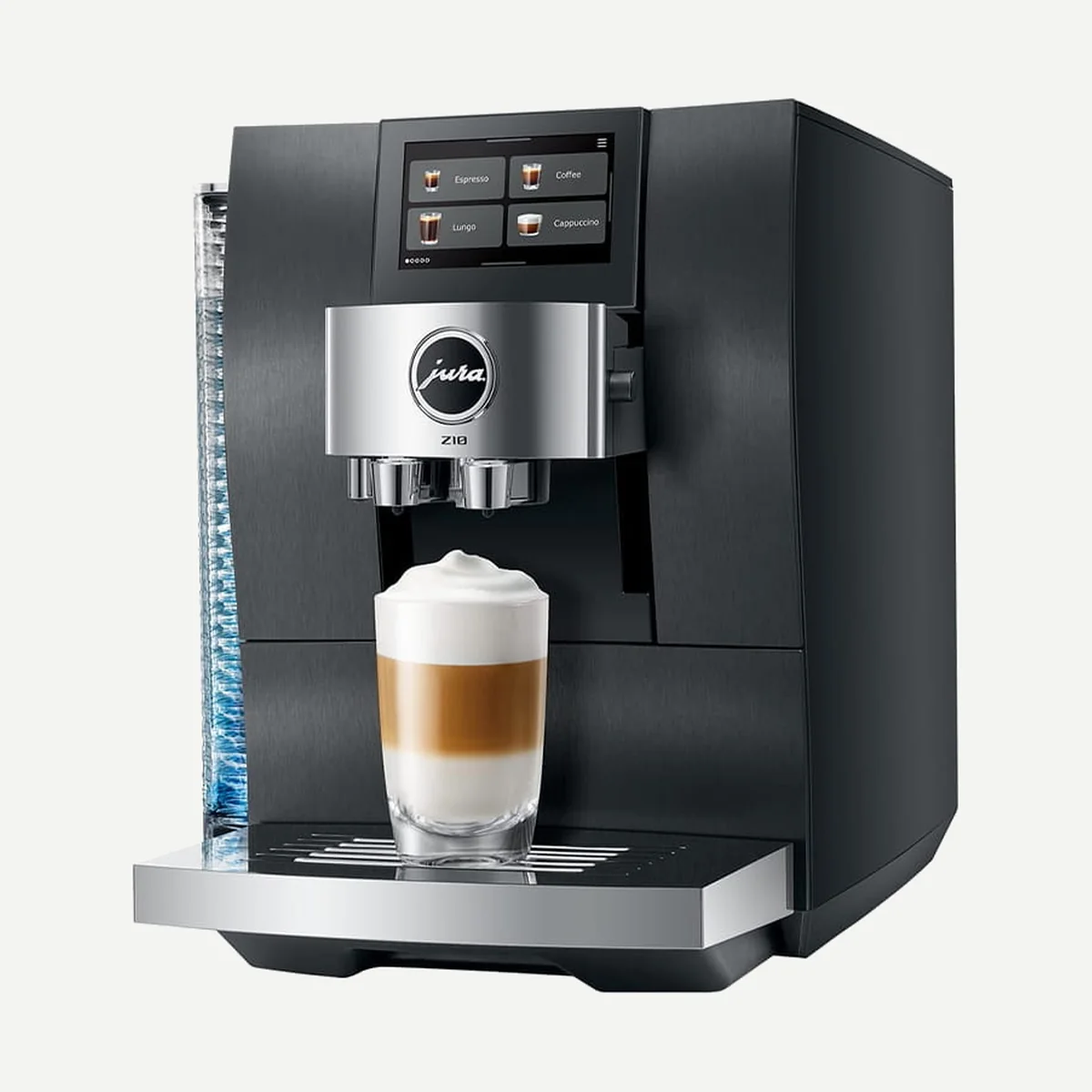 Jura Z10 (NAB)A household that wants hot, cold brew and light brew coffee drinks, 51 of them, from one touchscreen with no barista skill at all