What is the Philips Barista Brew?
An all-in-one that gives beginners the two things that usually cost extra: a 58mm portafilter and consistent tamping.
Philips publishes a 58mm portafilter with both single walled and dual walled baskets, a 250g bean container with an integrated grinder, a premium calibrated tamper with a countertop-safe tamping system, a manual steam wand, and a 450ml stainless steel milk jug with a temperature indicator in the box. The model is PSA3218/01.
Why tamping is the first variable worth removing
Uneven pressure ruins more beginner shots than bad beans do.
A tamp has to be level and consistent. Tilt it and the water finds the thin side and channels through, giving a shot that is sour and bitter at once. Vary the pressure between shots and the same grind setting gives different flow rates, so you chase the dial without ever settling.
A calibrated tamper stops at a set force, so every puck gets the same compression regardless of who made it. That removes one whole variable while you are still learning the others, and it is the reason a spring-loaded tamper is one of the most-bought espresso accessories. Here it is built in.
58mm, and the baskets that come with it
The commercial standard, on a machine at this price, is unusual.
58mm is what cafe machines use, which means every accessory ever made fits: dosing funnels, WDT tools, bottomless portafilters and better baskets. A machine on 51mm or 54mm limits you to a much smaller shelf.
Philips also ships both basket types, and the difference matters. A dual walled or pressurised basket forces the coffee through a small hole to manufacture crema, which is forgiving of a bad grinder. A single walled basket does not, so the shot is only as good as the grind. Having both means you can start on one and move to the other.
Philips Barista Brew vs Breville Barista Express
Two grind-and-brew machines, and the difference is the portafilter.
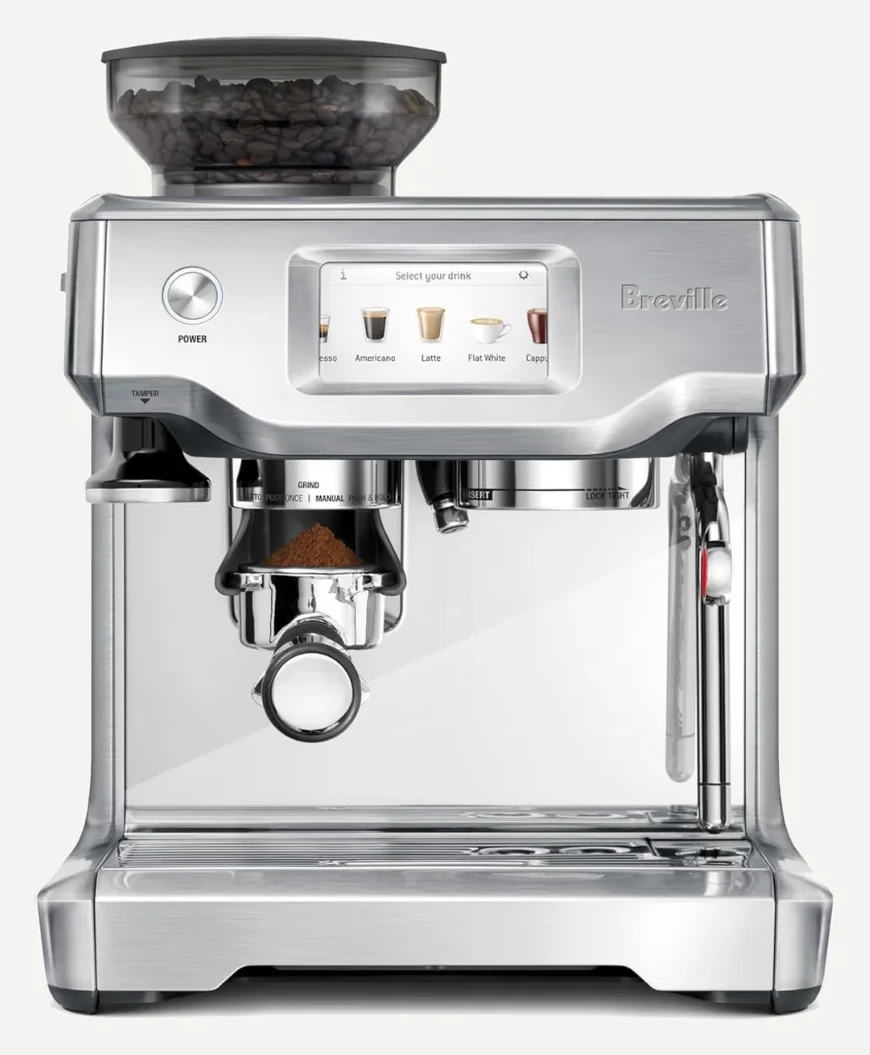
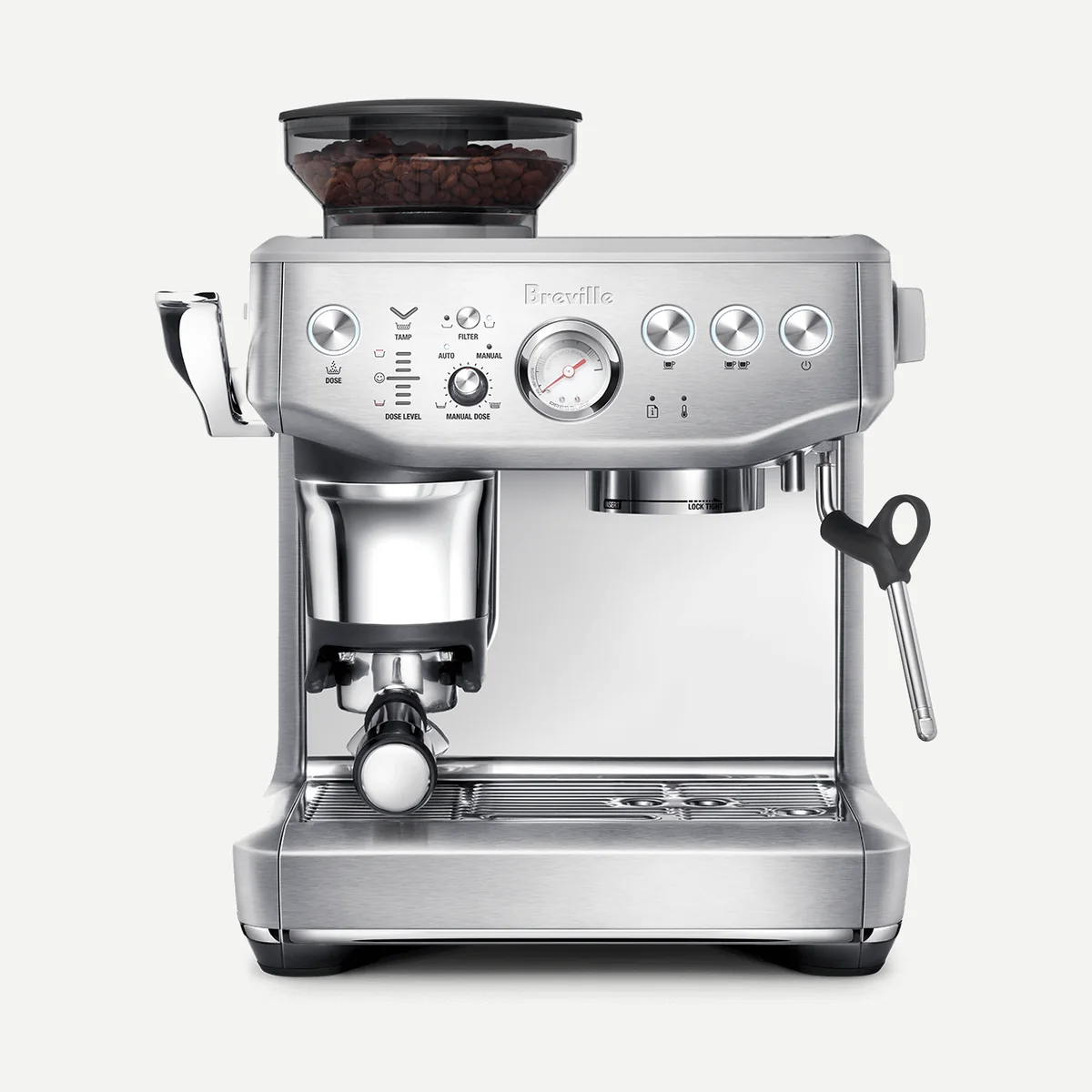
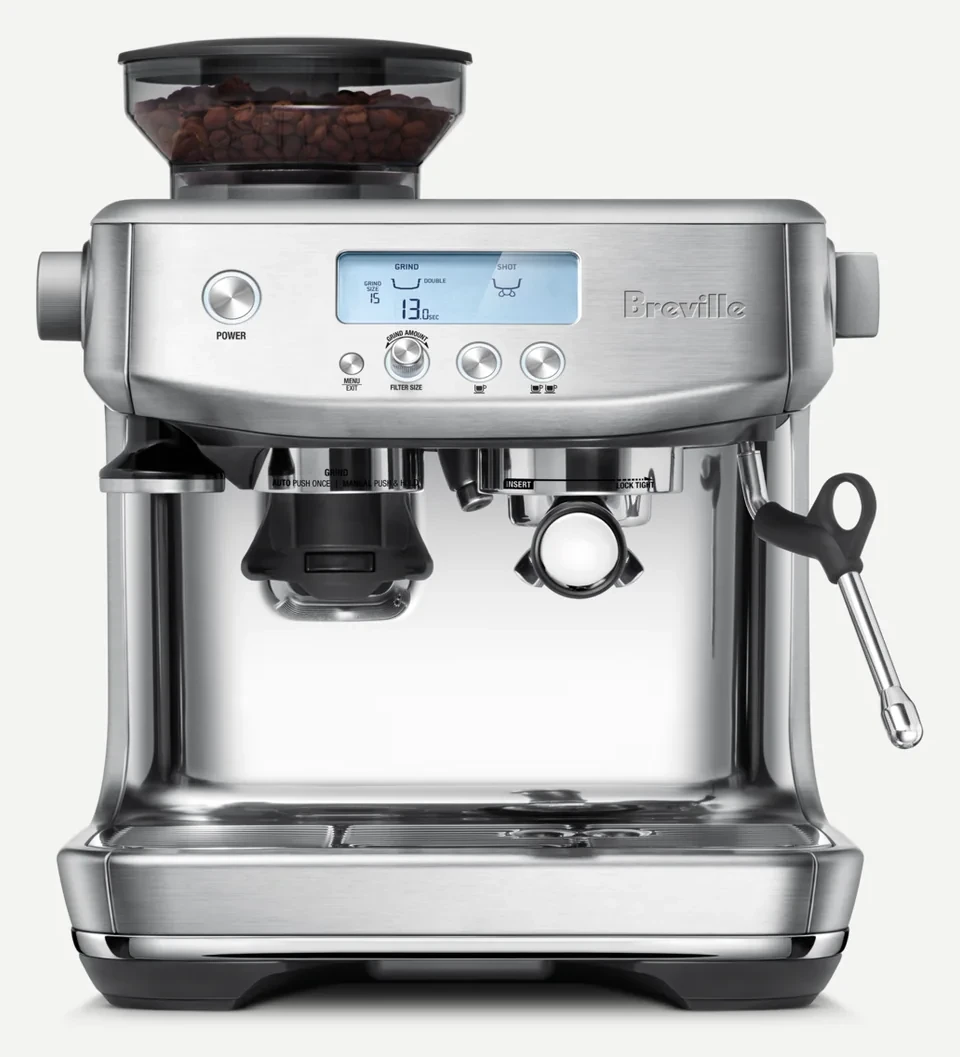
The Breville Barista Express BES870XL is the established choice here and has 27,000 reviews behind it. It uses a 54mm portafilter.
Philips answers with 58mm, which opens the whole accessory market, and with the calibrated tamping system. Breville answers with a longer track record and a bigger community. If you expect to keep upgrading around the machine, the 58mm is the more future-proof choice.
Is it worth it?
Good value for a machine that includes the grinder and the tamper.
Buying a separate grinder and a calibrated tamper alongside a bare machine costs more than the gap between this and a portafilter-only model, so the all-in-one is genuinely economical here.
Philips publishes no pump pressure, no boiler type, no PID and no warranty term on this listing, and no grind settings count. It is thinner on specification than the Brevilles it competes with.
Who should buy it (and who should not)
Buy it as a first real espresso machine you can grow into.
It suits somebody moving up from pods who wants one box that does everything, and anybody who intends to buy accessories later, since 58mm fits everything.
Do not buy it if you already own a good grinder; a bare 58mm machine plus your grinder will beat an all-in-one's built-in one. And the steam wand is manual, so milk still has to be learned.
Frequently Asked Questions
What size portafilter does it use?
58mm, the commercial standard, which means the full accessory market fits it.
What is a calibrated tamper?
A tamper that stops at a set force, so every puck is compressed identically. It removes the most common beginner mistake.
What is the difference between the two baskets?
A dual walled basket manufactures crema and forgives a poor grind. A single walled one extracts honestly and needs a good grinder. Both are included.
Does it froth milk automatically?
No, it has a manual steam wand and ships with a 450ml jug that has a temperature indicator.